 Egypt
Five thousand years of history along the Nile: pyramids, pharaonic temples and the Red Sea.
Places not to miss
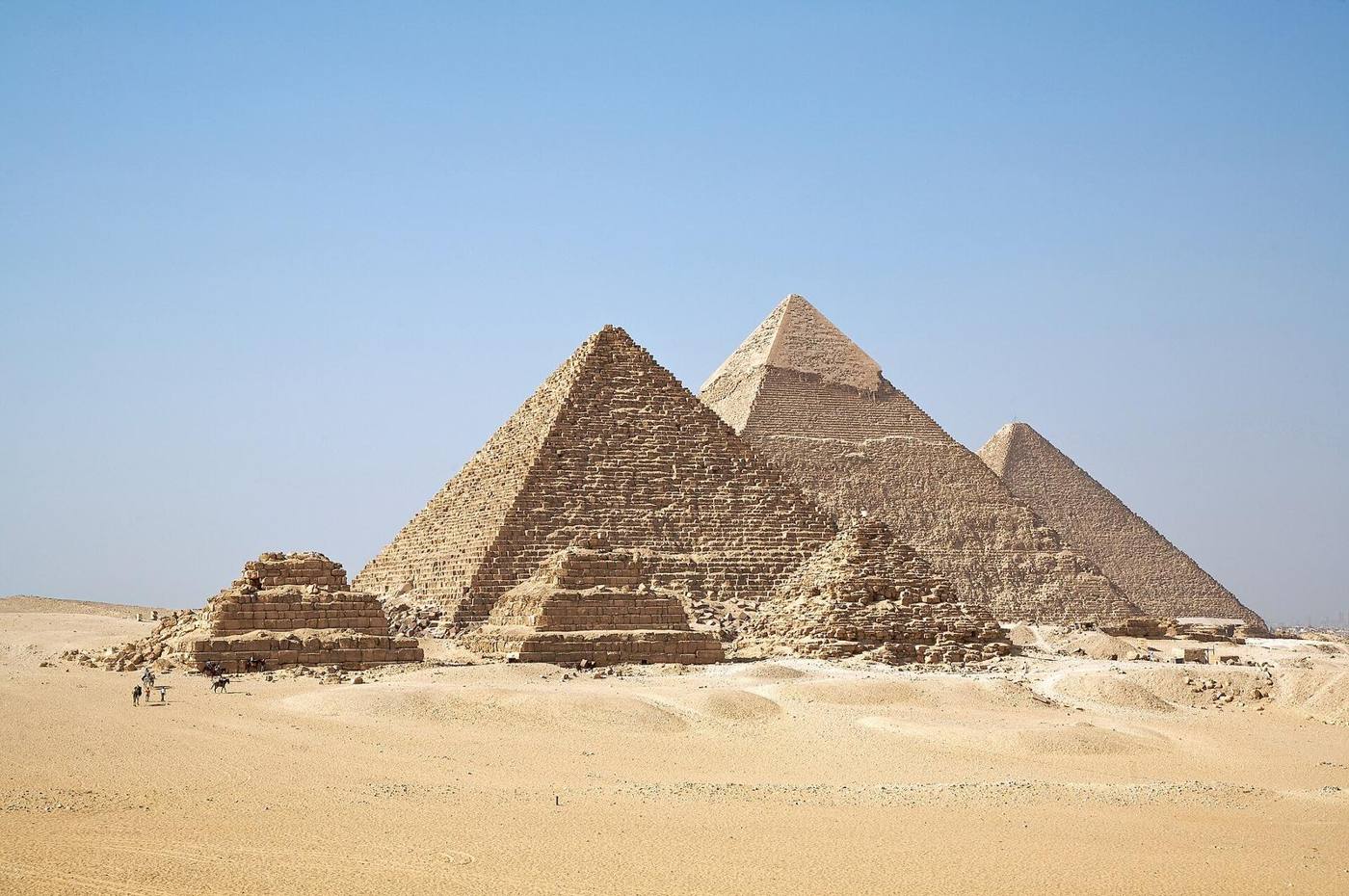
Giza
The Pyramids and the Sphinx; the Grand Egyptian Museum.
Luxor
Karnak, the Valley of the Kings, hot-air balloons.
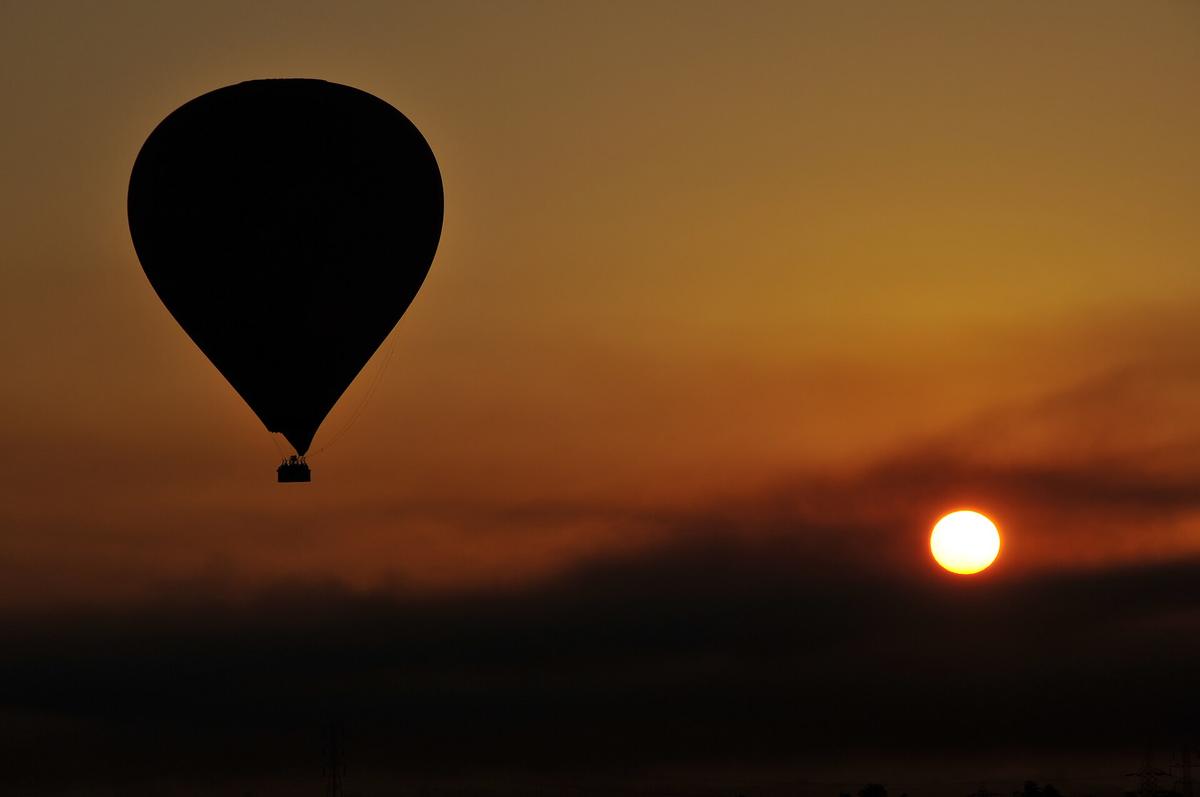
Photo: Marcosleal, CC BY-SA 3.0 Abu Simbel
The temples of Ramses II.
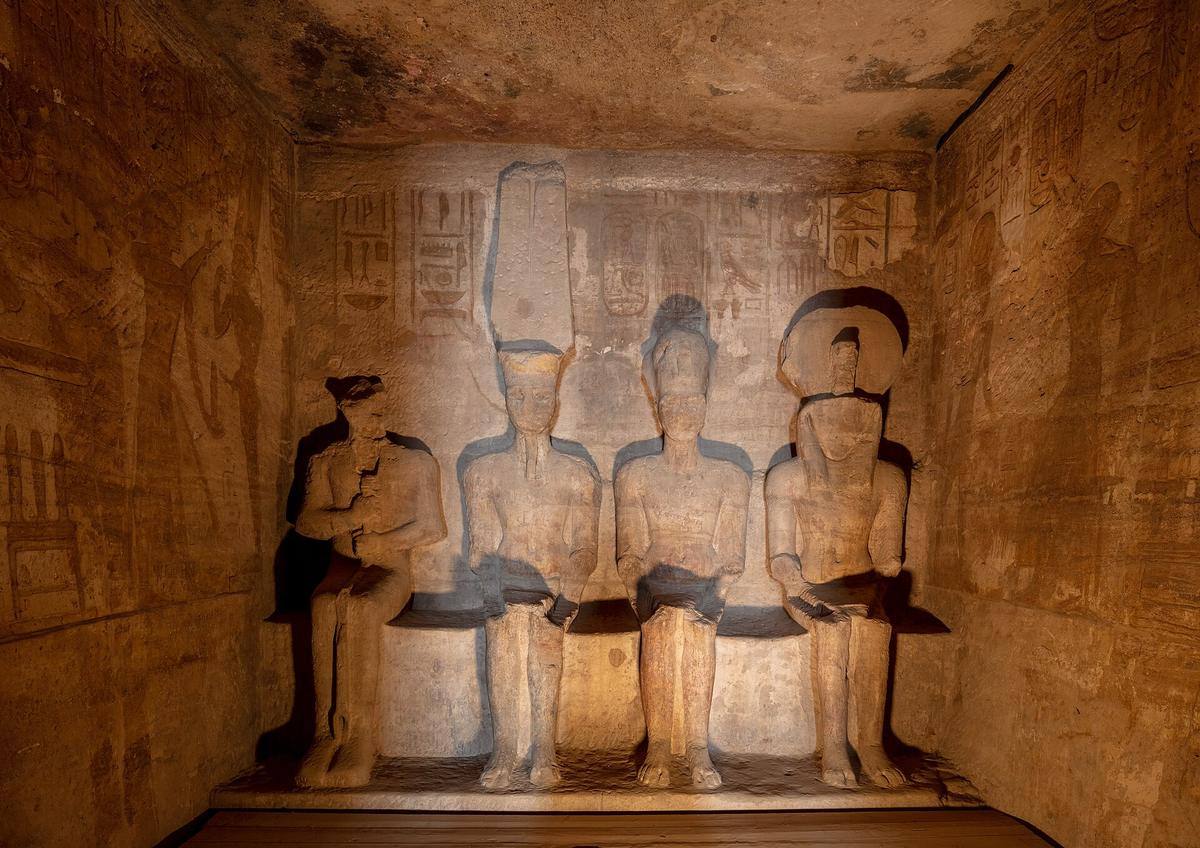
Photo: Diego Delso, CC BY-SA 4.0 Nile cruise
Edfu, Kom Ombo, Aswan.
Cairo
Islamic Cairo and Khan el-Khalili.
Red Sea
Corals at Marsa Alam and Sharm.
White Desert
Chalk formations.
Nature and wildlife
Dugongs and corals, dolphins.
Food and drink
Koshari, ful medames, falafel.
When to go
October-April.
Did you know?
The Great Pyramid was the tallest structure in the world for about 3,800 years.
Itineraries in Egypt
Cairo and a Nile cruise
The pyramids of Giza and the Grand Egyptian Museum, then four days sailing between Luxor and Aswan.
Complete Egypt: the Nile, the desert and the Red Sea
The pyramids, the Nile from Aswan to Luxor, a night in the White Desert and a finale on the Red Sea reef.
Cairo and Alexandria
A long weekend among the pyramids, the new Grand Egyptian Museum, Islamic Cairo and Alexander's city on the Mediterranean.
The Nile Delta and Alexandria
The Egypt tourists skip: the Coptic monasteries of Wadi Natrun, Rosetta and its Ottoman houses, Tanis, the Delta villages and Alexandria.
Cairo to Abu Simbel overland
The Nile without a cruise: a night train, Nubian villages, a felucca in Aswan, dawn at Abu Simbel and the Valley of the Kings.
Luxor, Aswan and Abu Simbel with a Nile cruise
Southern Egypt at a gentle pace: three days in Luxor, four nights sailing to Aswan and the flight to Abu Simbel.
The New Valley oases and the White Desert
From Luxor into the Western Desert: Kharga, Dakhla and its mud villages, Farafra, the White Desert and Bahariya, through to Cairo.
Cairo and the temples of Lake Nasser
The pyramids and then the far south: the Nubian temples rescued from the dam's waters, reached by boat on Lake Nasser all the way to Abu Simbel.
Sinai: Mount Moses, St Catherine's and Dahab
Dawn from the top of Mount Sinai, the world's oldest monastery, coloured canyons and the coral reef of Dahab.
Siwa oasis and the Mediterranean
The coast road from Alexandria to Marsa Matruh and then the Berber oasis of Siwa: salt lakes, springs, Alexander the Great's oracle and the Great Sand Sea.
The Grand Egyptian Museum and Cairo in depth
Cairo with the time it deserves: a full day at the Grand Egyptian Museum near the pyramids, with Tutankhamun's complete treasure, the Egyptian Museum on Tahrir Square, Coptic Cairo with the Hanging Church, Islamic Cairo between al-Azhar, Bab Zuweila and al-Muizz Street, and the Khan el-Khalili bazaar.
Luxor in depth, Dendera and Abydos
Ancient Thebes beyond the classic visits: on the west bank Medinet Habu, the Ramesseum, the craftsmen's village of Deir el-Medina and the tombs of the nobles, then the temple of Hathor at Dendera with its zodiac ceiling and the temple of Seti I at Abydos, with the finest reliefs in Egypt.
Aswan and Nubia
The Nubian south, slowly: the Nubian Museum, Elephantine Island and its villages, the tombs of the nobles at Qubbet el-Hawa, the desert Monastery of St Simeon, the temple of Kalabsha on Lake Nasser, the unfinished obelisk and the Nubian village of Gharb Soheil by boat.
By dahabiya from Esna to Aswan
The Nile under sail, as in the 19th century: a dahabiya, the traditional two-masted boat with few cabins, stopping where big ships cannot, at the temple of Esna with its newly restored colours, at El Kab, the Gebel el-Silsila quarries, Edfu and Kom Ombo, with swims and village walks.
Abu Simbel and the Sun Festival
Twice a year, on 22 February and 22 October, the rising sun reaches deep into the temple of Ramesses II to light the statues of the gods in the sanctuary: a trip built around that moment, with a night in Abu Simbel, the evening show, the temple of Nefertari and the return to Aswan and Philae.
Marsa Alam and Wadi el-Gemal
The southern Red Sea, less built-up: snorkelling with turtles and, with luck, the dugong in Abu Dabbab bay, Sataya reef and its dolphins, Wadi el-Gemal National Park among mangroves, acacias and Ababda villages, and starry skies over the Eastern Desert.
Liveaboard: the Brothers, Daedalus and Elphinstone
A week on board in the open Red Sea: the two Brothers islets with the wreck of the Numidia, Daedalus reef with its lighthouse and vertical walls, Elphinstone, with oceanic whitetips in autumn, hammerheads in some months, soft corals and big schools.
Hurghada, El Gouna and the Giftun Islands
The easy Red Sea, children included: El Gouna with its lagoons and canals, the boat to the Giftun Islands, a national park with white beaches and snorkelling reefs, a first try-dive and an outing into the Eastern Desert with the Red Sea mountains at sunset.
The Coptic monasteries of the Red Sea
Two of the oldest Christian monasteries in the world, in the desert between the Nile and the sea: St Anthony's, with its restored wall paintings and the hermit's cave above the convent, and St Paul's behind the mountains, with its rock-cut church, plus a few hours on the Ain Sokhna coast.
Port Said, Ismailia and the Suez Canal
Canal Egypt, unlike anywhere else: Port Said with its colonial buildings and wooden balconies, the domed Canal Company building and the no-cost ferry to Port Fuad, then Ismailia, a garden city on Lake Timsah, where ships seem to sail between the houses.
Practical guide to Egypt
- Documents
- EU travellers need a passport valid for at least six months and a tourist visa. Apply online on the official portal (visa2egypt.gov.eg) before travelling or on arrival at the airport, at the bank counters before passport control: since 1 March 2026 the visa on arrival costs 30 dollars, payable in cash.
- Safety
- Tourist areas along the Nile, in Cairo and on the Red Sea are busy and well policed. The UK advises against all travel to North Sinai and within 20 km of the Libyan border (except Salloum), and against non-essential travel to much of the Western Desert off the main roads and to parts of South Sinai and Ismailia. In cities the most common problems are petty scams and pushy vendors. Official advice: GOV.UK.
- Getting around
- Between Cairo, Luxor and Aswan you travel by domestic flight, overnight train or Nile cruise. In Cairo the metro is cheap; otherwise use ride-hailing apps, which show the fare before you set off. For desert trips or Abu Simbel a driver or organised tour is advisable.
- Verified costs
- We do not give a single daily figure. A certain cost in 2026: since 1 November the Grand Egyptian Museum costs 1,830 Egyptian pounds for foreign adults and 920 for foreign students and children (source Egypt Today). Tickets for archaeological sites such as the Valley of the Kings are often sold separately for individual tombs and change frequently: check the Ministry of Tourism and Antiquities' official channels before you go.
Climate month by month
Average minimum and maximum temperatures in Cairo, Luxor and Aswan. Egypt is dry almost all year: in summer the south often exceeds 40 °C, in winter desert nights are cold.
- January
- Cairo 10 / 19 °C · Luxor 7 / 23 °C · Aswan 10 / 23 °C
- February
- Cairo 11 / 21 °C · Luxor 9 / 25 °C · Aswan 11 / 26 °C
- March
- Cairo 13 / 24 °C · Luxor 13 / 30 °C · Aswan 15 / 30 °C
- April
- Cairo 16 / 28 °C · Luxor 17 / 35 °C · Aswan 20 / 35 °C
- May
- Cairo 19 / 32 °C · Luxor 22 / 39 °C · Aswan 25 / 40 °C
- June
- Cairo 22 / 35 °C · Luxor 25 / 41 °C · Aswan 27 / 42 °C
- July
- Cairo 24 / 35 °C · Luxor 26 / 41 °C · Aswan 28 / 42 °C
- August
- Cairo 24 / 35 °C · Luxor 25 / 41 °C · Aswan 28 / 42 °C
- September
- Cairo 23 / 33 °C · Luxor 23 / 39 °C · Aswan 26 / 40 °C
- October
- Cairo 20 / 30 °C · Luxor 19 / 35 °C · Aswan 22 / 36 °C
- November
- Cairo 15 / 25 °C · Luxor 13 / 29 °C · Aswan 16 / 30 °C
- December
- Cairo 11 / 21 °C · Luxor 8 / 24 °C · Aswan 11 / 24 °C
Source: Climats et Voyages (Cairo and Luxor 1991-2020; for Aswan the period is not stated). Data and prices checked in November 2026.
Where to go and where not to
Avoid the areas listed above and before booking, always check up-to-date official travel advice, because the situation can change.