Aswan and Nubia
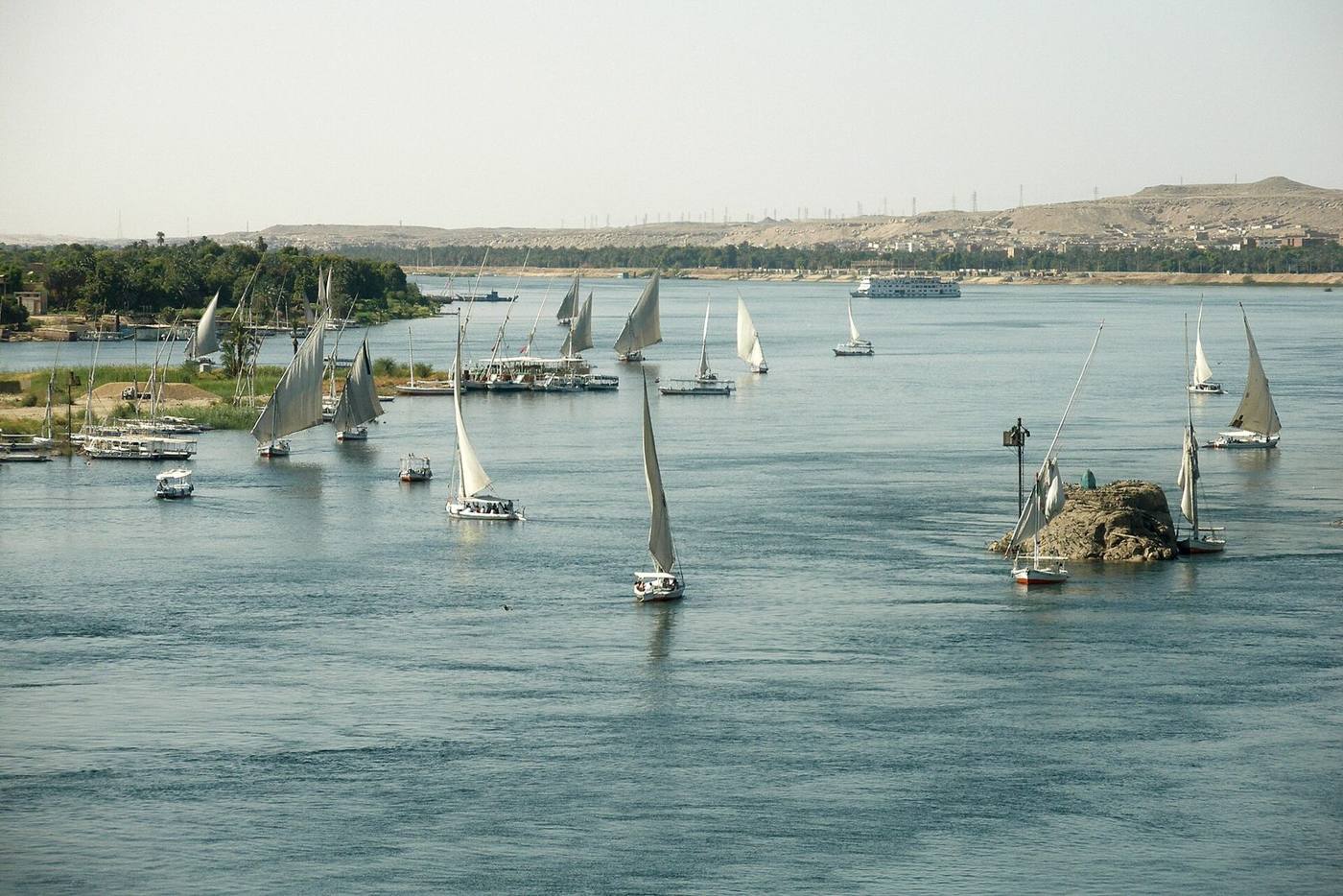
The Nubian south, slowly: the Nubian Museum, Elephantine Island and its villages, the tombs of the nobles at Qubbet el-Hawa, the desert Monastery of St Simeon, the temple of Kalabsha on Lake Nasser, the unfinished obelisk and the Nubian village of Gharb Soheil by boat.
- Aswan
- Elephantine
- Qubbet el-Hawa
- Kalabsha
- Gharb Soheil
Day by day
- Day 1
The Nubian Museum and the Unfinished Obelisk
To enter Egypt EU citizens need a passport valid for at least six months and a tourist visa, which can be obtained online before departure or on arrival at the main airports; the visa on arrival has cost 30 dollars since March 2026. Check the rules for your nationality. Aswan is about an hour and a half by plane from Cairo, or reachable by overnight train.
Aswan is Egypt's southernmost city, on the Nile, where the river flows between pink granite rocks, green islands and golden sand dunes. It is the gateway to Nubia, homeland of the Nubian people, with their own language and culture. The climate is dry and very hot in summer; the best season is October to April.
In the morning visit the Nubian Museum, a modern museum built with UNESCO's help, telling the history of Nubia from prehistory to the Islamic era, with statues, jewellery, mummies and a large model of the Nile valley before the dam. It also tells how the temples were rescued, dismantled and moved in the 1960s so they would not be flooded by Lake Nasser, and the life of the drowned Nubian villages. Around the museum is a garden with a reconstructed Nubian house.
In the afternoon visit the Unfinished Obelisk in the city's ancient granite quarries. Had it been completed, it would have been the largest obelisk ever raised, about forty-two metres long, but a crack appeared during the work and it was abandoned. You can still see the ancient Egyptians' chisel marks.
Practical tip: in summer Aswan often exceeds 40 degrees; visit outdoor sites early in the morning or late in the afternoon.
- Day 2
Elephantine, the Tombs of the Nobles and St Simeon's Monastery
In the morning take the public ferry or a boat to Elephantine Island, in the middle of the Nile opposite the city, inhabited for thousands of years. In the south of the island are the ruins of the ancient town of Abu, with the remains of the temples of Khnum, the ram-headed god who, the Egyptians believed, controlled the Nile flood, and the nilometer, a stone staircase descending into the river with marks for measuring the water level to forecast the harvest and taxes. In the north are two Nubian villages with colourful houses, vegetable gardens and palms, where you stroll through the lanes.
In the afternoon cross to the west bank by boat and climb to the Tombs of the Nobles, carved into the hill of Qubbet el-Hawa, the tombs of Aswan's governors of the Old and Middle Kingdoms, with painted walls and inscriptions describing expeditions into Africa. From the top of the hill you see the whole city and the Nile's first cataract.
Then walk across the sand, or ride a camel, to the Monastery of St Simeon, a large seventh-century Coptic monastery abandoned in the thirteenth century, with stone and mud-brick walls, a church, monks' cells and views over the desert.
Practical tip: there is no shade on the west bank; bring water, a hat and closed shoes for the sand.
- Day 3
Kalabsha, the dam and a felucca at sunset
In the morning head south to the Aswan High Dam, built in the 1960s, about four kilometres long, which created Lake Nasser, one of the largest artificial lakes in the world, about five hundred kilometres long into Sudan. The dam stopped the Nile floods and supplies electricity to much of Egypt. From the road on top you see the lake on one side and the river on the other. Remember that photographing some military structures around it is forbidden.
Then take a boat from the harbour near the dam to the temple of Kalabsha on a promontory in the lake. It is the largest temple in Nubia after Abu Simbel, dedicated to Mandulis, a Nubian god, built in Roman times and moved here block by block in the 1960s to save it from the lake. Next to it are the small rock-cut temple of Beit el-Wali, with coloured reliefs of Pharaoh Ramesses II in battle, and the kiosk of Qertassi.
Alternatively, or as well, visit the temple of Philae, dedicated to the goddess Isis, on an island reached by boat, also moved to save it from the water and one of the most beautiful temples in Egypt.
At sunset take a felucca ride, the traditional wooden sailing boat of the Nile, among the islands and granite rocks around Kitchener's Island with its botanical garden, as the sun goes down behind the dunes of the west bank.
Practical tip: agree the price and length of the felucca ride before boarding.
- Day 4
The boat to Gharb Soheil and departure
In the morning take a motorboat up the Nile for about forty minutes to Gharb Soheil, a Nubian village on the west bank below the sand dunes. The trip passes through the granite rocks of the first cataract, with herons, kingfishers and children waving from the banks.
Gharb Soheil is famous for its domed Nubian houses painted blue, yellow, pink and green, with flowers, animals and geometric patterns on their façades. Many families open their homes to visitors for hibiscus tea, karkadé, and to show the rooms. Some houses keep small crocodiles in tanks, an old Nubian tradition considered lucky but problematic for the animals' welfare: you can choose not to visit them. The village sells handmade spices, baskets, jewellery and shawls. You can also take a short ride on the sand or swim in the Nile at a spot shown by the boatmen.
In the afternoon return to Aswan. If you have time before departure, stroll along the riverside Corniche and through the city's souk, the covered market, with spices, fabrics and karkadé.
Things to take home: spices and karkadé from the souk, Nubian shawls and baskets, alabaster objects and painted papyrus.
Practical tip: from Aswan airport there are flights to Cairo and Abu Simbel; allow time for security checks. Check your government's travel advice before leaving.
Aswan is Egypt's most relaxed city and pairs well with a cruise or Abu Simbel. In Gharb Soheil many houses welcome visitors: ask before photographing people. Summer is extremely hot. A visa is required, obtained online before travelling or on arrival at the airport. The UK advises against all travel to North Sinai and within 20 km of the Libyan border, and against all but essential travel to most of the Western Desert: this itinerary stays outside those areas.
Before you go
- Documents and visa
- Passport valid for at least six months and a tourist visa, obtained online on the official portal or on arrival at the airport, where since 1 March 2026 it costs 30 dollars in cash.
- Health and vaccines
- No compulsory vaccines for travellers from Europe. Drink only bottled water and take out travel health insurance. Emergencies: 122 police, 123 ambulance.
- Money and payments
- Egyptian pound. Cards work in hotels and larger shops, but for tips, taxis and markets you need cash in small notes.
- Power sockets
- Types C and F, 220 volts.
- Time zone
- UTC+2 in winter; Egypt uses daylight saving time in summer.
- Safety
- Tourist areas along the Nile and the Red Sea are busy and well policed. Governments advise against North Sinai, the Libyan border strip and much of the Western Desert off the main roads. Official advice: GOV.UK.
Information checked in November 2026 for Italian and EU citizens. Rules change: always check before you travel.
Variations
In 2 days: the Nubian Museum, Philae and Elephantine on the first day, Gharb Soheil village and a felucca on the second.
In 7 days: add a trip to Abu Simbel and a few days in Luxor, with the Valley of the Kings and Karnak temple, or a Nile cruise to Luxor.
Frequently asked questions
How do I get a visa for Egypt?
Online before departure or on arrival at the main airports; the visa on arrival has cost 30 dollars since March 2026. You need a passport valid for at least six months.
When is the best time for Aswan?
October to April. In summer temperatures often exceed 40 degrees.
Can you swim in the Nile?
Boatmen suggest it at some spots near the Nubian villages, but the river has currents and the water is not always clean: use caution and never swim alone.
Indicative itinerary written by World Atlas. Before booking, check timetables, seasonal openings, documents and safety.
 6 daysEasy
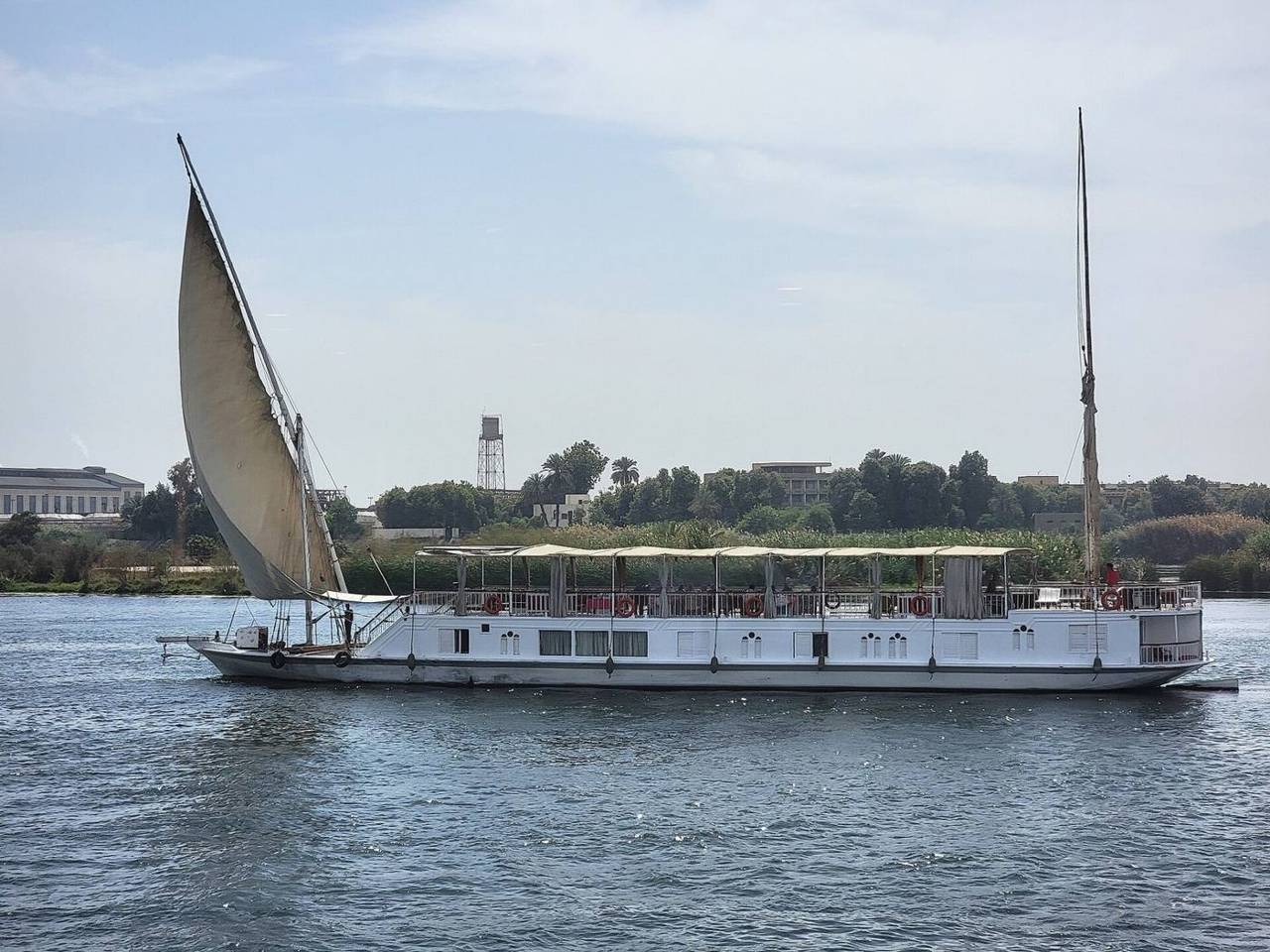
By dahabiya from Esna to Aswan
The Nile under sail, as in the 19th century: a dahabiya, the traditional two-masted boat with few cabins, stopping where big ships cannot, at the temple of Esna with its newly restored colours, at El Kab, the Gebel el-Silsila quarries, Edfu and Kom Ombo, with swims and village walks.
 4 daysEasy
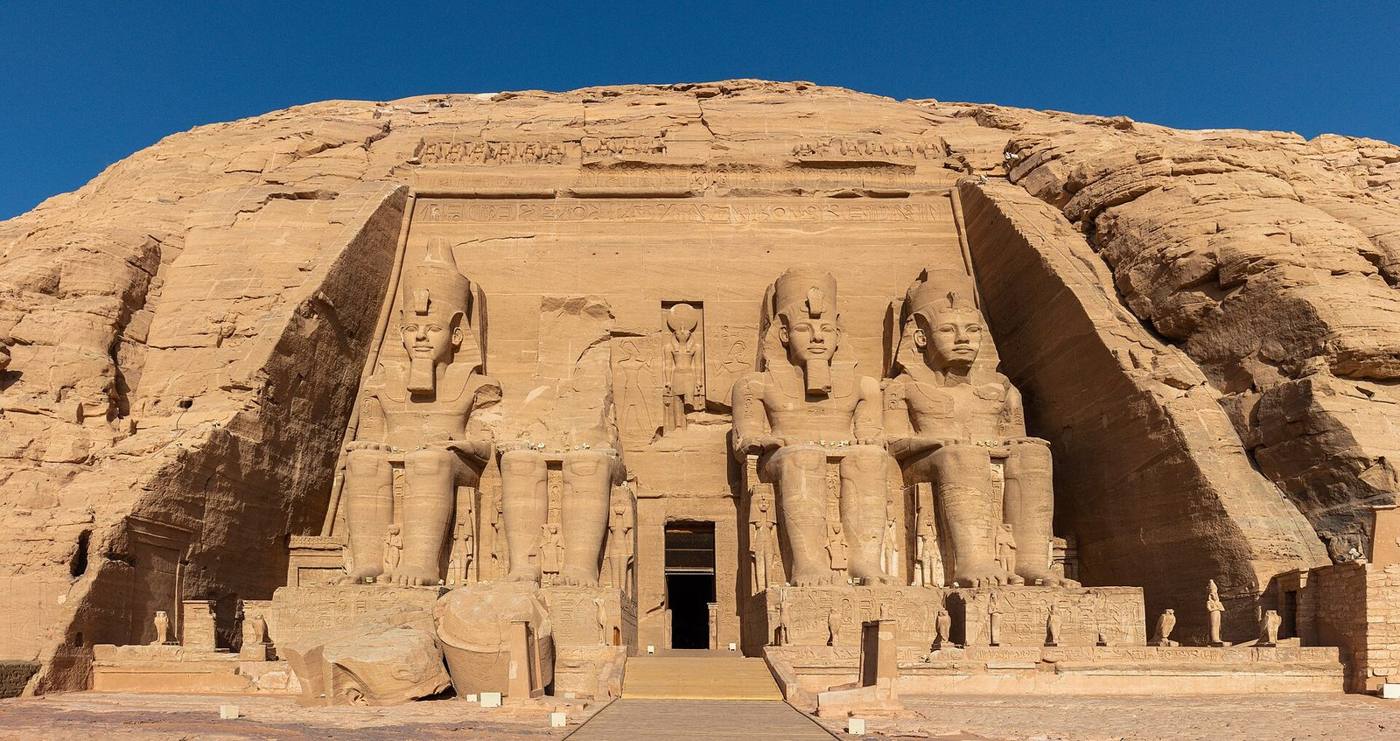
Abu Simbel and the Sun Festival
Twice a year, on 22 February and 22 October, the rising sun reaches deep into the temple of Ramesses II to light the statues of the gods in the sanctuary: a trip built around that moment, with a night in Abu Simbel, the evening show, the temple of Nefertari and the return to Aswan and Philae.
 7 daysEasy
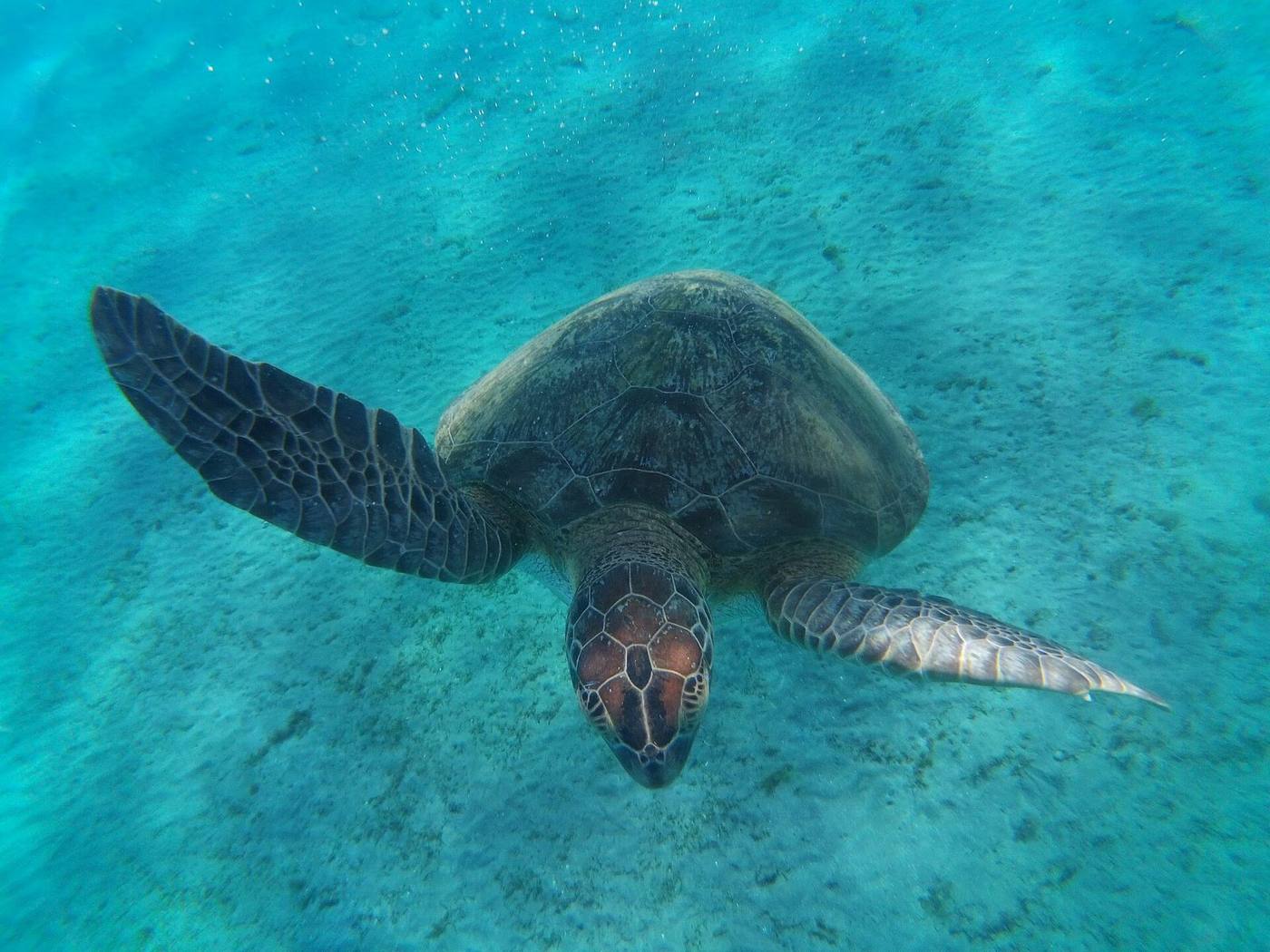
Marsa Alam and Wadi el-Gemal
The southern Red Sea, less built-up: snorkelling with turtles and, with luck, the dugong in Abu Dabbab bay, Sataya reef and its dolphins, Wadi el-Gemal National Park among mangroves, acacias and Ababda villages, and starry skies over the Eastern Desert.