Marsa Alam and Wadi el-Gemal
The southern Red Sea, less built-up: snorkelling with turtles and, with luck, the dugong in Abu Dabbab bay, Sataya reef and its dolphins, Wadi el-Gemal National Park among mangroves, acacias and Ababda villages, and starry skies over the Eastern Desert.
- Marsa Alam
- Abu Dabbab
- Wadi el-Gemal
- Hamata
- Sataya
Day by day
- Day 1
Arriving in Marsa Alam, on the southern Red Sea coast
Marsa Alam lies on Egypt's southern Red Sea coast, much quieter than Hurghada and Sharm el Sheikh. Here the desert of red mountains runs right down to the sea, and some of the richest reefs in the Red Sea stretch along the shore. Over seven days you snorkel and dive, see turtles and, with luck, dolphins, visit Wadi el Gemal National Park and spend a night in the desert under the stars.
Marsa Alam airport has direct flights from Europe at many times of year, or domestic flights from Cairo. Accommodation is spread along the coast, often tens of kilometres north and south of the small town.
The first day is for settling in and resting. In the afternoon take your first swim on the reef in front of your accommodation. In many places the reef starts a few metres from shore: you enter from a jetty and immediately see colourful coral, clownfish, butterflyfish and small parrotfish.
At sunset the desert mountains behind turn red and purple, and the sea calms down.
Spend the night in Marsa Alam.
Practical tip: most European visitors need a visa for Egypt, available on arrival at the airport for 30 US dollars or online before you travel. Make sure your passport is valid for at least six months. The United States rates Egypt at level 2: travel on the Marsa Alam coast is usually trouble no-cost with normal precautions.
- Day 2
Snorkelling with turtles at Abu Dabbab
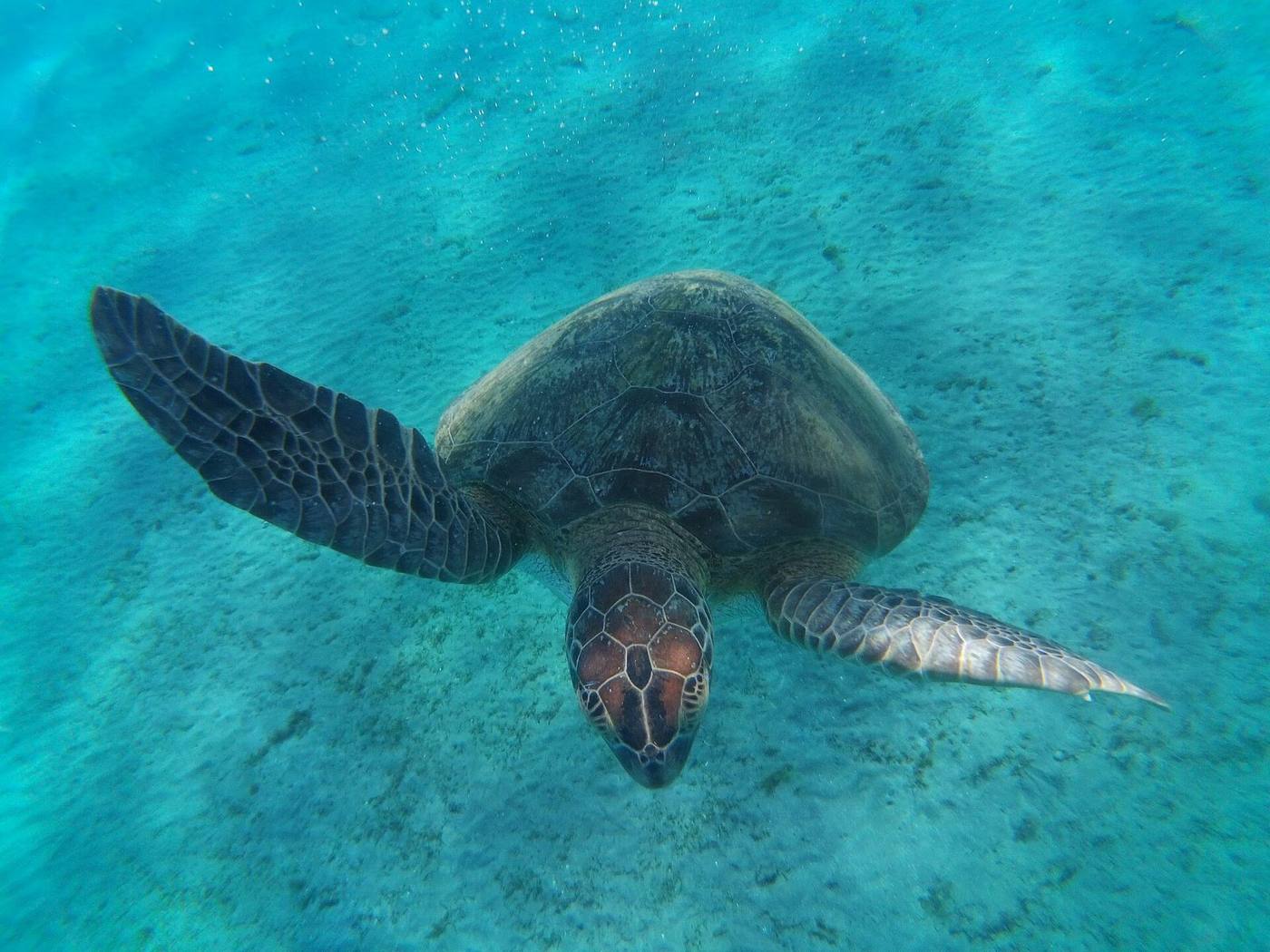
Today you go to Abu Dabbab bay, north of Marsa Alam, about half an hour away. It is a wide bay with pale sand and a shallow seabed covered in seagrass meadows, the plants green turtles feed on.
Early in the morning, when the water is calm and there are fewer people, you swim with mask and fins over the meadows. You often see turtles grazing on the bottom and coming up to breathe, sometimes a few metres from swimmers. In the past the bay was also known for the dugong, a rare marine mammal that is now very seldom seen.
On either side of the bay there are two reefs with colourful fish, spotted rays on the sand and small soft corals. It is a good place for beginners and for children with an adult.
In the afternoon relax on the beach or go back to your accommodation. If you like, try an introductory dive with one of the local dive centres, which run shallow water sessions with an instructor.
In the evening have grilled fish and Egyptian dishes such as rice with lentils and honey pastries.
Spend the night in Marsa Alam.
Practical tip: do not touch or chase the turtles, and give them space when they surface to breathe. Use reef friendly sunscreen and a rash vest, as the sun is very strong even in the water. There is a fee to enter the bay: check the amount.
- Day 3
Offshore reefs and diving
Today is a day on the open sea. Boat trips to the offshore reefs for snorkelling and diving leave from Marsa Alam harbour and from accommodation along the coast.
Many of the reefs closer to shore suit everyone, with gardens of hard and soft corals, shallow caves and schools of fish. For experienced divers there is also Elphinstone, a long reef in open water famous for vertical walls covered in coral and encounters with large fish, but with strong currents: it is only for those with experience and the right certification.
On the boat you usually do two dives or two snorkelling stops, with lunch on board. The sea can be choppy, especially in the afternoon when the wind picks up.
In the late afternoon you return to harbour. Rest, drink plenty and avoid flights or mountain trips after diving, as the instructors will also tell you.
In the evening look at the stars from the beach: far from cities, there are few lights on the coast.
Spend the night in Marsa Alam.
Practical tip: choose a dive centre with qualified instructors and well maintained equipment, and bring your logbook. There have been shark incidents in some parts of the Red Sea: always follow the dive centres' advice and any temporary beach closures ordered by the authorities.
- Day 4
Wadi el Gemal: mangroves and an Ababda village
Today you visit Wadi el Gemal National Park, the valley of camels, south of Marsa Alam, about an hour's drive. It is a large protected area covering desert, mountains, valleys and coast, with plants, gazelles, Nubian ibex and many birds.
In the morning go to see the mangroves at Qulaan, near Hamata, one of the places where these trees grow directly in seawater, their roots poking out of the sand. Among the mangroves and shallow turquoise lagoons live herons, egrets and other fishing birds. It is one of the most beautiful landscapes on the coast, with islands in the background.
In the afternoon enter the valley by four wheel drive with a local guide. You pass acacias, small wells and sometimes camels. The valley is home to the Ababda, a nomadic people of the eastern desert who raise goats and camels. In a small village you can drink their traditional coffee, made with ginger and served in tiny cups, and learn about their life in the desert.
On the way back stop at one of the park's almost deserted beaches.
Spend the night in Marsa Alam or near Hamata.
Practical tip: park entry and trips into the valley are made with authorised guides. Respect the villagers, always ask before taking photos and dress simply and modestly.
- Day 5
By boat from Hamata to Sataya reef
Today you leave from the small port of Hamata, south of Marsa Alam, for a day by boat to Sataya, a large horseshoe shaped reef in open water. The crossing takes a couple of hours.
Inside the horseshoe the water is calm, shallow and bright blue. Spinner dolphins often rest here during the day, before hunting offshore at night. You see them leap and spin out of the water. There are strict rules to protect them: boats must keep their distance and go slowly, and visitor numbers are limited. Always follow the crew's instructions and do not approach the dolphins in the water.
During the day there are snorkelling stops on the coral around the reef and the small islands nearby, where the water is clear and fish are plentiful. Lunch is served on board and you can relax in sun or shade.
In the late afternoon the boat returns to Hamata. With the wind, the way back can be rough: if you get seasick, take something beforehand.
Spend the night near Hamata or back in Marsa Alam.
Practical tip: Sataya trips depend on the wind and on permits. Book with a reputable operator and ask how they follow the dolphin rules. Bring a long sleeved shirt, as the sun burns on the boat even with a cool breeze.
- Day 6
A rest day and a night in the desert under the stars
After many days in the water, the morning is for resting. Take a last swim on the reef in front of your accommodation, read in the shade or walk along the coast early, when the light is soft.
In the afternoon set off with a guide into the eastern desert, among granite mountains and sandy valleys not far from the coast. The landscape changes fast: red, black and grey rock, lone acacias, tracks climbing through canyons. In ancient times this area had gold and emerald mines worked by the pharaohs and later the Romans, and in some valleys old inscriptions remain on the rocks.
At sunset you reach a desert camp. Dinner is round the fire, with bread baked in the sand, vegetables, rice and sweet tea. At night, far from any light, the sky is full of stars and the Milky Way is clearly visible. In winter it gets cold: bring warm clothes.
You sleep under the stars or in simple tents.
Practical tip: go into the desert only with well known, authorised local guides. Do not wander from camp alone, especially at night, and bring a torch, water and a warm layer. Leave the desert as clean as you found it.
- Day 7
Sunrise in the desert and departure
Get up early to watch sunrise in the desert, when the sun turns the mountains pink and gold and the air is cool and silent. After a simple breakfast of tea and bread, you head back to the coast.
If you have a few hours before your flight, take a last swim on the reef or a walk on the beach. You can also visit the small town of Marsa Alam, with a market selling spices, dates and fabrics.
Marsa Alam airport is north of the town, at varying distances depending on where you stayed: from some areas it is more than an hour's drive. Plan your timing carefully and ask your accommodation to arrange the transfer, as taxis along the coast are few. At the airport there is more than one security check, from the entrance to the gate: arrive at least three hours early for international flights.
If your trip continues, you can add the pyramids and the Grand Egyptian Museum from Cairo, or Luxor and the Nile valley, reachable overland from Marsa Alam across the desert in a few hours.
Practical tip: do not dive in the twenty four hours before flying, to avoid decompression problems. Keep your passport and visa receipt to hand, and carry some cash for small expenses at the airport.
Marsa Alam has an airport with direct flights from Europe. Do not touch or chase turtles and dugongs; the Sataya dolphins are watched without disturbing them. July and August are very hot. A visa is required, obtained online before travelling or on arrival at the airport. The UK advises against all travel to North Sinai and within 20 km of the Libyan border, and against all but essential travel to most of the Western Desert: this itinerary stays outside those areas.
Before you go
- Documents and visa
- Passport valid for at least six months and a tourist visa, obtained online on the official portal or on arrival at the airport, where since 1 March 2026 it costs 30 dollars in cash.
- Health and vaccines
- No compulsory vaccines for travellers from Europe. Drink only bottled water and take out travel health insurance. Emergencies: 122 police, 123 ambulance.
- Money and payments
- Egyptian pound. Cards work in hotels and larger shops, but for tips, taxis and markets you need cash in small notes.
- Power sockets
- Types C and F, 220 volts.
- Time zone
- UTC+2 in winter; Egypt uses daylight saving time in summer.
- Safety
- Tourist areas along the Nile and the Red Sea are busy and well policed. Governments advise against North Sinai, the Libyan border strip and much of the Western Desert off the main roads. Official advice: GOV.UK.
Information checked in November 2026 for Italian and EU citizens. Rules change: always check before you travel.
Variations
In 4 days: snorkelling at Abu Dabbab, a boat day and Wadi el Gemal, without the desert night.
In 10 days: add Luxor and the Nile valley, reachable overland across the desert.
Frequently asked questions
When is the best time to go?
October to May. Summer is very hot but the sea is very warm; in winter the water is cooler and you need a wetsuit.
Do I need to be a diver?
No. Many reefs are easy to see with mask and fins, even a few metres from the shore.
Will I really see turtles and dolphins?
Turtles at Abu Dabbab are frequent. Dolphins at Sataya are often there, but it is not guaranteed.
Indicative itinerary written by World Atlas. Before booking, check timetables, seasonal openings, documents and safety.
 7 daysChallenging
Liveaboard: the Brothers, Daedalus and Elphinstone
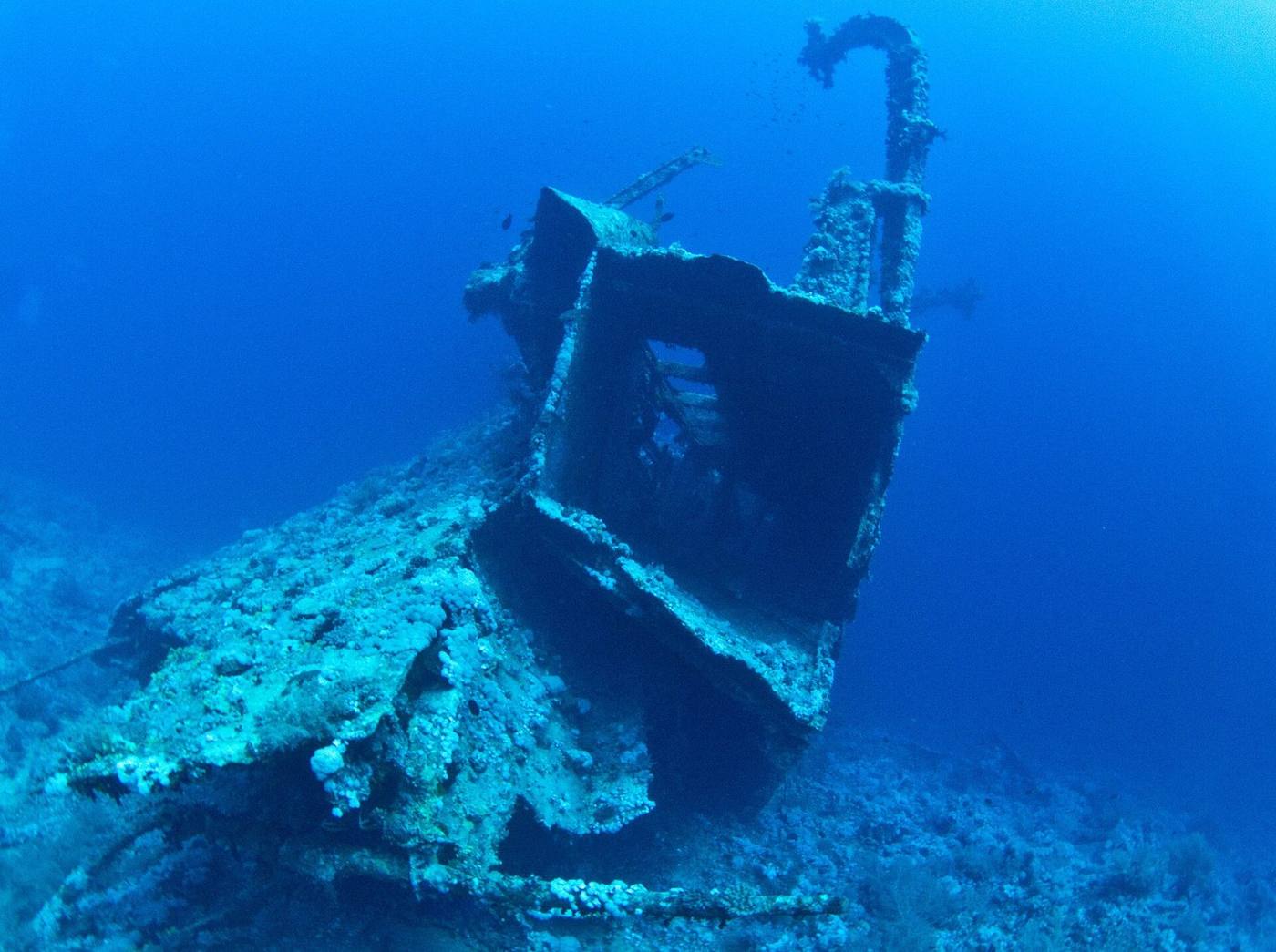
A week on board in the open Red Sea: the two Brothers islets with the wreck of the Numidia, Daedalus reef with its lighthouse and vertical walls, Elphinstone, with oceanic whitetips in autumn, hammerheads in some months, soft corals and big schools.
 6 daysEasy
Hurghada, El Gouna and the Giftun Islands
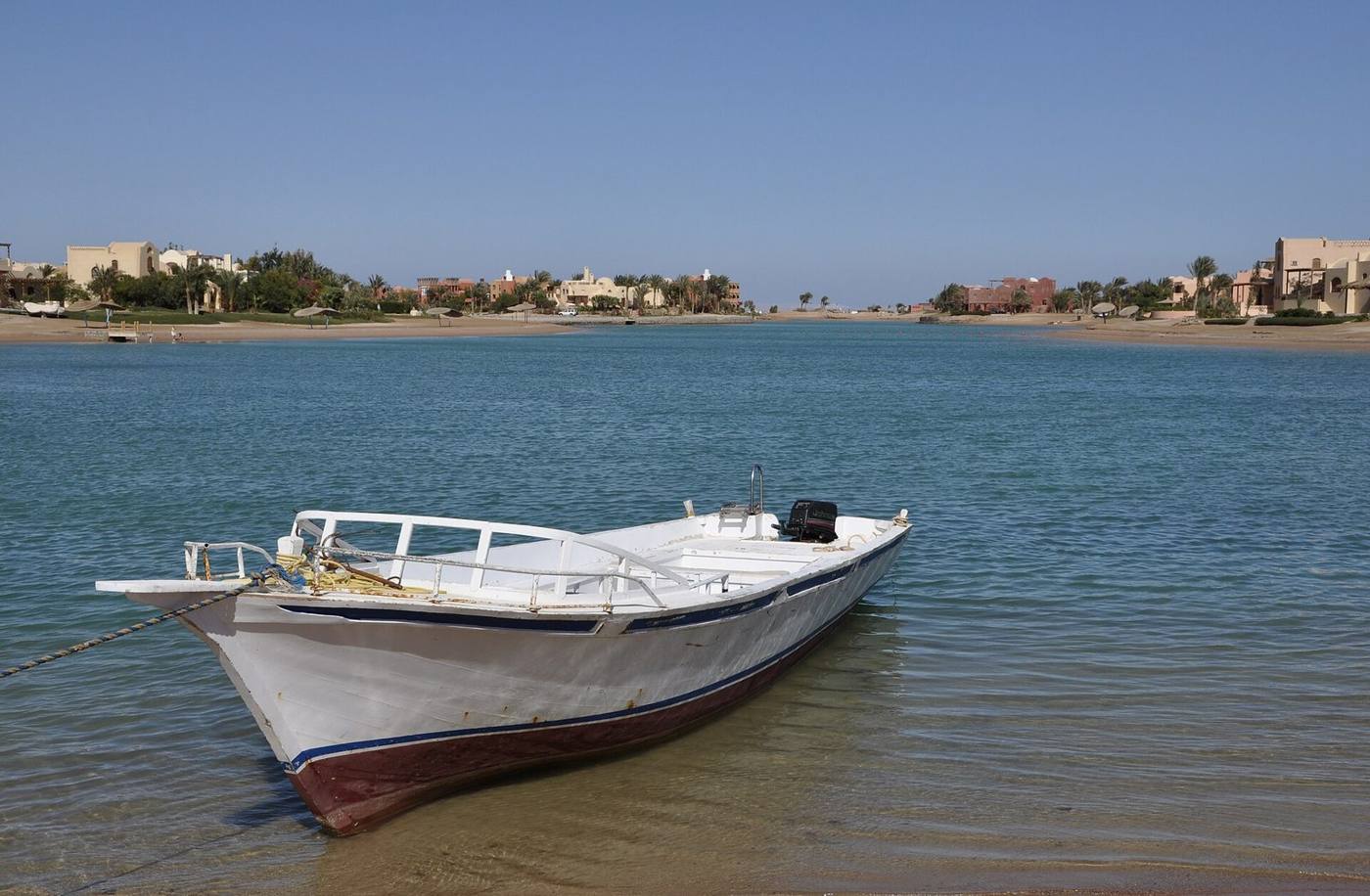
The easy Red Sea, children included: El Gouna with its lagoons and canals, the boat to the Giftun Islands, a national park with white beaches and snorkelling reefs, a first try-dive and an outing into the Eastern Desert with the Red Sea mountains at sunset.
 3 daysEasy
The Coptic monasteries of the Red Sea
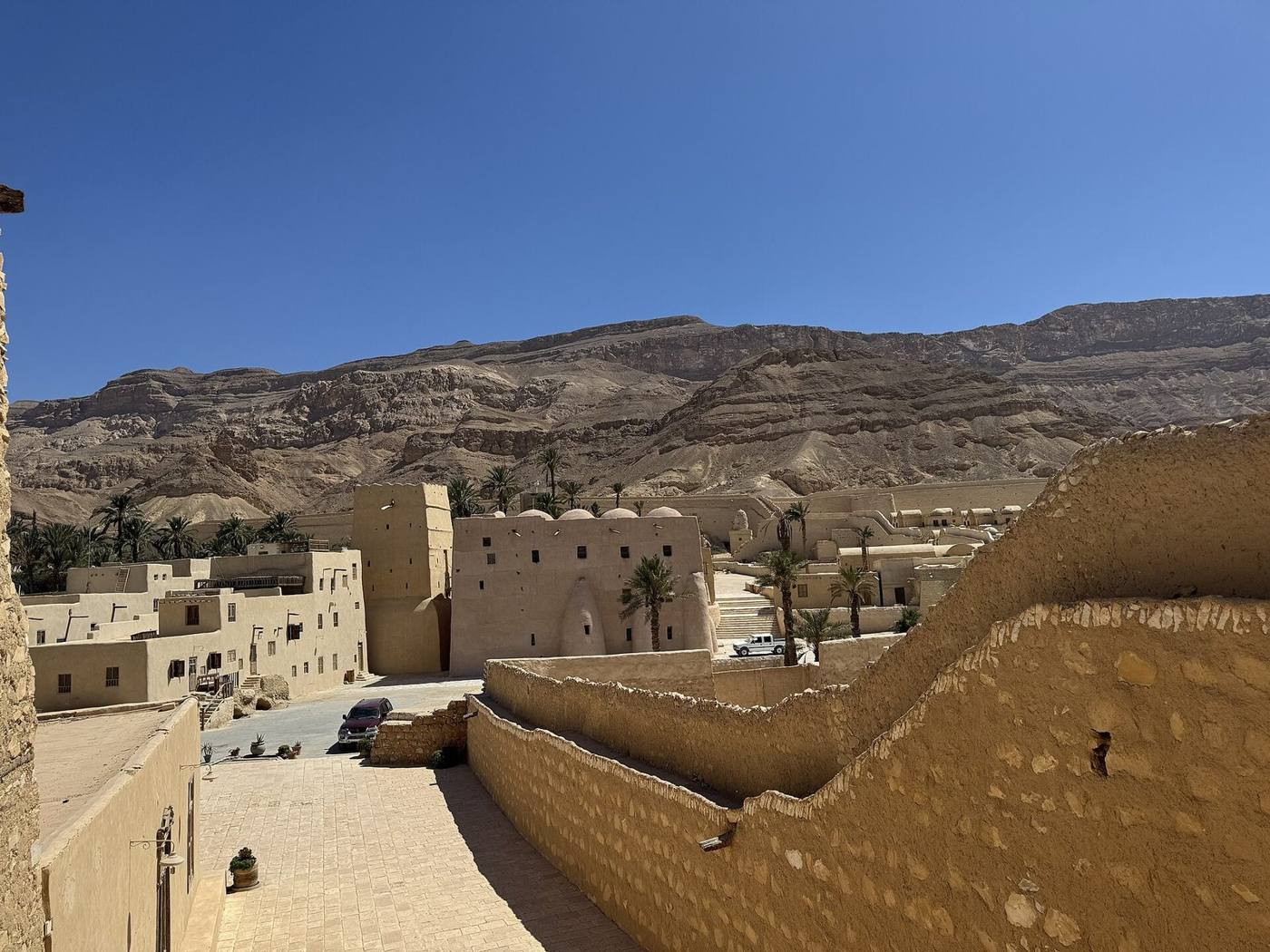
Two of the oldest Christian monasteries in the world, in the desert between the Nile and the sea: St Anthony's, with its restored wall paintings and the hermit's cave above the convent, and St Paul's behind the mountains, with its rock-cut church, plus a few hours on the Ain Sokhna coast.