Liveaboard: the Brothers, Daedalus and Elphinstone
A week on board in the open Red Sea: the two Brothers islets with the wreck of the Numidia, Daedalus reef with its lighthouse and vertical walls, Elphinstone, with oceanic whitetips in autumn, hammerheads in some months, soft corals and big schools.
- Port Ghalib
- Brothers
- Daedalus
- Elphinstone
Day by day
- Day 1
Arrival and boarding at Port Ghalib or Hurghada
This trip is a one week diving cruise in the southern Red Sea, on a boat where you sleep, eat and make three or four dives a day. The goal is three of the world's most famous open water dive sites: the Brothers, two small islands in the middle of the sea, Daedalus reef with its lighthouse, and Elphinstone reef, near the coast of Marsa Alam. They are places of vertical walls, colourful soft corals, currents and big animals, especially sharks.
You fly to Hurghada or Marsa Alam, with direct flights from many European cities, especially in high season. The Egyptian visa is issued on arrival at the airport and costs 30 dollars.
On the first day you reach the port, Hurghada or Port Ghalib near Marsa Alam, depending on the boat. In the afternoon you board, put your luggage in your cabin and your gear on the dive deck. The crew introduces the boat, the safety rules and the week's programme.
Certification cards and logbooks are checked. For the Brothers and Daedalus boats usually require an advanced certification and a minimum number of logged dives, because the dives are deep, in blue water and with currents. Check the requirements before booking.
In the evening you have dinner on board and either sleep in port or leave during the night.
Spend the night on board.
Practical tip: the United States has Egypt at level 2. The Red Sea coast between Hurghada and Marsa Alam is busy with tourists. Take insurance that covers diving and hyperbaric treatment.
- Day 2
Check dive and the crossing to the Brothers
In the morning you make your first dive, the check dive, on a sheltered, shallow reef near the port. It is used to check your weighting and equipment and to get used to the boat, the inflatable and the group procedures. The guides watch how everyone dives so they can organise the groups for the following days.
On the reef you already see Red Sea corals and fish: butterflyfish, clownfish in anemones, Napoleon wrasse, turtles and moray eels. The water is clear and warm for much of the year.
After a second coastal dive, in the afternoon the boat sets off for the Brothers, in open sea, several hours away. The sea can be rough, especially with the north wind.
During the crossing you rest, read on deck, watch the sunset over the sea and listen to the briefing for the next day's dives, with drawings of the site, the currents and the rules.
In the evening you have dinner on board. Often you reach the Brothers during the night and moor in a sheltered spot.
Spend the night on board.
Practical tip: if you suffer from seasickness, take suitable medication before the crossing, after asking your doctor which one is compatible with diving. Drink plenty of water: sun, wind and dry air dehydrate you, and dehydration increases the risk of decompression sickness.
- Day 3
The Brothers: vertical walls and wrecks
Today you wake up at the Brothers, two small coral islands in the middle of the Red Sea, many miles from the coast. On the larger island, Big Brother, stands a lighthouse built at the end of the nineteenth century. The smaller, Little Brother, is a reef with a small island, a short distance away.
Around the islands the walls drop vertically for hundreds of metres into the blue. They are covered in red, purple and orange soft corals, huge gorgonians and black corals. Because of their open sea position and the currents, many pelagic fish come here: grey reef sharks, hammerheads in some months, thresher sharks at dawn, tuna and barracuda.
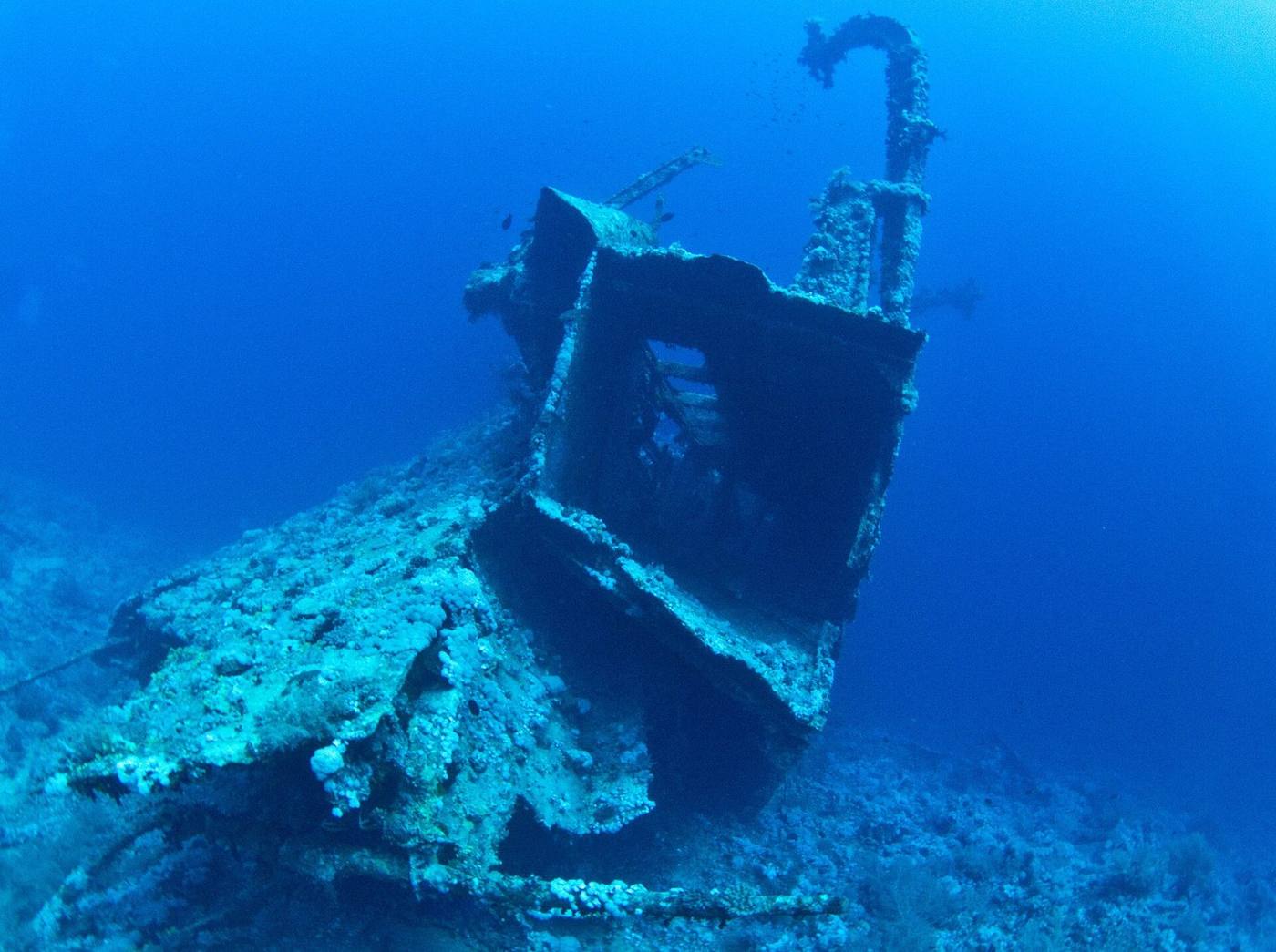
Around Big Brother there are also two wrecks. The Numidia, a cargo ship that sank in 1901, lies on the side of the wall, covered in coral, with its wheels and parts of the ship still recognisable. The Aida, a supply ship that sank in 1957, lies deeper.
Dives are made from the inflatable, with quick descents and the current carrying you along the wall. The guides explain where to go and how to hold your position.
Between dives you rest, eat and look at the lighthouse from the deck.
Spend the night on board at the Brothers.
Practical tip: there have been shark incidents in the Red Sea. Always follow the guides' rules: stay with the group, do not swim alone on the surface, surface close to the inflatable and never feed the animals. Carry a personal surface marker buoy.
- Day 4
The Brothers in the blue: sharks and big fish
Today you stay at the Brothers for more dives, often at Little Brother, smaller but with one of the highest concentrations of life in the Red Sea.
The first dive is often at dawn, when the light is still low and sharks are more active near the surface. On the northern tip of the reef, where the current arrives, you may see a thresher shark with its long tail, or groups of grey reef sharks circling in front of the wall.
In certain months, especially autumn and early winter, oceanic whitetip sharks arrive and often approach divers and the boat. They are large, curious animals and should be watched calmly and respectfully.
For the rest of the day you make more dives along the walls, among gorgonians, black corals and schools of fish. Sometimes you also see turtles, mantas and dolphins.
In the evening, after the last dive, the boat sets off south towards Daedalus.
Spend the night on board.
Practical tip: currents at the Brothers can be strong. If you do not feel comfortable with a particular dive, tell the guide: it is normal to skip one. Always check your dive computer and respect safety stops, especially after several days of repetitive diving.
- Day 5
Daedalus, the lighthouse reef
Today you wake up at Daedalus, an isolated reef in the middle of the sea, south of the Brothers, also called Abu Kizan. On the reef stands a lighthouse, with a small building and a few Egyptian soldiers guarding it.
Daedalus is a long, narrow reef with walls dropping steeply into the blue. It is famous for its very beautiful corals, especially a large hard coral garden on one side, and for sharks. In summer, on the northern tip, you sometimes see schools of hammerhead sharks swimming in the blue at various depths. You also see grey sharks, oceanic whitetips, tuna, barracuda and sometimes mantas.
Dives are usually made on the northern tip, when the current brings the big fish, and along the quieter east and west walls, with anemones and clownfish, pufferfish and groupers.
Between dives you can sometimes go up to the lighthouse in a small boat, if the staff allow it, for a view of the reef from above.
In the evening, after the last dive, the boat heads back towards the coast and Elphinstone.
Spend the night on board.
Practical tip: at Daedalus too, follow the group and the guide. Hammerheads are often seen deep and in the blue, away from the wall: do not go beyond the limits of your certification to chase them. Always check your air and your orientation to the reef.
- Day 6
Elphinstone, the oceanic whitetip reef
Today the boat reaches Elphinstone, a long, narrow reef a few kilometres off the coast near Marsa Alam. It is one of the most famous sites in the southern Red Sea, especially for oceanic whitetip sharks, which in autumn often approach divers.
The reef has two points, north and south, where the current brings pelagic fish. On the southern point, at great depth, there is a rock arch seen only on the most technical dives, which has given rise to many legends. The reef walls are covered in colourful soft corals, gorgonians and schools of fish.
You make two or three dives at Elphinstone. If the sea is too rough, the boat goes to other, more sheltered coastal reefs, such as those around Marsa Alam, where you may see turtles, dolphins and sometimes dugongs.
In the afternoon you make the last dive of the week. Then you rinse your gear, hang it to dry and pack.
In the evening there is often a farewell dinner on deck. The boat returns to port during the night or the next morning.
Spend the night on board.
Practical tip: do not fly for at least 18 to 24 hours after your last dive, as diving agencies recommend. That is why the last dive is usually made the day before disembarkation. Plan your flight accordingly.
- Day 7
Back to port and disembarkation
On the last day the boat returns to port, Port Ghalib or Hurghada. You have breakfast on board, say goodbye to the crew and guides, and disembark.
If your flight is in the afternoon or the next day, you have a few hours to relax on the coast. Port Ghalib is a small marina with shops and cafés by the sea, near Marsa Alam airport. Hurghada has a seafront, an old quarter called El Dahar with a market, and many beaches.
About fifty kilometres from Marsa Alam is Abu Dabbab bay, where you can often snorkel with sea turtles and sometimes a dugong, but do not scuba dive if your flight is close.
If you have time, add a day inland in the Eastern Desert, or a trip to Luxor, a few hours by road from Hurghada, to see the temples of Karnak and the Valley of the Kings.
Marsa Alam airport is close to Port Ghalib, and Hurghada airport is a few kilometres from the city.
Practical tip: before leaving the boat check that you have all your gear and have settled your on board bill, such as drinks, equipment hire or nitrox. Leave at least a day between your last dive and your flight home. Marine park fees and crew tips are usually paid separately: ask before you leave.
For experienced divers, with an advanced certification and many logged dives: strong currents, blue-water descents, no landings ashore. Do not fly within 24 hours of the last dive. The crossings can be rough. A visa is required, obtained online before travelling or on arrival at the airport. The UK advises against all travel to North Sinai and within 20 km of the Libyan border, and against all but essential travel to most of the Western Desert: this itinerary stays outside those areas.
Before you go
- Documents and visa
- Passport valid for at least six months and a tourist visa, obtained online on the official portal or on arrival at the airport, where since 1 March 2026 it costs 30 dollars in cash.
- Health and vaccines
- No compulsory vaccines for travellers from Europe. Drink only bottled water and take out travel health insurance. Emergencies: 122 police, 123 ambulance.
- Money and payments
- Egyptian pound. Cards work in hotels and larger shops, but for tips, taxis and markets you need cash in small notes.
- Power sockets
- Types C and F, 220 volts.
- Time zone
- UTC+2 in winter; Egypt uses daylight saving time in summer.
- Safety
- Tourist areas along the Nile and the Red Sea are busy and well policed. Governments advise against North Sinai, the Libyan border strip and much of the Western Desert off the main roads. Official advice: GOV.UK.
Information checked in November 2026 for Italian and EU citizens. Rules change: always check before you travel.
Variations
7 night cruise with St John's and Fury Shoals instead of Daedalus, for those who prefer more sheltered reefs and less current.
A land based week in Marsa Alam with daily shore dives and one boat trip to Elphinstone.
Frequently asked questions
What certification do I need?
For the Brothers and Daedalus boats usually require an advanced certification and a minimum number of dives. Check the requirements with the boat before booking.
When is the best time to go?
May to November, with warmer water. Oceanic whitetips are seen mainly from October to December, hammerheads in summer.
Are the sharks dangerous?
Incidents are rare, but they have happened. Always follow the guides' rules and never feed the animals.
Indicative itinerary written by World Atlas. Before booking, check timetables, seasonal openings, documents and safety.
 6 daysEasy
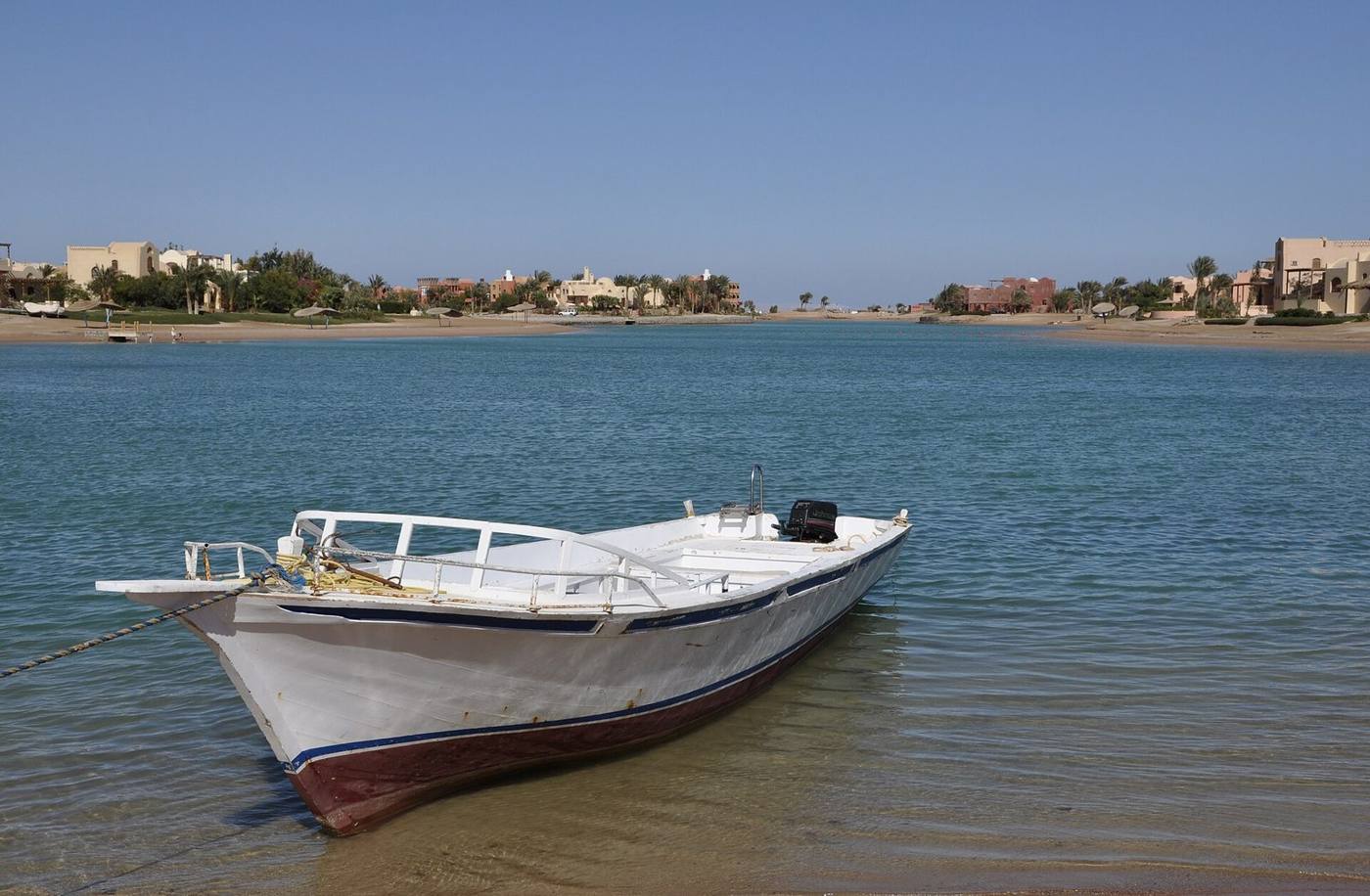
Hurghada, El Gouna and the Giftun Islands
The easy Red Sea, children included: El Gouna with its lagoons and canals, the boat to the Giftun Islands, a national park with white beaches and snorkelling reefs, a first try-dive and an outing into the Eastern Desert with the Red Sea mountains at sunset.
 3 daysEasy
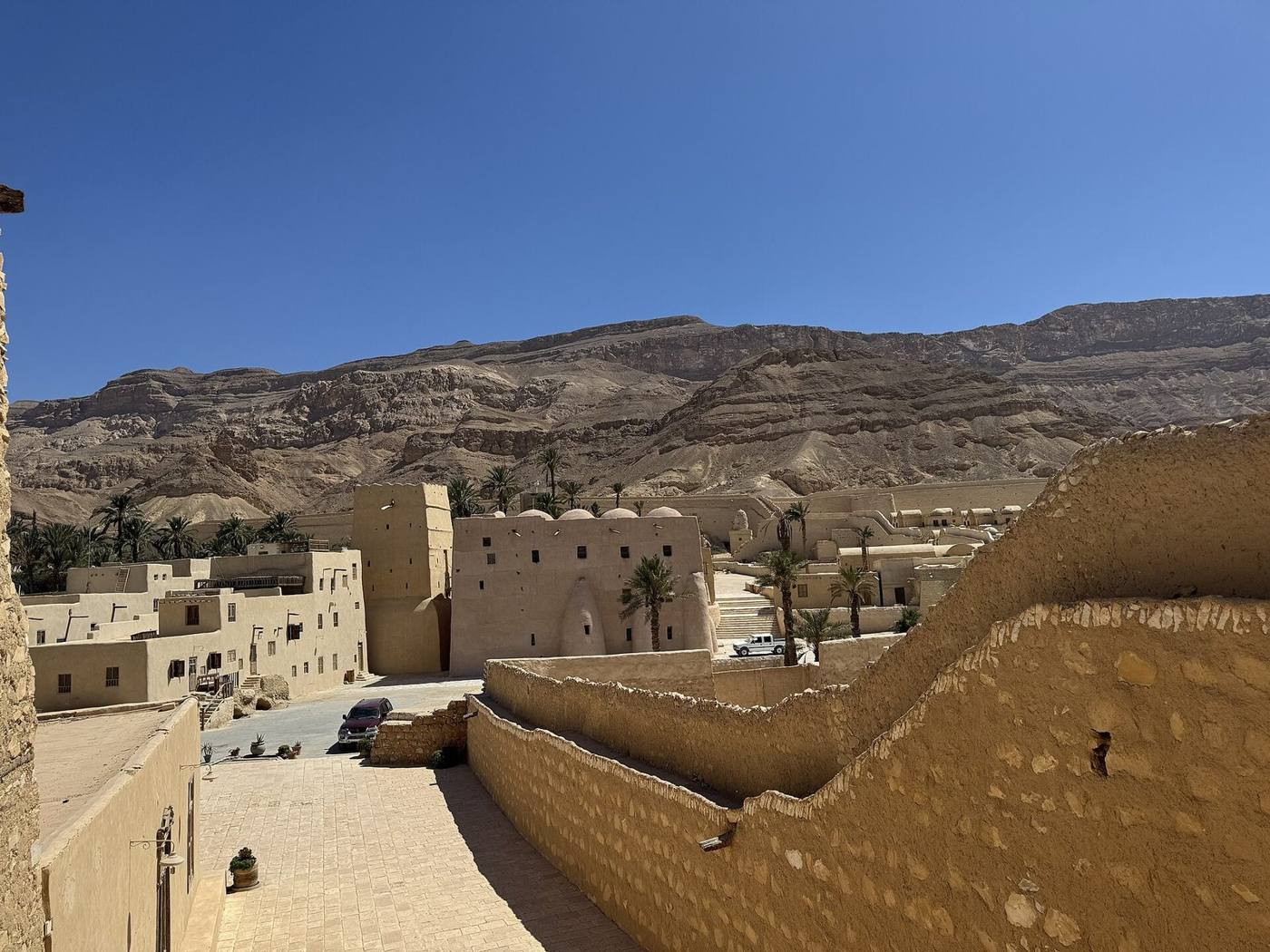
The Coptic monasteries of the Red Sea
Two of the oldest Christian monasteries in the world, in the desert between the Nile and the sea: St Anthony's, with its restored wall paintings and the hermit's cave above the convent, and St Paul's behind the mountains, with its rock-cut church, plus a few hours on the Ain Sokhna coast.
 3 daysEasy
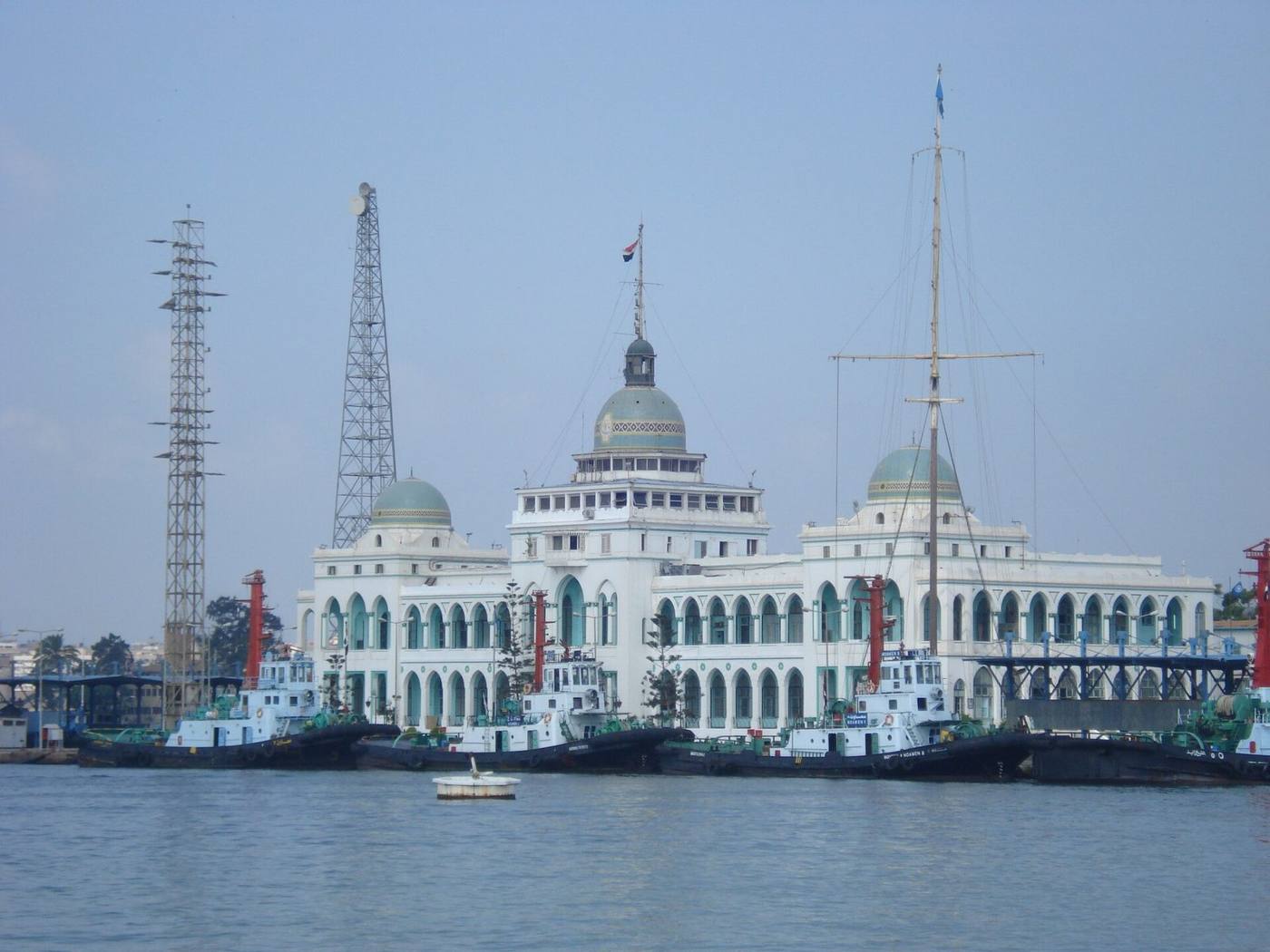
Port Said, Ismailia and the Suez Canal
Canal Egypt, unlike anywhere else: Port Said with its colonial buildings and wooden balconies, the domed Canal Company building and the no-cost ferry to Port Fuad, then Ismailia, a garden city on Lake Timsah, where ships seem to sail between the houses.