Cairo and a Nile cruise
The pyramids of Giza and the Grand Egyptian Museum, then four days sailing between Luxor and Aswan.
- Cairo
- Giza
- Luxor
- Edfu
- Kom Ombo
- Aswan
Day by day
- Day 1
Arrival in Cairo
To enter Egypt, EU travellers need a passport valid for at least six months and a tourist visa. You can apply online before travelling on the official portal or on arrival at the airport, at the bank counters before passport control: since 1 March 2026 the visa on arrival costs 30 dollars, payable in cash. Carry small notes in dollars or euros.
Cairo International Airport lies north-east of the city. Traffic is heavy at almost any hour: allow 45 minutes to over an hour and a half between the airport and the centre or Giza. Use a car booked through your accommodation or a ride-hailing app that shows the fare before you set off.
For these two nights it makes sense to stay in Giza, close to the pyramids and the Grand Egyptian Museum, or downtown by the Nile if you want evenings in the city. If you arrive early, take a stroll along the river in Zamalek, the green island with tree-lined avenues and old villas, or go up the Cairo Tower to see the city from above at sunset.
Have dinner with a plate of koshari, the most popular street food: rice, lentils, pasta and chickpeas with tomato sauce and fried onions. Practical tip: Cairo is huge and chaotic but generally safe for tourists; the most common problems are pushy vendors and requests for tips. Keep small Egyptian pound notes handy for tipping, which is customary here.
- Day 2
The pyramids of Giza, the Sphinx and the Grand Egyptian Museum
Arrive at the Giza pyramids when the site opens, while the light is soft and the groups have not yet arrived. The Pyramid of Khufu, the only one of the Seven Wonders of the Ancient World still standing, was originally about 146 metres high; beside it stand those of Khafre and Menkaure. With a separate ticket you can enter one of the pyramids through a narrow, rising passage: not for anyone claustrophobic. The panoramic viewpoint to the west gives the classic view of all three pyramids together.
Then walk down to the Sphinx, carved from the bedrock of the plateau, with Khafre's valley temple beside it. Many people on the plateau offer camels, horses and carriages: if you want a ride, agree the exact price and duration first, and pay nothing until the end. Politely refuse anyone who hands you objects saying they are gifts.
In the afternoon go to the Grand Egyptian Museum, about two kilometres from the pyramids, fully open since November 2025: the largest museum in the world devoted to a single civilisation. The grand staircase is lined with statues of pharaohs, and the Tutankhamun galleries display the tomb's entire treasure together for the first time, including the gold mask. Since 1 November 2026 tickets cost 1,830 Egyptian pounds for foreign adults and 920 for students and children. Buy them on the official website.
Practical tip: the museum needs at least three or four hours; if you love archaeology, give it a full day and move the pyramids to your last morning.
- Day 3
Flight to Luxor: Karnak, Luxor Temple and boarding
Early in the morning take the domestic flight to Luxor, about an hour. Luxor is ancient Thebes, Egypt's capital for much of the New Kingdom: the modern city and the great temples are on the east bank of the Nile, the tombs of kings and queens on the west bank, where the sun sets.
Start with the Karnak complex, the largest group of temples of antiquity, built and enlarged over some two thousand years. The hypostyle hall has 134 gigantic columns covered with hieroglyphs, some over twenty metres high. Walk on to the sacred lake and Queen Hatshepsut's obelisk. An expert guide booked in advance makes a big difference in reading the reliefs and understanding the history.
In the afternoon, after the hottest hours, board your cruise boat moored along the river. Cruises between Luxor and Aswan usually last three or four nights and include meals and guided visits; choose a medium or small boat, or a sailing dahabiya if your budget allows, to avoid the long rows of boats moored side by side.
At sunset visit Luxor Temple in the city centre: lit up at night, the statues of Ramesses II and the avenue of sphinxes linking it to Karnak for almost three kilometres are beautiful. Practical tip: in summer Luxor often exceeds 40 °C; plan visits at dawn and sunset and rest on board in the middle of the day.
- Day 4
Valley of the Kings, Hatshepsut's temple and the Colossi of Memnon
Set off at dawn for the west bank. If you wish, even earlier there is the hot-air balloon, which rises as the sun comes up over the Nile valley and the Theban hills: choose reputable operators and accept that flights are cancelled in wind.
The Valley of the Kings holds more than sixty rock-cut tombs, but only some are open at any time, in rotation. The basic ticket covers three tombs; the most famous, such as those of Tutankhamun and Seti I, need separate tickets. Inside, the paintings are still vivid after more than three thousand years: photos are usually allowed without flash, but rules change, so ask at the entrance.
Continue to the mortuary temple of Queen Hatshepsut at Deir el-Bahari, built on three great terraces at the foot of the cliff: architecture that looks modern. On the way back stop at the Colossi of Memnon, two statues of Amenhotep III about eighteen metres tall, the only remains of a vast temple. If you have time, the Valley of the Queens and the workmen's village of Deir el-Medina are less crowded and beautiful.
In the afternoon the boat sails south. It passes the Esna lock, where boats queue to pass the change in river level while vendors in rowing boats throw fabrics up to the deck. Practical tip: carry water, a hat and comfortable shoes; the tombs are hot and humid.
- Day 5
The Temple of Horus at Edfu and the temple of Kom Ombo
In the morning the boat is moored at Edfu. The Temple of Horus, the falcon-headed god, is the best preserved in all of Egypt: built between the third and first centuries BC during the Ptolemaic period, it lay partly buried in sand for centuries, which protected it. The great entrance pylon, the colonnaded courtyard and the sanctuary with its sacred barque give a precise idea of what a complete temple was like. You reach the temple by horse-drawn carriage from the quay: agree the price and refuse detours to shops.
During the afternoon sailing, sit on deck: the Nile flows through a thin strip of green fields, palms and villages, with the desert starting right behind. You see farmers with donkeys, children waving, white herons on the banks. It is one of the most peaceful moments of the trip.
At sunset the boat reaches Kom Ombo, where the temple stands right on the bank, on a bend in the river. It is a double temple dedicated to two gods: Sobek, the crocodile god, and Haroeris, a form of Horus. It has two entrances and two symmetrical sanctuaries. Next door, a small museum displays crocodile mummies found nearby. Lit up in the evening, the columns look golden.
Dinner on board. Practical tip: in temples, guards often offer to show you a hidden relief in exchange for a tip; it is a common way of earning extra, and it is up to you whether to accept.
- Day 6
Aswan: the dam, Philae temple and a felucca
Aswan is the southernmost city of the trip, where the Nile flows between pink granite rocks and green islands, and where Nubia begins. In the morning visit the High Dam, built in the 1960s, which created Lake Nasser, one of the largest artificial lakes in the world: from the top you see clearly how much the river has changed.
Continue with a short boat crossing to Agilkia island, home to the Temple of Philae, dedicated to the goddess Isis. In the 1970s, with UNESCO, it was dismantled stone by stone and rebuilt here to save it from the waters of the old dam. It is one of Egypt's most elegant temples, and in the evening there is also a sound and light show.
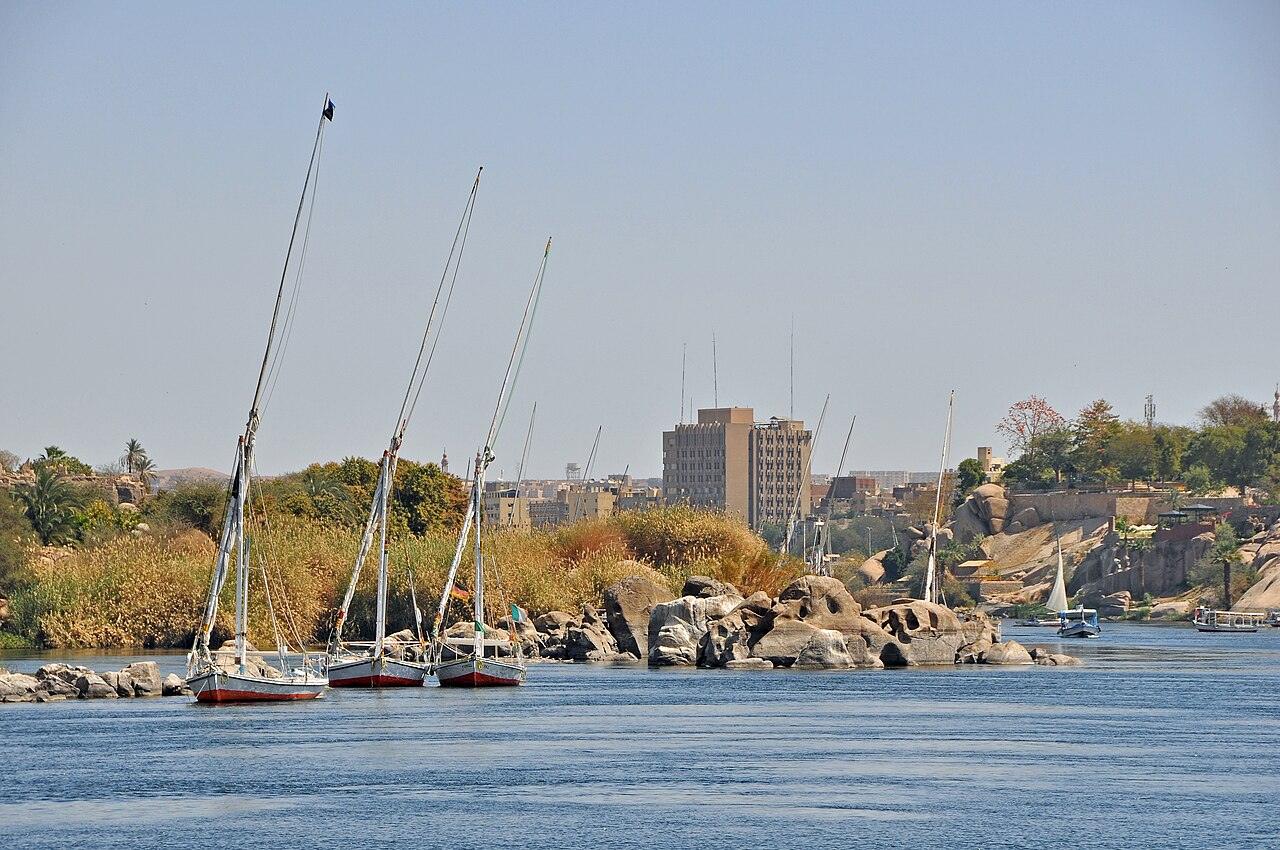
In the afternoon take a trip by felucca, the traditional sailing boat, among the islands: Elephantine island with the ruins of the ancient town and the nilometer, Kitchener's island with its botanical garden, and the west bank with the Aga Khan mausoleum on the hill. You sail in silence, with only the wind.
In the evening visit a Nubian village on the west bank, with houses painted in bright colours, or Aswan's market, full of spices, hibiscus and woven baskets. Practical tip: for the felucca, agree the duration, route and price with the captain before boarding; an hour and a half or two hours at sunset is the best time.
- Day 7
Abu Simbel at dawn and the journey home
On the last day you can take the excursion to Abu Simbel, about 280 kilometres south of Aswan, near the Sudanese border: three and a half hours by road across the desert, or a short flight. The road trip leaves before dawn. You reach the two temples carved into the rock by Ramesses II for himself and his wife Nefertari, with the four colossal statues of the pharaoh, about twenty metres high, on the façade.
These temples too were cut into large blocks in the 1960s and reassembled higher up to save them from the dam, in one of the greatest archaeological operations in history. Twice a year, around 22 February and 22 October, the rising sun enters the temple and lights the statues at the back of the sanctuary: on those days there is a festival and huge crowds.
Back in Aswan, take the flight to Cairo for your return flight, or an overnight train. If you have an extra night in Cairo, the next morning visit Islamic Cairo and the Khan el-Khalili bazaar.
Things to take home: spices and hibiscus from Aswan, Egyptian cotton, papyri painted by artists rather than banana-leaf copies, small alabaster objects. Practical tip: when leaving from Cairo, reach the airport at least three hours early: there are several security checks, and traffic to the airport is unpredictable.
The classic that always works: the pyramids, the Grand Egyptian Museum and the great temples seen from the river. Nile boats vary widely in quality, it is worth paying a little more. Abu Simbel is not included, but can be added as a dawn excursion from Aswan.
Before you go
- Documents and visa
- Passport valid for at least six months and a tourist visa, obtained online on the official portal or on arrival at the airport, where since 1 March 2026 it costs 30 dollars in cash.
- Health and vaccines
- No compulsory vaccines for travellers from Europe. Drink only bottled water and take out travel health insurance. Emergencies: 122 police, 123 ambulance.
- Money and payments
- Egyptian pound. Cards work in hotels and larger shops, but for tips, taxis and markets you need cash in small notes.
- Power sockets
- Types C and F, 220 volts.
- Time zone
- UTC+2 in winter; Egypt uses daylight saving time in summer.
- Safety
- Tourist areas along the Nile and the Red Sea are busy and well policed. Governments advise against North Sinai, the Libyan border strip and much of the Western Desert off the main roads. Official advice: GOV.UK.
Information checked in November 2026 for Italian and EU citizens. Rules change: always check before you travel.
Variations
In 5 days: Cairo with the pyramids and the Grand Egyptian Museum, then two days in Luxor without a cruise, with Karnak, the Valley of the Kings and Hatshepsut, and a flight back.
In 10 days: add two days in Cairo for Islamic and Coptic Cairo, and after Aswan three days on the Red Sea at Marsa Alam, with a direct flight home.
Frequently asked questions
Do I need a visa for Egypt?
Yes: EU citizens can apply online on the official portal before travelling or on arrival at the airport, where since 1 March 2026 it costs 30 dollars in cash. You need a passport valid for at least six months.
How much is the Grand Egyptian Museum?
Since 1 November 2026 tickets cost 1,830 Egyptian pounds for foreign adults and 920 for foreign students and children. Tickets are sold on the museum's official website.
When is the best time to go?
From October to April, when days in Luxor and Aswan are warm but bearable. In summer the south often exceeds 40 °C; December and January are the busiest months.
Indicative itinerary written by World Atlas. Before booking, check timetables, seasonal openings, documents and safety.
 15 daysModerate
Complete Egypt: the Nile, the desert and the Red Sea
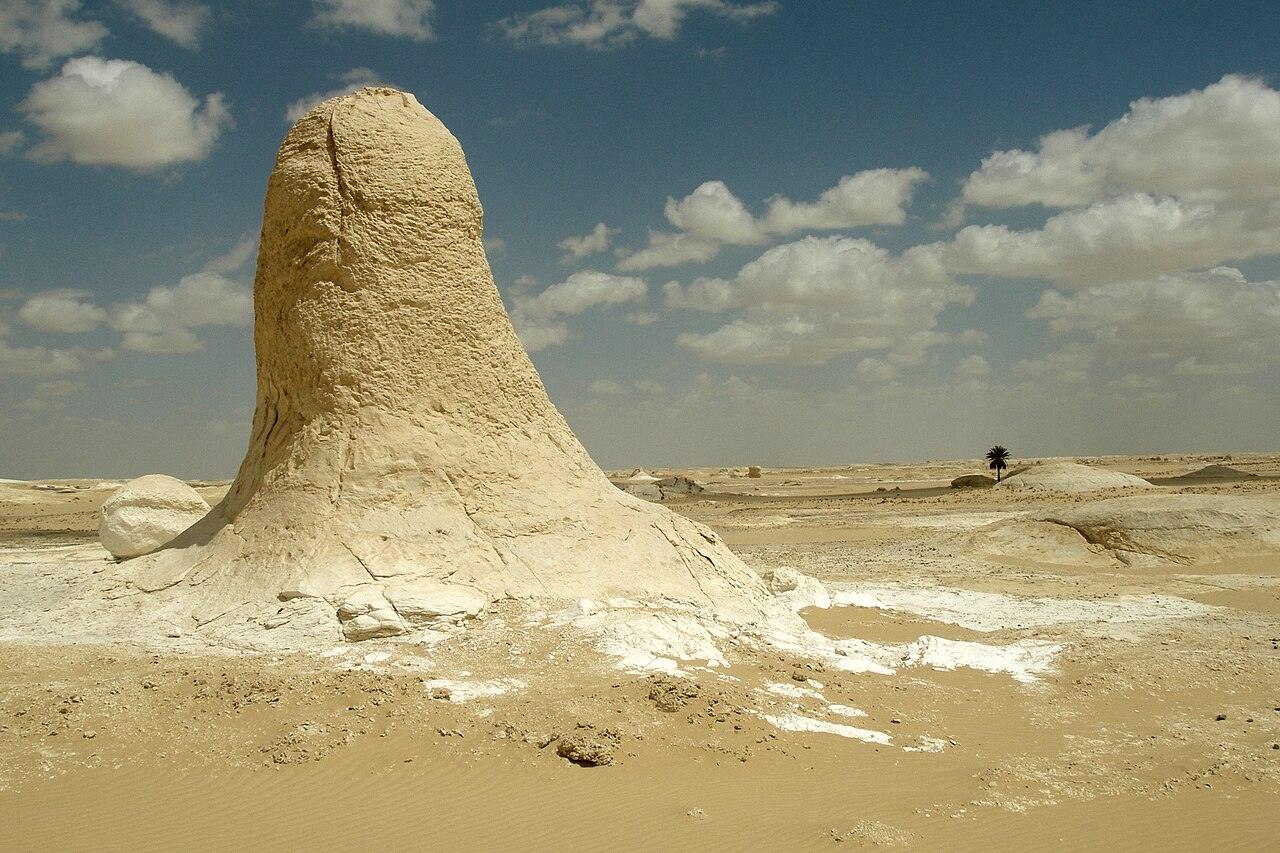
The pyramids, the Nile from Aswan to Luxor, a night in the White Desert and a finale on the Red Sea reef.
 6 daysEasy
Cairo and Alexandria
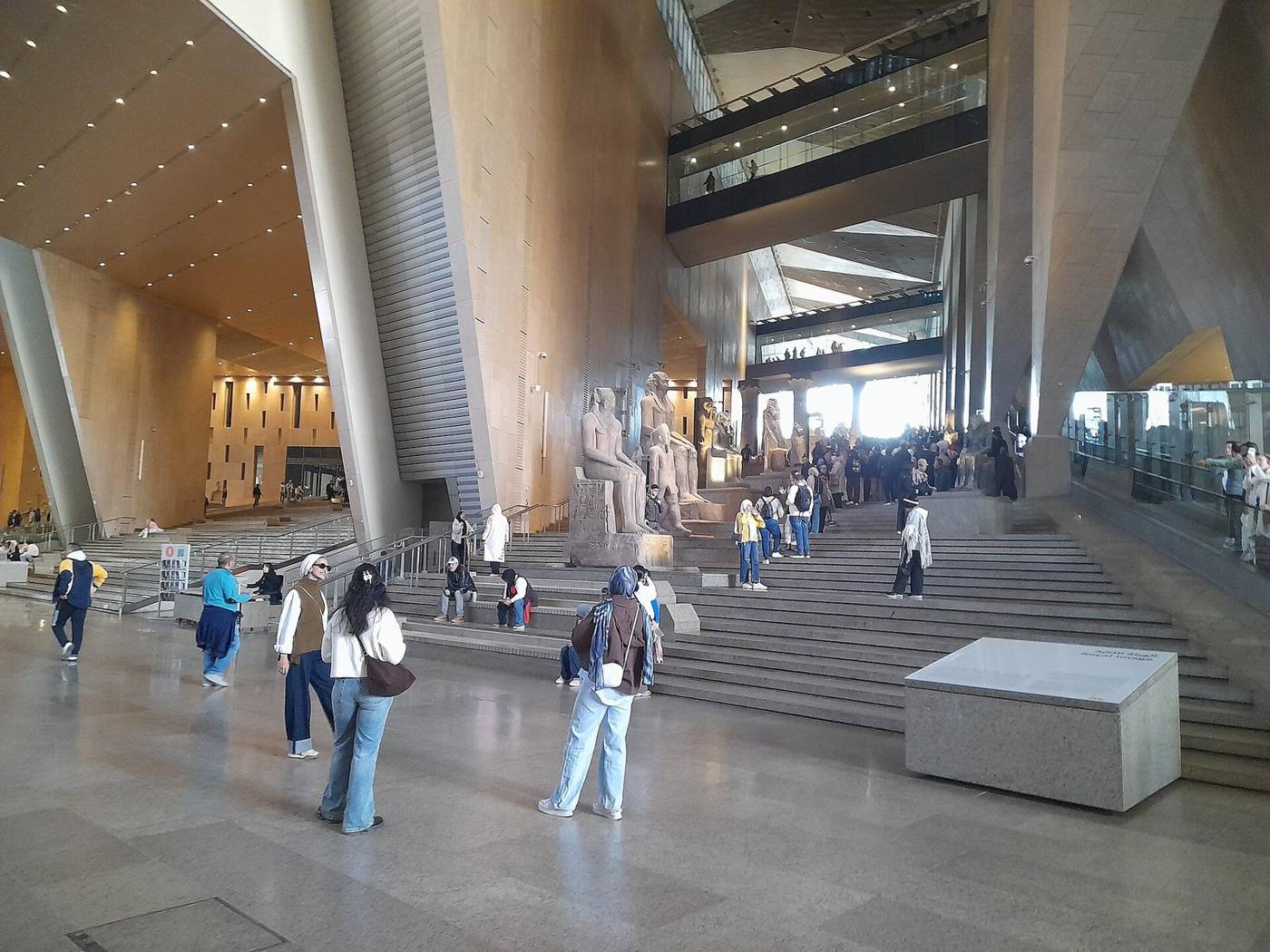
A long weekend among the pyramids, the new Grand Egyptian Museum, Islamic Cairo and Alexander's city on the Mediterranean.
 9 daysEasy
The Nile Delta and Alexandria
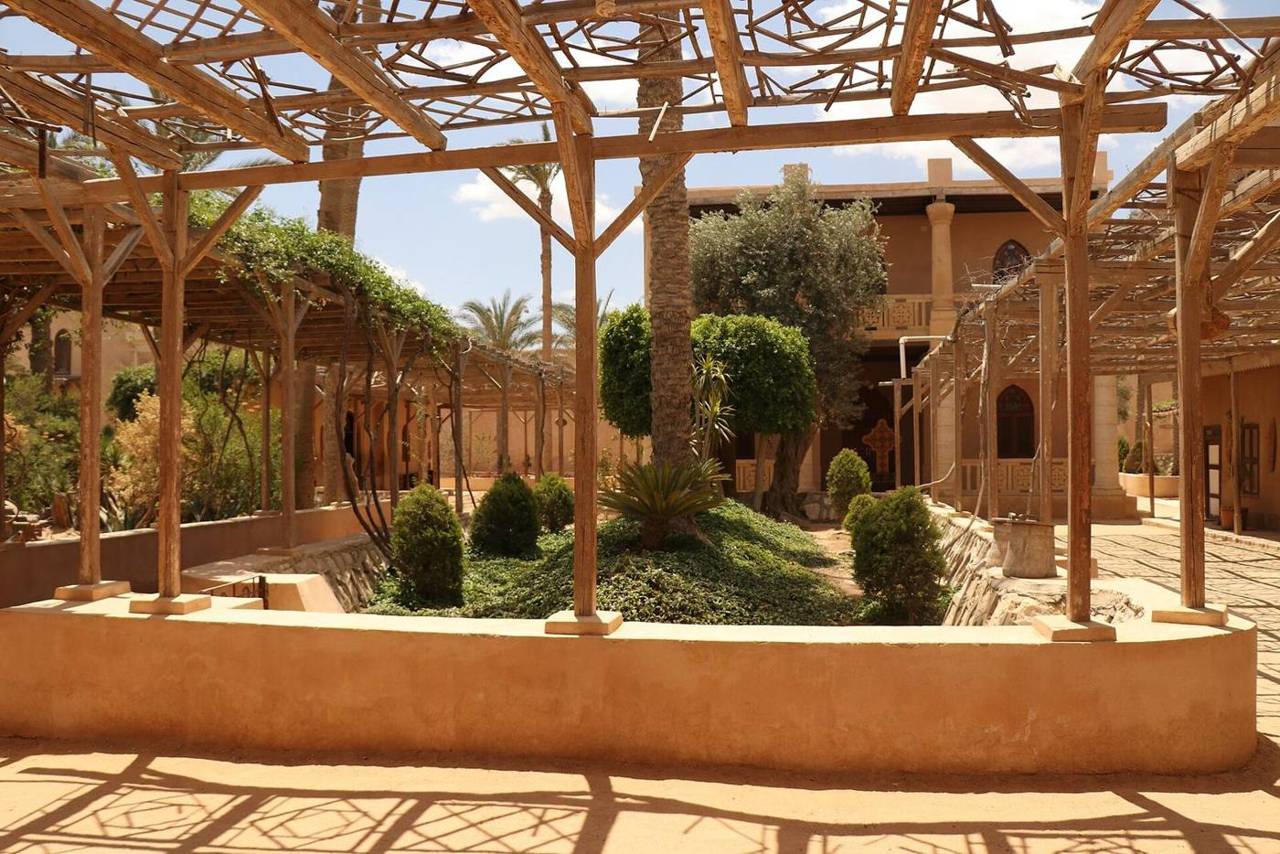
The Egypt tourists skip: the Coptic monasteries of Wadi Natrun, Rosetta and its Ottoman houses, Tanis, the Delta villages and Alexandria.