Complete Egypt: the Nile, the desert and the Red Sea
The pyramids, the Nile from Aswan to Luxor, a night in the White Desert and a finale on the Red Sea reef.
- Cairo
- White Desert
- Aswan
- Abu Simbel
- Luxor
- Marsa Alam
Day by day
- Day 1
Arrival in Cairo and Islamic Cairo
This trip is the most complete tour of Egypt in two weeks: Cairo with the pyramids of Giza, Saqqara and Dahshur and the Grand Egyptian Museum, two days in the Western Desert with Bahariya Oasis, the Black Desert and a night under canvas in the White Desert, then Aswan, Abu Simbel, the Nile cruise to Luxor and a finale on the coral reef at Marsa Alam.
Before you go: to enter Egypt, Italian citizens need a passport valid for at least six months and a tourist visa. It can be requested online before departure on the official portal or on arrival at the airport, at the bank counters before passport control: from 1 March 2026 the visa on arrival costs 30 dollars, payable in cash. Other nationalities should check their own rules. The United States rates Egypt at level 2. The United Kingdom advises against most of the Western Desert, but accepts the road from Giza to Farafra, Bahariya Oasis and the White and Black Deserts, which are the areas on this trip; the track between Bahariya and Siwa should not be used. Check the official travel advice before leaving.
You arrive at Cairo International Airport, north east of the city. In the afternoon, if you have energy, go to Islamic Cairo: al-Azhar mosque, home to one of the oldest universities in the world, al-Muizz street with its Mamluk mosques and palaces, and the Khan el-Khalili market, with lamps, spices and copper.
Sleep in Cairo, for three nights.
Practical tip: keep small notes in dollars or euros for the visa and Egyptian pounds for tips, which are a widespread habit in Egypt.
- Day 2
The pyramids of Giza and the Grand Egyptian Museum
Today you see the two most famous places in Egypt, a few kilometres apart.
In the morning, at opening time, enter the Giza plateau. The Great Pyramid of Khufu, built about 4,500 years ago, is the only one of the seven wonders of the ancient world still standing. Next to it are the pyramids of Khafre and Menkaure, the small queens' pyramids and the cemeteries of the officials. You can go inside one of the pyramids with a separate ticket, through a narrow, hot passage: it is not suitable if you suffer from claustrophobia. Then walk down to the Sphinx, the great statue with a lion's body and a pharaoh's head, carved from the rock of the plateau. For the classic photo of all the pyramids together, go to the panoramic viewpoint in the desert to the south west. Check prices and times.
In the afternoon visit the Grand Egyptian Museum, the large new museum near the pyramids. After the grand staircase lined with statues of the pharaohs, the galleries tell the story of ancient Egypt, and the Tutankhamun halls display his treasure, with the gold mask, the thrones, the chariots and the jewellery. Book a timed entry online. Check prices and times.
At sunset look at the pyramids once more from a distance, when the low light turns the stone orange.
Sleep in Cairo.
Practical tip: at Giza many people insistently offer camel or horse rides. If you want one, agree the price and length first; otherwise decline politely and keep walking.
- Day 3
Saqqara, Dahshur and an evening on the Nile
Today you head south of Cairo, to the oldest burial grounds of Memphis, the first capital of united Egypt.
In the morning visit Saqqara, the city's great cemetery. Here stands the step pyramid of Djoser, built about 4,700 years ago by the architect Imhotep: it is considered the first large stone building in history. Around it are tombs of nobles with beautiful reliefs showing daily life at the time: fishing, herding, dancing, baking bread. Also visit the Serapeum, a long underground gallery with huge granite sarcophagi for the sacred bulls. Check prices and times.
At midday stop at Memphis, today a small open air museum among the palms, with a large reclining statue of Ramesses II and an alabaster sphinx.
In the afternoon go to Dahshur, in the desert, with far fewer visitors. The Bent Pyramid changes angle halfway up, because the builders corrected the slope during construction. The Red Pyramid, not far away, is considered the first true smooth sided pyramid, and you can climb down inside to the inner chambers.
At sunset return to Cairo. In the evening walk along the Nile or take a felucca, the traditional sailing boat, past the city lights.
Have dinner with koshari, Cairo's popular dish: rice, lentils, pasta and chickpeas with tomato sauce and fried onions.
Sleep in Cairo.
Practical tip: for Saqqara and Dahshur book a car with a driver for the whole day: the sites are far apart and there is no convenient public transport.
- Day 4
The desert road to Bahariya
Today you leave the Nile and head into the Western Desert, Egypt's part of the Sahara.
Early in the morning leave Cairo heading south west on the tarmac road that runs from Giza towards Bahariya and Farafra. The journey takes about four or five hours, with very few villages and a few rest stops. After the last houses of the city, the landscape becomes a plain of sand and stones, flat to the horizon, with lorries heading for the oases and the mines.
At midday you reach Bahariya Oasis, a large depression in the desert full of date palms, olive trees and gardens, watered by hot and cold springs. The main town is Bawiti. Life here moves slowly, and you immediately feel the difference from Cairo.
In the afternoon visit the small museum with some of the golden mummies from the Graeco Roman period found here in the late 1990s, in a large cemetery known as the Valley of the Golden Mummies. Then climb the hill near the town to see the oasis from above. Check prices and times.
At sunset bathe in one of the hot springs around the oasis, where iron rich water rises from the ground into pools among the palms.
In the evening have dinner with oven baked bread, vegetables from the oasis, rice and Bahariya dates, among the most famous in Egypt.
Sleep in Bahariya.
Practical tip: for the desert, rely on a licensed local operator with a four wheel drive and an experienced driver. They handle the permits and the checks along the road: always carry your passport, because the checkpoints ask for it.
- Day 5
The Black Desert and a night in the White Desert
Today is the most special day of the trip, by four wheel drive in the desert.
In the morning leave Bahariya heading south. Soon you enter the Black Desert, an expanse of sand coloured hills covered in dark stones, which from afar look like extinct volcanoes. Climb one of the hills on foot to see the landscape from above: the contrast between the black stones and the golden sand is very striking.
Further on, stop at Crystal Mountain, a small rocky ridge full of quartz crystals that sparkle in the sun, and in the Agabat valley, with dunes and towers of pale rock.
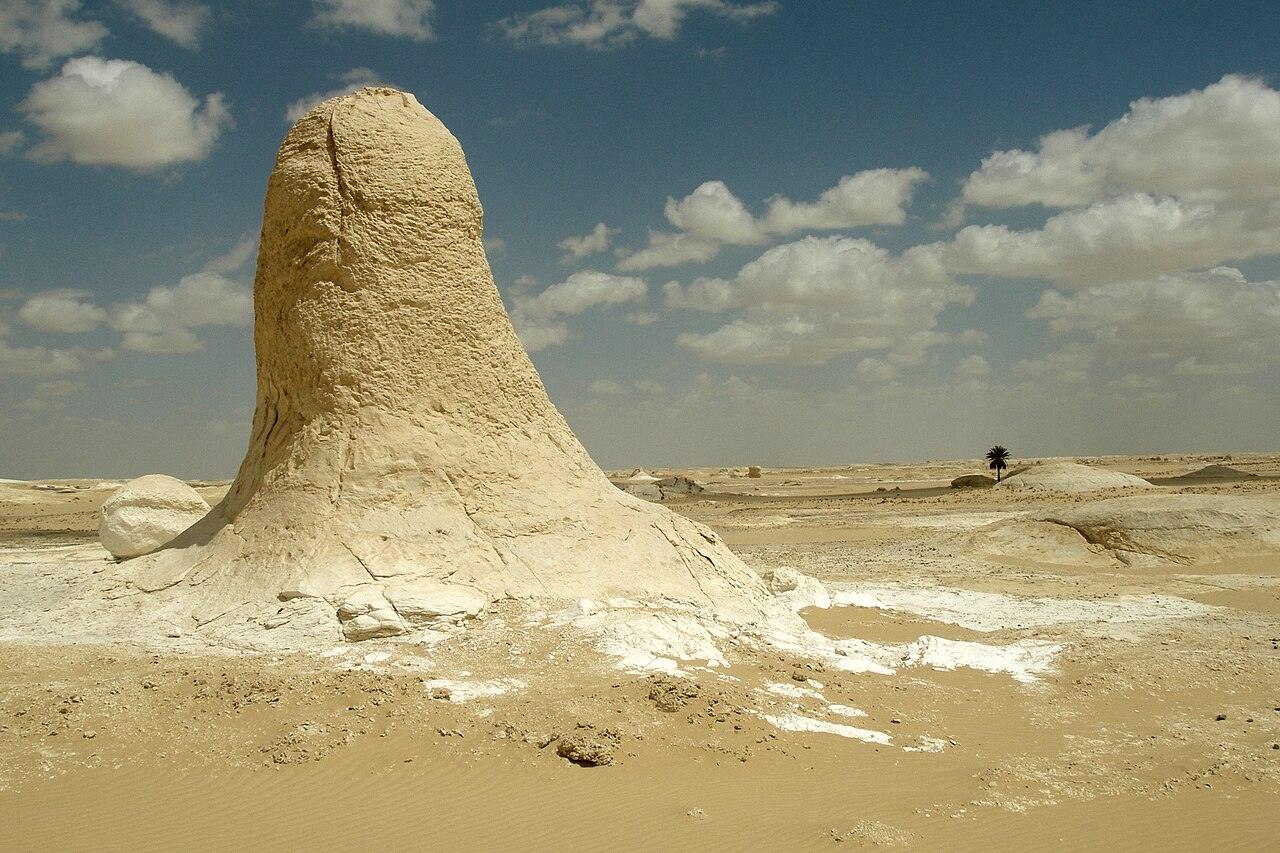
In the afternoon you enter White Desert National Park. Here the wind has carved the white limestone into strange shapes: mushrooms, cones, columns and figures that the guides name after animals, such as the chicken and the mushroom. The white rock on the sand looks like snow. Check the park entry prices with your operator.
At sunset the rocks turn pink and orange. The camp is set up among the formations, with tents, rugs and a fire for dinner, usually chicken, rice and vegetables cooked on the embers.
At night, far from any light, the sky fills with stars and you can often see the Milky Way. With a bit of luck, small desert foxes, fennecs, pass close to the camp.
Sleep in a tent in the White Desert.
Practical tip: in the desert, from November to February, it is cold at night, sometimes close to freezing. Bring a fleece and a hat, and ask whether a sleeping bag is included.
- Day 6
Back to Cairo and on to Aswan
Today you return from the desert to the Nile and begin the second part of the trip.
At dawn leave your tent to watch the sun rise over the white rocks: it is the most beautiful moment, with low light and complete silence. Have breakfast at camp, then take a short walk among the formations before leaving.
During the morning drive back north. You pass the Black Desert and Bahariya again, where you can stop for lunch, then take the long tarmac road to Cairo. In all it takes five or six hours.
In the late afternoon you reach Cairo. There are two ways to get to Aswan, about 900 kilometres to the south. The first is the overnight sleeper train, which leaves Giza station or Ramses, the main station, in the evening and reaches Aswan the next morning, after about thirteen or fourteen hours. It is slow but comfortable, and it saves you a night in a hotel. The second is a domestic flight of just over an hour, which leaves you more time to rest.
If you take the train, dinner and breakfast are served in your cabin. When you wake up, through the window you already see the Nile valley, with green fields, palms and villages.
Sleep on the night train, or in Cairo or Aswan if you choose to fly.
Practical tip: book the sleeper train a few days ahead, on the official website or at the station. Bring earplugs and a warm layer, because the air conditioning is often strong.
- Day 7
Aswan, Philae and a Nubian village
Today you are in Aswan, the southernmost city in Egypt, where the Nile is wide and full of dark granite islands, with white feluccas and golden dunes on the west bank. This is where Nubia begins.
In the morning go to the temple of Philae, dedicated to the goddess Isis, on an island reached only by boat. When the Aswan dams were built, the temple risked disappearing under water for ever. In the 1970s UNESCO and Egypt took it apart stone by stone and rebuilt it on a nearby, higher island. It is one of the most elegant temples in Egypt, with colonnades, reliefs and a kiosk on the water. Check prices and times.
Then pass by the Aswan High Dam, which created Lake Nasser, and the Unfinished Obelisk, left in the granite quarry because it cracked while it was being carved.
In the afternoon board a felucca and sail slowly among the islands to the west bank.
At sunset visit a Nubian village, such as Gharb Soheil, with houses painted blue, yellow and green, drawings on the walls and courtyards. The Nubians have their own language, music and food. Drink a hibiscus tea, karkadeh, and taste Nubian bread.
In the evening stroll along the riverfront and through the Aswan market, with spices, baskets and colourful fabrics.
Sleep in Aswan.
Practical tip: before boarding a felucca or a motorboat, agree the price, length and stops. At the market, bargain calmly and with a smile.
- Day 8
Abu Simbel at dawn and boarding the cruise
Today you visit Abu Simbel, on the shore of Lake Nasser, about 280 kilometres south of Aswan, near the border with Sudan.
There are two ways to get there: a short flight from Aswan or the desert road, about three and a half hours. By car you leave very early, before dawn, usually at the times and under the rules set by the police. Check the current rules.
Abu Simbel is a pair of temples carved into the mountain by Ramesses II in the thirteenth century BC. The great temple has a facade with four colossal seated statues of the pharaoh, about twenty metres high. Inside, the hall has pillars with statues of the king and reliefs of the battle of Kadesh. The small temple is dedicated to Queen Nefertari and the goddess Hathor. Check prices and times.
In the 1960s, to save them from the waters of Lake Nasser, the temples were cut into more than a thousand blocks and rebuilt higher up, beneath an artificial hill. It was one of the greatest archaeological rescue operations in history. Twice a year, around 22 February and 22 October, the morning sun reaches the sanctuary and lights up the statues of the gods.
At midday return to Aswan and board the cruise boat, which over the next few days will sail down the Nile to Luxor. Check what is included: meals, visits, guide and tickets.
In the evening, from the deck, watch the lights of Aswan on the water.
Sleep on board.
Practical tip: there is no shade at Abu Simbel. Bring water, a hat and sun cream, even in winter.
- Day 9
Kom Ombo and Edfu, the river temples
Today you sail north on the Nile and visit two temples from the Ptolemaic period, built by the Greek kings who ruled Egypt after Alexander the Great, but following the rules of Egyptian architecture.
In the morning watch life along the river from the deck: green fields of sugar cane, palms, buffalo drinking, brick villages, herons and the yellow desert that begins just beyond the green strip.
The first stop is Kom Ombo, a temple on a small hill right on the bank. It is unique because it is double: symmetrical, with two entrances, two halls and two sanctuaries, one for Sobek, the crocodile headed god, and one for Haroeris, a falcon headed form of Horus. Next to it is the crocodile museum, with dozens of mummified crocodiles, considered sacred animals in ancient times. Check prices and times.
The boat continues to Edfu. Here you reach the temple by horse drawn carriage or minibus. The temple of Horus is the best preserved in the whole of Egypt: for centuries it was covered by sand, which is why it is almost intact, with its roof, dark halls, sanctuary and tall entrance pylon. At the entrance stand two statues of Horus as a falcon, and the walls are carved with the legend of the struggle between Horus and the god Seth.
In the evening, on board, there is often a night of Nubian or Egyptian music.
Sleep on board.
Practical tip: carriage drivers sometimes ask for more than they should. Agree the price before getting in and remember that a small, polite tip is enough.
- Day 10
Esna and Karnak
Today you reach Luxor, ancient Thebes, the capital of Egypt at the height of its power.
In the morning the boat passes through the Esna lock, where boats queue to pass the change in river level. It is a curious moment: vendors come alongside in small boats and throw tablecloths and fabrics on board, haggling at the top of their voices. If the boat stops, visit the temple of Khnum, the ram headed god, below the level of the modern town: a recent restoration has brought the colours of the ceiling back to light.
At midday you reach Luxor.
In the afternoon visit the Karnak temple complex, the largest religious complex of the ancient world, built and extended over about two thousand years in honour of the god Amun. You enter between two rows of ram headed sphinxes and pass through huge gateways, the pylons, and great courtyards. The heart of it is the great hypostyle hall, with 134 stone columns covered in hieroglyphs, where you feel very small. Then see the obelisks of Queen Hatshepsut and the sacred lake. Check prices and times.
At sunset visit Luxor temple, on the riverfront, built mainly by Amenhotep III and Ramesses II, with seated colossi and an obelisk. In the evening it is floodlit. In front of the entrance begins the avenue of sphinxes, which once linked it to Karnak.
Sleep on board in Luxor.
Practical tip: at Karnak take a guide or an audio guide. Without explanations it is easy to get lost among the courtyards, pylons and sanctuaries, and miss the story of the place.
- Day 11
The balloon flight and the Valley of the Kings
Today you cross the Nile to the west bank, the bank of the dead, where the ancient Egyptians buried their pharaohs in the desert behind the hills.
Before dawn climb into the hot air balloon. The balloons take off while it is still dark and rise as the sun comes up: below you lie the river, green fields, villages, temples and the golden hills of the Valley of the Kings. The flight usually lasts about an hour. Choose a licensed operator and remember that flights can be cancelled in windy weather.
After the flight visit the Valley of the Kings, an arid valley where for about five hundred years the tombs of the New Kingdom pharaohs were dug, with long corridors decorated with colourful paintings telling of the king's journey into the afterlife. The standard ticket covers a few tombs, chosen from those open that day; others, such as those of Tutankhamun and Seti I, cost extra. Check prices and times.
Then visit the temple of Queen Hatshepsut at Deir el-Bahari, with three great terraces set against the rock face. Hatshepsut was one of the few women to rule Egypt as pharaoh.
On the way back stop at the Colossi of Memnon, two huge seated statues of Amenhotep III in the middle of the fields.
In the afternoon rest, because the alarm went off very early.
Sleep in Luxor.
Practical tip: on the west bank set off early. After ten o'clock, even in winter, the sun in the Valley of the Kings is strong and there is no shade between one tomb and the next.
- Day 12
From the Nile to the Red Sea: Marsa Alam
Today you leave the Nile valley and head to the Red Sea coast, for the last days by the sea.
In the morning leave Luxor by car with a driver. The road crosses the Eastern Desert, among mountains of dark rock and dry valleys, and reaches the coast at Marsa Alam in about four or five hours. Alternatively you can fly, but usually with a change in Cairo.
Marsa Alam lies on Egypt's southern Red Sea coast, much quieter than Hurghada and Sharm el-Sheikh. Here the red mountains run down to the sea, and some of the richest reefs in the Red Sea stretch along the shore. Accommodation is spread along the coast, tens of kilometres north and south of the small town.
In the afternoon take your first swim on the reef in front of your accommodation. In many places the reef begins a few metres from the shore: you enter from a jetty and immediately see colourful coral, clownfish, butterflyfish and parrotfish. Swim slowly, with your mask, and look without touching.
At sunset the desert mountains behind you turn red and purple, and the sea calms down.
In the evening have grilled Red Sea fish with rice and Egyptian sauces such as tahini.
Sleep in Marsa Alam, for three nights.
Practical tip: use a reef friendly sun cream and wear a T shirt for snorkelling. Do not walk on the coral or feed the fish: it damages the reef.
- Day 13
Abu Dabbab, turtles and dugongs
Today you go to Abu Dabbab bay, north of Marsa Alam, one of the best known places in the Red Sea for seeing sea turtles.
Early in the morning you reach the bay, a beach of pale sand where the seabed slopes gently. In the middle is a large meadow of seagrass, where green turtles come to feed. With mask and fins you often see them grazing on the bottom and coming up to breathe at the surface, a few metres from you. On either side of the bay are coral reefs with plenty of fish, rays and sometimes guitarfish.
In the past the dugong, the large marine mammal that feeds on seagrass, was often seen here. Today it is very rare: if you see one, you are very lucky. Do not chase it or approach it, because it is a protected species and is easily frightened.
If you dive, you can do a shore dive with a dive centre along the edges of the bay, or take a beginners' course.
In the afternoon rest on the beach, in the shade, during the hottest hours.
At sunset go back to the shore for a last swim. The low light colours the sea green and blue.
In the evening look at the starry sky above the desert, as clear as in the White Desert.
Sleep in Marsa Alam.
Practical tip: arrive early at Abu Dabbab, before the boats and the groups. Respect the areas marked by buoys and always stay at least a few metres from the turtles, without touching them.
- Day 14
A day by boat on the reef
Today you go out by boat to see the offshore reefs, among the finest in the Red Sea.
In the morning leave the harbour on a diving or snorkelling boat. There are many options, depending on the sea and your experience. For snorkelling, Samadai reef, also called the dolphin house, is a horseshoe shaped lagoon where groups of dolphins often live. To protect them, part of the lagoon is closed and visitor numbers are limited: follow the guides' rules. For experienced divers, Elphinstone reef, offshore, with vertical walls, sea fans and sometimes sharks, is one of the most famous dives in the area.
On the boat you usually do two snorkelling stops or two dives, with lunch on board. You will see walls of hard and soft coral, shoals of fish, moray eels, Napoleon wrasse and, if you are lucky, dolphins swimming beside the boat. Check prices and times with the dive centre.
In the afternoon return to land and rest. Pack your bags for tomorrow.
At sunset walk on the beach and watch the desert mountains turn purple one last time.
In the evening have your last Egyptian dinner, with a dessert such as umm ali, a warm pudding of pastry, milk and nuts.
Sleep in Marsa Alam.
Practical tip: after your last dive wait at least eighteen to twenty four hours before flying, as diving rules recommend. Plan your dives accordingly and only snorkel on the final day.
- Day 15
The flight home
Today is departure day.
In the morning, if you have time and have not dived in the last few hours, take a last swim with your mask on the reef in front of your accommodation. Then go to Marsa Alam airport, which has direct flights to Europe at many times of year, or domestic flights to Cairo.
In these fifteen days you have seen almost the whole of Egypt. In Cairo, the pyramids of Giza, the Sphinx and Tutankhamun's treasure at the Grand Egyptian Museum, then the older pyramids of Saqqara and Dahshur and the mosques of Islamic Cairo. In the Western Desert, Bahariya Oasis, the Black Desert and the night under canvas among the rocks of the White Desert, beneath the stars. In Aswan, Philae, the Nubian villages and the temples of Abu Simbel. On the Nile, Kom Ombo, Edfu and Luxor with Karnak, the Valley of the Kings and the balloon flight at dawn. Finally the Red Sea at Marsa Alam, with the turtles of Abu Dabbab and the offshore reefs.
When to go: the best period is October to April, with warm but bearable days in Cairo and along the Nile. From December to February nights in the desert are cold and the sea is cooler, around twenty two degrees. From May to September Luxor and Aswan often go above forty degrees, and sightseeing becomes tiring. If you can, avoid the Christmas and New Year holidays, when the sites are busiest and prices rise.
Practical tip: keep a few Egyptian pound notes in your pocket for the last tips, but remember that exporting genuine antiquities is forbidden.
The most complete tour of Egypt, with a night in the White Desert that few trips include. The pace in the first days is intense and the sites are crowded, so arrive at opening time. The finish at Marsa Alam, on the coral reef, is the right way to rest.
Before you go
- Documents and visa
- Passport valid for at least six months and a tourist visa, obtained online on the official portal or on arrival at the airport, where since 1 March 2026 it costs 30 dollars in cash.
- Health and vaccines
- No compulsory vaccines for travellers from Europe. Drink only bottled water and take out travel health insurance. Emergencies: 122 police, 123 ambulance.
- Money and payments
- Egyptian pound. Cards work in hotels and larger shops, but for tips, taxis and markets you need cash in small notes.
- Power sockets
- Types C and F, 220 volts.
- Time zone
- UTC+2 in winter; Egypt uses daylight saving time in summer.
- Safety
- Tourist areas along the Nile and the Red Sea are busy and well policed. Governments advise against North Sinai, the Libyan border strip and much of the Western Desert off the main roads. Official advice: GOV.UK.
Information checked in November 2026 for Italian and EU citizens. Rules change: always check before you travel.
Variations
Shorter version: in 12 days drop the night in the desert and go from Cairo straight to Aswan on the night train.
Longer version: in 18 days add Dendera and Abydos from Luxor and a day in Wadi el Gemal National Park, south of Marsa Alam.
Frequently asked questions
Is the White Desert safe?
The United Kingdom accepts the road from Giza to Farafra, Bahariya Oasis and the White and Black Deserts, while it advises against other parts of the Western Desert and the track between Bahariya and Siwa. Go with a licensed local operator, carry your passport and check the official travel advice before leaving.
Is the night train or the flight to Aswan better?
The sleeper train is slower, about thirteen or fourteen hours, but it saves you a night and shows you the Nile valley when you wake up. The flight takes just over an hour and is better if you want more rest after the desert.
Do I need to dive to enjoy Marsa Alam?
No. At Abu Dabbab and on the reefs along the coast, with mask and fins, you already see turtles, coral and plenty of fish. Diving is an extra: you can try a discovery dive with an instructor or take a beginners' course.
Indicative itinerary written by World Atlas. Before booking, check timetables, seasonal openings, documents and safety.
 7 daysEasy
Cairo and a Nile cruise
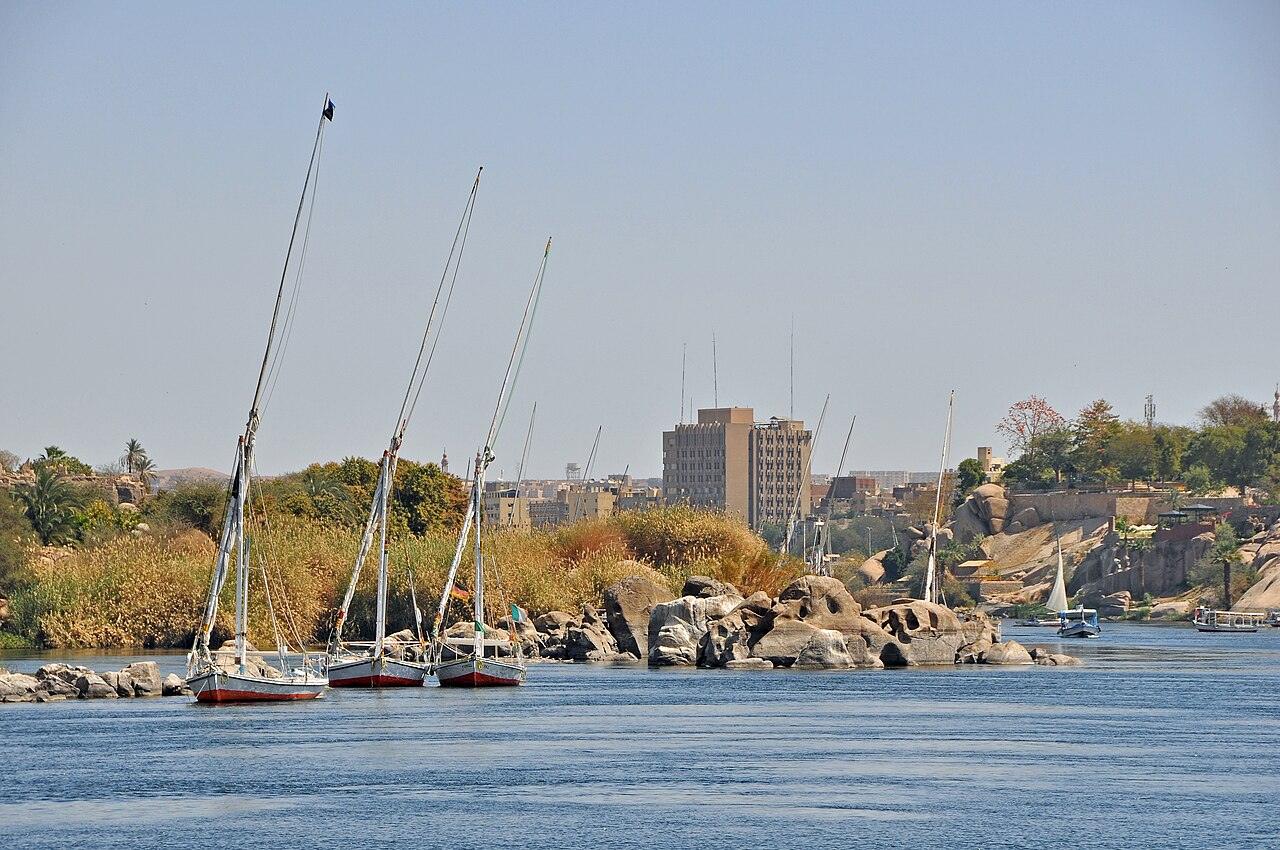
The pyramids of Giza and the Grand Egyptian Museum, then four days sailing between Luxor and Aswan.
 6 daysEasy
Cairo and Alexandria
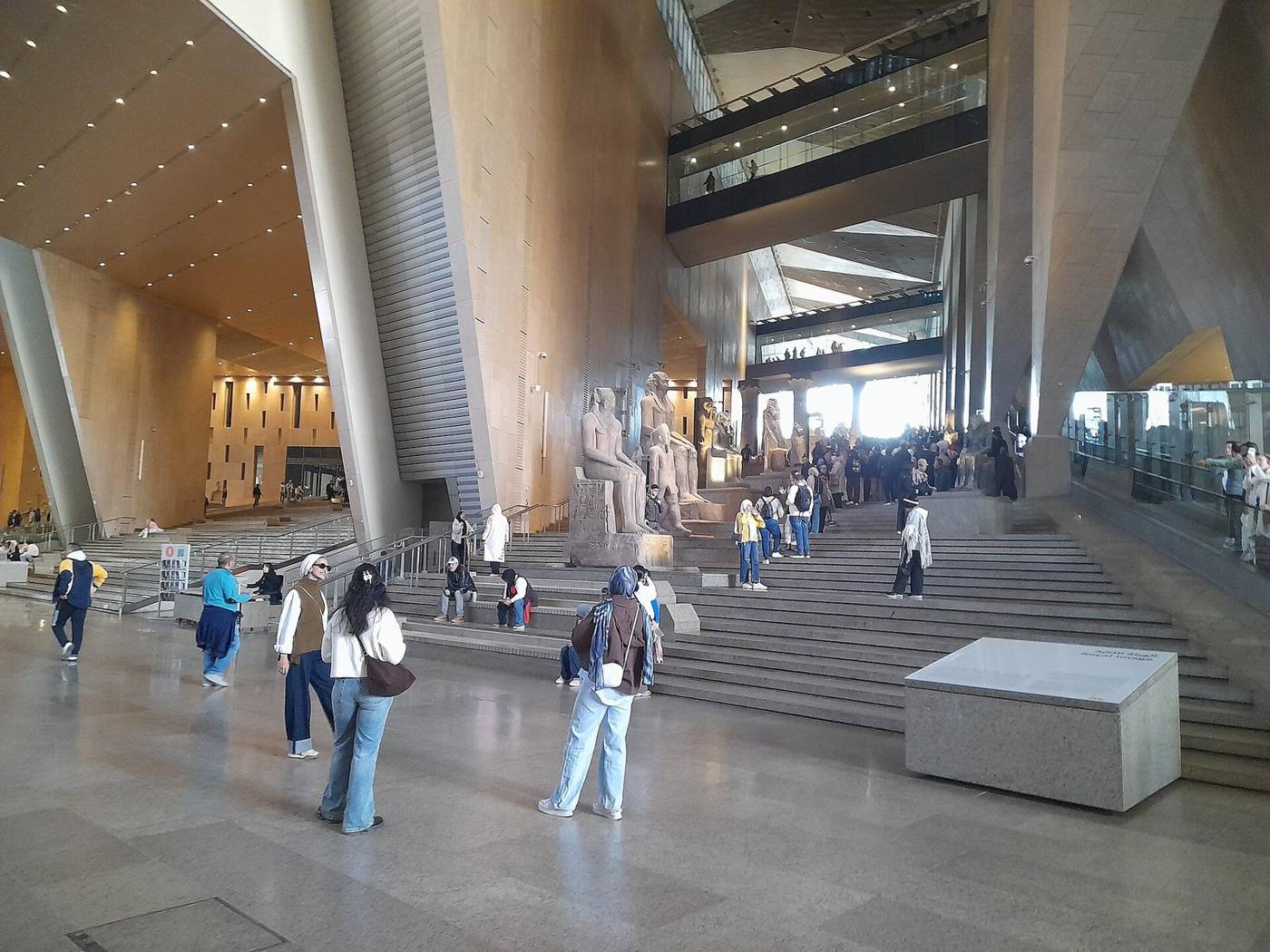
A long weekend among the pyramids, the new Grand Egyptian Museum, Islamic Cairo and Alexander's city on the Mediterranean.
 9 daysEasy
The Nile Delta and Alexandria
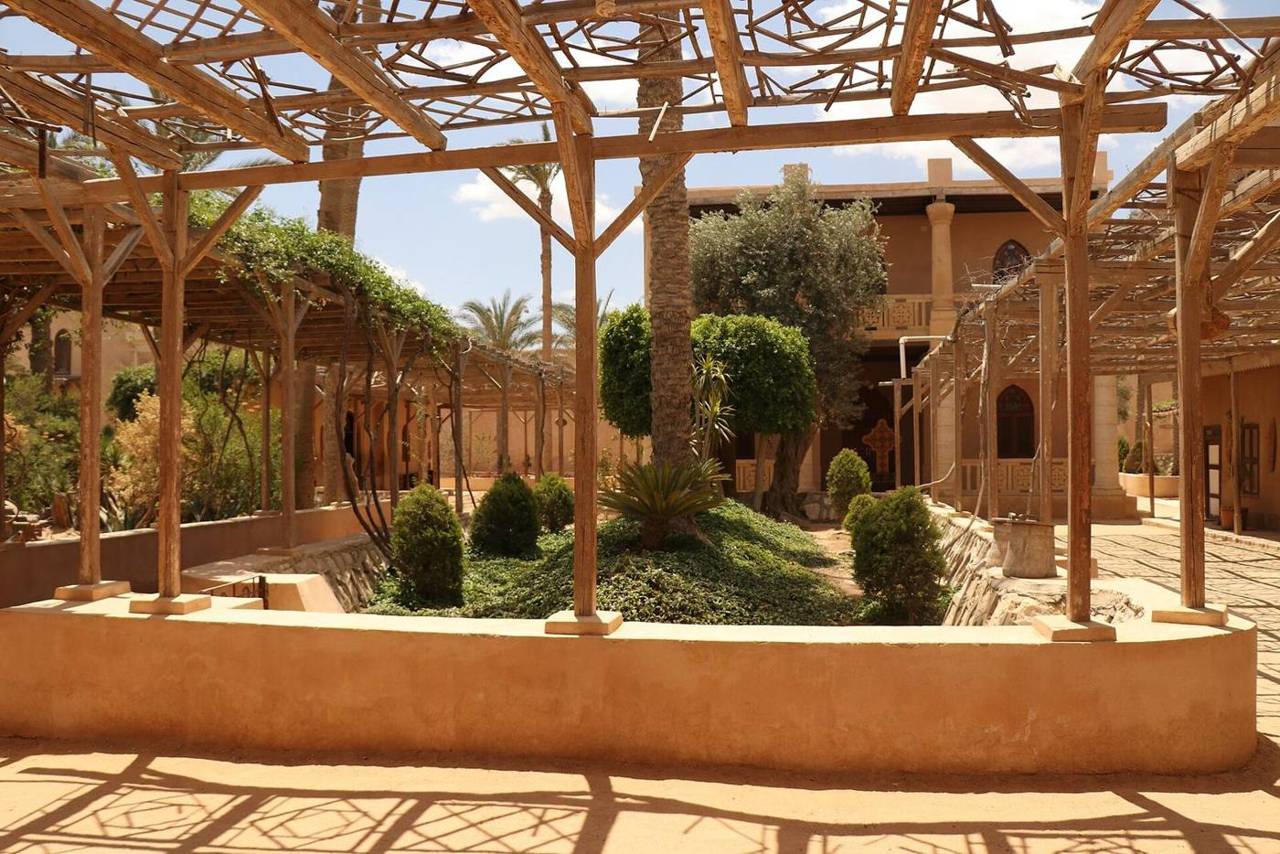
The Egypt tourists skip: the Coptic monasteries of Wadi Natrun, Rosetta and its Ottoman houses, Tanis, the Delta villages and Alexandria.