Siwa oasis and the Mediterranean
The coast road from Alexandria to Marsa Matruh and then the Berber oasis of Siwa: salt lakes, springs, Alexander the Great's oracle and the Great Sand Sea.
- Cairo
- Alexandria
- El Alamein
- Marsa Matruh
- Siwa
Day by day
- Day 1
Arrival in Cairo
This trip shows a different Egypt from that of the pyramids and the Nile: the Mediterranean coast, with Alexandria, the city founded by Alexander the Great, the sites of the battle of El Alamein and the white beaches of Marsa Matruh, and then the oasis of Siwa, in the Western Desert near the Libyan border, an isolated world of palms, springs, salt lakes and mud villages, where a Berber language, Siwi, is still spoken.
On arrival in Egypt you can get a visa on arrival at the airport, which costs 30 dollars. Before leaving check government travel advice: the United Kingdom advises against several areas of the Western Desert, but considers the coast up to Marsa Matruh, the road from Marsa Matruh to Siwa and the oasis itself acceptable. The desert track between Bahariya and Siwa should not be used.
You fly into Cairo. On the first day, after arrival, rest and, if you have time, take a first walk in the centre: the Islamic quarter, with al Azhar mosque and the Khan el Khalili market, full of workshops selling copper, lamps, spices and perfumes, or the Nile riverside at sunset.
In the evening have dinner with Egyptian food: koshari, a popular dish of rice, lentils, pasta and fried onions with tomato sauce, ful, a fava bean stew, and fava bean falafel, called ta'meya.
Spend the night in Cairo.
Practical tip: traffic in Cairo is heavy. Use fixed price taxi apps or an arranged driver. For this trip it is worth booking a car with a driver or a guide for the whole route.
- Day 2
Alexandria
Today go to Alexandria, about three hours north west of Cairo, across the Nile Delta. Alexandria was founded by Alexander the Great in 331 BC and for centuries was one of the greatest cities of the ancient world, capital of the Ptolemies and of Cleopatra, with its lighthouse, one of the seven wonders of the world, and its great library.
In the morning visit the Bibliotheca Alexandrina, the new library opened in 2002 near the site of the ancient one, a modern building shaped like a disc tilted towards the sea, its granite outer wall carved with letters from all the world's alphabets. Inside are a huge reading room and several museums.
Then visit the catacombs of Kom el Shoqafa, second century AD underground tombs cut into the rock on several levels, with sculptures mixing Egyptian, Greek and Roman styles. Nearby is Pompey's Pillar, a red granite column almost thirty metres high.
In the afternoon go to the Citadel of Qaitbay, a fifteenth century fortress built on the site of the ancient lighthouse at the end of the eastern harbour, and then walk along the Corniche, the seafront running for kilometres around the bay.
In the evening have dinner with grilled fish chosen at the counter, and Arab sweets.
Spend the night in Alexandria.
Practical tip: Alexandria is cooler and breezier than Cairo, but in winter it often rains. The best time is April to June and September to November.
- Day 3
El Alamein and the memorials, Marsa Matruh and Agiba beach
Today follow the Mediterranean coast west, from Alexandria to Marsa Matruh, about three hundred kilometres.
The first stop is El Alamein, about two hours from Alexandria, site of one of the most important battles of the Second World War, in 1942, between the British and Commonwealth army led by Montgomery and the German and Italian troops led by Rommel. Here are the war memorials of the nations that fought: the Commonwealth cemetery, with thousands of white headstones, the German memorial, built like a fortress, and the Italian military memorial, a white tower by the sea, where thousands of Italian soldiers rest. There is also a military museum with vehicles and weapons from the battle.
In the afternoon continue to Marsa Matruh, a seaside town with long beaches of white sand and turquoise water, among the finest on the Mediterranean, very popular with Egyptians in summer.
At sunset go to Agiba beach, about twenty five kilometres west of town, a small cove enclosed by pale rock cliffs, with water of an intense turquoise. The name means wonder. Nearby is also Cleopatra's beach, where according to legend the queen bathed.
Spend the night in Marsa Matruh.
Practical tip: there are police checkpoints along the coast road: always keep your passport to hand. Outside the summer season many services in Marsa Matruh are closed.
- Day 4
The desert road to Siwa
Today leave the coast and head south to the Siwa oasis, about three hundred kilometres, four hours through the Western Desert. According to tradition, this is the road Alexander the Great also took to consult the oracle of Amun at Siwa.
The road crosses an almost empty plateau of stone and sand, with few stopping places. Then, suddenly, it descends into a depression below sea level, where thousands of date palms and olive trees appear, salt lakes and isolated rock mountains. This is the Siwa oasis, about eighty kilometres long, home to around thirty thousand people, mostly Siwi Berbers.
For centuries Siwa remained isolated from the rest of Egypt and kept its own culture, with its language, traditions, dress and architecture in kershef, a material made of mud, salt and stone. Siwi women go out wrapped in a large cloak covering the whole body.
In the afternoon take a first ride by bicycle or by donkey cart, the oasis's traditional transport, among the palms and gardens.
In the evening have dinner with Siwi food: dates, olives, bread baked in the sand and slow cooked meat and vegetable dishes.
Spend the night in Siwa.
Practical tip: the culture in Siwa is conservative. Dress with arms and legs covered and do not photograph women. Alcohol is not sold in the oasis. There are checkpoints along the road: keep your passport ready.
- Day 5
Siwa: Shali fortress, the Oracle temple and Cleopatra's spring
Today visit the main sights of the oasis.
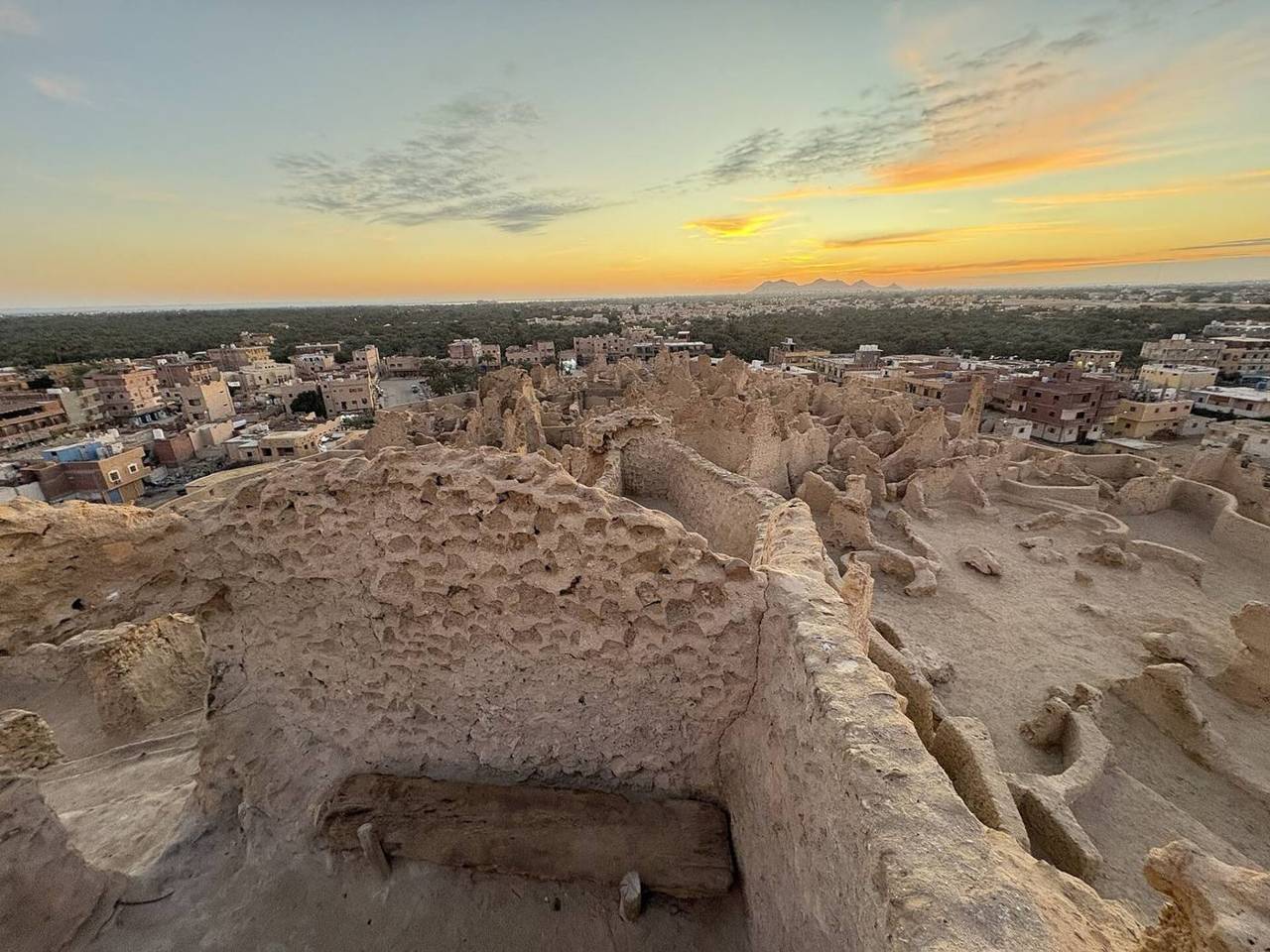
In the morning climb the Shali fortress, in the centre of Siwa town, a thirteenth century fortified town built in kershef on a rocky hill, with houses pressed against one another, narrow lanes and walls. For centuries the inhabitants lived inside for protection from raids. Very heavy rain in 1926 dissolved most of the houses, which now look like a mud sculpture. From the top the view over palms, lakes and mountains is beautiful. Part of the fortress has been restored.
Then go to Aghurmi, about four kilometres away, where the temple of the Oracle of Amun, from the sixth century BC, stands on a hill. It was one of the most famous oracles of the ancient world: in 331 BC Alexander the Great came here, and according to tradition the oracle recognised him as the son of the god Amun.
In the afternoon go to Cleopatra's spring, a large natural stone pool filled by a spring of warm, clear water, with bubbles rising from the bottom, surrounded by palms. You can swim.
Nearby is the Mountain of the Dead, Gebel al Mawta, a hill full of rock cut tombs, some decorated with Ptolemaic and Roman era paintings.
Spend the night in Siwa.
Practical tip: at Cleopatra's spring it is mostly men who swim. Women can go in clothed, but it is best to ask first and choose a quiet time.
- Day 6
Around the oasis: the salt lake, Gebel Dakrour and sunset at Fatnas
Today explore the surroundings of the oasis.
In the morning go to the salt lakes around Siwa, such as Lake Siwa or Lake Aghurmi, with water saltier than the Dead Sea, turquoise and green in colour, with white shores covered in salt crystals. In the salt extraction pools the water is so salty you float without any effort. Siwa salt is also used to build houses, and small objects and lamps carved from salt are sold.
Then climb Gebel Dakrour, a rock mountain south east of town, with a view over the whole oasis. At the foot of the mountain, in summer, people take hot sand baths: they are buried in scorching sand to ease rheumatism and aches, following an ancient tradition. Every autumn, below Gebel Dakrour, the Siyaha festival is also held, three days of reconciliation, prayers and shared meals among all the families of the oasis.
In the afternoon visit a garden of palms and olive trees to see how the fields are irrigated with spring water and how dates are harvested.
At sunset go to Fatnas island, a small palm covered peninsula on the salt lake linked by a road, where you drink tea watching the sun go down behind the mountains and reflect on the lake.
Spend the night in Siwa.
Practical tip: excursions into the Great Sand Sea south of Siwa are not part of this trip: check government advice before leaving the oasis.
- Day 7
The salt lakes and the return towards Cairo
Today leave Siwa and head back towards Cairo. It is a long travel day: from Siwa to Cairo is about eight hundred kilometres, some nine or ten hours on the road, passing again through Marsa Matruh and along the Mediterranean coast.
Before leaving, early in the morning, make a last visit to the salt lakes to see sunrise over the water, when the light turns the salt shores and the surrounding mountains pink. It is one of the most beautiful moments in the oasis.
Then set off north along the desert road to Marsa Matruh, where you can stop for lunch by the sea.
From Marsa Matruh continue east along the coast to Alexandria and then to Cairo on the desert road. If you prefer to split the journey into two stages, you can spend the night in Alexandria or Marsa Matruh and reach Cairo on departure day.
Before leaving Siwa buy some local produce: dates, famous throughout Egypt, olives and olive oil, salt, traditional Siwi embroidery with colourful designs on black cloth, and palm leaf baskets.
In the evening, in Cairo, have a last Egyptian dinner.
Spend the night in Cairo, or in Alexandria.
Practical tip: travel this road only by day. Bring water and food for the journey and keep your passport to hand for the checkpoints.
- Day 8
Departure
On the last day you leave from Cairo. If your flight is in the afternoon or evening, you still have a few hours for a final visit.
The obvious visit, if you have never made it, is the pyramids of Giza, about an hour from the centre, near Sphinx airport. In a few hours you see the Great Pyramid of Khufu, the only one of the seven wonders of the ancient world still standing, the pyramids of Khafre and Menkaure and the Sphinx.
Alternatively, visit the Grand Egyptian Museum, near the pyramids, with the Tutankhamun collections and thousands of objects from ancient Egypt. After a trip that has mostly shown Greek, Roman and Berber Egypt, it is a good way to finish with the Egypt of the pharaohs.
If you prefer something quieter, walk through Coptic Cairo, with the Hanging Church, the Ben Ezra synagogue and the Coptic museum, or in al Azhar Park, a hilltop garden with views over the minarets of the old city.
Cairo International Airport is about an hour from the centre, but with traffic it can take much longer. Leave in good time.
Practical tip: at the Grand Egyptian Museum and the pyramids tickets are bought online and prices for foreigners change often: check first. For the trip back to the airport allow at least two hours' margin for traffic.
Egypt's most beautiful and remote oasis, with a unique Berber culture. El Alamein carries particular weight for Italians and Europeans. Distances are huge (Siwa is 9 hours by road from Cairo) and desert permits are needed, which the local agency arranges. Right months: October-April.
Before you go
- Documents and visa
- Passport valid for at least six months and a tourist visa, obtained online on the official portal or on arrival at the airport, where since 1 March 2026 it costs 30 dollars in cash.
- Health and vaccines
- No compulsory vaccines for travellers from Europe. Drink only bottled water and take out travel health insurance. Emergencies: 122 police, 123 ambulance.
- Money and payments
- Egyptian pound. Cards work in hotels and larger shops, but for tips, taxis and markets you need cash in small notes.
- Power sockets
- Types C and F, 220 volts.
- Time zone
- UTC+2 in winter; Egypt uses daylight saving time in summer.
- Safety
- Tourist areas along the Nile and the Red Sea are busy and well policed. Governments advise against North Sinai, the Libyan border strip and much of the Western Desert off the main roads. Official advice: GOV.UK.
Information checked in November 2026 for Italian and EU citizens. Rules change: always check before you travel.
Variations
In 5 days: Cairo, Alexandria and El Alamein, without Siwa.
In 11 days: add Luxor and Aswan, or a few days on the Red Sea.
Frequently asked questions
Is it safe to go to Siwa?
The United Kingdom considers the coast up to Marsa Matruh, the road to Siwa and the oasis acceptable. Check current advice before leaving and do not use the track between Bahariya and Siwa.
Do I need a visa?
Yes. You can get a visa on arrival at the airport, which costs 30 dollars.
When is the best time to go?
October to April for Siwa, which is extremely hot in summer. The coast is pleasant in spring and autumn.
Indicative itinerary written by World Atlas. Before booking, check timetables, seasonal openings, documents and safety.
 7 daysEasy
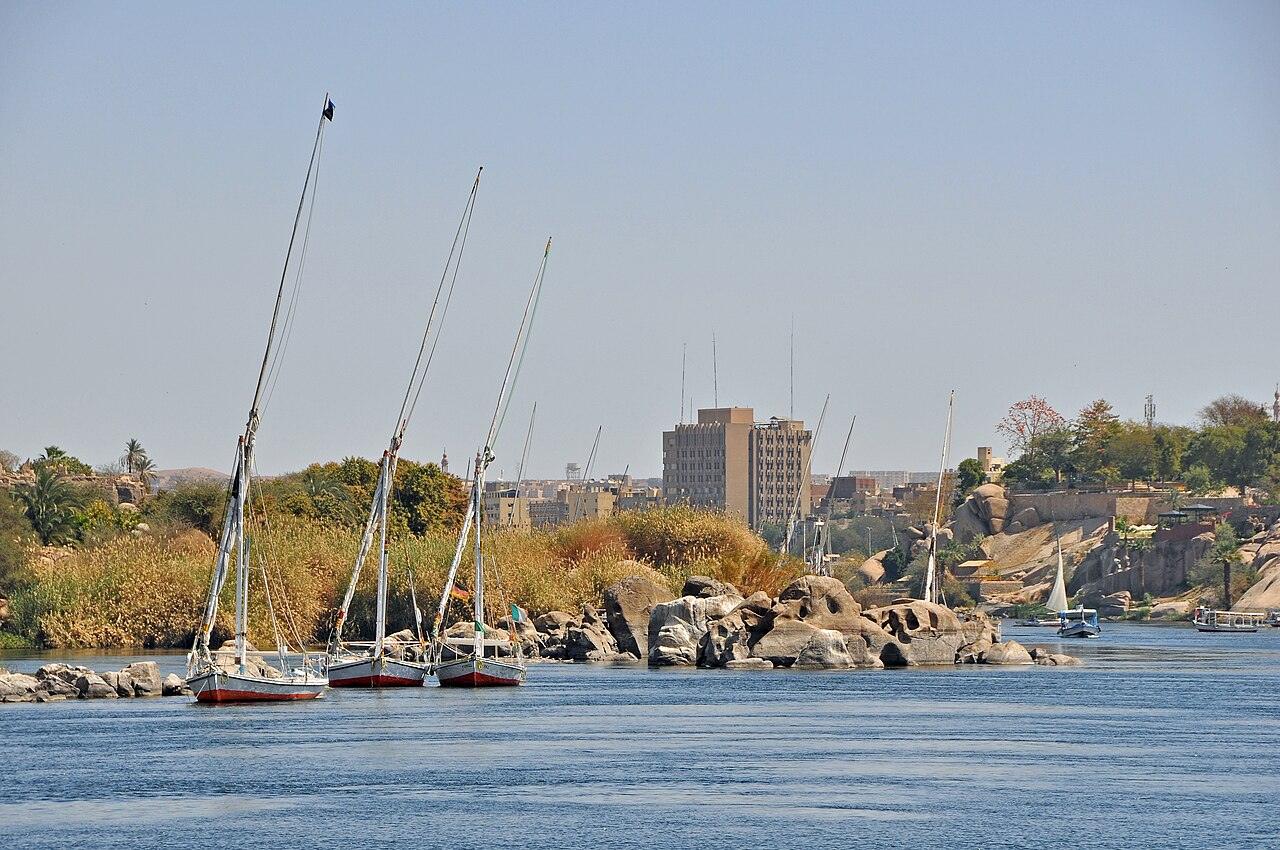
Cairo and a Nile cruise
The pyramids of Giza and the Grand Egyptian Museum, then four days sailing between Luxor and Aswan.
 15 daysModerate
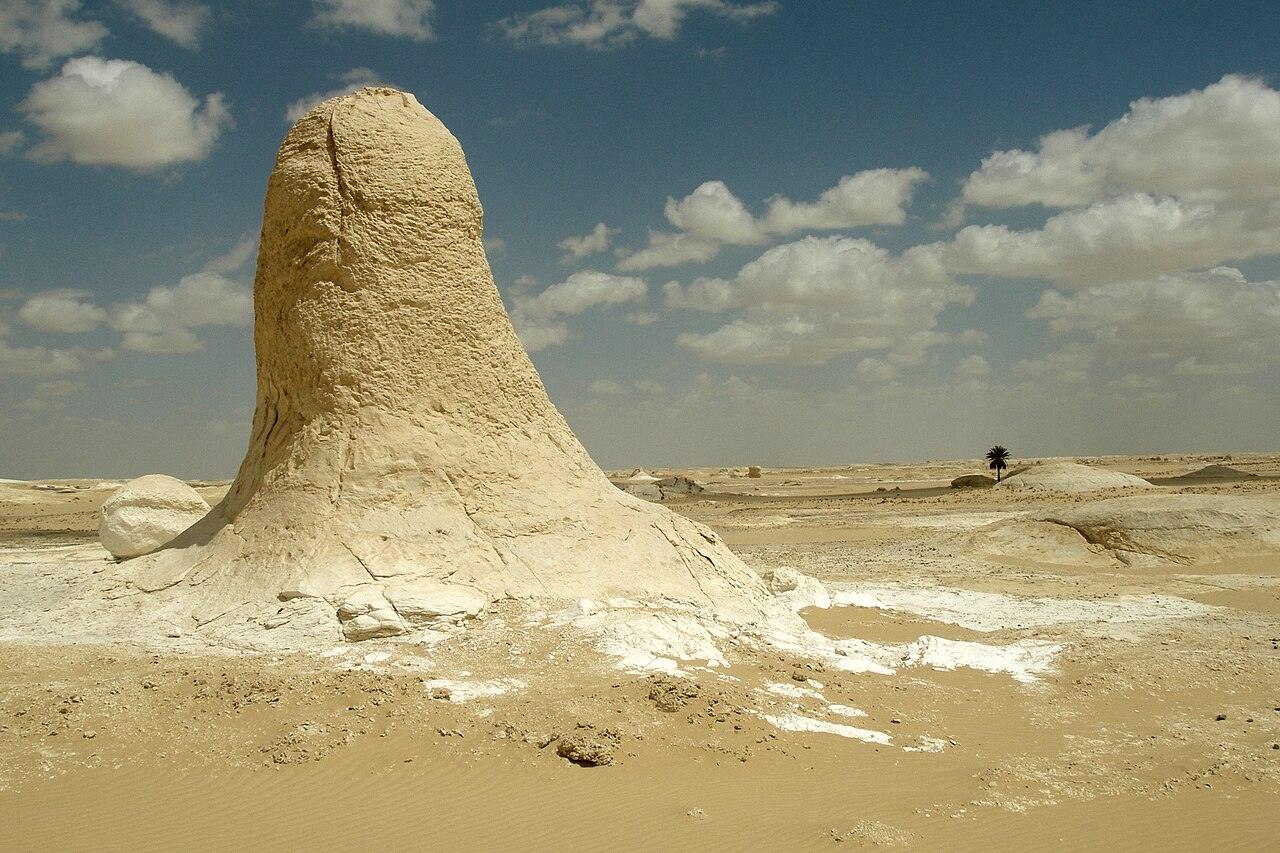
Complete Egypt: the Nile, the desert and the Red Sea
The pyramids, the Nile from Aswan to Luxor, a night in the White Desert and a finale on the Red Sea reef.
 6 daysEasy
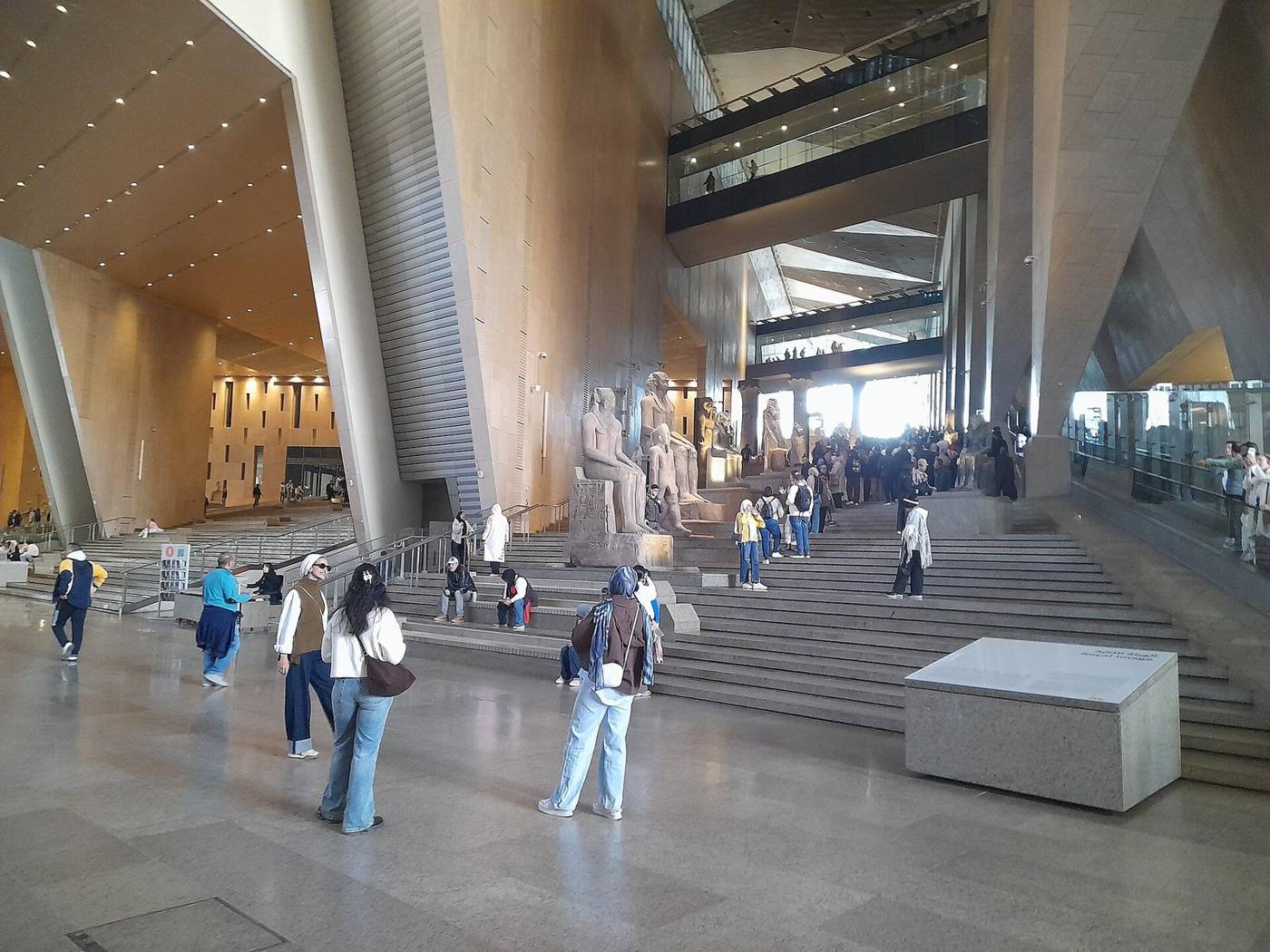
Cairo and Alexandria
A long weekend among the pyramids, the new Grand Egyptian Museum, Islamic Cairo and Alexander's city on the Mediterranean.