 Peru
Machu Picchu, the Sacred Valley, the Amazon and one of the best cuisines in the world.
Places not to miss
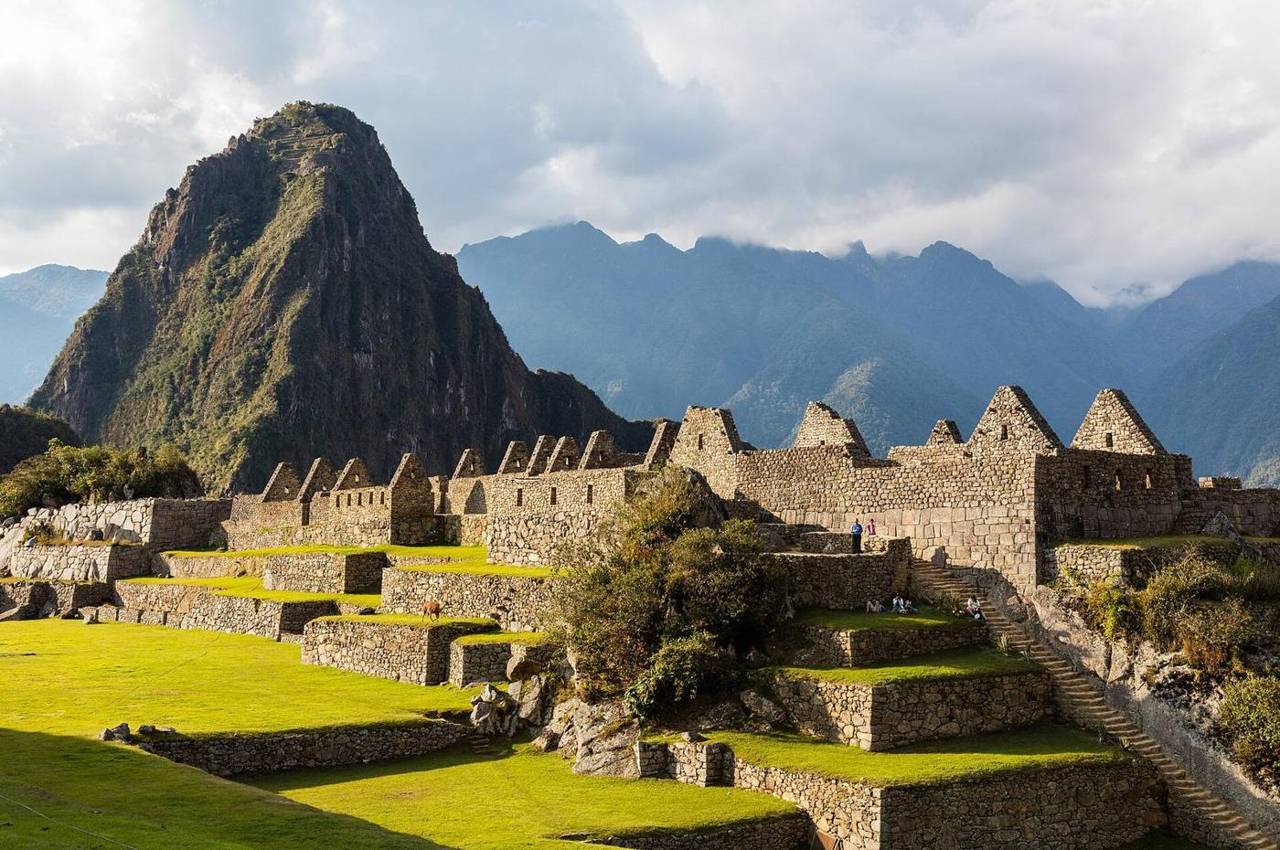
Machu Picchu
The Inca citadel.
Cusco
The Inca capital.
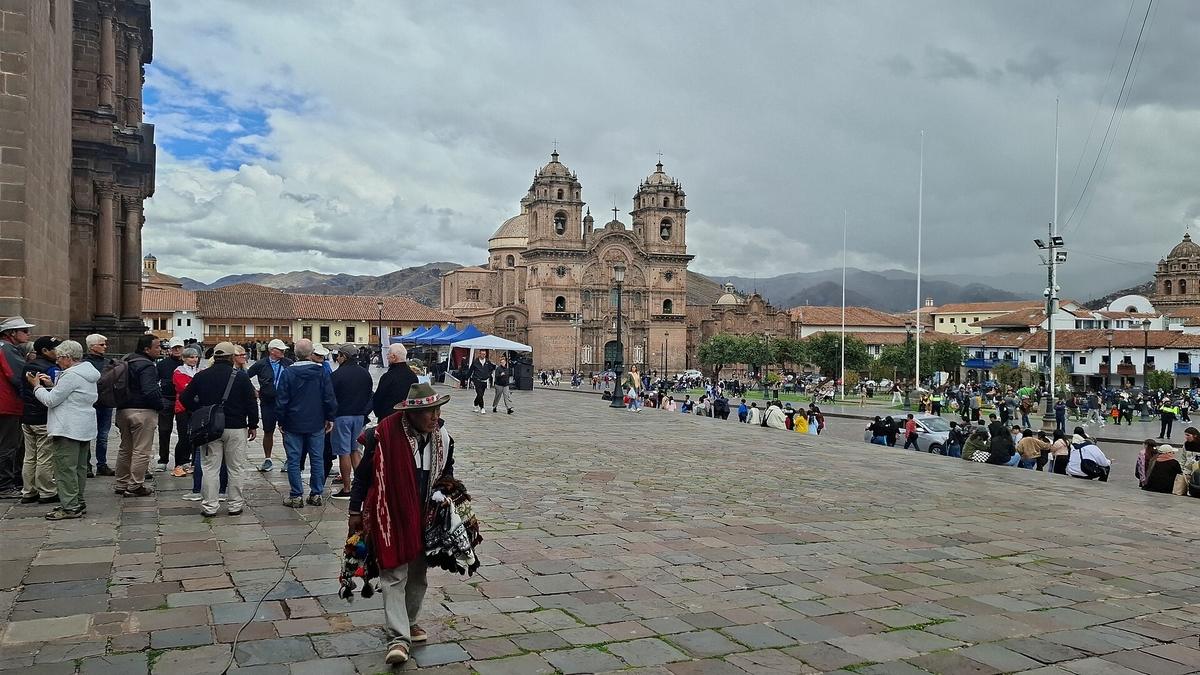
Photo: Kızıl, CC BY-SA 4.0 Rainbow Mountain
Vinicunca.
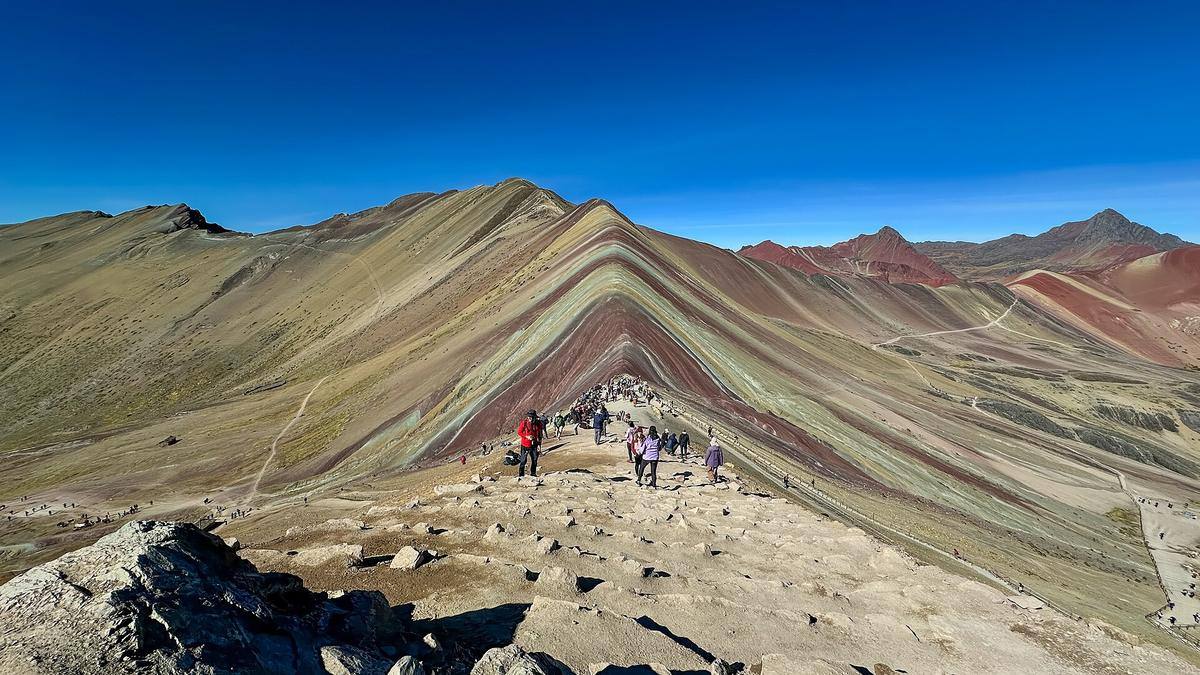
Photo: Steve FUNG, CC BY-SA 4.0 Lake Titicaca
Floating islands.
Colca Canyon
Condors.
Nazca Lines
Seen from the air.
Nature and wildlife
Condors, vicuñas, llamas.
Food and drink
Ceviche, lomo saltado.
When to go
May-September.
Did you know?
Machu Picchu was made known to the world in 1911.
Itineraries in Peru
Lima, Cusco, the Sacred Valley and Machu Picchu
Essential Peru, acclimatising in the Sacred Valley before going up to Cusco.
Classic Peru: Nazca, Arequipa, Colca, Titicaca and Machu Picchu
The great southern loop: the Nazca Lines, the white city, the Colca condors, the Titicaca islands and the Incas.
Cordillera Blanca: the Alpamayo circuit and Nevado Pisco
Twelve days under canvas between 4,000 and 4,800 metres beneath the finest peaks of the Andes, with a summit attempt at about 5,750 metres.
The Cordillera Huayhuash circuit
The full loop of a compact, wild range, with eight passes between 4,600 and 5,000 metres and a glacial lake at almost every camp.
Northern Peru: Chachapoyas, Kuélap, the coastal huacas and Huaraz
The Peru before the Incas: cloud forest fortresses, Moche royal tombs, the mud city of Chan Chan and two days beneath the Cordillera Blanca glaciers.
Active Peru: Apurímac rafting, Salkantay and the Tambopata forest
You reach Machu Picchu on foot over the Salkantay pass after two days on the river, then drop into the Amazon before the classic southern loop.
The Ausangate circuit and Machu Picchu from the forest
Six days around Cusco's sacred mountain, 6,384 metres, over passes above 5,000, past coloured lakes and alpaca herds, after reaching Machu Picchu on foot.
Peru and Bolivia: from the northern coast to the Uyuni salt flat
A month on the road from Chan Chan to Machu Picchu by way of Huaraz, Nazca, Titicaca, La Paz and the high lagoons of southern Bolivia.
By boat from the Napo to Iquitos: the Amazon between Ecuador and Peru
Three weeks on the river from the Yasuní forest to the Amazon itself, with stays in Huaorani, Secoya and Matsés communities.
Manu, from the Andes to the Amazon rainforest
From Cusco you descend more than three thousand metres by road and river, from the puna through cloud forest to the giant otter lakes.
Lima in depth and Caral
South America's food capital: the UNESCO-listed colonial centre with the catacombs of San Francisco, the Pacific districts of Miraflores and Barranco, the Larco Museum, markets and cevicherías, the sanctuary of Pachacámac and Caral, the oldest city in the Americas.
The classic Inca Trail
Four days on foot along the Incas' paved trail to Machu Picchu: sites such as Llactapata, Runkurakay, Sayacmarca and Wiñay Wayna, Dead Woman's Pass at 4,200 metres, cloud forest and arrival through the Sun Gate at dawn.
The Sacred Valley in depth and Vinicunca
The Sacred Valley without rushing: Pisac's market and terraces, the farming circles of Moray, the salt pans of Maras, the weaving village of Chinchero, the fortress of Ollantaytambo, and the seven-coloured mountain of Vinicunca at over 5,000 metres.
Cusco and the South Valley: Andean Baroque
The ancient Inca capital, a UNESCO World Heritage site, at a gentle pace: the Qorikancha, the cathedral, the San Blas quarter, Sacsayhuamán, then the South Valley with the ruins of Tipón and Pikillacta and the painted church of Andahuaylillas, known as the Sistine Chapel of the Andes.
Paracas, the Ballestas, Huacachina and Nazca
The desert coast south of Lima: the Ballestas Islands with sea lions, Humboldt penguins and millions of birds, the Paracas reserve with its red cliffs, the Huacachina oasis among the dunes, the pisco wineries of Ica and a flight over the Nazca Lines.
Lake Titicaca in depth
The world's highest navigable lake on the Peruvian side: the floating reed islands of the Uros, Taquile island and its UNESCO-listed textile art, a night with a family on Amantaní, the funerary towers of Sillustani and the Capachica peninsula.
Pacaya-Samiria from Iquitos
The flooded Amazon: Iquitos, the largest city in the world unreachable by road, the floating district of Belén, then the Pacaya-Samiria reserve by boat or small river ship, among pink dolphins, monkeys, sloths, giant water lilies and riverside villages.
Máncora and the north coast
Peru's year-round sunshine: the beaches of Máncora, Vichayito and Punta Sal, surfing and the long waves of Lobitos and Chicama, humpback whales offshore from July to October, the turtles of El Ñuro and the mangroves of Tumbes.
Lares trek and weaving villages
A quiet alternative to the Inca Trail: three days among high lakes, llamas and alpacas and Quechua villages where women weave as they did centuries ago, with the Lares hot springs, then the train from Ollantaytambo and a visit to Machu Picchu.
Huaraz without long treks: Laguna 69 and Chavín
The Cordillera Blanca in day trips, for those who do not want to camp: the turquoise Llanganuco lakes and Laguna 69 under the glaciers, the Pastoruri glacier and the Puya raimondii plants, and the temple of Chavín de Huántar with its underground galleries, a UNESCO World Heritage site.
Practical guide to Peru
- Documents
- EU travellers need a passport with at least six months' validity on arrival; no visa is needed for tourism, up to a maximum of 183 days. Border officers may ask for a return ticket.
- Safety
- The United States rates Peru level 2, with level 4 for the Apurímac, Ene and Mantaro valley (VRAEM), the Colombian border in the Loreto region and some rural areas of Abancay, Ayacucho, Huancavelica and Huancayo, far from the classic routes. In Lima and Cusco the main risks are theft and scams; use official taxis or apps. At altitude beware of altitude sickness. Official advice: GOV.UK.
- Getting around
- Distances are large and the terrain difficult: between Lima, Cusco, Arequipa and Puno you travel by air or first-class long-distance bus, including overnight. For Machu Picchu take the train from Ollantaytambo or Cusco to Aguas Calientes, booked in advance. In cities use ride-hailing apps.
- Verified costs
- We do not give a single daily figure. Certain costs in 2026: Machu Picchu costs 152 soles for foreign adults on the standard circuits and 200 soles including a mountain climb; tickets are named, timed and sold only online on the Ministry of Culture's official website (tuboleto.cultura.pe). The Inca Trail can be walked only with licensed agencies and closes every February for maintenance (source Andina).
Climate month by month
Average minimum and maximum temperatures in Lima (coast), Cusco (Andes, about 3,400 m) and Arequipa (south), with monthly rainfall in Cusco. On the coast it almost never rains but winter skies are grey; in the Andes the dry season runs from May to September, with cold nights.
- January
- Lima 20 / 27 °C · Cusco 8 / 20 °C · Arequipa 10 / 21 °C · rain in Cusco 160 mm
- February
- Lima 21 / 28 °C · Cusco 8 / 20 °C · Arequipa 10 / 21 °C · rain in Cusco 135 mm
- March
- Lima 20 / 27 °C · Cusco 8 / 20 °C · Arequipa 10 / 21 °C · rain in Cusco 110 mm
- April
- Lima 19 / 25 °C · Cusco 6 / 21 °C · Arequipa 10 / 22 °C · rain in Cusco 45 mm
- May
- Lima 17 / 23 °C · Cusco 4 / 21 °C · Arequipa 8 / 22 °C · rain in Cusco 10 mm
- June
- Lima 16 / 21 °C · Cusco 2 / 21 °C · Arequipa 8 / 22 °C · rain in Cusco 0 mm
- July
- Lima 16 / 20 °C · Cusco 1 / 20 °C · Arequipa 7 / 22 °C · rain in Cusco 5 mm
- August
- Lima 15 / 19 °C · Cusco 3 / 21 °C · Arequipa 8 / 22 °C · rain in Cusco 10 mm
- September
- Lima 15 / 20 °C · Cusco 5 / 22 °C · Arequipa 9 / 22 °C · rain in Cusco 20 mm
- October
- Lima 16 / 21 °C · Cusco 7 / 22 °C · Arequipa 9 / 22 °C · rain in Cusco 45 mm
- November
- Lima 17 / 22 °C · Cusco 8 / 22 °C · Arequipa 9 / 22 °C · rain in Cusco 80 mm
- December
- Lima 19 / 24 °C · Cusco 8 / 21 °C · Arequipa 10 / 22 °C · rain in Cusco 120 mm
Source: Climats et Voyages (period not stated). Data and prices checked in November 2026.
Where to go and where not to
There are no particular warnings beyond normal precautions; before booking, always check up-to-date official travel advice, because the situation can change.