Classic Peru: Nazca, Arequipa, Colca, Titicaca and Machu Picchu
The great southern loop: the Nazca Lines, the white city, the Colca condors, the Titicaca islands and the Incas.
- Lima
- Paracas
- Nazca
- Arequipa
- Colca
- Puno
- Titicaca
- Cusco
- Machu Picchu
Day by day
- Day 1
Arrival in Lima
This trip is the great tour of southern Peru: Lima, the desert coast with the Ballestas Islands and the Nazca Lines, Arequipa, the white city, the Colca Canyon with its condors, Lake Titicaca with its floating islands, the Sacred Valley of the Incas, Machu Picchu and Cusco. You climb gradually in altitude, which helps your body get used to the height. You travel by bus, by train and with a final flight.
Before you go: Italian citizens enter Peru without a visa for tourism, with a passport valid for at least six months; the length of stay, up to 183 days, is decided at the border. Other nationalities should check their own rules. Check your government's travel advice before leaving.
You land at Lima airport, the capital, on the Pacific Ocean. Lima has a strange climate: it almost never rains, but from May to November the sky is often grey, covered by the sea mist called garúa.
In the afternoon, visit the historic centre, a UNESCO World Heritage Site: the Plaza Mayor with the cathedral and the government palace, and the convent of San Francisco, with its old library and underground catacombs full of bones. Check times and prices.
In the evening, go to Miraflores, the district on the cliffs above the ocean, and have ceviche, the national dish: raw fish marinated in lime juice with red onion and chilli, served with sweet potato and corn.
Overnight in Lima.
Practical tip: in Lima and in Peru's cities, use taxis called by your accommodation or through an app, not those hailed in the street. Keep your phone in your pocket in crowded places.
- Day 2
Paracas and the Ballestas Islands
Today you travel down the desert coast.
Early in the morning, take the bus from Lima south to Paracas, about three and a half or four hours, on the Pan-American Highway, which runs between the desert and the ocean.
From Paracas the boat trip leaves for the Ballestas Islands, about two hours there and back. On the way you see the Candelabra, a large candelabra-shaped design traced in the sand of a hill above the sea, of mysterious origin. Then the boat goes around the islands, rocks carved by the sea with arches and caves, covered by thousands of seabirds: cormorants, boobies, pelicans. On the rocks you see sea lions with their young and Humboldt penguins. You do not land on the islands, which are protected. Check prices and times, and the reserve fee.
In the afternoon, visit the Paracas National Reserve, a desert that reaches the sea, with cliffs, beaches of red and yellow sand and a small museum. Check prices and rules.
In the evening, have fish and seafood from Paracas Bay.
Overnight in Paracas.
Practical tip: the boat to the Ballestas Islands leaves early in the morning, when the sea is calmer. Bring a windproof jacket and a hat: it is cool and windy on the water. Sit outside and keep your camera ready.
In the afternoon the wind sometimes raises sand in the reserve: bring sunglasses and a scarf.
- Day 3
Huacachina and the Nazca Lines
Today you visit an oasis in the desert and fly over the Nazca Lines.
In the morning, leave Paracas heading south to Huacachina, near the city of Ica, about an hour and a half. Huacachina is a small oasis with a green lagoon surrounded by palm trees and enormous sand dunes. You can ride up the dunes in a buggy, a desert vehicle, and slide down on a sandboard. Choose a reputable operator and check prices and safety. The Ica area is also famous for its pisco vineyards, the grape brandy.
Then continue to Nazca, about two and a half hours. Stop at the observation tower on the Pan-American Highway, from which you see some figures up close, such as the hands and the tree.
In the afternoon, from Nazca airport, take the flight over the Nazca Lines, a UNESCO World Heritage Site, in a small plane, about half an hour. The lines are large designs traced in the desert by the Nazca people between about 2,000 and 1,500 years ago, by removing the dark stones from the surface: a hummingbird, a monkey, a spider, a condor, a whale, as well as hundreds of straight lines and geometric figures. They can only be seen properly from above. The German researcher Maria Reiche devoted her life to studying and protecting them. Check prices, conditions and the safety of the operators.
In the evening, have dinner in the small town of Nazca, in the heart of the desert.
Overnight in Nazca.
Practical tip: the small plane banks a lot to show the figures from both sides, and many people feel unwell. Do not eat too much before the flight, and take motion sickness medication if you are prone to it.
- Day 4
To Arequipa
Today you reach Arequipa, the white city.
In the morning, take the bus from Nazca to Arequipa, about nine or ten hours. For hours the road runs along the Pacific coast, between the desert and the ocean, with empty beaches, cliffs and fishing villages, then it climbs inland, through the mountains and the desert, to the city. Alternatively, many travellers take the night bus to save a day. Choose a safe bus company, with comfortable seats and checks, and check times and prices.
In the late afternoon, you arrive in Arequipa, at about 2,300 metres, the second city of Peru, at the foot of three volcanoes: Misti, with its perfect cone shape, Chachani and Pichu Pichu. The historic centre is a UNESCO World Heritage Site and is built of sillar, a white volcanic stone, hence the name of white city.
In the evening, walk around the Plaza de Armas, one of the most beautiful in South America, with the white cathedral taking up a whole side of the square and the arcaded porticoes. At sunset the light turns the facades and the volcanoes pink.
Have dinner with the cooking of Arequipa, among the best in Peru: rocoto relleno, a hot pepper stuffed with meat and baked with cheese, and chupe de camarones, a river prawn soup.
Overnight in Arequipa, for two nights.
Practical tip: altitude begins in Arequipa. Walk slowly, drink plenty of water and do not overdo the alcohol on the first evening.
- Day 5
The Santa Catalina Monastery
Today you explore Arequipa.
In the morning, visit the Santa Catalina Monastery, founded in 1579, a true city within the city, with streets, squares, gardens and the nuns' cells, painted red, blue and white. For almost four centuries the nuns lived here closed off from the world, and the monastery only opened to visitors in 1970. Part of it is still lived in by a small community of nuns. Check times and prices; on some days there are also evening visits by candlelight.
Then visit the museum of Andean sanctuaries, where Juanita is kept, the mummy of an Inca girl offered in sacrifice on the summit of the Ampato volcano more than 500 years ago, found in the ice in 1995. The mummy is only on display at certain times of year. Check times and prices.
In the afternoon, go up to the Yanahuara viewpoint, in a district with sillar arches, from which you see the city and the Misti volcano. Then visit the San Camilo market, with fruit, cheeses and juices.
In the evening, have dinner in a picantería, the traditional restaurant of Arequipa, and try queso helado, an ice cream with cinnamon and coconut.
Overnight in Arequipa.
Practical tip: book your Colca trip for the next days in Arequipa, with a reputable agency, or with a car and driver. The trip leaves very early, around three or six in the morning depending on the programme.
- Day 6
To the Colca Canyon
Today you climb onto the high plateau to the Colca Canyon.
In the morning, leave Arequipa heading north, through the Salinas y Aguada Blanca National Reserve, a high plain of yellow grass where vicuñas live, the wild camelids of the Andes, with the finest wool in the world, as well as the herders' llamas and alpacas.
The road climbs to the Patapampa pass, at about 4,900 metres, the highest point of the trip, with small piles of stones left by travellers and views of the volcanoes around. Here the air is thin: walk slowly.
Then you go down to Chivay, at about 3,600 metres, the main town of the Colca valley. To enter the valley you pay a tourist ticket: check the price.
The Colca valley is surrounded by thousands of farming terraces, built before the Incas and still farmed, and by villages with colonial churches. Further down, the Colca River carves one of the deepest canyons in the world.
In the afternoon, relax in the hot springs of La Calera, near Chivay, with open-air pools of hot water beneath the mountains. Check prices and times.
In the evening, have dinner and try a quinoa soup or alpaca meat.
Overnight in the Colca valley.
Practical tip: above 3,500 metres many people get headaches, feel tired and breathe badly. Drink plenty of water and mate de coca, coca leaf tea. If symptoms are strong, go down in altitude and see a doctor.
- Day 7
The Cruz del Condor
Today you watch the condors fly over the canyon.
At dawn, leave Chivay along the valley, through the villages of Yanque, Maca and Pinchollo, with their white colonial churches, squares, women in the hats and embroidered skirts typical of the valley, and viewpoints over the farming terraces.
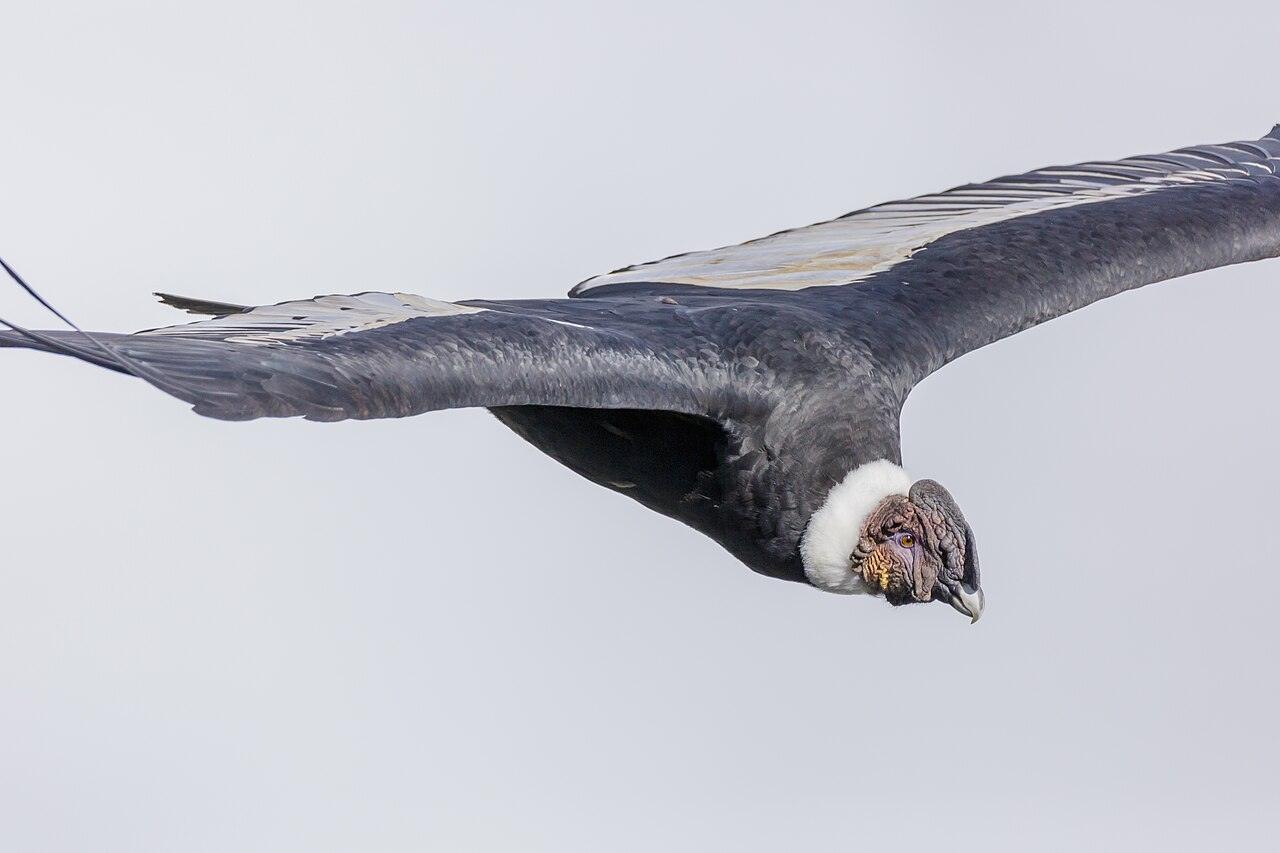
You reach the Cruz del Condor, the most famous viewpoint, on the edge of the canyon, where the wall drops for hundreds of metres to the river. In the morning, when the sun warms the air, the Andean condors rise from the canyon, climbing on the warm air currents without moving their wings. The Andean condor is one of the largest flying birds in the world, with a wingspan of over three metres. Sometimes they pass a few metres from the people. It is not always certain you will see them: it depends on the weather and the season.
Then head back towards Chivay, stopping at the viewpoints and the villages.
In the afternoon, leave for Puno, about six hours, across the high plateau and the Lagunillas lakes, with Andean flamingos, at over 4,000 metres.
In the evening, you arrive in Puno, on the shore of Lake Titicaca.
Overnight in Puno, for two nights.
Practical tip: it is cold at the Cruz del Condor in the morning, then the sun gets strong. Dress in layers and bring high-factor sun cream: at altitude the sun burns a lot.
Staying still and quiet at the viewpoint helps: the condors come closer when there is less movement.
- Day 8
The Uros islands and Taquile
Today you sail on Lake Titicaca.
Lake Titicaca, at about 3,800 metres, between Peru and Bolivia, is considered the highest navigable lake in the world, large and blue like a sea, with islands and the mountains of Bolivia on the horizon. For the Incas it was the place where the sun was born.
In the morning, set off by boat from the port of Puno to the Uros islands, about half an hour. The Uros live on floating islands built by hand from totora, a reed that grows in the lake: the islands, the houses and the boats are all made of totora, and must be renewed constantly because the lower part rots in the water. You walk on the islands, soft underfoot, and the inhabitants explain how they build them.
Then continue to Taquile Island, about two and a half hours by boat, an island of terraces, stone paths and small villages. The inhabitants, who speak Quechua, are famous for their textiles, made by hand also by the men, who knit the colourful caps. The textile art of Taquile is UNESCO intangible heritage. Walk up to the main square and have lunch with trout from the lake and quinoa soup.
In the afternoon, return to Puno.
Overnight in Puno.
Practical tip: on Taquile the climb from the port is long and at almost 4,000 metres. Walk slowly, and bring water and high-factor sun cream. It is cold on the lake when the wind blows.
- Day 9
Puno and the lake
Today you spend a quieter day around the lake.
In the morning, visit Sillustani, about an hour from Puno, an ancient burial ground of the Colla and Inca peoples, on a peninsula above Lake Umayo. The tombs are tall stone towers called chullpas, some built with perfectly cut blocks like those of Cusco. The landscape around, with the blue lake and the high plateau, is very beautiful. Check prices and times.
Alternatively, if you want to spend more time on the lake, visit the Capachica peninsula or Amantaní Island, where some families host visitors in their homes for a night, with dinner and village life. Check the options and choose those organised by the community.
In the afternoon, walk around the centre of Puno, with the stone cathedral on the Plaza de Armas, and climb to the Kuntur Wasi viewpoint, with the condor statue, from which you see the city and the lake.
In the evening, have dinner with highland cooking, based on trout, quinoa, potatoes of a thousand varieties and chuño, potatoes freeze-dried by the frost.
Overnight in Puno.
Practical tip: nights in Puno are very cold, often below zero in winter, from June to August, and many places have no central heating. Ask whether there is a heater or an extra blanket.
Puno is also famous for the Candelaria festival, in February, UNESCO intangible heritage, with thousands of dancers in costume.
- Day 10
The scenic road to Cusco
Today you travel across the high plateau to Cusco.
In the morning, take the tourist bus from Puno to Cusco, about ten hours with stops, which follows the scenic road across the high plateau. Alternatively there is a panoramic train, slower and more expensive: check days, times and prices.
The tourist bus stops at a few places along the road. In Pucará there is a small museum dedicated to one of the ancient cultures of the plateau. Then you climb to the La Raya pass, at about 4,300 metres, the highest point of the road, with snow-capped mountains and llamas and alpacas grazing.
In the afternoon, going down towards Cusco, you stop at Raqchi, the temple of Wiracocha, with a large central wall more than ten metres high, of stone and mud brick, and the Inca houses and storehouses. Then you visit the church of Andahuaylillas, known as the Sistine Chapel of the Andes, with walls and ceilings painted and decorated with gold. Check times and prices.
In the evening, you arrive in Cusco, at about 3,400 metres, the ancient capital of the Inca empire.
Overnight in Cusco, or continue straight to the Sacred Valley, which is lower, to sleep better.
Practical tip: the bus journey from Puno to Cusco is long but very beautiful. Sit by the window, and bring something to eat and a fleece, because the bus is sometimes cold.
- Day 11
The Sacred Valley: Pisac and Chinchero
Today you go down into the Sacred Valley of the Incas.
The Sacred Valley is the valley of the Urubamba River, at about 2,800 metres, lower and warmer than Cusco, with fields of corn, villages and great Inca ruins on the mountains. For many sites you pay the Cusco tourist ticket, valid for several days: check which sites it covers and the price.
In the morning, go to Pisac, about an hour from Cusco. Climb to the ruins of Pisac, high on the mountain, with farming terraces shaped like an amphitheatre, temples and one of the largest burial grounds of the Inca world, in the rock walls. Then go down to the village, with its craft market, textiles, ceramics and silver, liveliest on Sundays.
In the afternoon, on the road between Cusco and the valley, visit Chinchero, a village at about 3,700 metres, with a colonial church built on the foundations of an Inca palace and the weaving cooperatives, where the women show how they wash alpaca wool, dye it with plants and weave it.
In the evening, sleep in Urubamba or Ollantaytambo, in the valley.
Overnight in the Sacred Valley, for two nights.
Practical tip: sleeping in the Sacred Valley before Cusco helps a great deal with the altitude, because it is lower. You rest better, and the next day the train to Machu Picchu leaves from here.
- Day 12
Moray, Maras and Ollantaytambo
Today you visit the most unusual places in the Sacred Valley.
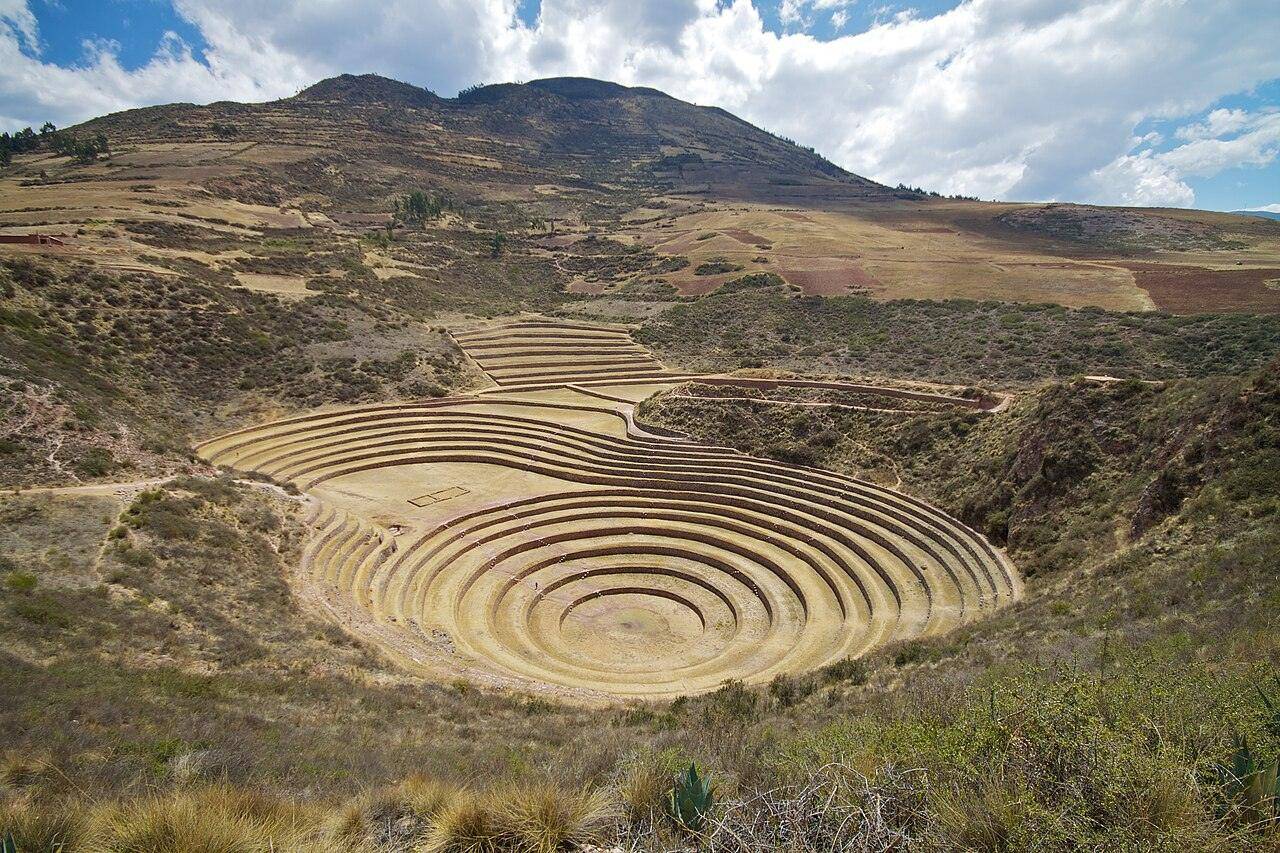
In the morning, go to Moray, an Inca site with large circular terraces dug into the ground, like an amphitheatre, going down for tens of metres. It is thought that they were an agricultural laboratory: the temperature changes between the upper and lower terraces, and the Incas could study how plants grew at different heights.
Then visit the Maras salt pans, thousands of small white pools built on the side of the mountain, where salty water from a spring evaporates in the sun and leaves the salt, harvested by hand by the village families since Inca times. There is a separate ticket: check the price.
In the afternoon, visit Ollantaytambo, the only Inca village still lived in with its original plan, with narrow streets, water channels and stone houses. Above the village, climb to the fortress, with its steep terraces and the temple of the sun, built with enormous blocks of pink stone brought from a quarry on the other side of the river. Here the Incas won a battle against the Spanish in 1537.
In the evening, have dinner in Ollantaytambo and pack your backpack for tomorrow.
Overnight in the Sacred Valley.
Practical tip: for tomorrow's train, leave your large suitcase at your accommodation in Cusco or in the valley. On the train to Machu Picchu you can only bring small luggage, usually around five kilos: check the rules.
- Day 13
Machu Picchu
Today you visit Machu Picchu, the lost city of the Incas.
Early in the morning, take the train from Ollantaytambo to Aguas Calientes, about an hour and a half, along the Urubamba River, among mountains that become ever greener and the tropical forest. From Aguas Calientes, the village at the foot of the mountain, take the bus that climbs for about half an hour up the hairpin bends to the entrance.
Machu Picchu was built in the middle of the fifteenth century under the emperor Pachacútec, on a saddle between two mountains, at about 2,400 metres, above the river. The Spanish never found it, and it was made known to the world in 1911 by the explorer Hiram Bingham. It has been a UNESCO World Heritage Site since 1983.
The visit follows one-way circuits with set times. According to 2026 rates, tickets for foreign adults cost 152 soles for the standard circuits and 200 soles for those including a climb up one of the mountains, such as Huayna Picchu, which have very limited places. Tickets are not sold at the site: buy them in advance on the official website. A guide is compulsory.
You will see the temple of the sun, the Intihuatana stone, the terraces, houses, squares and temples, with the mountains all around. From the upper part, the classic view over the city.
In the afternoon, return to Aguas Calientes, take the train to Ollantaytambo and drive to Cusco.
Overnight in Cusco, for two nights.
Practical tip: buy your Machu Picchu tickets, train and bus weeks in advance, especially from May to September. Bring your passport: you need it to enter.
- Day 14
Cusco
Today you explore Cusco, the ancient capital of the Incas.
Cusco, at about 3,400 metres, was the centre of the Inca empire, which stretched along the Andes from Ecuador to Chile. The Spanish built the colonial city on the stone foundations of the Inca palaces and temples. The centre is a UNESCO World Heritage Site.
In the morning, walk around the Plaza de Armas, with the cathedral and the church of the Society of Jesus. Then visit the Qorikancha, the temple of the sun, the most important of the Incas, once covered in sheets of gold, on top of which the Spanish built the convent of Santo Domingo: you can still see the perfect Inca walls below the church. Check times and prices.
Then walk along Hatun Rumiyoc street to see the twelve-angled stone, perfectly fitted into an Inca wall, and climb into the San Blas district, with its steep streets, craft workshops and views over the rooftops.
In the afternoon, go up to Sacsayhuamán, above the city, a great Inca fortress and temple, with zigzag walls built of enormous stone blocks, some weighing tens of tonnes. Every year, on 24 June, the Inti Raymi, the festival of the sun, is celebrated here.
In the evening, visit the San Pedro market, with fruit, juices, bread and cheese, and have dinner with lomo saltado, beef stir-fried with onion, tomato, chips and rice.
Overnight in Cusco.
Practical tip: even after two weeks, the climbs in Cusco are tiring. Walk slowly and stop often.
- Day 15
Departure
Today you leave Peru.
In the morning, if your flight leaves late, take a last walk in Cusco or visit the museum of pre-Columbian art, with gold, silver and ceramic objects from the ancient cultures of Peru, or the Inka museum. Check times and prices.
Then take the flight from Cusco to Lima, about an hour and a half, and the international flight to Europe. From the plane, if the sky is clear, you see the snow-capped mountains of the Andes. Allow plenty of time between the two flights, because in Cusco the weather can cause delays.
In these fifteen days you have seen the great south of Peru: the sea lions of the Ballestas Islands, the oasis of Huacachina and the Nazca Lines, the white city of Arequipa, the condors of the Colca, the floating islands of Titicaca, the Sacred Valley, Machu Picchu and Cusco.
When to go: the best period is from May to September, the dry season in the Andes, with clear skies, warm days and very cold nights. From November to March is the rainy season in the Andes, with green mountains but trails and roads that are sometimes difficult. The Inca Trail closes every year in February for maintenance. On the coast, however, summer runs from December to March, with sunshine and heat.
Practical tip: in Peru it is worth bringing US dollars or euros in good condition and changing them at official exchange offices. Damaged banknotes are often not accepted.
The grand tour of southern Peru, the most complete trip for a first visit. The gradual climb from Arequipa to Titicaca helps acclimatisation before Cusco. The drawback is the long bus days, offset by spectacular scenery.
Before you go
- Documents and visa
- Passport with at least six months' validity on arrival; no visa is needed for tourism, up to a maximum of 183 days.
- Health and vaccines
- No compulsory vaccines for Lima and the Andes; yellow fever vaccination is recommended for the Amazon. Beware of altitude sickness in Cusco and the Andes. Emergencies: 105 police, 116 fire.
- Money and payments
- Peruvian sol. Cards work in cities and hotels; in markets, villages and for tips you need cash.
- Power sockets
- Types A and C, 220 volts: you may need an adapter for flat-pin sockets.
- Time zone
- UTC-5 all year: Peru does not use daylight saving time.
- Safety
- The United States rates Peru level 2. Avoid the Apurímac, Ene and Mantaro valley (VRAEM), the Colombian border in Loreto and some rural areas named by governments. Official advice: GOV.UK.
Information checked in November 2026 for Italian and EU citizens. Rules change: always check before you travel.
Variations
In 10 days: Lima, Arequipa and the Colca, then the flight to Cusco, with the Sacred Valley and Machu Picchu, without Nazca and without Titicaca.
In 20 days: add the four-day Inca Trail to Machu Picchu, with a permit and a guide to be booked months ahead, or the Rainbow Mountain of Vinicunca.
Frequently asked questions
What document do I need for Peru?
Italian citizens do not need a visa for tourism: a passport valid for at least six months is required, and the length of stay, up to 183 days, is decided at the border. Other nationalities should check their own rules.
How much does Machu Picchu cost?
According to 2026 rates, tickets for foreign adults cost 152 soles for the standard circuits and 200 soles with a climb up one of the mountains. Tickets are not sold at the site and a guide is compulsory.
How do I avoid altitude sickness?
This trip climbs slowly: Arequipa, then the Colca, Puno and Cusco. Walk slowly for the first days, drink plenty of water, eat light and do not overdo the alcohol. If symptoms are strong, go down in altitude and see a doctor.
Indicative itinerary written by World Atlas. Before booking, check timetables, seasonal openings, documents and safety.
 10 daysModerate
Lima, Cusco, the Sacred Valley and Machu Picchu
Essential Peru, acclimatising in the Sacred Valley before going up to Cusco.
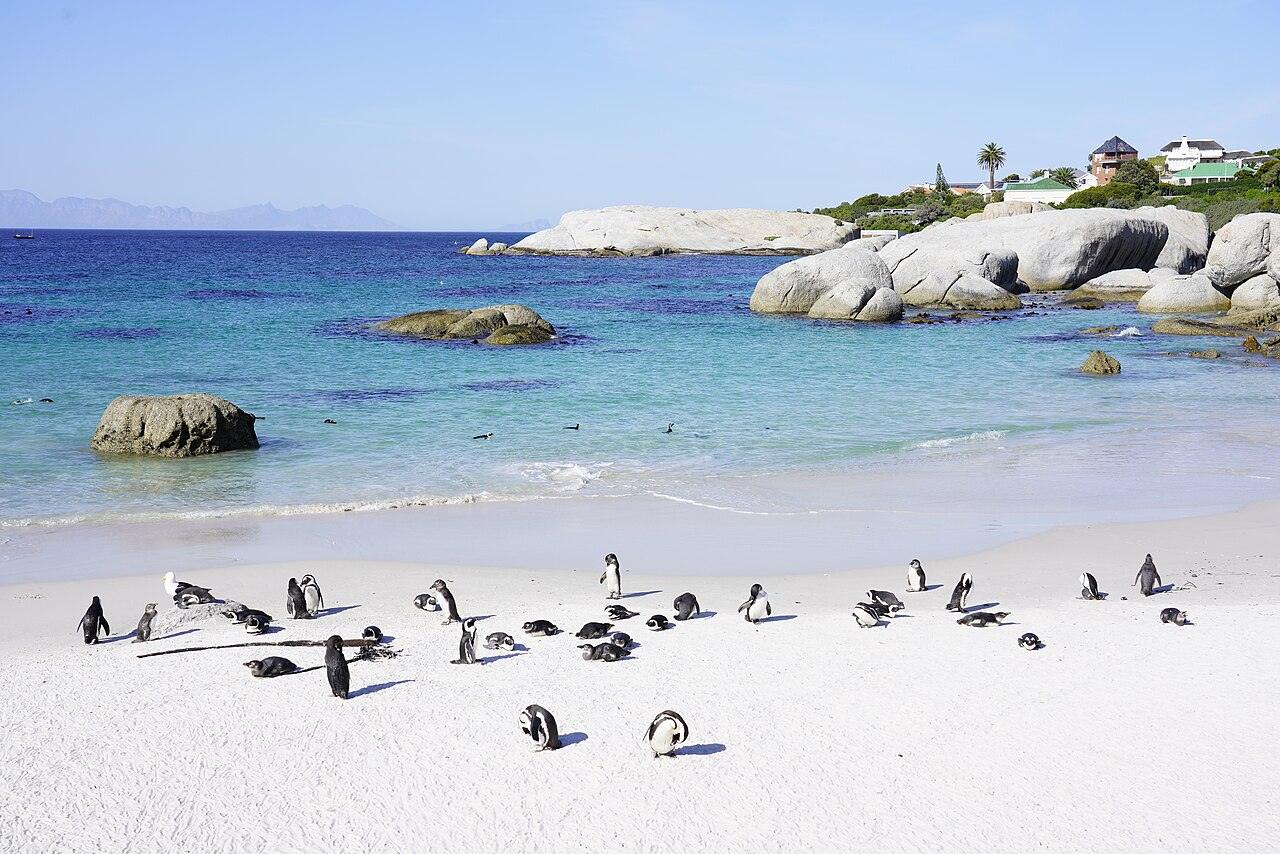 7 daysEasy
Cape Town and the Cape Peninsula
A week of Table Mountain, the penguins of Boulders Beach, the Cape of Good Hope and the Stellenbosch vineyards.
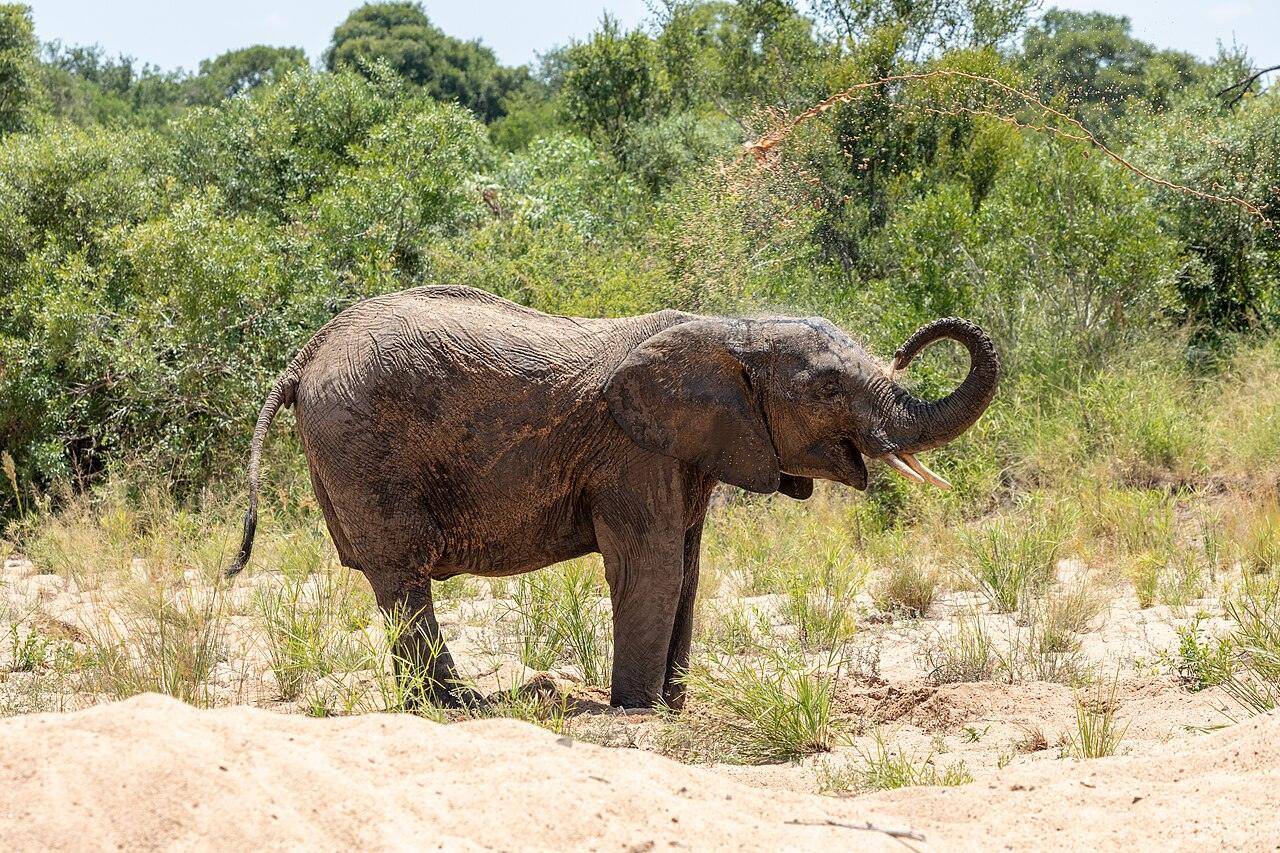 15 daysModerate
Kruger, the Garden Route and Cape Town
The great classic: a Kruger safari, the scenic Garden Route and a finale in Cape Town.