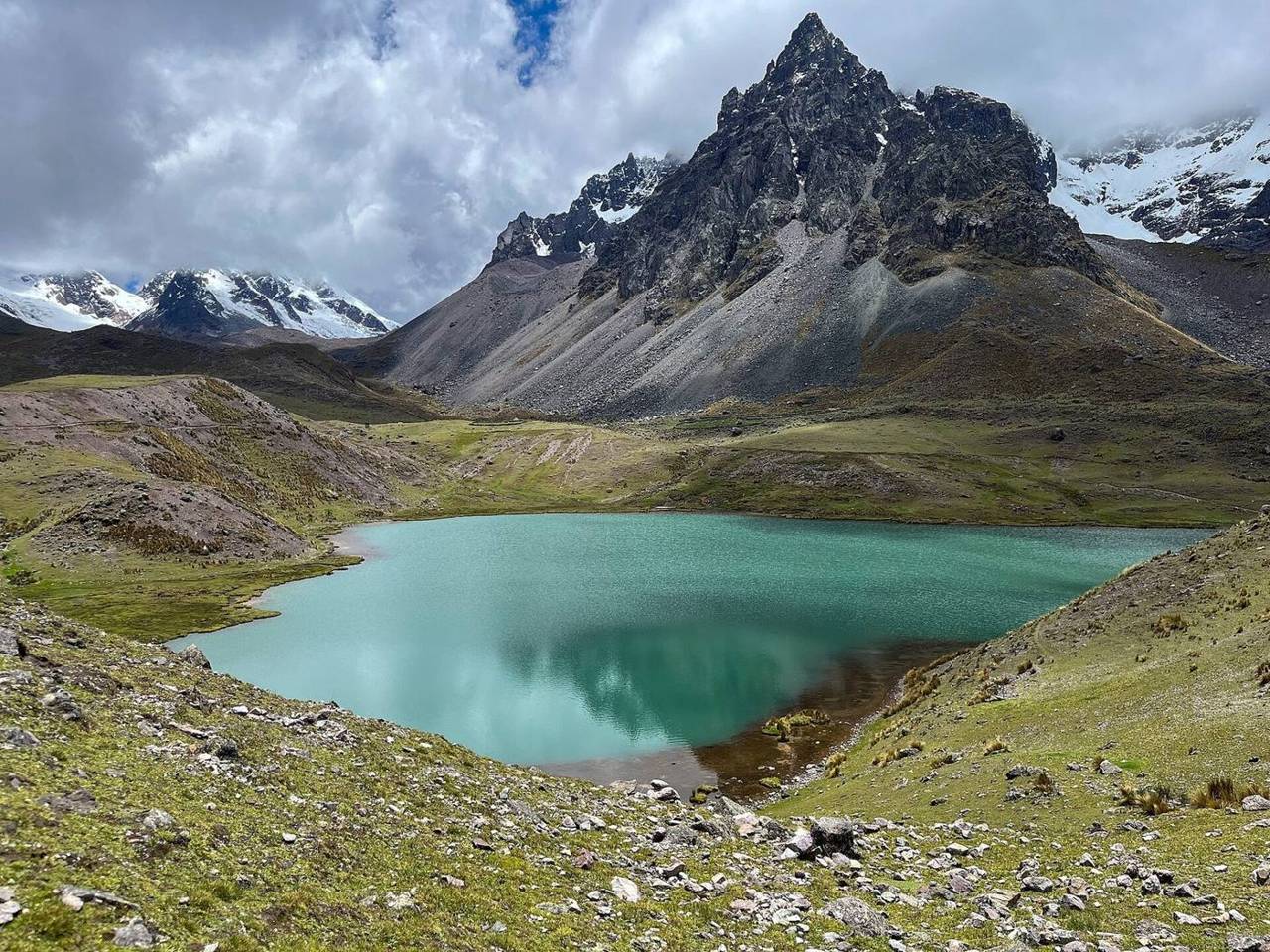
The Ausangate circuit and Machu Picchu from the forest
Six days around Cusco's sacred mountain, 6,384 metres, over passes above 5,000, past coloured lakes and alpaca herds, after reaching Machu Picchu on foot.
- Lima
- Cusco
- Santa María
- Santa Teresa
- Machu Picchu
- Tinqui
- Upis
- Pucacocha
- Pacchanta
Day by day
- Day 1
Arrival in Lima
This trip combines two ways of walking in Peru: first the tropical valley that runs down towards Machu Picchu, then the full circuit of Ausangate, the sacred mountain of Cusco, 6,384 metres high, with passes above 5,000 metres, coloured lagoons and shepherd villages. The first week also helps your body get used to the altitude. You travel by domestic flight, bus, train, on foot and with mules and horses for the luggage.
Before you go: Italian citizens enter Peru without a visa for tourism, with a passport valid for at least six months; the length of stay, up to 183 days, is decided at the border. Other nationalities should check their own rules. Check your government's travel advice before leaving. The United States rates Peru at level 2, meaning exercise increased caution, and says not to travel to the valley of the Apurímac, Ene and Mantaro rivers, called the VRAEM, or near the border with Colombia: this trip does not touch those areas. The United Kingdom warns that protests and roadblocks can stop roads and trains, including in the Cusco region.
Altitude is the most delicate part of the trip. Before you leave, talk to your doctor or a travel health clinic: they will tell you whether the trek is right for you and whether you need medication against altitude sickness.
Today you land at Lima airport, on the Pacific Ocean. In the evening walk along the Miraflores seafront, on the cliffs, and taste ceviche, raw fish marinated in lime juice.
Overnight in Lima.
Practical tip: in Lima use taxis called by your accommodation or through an app, not those hailed in the street.
- Day 2
Flight to Cusco, at 3,400 metres
Today you climb suddenly to high altitude.
In the morning take the flight from Lima to Cusco, just over an hour. Cusco lies at about 3,400 metres: as soon as you step off the plane you feel that the air is thinner, and even stairs leave you out of breath. This is normal.
Cusco was the capital of the Inca empire, the Tahuantinsuyu, which stretched from present day Ecuador to Chile. The Spanish built churches and palaces on top of the Inca walls, and you can still see the enormous stones cut and fitted together without mortar. The historic centre is a UNESCO World Heritage Site.
Today make no effort. Settle into your accommodation, drink plenty of water and a mate de coca, the coca leaf tea offered everywhere in the city, and rest for a few hours.
In the afternoon, if you feel well, take a slow walk in the Plaza de Armas, with the cathedral and the church of the Compañía de Jesús, and along Hatun Rumiyoq street, where you find the twelve angled stone, fitted perfectly into the wall of an Inca palace.
In the evening eat lightly: a quinoa soup or a vegetable dish. Avoid alcohol in your first days at altitude.
Overnight in Cusco.
Practical tip: altitude sickness shows itself through headache, nausea, tiredness and poor sleep. If the symptoms get worse, tell your hosts at once and find a doctor. The safest remedy is to go down to a lower altitude.
- Day 3
From the Abra Málaga pass to the tropical valley
Today you leave the Andes and go down towards the forest.
Early in the morning take the bus from Cusco towards Santa María, a journey of many hours. The road crosses the Sacred Valley, passes through Ollantaytambo and then climbs to the Abra Málaga pass, above 4,000 metres, where the glaciers of Verónica seem very close. Make a short stop: at the top it is cold and windy.
From the pass the road descends through many bends for thousands of metres. In a few hours the landscape changes: from the yellow grass of the puna you pass into cloud forest, with ferns, orchids and mosses, and then into the warm valley, with banana trees, coffee and cocoa plants and fruit trees. This is the ceja de selva, the eyebrow of the forest, where the Andes meet the Amazon.
In the afternoon you reach Santa María, a small village on the river, much lower than Cusco. Here the air is humid and mild, and your body rests after the first nights at altitude.
In the evening taste the fruit of the valley, such as granadilla, cherimoya and mango, and a coffee grown nearby.
Overnight in Santa María.
Practical tip: the Abra Málaga road has many bends and drops; if you suffer from car sickness sit at the front and take medication before you leave. In the rainy season landslides can close the road for hours: keep a spare day in your plan.
- Day 4
On foot to Santa Teresa
Today you start walking, in a green and warm valley.
In the morning set off on foot from Santa María with a guide. The path climbs between the coffee, coca and fruit plantations of farming families. You often stop at a house along the way, where the farmers show you how coffee is roasted and how cocoa is prepared.
Higher up you walk on a stretch of ancient Inca path, cut into the side of the mountain, above the Urubamba river flowing far below. The path is narrow in places, with a drop on one side, but it is well maintained. From here you see mountains covered in forest and, with clear skies, distant snowy peaks.
In the afternoon you go down into the valley and reach Santa Teresa, a village rebuilt after a great flood. Just outside the village are the Cocalmayo hot springs, open air pools of warm water at the foot of a rock wall. After the walk it is the right place to loosen your muscles. Check prices and times.
In the evening have a simple dinner in the village, with trout, rice and vegetables.
Overnight in Santa Teresa.
Practical tip: this valley has many biting insects, especially tiny, almost invisible midges that leave red dots on your skin. Put repellent on your legs and ankles and wear long trousers. The bites itch for days.
- Day 5
Along the railway to Aguas Calientes
Today you reach the village at the foot of Machu Picchu.
In the morning go from Santa Teresa to the hydroelectric power station, called Hidroeléctrica, with a short stretch by car or on foot. Here the road ends: to reach Aguas Calientes you can take the train or walk along the railway, about three hours, almost on the flat.
Walk beside the tracks, at the bottom of the valley, with the Urubamba river running fast and the forest covered mountains rising almost vertically. High above you, the terraces of Machu Picchu are hidden and cannot be seen from below. You meet colourful butterflies, birds and, with luck, the Andean cock of the rock, the national bird of Peru, bright red.
In the afternoon you arrive in Aguas Calientes, also called Machu Picchu Pueblo, a village squeezed between the mountains and the river, at about 2,000 metres. It is full of travellers and lives only for Machu Picchu. There are public hot springs and a craft market.
In the evening check your tickets for tomorrow: the entrance to Machu Picchu, the chosen circuit and the entry time, and the bus up.
Overnight in Aguas Calientes.
Practical tip: the Machu Picchu ticket must be bought well in advance, especially from May to September, on the official website of the Ministry of Culture. You need your passport, the same one used for the booking. Check prices and times, and the circuits available.
- Day 6
Machu Picchu and the train to Cusco
Today you visit the most famous Inca city in the world.
Early in the morning go up to Machu Picchu by bus, about half an hour of bends, or on foot on the stone stairway through the forest, more than an hour of steep climbing. Enter at the time written on your ticket.
Machu Picchu lies at about 2,400 metres, on a saddle between two mountains, above the Urubamba river. It was built in the fifteenth century, probably as a residence of the emperor Pachacútec, and was abandoned after the arrival of the Spanish, who never found it. It was made known to the world in 1911 by the American explorer Hiram Bingham. It is a UNESCO World Heritage Site.
Follow your chosen circuit with a guide: the farming terraces, the Temple of the Sun, the Intihuatana, the stone linked to the sun, the Temple of the Three Windows, the houses and the squares. With clouds rising from the valley and llamas on the grass, after four days of walking this place has a special feel.
In the afternoon go down to Aguas Calientes and take the train to Ollantaytambo, along the river, then the bus or a car to Cusco. The whole journey takes a few hours.
In the evening you arrive in Cusco, tired but now better used to the altitude.
Overnight in Cusco, for two nights.
Practical tip: there are no toilets inside Machu Picchu, and once you leave you cannot go back in. Bring water, sun cream, a rain jacket and something to eat for afterwards. Leave your large backpack at the hotel.
- Day 7
A day in Cusco
Today you stay in the city to rest and prepare for the trek.
In the morning visit the Qorikancha, the Inca Temple of the Sun, the most important in the empire. Its walls were covered with sheets of gold. The Spanish built the convent of Santo Domingo on top of it, but the perfect Inca walls survived and have resisted earthquakes better than the colonial buildings. Check prices and times.
Then walk up to the San Blas district, with its steep streets, white houses with blue doors and craft workshops. Walk slowly: climbs at altitude are tiring.
For lunch go to San Pedro market, where you eat soups, fresh fruit juices and simple dishes at the counter, among mountains of potatoes of every colour and medicinal herbs.
In the afternoon meet your trekking guide. Check your equipment together: a sleeping bag suited to temperatures well below zero, a down jacket, a waterproof jacket, gloves, a hat, boots you have already worn in, poles and a head torch. Ask how you communicate in an emergency, whether the guide carries oxygen and a first aid kit, and what the plan is if someone falls ill.
In the evening pack a small daypack, while the rest will go on the mules.
Overnight in Cusco.
Practical tip: leave at your Cusco hotel everything you do not need for the trek. Many places will keep your luggage for a few days. Take cash in soles in small notes for the villages.
- Day 8
The road to Tinqui
Today you reach the village where the Ausangate circuit begins.
In the morning leave Cusco by car or bus heading east, along the road that leads towards the Amazon. You pass through Urcos and the valley of the Vilcanota river, then climb towards Ocongate and arrive in Tinqui, a shepherd village at about 3,800 metres. The journey takes a few hours.
Along the road Ausangate suddenly appears, huge and white, 6,384 metres high. For the Quechua it is an apu, a mountain spirit that protects people and animals, and offerings of coca leaves are still made to it today. Every year, between May and June, thousands of pilgrims climb to the glaciers of the area for the Qoyllur Rit'i festival, one of the most important religious festivals in the Andes.
In the afternoon, in Tinqui, take a short walk around the village, climbing a little above the houses and then coming back to sleep lower down. It helps your body adapt. You meet the arrieros, the local men who lead the horses and mules and will carry the luggage for the whole circuit.
In the evening it is already very cold. Have a hot dinner and go to bed early.
Overnight in Tinqui.
Practical tip: on the Ausangate circuit the local communities ask for a small payment to cross their land. Usually the guide takes care of it: ask beforehand whether it is included. Check prices and rules.
- Day 9
From Tinqui to the Upis hot springs
Today the Ausangate circuit begins.
In the morning set off on foot from Tinqui, while the arrieros load the mules. The path climbs gently in a wide open valley, among high altitude meadows, streams and the stone walls of animal pens. In front of you Ausangate grows larger and larger.
On this first stage the climb is gentle and the day is not long: it is for finding your rhythm. Walk slowly, even more slowly than seems necessary, and breathe calmly. The secret at altitude is never to get out of breath.
Along the way you meet herds of alpacas and llamas, with shepherds who greet you, and stone houses with thatched roofs. Children sometimes come closer out of curiosity.
In the afternoon you arrive at Upis, a camp at the foot of the Ausangate glacier, near natural hot springs. Bathe in the pools of warm water while looking at the white wall of the mountain above you: it is one of the finest moments of the circuit.
At sunset the temperature drops suddenly. Put on warm, dry clothes as soon as you get out of the water.
Overnight in a tent at Upis.
Practical tip: at night in the tent drink something hot before sleeping and keep a bottle of hot water in your sleeping bag. In the morning a water bottle left outside will be frozen. Keep your phone and batteries inside the sleeping bag, because the cold drains them.
- Day 10
The first pass and the Pucacocha lagoons
Today you cross the first great pass of the circuit.
Early in the morning leave Upis and climb towards the first pass, above 4,800 metres. The climb is long and steady. Every step takes effort: stop often, drink and eat something sweet. The guide will set the pace.
From the pass a landscape opens up that seems to belong to another planet: the mountains have red, ochre, purple and green stripes, coloured by minerals, like the better known Rainbow Mountain, which is not far from here. In front of you is the south face of Ausangate, with its glaciers.
Then go down towards the Jatun Pucacocha area, with a series of lagoons: some turquoise, some green, one reddish. In Quechua puca means red and cocha means lagoon. On the shores you see Andean geese, white and black, and sometimes vicuñas, the wild relatives of llamas, with fine, pale wool.
In the afternoon you reach camp, at around 4,500 metres. Rest in the tent and watch the light change on the glaciers.
In the evening dinner is hot and generous: soup, rice, potatoes and meat. Eat even if you are not very hungry.
Overnight in a tent near the Pucacocha lagoons.
Practical tip: if at night you have a strong headache that does not go away, you breathe badly even at rest, you feel confused or you cannot walk straight, wake the guide at once. These are serious signs: in such cases you must go down, even at night.
- Day 11
The highest pass and the Pampacancha valley
Today is the hardest day of the circuit.
Early in the morning, while the sky is still clear, climb towards the highest pass of the trek, above 5,000 metres. It is higher than the summit of Mont Blanc. The final climb is steep, over stones and sometimes snow. Walk slowly, with your poles, and stop every few minutes if you need to.
At the top there are apachetas, small piles of stones that travellers leave as an offering to the mountain. You can add a stone too. From here you see glaciers, peaks and valleys in every direction, and the silence is total, broken only by the wind.
Then go down for a long time, on a stony path, towards the Pampacancha valley, with wet meadows, streams and small lakes. Here you often see viscachas, rodents with long tails that look like rabbits and sunbathe on the rocks, and in the sky, with luck, the Andean condor.
In the afternoon you reach camp and rest. After the pass many people feel better, because you sleep lower down.
In the evening, if the sky is clear, look at the stars: with no lights and dry air, the Milky Way is very bright.
Overnight in a tent at Pampacancha.
Practical tip: on the pass the sun is very strong even when it is cold. Use high factor sun cream on your face, ears and lips, dark sunglasses and a hat. Snow reflects the light and can burn your eyes.
- Day 12
Towards the Ticllacocha lagoon
Today you walk in the wildest heart of the circuit.
In the morning leave Pampacancha and climb again, over another pass above 5,000 metres. The climb is shorter than yesterday, but you always feel the altitude. By now, however, your body is more used to it and your pace is steadier.
From the pass you see the glaciers coming down from Ausangate and the nearby peaks, with their blue crevasses. In some places you notice the signs of glacier retreat, with pale rocks left bare in recent decades. The guide can tell you how life is changing for shepherds with less water from the glaciers.
Then go down towards the Ticllacocha lagoon, a high altitude lake of an intense blue colour, at the foot of walls of ice. The camp is near the shore, in an isolated spot, with the distant noise of seracs that sometimes collapse.
In the afternoon rest, wash your hands and feet with water warmed by the cook and take a short walk along the lagoon.
In the evening, around the kitchen tent, thank the arrieros and the cook: without them this circuit would not be possible.
Overnight in a tent near the Ticllacocha lagoon.
Practical tip: at altitude stream water looks clean, but it can contain bacteria from the animals. Drink only water boiled by the cook or filtered or treated with tablets. Also bring mineral salts to dissolve in your water bottle.
- Day 13
Down to Pacchanta and the hot springs
Today the descent towards the villages begins.
In the morning leave Ticllacocha and walk through a valley that descends gently, among meadows, streams and herds of alpacas. It is an easier day: the path is almost all downhill and the air becomes a little less thin hour by hour.
Along the way you meet shepherd families who live all year round at these altitudes, in stone houses, with women spinning wool as they walk behind the animals. Greet them and always ask before taking a photo. If you want to buy a woven cloth or an alpaca wool hat, this is the right moment: the money goes straight to the person who made it.
In the afternoon you reach Pacchanta, a small village with hot springs, in a valley with a beautiful view of Ausangate. Bathe in the pools of warm water: after five days of cold, it is a great pleasure. Check prices and times.
In the evening it is the last night of the trek. The cook often prepares a special dinner and you celebrate the end of the circuit with the guides and the arrieros.
Overnight in Pacchanta, in a tent or in simple village lodging.
Practical tip: at the end of the trek it is customary to tip the guide, the cook and the arrieros. Ask the organiser how much is usually given and divide it into envelopes, one for each person, handing it to each one personally.
- Day 14
Back to Cusco
Today you close the circuit and return to the city.
In the morning walk from Pacchanta to Tinqui, a last short and easy stage, downhill, along a valley with Ausangate behind you. Turn around often: it is the last time you see the mountain so close.
In Tinqui say goodbye to the arrieros and their animals. Then take the car or bus to Cusco, a few hours on the road, going down the Vilcanota valley. On the way, if you have time, stop at Andahuaylillas, a village with a seventeenth century church called the Sistine Chapel of the Andes for its painted walls and ceilings. Check prices and times.
In the afternoon you arrive in Cusco. After the camps above 4,000 metres, the city will seem almost low and the air easier to breathe.
Have a long hot shower and a rest. In the evening celebrate with a Peruvian dinner: grilled alpaca, lomo saltado, beef stir fried with onion, tomato and chips, or lake trout, with a pisco sour, the national cocktail.
Overnight in Cusco.
Practical tip: after the trek check your feet and skin carefully. Small wounds, blisters and sunburn heal better if you treat them at once. If you have a cough, a fever or a pain that does not go away, see a doctor in Cusco before your flight.
- Day 15
Flight to Lima
Today you return to the coast.
In the morning, if you have time before your flight, go up on foot or by taxi to Sacsayhuamán, the Inca fortress above Cusco, with zigzag walls made of huge stones, some taller than a person, fitted together without mortar. From here you see the whole city with its red roofs. Check prices and times.
Then take the flight from Cusco to Lima, just over an hour. Coming down from the Andes towards the desert coast you see all the landscapes of Peru in a few tens of minutes: the snowy peaks, the green valleys and then the dry grey hills near the ocean.
In the afternoon you arrive in Lima, at sea level. After two weeks in the mountains, the humid ocean air will seem heavy and soft at the same time.
Settle into Miraflores or Barranco, the artists' district, with colourful nineteenth century houses, murals and the Puente de los Suspiros, the Bridge of Sighs. At sunset walk along the cliffs and watch the paragliders flying above the beach.
In the evening try Nikkei cuisine, born from the meeting of Japanese and Peruvian cooking, or a tiradito, thinly sliced raw fish with a spicy sauce.
Overnight in Lima.
Practical tip: between Cusco and Lima morning flights are usually more punctual, because in the afternoon wind and clouds in Cusco can cause delays or cancellations. Book this flight with a spare day before your international flight.
- Day 16
Lima and the flight home
Today is your last day in Peru.
In the morning visit the historic centre of Lima, a UNESCO World Heritage Site: the Plaza Mayor with the cathedral and the government palace, the dark wooden balconies of the colonial houses and the convent of San Francisco, with its old library and underground catacombs. Check prices and times.
Then go to the Larco Museum, in the Pueblo Libre district, in a colonial mansion with a flowering garden. It holds thousands of ceramics, textiles and gold and silver jewellery from the cultures that lived in Peru before the Incas, such as the Moche, the Nazca and the Chimú. After seeing the mountains and the Quechua villages, you will understand better how old the history of this country is. Check prices and times.
For lunch have a last ceviche, or an arroz con mariscos, rice with seafood.
In the afternoon go back to your accommodation, pack your bags and head to the airport. Lima has very heavy traffic: leave with plenty of time.
In the evening or during the night take the flight to Italy, almost always with a stop in Europe or in the Americas.
Overnight on the plane.
Practical tip: coca leaves and coca based products, such as sweets and tea, are sold legally in Peru, but you cannot take them into Italy or many other countries. Do not put them in your suitcase, not even in small amounts.
- Day 17
Arrival in Italy
Today you arrive home.
You land in Italy after the long flight, with jet lag to recover from: in winter Peru is six hours behind Italy, in summer seven. In the first days you may feel tired, also because of the effort of the weeks at altitude: rest and drink plenty.
In these seventeen days you have walked from the tropical forest up to passes above 5,000 metres: the coffee valley of Santa María and Santa Teresa, the railway along the Urubamba, Machu Picchu reached on foot, Cusco and the Qorikancha, and then six days around Ausangate, among turquoise and red lagoons, hot springs, glaciers, alpacas and the villages of Quechua shepherds.
When to go: the best period is from May to September, the dry season in the Andes, with often clear skies, strong sun by day and very cold nights, below zero at the highest camps. April and October are possible, with more clouds and some rain. From November to March it rains a lot, the paths are muddy, it can snow on the passes and the Santa Teresa valley has more landslides. The Inca Trail closes in February, but Machu Picchu stays open.
If you want to repeat the experience, the Cordillera Blanca, around Huaraz, in northern Peru, offers other high altitude treks among glaciers and lagoons.
Practical tip: if in the next few weeks you have a fever, diarrhoea that does not stop or an unusual cough, see a doctor and tell them you have been in Peru, both at high altitude and in the tropical valley.
The right trek for those who want high Andean country close to Cusco, with few people and Quechua herding villages along the way. The limit is altitude: the loop barely drops below 4,300 metres and the nights are freezing. The first week, through the Santa Teresa valley and Machu Picchu, also serves to acclimatise: don't cut it short. The group kitty is high because it covers mules, cook and local guide.
Before you go
- Documents and visa
- Passport with at least six months' validity on arrival; no visa is needed for tourism, up to a maximum of 183 days.
- Health and vaccines
- No compulsory vaccines for Lima and the Andes; yellow fever vaccination is recommended for the Amazon. Beware of altitude sickness in Cusco and the Andes. Emergencies: 105 police, 116 fire.
- Money and payments
- Peruvian sol. Cards work in cities and hotels; in markets, villages and for tips you need cash.
- Power sockets
- Types A and C, 220 volts: you may need an adapter for flat-pin sockets.
- Time zone
- UTC-5 all year: Peru does not use daylight saving time.
- Safety
- The United States rates Peru level 2. Avoid the Apurímac, Ene and Mantaro valley (VRAEM), the Colombian border in Loreto and some rural areas named by governments. Official advice: GOV.UK.
Information checked in November 2026 for Italian and EU citizens. Rules change: always check before you travel.
Variations
In 13 days: drop the walk from Santa María and reach Aguas Calientes by train from Cusco, keeping two acclimatisation days in the city before Ausangate.
In 20 days: add three days on Lake Titicaca, in Puno, after Ausangate, reaching it by bus or train from Cusco.
Frequently asked questions
Is the Ausangate circuit suitable for everyone?
No. You need to be well trained for walking many hours with long climbs, and your body has to cope with the altitude: you sleep almost always above 4,300 metres and cross passes above 5,000. Talk to your doctor before you leave. The first week of the trip, lower down, helps you adapt.
Do you need a guide for Ausangate?
Yes, it is strongly recommended. The path is not always marked, the weather changes fast and there is no phone signal in many areas. A local guide with arrieros, mules, a cook, oxygen and a first aid kit makes the circuit safer and brings money to the communities.
How do you buy a Machu Picchu ticket?
On the official website of Peru's Ministry of Culture, with your passport, choosing the circuit and entry time. From May to September places sell out weeks or months ahead. Check prices and times, and also buy the bus ticket from Aguas Calientes.
Indicative itinerary written by World Atlas. Before booking, check timetables, seasonal openings, documents and safety.
 29 daysModerate
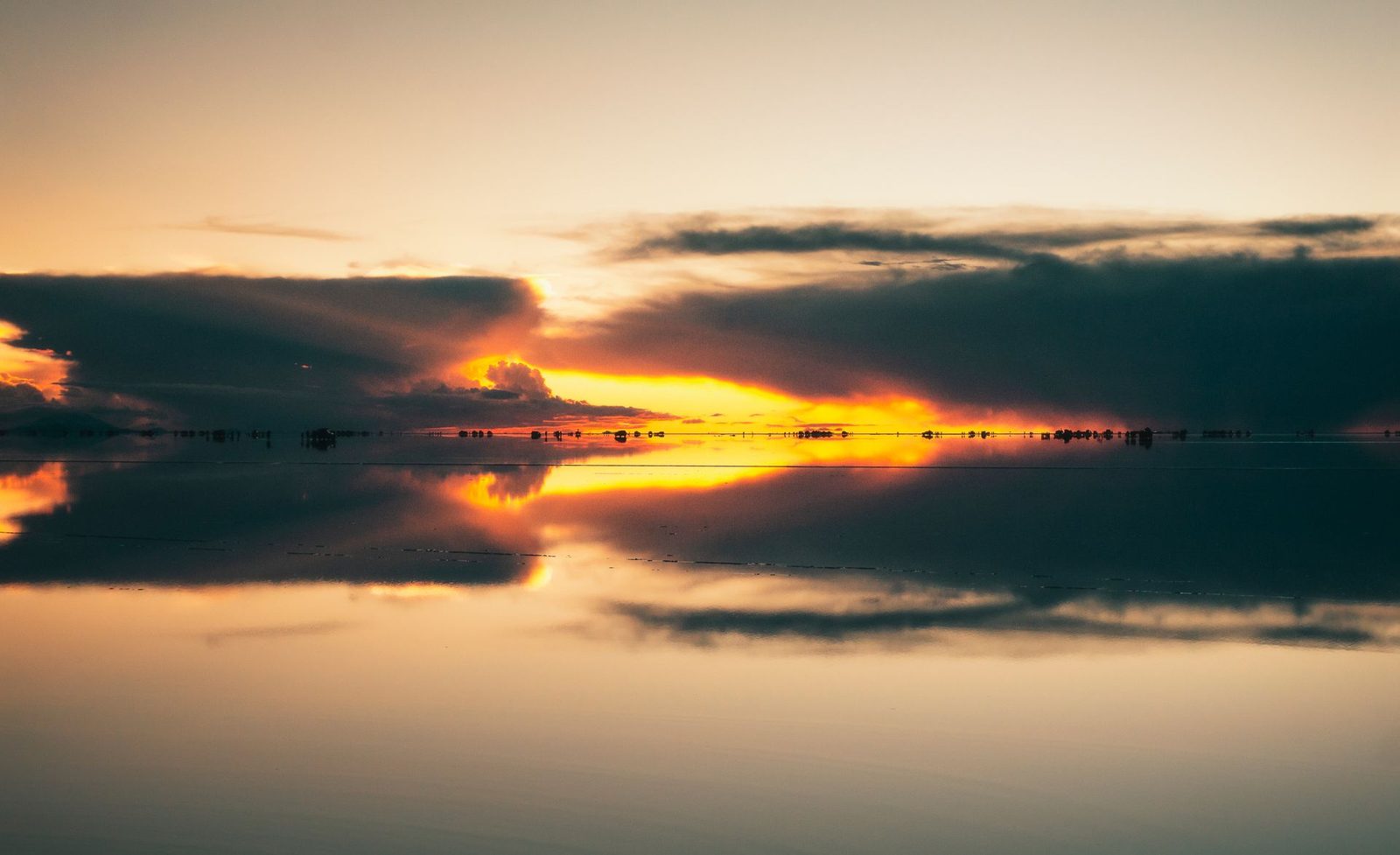
Peru and Bolivia: from the northern coast to the Uyuni salt flat
A month on the road from Chan Chan to Machu Picchu by way of Huaraz, Nazca, Titicaca, La Paz and the high lagoons of southern Bolivia.
 23 daysChallenging
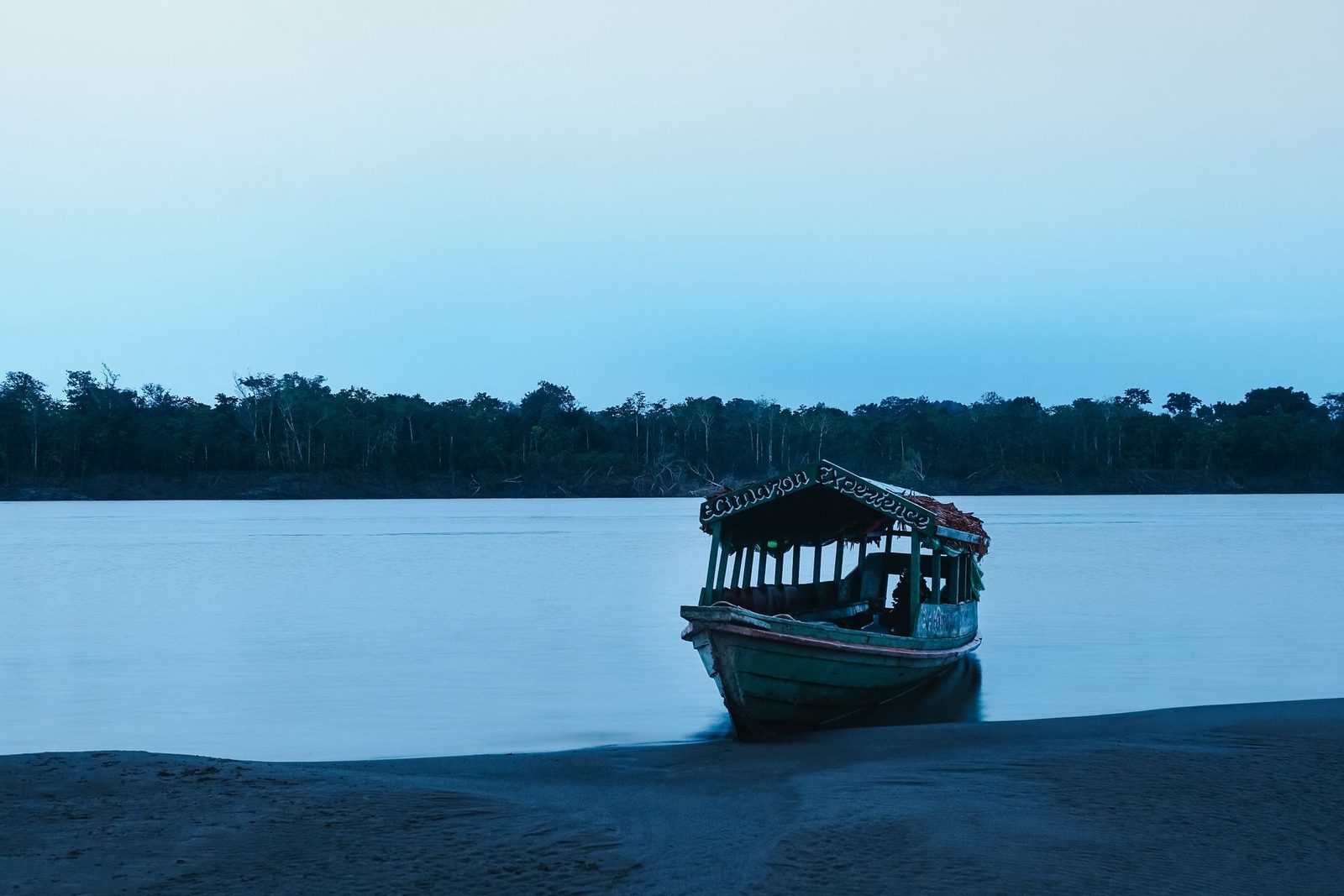
By boat from the Napo to Iquitos: the Amazon between Ecuador and Peru
Three weeks on the river from the Yasuní forest to the Amazon itself, with stays in Huaorani, Secoya and Matsés communities.
 9 daysModerate
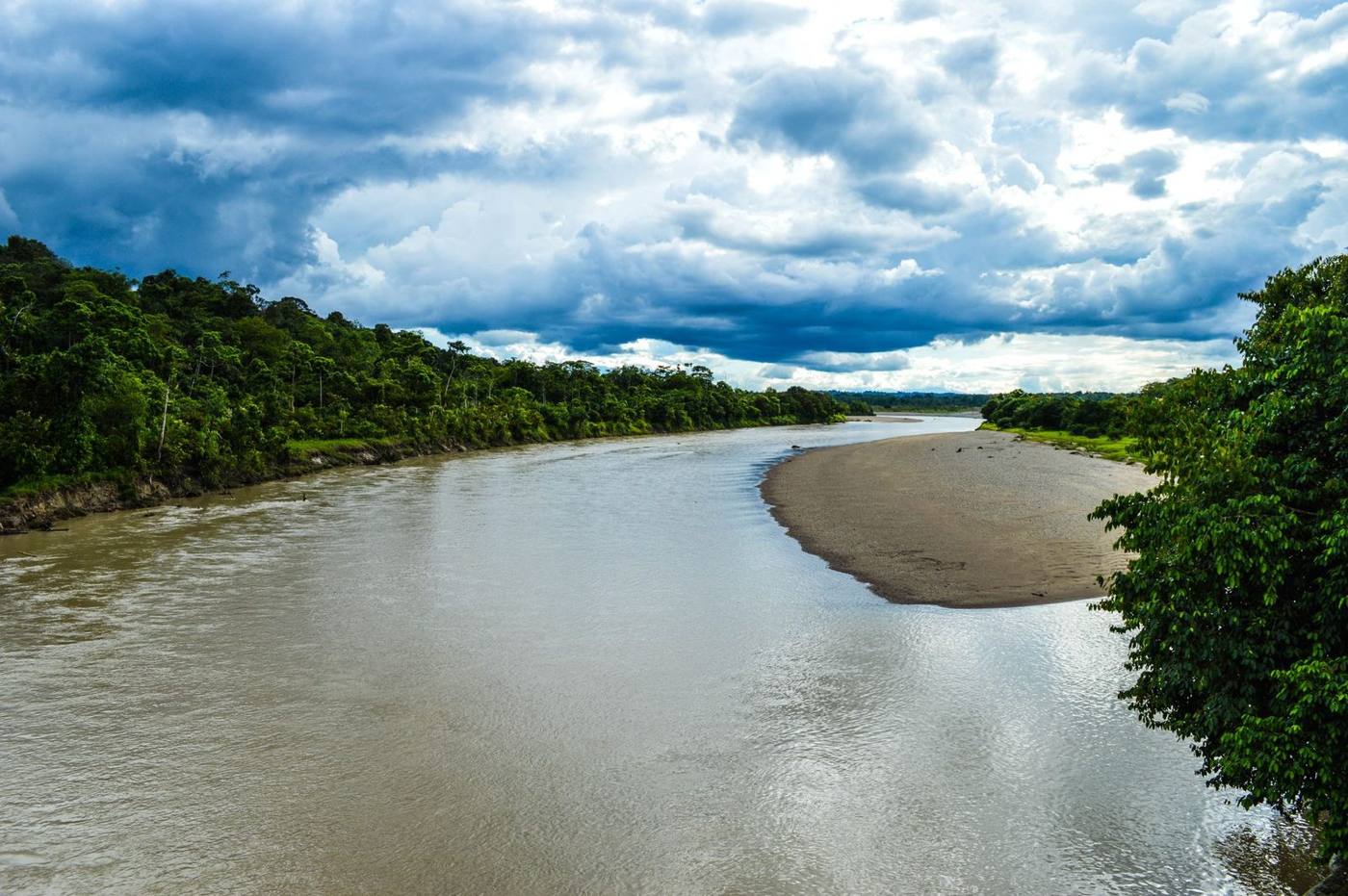
Manu, from the Andes to the Amazon rainforest
From Cusco you descend more than three thousand metres by road and river, from the puna through cloud forest to the giant otter lakes.