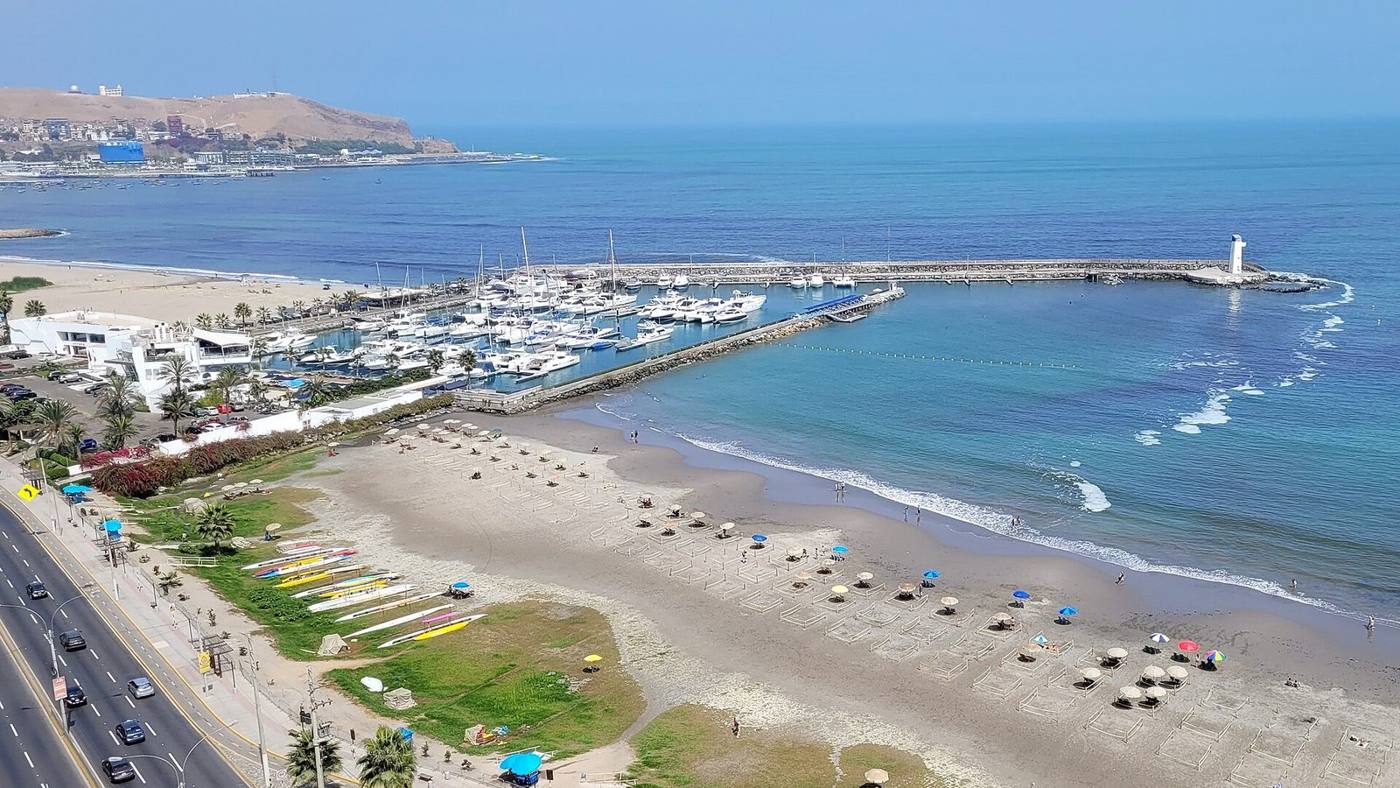
Lima in depth and Caral
South America's food capital: the UNESCO-listed colonial centre with the catacombs of San Francisco, the Pacific districts of Miraflores and Barranco, the Larco Museum, markets and cevicherías, the sanctuary of Pachacámac and Caral, the oldest city in the Americas.
- Lima
- Miraflores
- Barranco
- Pachacámac
- Caral
Day by day
- Day 1
The old town: Plaza Mayor, San Francisco and the cathedral
To enter Peru you need a valid passport; EU citizens need no visa for tourism, and permission to stay is granted on arrival for up to 183 days. Check the rules for your nationality.
Lima, Peru's capital on the Pacific coast, is often just a stop on the way to Cusco, but it deserves a few days: it has one of the largest colonial old towns in the Americas, a UNESCO site, excellent museums, mud pyramids older than the Incas amid modern districts and one of the most acclaimed cuisines in the world. From June to November the sky is almost always grey because of the sea mist called garúa.
In the morning visit the Plaza Mayor, where Francisco Pizarro founded the city in 1535, with its seventeenth-century bronze fountain, the Government Palace, where the changing of the guard takes place at noon, the Archbishop's Palace with carved wooden balconies, and the cathedral, holding Pizarro's tomb.
In the afternoon walk to the Convent of San Francisco, one of the city's finest baroque churches, with a cloister decorated with Sevillian tiles, an old library and, beneath the church, the catacombs, the city's cemetery until the nineteenth century, with the bones of thousands of people arranged in geometric patterns. Then pass the Casa Aliaga, home to the same family since 1535, and the church of Santo Domingo, with the tombs of Saint Rose of Lima and Saint Martin de Porres.
In the evening try ceviche, the national dish, raw fish marinated in lime and chilli.
Practical tip: in Lima use taxis booked through apps or from official stands, not ones hailed in the street.
- Day 2
The Larco Museum, Huaca Pucllana and Barranco at sunset
In the morning visit the Larco Museum in Pueblo Libre, housed in an eighteenth-century colonial mansion built on a pre-Columbian pyramid and surrounded by flowering gardens. It holds one of Peru's largest collections of pre-Columbian art, with ceramics, textiles and gold and silver jewellery from cultures that lived here for thousands of years before the Incas, such as the Moche, Nazca and Chimú. Moche ceramics, shaped as portraits, animals and scenes of daily life, are among the most expressive of the ancient world. There is also a room of erotic pottery. You can visit the storerooms, with tens of thousands of vessels displayed in neat rows.
In the afternoon reach Miraflores, the modern district on the cliffs, and visit Huaca Pucllana, a great mud-brick pyramid built between 200 and 700 AD by the Lima culture, amid buildings and streets. A guided visit of about an hour tells of sacrifices, banquets and building techniques, with bricks set upright like books on a shelf to withstand earthquakes.
Towards evening walk along the Malecón, the clifftop promenade of Miraflores, with its parks, the Love Park and paragliders flying over the ocean, to Barranco, the bohemian artists' district, with colourful nineteenth-century villas, galleries and murals. At sunset cross the Bridge of Sighs, a wooden bridge over a path down to the sea.
Practical tip: the Larco Museum is open every day until the evening; arrive early to avoid groups.
- Day 3
Caral as a guided day trip
Leave at dawn for Caral, about two hundred kilometres north of Lima in the Supe valley, on an organised tour or with a private driver; the journey takes about three and a half to four hours each way, along the Pan-American Highway across the coastal desert and then a dirt road into the valley.
Caral is considered the oldest city in the Americas: it was built about five thousand years ago, at the same time as the first Egyptian pyramids and the cities of Mesopotamia, when Europe still had no cities. It was the centre of the Caral, or Norte Chico, civilisation, which developed agriculture, architecture and astronomy without pottery and without warfare: no weapons or defensive walls have been found. It has been a UNESCO World Heritage site since 2009.
The visit, with site guides, takes about two hours on a path around the monuments in the desert, on the edge of the green valley. You see six great stepped stone pyramids, the largest about twenty metres high, with stairways and sunken circular plazas where ceremonies were held, and houses of the elite and of workers. Flutes made from pelican bones and llama horns have been found here, as well as a quipu, the system of knotted cords used for counting.
In the afternoon return to Lima.
Practical tip: the desert sun is strong even under grey skies; bring a hat, sunscreen, water and something to eat, as there are few services near the site.
- Day 4
Pachacámac, Surquillo market and departure
In the morning visit the archaeological sanctuary of Pachacámac, about thirty kilometres south of Lima in the Lurín valley, near the ocean. For more than a thousand years it was one of the most important sacred places in the Andes, dedicated to the god Pachacámac, creator of the world, believed to make the earth shake; pilgrims came from all over the land to consult his oracle. When the Incas arrived they respected the sanctuary and built the Temple of the Sun, a great stepped pyramid facing the sea, and the Acllahuasi, the house of the chosen women. The site has more than fifty mud-brick buildings. The modern museum at the entrance displays the wooden idol of Pachacámac, carved more than a thousand years ago, and tells the story of the place.
In the afternoon return to the city and visit Surquillo market in Miraflores, one of the markets most loved by Lima's chefs, with stalls of tropical fruit such as chirimoya, lucuma, granadilla and camu camu, hundreds of kinds of potatoes and chillies, fresh Pacific fish and Andean herbs. You can try a freshly made fruit juice.
Jorge Chávez International Airport is in Callao, an hour or more from the centre depending on traffic, which in Lima is very heavy.
Things to take home: alpaca textiles, ceramics, Peruvian chocolate and coffee, and pisco, Peru's grape brandy.
Practical tip: allow plenty of time to get to the airport. Check your government's travel advice before leaving.
A starting point not to skip for food lovers: book the famous restaurants weeks ahead. Crime is high in Lima: use app taxis, keep your phone out of sight, avoid the outer districts. From June to November the sky is almost always grey (garúa). The United States keeps Peru at level 2 (caution) and advises against all travel to the VRAEM, the Colombian border area of Loreto and the Abancay, Ayacucho, Huancavelica and Huancayo areas: this itinerary does not go there. Italians need no tourist visa for up to 90 days.
Before you go
- Documents and visa
- Passport with at least six months' validity on arrival; no visa is needed for tourism, up to a maximum of 183 days.
- Health and vaccines
- No compulsory vaccines for Lima and the Andes; yellow fever vaccination is recommended for the Amazon. Beware of altitude sickness in Cusco and the Andes. Emergencies: 105 police, 116 fire.
- Money and payments
- Peruvian sol. Cards work in cities and hotels; in markets, villages and for tips you need cash.
- Power sockets
- Types A and C, 220 volts: you may need an adapter for flat-pin sockets.
- Time zone
- UTC-5 all year: Peru does not use daylight saving time.
- Safety
- The United States rates Peru level 2. Avoid the Apurímac, Ene and Mantaro valley (VRAEM), the Colombian border in Loreto and some rural areas named by governments. Official advice: GOV.UK.
Information checked in November 2026 for Italian and EU citizens. Rules change: always check before you travel.
Variations
In 2 days: the old town and San Francisco on day one, the Larco Museum, Huaca Pucllana and Barranco on day two.
In 7 days: add Paracas and the Ballestas Islands, the Huacachina oasis and the Nazca Lines, south of Lima.
Frequently asked questions
What do I need to enter Peru?
A valid passport; EU citizens need no visa for tourism, and permission is granted on arrival for up to 183 days.
Can I visit Caral on my own?
Yes, but it is far and the last stretch is unpaved; a tour or a driver is best. Guides are available at the site.
Why is Lima's sky always grey?
From June to November the cold ocean current creates a low mist, the garúa; in summer, from December to April, there is more sun.
Indicative itinerary written by World Atlas. Before booking, check timetables, seasonal openings, documents and safety.
 6 daysChallenging
The classic Inca Trail
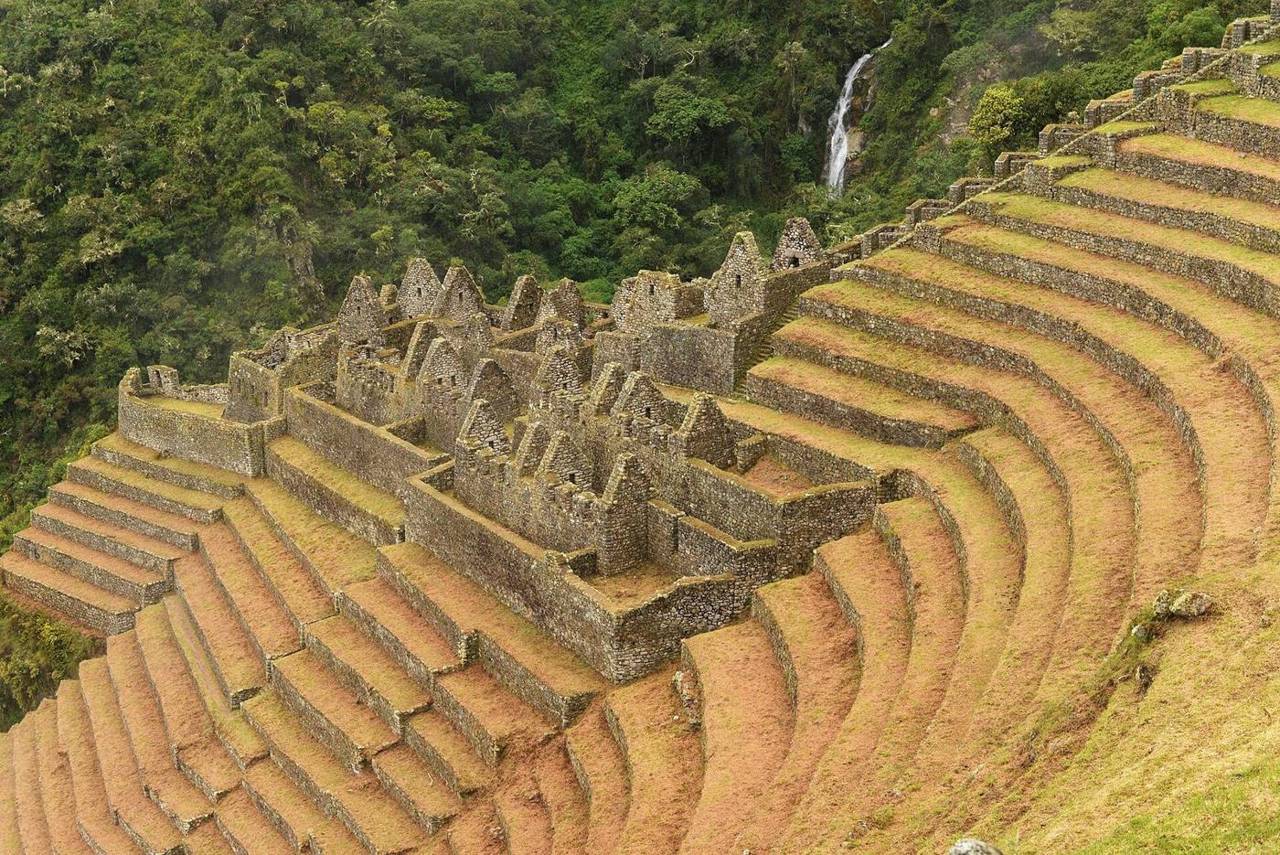
Four days on foot along the Incas' paved trail to Machu Picchu: sites such as Llactapata, Runkurakay, Sayacmarca and Wiñay Wayna, Dead Woman's Pass at 4,200 metres, cloud forest and arrival through the Sun Gate at dawn.
 5 daysModerate
The Sacred Valley in depth and Vinicunca
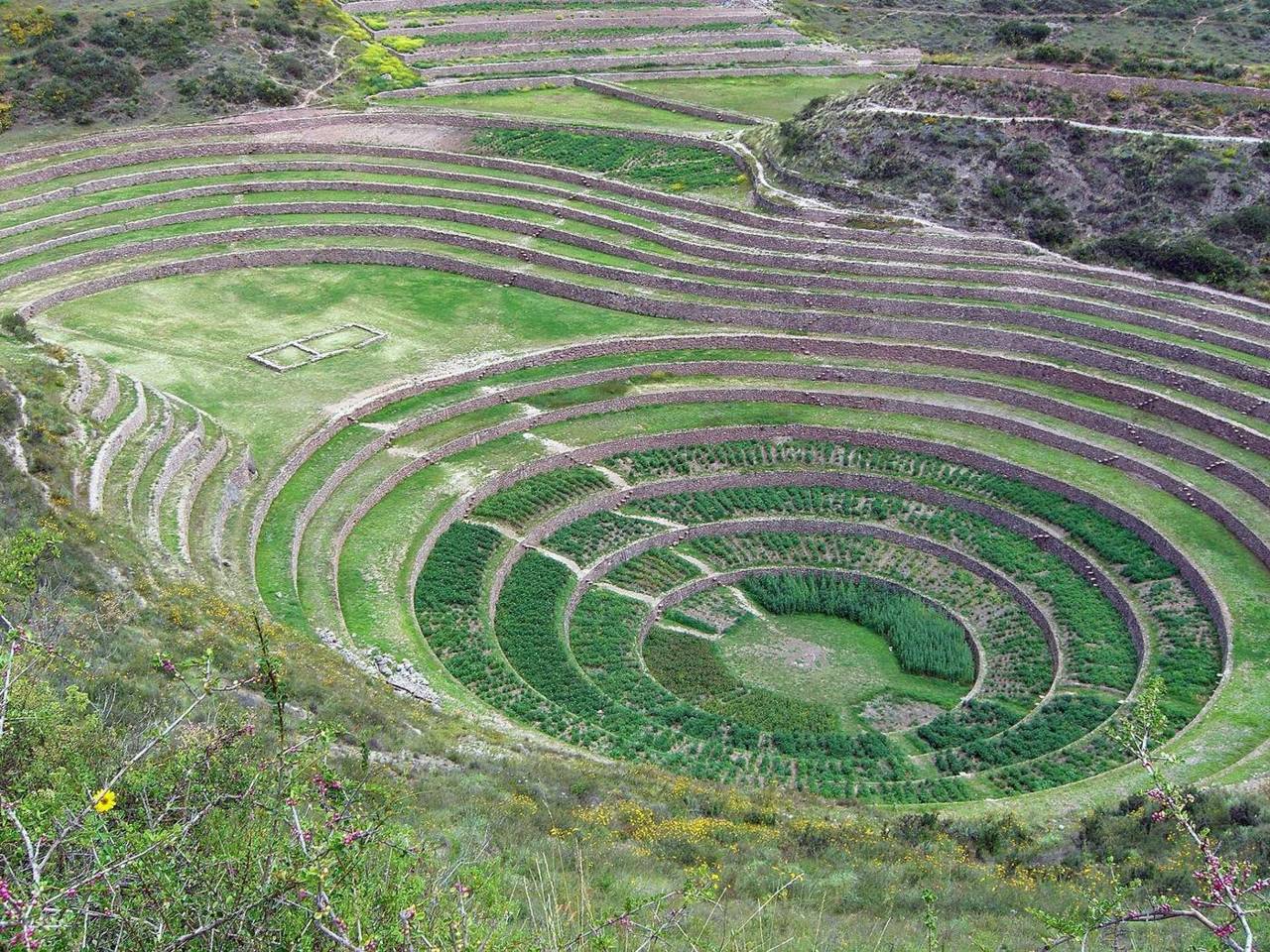
The Sacred Valley without rushing: Pisac's market and terraces, the farming circles of Moray, the salt pans of Maras, the weaving village of Chinchero, the fortress of Ollantaytambo, and the seven-coloured mountain of Vinicunca at over 5,000 metres.
 4 daysEasy
Cusco and the South Valley: Andean Baroque
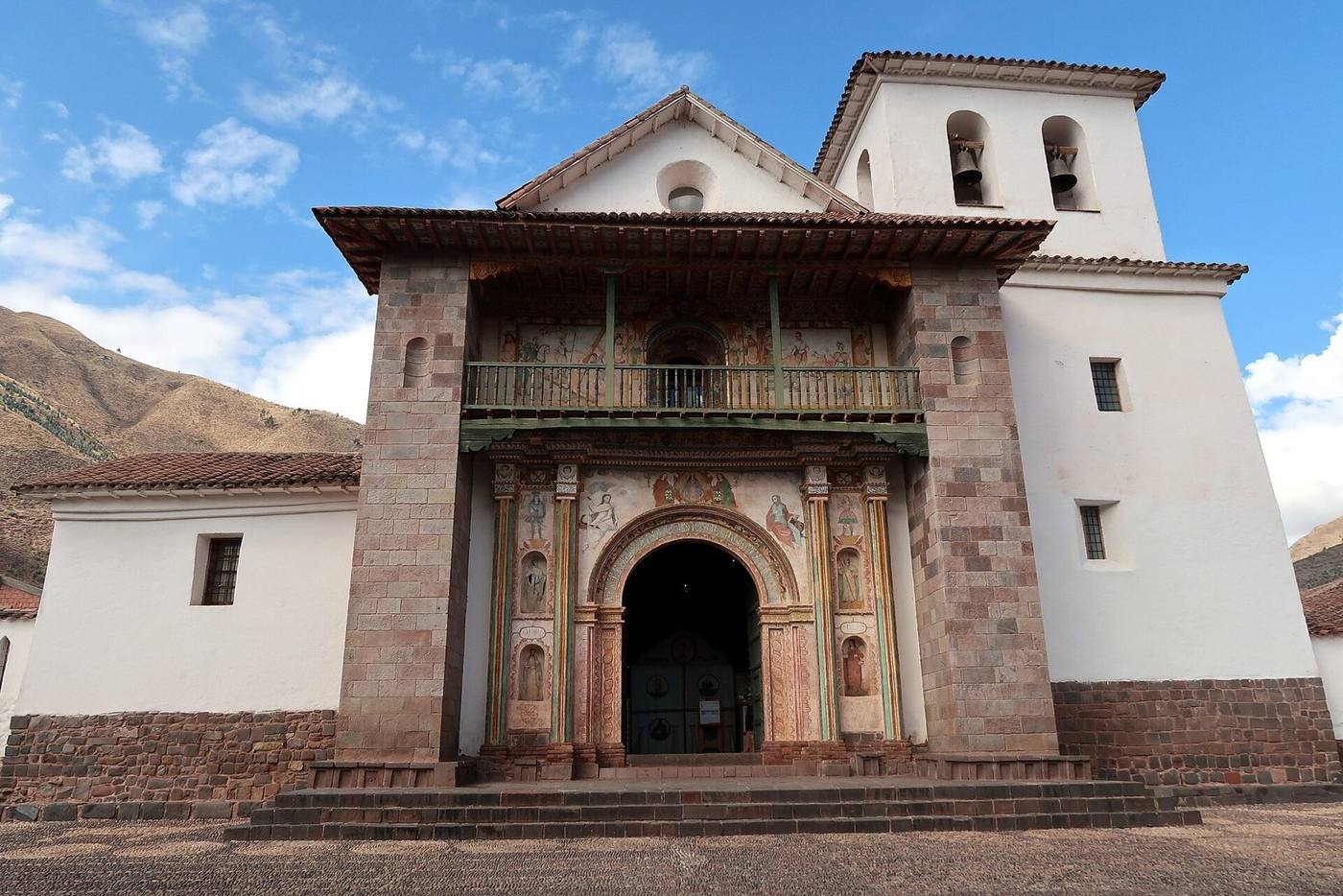
The ancient Inca capital, a UNESCO World Heritage site, at a gentle pace: the Qorikancha, the cathedral, the San Blas quarter, Sacsayhuamán, then the South Valley with the ruins of Tipón and Pikillacta and the painted church of Andahuaylillas, known as the Sistine Chapel of the Andes.