Cusco and the South Valley: Andean Baroque
The ancient Inca capital, a UNESCO World Heritage site, at a gentle pace: the Qorikancha, the cathedral, the San Blas quarter, Sacsayhuamán, then the South Valley with the ruins of Tipón and Pikillacta and the painted church of Andahuaylillas, known as the Sistine Chapel of the Andes.
- Cusco
- Sacsayhuamán
- Tipón
- Pikillacta
- Andahuaylillas
Day by day
- Day 1
Plaza de Armas, the cathedral and the Qorikancha
To enter Peru you need a valid passport; EU citizens need no visa for tourism, and permission to stay is granted on arrival for up to 183 days. Check the rules for your nationality.
Cusco, at about 3,400 metres in the Andes, was the capital of the Inca Empire, the largest in the Americas before the Spanish arrived. After the conquest in 1533 the Spanish built colonial churches and mansions on top of Inca stone walls, perfectly fitted without mortar: so the city, a UNESCO site, shows two civilisations one on top of the other. It is just over an hour by air from Lima. On the first day you feel the altitude: rest, walk slowly and drink plenty of water or mate de coca, the coca leaf tea offered everywhere.
In the morning visit the Plaza de Armas, the heart of the city and once the centre of Inca Cusco, with arcades, wooden balconies and mountains all around. On the square stands the cathedral, built over the palace of the Inca Viracocha, with dozens of gilded altars, a carved wooden choir and hundreds of paintings of the Cusco School, where indigenous and mestizo artists blended European painting with their own world: in Marcos Zapata's Last Supper, Jesus's plate holds a cuy, roast guinea pig, an Andean dish.
In the afternoon visit the Qorikancha, the Temple of the Sun, the Incas' most important sanctuary, once covered in gold sheets. The Spanish built the convent of Santo Domingo on top, but the perfect curved Inca walls withstood earthquakes better than the church.
Practical tip: many sites around Cusco are visited with the single tourist ticket, while the cathedral and the Qorikancha have separate tickets.
- Day 2
San Blas, the Museum of Pre-Columbian Art and San Pedro market
In the morning climb the narrow, steep streets to San Blas, the artisans' quarter on the hill, with white houses, blue doors, workshops and galleries. On Hatun Rumiyoq street is the famous twelve-angled stone, a large block in an Inca wall cut with twelve sides that fit perfectly with the neighbouring stones. The little church of San Blas holds one of the masterpieces of baroque carving in the Americas: a cedar pulpit carved with hundreds of figures of saints, angels and monsters by an indigenous artist.
In the afternoon visit the Museum of Pre-Columbian Art, in a colonial house on a small square, which displays a refined selection of works from Peru's ancient cultures, from ceramics to gold and silver jewellery, presented as works of art in well-lit rooms. Then visit the Museo Inka, which tells of the Incas' daily life, with mummies, textiles and keros, painted wooden ceremonial cups.
Towards evening go down to San Pedro market, the city's great covered market, with stalls of fruit, dozens of kinds of potatoes and corn, bread, cheese, medicinal herbs, flowers and freshly made fruit juices. You can eat at one of the counters, as locals do, a soup or a plate of chicken and rice.
In the evening try grilled alpaca or rocoto relleno, a stuffed hot pepper.
Practical tip: at the market keep an eye on your bag and phone, especially in the crowds.
- Day 3
Sacsayhuamán, Q'enqo and Tambomachay
In the morning walk up from the centre, about half an hour, or take a taxi to Sacsayhuamán, the great ceremonial fortress on the hill above Cusco. Its zigzag walls are built of enormous stone blocks, some more than five metres tall and weighing over a hundred tonnes, cut and fitted so precisely that not even a blade passes between them. Even today no one knows for sure how the Incas moved them. In 1536 one of the decisive battles between Manco Inca's forces and the Spanish was fought here. From the hill you see the whole city. Every year on 24 June the Inti Raymi, the Festival of the Sun, is celebrated here with thousands of costumed performers.
Then continue along the road climbing north, visiting the other Inca sites around the city. Q'enqo is a large carved rock with zigzag channels, niches and an inner cave with an altar, where offerings were made and perhaps mummies were prepared. Puka Pukara, the red fort, was a guard post and rest stop on the road. Tambomachay, called the Inca's bath, is a place of water worship, with stone terraces and channels from which spring water still flows in perfectly built fountains.
In the afternoon return to Cusco by taxi or bus, or walk down the trails past the Cristo Blanco, the white statue overlooking the city.
Practical tip: all these sites are included in the Cusco tourist ticket; keep it with you.
- Day 4
Tipón, Pikillacta and Andahuaylillas
In the morning drive or join a tour south-east into the Huatanay valley, called the South Valley, far less visited than the Sacred Valley. The first stop is Tipón, about half an hour from Cusco, an Inca site on the mountainside with great farming terraces and a system of stone channels, fountains and cascades still carrying water from a spring: a masterpiece of hydraulic engineering, perhaps a royal garden of the Inca.
Then visit Pikillacta, a large city of the Wari, the civilisation that dominated the Andes before the Incas, between the seventh and eleventh centuries. You walk among hundreds of stone buildings laid out on a regular grid, with high walls and straight streets, on a plateau overlooking the Huacarpay lagoon.
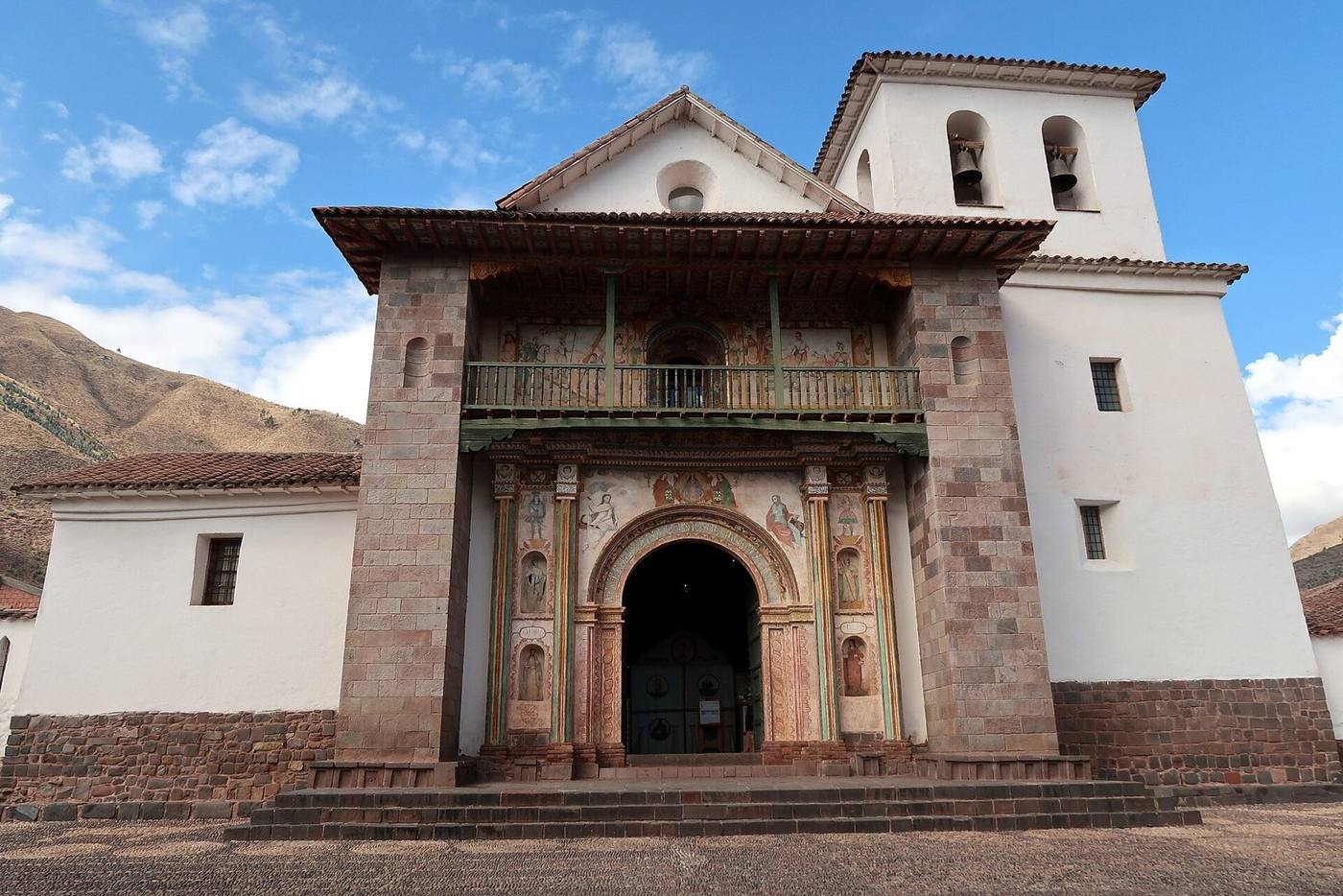
In the afternoon reach Andahuaylillas, a small village with the church of San Pedro Apóstol, called the Sistine Chapel of the Andes: plain from the outside, inside it is entirely covered in seventeenth- and eighteenth-century frescoes, paintings, painted wooden ceilings and gilded altars, including a great scene of the road to heaven and the road to hell. A little further on, the church of Huaro has walls painted with scenes of judgement and death. In the village of Oropesa, on the way back, the large round bread typical of the area is sold.
In the evening return to Cusco.
Things to take home: alpaca textiles, ceramics, Cusco School paintings, Peruvian chocolate and coffee.
Practical tip: check your government's travel advice before leaving.
Cusco is at about 3,400 metres: walk slowly and drink plenty in the first days. On 24 June the Inti Raymi takes place at Sacsayhuamán, with high prices and a full city. It combines with any trip to Machu Picchu. The United States keeps Peru at level 2 (caution) and advises against all travel to the VRAEM, the Colombian border area of Loreto and the Abancay, Ayacucho, Huancavelica and Huancayo areas: this itinerary does not go there. Italians need no tourist visa for up to 90 days.
Before you go
- Documents and visa
- Passport with at least six months' validity on arrival; no visa is needed for tourism, up to a maximum of 183 days.
- Health and vaccines
- No compulsory vaccines for Lima and the Andes; yellow fever vaccination is recommended for the Amazon. Beware of altitude sickness in Cusco and the Andes. Emergencies: 105 police, 116 fire.
- Money and payments
- Peruvian sol. Cards work in cities and hotels; in markets, villages and for tips you need cash.
- Power sockets
- Types A and C, 220 volts: you may need an adapter for flat-pin sockets.
- Time zone
- UTC-5 all year: Peru does not use daylight saving time.
- Safety
- The United States rates Peru level 2. Avoid the Apurímac, Ene and Mantaro valley (VRAEM), the Colombian border in Loreto and some rural areas named by governments. Official advice: GOV.UK.
Information checked in November 2026 for Italian and EU citizens. Rules change: always check before you travel.
Variations
In 2 days: the cathedral, the Qorikancha and San Blas on day one, Sacsayhuamán and nearby sites on day two.
In 8 days: add the Sacred Valley and Machu Picchu, or Vinicunca, the Rainbow Mountain.
Frequently asked questions
What do I need to enter Peru?
A valid passport; EU citizens need no visa for tourism, and permission is granted on arrival for up to 183 days.
Is Cusco's altitude a problem?
At about 3,400 metres you feel it: rest on the first day, walk slowly, drink plenty of water and ask your doctor before leaving if you have health problems.
What is the Cusco tourist ticket?
A single ticket covering many sites around the city, such as Sacsayhuamán, Tipón and Pikillacta; the cathedral and the Qorikancha are separate.
Indicative itinerary written by World Atlas. Before booking, check timetables, seasonal openings, documents and safety.
 5 daysEasy
Paracas, the Ballestas, Huacachina and Nazca
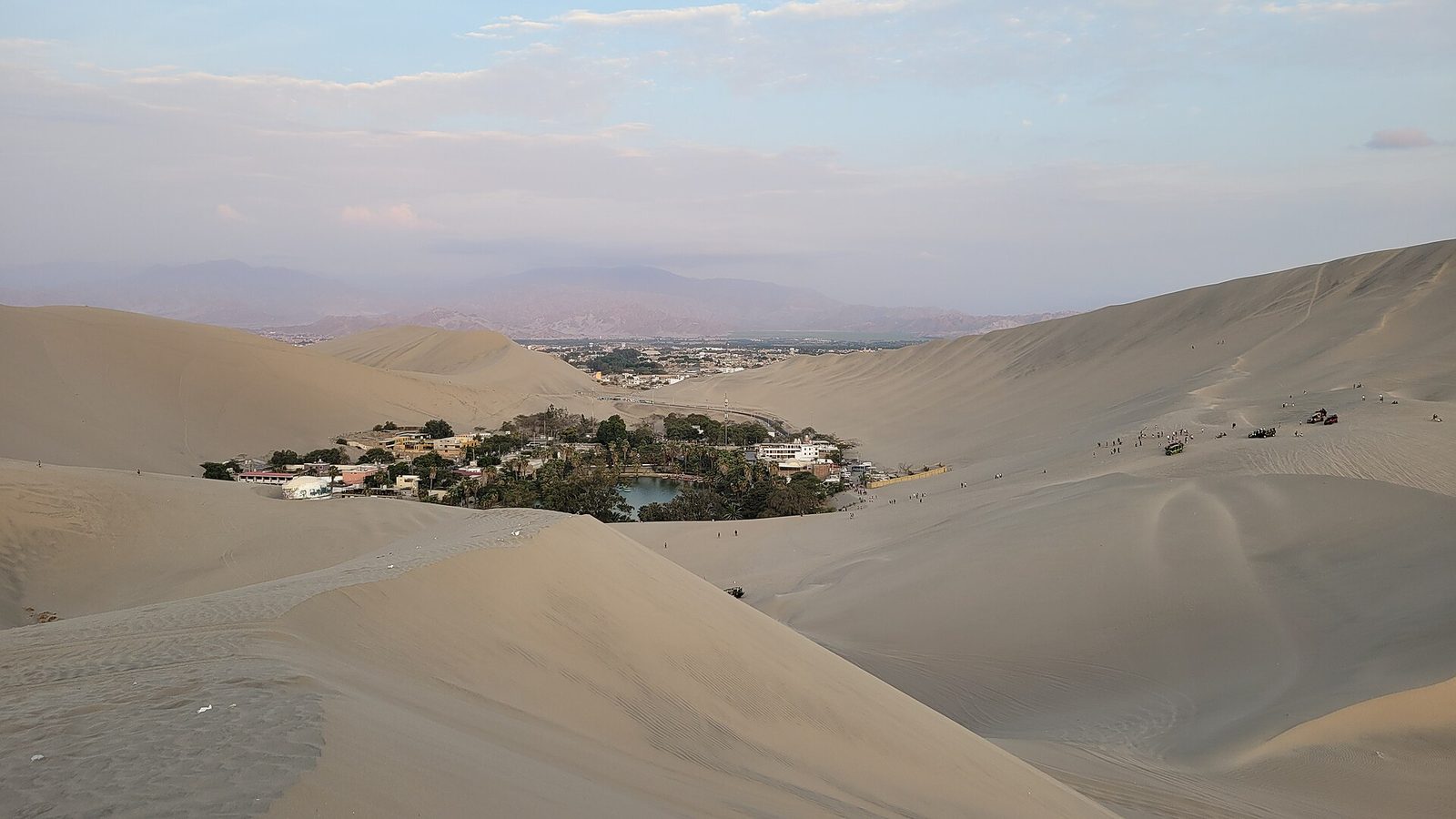
The desert coast south of Lima: the Ballestas Islands with sea lions, Humboldt penguins and millions of birds, the Paracas reserve with its red cliffs, the Huacachina oasis among the dunes, the pisco wineries of Ica and a flight over the Nazca Lines.
 4 daysEasy
Lake Titicaca in depth
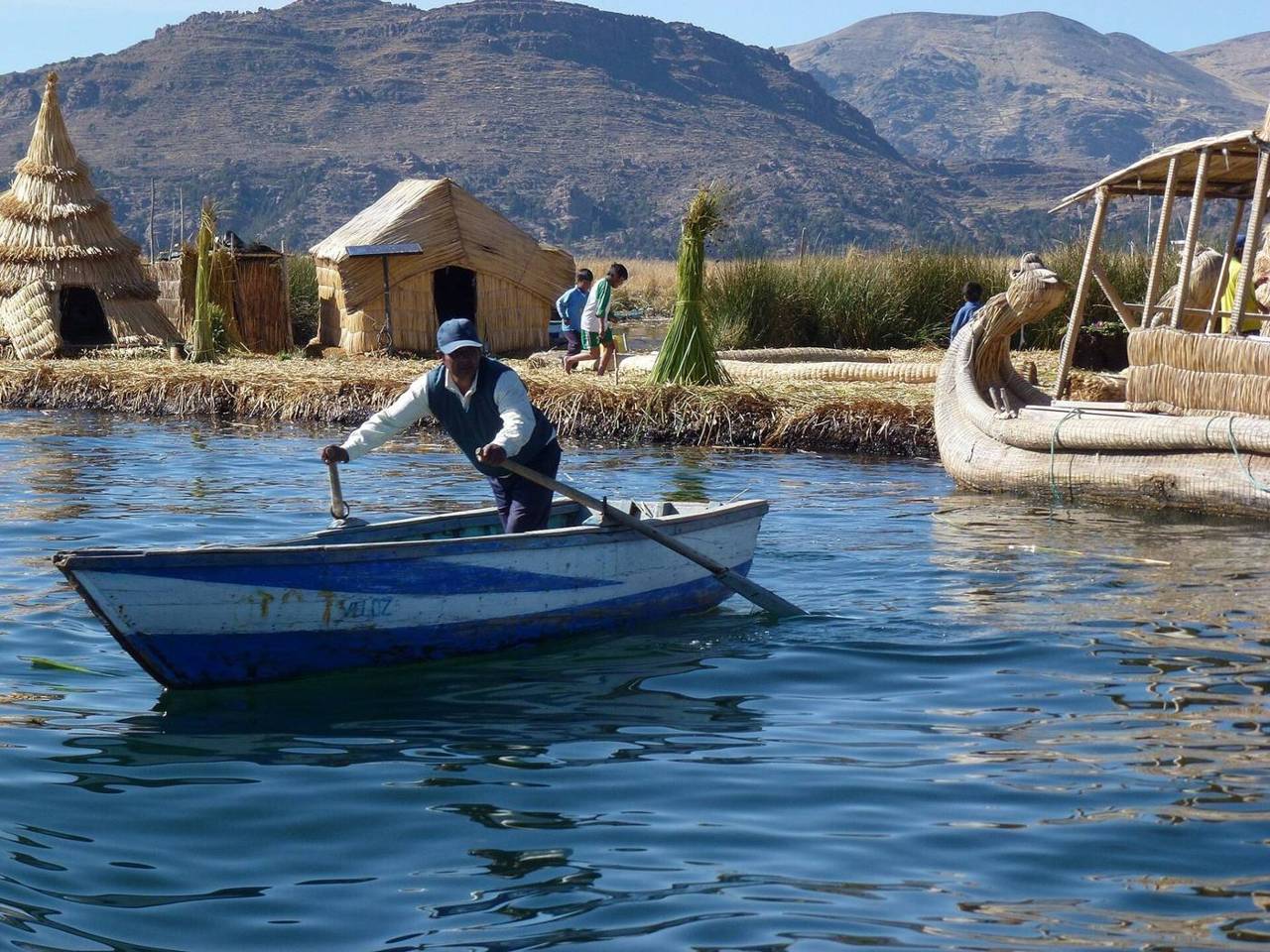
The world's highest navigable lake on the Peruvian side: the floating reed islands of the Uros, Taquile island and its UNESCO-listed textile art, a night with a family on Amantaní, the funerary towers of Sillustani and the Capachica peninsula.
 5 daysModerate
Pacaya-Samiria from Iquitos
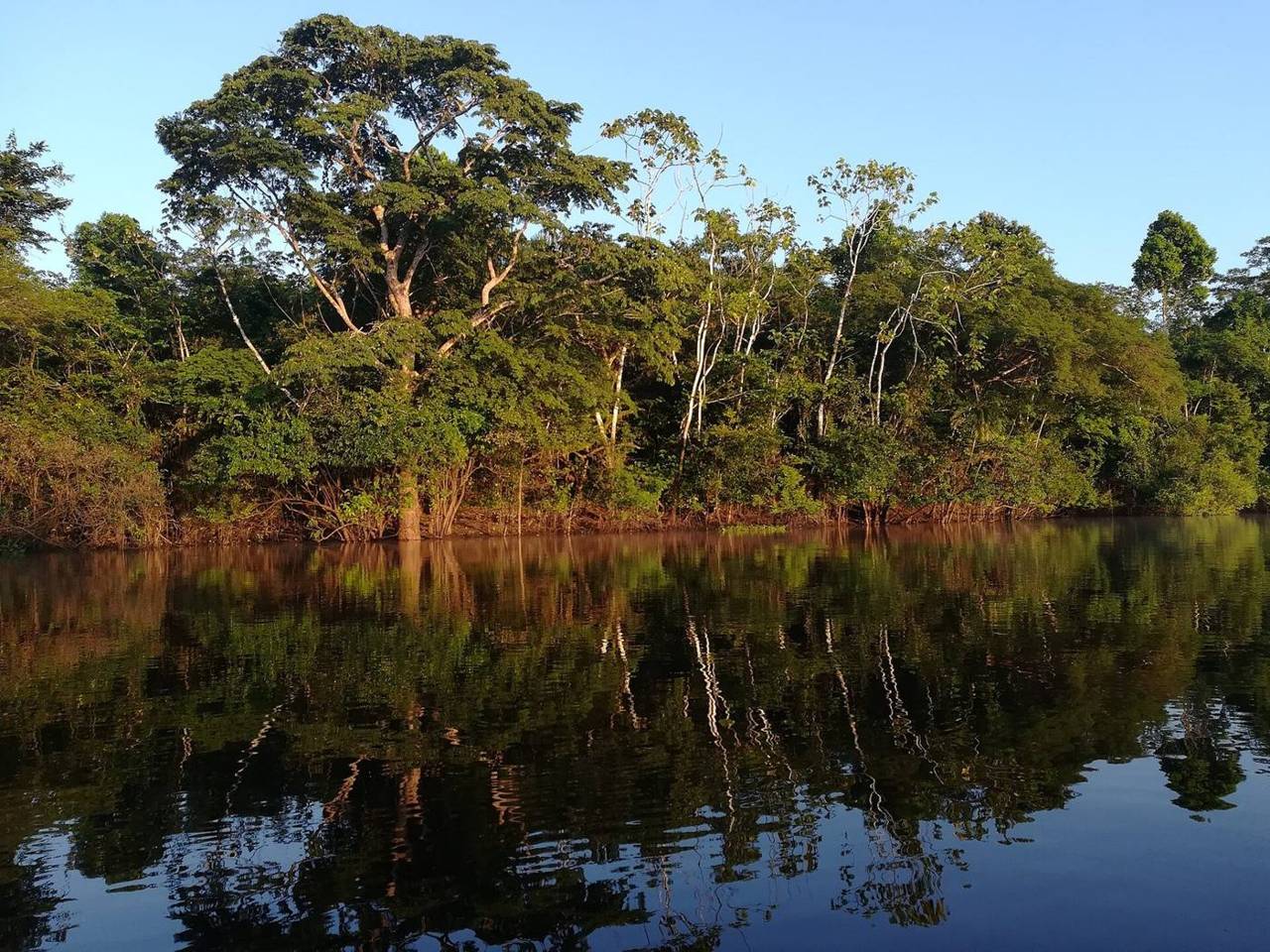
The flooded Amazon: Iquitos, the largest city in the world unreachable by road, the floating district of Belén, then the Pacaya-Samiria reserve by boat or small river ship, among pink dolphins, monkeys, sloths, giant water lilies and riverside villages.