Pacaya-Samiria from Iquitos
The flooded Amazon: Iquitos, the largest city in the world unreachable by road, the floating district of Belén, then the Pacaya-Samiria reserve by boat or small river ship, among pink dolphins, monkeys, sloths, giant water lilies and riverside villages.
- Iquitos
- Belén
- Nauta
- Pacaya-Samiria
Day by day
- Day 1
Iquitos and the Belén market
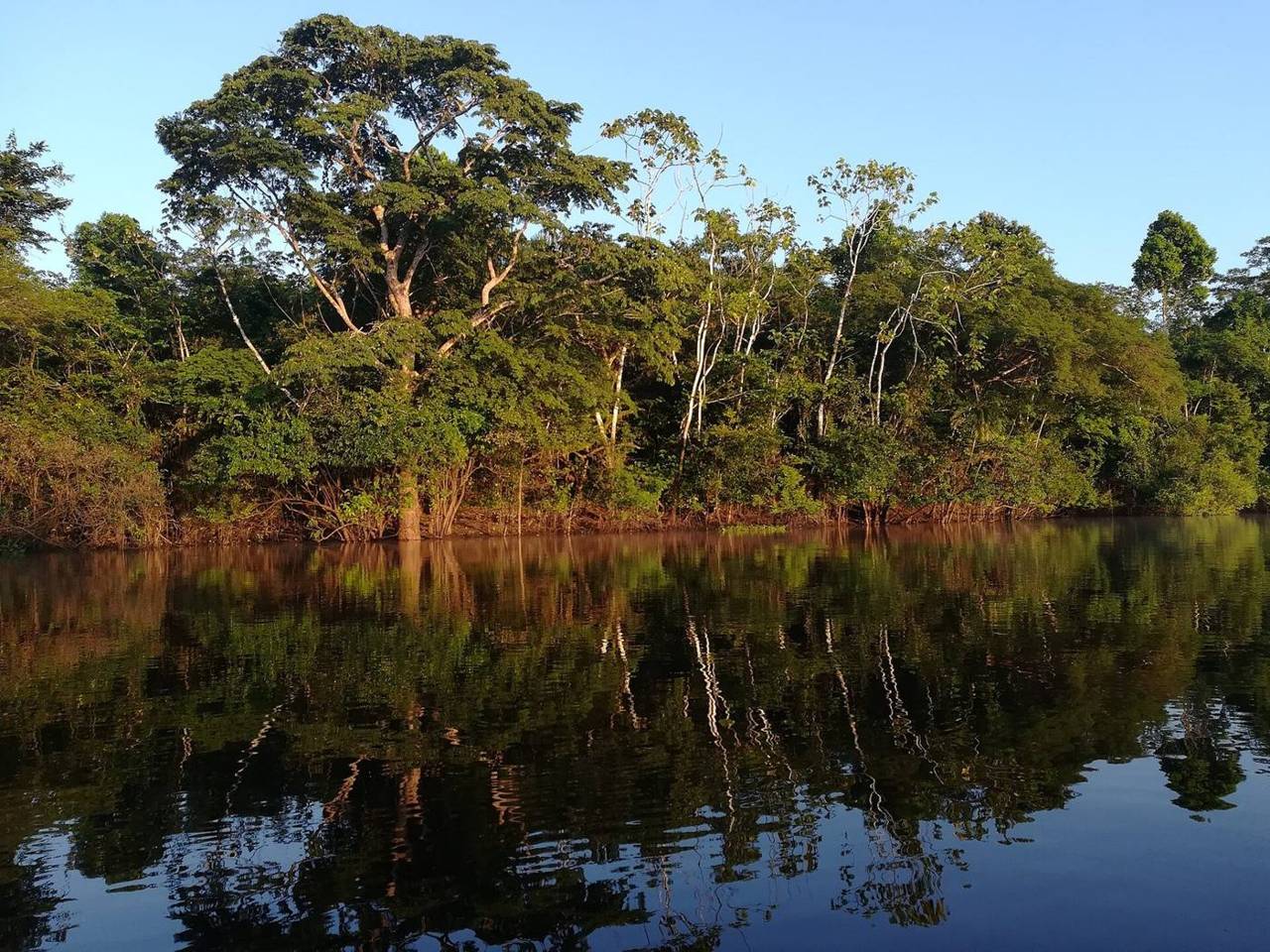
The Pacaya Samiria National Reserve is one of the largest protected areas in Peru, in the north-eastern Amazon, between the Marañón and Ucayali rivers, which join a little further downstream to form the Amazon. It is a flooded forest, called the forest of mirrors because in the rainy season the water covers the ground and reflects the trees like a mirror. Pink and grey dolphins, manatees, monkeys, sloths, caimans, hundreds of bird species and the paiche, one of the largest freshwater fish in the world, live here. In five days you enter the reserve by boat, sleeping on a riverboat or in a simple camp.
The trip begins in Iquitos, the largest city in the world that cannot be reached by road: you get there only by air or by boat. The flight from Lima takes about an hour and forty minutes.
In the afternoon, visit the centre, with the main square, the iron house attributed to the Eiffel school and the rubber barons' houses, decorated with Portuguese tiles, a reminder of the golden age of rubber in the late nineteenth and early twentieth centuries. Stroll along the riverfront, the malecón, from where you see the forest stretching to the horizon.
Then go down to the Belén market, the largest in the Peruvian Amazon, with stalls of unfamiliar fruit, river fish, medicinal herbs and plants. Next to it, the floating district of Belén has houses on stilts and on rafts that rise and fall with the river.
Practical tip: go to the Belén market with a guide, carry few valuables and watch out for pickpockets.
- Day 2
Nauta and entry into the reserve
In the morning, leave Iquitos by car or minibus heading south, on the only road in the region, to Nauta, a small town on the Marañón river, in about two hours. Along the road, forest alternates with small farms and villages.
In Nauta, board the boat or riverboat that will take you into the reserve. Not far from Nauta you see the point where the Marañón and the Ucayali meet and form the Amazon: two huge rivers, with waters of different colours, slowly joining.
You then travel up the Marañón or the Ucayali to one of the reserve's entrances, where rangers check permits. From here the boat enters the narrower channels and rivers, such as the Yanayacu Pucate, called a black river for the dark colour of its water, which reflects the sky and the trees.
In the afternoon, sailing slowly, you begin to see the animals: pink and grey dolphins leaping around the boat, groups of squirrel monkeys and capuchins in the trees, sloths hanging from branches, iguanas, kingfishers and parrots.
In the evening, sleep on the riverboat or in a forest camp. After sunset, take a short boat trip by torchlight to see caimans, whose eyes glow red in the water, frogs and night birds.
Practical tip: the reserve can only be visited with authorised operators and guides, and the entry permit is compulsory. Ask your operator whether it is included in the price.
- Day 3
The flooded forest and the reserve's villages
Early in the morning, as the forest wakes, go out by canoe or small boat into the narrowest channels, where the large boat cannot enter. The silence is broken only by the calls of howler monkeys, the loudest sound in the forest, and by birdsong. You see herons, cormorants, toucans, colourful macaws and the hoatzin, an ancient-looking crested bird.
In the rainy season, from December to May, you sail among the trees, over ground covered by water. In the dry season, from June to November, the water drops, sandy beaches appear and you can walk in the forest.
At midday, visit one of the communities living inside or on the edge of the reserve, with wooden houses on stilts. Many residents now work as park wardens or guides and take part in protecting the reserve: for example, they control paiche fishing and protect the nests of river turtles on the beaches.
In the afternoon, if the water allows, try piranha fishing with a bamboo rod and a piece of meat, as the local people do. Then relax on the boat watching the sunset over the river.
In the evening, after dinner, listen to the sounds of the night: frogs, insects and birds form a continuous chorus.
Practical tip: the yellow fever vaccine is recommended for the Peruvian Amazon. Also ask your doctor about malaria and always use insect repellent.
- Day 4
In the heart of the reserve
Today the boat goes deeper into the reserve, towards the inner lagoons and lakes, where the animals are even more numerous and people very few.
In the morning, look for the Amazonian manatee, a large, shy and rare freshwater mammal that you sometimes see when it surfaces to breathe, and the giant otter, which lives in family groups in the lakes and can be heard from afar by its calls. Along the banks you see black caimans, turtles sunning themselves on logs and, in the trees, groups of monkeys of several species.
At midday, if the water is calm and the guide allows it, you can swim in the black river, sometimes with pink dolphins around you. The dark water is surprisingly clean.
In the afternoon, take a forest walk with the guide, who shows you the medicinal plants used by the local people, huge trees with buttress roots, giant ants, colourful frogs and lianas hanging from the branches. You learn to recognise animal calls and tracks on the ground.
In the evening, if the sky is clear, look at the stars from the boat, far from any artificial light.
Practical tip: in the Iquitos area some people offer ceremonies with ayahuasca, a traditional hallucinogenic drink. Avoid them: there have been serious incidents and there are no health controls.
- Day 5
Back to Iquitos
On your last morning, go out once more at dawn to say goodbye to the forest, when the mist rises over the river and the birds sing. It is the best time to see dolphins and monkeys.
After breakfast, the boat sets off back towards Nauta, going downstream. The journey takes several hours and lets you see life on the banks once more: fishermen in canoes, children playing in the water, stilt villages and boats loaded with bananas.
In Nauta, take the minibus to Iquitos, where you arrive in the afternoon. If you have time, visit the manatee rescue centre or one of the sanctuaries for rescued animals near the city, or the museum of Amazonian cultures.
In the evening, on the Iquitos malecón, watch the sunset over the river and try Amazonian cuisine: fish cooked in banana leaves, juane, a parcel of rice and chicken, and forest fruits such as camu camu and aguaje.
Pacaya Samiria combines well with other parts of Peru: Lima, Cusco and Machu Picchu, Lake Titicaca or the Colca canyon.
Practical tip: Italian citizens can enter Peru without a visa for up to 183 days. Do not go near the border area with Colombia, along the Putumayo river, which security advice warns against. The United States keeps Peru at level 2.
For the wildest Amazon, with an established operator and local guides. Take the precautions advised by your doctor (yellow fever vaccination recommended, malaria and dengue present). Do not head towards the Colombian border. Avoid ayahuasca ceremonies offered to tourists: there have been serious incidents. The United States keeps Peru at level 2 (caution) and advises against all travel to the VRAEM, the Colombian border area of Loreto and the Abancay, Ayacucho, Huancavelica and Huancayo areas: this itinerary does not go there. Italians need no tourist visa for up to 90 days.
Before you go
- Documents and visa
- Passport with at least six months' validity on arrival; no visa is needed for tourism, up to a maximum of 183 days.
- Health and vaccines
- No compulsory vaccines for Lima and the Andes; yellow fever vaccination is recommended for the Amazon. Beware of altitude sickness in Cusco and the Andes. Emergencies: 105 police, 116 fire.
- Money and payments
- Peruvian sol. Cards work in cities and hotels; in markets, villages and for tips you need cash.
- Power sockets
- Types A and C, 220 volts: you may need an adapter for flat-pin sockets.
- Time zone
- UTC-5 all year: Peru does not use daylight saving time.
- Safety
- The United States rates Peru level 2. Avoid the Apurímac, Ene and Mantaro valley (VRAEM), the Colombian border in Loreto and some rural areas named by governments. Official advice: GOV.UK.
Information checked in November 2026 for Italian and EU citizens. Rules change: always check before you travel.
Variations
In 3 days: Iquitos and two nights in a forest lodge near the city, without entering the reserve.
In 10 days: after Pacaya Samiria, fly to Cusco for the Sacred Valley and Machu Picchu.
Frequently asked questions
When is the best time to go?
All year round. From December to May the water is high and you sail among the trees; from June to November the water is low, there are beaches and you walk more in the forest.
Which vaccines do I need?
The yellow fever vaccine is recommended. Also ask your doctor about malaria prevention, and always use insect repellent.
Is it safe?
With authorised operators, yes. The United States keeps Peru at level 2. Avoid ayahuasca and do not go near the border area with Colombia.
Indicative itinerary written by World Atlas. Before booking, check timetables, seasonal openings, documents and safety.
 6 daysEasy
Máncora and the north coast
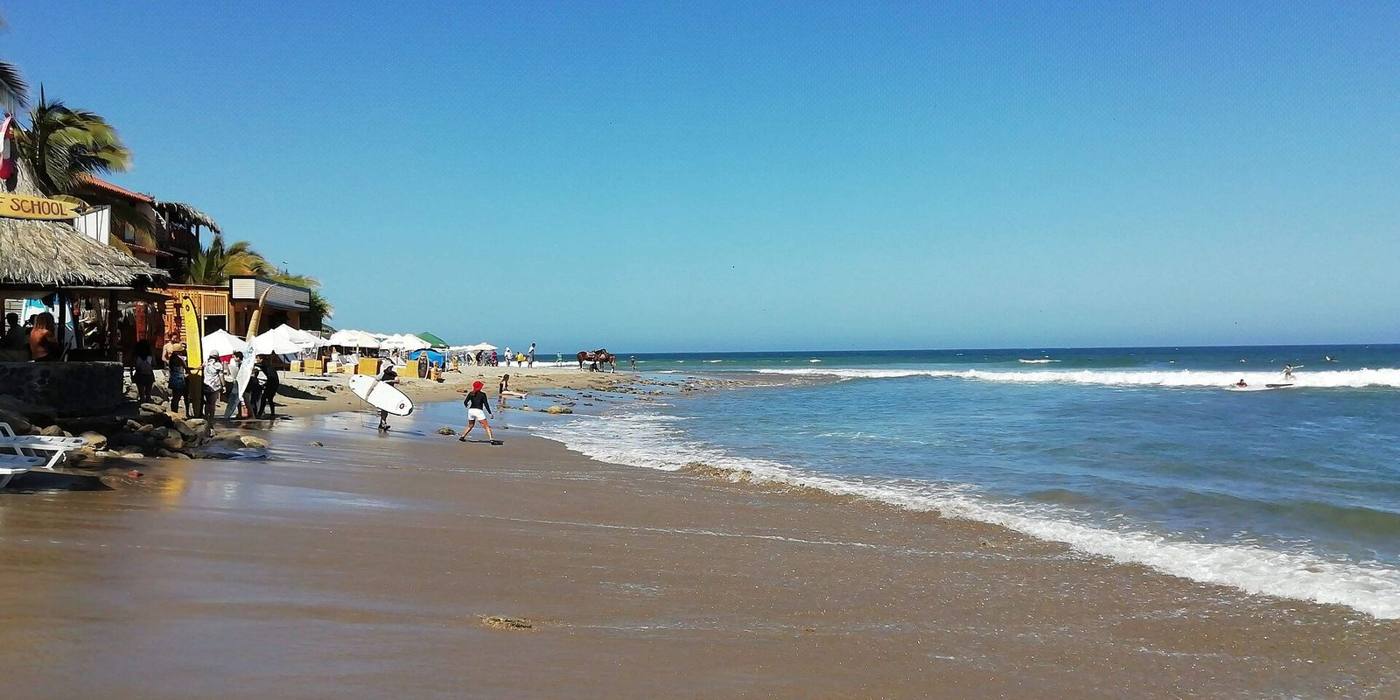
Peru's year-round sunshine: the beaches of Máncora, Vichayito and Punta Sal, surfing and the long waves of Lobitos and Chicama, humpback whales offshore from July to October, the turtles of El Ñuro and the mangroves of Tumbes.
 5 daysModerate
Lares trek and weaving villages
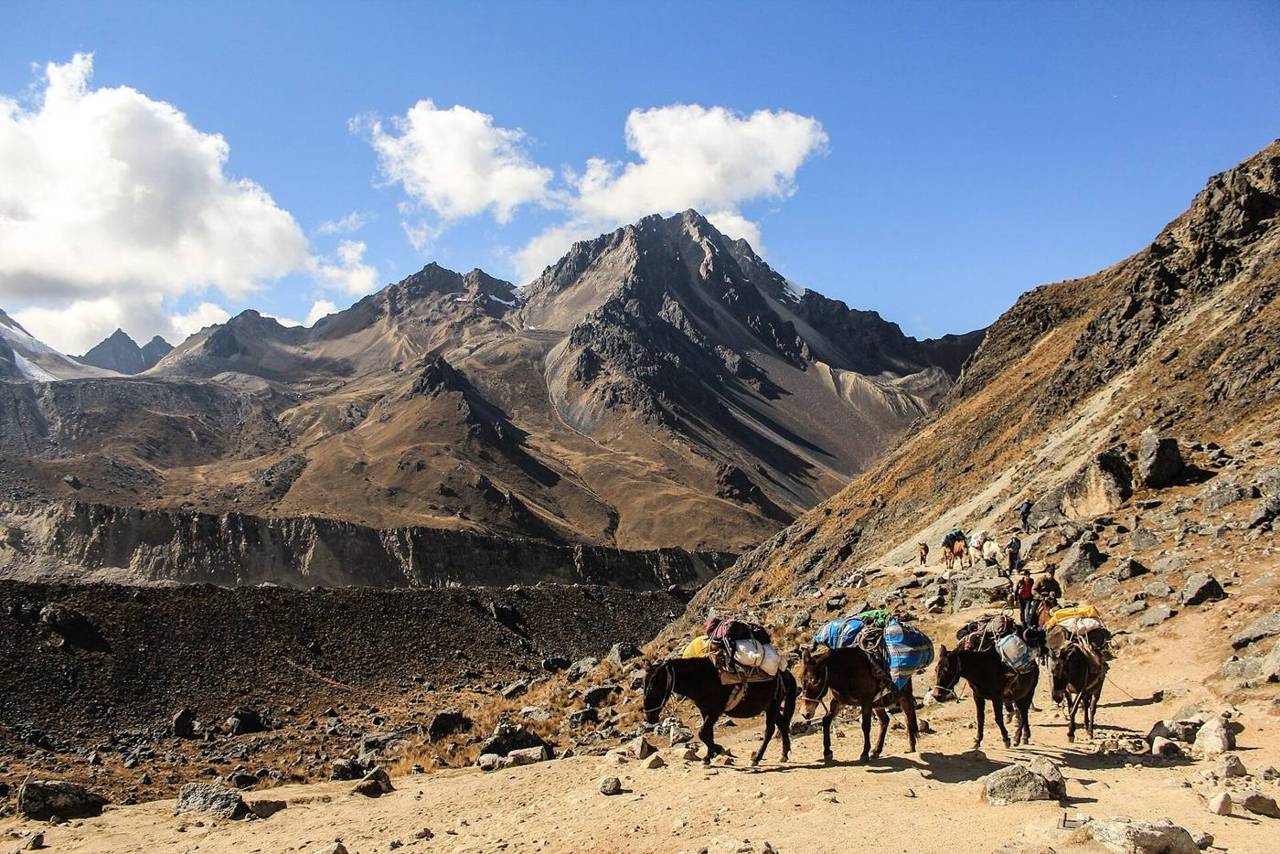
A quiet alternative to the Inca Trail: three days among high lakes, llamas and alpacas and Quechua villages where women weave as they did centuries ago, with the Lares hot springs, then the train from Ollantaytambo and a visit to Machu Picchu.
 5 daysModerate
Huaraz without long treks: Laguna 69 and Chavín
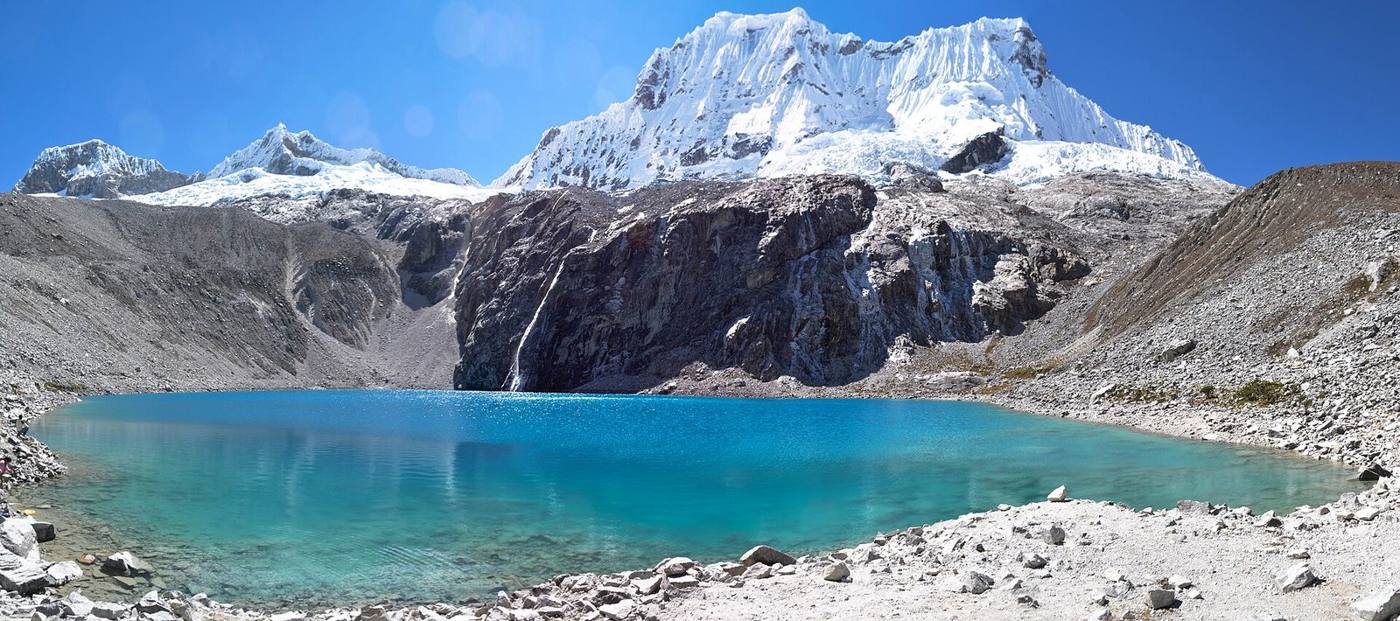
The Cordillera Blanca in day trips, for those who do not want to camp: the turquoise Llanganuco lakes and Laguna 69 under the glaciers, the Pastoruri glacier and the Puya raimondii plants, and the temple of Chavín de Huántar with its underground galleries, a UNESCO World Heritage site.