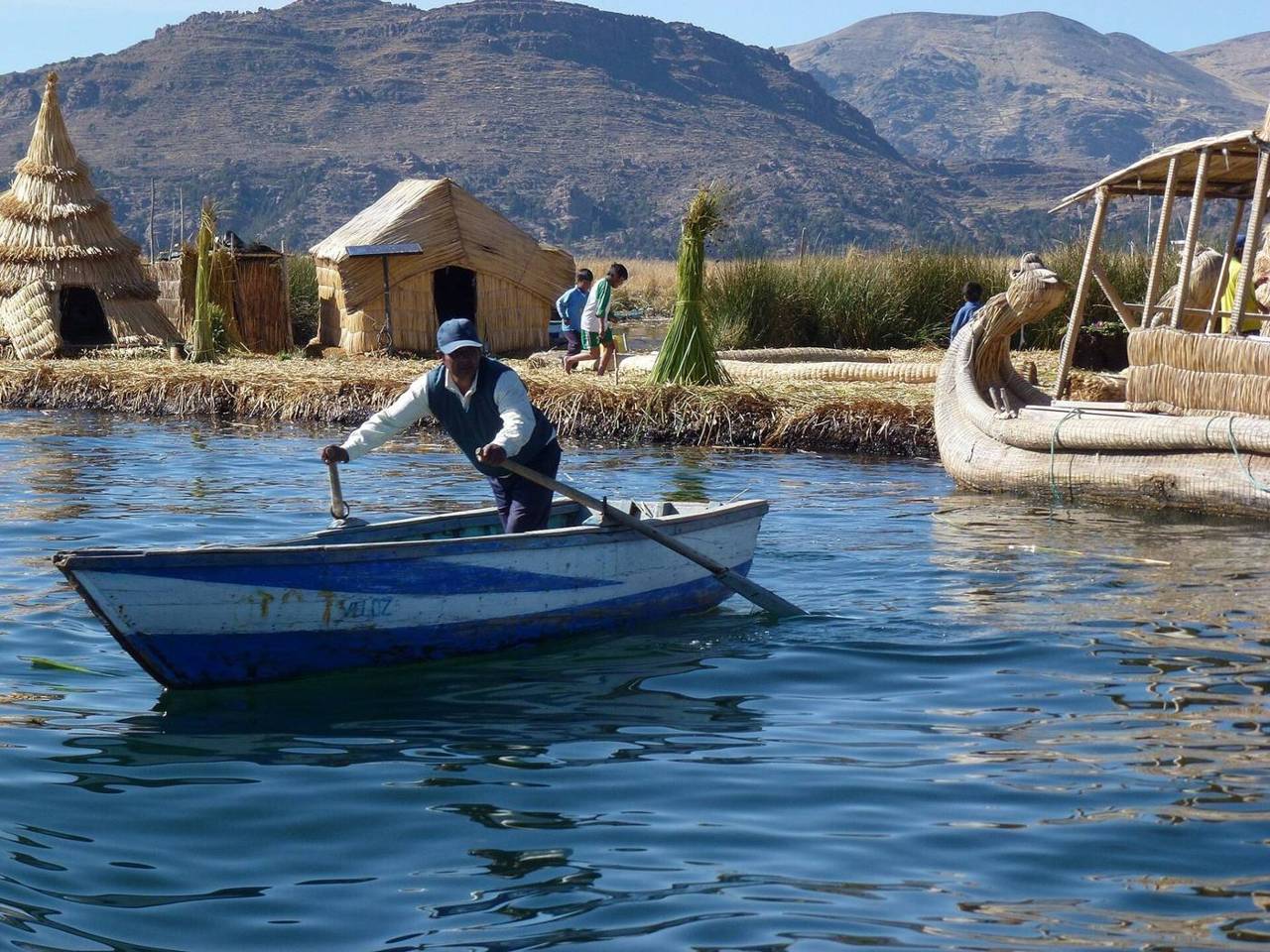
Lake Titicaca in depth
The world's highest navigable lake on the Peruvian side: the floating reed islands of the Uros, Taquile island and its UNESCO-listed textile art, a night with a family on Amantaní, the funerary towers of Sillustani and the Capachica peninsula.
- Puno
- Sillustani
- Uros
- Amantaní
- Taquile
- Capachica
Day by day
- Day 1
Puno and the funerary towers of Sillustani at sunset
EU citizens can enter Peru without a visa for tourism with a passport valid for at least six months; the length of stay, up to a maximum of 183 days, is set on arrival. Check the rules for your nationality.
Lake Titicaca, between Peru and Bolivia, is the highest navigable lake in the world, at about 3,800 metres, more than twenty times the size of Lake Garda, with deep blue water and the snowy peaks of the Cordillera Real on the horizon. According to Inca tradition, the first kings, Manco Cápac and Mama Ocllo, rose from its waters. Quechua and Aymara communities living on its shores and islands keep their language, dress and traditions.
Puno, on the Peruvian shore, is reached by flying to Juliaca, about an hour away by road, or by bus or scenic train from Cusco. It is a trading town known as the capital of Peruvian folklore, with the Candelaria festival in February, one of the largest festivals in South America, with thousands of costumed dancers.
The first day is for adjusting to the altitude: move slowly and drink plenty. In the late afternoon take the trip to Sillustani, about half an hour from Puno on the shore of Lake Umayo, home to the chullpas, great cylindrical stone funerary towers, some over ten metres high, built by the Colla people and later the Incas to bury nobles. At sunset the golden light on the towers and lake is beautiful.
Practical tip: at almost 4,000 metres altitude sickness is common; rest on the first day, avoid alcohol and ask your doctor before leaving whether you need preventive medication.
- Day 2
The floating Uros islands and Amantaní, with a homestay
Early in the morning take the boat from Puno harbour on a two-day trip organised with a local agency or a community tourism association.
The first stop is the floating islands of the Uros, about half an hour from the harbour, some seventy artificial islands built from layers of totora, a reed growing in the lake, which must be added constantly because it rots from below. The inhabitants, descendants of a very ancient lake people, live in reed houses, fish and hunt birds, and show visitors how they build the islands and the totora boats. The experience is very touristy, but it shows a unique way of life.
Then the boat sails for about three hours to Amantaní Island, home to Quechua farming communities, with terraces of potatoes, quinoa and broad beans, no cars and very few shops. On arrival each visitor is assigned to a family, with whom they have lunch, dinner and sleep, in simple mud-brick houses.
In the afternoon you walk up to the two temples on top of the island's hills, Pachamama, mother earth, and Pachatata, father earth, at about 4,100 metres, to watch the sunset over the lake. In the evening the families often hold a party with traditional music and dancing, lending visitors their clothes.
Practical tip: bring a small useful gift for the family, such as fruit, rice or school supplies, and a torch; nights are very cold.
- Day 3
Taquile and back to Puno
In the morning, after breakfast with the family, the boat takes you to Taquile Island, about an hour from Amantaní, a long, narrow island with ancient terraces, stone walls, arches and paths running high above the lake.
Taquile is famous worldwide for its textile art, recognised by UNESCO as intangible cultural heritage. On the island it is the men who knit, even while walking, while the women weave on looms. Clothing shows the wearer's status: the woollen caps called chullo differ for married and single men, and the men's belt, called chumpi, is decorated with a calendar of farming work. In the cooperative shop on the main square you buy textiles directly, at fixed prices.
The island is run by the community, with its own rules and a strong sense of collective life. You walk from the harbour to the square, a climb of about an hour, and have lunch of quinoa soup and lake trout.
In the afternoon the boat returns to Puno in about three hours, with afternoon light on the lake.
In the evening, in Puno, stroll along the pedestrian Jirón Lima to the stone Baroque cathedral on the Plaza de Armas.
Practical tip: you burn very quickly in the Titicaca sun, even when the air is cool; use high-factor sun cream, sunglasses and a hat.
- Day 4
The Capachica peninsula and Llachón, then departure
Today is a quieter, less touristy day on the Capachica peninsula north of Puno, about an hour and a half by car or reachable by boat.
The green, hilly peninsula is home to small Quechua communities that have organised community tourism: families welcome visitors and take them to the fields and into daily activities such as fishing, farming and weaving. The village of Llachón is the best known, with mud houses, flowers, sandy lake beaches and views of the islands.
In the morning walk up to the Auki Carus viewpoint, a sacred hill above the village, with views over the lake in every direction to the mountains of Bolivia. Then, weather permitting, go kayaking on the lake with village guides along the coast to small coves.
For lunch try lake trout cooked by the families, with Andean potatoes, of which Peru has thousands of varieties.
In the afternoon return to Puno or go straight to Juliaca airport for departure, or continue into Bolivia towards Copacabana and the Island of the Sun, crossing the border at Yunguyo or Desaguadero.
Things to take home: Taquile textiles, alpaca scarves and sweaters, woollen caps and small totora objects.
Practical tip: buy textiles from community cooperatives, where the money goes directly to the artisans. Check your government's travel advice: the Puno area sometimes has road blockades during protests.
Best reached by scenic train from Cusco or by bus from Arequipa. Puno is above 3,800 metres: arrive already acclimatised. Nights are freezing, even in family homes. The Uros are very touristy; Amantaní and Capachica are more authentic. Roadblocks sometimes occur near the Bolivian border. The United States keeps Peru at level 2 (caution) and advises against all travel to the VRAEM, the Colombian border area of Loreto and the Abancay, Ayacucho, Huancavelica and Huancayo areas: this itinerary does not go there. Italians need no tourist visa for up to 90 days.
Before you go
- Documents and visa
- Passport with at least six months' validity on arrival; no visa is needed for tourism, up to a maximum of 183 days.
- Health and vaccines
- No compulsory vaccines for Lima and the Andes; yellow fever vaccination is recommended for the Amazon. Beware of altitude sickness in Cusco and the Andes. Emergencies: 105 police, 116 fire.
- Money and payments
- Peruvian sol. Cards work in cities and hotels; in markets, villages and for tips you need cash.
- Power sockets
- Types A and C, 220 volts: you may need an adapter for flat-pin sockets.
- Time zone
- UTC-5 all year: Peru does not use daylight saving time.
- Safety
- The United States rates Peru level 2. Avoid the Apurímac, Ene and Mantaro valley (VRAEM), the Colombian border in Loreto and some rural areas named by governments. Official advice: GOV.UK.
Information checked in November 2026 for Italian and EU citizens. Rules change: always check before you travel.
Variations
In 2 days: the Uros islands and Taquile as a day trip, with a night in Puno and Sillustani at sunset.
In 7 days: continue into Bolivia to Copacabana and the Island of the Sun, or link Titicaca with Cusco on the scenic train across the high plateau.
Frequently asked questions
Do I need a visa for Peru?
EU citizens need no visa for tourism, with a passport valid for at least six months. The length of stay, up to 183 days, is set on arrival.
Is altitude sickness a problem at Titicaca?
Yes, the lake is at about 3,800 metres. Rest on the first day, drink plenty, avoid alcohol and ask your doctor before leaving.
Can you sleep on the islands?
Yes, on Amantaní and Taquile you stay with families through community tourism; houses are simple and nights are cold.
Indicative itinerary written by World Atlas. Before booking, check timetables, seasonal openings, documents and safety.
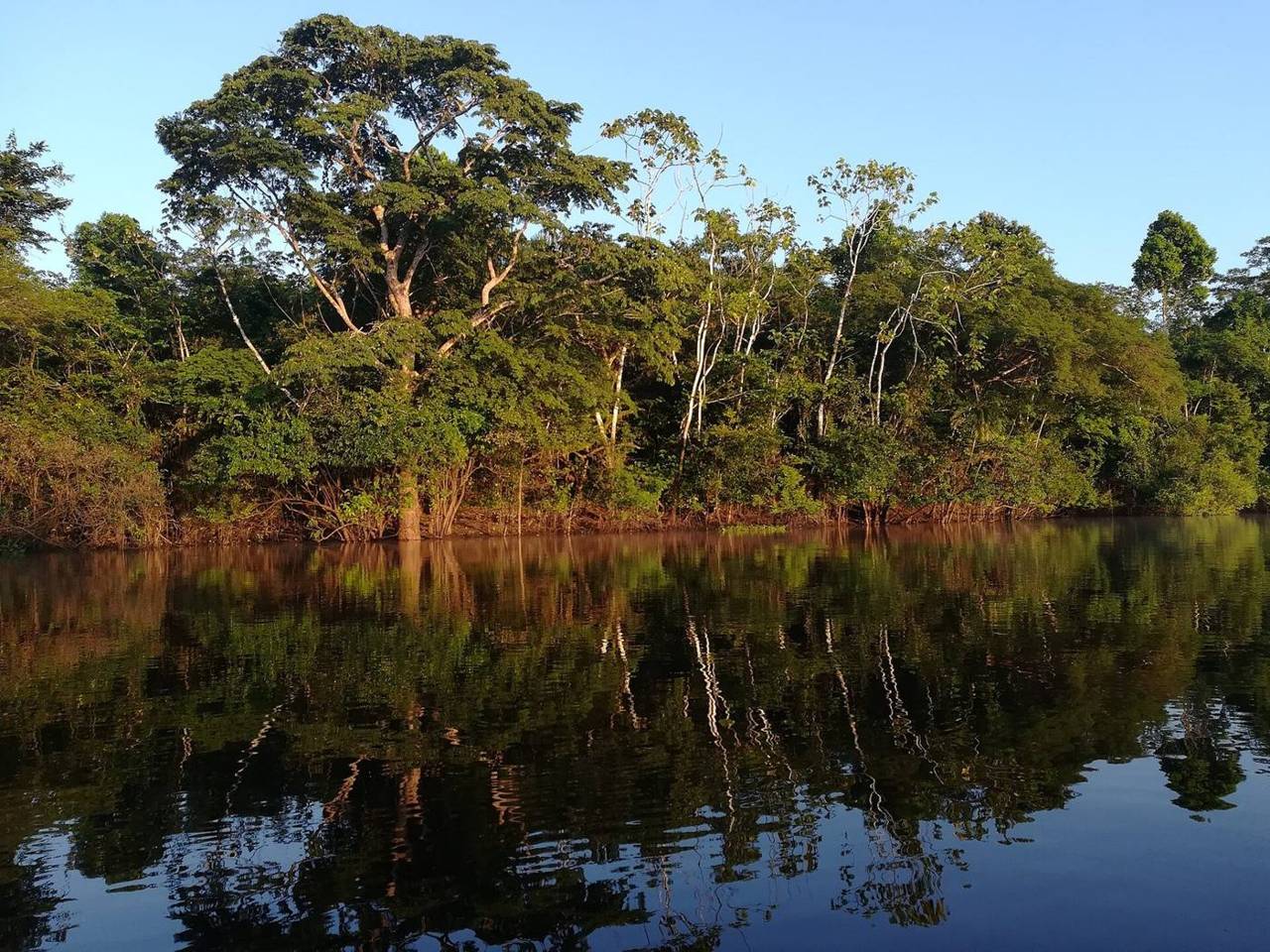 5 daysModerate
Pacaya-Samiria from Iquitos
The flooded Amazon: Iquitos, the largest city in the world unreachable by road, the floating district of Belén, then the Pacaya-Samiria reserve by boat or small river ship, among pink dolphins, monkeys, sloths, giant water lilies and riverside villages.
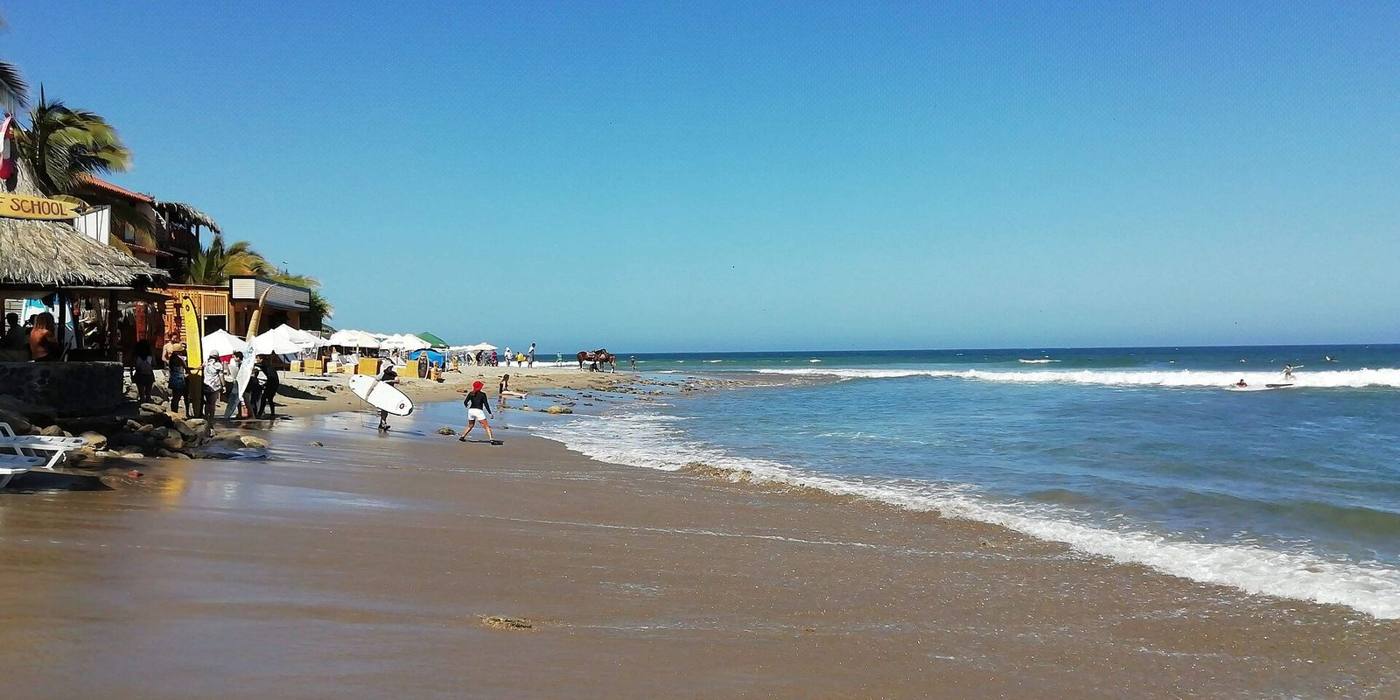 6 daysEasy
Máncora and the north coast
Peru's year-round sunshine: the beaches of Máncora, Vichayito and Punta Sal, surfing and the long waves of Lobitos and Chicama, humpback whales offshore from July to October, the turtles of El Ñuro and the mangroves of Tumbes.
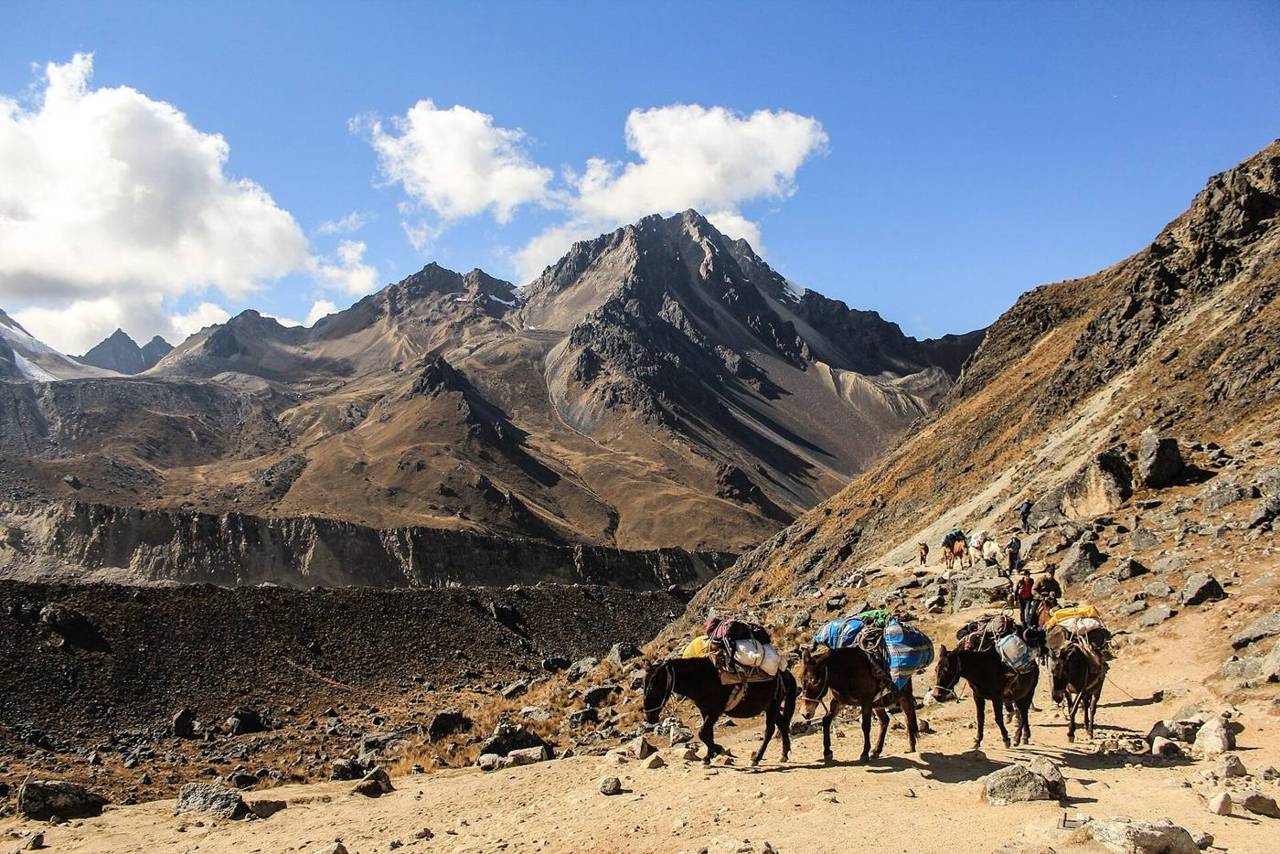 5 daysModerate
Lares trek and weaving villages
A quiet alternative to the Inca Trail: three days among high lakes, llamas and alpacas and Quechua villages where women weave as they did centuries ago, with the Lares hot springs, then the train from Ollantaytambo and a visit to Machu Picchu.