 Vietnam
Bays of stone, terraced rice fields, lively cities and extraordinary food.
Places not to miss
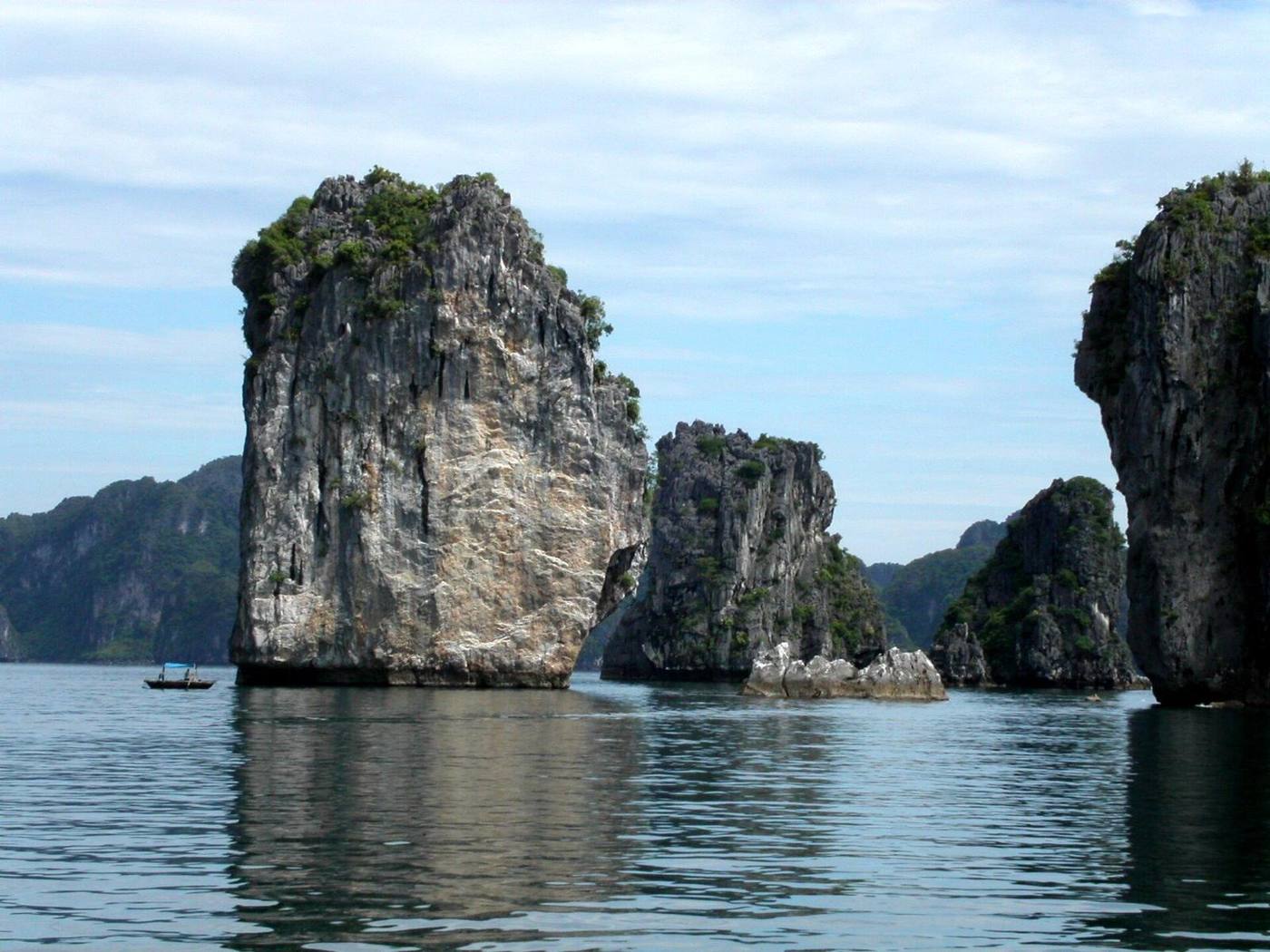
Ha Long Bay
Limestone karsts.
Hanoi
The Old Quarter.
Hoi An
Lanterns.
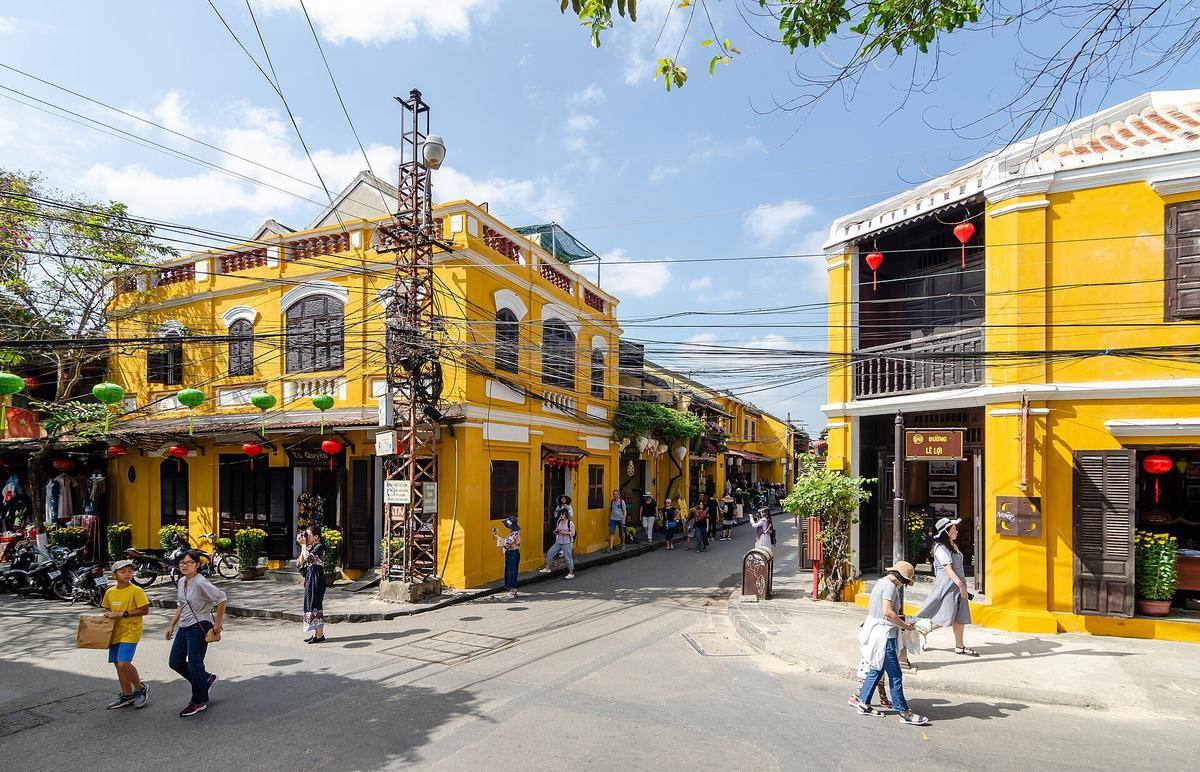
Photo: Steffen Schmitz, CC BY-SA 4.0 Sapa
Rice terraces.
Phong Nha
Gigantic caves.
Mekong Delta
Floating markets.
Nature and wildlife
Langurs, monkeys.
Food and drink
Pho, banh mi, bun cha.
When to go
It varies: north October-April, south December-April.
Did you know?
Son Doong is the largest cave in the world.
Itineraries in Vietnam
Hanoi, Ha Long and Hoi An
The north by boat among the karsts, the lantern town and some of Asia's best street food.
Vietnam from north to south
The Sapa rice terraces, Ha Long, imperial Hue, Hoi An and the Mekong Delta down to Saigon.
Hill tribes and mountains of the North
From the Can Cau and Bac Ha markets to the karst plateau of Dong Van, with Ba Be Lake and a night on the Gulf of Tonkin to finish.
Sapa on foot and the Fansipan climb
Several days walking between Sapa's villages, the highest summit in Indochina if the season allows, then a slow return through the border provinces.
From Angkor to Ha Long Bay
A week in Cambodia among the temples of Angkor and the memory of Phnom Penh, then Vietnam travelled north from the Mekong to Hanoi.
Hill tribes of Vietnam and Laos
Northern Vietnam from Ha Giang to Dien Bien Phu, then across the border to Phongsaly for three days of trekking and the calm of Luang Prabang.
By motorbike on the Ho Chi Minh Trail
Hanoi to Saigon in the saddle, through the interior: Phong Nha, Khe Sanh, the Kon Tum highlands, Dalat and the Cat Tien forest.
Indochina: Cambodia, Vietnam and Laos
Three countries in just over three weeks: Angkor's temples as far as Koh Ker, Vietnam from Saigon to Ha Long, Laos from Vientiane to Luang Prabang.
Karst and caves: Ninh Binh, Phong Nha and Lan Ha
Limestone Vietnam in twelve days: paddies among the pinnacles, the Pu Luong reserve, the caves of Phong Nha and kayaking in Lan Ha Bay.
The Mekong Delta and Phu Quoc
A week on the water among canals, dawn markets and flooded forests up to the Cambodian border, then a few days by the sea on Phu Quoc.
Hanoi in depth
The capital at a gentle pace: the Old Quarter of the 36 streets, Hoan Kiem Lake, the Temple of Literature, the Ho Chi Minh Mausoleum, the Museum of Ethnology, the water puppet theatre and street food, from pho to bun cha.
The Ha Giang Loop
The limestone mountains of the far north: Ma Pi Leng Pass above the Nho Que river canyon, the terraces of Hoang Su Phi, Hmong and Lo Lo villages, the Hmong king's palace at Sa Phin and weekend markets, travelled with a motorbike driver.
Ba Be and the Ban Gioc Falls
The green, little-visited northeast: Ba Be Lake among karst mountains, with Tay stilt houses and Puong Cave crossed by the river, then Cao Bang, Nguom Ngao Cave and the Ban Gioc Falls, among the widest in Asia.
Hue, the Imperial City and the DMZ
The former Nguyen capital, a UNESCO World Heritage site: the Imperial City inside the citadel, the emperors' tombs along the Perfume River, Thien Mu Pagoda, and the wartime demilitarised zone with the Vinh Moc tunnels.
Hoi An in depth and My Son
The merchant port of Hoi An, a UNESCO World Heritage site, with Chinese and Japanese merchants' houses, the covered bridge and lanterns at night, countryside villages by bike, An Bang beach and the Cham ruins of My Son in the jungle.
Quy Nhon and the central coast
Vietnam's less crowded seaside: the beaches and bays of Quy Nhon, the Cham towers of Banh It and Doi, the fishing village of Eo Gio, Ky Co with its turquoise water and, further south, the volcanic rocks of Ganh Da Dia at Tuy Hoa.
Da Lat and the Central Highlands
The French hill town at 1,500 metres: colonial villas, the Art Deco station, Xuan Huong Lake, coffee and flower plantations, waterfalls and Mount Langbiang, with a cool climate all year round.
The Con Dao Islands
An almost untouched archipelago in the South China Sea: empty beaches, a marine national park where green turtles lay their eggs, forested hills and the grim history of colonial and wartime prisons.
Saigon in depth and Cu Chi
Ho Chi Minh City, the southern metropolis: the French cathedral and post office, the War Remnants Museum, the Reunification Palace, Chinatown in Cholon, Ben Thanh market, street food and the Cu Chi tunnels dug during the war.
Mui Ne and the dunes
The desert by the southern sea: the white and red dunes of Mui Ne at dawn, the Fairy Stream flowing between red rocks, the fishing-boat harbour, wind for kitesurfing and the Cham towers of Po Shanu.
Practical guide to Vietnam
- Documents
- Italian, French and several other European citizens enter without a visa for tourist stays of up to 45 days, an exemption valid until 14 March 2028; check the rule for your own nationality. Your passport must have at least six months' validity remaining. For longer stays you need an e-visa, applied for only on the official Vietnamese government portal, avoiding intermediary websites.
- Safety
- A safe country for travellers. The most common problems are snatch thefts from scooters in the big cities, petty overcharging and chaotic traffic. From July to December typhoons and floods mainly hit the centre and north: follow local alerts. Some rural areas still contain unexploded wartime ordnance; stay on marked paths. Official advice: GOV.UK.
- Getting around
- Between Hanoi, Da Nang and Ho Chi Minh City flying is best; the coastal train is slow but scenic. In cities use ride-hailing apps for cars and motorbikes, with the fare fixed in advance. Foreign driving licences are not valid without the required permits: check before renting a motorbike or car.
- Verified costs
- We do not give a single daily figure. Certain costs in 2026: the Hoi An old town ticket for foreigners costs 120,000 dong, valid during a stay of up to three days (source Hoi An Heritage); My Son Sanctuary costs 150,000 dong for foreigners (source Da Nang Fantasticity). Markets and small shops need cash.
Climate month by month
Average minimum and maximum temperatures in Hanoi, Da Nang and Ho Chi Minh City, plus average rainfall in Da Nang, showing the central rainy season from September to December. The north has a cool winter, the south is hot all year.
- January
- Hanoi 14 / 20 °C · Da Nang 19 / 25 °C · Ho Chi Minh City 22 / 32 °C · Da Nang rain 85 mm
- February
- Hanoi 16 / 22 °C · Da Nang 20 / 26 °C · Ho Chi Minh City 23 / 33 °C · Da Nang rain 25 mm
- March
- Hanoi 18 / 24 °C · Da Nang 22 / 28 °C · Ho Chi Minh City 24 / 34 °C · Da Nang rain 20 mm
- April
- Hanoi 22 / 28 °C · Da Nang 24 / 31 °C · Ho Chi Minh City 26 / 35 °C · Da Nang rain 35 mm
- May
- Hanoi 24 / 32 °C · Da Nang 25 / 34 °C · Ho Chi Minh City 25 / 35 °C · Da Nang rain 85 mm
- June
- Hanoi 26 / 34 °C · Da Nang 26 / 35 °C · Ho Chi Minh City 25 / 33 °C · Da Nang rain 90 mm
- July
- Hanoi 26 / 34 °C · Da Nang 25 / 35 °C · Ho Chi Minh City 24 / 33 °C · Da Nang rain 85 mm
- August
- Hanoi 26 / 33 °C · Da Nang 25 / 34 °C · Ho Chi Minh City 24 / 33 °C · Da Nang rain 115 mm
- September
- Hanoi 25 / 32 °C · Da Nang 24 / 32 °C · Ho Chi Minh City 24 / 32 °C · Da Nang rain 310 mm
- October
- Hanoi 22 / 30 °C · Da Nang 23 / 30 °C · Ho Chi Minh City 24 / 32 °C · Da Nang rain 650 mm
- November
- Hanoi 19 / 26 °C · Da Nang 22 / 28 °C · Ho Chi Minh City 23 / 32 °C · Da Nang rain 430 mm
- December
- Hanoi 15 / 22 °C · Da Nang 20 / 25 °C · Ho Chi Minh City 22 / 32 °C · Da Nang rain 215 mm
Source: Climats et Voyages (temperatures 1991-2020; for rainfall the period is not stated). Data and prices checked in November 2026.
Where to go and where not to
There are no particular warnings beyond normal precautions; before booking, always check up-to-date official travel advice, because the situation can change.