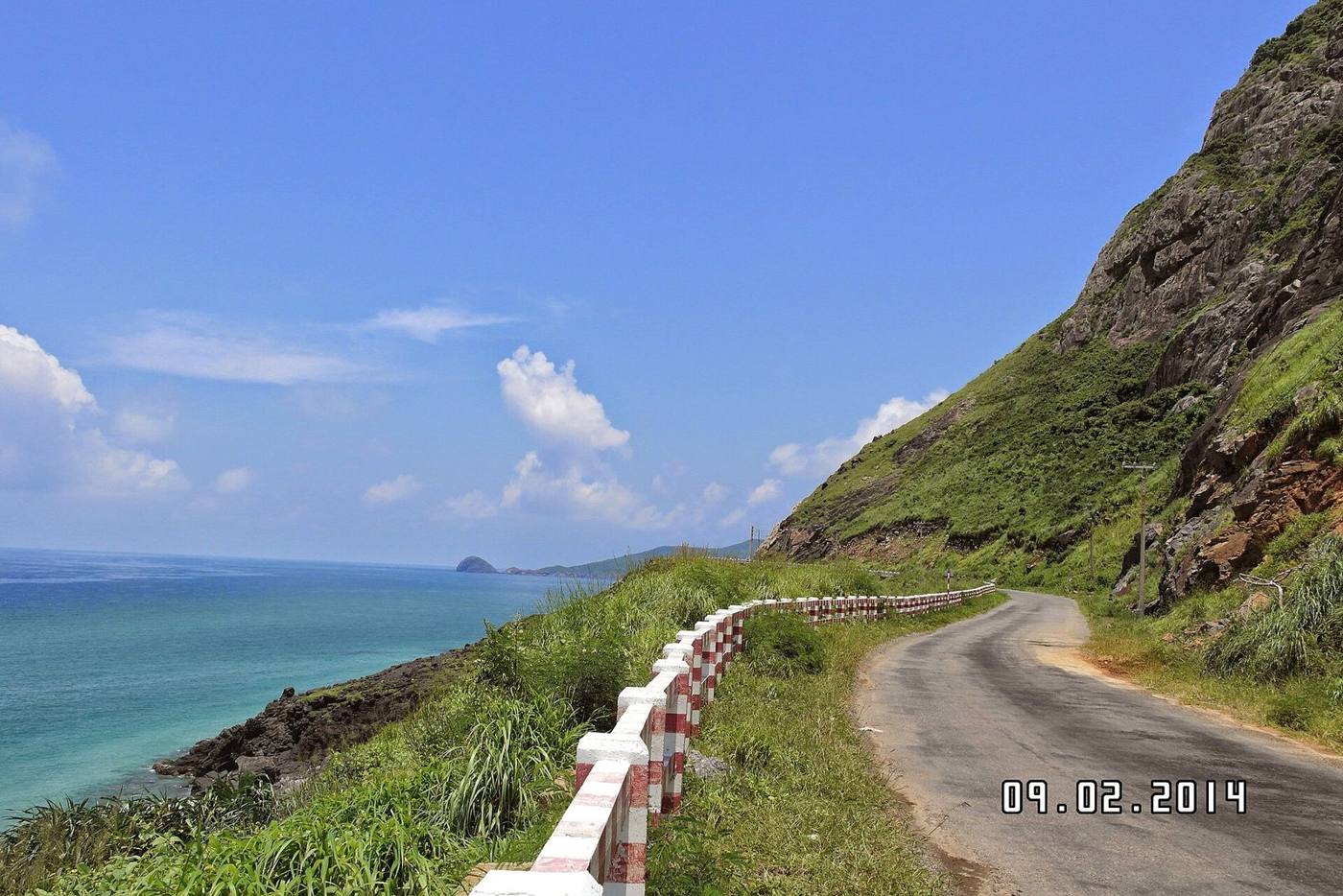
The Con Dao Islands
An almost untouched archipelago in the South China Sea: empty beaches, a marine national park where green turtles lay their eggs, forested hills and the grim history of colonial and wartime prisons.
- Saigon
- Con Son
- Hon Bay Canh
- Dam Trau
Day by day
- Day 1
The flight from Saigon to Con Son, the museum and the prisons
The Con Dao archipelago, in the South China Sea about 230 kilometres off Vietnam's southern coast, is a group of sixteen mountainous, forested islands with almost empty beaches, coral reefs and sea turtles. Yet for over a century it was the most feared place in the country: here the French and later the South Vietnamese government imprisoned tens of thousands of political opponents. Today it is a peaceful national park and a place of memory. Italian citizens can enter Vietnam without a visa for up to 45 days, an exemption valid until 14 March 2028; for longer stays there is an e-visa.
In the morning fly from Ho Chi Minh City, old Saigon, to Con Son, the main island, in about an hour on small planes. As you land you see green mountains dropping into a turquoise sea.
In the afternoon visit the Con Dao museum, in the former French governor's palace, which tells the history of the prisons, and then the prisons themselves, built from 1862: the large halls of Phu Hai, where hundreds of prisoners slept in chains, and the famous tiger cages, roofless cells covered with grilles from which guards watched and punished the prisoners. Mannequins and documents show the harsh conditions. The museums follow the official Vietnamese account, but the places speak for themselves.
In the evening visit Hang Duong cemetery, where thousands of prisoners are buried; at midnight many Vietnamese come on pilgrimage to the grave of Vo Thi Sau, a young heroine of the resistance, with incense and flowers.
Practical tip: at the memorial sites dress modestly and speak quietly.
- Day 2
Dam Trau beach and the national park trails
In the morning go to Dam Trau beach at the northern tip of the island, near the airport: a crescent bay of pale sand surrounded by forested hills and rocks, with calm, clear water. It is one of Vietnam's most beautiful beaches; a curious sight is planes landing low over the bay. Swim and snorkel near the rocks.
In the afternoon explore Con Dao National Park on foot, which protects much of the islands and the surrounding sea. Trails cross tropical forest to isolated bays and viewpoints. An easy path leads to Ong Dung bay on the west coast through the forest, with giant trees, vines, butterflies and sometimes macaques; another climbs to the So Ray plateau, with a viewpoint over the island and the sea, where groups of monkeys live. For some trails you must inform the park office, which can provide a guide.
Towards evening hire a scooter and ride the scenic coast road between Con Son and the village of Ben Dam, with bends high above the sea and the sunset over the islands.
In the evening eat fish and seafood at the small eateries on Con Son's seafront, such as grilled scallops and crab.
Practical tip: some park trails and beaches require an entry ticket or permit; ask at the park office in town.
- Day 3
A boat to Hon Bay Canh, snorkelling and turtles
In the morning join a boat trip run by the park or a licensed operator to the smaller islands of the archipelago, such as Hon Bay Canh, about an hour away. It is a green island with white sand beaches, an old French lighthouse on the hilltop and reefs all around. You snorkel over the corals among parrotfish, rays and, with luck, turtles in the water.
Con Dao is Vietnam's most important nesting site for green turtles. From May to October, peaking in July and August, females come ashore at night on the beaches of the protected islands to dig nests and lay eggs. During the season the park runs, with limited places, overnight observation trips to Hon Bay Canh with the rangers: you sleep at the park station and at night watch a turtle laying eggs or release newly hatched turtles into the sea. It is a rare experience, to be booked ahead, with strict rules: no bright lights, no flash, silence.
Out of season take a boat trip to Hon Cau or Hon Tre Lon for snorkelling and a beach lunch.
In the evening, if you are not staying on the island, return to Con Son.
Practical tip: boat trips depend on the sea; from October to February the north-east wind often makes the sea rough.
- Day 4
A last morning on the island and the flight back
In the morning, before your flight, take a last walk around Con Son, the small town on the main island, with its tree-lined seafront, old yellow French colonial houses, the morning market selling fish, tropical fruit and cashews, and the fishermen's jetty with its colourful boats.
If you have time, visit the temple of Lady Phi Yen, an eighteenth-century concubine who, according to legend, died on the island after being unjustly accused: one of the islanders' most cherished places of devotion. Or take a last swim at Ong Dung or Lo Voi beach near town.
In the afternoon take the flight back to Ho Chi Minh City, about an hour; alternatively there are fast ferries to the mainland, with ports at Vung Tau and in the Mekong Delta, but the crossing is long and the sea can be rough.
Things to take home: the island's cashews and sea almonds, fish sauce and shell handicrafts.
Practical tip: Con Dao has few cash machines; bring dong in cash from the mainland. If your flight is late in the afternoon, ride a scooter up to the pass above town on the road to Dam Trau, from where you see the whole bay of Con Son with the islands in front: a good spot for a last photo and a moment of quiet before returning to the noise of Saigon. Remember to return the scooter with a full tank, and leave time to reach the small airport.
For those seeking sea and silence. A night on the turtle island can only be arranged with the park rangers, with limited places, usually from May to October. The prisons tell a heavy story. Italians enter without a visa for up to 45 days (exemption valid until 14 March 2028), with a passport valid for at least six months; longer stays need the 90-day e-visa.
Before you go
- Documents and visa
- Passport with at least six months' validity remaining. Italian, French and several other European citizens need no visa for tourism up to 45 days, an exemption valid until 14 March 2028; otherwise use the e-visa from the official portal.
- Health and vaccines
- No compulsory vaccines. Protect yourself against mosquitoes because of dengue; drink only bottled water. Emergencies: 113 police, 114 fire, 115 ambulance.
- Money and payments
- Vietnamese dong. Cards and QR code payments are widespread in cities; in markets, villages and for small purchases you need cash.
- Power sockets
- Types A and C, among others, 220 volts: a universal adapter is useful.
- Time zone
- UTC+7 all year: Vietnam does not use daylight saving time.
- Safety
- A safe country for travellers. In big cities beware of snatch thefts from scooters; from July to December typhoons and floods hit the centre and north. Official advice: GOV.UK.
Information checked in November 2026 for Italian and EU citizens. Rules change: always check before you travel.
Variations
In 3 days: the museum and prisons on day one, Dam Trau and the park on day two, Hon Bay Canh on day three.
In 8 days: combine Con Dao with the Mekong Delta or a few days in Saigon and Cu Chi.
Frequently asked questions
When can you see turtles?
From May to October, peaking in July and August; overnight observation trips with the rangers must be booked ahead and have limited places.
What documents do I need?
A passport; Italian citizens can enter without a visa for up to 45 days, an exemption valid until 14 March 2028.
When is the best time to go?
From March to September the sea is usually calmer; between October and February the wind can make boat trips difficult.
Indicative itinerary written by World Atlas. Before booking, check timetables, seasonal openings, documents and safety.
 4 daysEasy
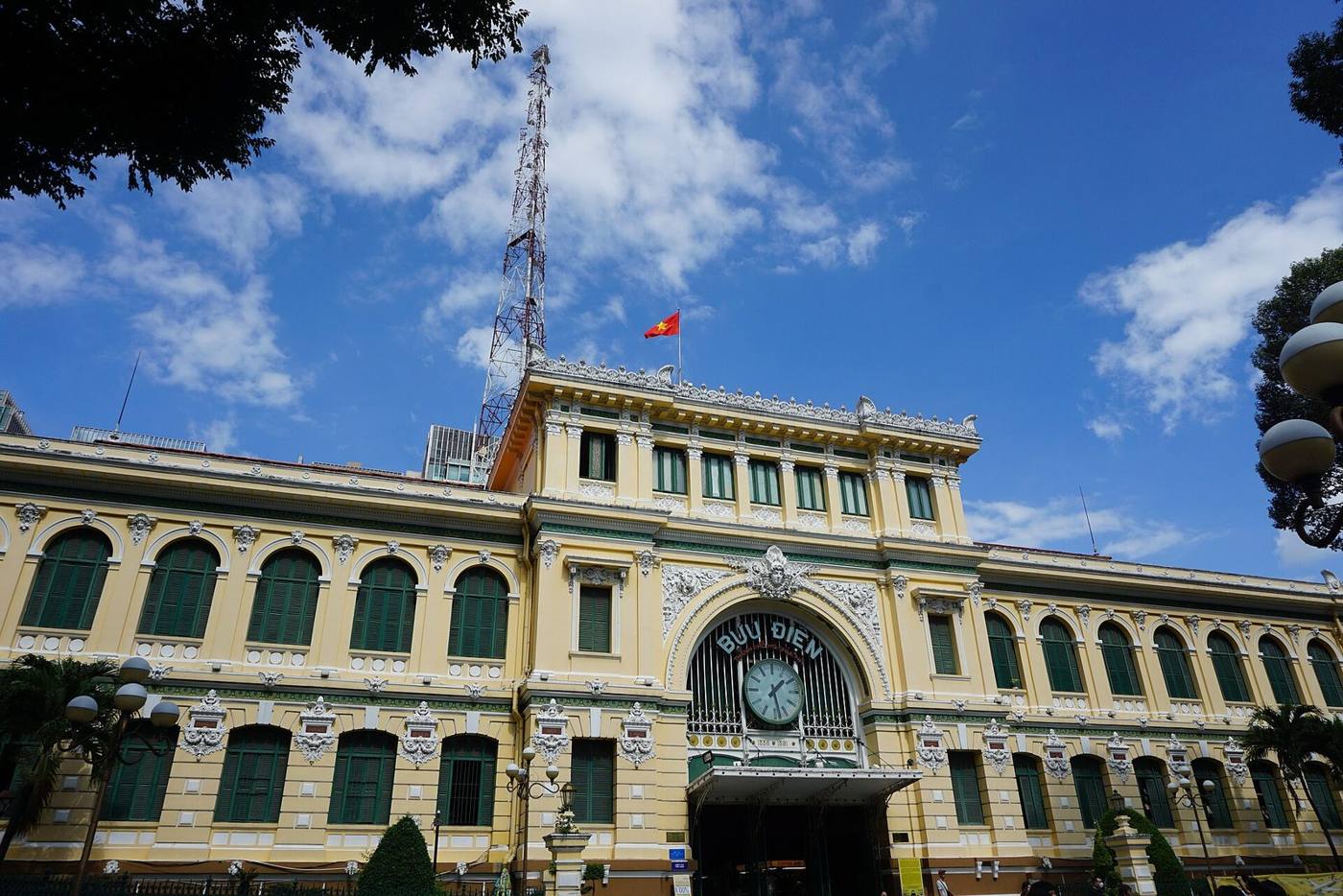
Saigon in depth and Cu Chi
Ho Chi Minh City, the southern metropolis: the French cathedral and post office, the War Remnants Museum, the Reunification Palace, Chinatown in Cholon, Ben Thanh market, street food and the Cu Chi tunnels dug during the war.
 4 daysEasy
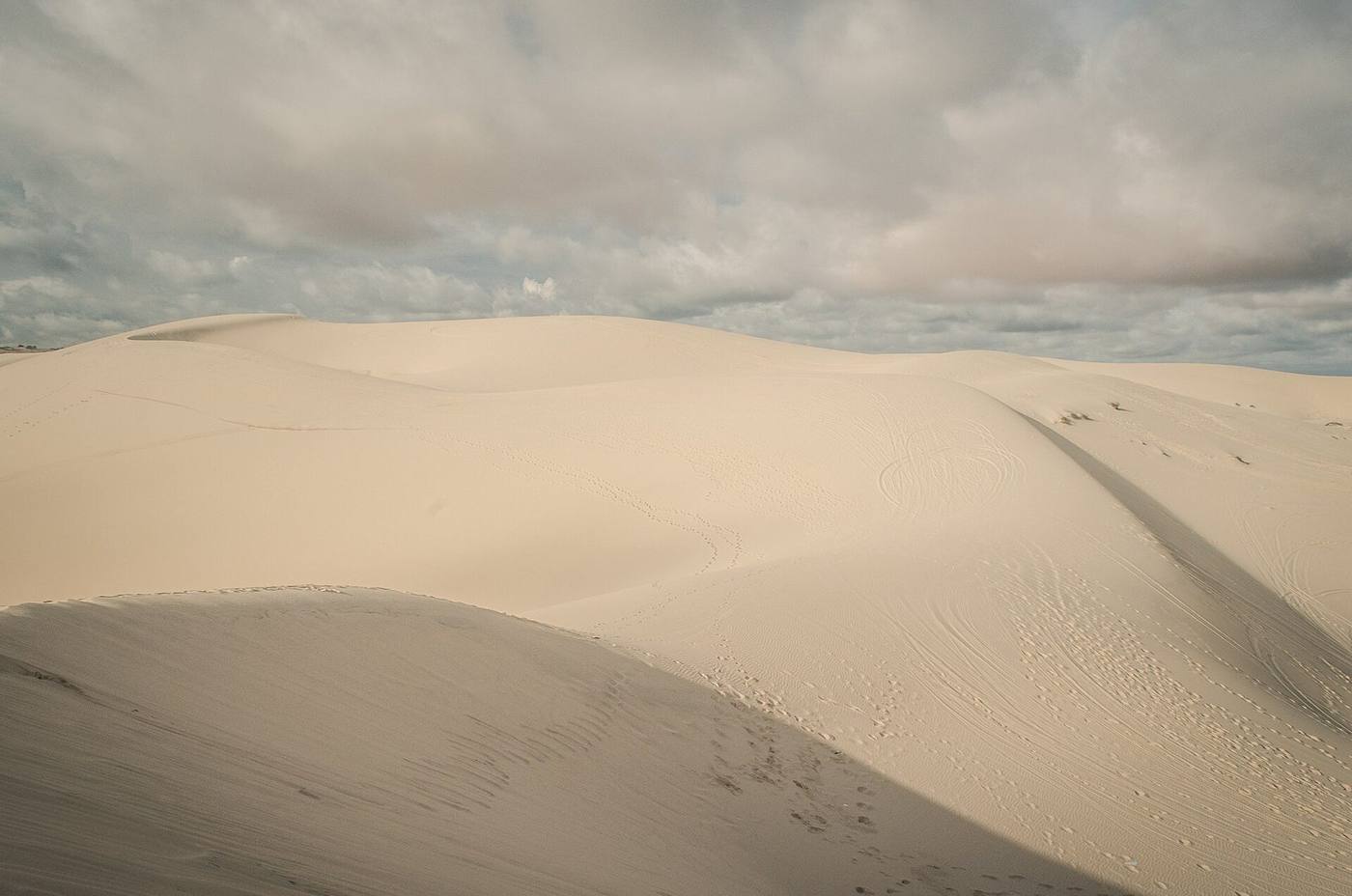
Mui Ne and the dunes
The desert by the southern sea: the white and red dunes of Mui Ne at dawn, the Fairy Stream flowing between red rocks, the fishing-boat harbour, wind for kitesurfing and the Cham towers of Po Shanu.
 17 daysModerate
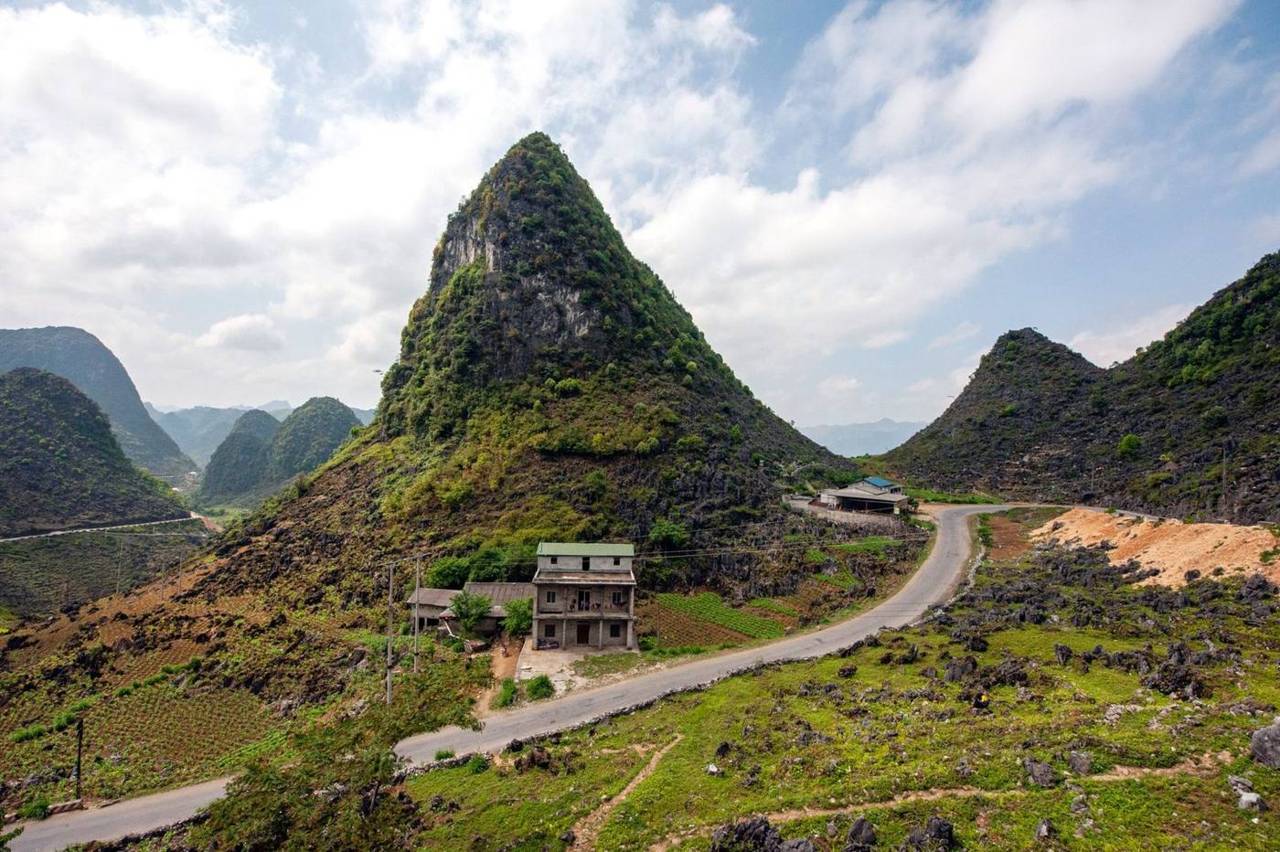
Hill tribes and mountains of the North
From the Can Cau and Bac Ha markets to the karst plateau of Dong Van, with Ba Be Lake and a night on the Gulf of Tonkin to finish.