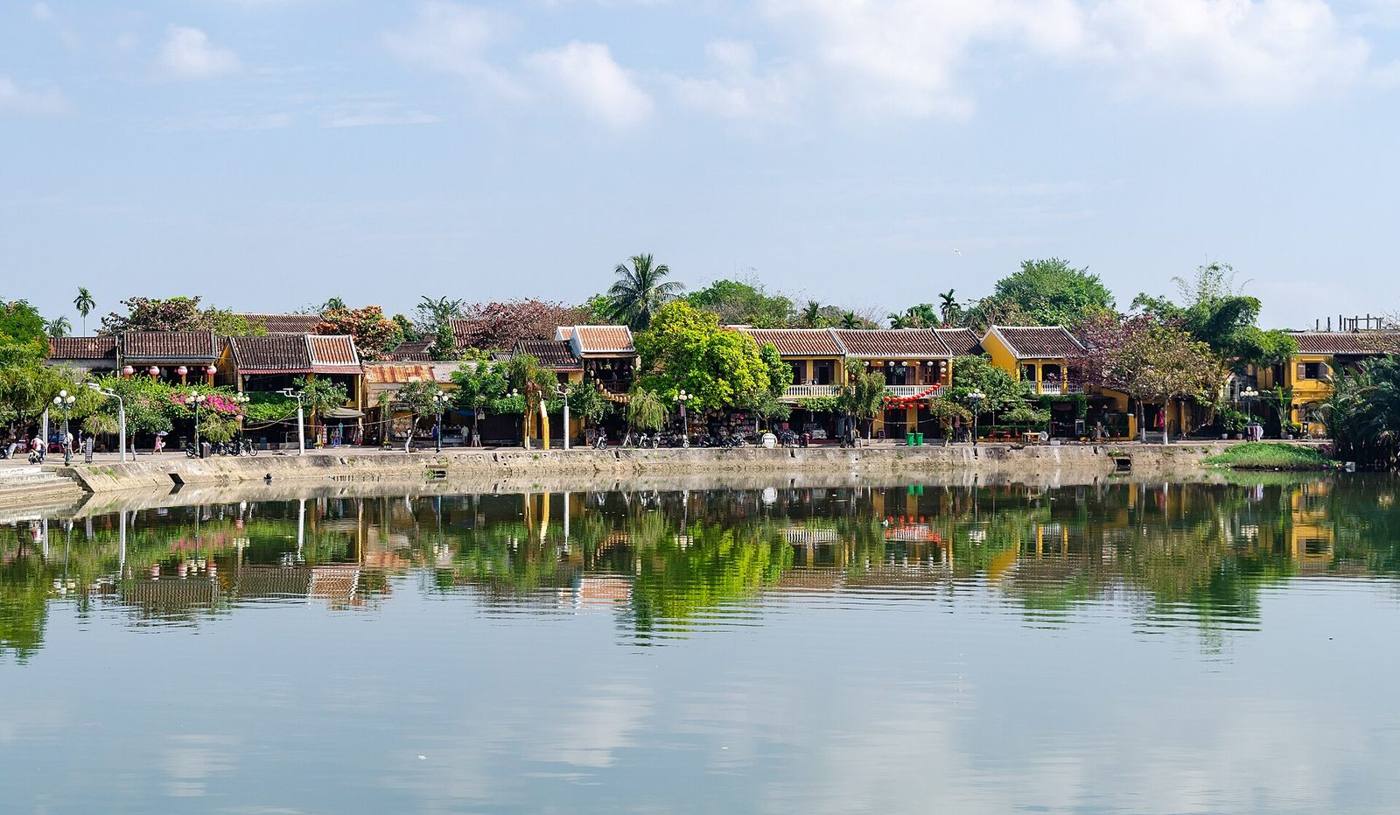
Hoi An in depth and My Son
The merchant port of Hoi An, a UNESCO World Heritage site, with Chinese and Japanese merchants' houses, the covered bridge and lanterns at night, countryside villages by bike, An Bang beach and the Cham ruins of My Son in the jungle.
- Hoi An
- My Son
- Tra Que
- An Bang
Day by day
- Day 1
The old town, the Japanese Bridge and the lanterns at night
To enter Vietnam you need a passport valid for at least six months; citizens of several EU countries, including Italy, need no visa for tourist stays of up to forty-five days under rules in force until 14 March 2028. Check the rules for your nationality.
Hội An, on the central coast of Vietnam at the mouth of the Thu Bồn River, was between the sixteenth and nineteenth centuries one of the most important trading ports in Southeast Asia, where Chinese, Japanese, Dutch and Portuguese ships called. When the river silted up and trade moved to Đà Nẵng, the town fell asleep, and its centre of wooden houses and foreign community halls survived almost intact: today it is a UNESCO World Heritage site. Đà Nẵng airport is about forty-five minutes away.
In the morning buy the old town ticket, which costs 120,000 dong for foreigners and allows entry to a choice of monuments. Cross the seventeenth-century Japanese covered bridge, the town's symbol, with a small temple inside, recently restored. Visit one of the merchants' houses, with carved wooden beams, inner courtyards and signs in Chinese characters, and the assembly halls where Chinese communities from different provinces met and prayed, with altars, dragons and incense coils hanging from the ceiling.
In the afternoon stroll the yellow streets of the old town, among tailors' shops where clothes are made to measure in a day, lantern workshops and the riverside market.
In the evening the town lights up with hundreds of colourful silk lanterns. On the river you can float small paper lanterns with a candle for good luck.
Practical tip: the old town is pedestrianised at certain hours and easily explored on foot; in the evening the riverside is very crowded.
- Day 2
My Son at dawn and a cooking class
Before dawn set off for My Son, about forty kilometres west of Hội An, in a valley ringed by jungle-covered hills at the foot of the mountain called Hòn Quap. Between the fourth and thirteenth centuries it was the most important sanctuary of the Champa kingdom, a Hindu people of seafarers and traders who dominated Vietnam's central coast. There are remains of dozens of red brick temples, dedicated mainly to the god Shiva, built with a technique of fitted bricks without visible mortar that is still partly a mystery, with sculptures of deities, dancers and animals. Many temples were destroyed by bombing during the Vietnam War: bomb craters are still visible. The site is a UNESCO World Heritage site.
The ticket for foreigners costs 150,000 dong. Arriving at opening time, you visit in the dawn light with mist on the hills, before the heat and the groups. A small museum at the entrance tells the story of the Cham people, whose descendants still live in southern Vietnam.
In the afternoon, back in Hội An, join a cooking class, which usually begins with a market visit to buy herbs and vegetables, sometimes with a ride in a round bamboo basket boat among the water palms. You learn the town's typical dishes, such as cao lầu, thick rice noodles with pork and herbs, which tradition says can only be made with water from one of the town's wells, bánh xèo, a crispy crêpe with shrimp, and fresh spring rolls.
In the evening try Hội An bánh mì, the Vietnamese sandwich, considered among the best in the country.
Practical tip: My Son is very hot and humid; bring water, a hat and repellent.
- Day 3
Cycling through the rice fields, Trà Quế village and An Bàng beach
In the morning rent a bicycle and ride out of the old town through green rice paddies and ponds, where you see buffalo, herons and farmers in conical hats. The countryside around Hội An is flat and easy to explore by bike, with small lanes between the fields.
Reach the village of Trà Quế, about three kilometres north, famous for its herb and vegetable gardens, farmed for centuries using a traditional method: farmers fertilise the soil with seaweed from the nearby river, which makes the herbs especially fragrant. You can watch farmers at work, carrying water in two watering cans hung from a pole across their shoulders, and in some homes you can join in the gardening and eat with the family.
In the afternoon continue to An Bàng beach, about five kilometres from the old town, a long pale sand beach on the South China Sea with palms, fishermen's round boats and beach bars. The sea is calm from April to September; in the rainy season the waves are strong. A little further south is Cửa Đại beach, partly eroded by the sea in recent years.
In the evening return to town and dine by the river, watching the lit boats.
Practical tip: at the beach swim only where there are lifeguards, as currents can be strong.
- Day 4
The Chàm Islands or the Marble Mountains, and departure from Đà Nẵng
In the morning choose between two trips, depending on the season.
From March to September, when the sea is calm, take a speedboat from Cửa Đại harbour to the Chàm Islands, a small archipelago about fifteen kilometres off the coast, part of a UNESCO biosphere reserve with a protected marine area. On the main island, Hòn Lao, there is a fishing village with a small pagoda and an ancient well, and beaches with clear water and coral where you can snorkel among colourful fish. Plastic bags are banned on the island.
From October to February, or if you prefer to stay on land, visit the Marble Mountains, five hills of marble and limestone between Hội An and Đà Nẵng, each dedicated to one of the five elements: water, wood, fire, metal and earth. The largest, Water Mountain, is climbed by stairways or a lift, and has caves, pagodas, Buddha statues carved into the rock and viewpoints over the coast. Huyền Không cave is an enormous cavern lit by an opening in the roof, with altars and statues. At the foot of the mountains are the workshops of marble sculptors.
In the afternoon reach Đà Nẵng airport, about forty-five minutes from Hội An, with flights to Hanoi, Ho Chi Minh City and several Asian cities.
Things to take home: folding silk lanterns, tailor-made clothes, handmade leather shoes, Vietnamese coffee and Thanh Hà pottery.
Practical tip: check your government's travel advice before leaving. From October to December Hội An can flood.
One of the most beautiful small towns in Asia, but very touristy in the evening. The old town ticket gives access to some historic houses. In October and November the streets by the river often flood. Tailors need a day or two. Italians enter without a visa for up to 45 days (exemption valid until 14 March 2028), with a passport valid for at least six months; longer stays need the 90-day e-visa.
Before you go
- Documents and visa
- Passport with at least six months' validity remaining. Italian, French and several other European citizens need no visa for tourism up to 45 days, an exemption valid until 14 March 2028; otherwise use the e-visa from the official portal.
- Health and vaccines
- No compulsory vaccines. Protect yourself against mosquitoes because of dengue; drink only bottled water. Emergencies: 113 police, 114 fire, 115 ambulance.
- Money and payments
- Vietnamese dong. Cards and QR code payments are widespread in cities; in markets, villages and for small purchases you need cash.
- Power sockets
- Types A and C, among others, 220 volts: a universal adapter is useful.
- Time zone
- UTC+7 all year: Vietnam does not use daylight saving time.
- Safety
- A safe country for travellers. In big cities beware of snatch thefts from scooters; from July to December typhoons and floods hit the centre and north. Official advice: GOV.UK.
Information checked in November 2026 for Italian and EU citizens. Rules change: always check before you travel.
Variations
In 2 days: the old town on day one, My Son at dawn and cycling through the rice fields on day two.
In 8 days: combine with Huế and the Imperial City, or Đà Nẵng and the Bà Nà Hills.
Frequently asked questions
What do I need to enter Vietnam?
A passport valid for at least six months; citizens of several EU countries, including Italy, need no visa for up to forty-five days under rules in force until 14 March 2028. Check the rules for your nationality.
How much are the Hội An and My Son tickets?
The Hội An old town ticket costs 120,000 dong for foreigners; the My Son ticket 150,000 dong.
When is the best time for Hội An?
February to August; October to December is the rainy season, with possible flooding in the old town.
Indicative itinerary written by World Atlas. Before booking, check timetables, seasonal openings, documents and safety.
 5 daysEasy
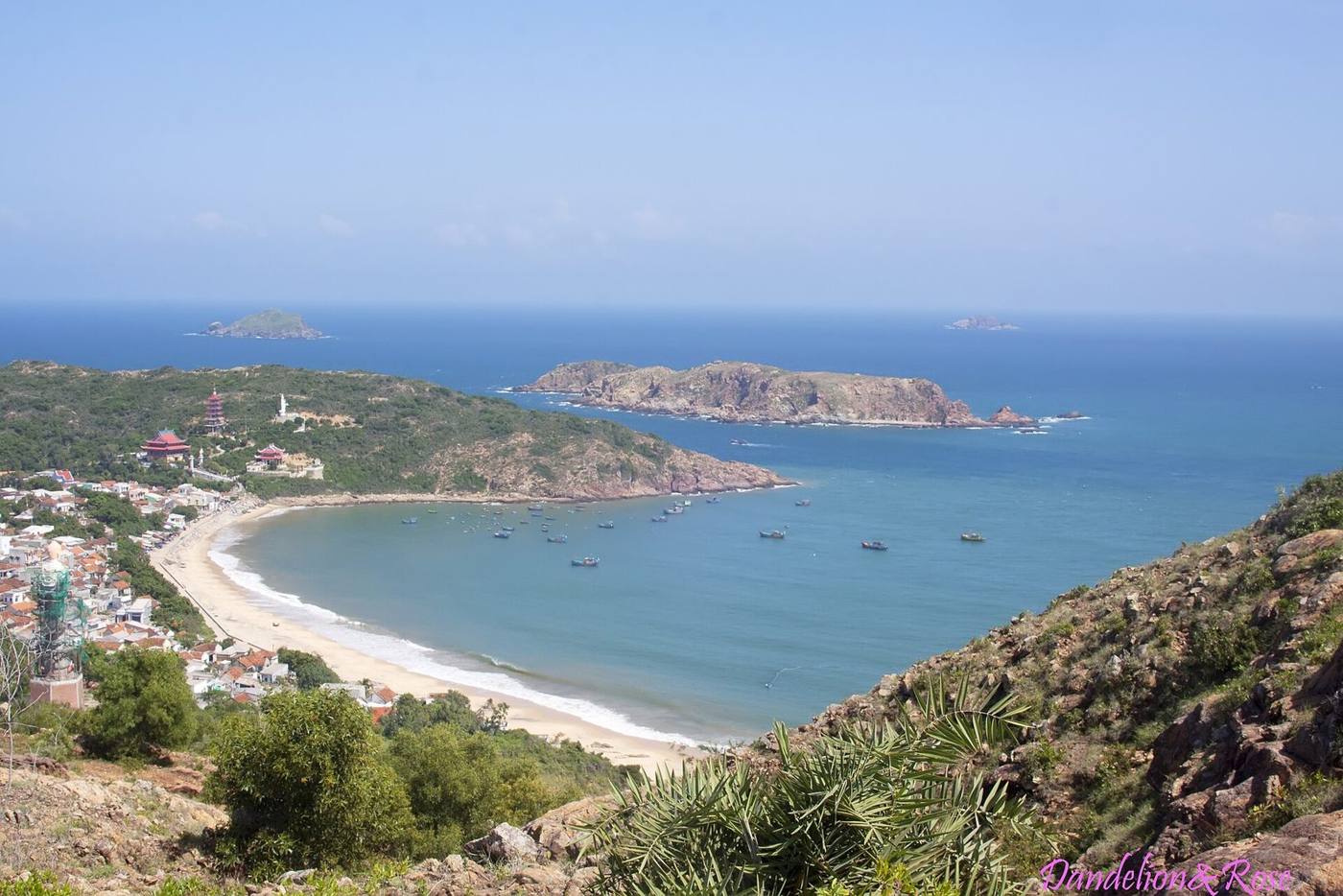
Quy Nhon and the central coast
Vietnam's less crowded seaside: the beaches and bays of Quy Nhon, the Cham towers of Banh It and Doi, the fishing village of Eo Gio, Ky Co with its turquoise water and, further south, the volcanic rocks of Ganh Da Dia at Tuy Hoa.
 4 daysEasy
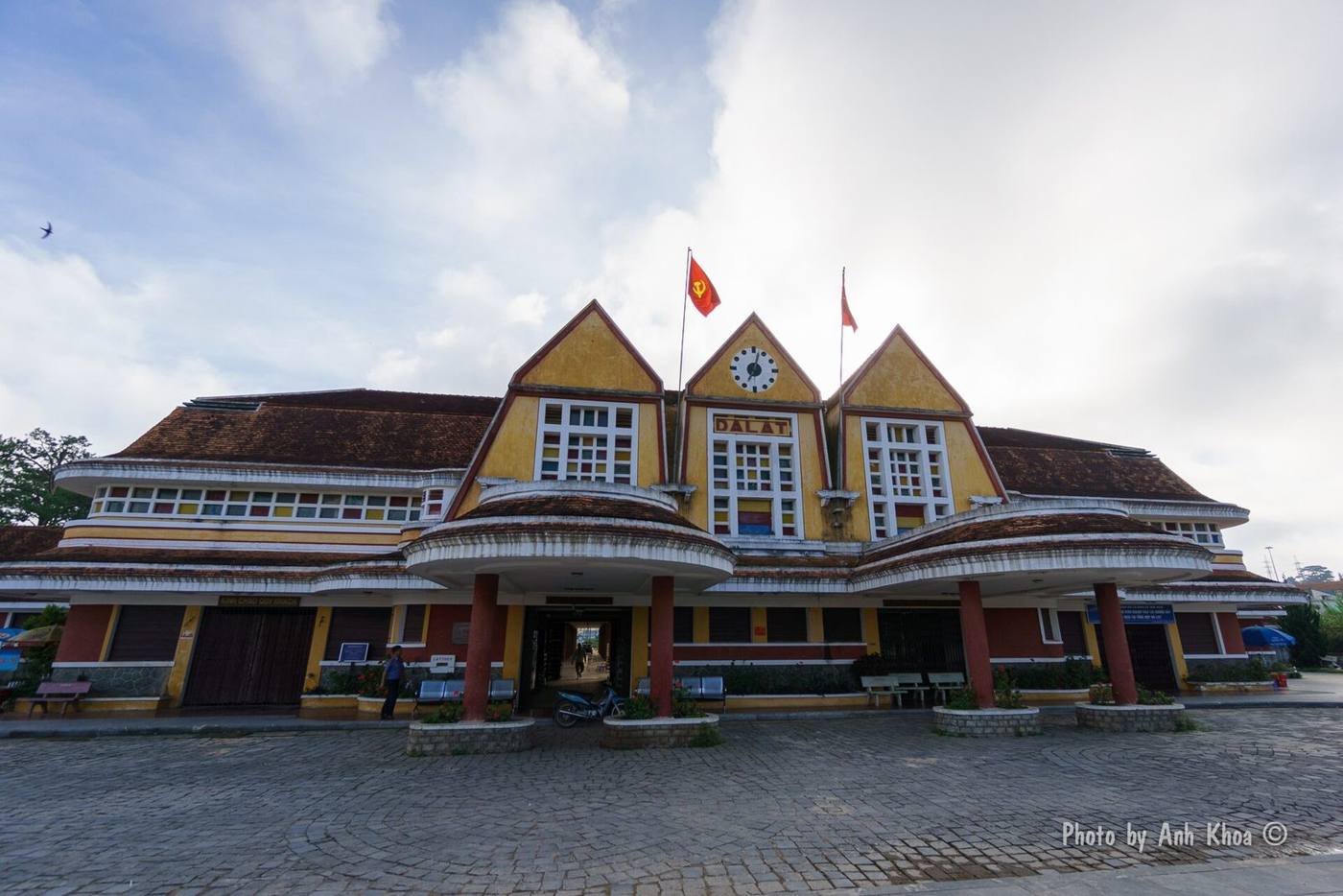
Da Lat and the Central Highlands
The French hill town at 1,500 metres: colonial villas, the Art Deco station, Xuan Huong Lake, coffee and flower plantations, waterfalls and Mount Langbiang, with a cool climate all year round.
 4 daysEasy
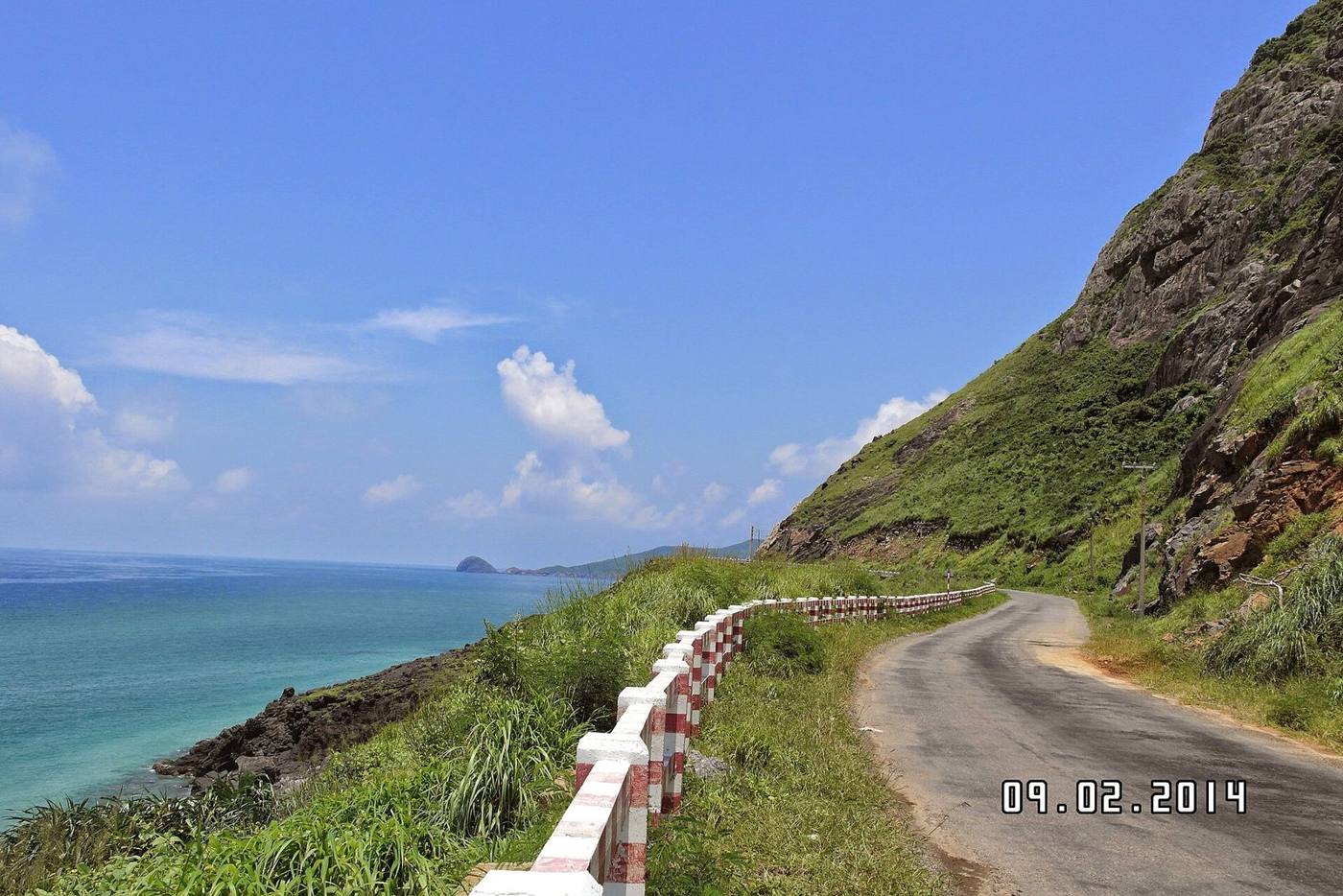
The Con Dao Islands
An almost untouched archipelago in the South China Sea: empty beaches, a marine national park where green turtles lay their eggs, forested hills and the grim history of colonial and wartime prisons.