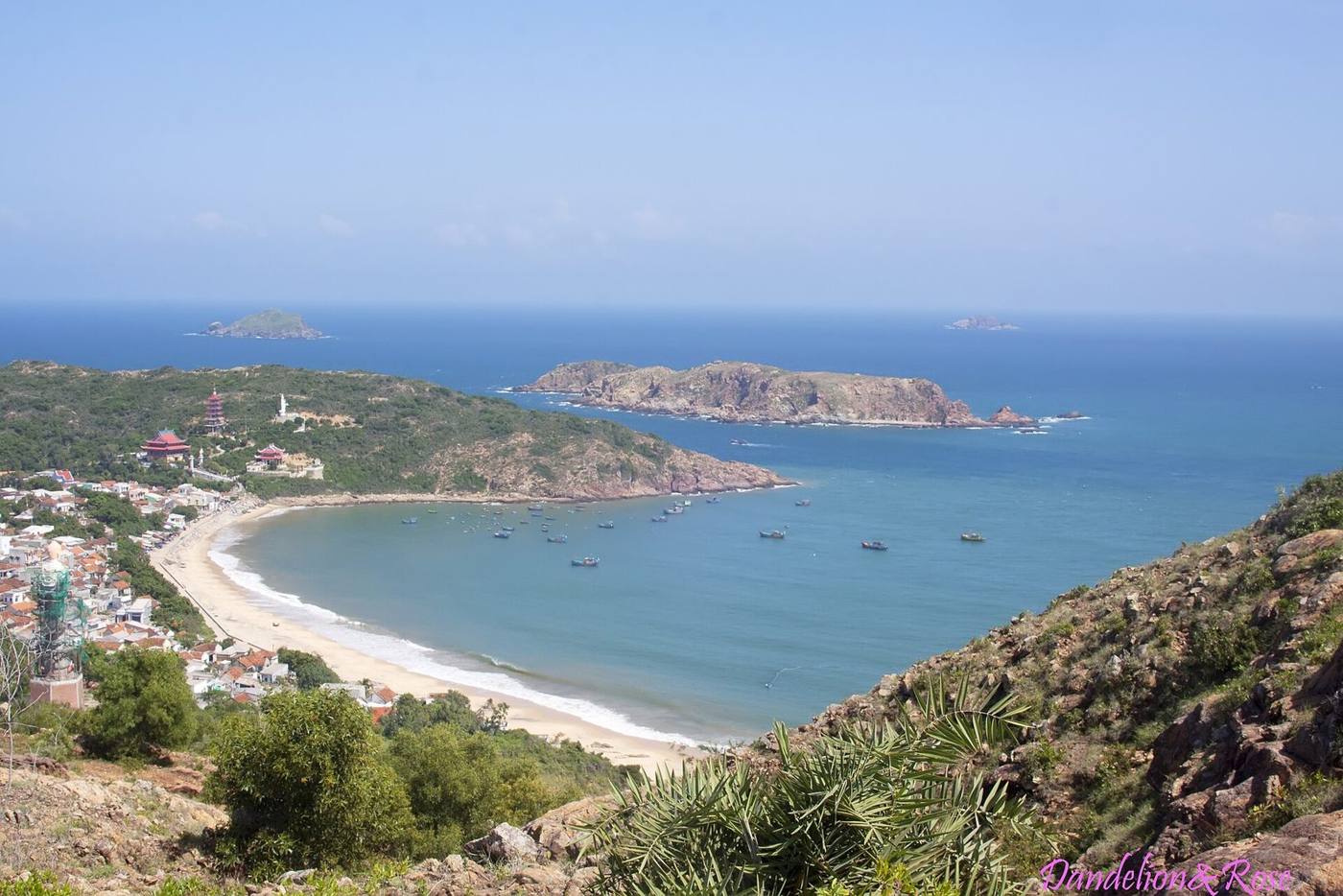
Quy Nhon and the central coast
Vietnam's less crowded seaside: the beaches and bays of Quy Nhon, the Cham towers of Banh It and Doi, the fishing village of Eo Gio, Ky Co with its turquoise water and, further south, the volcanic rocks of Ganh Da Dia at Tuy Hoa.
- Quy Nhon
- Ky Co
- Eo Gio
- Banh It
- Ganh Da Dia
Day by day
- Day 1
The flight to Quy Nhon and the Doi Cham towers
Quy Nhon is a seaside city on the central coast of Vietnam, halfway between Hoi An and Nha Trang, still little visited by foreigners. It has a long city beach, rocky peninsulas with bays of turquoise water, fishing villages, ancient towers of the Cham kingdom and, further south, cliffs of basalt columns. In five days it is a trip of sea and calm, with a little history, far from the most crowded resorts.
You arrive on a domestic flight from Hanoi or Saigon at Phu Cat airport, about half an hour by road from the city. Alternatively, there is the train on the north-south line, which stops at the nearby Dieu Tri station.
In the afternoon, once settled, visit the Doi towers, the twin towers, in the middle of the city. They are two red brick towers built around the twelfth century by the Cham people, who for many centuries ruled the central coast of Vietnam with a kingdom of Hindu culture, before being conquered by the Vietnamese. The towers have a different shape from older Cham ones, with sandstone decorations at the corners: figures of mythical birds, elephants and dancers. They are surrounded by a small, peaceful garden.
At sunset, walk along the city seafront, beside the beach, where locals come to exercise, stroll and eat. In the evening, taste the local cooking, above all the seafood and banh xeo with jumping shrimp, a crispy pancake typical of the province.
Practical tip: few people in Quy Nhon speak English. Download a translation app and one for calling taxis or motorbike taxis, which are widely used in the city.
- Day 2
Ky Co and Eo Gio by boat
Today you go to the Nhon Ly peninsula, north-east of the city, crossing the long bridge over the Thi Nai lagoon. It is a peninsula of rocky hills and fishing villages, with some of the most beautiful bays on the coast.
In the morning, from the village of Nhon Ly, take a boat to Ky Co, a small white sand bay enclosed by cliffs, with clear turquoise water, called by some the Maldives of Vietnam. The boat trip takes about twenty minutes along the coast. At Ky Co you can swim and snorkel among the rocks, where there are corals and colourful fish, and climb the path above the beach for the view. Out of season and on weekdays the bay is almost deserted; at summer weekends many Vietnamese tourists arrive.
In the early afternoon, go to Eo Gio, the wind strait, a narrow inlet between two rocky headlands, where the wind blows hard and the waves crash against the rocks. A path with steps climbs along the cliff to a viewpoint from which you see the open sea on one side and the bay on the other. It is a very beautiful place at sunset.
On the way back, stop at the fishing village of Nhon Ly, with its colourful boats and round bamboo coracles on the beach, and taste freshly caught fish in one of the small eateries on the shore.
Practical tip: the boats to Ky Co do not leave when the sea is rough, which is frequent from September to December. Check the conditions in the morning and bring sunscreen, water and reef shoes.
- Day 3
The Banh It towers and the beaches
In the morning, go north of the city, about half an hour away, to the Banh It towers, also called the silver towers. They are four Cham towers built between the eleventh and twelfth centuries on a hill, from which you see the whole plain, with rice fields, villages, the river and the sea on the horizon. They are among the best preserved in Vietnam, with decorations of carved brick and figures of gods. You climb on foot along a path through the trees.
If you are interested in history, in the same area you can see the remains of the Do Ban citadel, the ancient Cham capital of Vijaya, now almost entirely gone, with a lone tower in the middle of the fields.
In the afternoon, head back towards the coast and choose a beach. South of Quy Nhon, along the coast road, there are quiet bays with pale sand and rocks. Near the city there is also the village of Quy Hoa, founded as a leprosy village and now a quiet seaside neighbourhood, with a hospital, a garden of statues of famous doctors and, on the hill, the tomb of the Vietnamese poet Han Mac Tu, who spent his last years here.
In the evening, in the city, try banh hoi, thin woven rice vermicelli served with grilled meat, fresh herbs and sauce, and the many fish dishes at the evening markets.
Practical tip: to get between the towers and the beaches, only rent a scooter if you are experienced and have a valid licence; otherwise hire a car with a driver for the day.
- Day 4
The coast road to Ganh Da Dia
Today you take a long trip south, with a car and driver, along one of the most beautiful coast roads in Vietnam. The road runs between hills, lagoons, fishing villages and beaches, with constant sea views.
The destination is Ganh Da Dia, the headland of stone plates, about two and a half hours from Quy Nhon. Here the lava of an ancient volcano, cooling slowly in the sea, cracked into thousands of almost perfectly hexagonal basalt columns, packed tightly together like a honeycomb. Seen from above they look like stacked plates, hence the name. The sea breaks between the columns, and you can walk carefully along their tops. It is a rare geological phenomenon, similar to the Giant's Causeway in Northern Ireland.
On the way you can stop at the O Loan lagoon, with its fishermen and lift nets, and at the Dai Lanh lighthouse, the easternmost point of the Vietnamese mainland, although the climb takes time.
In the afternoon, on the way back, stop at one of the beaches on the coast or in Tuy Hoa, the main town of the area, with the Nhan Cham tower on a hill above the river.
In the evening, return to Quy Nhon, tired but with a different landscape in your eyes.
Practical tip: at Ganh Da Dia wet stones are slippery and the waves can be strong, so wear shoes with good soles and do not go too close to the edge when the sea is rough.
- Day 5
Return and the flight
On your last morning, enjoy a final swim on Quy Nhon beach at dawn, when the water is calm and locals exercise on the sand. Then go to the city market, where fish, tropical fruit, fish sauces and rice sweets are sold, and where you can have breakfast with a noodle soup.
If your flight is in the afternoon, you can make one last visit. A good choice is the museum devoted to Emperor Quang Trung, in the Tay Son area, about an hour to the west. Quang Trung was one of the three brothers who led the Tay Son rebellion in the eighteenth century and defeated foreign armies. The museum tells their story with weapons, documents and objects, and sometimes there is a demonstration of Binh Dinh martial arts, very famous in Vietnam, or of traditional drums.
Alternatively, stay in the city and walk in the seaside park or along the lagoon, with the fishermen's boats.
Then go to Phu Cat airport for your flight to Hanoi or Saigon. If you are continuing overland, Quy Nhon connects well with Hoi An to the north, by train or car in about five or six hours, or with Nha Trang to the south.
Practical tip: Italian citizens can enter without a visa for up to 45 days, under an exemption valid until 14 March 2028, with a passport valid for at least six months. From September to December the central coast has typhoons and rough seas: it is best to avoid those months.
Sea and tranquillity, with few foreigners. From September to December the central coast has typhoons and rough seas. Boats to Ky Co do not sail in rough weather. Italians enter without a visa for up to 45 days (exemption valid until 14 March 2028), with a passport valid for at least six months; longer stays need the 90-day e-visa.
Before you go
- Documents and visa
- Passport with at least six months' validity remaining. Italian, French and several other European citizens need no visa for tourism up to 45 days, an exemption valid until 14 March 2028; otherwise use the e-visa from the official portal.
- Health and vaccines
- No compulsory vaccines. Protect yourself against mosquitoes because of dengue; drink only bottled water. Emergencies: 113 police, 114 fire, 115 ambulance.
- Money and payments
- Vietnamese dong. Cards and QR code payments are widespread in cities; in markets, villages and for small purchases you need cash.
- Power sockets
- Types A and C, among others, 220 volts: a universal adapter is useful.
- Time zone
- UTC+7 all year: Vietnam does not use daylight saving time.
- Safety
- A safe country for travellers. In big cities beware of snatch thefts from scooters; from July to December typhoons and floods hit the centre and north. Official advice: GOV.UK.
Information checked in November 2026 for Italian and EU citizens. Rules change: always check before you travel.
Variations
In 3 days: Quy Nhon, the Doi towers, Ky Co and Eo Gio, without the trip to Ganh Da Dia.
In 8 days: after Quy Nhon, take the train north to Hoi An and Hue, or head south to Nha Trang and Da Lat.
Frequently asked questions
When is the best time to go?
From February to August, with calm seas and sun. From September to December there are typhoons, heavy rain and rough seas, and boats often do not leave.
Is English spoken?
Not much, outside the larger places to stay. A translation app and a few words of Vietnamese help a lot. People are kind and helpful.
What documents do I need?
A passport valid for at least six months. Italian citizens can enter without a visa for up to 45 days; for longer stays the 90-day e-visa is required.
Indicative itinerary written by World Atlas. Before booking, check timetables, seasonal openings, documents and safety.
 4 daysEasy
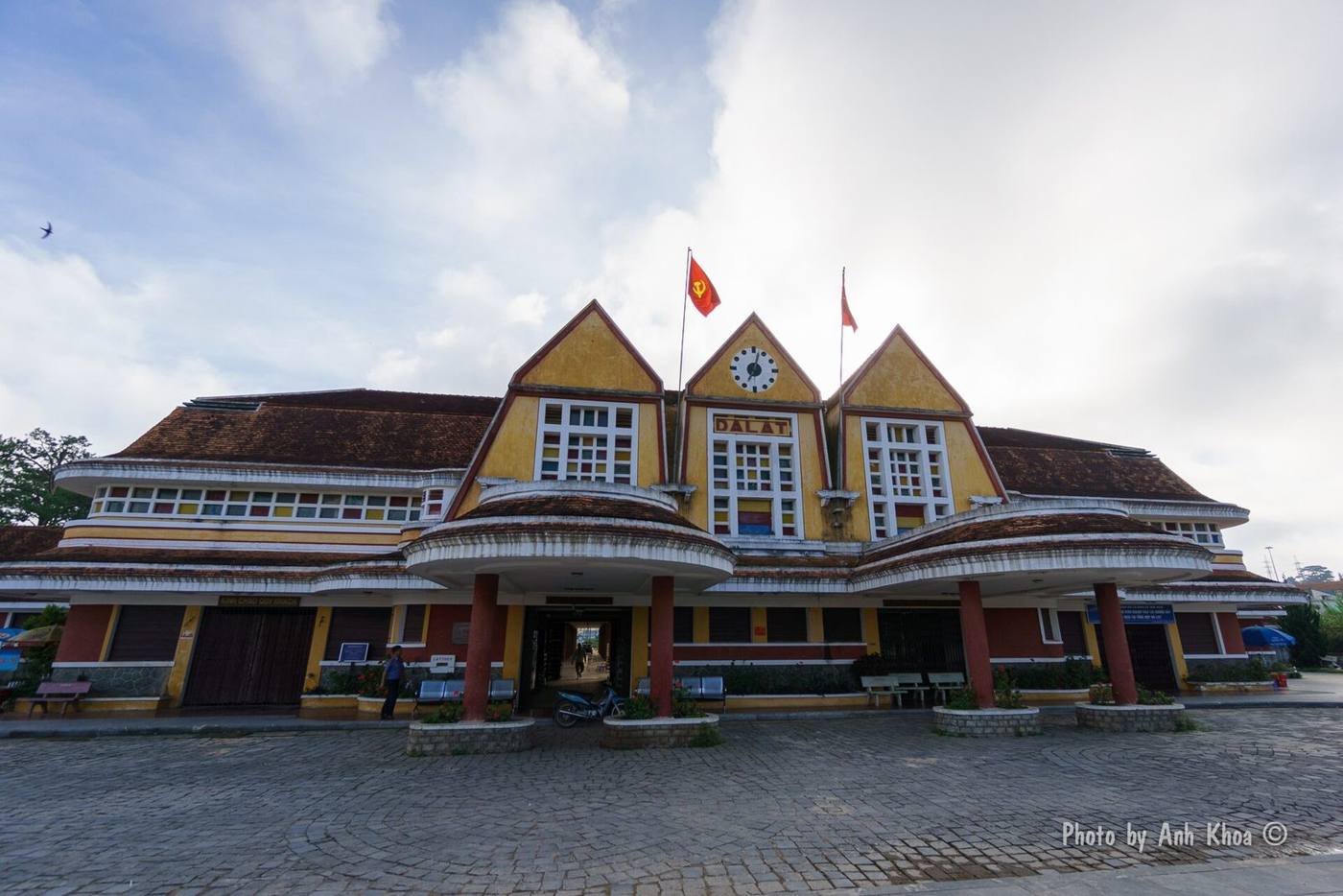
Da Lat and the Central Highlands
The French hill town at 1,500 metres: colonial villas, the Art Deco station, Xuan Huong Lake, coffee and flower plantations, waterfalls and Mount Langbiang, with a cool climate all year round.
 4 daysEasy
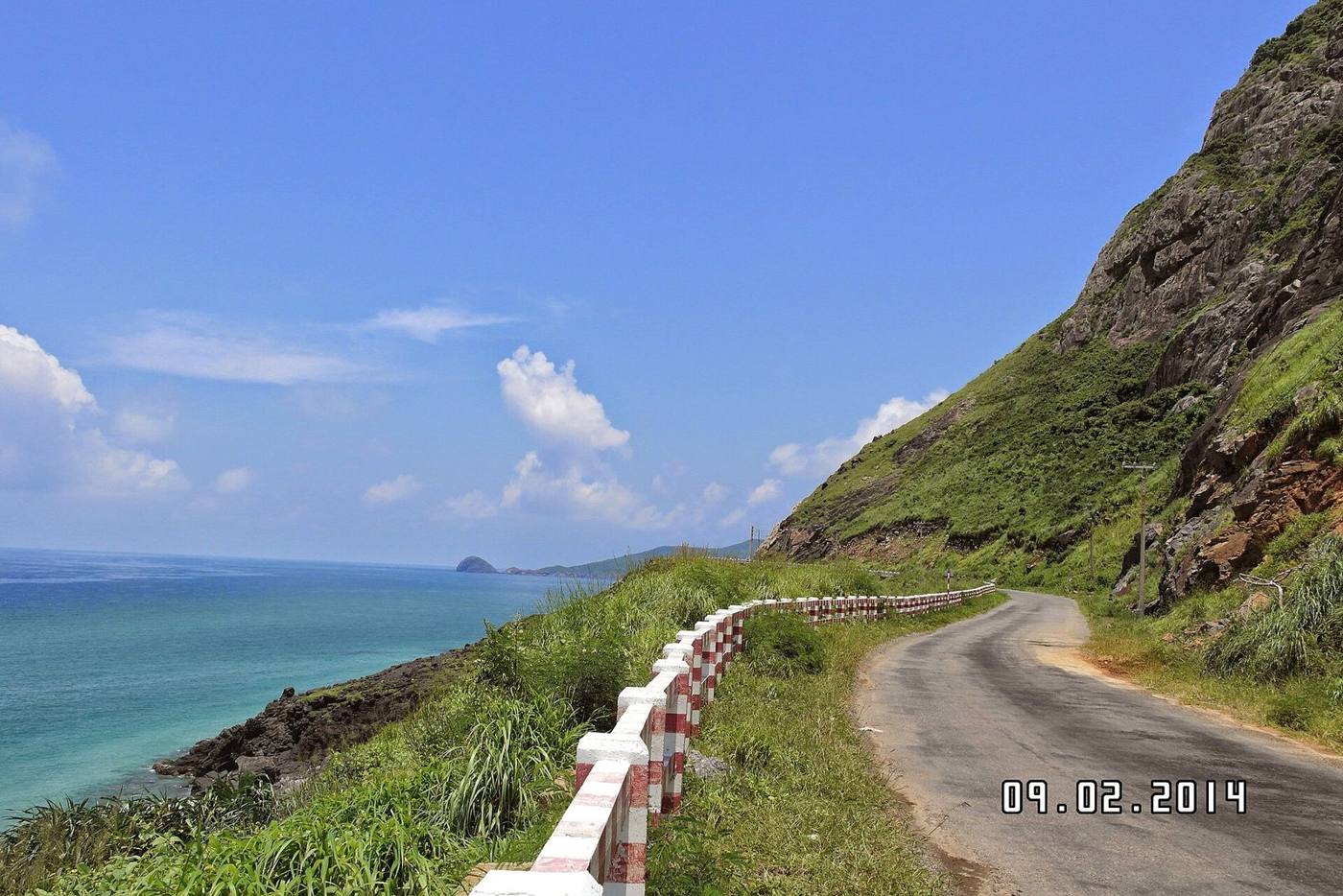
The Con Dao Islands
An almost untouched archipelago in the South China Sea: empty beaches, a marine national park where green turtles lay their eggs, forested hills and the grim history of colonial and wartime prisons.
 4 daysEasy
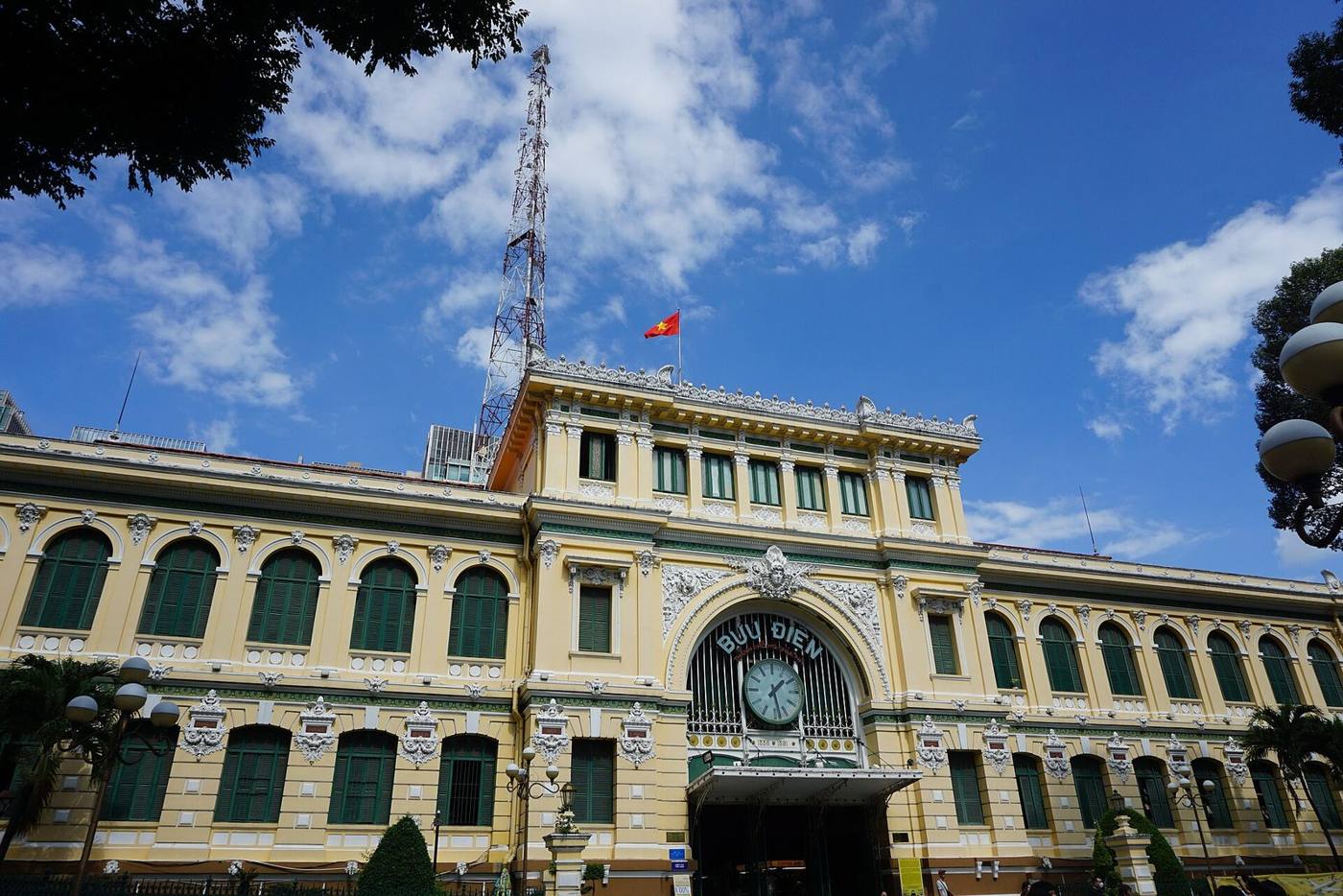
Saigon in depth and Cu Chi
Ho Chi Minh City, the southern metropolis: the French cathedral and post office, the War Remnants Museum, the Reunification Palace, Chinatown in Cholon, Ben Thanh market, street food and the Cu Chi tunnels dug during the war.