Hanoi, Ha Long and Hoi An
The north by boat among the karsts, the lantern town and some of Asia's best street food.
- Hanoi
- Ha Long
- Ninh Binh
- Da Nang
- Hoi An
Day by day
- Day 1
Arrival in Hanoi and Hoan Kiem Lake
Italian citizens can enter Vietnam without a visa for tourist stays of up to 45 days, an exemption valid until 14 March 2028; several other European nationalities enjoy the same rule, so check yours. Your passport must have at least six months' validity remaining. For longer stays you need an e-visa, applied for only on the official Vietnamese government portal.
Noi Bai airport is about forty minutes from the centre; a taxi booked through a ride-hailing app is best, as the price is fixed in advance. The most convenient area to stay is the Old Quarter around Hoan Kiem Lake, or the quieter French Quarter, with tree-lined avenues and colonial buildings.
In the afternoon walk around Hoan Kiem Lake, the Lake of the Returned Sword, linked to the legend of a king who received a magic sword from a turtle. A red wooden bridge leads to Ngoc Son Temple on an islet. At weekends, from Friday evening to Sunday, the streets around the lake become pedestrian and fill with families, musicians and games.
In the evening try pho, the rice noodle soup with beef broth born in northern Vietnam, or bun cha, grilled pork with rice noodles and fresh herbs. Practical tip: to cross the street among thousands of scooters walk slowly at a steady pace, without stopping suddenly or running: they will avoid you.
- Day 2
The Old Quarter, the mausoleum and street food
Early in the morning go to the Ho Chi Minh Mausoleum on Ba Dinh Square, where the embalmed body of modern Vietnam's founder lies in state. It opens only in the morning and not every day; it closes for a few weeks each year for maintenance. Respectful clothing is required, with shoulders and knees covered, and you walk in line in silence. Next door are the One Pillar Pagoda, from the eleventh century, and the stilt house where Ho Chi Minh lived.
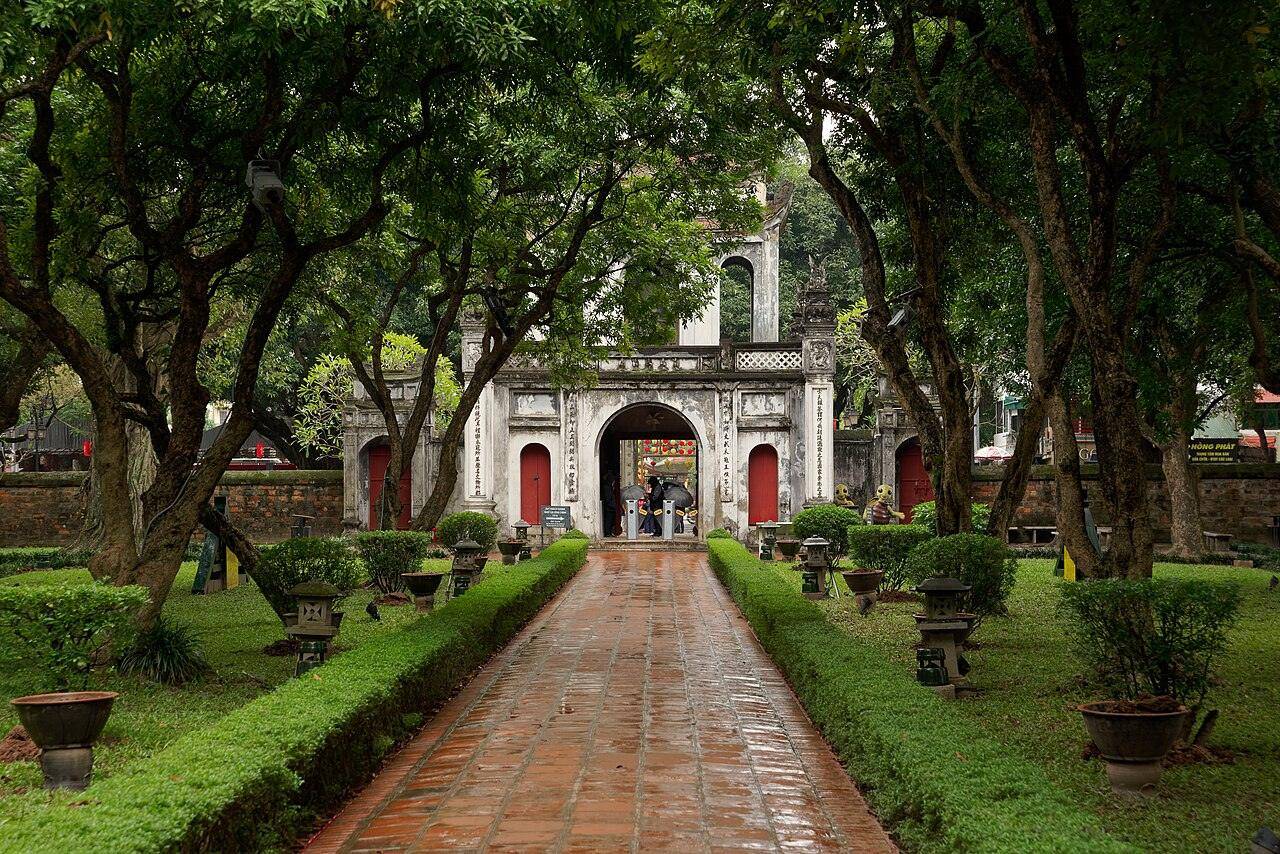
Continue to the Temple of Literature, from 1070, Vietnam's first university, dedicated to Confucius, with courtyards, ponds and stone stelae on turtles listing the names of graduates. It is one of the city's loveliest places.
In the afternoon get lost in the Old Quarter, the thirty-six streets, where each street was named after the trade practised there: silk, herbs, silver. The tube houses are narrow and deep, with the shop at the front and the home behind. Visit the ancient house at 87 Ma May, a restored residence.
In the evening try street food on the low stools on the pavement: fried spring rolls, banh mi, and egg coffee, invented in Hanoi in the 1940s. Practical tip: the much-photographed railway track in the Old Quarter is often closed to tourists for safety reasons; respect the bans.
- Day 3
To Ha Long Bay or Lan Ha Bay
In the morning leave for Ha Long Bay, a UNESCO World Heritage site, with thousands of limestone islands and pinnacles rising from an emerald sea. The transfer from Hanoi by bus or shuttle takes about two and a half to three hours, thanks to the new motorway. Choose your cruise carefully: the reliable ones have boats with up-to-date safety certificates, life jackets and an itinerary in less crowded areas.
A much-loved alternative is Lan Ha Bay, south of Ha Long near Cat Ba Island, with similar scenery but far fewer boats. Cruises leave from the port of Hai Phong or from Cat Ba. Many travellers prefer it for its floating villages and small beaches.
In the afternoon the boat sails among the islands and stops for kayaking through caves and hidden lagoons, or for swimming in calm waters. Often you visit a cave with stalactites, such as Sung Sot, and a viewpoint on Ti Top Island, overlooking the whole bay.
In the evening you sleep on board: after sunset the boats anchor among the islands, with the sky and the silence. Many cruises offer a spring roll cooking class. Practical tip: between July and October there can be typhoons; the authorities close the bay when the sea is dangerous, so keep a spare day.
- Day 4
Waking up in the bay and returning to Hanoi
Early in the morning many cruises offer tai chi on deck at dawn, with pink light on the limestone pinnacles. After breakfast there is often a last activity: a rowing boat tour of the floating villages, another cave or a kayak outing. In some areas fishermen still live in floating houses and farm fish and pearls.
In mid-morning the boat returns to port with brunch on board. The return to Hanoi is in the early afternoon, again by bus or shuttle.
If you have more time you can extend the cruise by a night, to reach the more remote areas of Bai Tu Long Bay to the east, which is quieter, or spend a night on Cat Ba Island, with its national park, a jungle trail to a viewpoint and small beaches.
In the evening, back in Hanoi, see a water puppet show, a tradition born in the rice paddies of the Red River delta almost a thousand years ago: wooden puppets move on the water, guided by artists hidden behind a screen, with live traditional music. The show lasts less than an hour. Practical tip: book your cruise with an operator with good recent reviews and ask what is included: drinks, kayaks and cave entry may be extra.
- Day 5
Ninh Binh and the caves of Tam Coc
Today is an excursion to Ninh Binh, about two hours south of Hanoi, a region called Ha Long Bay on land: green rice paddies, calm rivers and limestone pinnacles. You get there by bus, train or on an organised trip.
In the morning take a boat ride at Tam Coc or Trang An, both extraordinary. At Tam Coc the rowers often paddle with their feet, seated at the stern, along a river through the paddies and under three caves cut into the rock; the scenery changes with the seasons, green in early summer and golden at harvest time, in May and June. Trang An, a UNESCO World Heritage site, has a longer route, about two or three hours, with more caves and temples on the water.
In the afternoon visit Hoa Lu, Vietnam's ancient capital in the tenth century, with temples dedicated to the first kings, or climb the roughly five hundred steps of Hang Mua, the dancing cave pagoda: from the top, crowned by a dragon statue, the view over the paddies and rivers of Tam Coc is one of the finest in the country.
If you wish, sleep in Ninh Binh in a house among the paddies, or return to Hanoi in the evening. Practical tip: the climb at Hang Mua is steep and unshaded; do it early in the morning or at sunset, with plenty of water, and carry cash for the boats.
- Day 6
The flight to Da Nang and arrival in Hoi An
In the morning take the flight from Hanoi to Da Nang, just over an hour. Alternatively, if you have time, take the night train along the coast, about sixteen hours. From Da Nang airport Hoi An is about forty minutes by taxi.
Hoi An is an ancient town and UNESCO World Heritage site on the Thu Bon River. From the sixteenth to the nineteenth century it was one of the most important trading ports in South-East Asia, visited by Chinese, Japanese and European merchants. The merchants' houses, the assembly halls of the Chinese communities and the temples have survived almost intact.
In the afternoon take a first walk in the old town. The ticket for foreigners costs 120,000 dong according to the Hoi An heritage management centre, and covers entry to the town and a choice of monuments; buy it at the official ticket booths, never from street sellers. The town's symbol is the Japanese Covered Bridge, from the seventeenth century, with a small temple.
In the evening the old town lights up with coloured silk lanterns and becomes pedestrian. On the river there are boat rides to float paper lanterns on the water. Sleep in town or among the surrounding paddies. Practical tip: from October to December the river can flood the streets of the centre; check before you travel.
- Day 7
Lanterns, tailors and the food of Hoi An
In the morning visit the old town at leisure, before the tour groups. Choose the monuments included in the ticket: merchants' houses such as Tan Ky, with carved wooden beams; the assembly halls of the Chinese communities, such as the Fujian hall, with courtyards and incense coils hanging from the ceiling; and the small museums of ceramics and maritime trade.
Hoi An is famous for its tailors, who make made-to-measure clothes in one or two days: bring a model and check the fittings carefully. The central market by the river is the place to see daily life and taste local specialities: cao lau, thick noodles with pork and herbs, which tradition says are made with water from an old town well, and mi quang.
In the afternoon take a cooking class, often with a market visit and a ride among the water palms in round bamboo basket boats in the village of Cam Thanh.
In the evening, on the full moon night of each lunar month, the town switches off its electric lights and is lit only by lanterns. Practical tip: always keep your old town ticket with you, because it can be checked at the entrances; and bargain politely in the shops, smiling and without insisting if the price does not suit you.
- Day 8
My Son Sanctuary and the countryside by bike
Early in the morning leave for My Son Sanctuary, about an hour from Hoi An, a UNESCO World Heritage site. It is the most important temple complex of the Champa kingdom, which ruled central Vietnam from the fourth to the thirteenth century. The red-brick towers, dedicated to the god Shiva, stand in a green valley enclosed by mountains. Many were destroyed by bombing during the Vietnam War; beautiful ruins and some restored buildings remain.
Entry for foreigners costs 150,000 dong according to Da Nang tourism's official 2026 price list. Arrive at opening, while the morning light is still soft and the heat bearable. There are often Champa dance performances.
In the afternoon, back in Hoi An, take a bicycle and ride through the paddies to the village of Tra Que, where herbs are grown without chemicals, or to the potters' village of Thanh Ha on the river. The country roads are flat and quiet, perfect for cycling, and bikes can be hired everywhere cheaply.
At sunset the paddies turn gold and the buffalo head home. Practical tip: at My Son stay on the marked paths, because there may still be unexploded ordnance from the war away from cleared areas, and wear a hat.
- Day 9
An Bang beach and the Marble Mountains
A quieter day by the sea. An Bang beach, about five kilometres from Hoi An, is easy to reach by bike. It is a long beach of pale sand with loungers and small places to eat, less developed than the beaches of Da Nang. The sea is best from February to August; in the rainy months, October to December, waves and currents can be strong. Swim only in patrolled areas.
In the afternoon, if you prefer, visit the Marble Mountains between Hoi An and Da Nang: five hills of marble and limestone, each dedicated to one of the five elements. Stairs and a lift lead to caves, Buddhist temples and viewpoints over the coast. The Huyen Khong caves, with light coming in from above, are the most striking.
Alternatively you can take a boat trip to the Cham Islands, a UNESCO biosphere reserve, with snorkelling in clear water; trips run only when the sea is calm, usually from March to September.
In the evening return to Hoi An for a last dinner with lanterns on the river. Practical tip: buy marble carvings or objects only if you are sure of the quality, because many shops sell factory-made pieces; and always ask the price first.
- Day 10
A last morning and departure
The last day depends on your flight time. In the morning take a last walk in the old town at dawn, when the streets are empty and market vendors open their stalls. Collect your made-to-measure clothes, if you ordered any, and check the final alterations.
If your flight leaves in the afternoon, you can stop in Da Nang on the way: the Dragon Bridge, which breathes fire and water on weekend evenings, My Khe beach, or the Son Tra peninsula with its great statue of the goddess of mercy and rare monkeys. Further away, in the Ba Na hills, is the famous Golden Bridge held up by giant hands, reached by cable car and very crowded.
To return home you usually fly from Da Nang with a connection, or go back to Hanoi or Ho Chi Minh City for the international flight. Things to take home: Vietnamese coffee with the traditional filter, folding silk lanterns, tea, tailored clothes, lacquered wooden objects.
Practical tip: QR code payments are widespread, but markets and small shops need cash in dong; withdraw from bank ATMs and check the fees. Reach the airport at least three hours before international flights, because check-in and security can take time.
The best of Vietnam in ten days, with street food alone worth the trip. For Ha Long, the less crowded Lan Ha Bay is the better choice. The north can be cold and grey in winter, and the centre is very rainy from October to December.
Before you go
- Documents and visa
- Passport with at least six months' validity remaining. Italian, French and several other European citizens need no visa for tourism up to 45 days, an exemption valid until 14 March 2028; otherwise use the e-visa from the official portal.
- Health and vaccines
- No compulsory vaccines. Protect yourself against mosquitoes because of dengue; drink only bottled water. Emergencies: 113 police, 114 fire, 115 ambulance.
- Money and payments
- Vietnamese dong. Cards and QR code payments are widespread in cities; in markets, villages and for small purchases you need cash.
- Power sockets
- Types A and C, among others, 220 volts: a universal adapter is useful.
- Time zone
- UTC+7 all year: Vietnam does not use daylight saving time.
- Safety
- A safe country for travellers. In big cities beware of snatch thefts from scooters; from July to December typhoons and floods hit the centre and north. Official advice: GOV.UK.
Information checked in November 2026 for Italian and EU citizens. Rules change: always check before you travel.
Variations
In 7 days: two days in Hanoi, a night in Lan Ha Bay, then the flight to Da Nang and three days in Hoi An with My Son, skipping Ninh Binh.
In 14 days: add Hue, the ancient imperial city, between Da Nang and Hanoi via the Hai Van Pass, and finish in Ho Chi Minh City with the Mekong Delta.
Frequently asked questions
Do I need a visa for Vietnam?
Italian citizens need no visa for tourist stays of up to 45 days, an exemption valid until 14 March 2028; check the rule for your own nationality. Your passport needs at least six months' validity. For longer stays use the e-visa from the official portal.
How much is the Hoi An old town ticket?
For foreigners 120,000 dong, according to the Hoi An heritage management centre. It covers entry to the town and a choice of monuments and is sold only at the official booths.
When is the best time to go?
In the north from October to April, with a cool winter from December to February; in Hoi An from February to August. From September to December central Vietnam is in the rainy season, with possible typhoons and floods.
Indicative itinerary written by World Atlas. Before booking, check timetables, seasonal openings, documents and safety.
 15 daysModerate
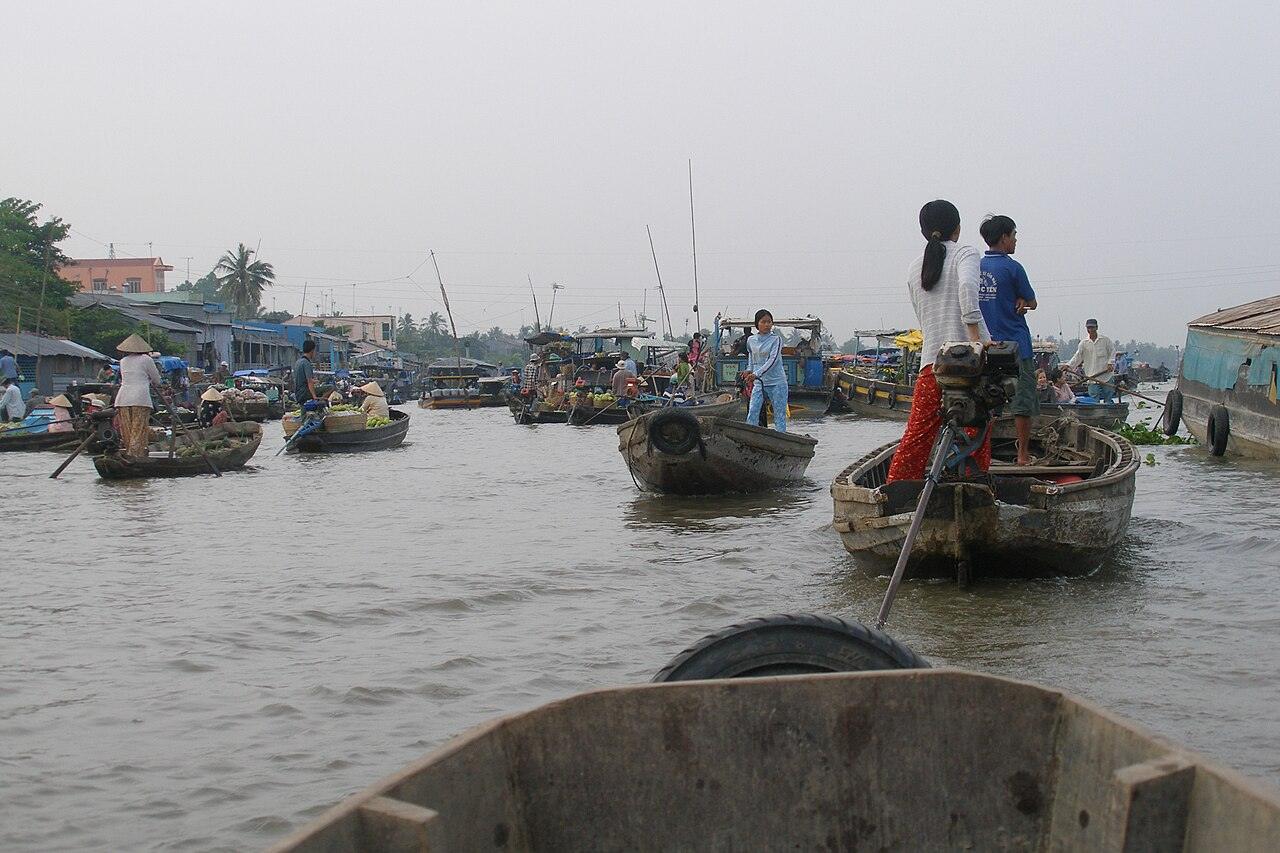
Vietnam from north to south
The Sapa rice terraces, Ha Long, imperial Hue, Hoi An and the Mekong Delta down to Saigon.
 7 daysEasy
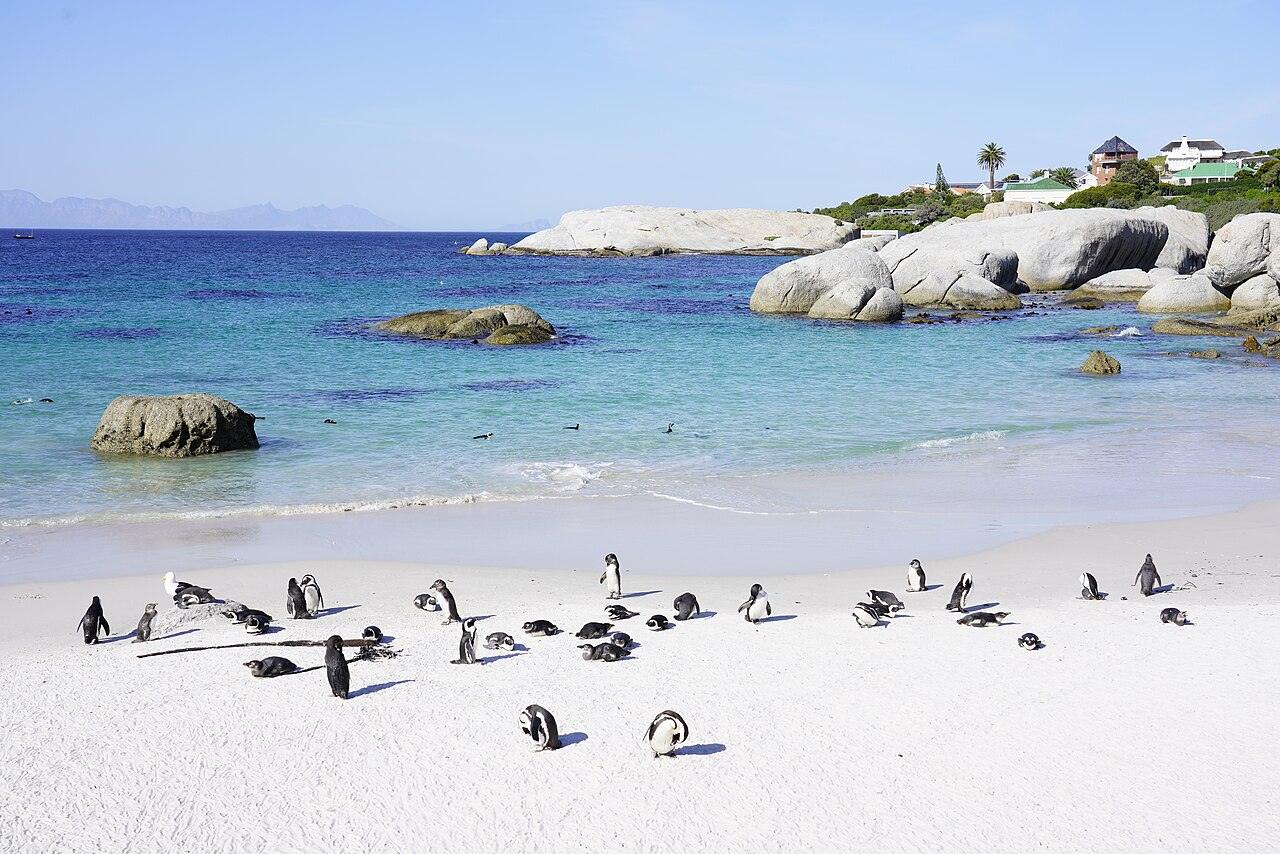
Cape Town and the Cape Peninsula
A week of Table Mountain, the penguins of Boulders Beach, the Cape of Good Hope and the Stellenbosch vineyards.
 15 daysModerate
Kruger, the Garden Route and Cape Town
The great classic: a Kruger safari, the scenic Garden Route and a finale in Cape Town.