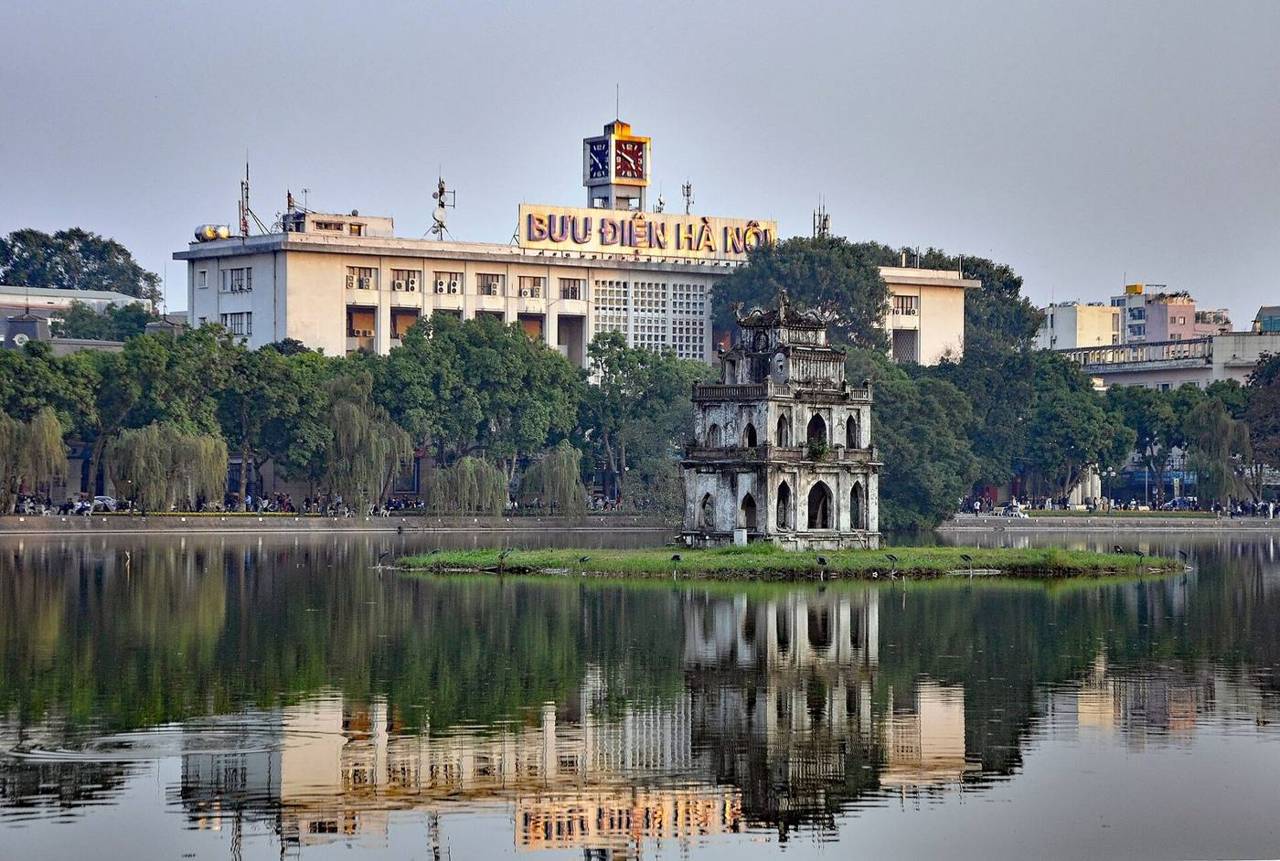
Hanoi in depth
The capital at a gentle pace: the Old Quarter of the 36 streets, Hoan Kiem Lake, the Temple of Literature, the Ho Chi Minh Mausoleum, the Museum of Ethnology, the water puppet theatre and street food, from pho to bun cha.
- Hanoi
- Hoan Kiem
- Temple of Literature
- Ho Chi Minh Mausoleum
- West Lake
Day by day
- Day 1
The Old Quarter, Hoan Kiem Lake and the water puppets
Citizens of many European countries, including Italy and France, can enter Vietnam without a visa for up to 45 days, an exemption currently valid until 14 March 2028; for longer stays you need an e-visa, applied for online. Check the rules for your nationality. From Noi Bai airport you reach the centre by taxi or express bus in about forty minutes.
Hanoi, the capital, is a city of more than eight million people, with millions of scooters, lakes, trees, French colonial buildings and ancient temples. In the morning start at Hoan Kiem Lake, the Lake of the Returned Sword, at the heart of the city: according to legend, a giant turtle took back here the magic sword with which a king had defeated invaders. Cross the red The Huc bridge to Ngoc Son temple on an islet in the lake.
Then walk into the Old Quarter north of the lake, a tangle of narrow streets where each street was once devoted to a trade: silk street, silver street, jute bag street. The tube houses, narrow and very deep, have shops on the ground floor. Stop for egg coffee, a cream of egg yolk and sugar on top of coffee, invented in Hanoi.
In the evening watch a water puppet show, an art born in the rice paddies of the Red River delta, with wooden puppets moving on water guided by hidden puppeteers and live traditional music.
Practical tip: to cross the road among the scooters, walk slowly and steadily without stopping or running: the scooters will avoid you.
- Day 2
Ho Chi Minh's mausoleum, the One Pillar Pagoda and the Temple of Literature
Early in the morning head to Ba Dinh, the country's political centre, with the great square where Ho Chi Minh read the declaration of independence on 2 September 1945. Here stands Ho Chi Minh's mausoleum, a large grey granite building displaying the embalmed body of the founder of modern Vietnam. The visit is short, in a queue, in silence, with strict rules: no shorts or vests, no photos inside, hands out of pockets. The mausoleum opens only in the morning, is usually closed on Mondays and Fridays, and closes for a few months each year for maintenance: check beforehand.
Nearby, in the park, you can visit the stilt house where Ho Chi Minh lived and worked, the yellow colonial-style Presidential Palace seen from outside, and the One Pillar Pagoda, a small wooden temple built in 1049, resting on a single stone column in a pond like a lotus flower.
In the afternoon visit the Temple of Literature, built in 1070 and dedicated to Confucius, home of Vietnam's first university. Through five courtyards with gardens and ponds you reach stone steles on the backs of turtles, carved with the names of those who passed the imperial examinations. Students come here to pray before exams.
In the evening eat bun cha, grilled pork with rice noodles and herbs, a Hanoi speciality.
Practical tip: arrive at the mausoleum at opening time; the queue grows quickly, especially at weekends.
- Day 3
The Museum of Ethnology, West Lake and a food tour
In the morning visit the Vietnam Museum of Ethnology in Cau Giay district, about half an hour by taxi from the centre, the city's best museum for understanding the country. It tells the story of Vietnam's fifty-four official ethnic groups, with clothing, tools, religious objects and videos. In the garden behind the museum, traditional houses of different peoples have been rebuilt full size: an Ede longhouse on stilts, a Bahnar communal house with a very tall axe-shaped roof, and Jarai tombs decorated with wooden statues.
In the afternoon go to West Lake, Ho Tay, Hanoi's largest lake, about seventeen kilometres round. On the shore, on an islet linked by a causeway, stands Tran Quoc pagoda, the city's oldest, with its eleven-storey red tower. Then walk or rent a bike along the shore to Quan Thanh temple, with its great bronze statue of a guardian god.
In the evening take a street food tour in the Old Quarter, on foot with a local guide or on your own, on small plastic stools on the pavement. Try pho, the rice noodle soup with beef born in Hanoi, banh mi, the sandwich on a French-style baguette, fresh rice paper rolls and fresh draught beer, called bia hoi.
Practical tip: to get around, download a ride-hailing app for taxis or motorbike taxis: the price is fixed and you avoid haggling.
- Day 4
Bat Trang ceramic village and departure
In the morning go to Bat Trang, a village of ceramic craftsmen about forty-five minutes from the centre on the bank of the Red River, where pottery has been made for more than five hundred years. The village streets are lined with hundreds of workshops and shops selling vases, plates, cups and statues, from blue and white porcelain to green and brown glazes. You can watch potters at work and, in many workshops, try throwing a pot on the wheel or painting a cup to take home. The small ceramics museum, in a modern building shaped like upturned pots, tells the village's history.
If you prefer to stay in town, visit Hoa Lo prison, built by the French for Vietnamese political prisoners and later used during the war for captured American pilots, who called it the Hanoi Hilton; or the Vietnamese Women's Museum, with sections on family, fashion and the role of women in the war.
In the afternoon, before leaving, walk along Train Street, a lane in the Old Quarter where the train passes a few centimetres from the houses; access to the tracks has repeatedly been restricted by police for safety reasons: respect the bans.
Things to take home: Vietnamese coffee, tea, Bat Trang ceramics, lacquerware, silk and conical leaf hats.
Practical tip: allow at least an hour to Noi Bai airport at rush hour. Check your government's travel advice before leaving.
The perfect base before Ha Long and Sapa. The mausoleum opens only on some mornings and closes for a few months a year for maintenance; modest dress is required. Crossing the road is an art: walk slowly and steadily through the scooters. From November to March it can be cold and damp. Italians enter without a visa for up to 45 days (exemption valid until 14 March 2028), with a passport valid for at least six months; longer stays need the 90-day e-visa.
Before you go
- Documents and visa
- Passport with at least six months' validity remaining. Italian, French and several other European citizens need no visa for tourism up to 45 days, an exemption valid until 14 March 2028; otherwise use the e-visa from the official portal.
- Health and vaccines
- No compulsory vaccines. Protect yourself against mosquitoes because of dengue; drink only bottled water. Emergencies: 113 police, 114 fire, 115 ambulance.
- Money and payments
- Vietnamese dong. Cards and QR code payments are widespread in cities; in markets, villages and for small purchases you need cash.
- Power sockets
- Types A and C, among others, 220 volts: a universal adapter is useful.
- Time zone
- UTC+7 all year: Vietnam does not use daylight saving time.
- Safety
- A safe country for travellers. In big cities beware of snatch thefts from scooters; from July to December typhoons and floods hit the centre and north. Official advice: GOV.UK.
Information checked in November 2026 for Italian and EU citizens. Rules change: always check before you travel.
Variations
In 2 days: Old Quarter, Hoan Kiem Lake and water puppets on the first day, the mausoleum and Temple of Literature on the second, with a food tour in the evening.
In 7 days: add Ha Long or Lan Ha Bay with a night on a boat, and Ninh Binh with the Trang An caves.
Frequently asked questions
Do I need a visa for Vietnam?
Citizens of many European countries, including Italy and France, can stay up to 45 days without a visa, under an exemption valid until 14 March 2028. For longer stays you need an e-visa.
When is Ho Chi Minh's mausoleum open?
Only in the morning, usually closed on Mondays and Fridays, and closed for maintenance for a few months each year. Check beforehand and respect the dress code.
When is the best time for Hanoi?
October-November and March-April, with mild temperatures. Summer is very hot and humid, winter cool and grey.
Indicative itinerary written by World Atlas. Before booking, check timetables, seasonal openings, documents and safety.
 5 daysModerate
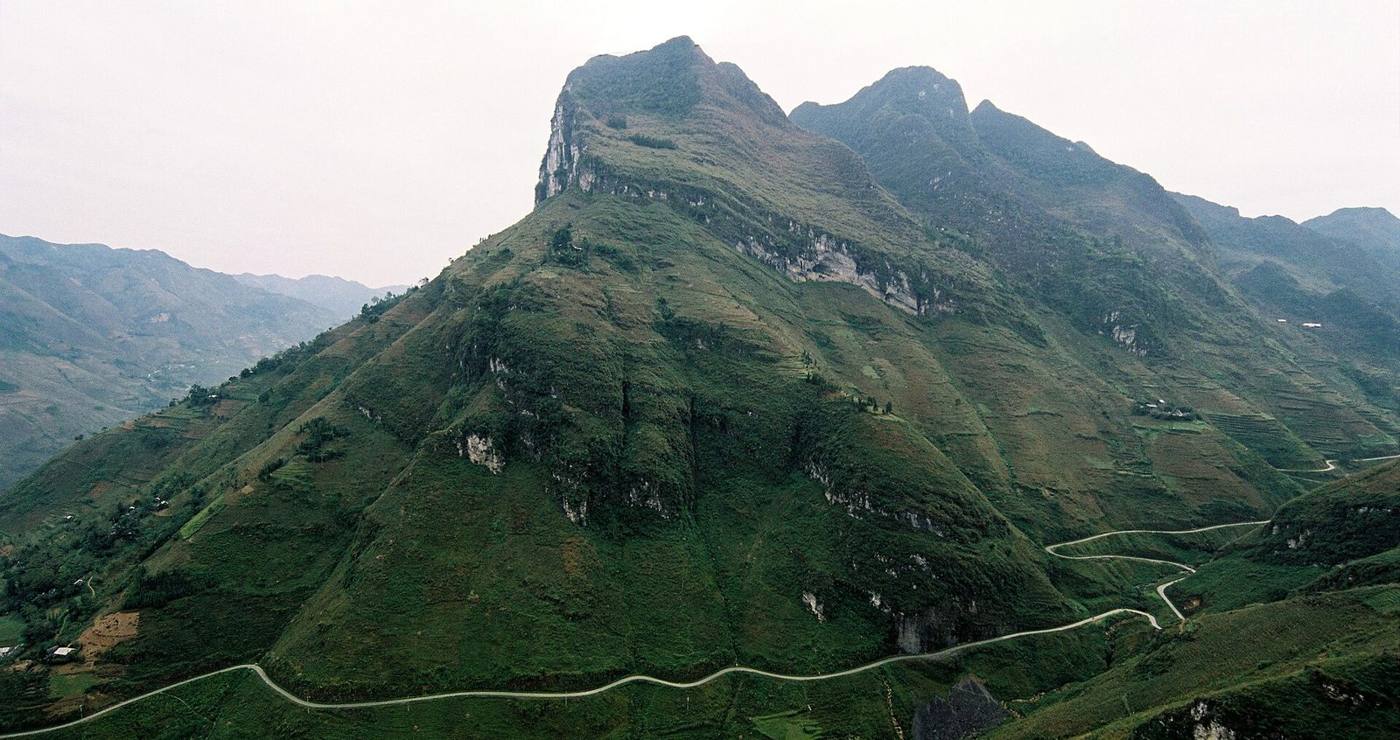
The Ha Giang Loop
The limestone mountains of the far north: Ma Pi Leng Pass above the Nho Que river canyon, the terraces of Hoang Su Phi, Hmong and Lo Lo villages, the Hmong king's palace at Sa Phin and weekend markets, travelled with a motorbike driver.
 5 daysEasy
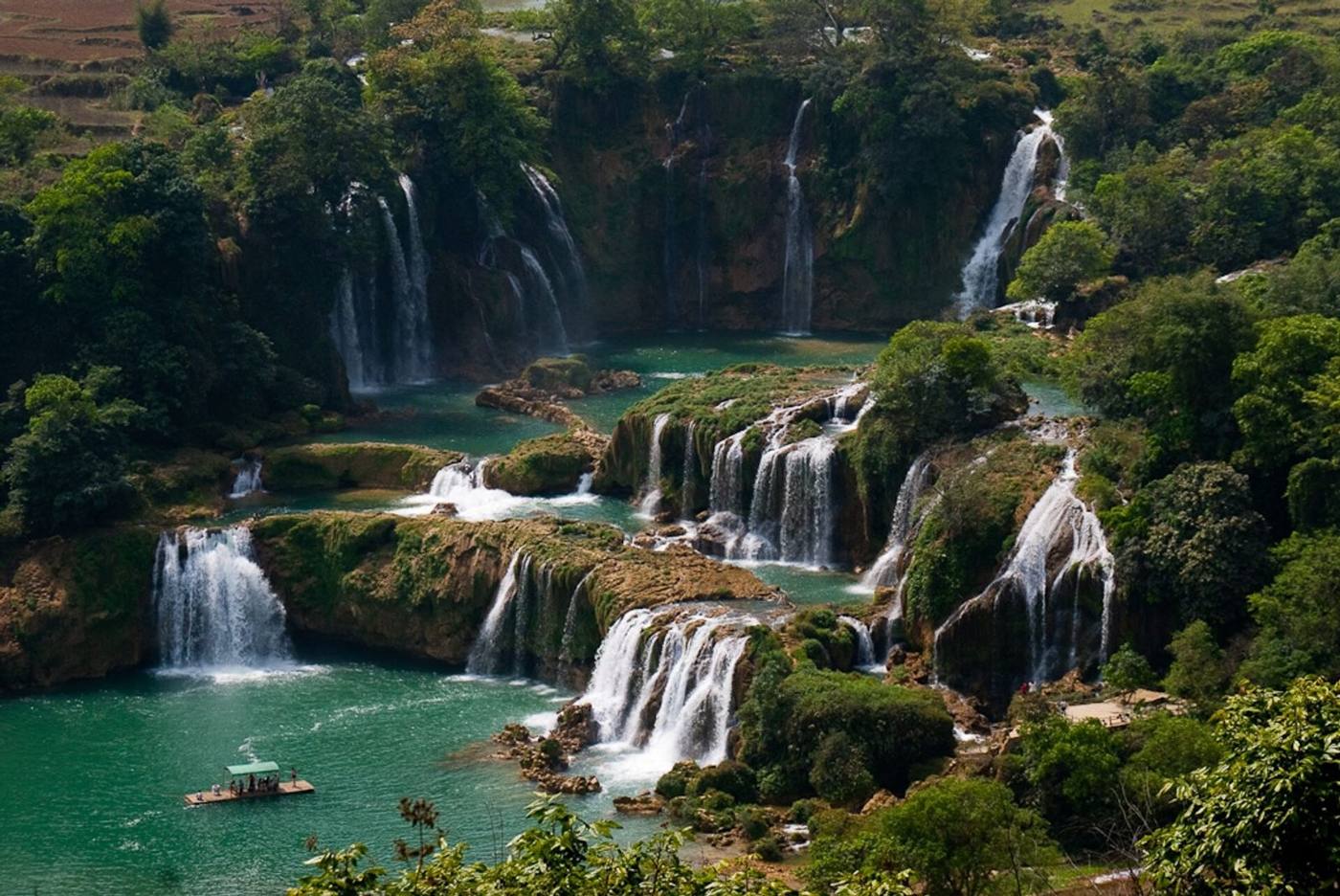
Ba Be and the Ban Gioc Falls
The green, little-visited northeast: Ba Be Lake among karst mountains, with Tay stilt houses and Puong Cave crossed by the river, then Cao Bang, Nguom Ngao Cave and the Ban Gioc Falls, among the widest in Asia.
 4 daysEasy
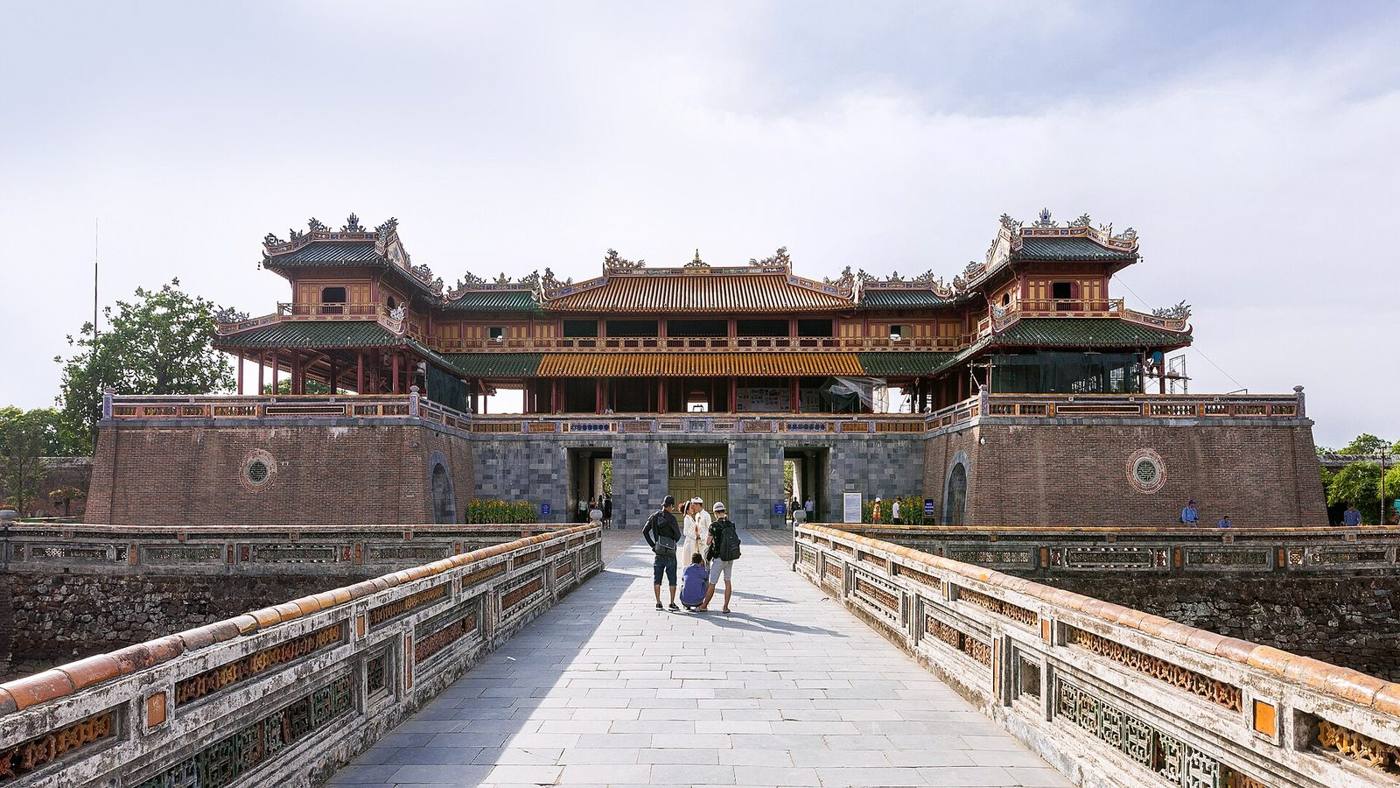
Hue, the Imperial City and the DMZ
The former Nguyen capital, a UNESCO World Heritage site: the Imperial City inside the citadel, the emperors' tombs along the Perfume River, Thien Mu Pagoda, and the wartime demilitarised zone with the Vinh Moc tunnels.