 Argentina
Places not to miss
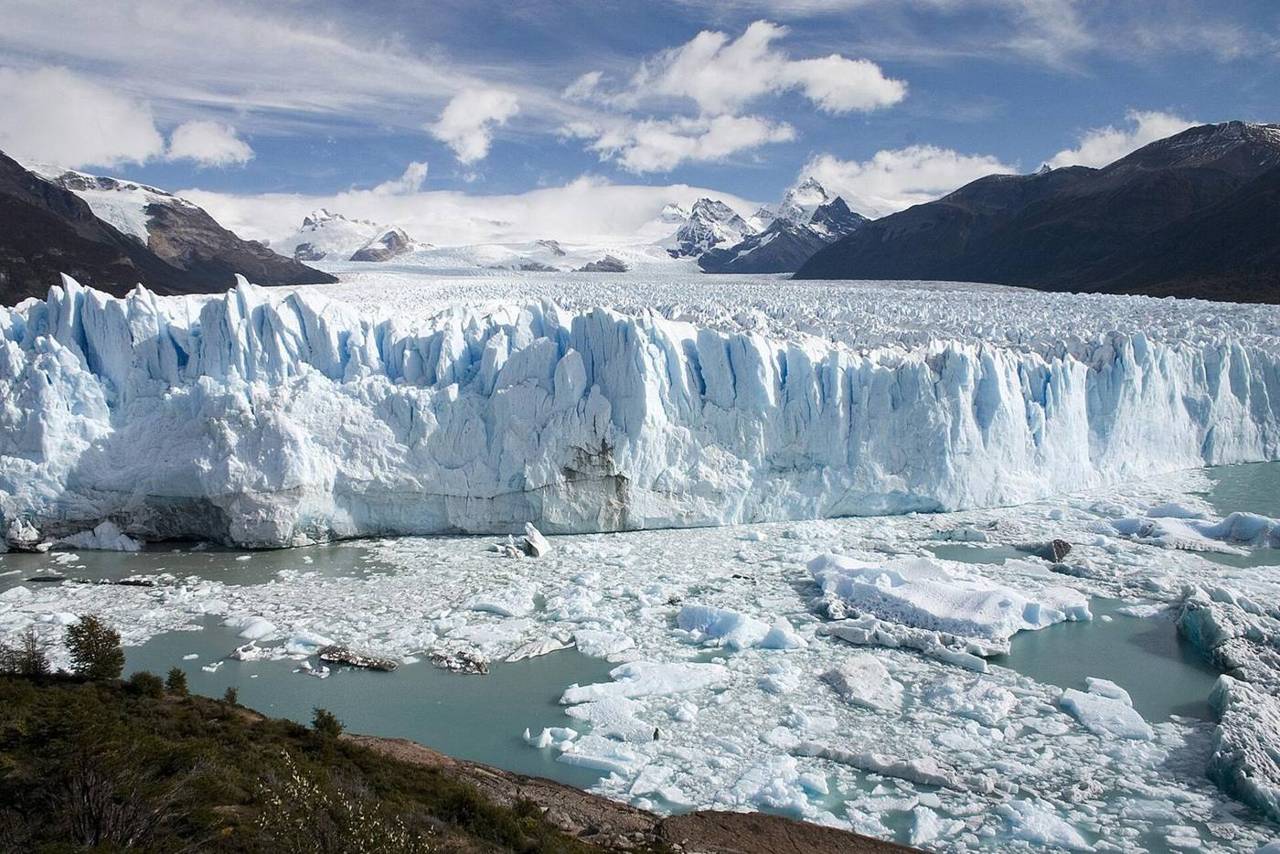
Perito Moreno
A glacier.
El Chaltén
Fitz Roy.
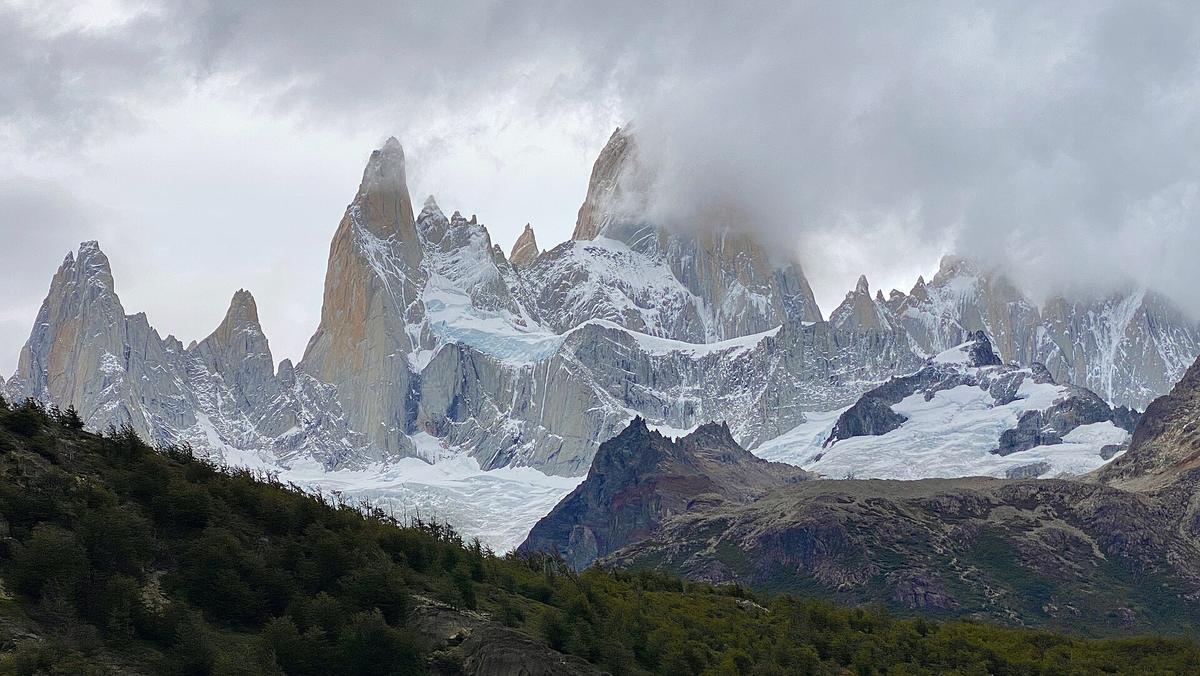
Photo: lamblukas, CC BY 2.0 Iguazú
Devil's Throat.
Buenos Aires
Tango.
Valdés Peninsula
Whales.
Ushuaia
The end of the world.
Mendoza
Wine.
Nature and wildlife
Whales, penguins, guanacos.
Food and drink
Asado, empanadas, Malbec.
When to go
October-April for Patagonia.
Did you know?
It is home to Aconcagua, the highest peak in the Americas.
Itineraries in Argentina
Glaciers and Fitz Roy
Argentine Patagonia in a week: the Perito Moreno, sailing among icebergs and the trails of El Chaltén.
Argentine and Chilean Patagonia
From Ushuaia at the end of the world to the glaciers, Fitz Roy and the towers of Torres del Paine, with the W trek.
Northern Argentina: Iguazú, the Jesuit missions and Salta
The Iguazú falls, the ruins of the Jesuit missions in the forest, then the northern Andes: Salta, the Quebrada de Humahuaca and the Hill of Seven Colours.
The enchanted Puna: lagoons, salt flats and high-altitude dunes
By 4x4 across the desert plateau of the north-west: the Campo de Piedra Pómez, the white dunes of Fiambalá, lagoons with flamingos and volcanoes over 6,000 metres.
Buenos Aires and Montevideo
A week in the tango capital, with the Tigre delta, an estancia in the pampas and the ferry to Colonia del Sacramento and Montevideo in Uruguay.
Patagonia express: Valdés, Fitz Roy, Torres del Paine and Ushuaia
The best of Patagonia in two weeks: whales and penguins at Valdés, Fitz Roy, the Perito Moreno glacier, Torres del Paine and the end of the world.
Transpatagonia: from Valdés along the Carretera Austral to Punta Arenas
Crossing Patagonia from east to west: the Atlantic coast at Valdés, the steppe, Chile's Carretera Austral, Lake O'Higgins by boat to Fitz Roy and Torres del Paine.
Aconcagua: the highest summit in the Americas
The expedition to Aconcagua's 6,962 metres by the normal route, with three weeks to acclimatise and climb safely.
Argentina, Bolivia and Chile: from the Puna to the Atacama
The great Andean plateau across three countries: northern Argentina, the Salar de Uyuni, the coloured lagoons of Sud Lípez and the Atacama desert to the Pacific.
Mendoza: wine, the Andes and Aconcagua up close
The Malbec capital at the foot of the Andes: wineries by bike in the Uco Valley, the road to the Cristo Redentor pass and the Aconcagua viewpoint.
Buenos Aires in depth
The tango capital at a gentle pace: San Telmo and its Sunday fair, the colours of La Boca, Recoleta cemetery, the Teatro Colón, historic cafés, Palermo with its parks and restaurants, an evening milonga and the parrillas serving the best beef.
Bariloche and the Seven Lakes Route
The Switzerland of Patagonia: Bariloche on Lake Nahuel Huapi, the Circuito Chico and Cerro Campanario, the scenic Seven Lakes road to San Martín de los Andes, Villa La Angostura and the forest of cinnamon-barked arrayanes.
Ushuaia and Tierra del Fuego
The southernmost city in the world between mountains and sea: sailing the Beagle Channel among islands of sea lions and cormorants, the penguins of Martillo Island, Tierra del Fuego National Park, the Martial glacier and the old prison museum.
Chubut: whales, penguins and Welsh towns
The Atlantic Patagonian coast in depth: southern right whales entering the gulfs of the Valdés Peninsula in winter and spring, the Magellanic penguin colony of Punta Tombo, the dolphins of Rawson and the tea houses of the Welsh settlers in Gaiman.
Córdoba and the Jesuit estancias
The colonial heart of Argentina: the Jesuit Block of Córdoba with the country's oldest university and the Jesuit estancias of Jesús María, Santa Catalina and Alta Gracia, a UNESCO World Heritage site, then the hills of the Sierras with the Alpine village of La Cumbrecita.
Ischigualasto and Talampaya
Two desert parks between San Juan and La Rioja, a UNESCO World Heritage site: the Valley of the Moon at Ischigualasto with wind-carved rocks and fossils of the earliest dinosaurs, and the red canyons of Talampaya with 150-metre walls and rock carvings.
Los Alerces, El Bolsón and Trevelin
The quieter Andean Patagonia: Los Alerces National Park, a UNESCO World Heritage site, with turquoise lakes and thousand-year-old alerce trees, the Welsh town of Trevelin with its tea houses and tulips, and El Bolsón with its craft market and the trails of Cerro Piltriquitrón.
The Iberá Wetlands in depth
One of the world's largest wetlands, in Corrientes province: caimans, capybaras, marsh deer, hundreds of birds and the jaguars reintroduced to the park, explored by boat, on foot and on horseback from the villages of Colonia Carlos Pellegrini and San Nicolás.
Jujuy: Iruya and the Hornocal
The most authentic Andean North: the Quebrada de Humahuaca with the Hill of Seven Colours, the fourteen-coloured mountain of the Hornocal at 4,350 metres, the village of Iruya clinging to a remote valley and the Salinas Grandes.
Neuquén: Lanín and Villa Pehuenia
The Patagonia of monkey-puzzle trees, prehistoric trees sacred to the Mapuche people: the Lanín volcano, a perfect snowy cone above lakes and forests, Junín de los Andes with its fly fishing, and the Aluminé and Moquehue lakes around the village of Villa Pehuenia.
Practical guide to Argentina
- Documents
- EU citizens enter without a visa for tourist stays of up to 90 days, with a valid passport. Anyone travelling with minors should check the documents required, as exit rules are strict.
- Safety
- The United States rates Argentina level 1, with level 2 for Rosario. In Buenos Aires watch out for pickpockets on public transport and in crowded areas; in La Boca stay in the tourist streets. In Patagonia and the Andes the main risks are wind, cold and fast-changing weather. Official advice: GOV.UK.
- Getting around
- Distances are huge: between Buenos Aires, Patagonia, the north and the falls you fly. In Buenos Aires domestic flights almost always leave from Aeroparque, near the centre, and international flights from Ezeiza. Long-distance buses are comfortable, with flat beds on overnight routes. In Patagonia a rental car gives freedom, but gravel roads are long.
- Verified costs
- We do not give a single daily figure: inflation changes prices often. Certain costs from 1 June 2026 for foreign visitors, according to the official national parks tariff (Parques Nacionales): Iguazú 60,000 pesos; Los Glaciares, with Perito Moreno, 50,000 pesos; Tierra del Fuego 40,000 pesos. The second day costs half.
Climate month by month
Average minimum and maximum temperatures in Buenos Aires, El Calafate and Salta. Seasons are reversed compared with Europe: summer runs from December to February. Patagonia is cool and windy even in summer and freezing in winter.
- January
- Buenos Aires 20 / 30 °C · El Calafate 7 / 19 °C · Salta 17 / 28 °C
- February
- Buenos Aires 19 / 29 °C · El Calafate 7 / 19 °C · Salta 16 / 26 °C
- March
- Buenos Aires 18 / 27 °C · El Calafate 5 / 17 °C · Salta 15 / 25 °C
- April
- Buenos Aires 14 / 23 °C · El Calafate 1 / 13 °C · Salta 12 / 23 °C
- May
- Buenos Aires 11 / 19 °C · El Calafate -2 / 9 °C · Salta 8 / 20 °C
- June
- Buenos Aires 8 / 16 °C · El Calafate -4 / 6 °C · Salta 4 / 20 °C
- July
- Buenos Aires 8 / 16 °C · El Calafate -4 / 5 °C · Salta 3 / 20 °C
- August
- Buenos Aires 9 / 18 °C · El Calafate -3 / 7 °C · Salta 5 / 23 °C
- September
- Buenos Aires 11 / 20 °C · El Calafate -1 / 11 °C · Salta 8 / 25 °C
- October
- Buenos Aires 13 / 23 °C · El Calafate 1 / 14 °C · Salta 12 / 27 °C
- November
- Buenos Aires 16 / 26 °C · El Calafate 4 / 16 °C · Salta 14 / 28 °C
- December
- Buenos Aires 18 / 29 °C · El Calafate 6 / 18 °C · Salta 16 / 28 °C
Source: Climats et Voyages (Buenos Aires and Salta 1991-2020; for El Calafate the period is not stated). Data and prices checked in November 2026.
Where to go and where not to
There are no particular warnings beyond normal precautions; before booking, always check up-to-date official travel advice, because the situation can change.