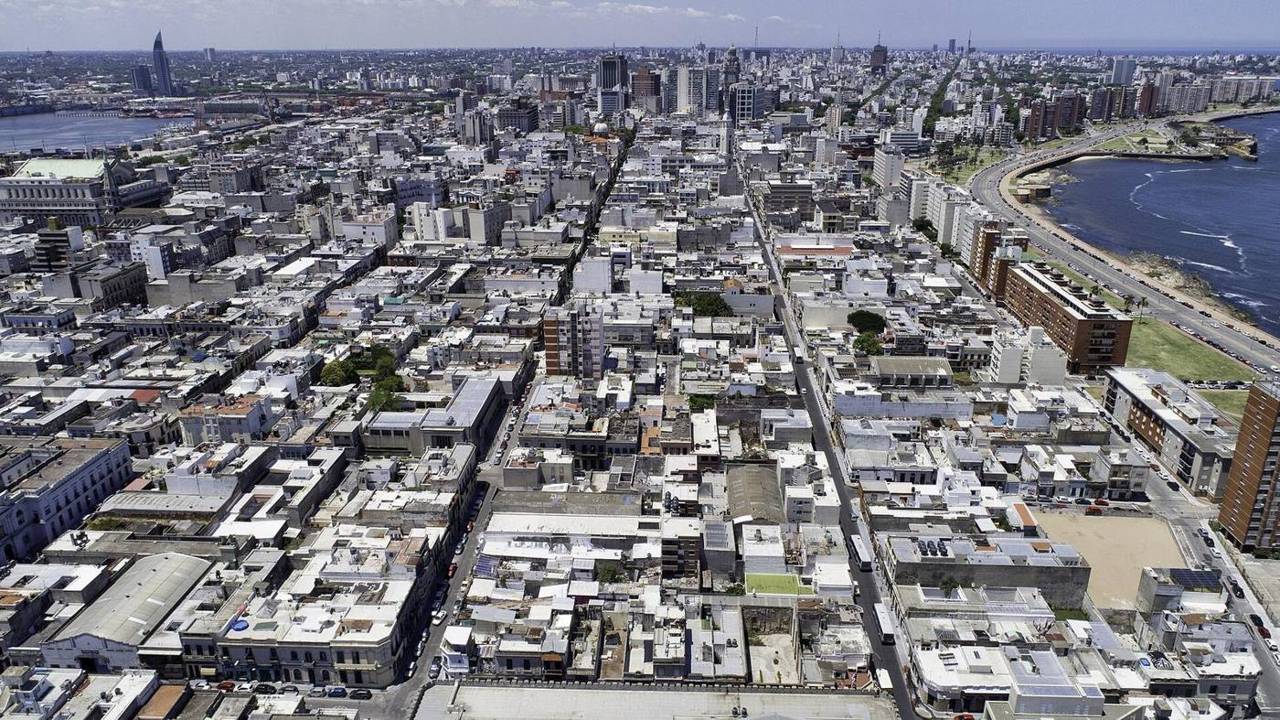
Buenos Aires and Montevideo
A week in the tango capital, with the Tigre delta, an estancia in the pampas and the ferry to Colonia del Sacramento and Montevideo in Uruguay.
- Buenos Aires
- Tigre
- San Antonio de Areco
- Colonia del Sacramento
- Montevideo
Day by day
- Day 1
Arrival in Buenos Aires
This trip combines the two capitals of the Río de la Plata, Buenos Aires and Montevideo, with the Tigre delta, the gaucho pampas at San Antonio de Areco and little Colonia del Sacramento on the Uruguayan shore. It is a journey of cities, tango, cafés, markets, grilled meat and rivers as wide as the sea.
To enter Argentina, Italian and most EU citizens do not need a visa for stays of up to 90 days; travel health insurance is required. The US government rates Argentina at level 1 of 4. For Uruguay check the current entry requirements before you go.
You fly into Ezeiza international airport, about an hour from central Buenos Aires, more in traffic.
On the first day, after the long flight, rest and take a first walk in the centre: Plaza de Mayo, the main square, with the Casa Rosada, the pink presidential palace, and the metropolitan cathedral, where the tomb of General San Martín, hero of independence, lies. On Thursday afternoons the Mothers of Plaza de Mayo gather here, who since the years of the dictatorship have demanded news of their disappeared children.
Then walk along Avenida de Mayo, with its Belle Époque buildings, to the Congress palace.
In the evening have dinner with Argentine food: empanadas, provoleta, grilled melted cheese, and a steak with a glass of malbec. In Argentina people eat late, often after nine in the evening.
Spend the night in Buenos Aires.
Practical tip: the best time is October to December and March to May. In Buenos Aires keep your phone and wallet safe: there are pickpockets in crowded areas.
- Day 2
San Telmo and La Boca, the Sunday market
Today discover the historic districts of southern Buenos Aires. The plan is designed for a Sunday, the day of the great San Telmo fair.
In the morning walk around San Telmo, the oldest district in the city, with cobbled streets, colonial houses, courtyards, churches and antique shops. On Sundays Calle Defensa fills for kilometres with the San Telmo fair, with stalls of vintage objects, crafts, books, records, street musicians and tango dancers in Plaza Dorrego. Also visit the nineteenth century San Telmo covered market, with fruit and vegetable stalls, old objects and cafés.
In the afternoon go to La Boca, the port district, where at the end of the nineteenth century immigrants arrived, many of them Italians, mainly from Genoa. Caminito is a small pedestrian street with houses of corrugated iron and wood painted in bright colours, born from an idea of the painter Benito Quinquela Martín, who lived here. Visit the Quinquela Martín museum, with his paintings of the port and its workers.
La Boca is also the home of Boca Juniors: the stadium, La Bombonera, can be seen from outside, and there is a club museum.
In the evening return to the centre or San Telmo for dinner.
Spend the night in Buenos Aires.
Practical tip: in La Boca stay within the tourist area of Caminito and go by day: the surrounding streets are less safe. To get around use taxis or cars booked through apps.
- Day 3
Recoleta, Palermo, the parrilla and the milonga
Today discover the northern districts of Buenos Aires, more elegant and green.
In the morning visit Recoleta cemetery, one of the most famous monumental cemeteries in the world, a city of marble mausoleums, chapels, statues and paths, where Argentina's most important families are buried. Here is the tomb of Eva Perón, Evita, always covered in flowers.
Then stroll through Recoleta, with its French style buildings, and visit the National Museum of Fine Arts, with European and Argentine works, and the Floralis Genérica, a large steel sculpture in the shape of a flower that opens and closes with the sun.
In the afternoon go to Palermo, the largest district in the city, with the great parks of the Palermo woods, the rose garden, the Japanese garden and the museum of Latin American art, MALBA, with works by Frida Kahlo and other artists from the continent. Then walk around Palermo Soho, with design shops, murals and cafés.
In the evening have dinner at a parrilla, the typical grill restaurant, with bife de chorizo, ojo de bife, sausage, morcilla and chimichurri.
After dinner go to a milonga, a dance hall where locals dance tango, often until late at night. Many milongas offer a beginners' lesson before the dancing.
Spend the night in Buenos Aires.
Practical tip: Recoleta cemetery and the museums may charge foreigners: check times and prices. Milongas have different days and times: ask where people dance on the evening you are interested in.
- Day 4
The Tigre delta by boat
Today take a trip to the Paraná delta at Tigre, about an hour north of Buenos Aires by train.
The Paraná delta is a huge maze of rivers, channels and islands covered in vegetation, where the Paraná river flows into the Río de la Plata. The islands are home to thousands of people, who live in houses on stilts and get around only by boat. The shared boats, the lanchas, act as bus, ambulance and school bus, and even deliver the groceries.
In the morning take the train from Retiro to Tigre, or the coastal train, a tourist train passing through small residential towns along the river such as San Isidro, with its cathedral.
In Tigre visit the Puerto de Frutos, a market of wicker, furniture, plants and crafts, and the Museum of Mate, Argentina's traditional drink.
In the afternoon take a boat trip in the delta, on a shared boat or a tourist excursion, along the Sarmiento and Capitán rivers, among colourful houses, jetties, gardens, tropical trees and rowing clubs. You can stop for lunch on an island at one of the waterside restaurants.
In the evening return to Buenos Aires by train or boat.
Spend the night in Buenos Aires.
Practical tip: at weekends the delta is very busy with Buenos Aires residents: go on a weekday if you can. Boat trips charge fees: check times and prices.
- Day 5
San Antonio de Areco: gauchos and asado
Today go into the pampas, to San Antonio de Areco, about two hours west of Buenos Aires.
San Antonio de Areco is a small colonial town, considered the capital of gaucho tradition. Gauchos are the horsemen of the pampas, the herdsmen who for centuries worked on the great estancias, the cattle ranches, and they are a symbol of Argentine identity, like cowboys in the United States.
In the morning walk around the centre of Areco, with cobbled streets, low houses, the square with its church and the old bridge over the Areco river. Visit the workshops of silversmiths, saddlers and weavers, who make knives, spurs, horse tack, ponchos and braided leather belts. Also visit the Ricardo Güiraldes gaucho museum, dedicated to the writer of the novel Don Segundo Sombra, set here.
In the afternoon go to a nearby estancia for a country day, the día de campo: you arrive for a lunch of asado, the great Argentine barbecue of beef, sausages and vegetables cooked over embers, with wine, salads and desserts. Then the gauchos show their skills on horseback, and you can go for a ride on the pampas.
At sunset look out over the immense plain, stretching flat to the horizon.
In the evening return to Buenos Aires or stay at an estancia.
Spend the night in Buenos Aires or San Antonio de Areco.
Practical tip: in November Areco holds its tradition festival, with gaucho parades: check the dates. Estancia days must be booked in advance.
- Day 6
By ferry to Colonia del Sacramento
Today cross the Río de la Plata by ferry to Colonia del Sacramento, in Uruguay, in about an hour to an hour and a half on the fast ferries.
The Río de la Plata is the estuary of the Paraná and Uruguay rivers, so wide that in many places you cannot see the other shore: between Buenos Aires and Colonia there are about fifty kilometres of water.
Colonia del Sacramento was founded by the Portuguese in 1680, opposite Spanish Buenos Aires, and passed several times between Portuguese and Spanish hands. Its historic quarter, the Barrio Histórico, is a UNESCO World Heritage Site, keeping stone streets, low Portuguese and Spanish colonial houses, trees and flowers, on a small peninsula on the river.
In the afternoon walk around the historic quarter: the city gate with its drawbridge, Calle de los Suspiros, one of the oldest and most photographed streets, the Basilica of the Holy Sacrament, the lighthouse, built on the remains of a convent, with views over the town and the river, and the small museums.
At sunset sit on the riverbank to watch the sun go down over the water towards Buenos Aires: it is one of the finest sunsets in the region.
In the evening have dinner with Uruguayan food: the chivito, a sandwich with beef, eggs, ham and cheese, or grilled meat.
Spend the night in Colonia del Sacramento.
Practical tip: Argentine and Uruguayan border controls are done at the port before boarding: arrive well ahead and bring your passport. Book tickets in advance at weekends.
- Day 7
Montevideo: old town, Mercado del Puerto and the rambla
Today go to Montevideo, the capital of Uruguay, about two and a half hours by bus from Colonia, through the Uruguayan countryside.
Montevideo is a calm city on the Río de la Plata, with about a million and a half inhabitants, almost half the population of Uruguay.
In the morning, on arrival, walk around the Ciudad Vieja, the old town, with Plaza Independencia, home to the mausoleum of General Artigas, the national hero, and the Palacio Salvo, a great 1920s skyscraper, for a long time the tallest in South America. Go through the gate of the Citadel, the only remnant of the walls, and along the pedestrian Calle Sarandí, with shops, cafés and street artists. Visit the Teatro Solís, from 1856, one of the oldest theatres in South America.
For lunch go to the Mercado del Puerto, a nineteenth century covered market with a great iron structure, full of parrillas cooking meat over wood. Also try medio y medio, sparkling and white wine mixed, typical of the market.
In the afternoon walk or cycle along the rambla, Montevideo's riverfront promenade, more than twenty kilometres long, with beaches, anglers and people drinking mate. Uruguayans always carry a thermos of hot water and the mate gourd.
At sunset watch the sun over the river from the rambla.
Spend the night in Montevideo.
Practical tip: in the Ciudad Vieja some streets are deserted at night: get around by taxi. The Teatro Solís runs paid guided tours: check the times.
- Day 8
Back to Buenos Aires
Today return to Buenos Aires. From Montevideo there are direct ferries, taking about two and a half to three hours, or you can go back by bus to Colonia and take the ferry from there.
In the morning, before leaving, visit something you have not yet seen in Montevideo: the Carnival Museum, which tells the story of Montevideo's carnival, one of the longest in the world, with the comparsas of candombe, the drum music of African origin, and the murgas, satirical singing groups; or the Torres García museum, dedicated to the Uruguayan painter Joaquín Torres García, famous for his upside down map of South America.
In the afternoon take the ferry to Buenos Aires.
In the evening, on arrival, if you still have energy, go to a tango show, or take a last walk in Puerto Madero, the old port turned into a modern district with skyscrapers, restaurants along the docks and the Puente de la Mujer, a white footbridge designed by the architect Santiago Calatrava.
Then, if it is late, have a coffee in one of the historic cafés on Avenida de Mayo or around San Telmo, with their wood panelling, mirrors and stained glass.
Spend the night in Buenos Aires.
Practical tip: at the port of Montevideo arrive at least an hour before departure for border controls. Tango shows must be booked in advance and are paid: check.
- Day 9
Departure
On the last day you leave Buenos Aires.
If your flight is in the evening, as is often the case for flights to Europe, you have the day no-cost. In the morning you can visit the Teatro Colón, one of the world's great opera houses, opened in 1908 and famous for its acoustics, with guided tours showing the auditorium, the foyer and the reception rooms. Or step into the great bookshop on Avenida Santa Fe set in an old theatre, with boxes, frescoes and a red curtain, considered one of the most beautiful bookshops in the world.
For lunch have a last Argentine meal: empanadas, milanesa, the Argentine breaded cutlet, or a Buenos Aires style pizza with lots of cheese, a legacy of Italian immigrants. For dessert, alfajores, biscuits filled with dulce de leche.
Before leaving buy some souvenirs: dulce de leche, alfajores, a mate gourd and bombilla, the metal straw used to drink it, malbec wine, leather goods and tango records.
From Ezeiza airport there are direct flights to Rome, Madrid and other European cities.
If you have a few more days, you can add the Iguazú Falls, by air from Buenos Aires, or Patagonia.
Practical tip: leave for Ezeiza in good time, at least three hours before your flight, as traffic to the airport can be very slow. Teatro Colón tours charge a fee and must be booked: check.
For lovers of cities, beef and music. Buenos Aires is one of South America's most European and lively capitals. In Argentina only change money through official channels or pay by card: currency rules change often.
Before you go
- Documents and visa
- Valid passport; no visa for tourism up to 90 days for EU citizens.
- Health and vaccines
- No compulsory vaccines arriving from Europe; yellow fever is recommended for Misiones and Corrientes. In Patagonia beware of hantavirus in forests and closed huts. Emergencies: 911.
- Money and payments
- Argentine peso. Inflation changes prices often; foreign cards work almost everywhere and paying by card is usually best, keeping some cash.
- Power sockets
- Types I and C, 220 volts: you need an adapter for the angled flat-pin plugs.
- Time zone
- UTC-3 all year: Argentina does not use daylight saving time.
- Safety
- The United States rates Argentina level 1, with level 2 for Rosario. In Buenos Aires watch out for pickpockets; in the mountains and Patagonia the main risks are wind and weather. Official advice: GOV.UK.
Information checked in November 2026 for Italian and EU citizens. Rules change: always check before you travel.
Variations
In 5 days: Buenos Aires only, with Tigre and San Antonio de Areco.
In 12 days: add the Iguazú Falls by air, or the Uruguayan coast to Punta del Este and Cabo Polonio.
Frequently asked questions
Do I need a visa?
For Argentina, Italian and most EU citizens do not need a visa for up to 90 days, but travel health insurance is required. For Uruguay check the current requirements.
Is Buenos Aires safe?
The United States rates Argentina at level 1. As in any big city, watch out for pickpockets, and in La Boca stay in the tourist area by day.
When is the best time to go?
October to December and March to May. January and February are very hot and humid, July and August cool.
Indicative itinerary written by World Atlas. Before booking, check timetables, seasonal openings, documents and safety.
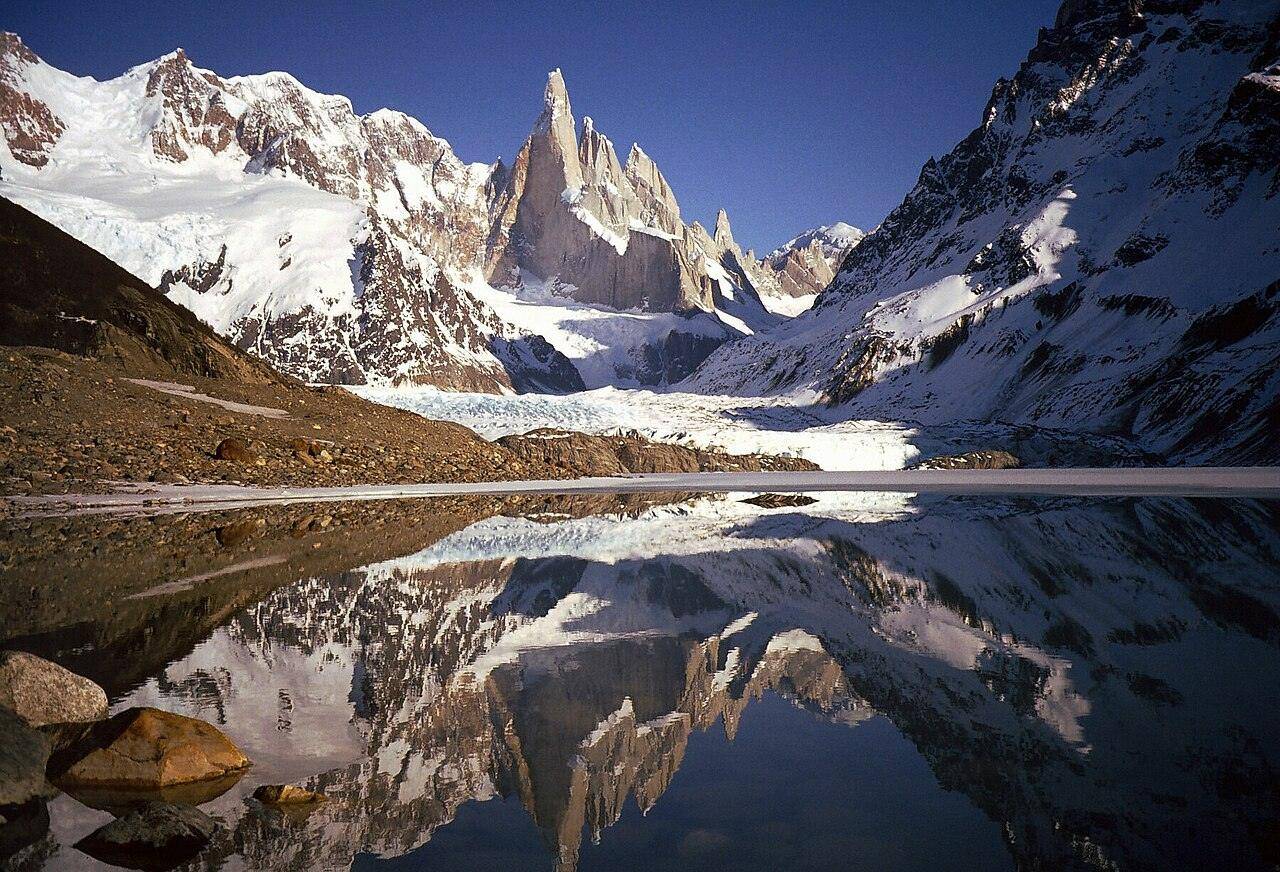 7 daysModerate
Glaciers and Fitz Roy
Argentine Patagonia in a week: the Perito Moreno, sailing among icebergs and the trails of El Chaltén.
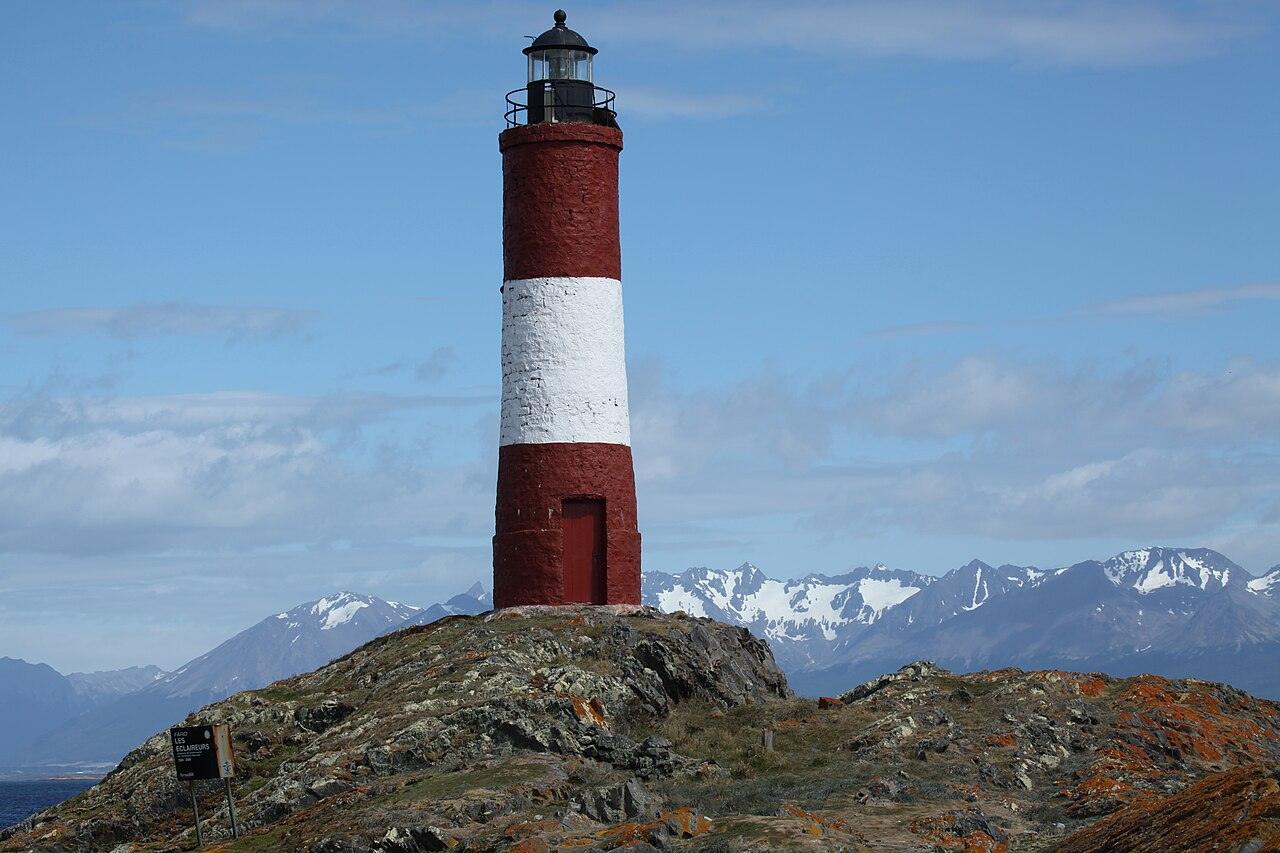 15 daysChallenging
Argentine and Chilean Patagonia
From Ushuaia at the end of the world to the glaciers, Fitz Roy and the towers of Torres del Paine, with the W trek.
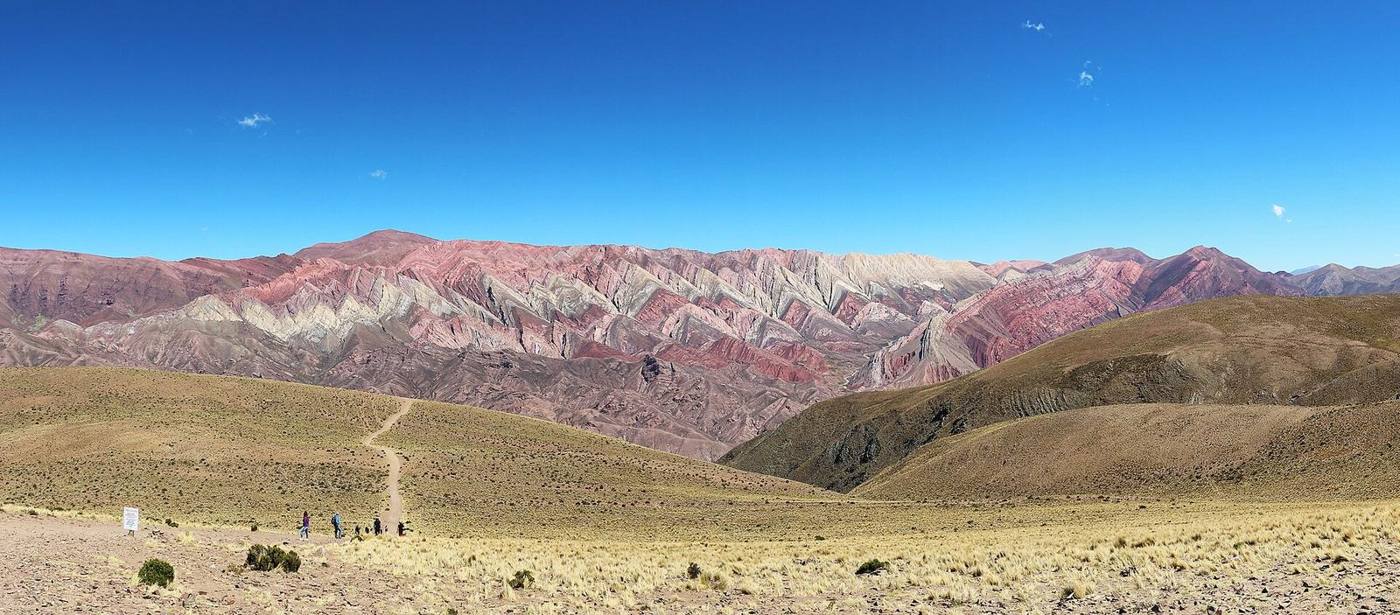 17 daysModerate
Northern Argentina: Iguazú, the Jesuit missions and Salta
The Iguazú falls, the ruins of the Jesuit missions in the forest, then the northern Andes: Salta, the Quebrada de Humahuaca and the Hill of Seven Colours.