Neuquén: Lanín and Villa Pehuenia
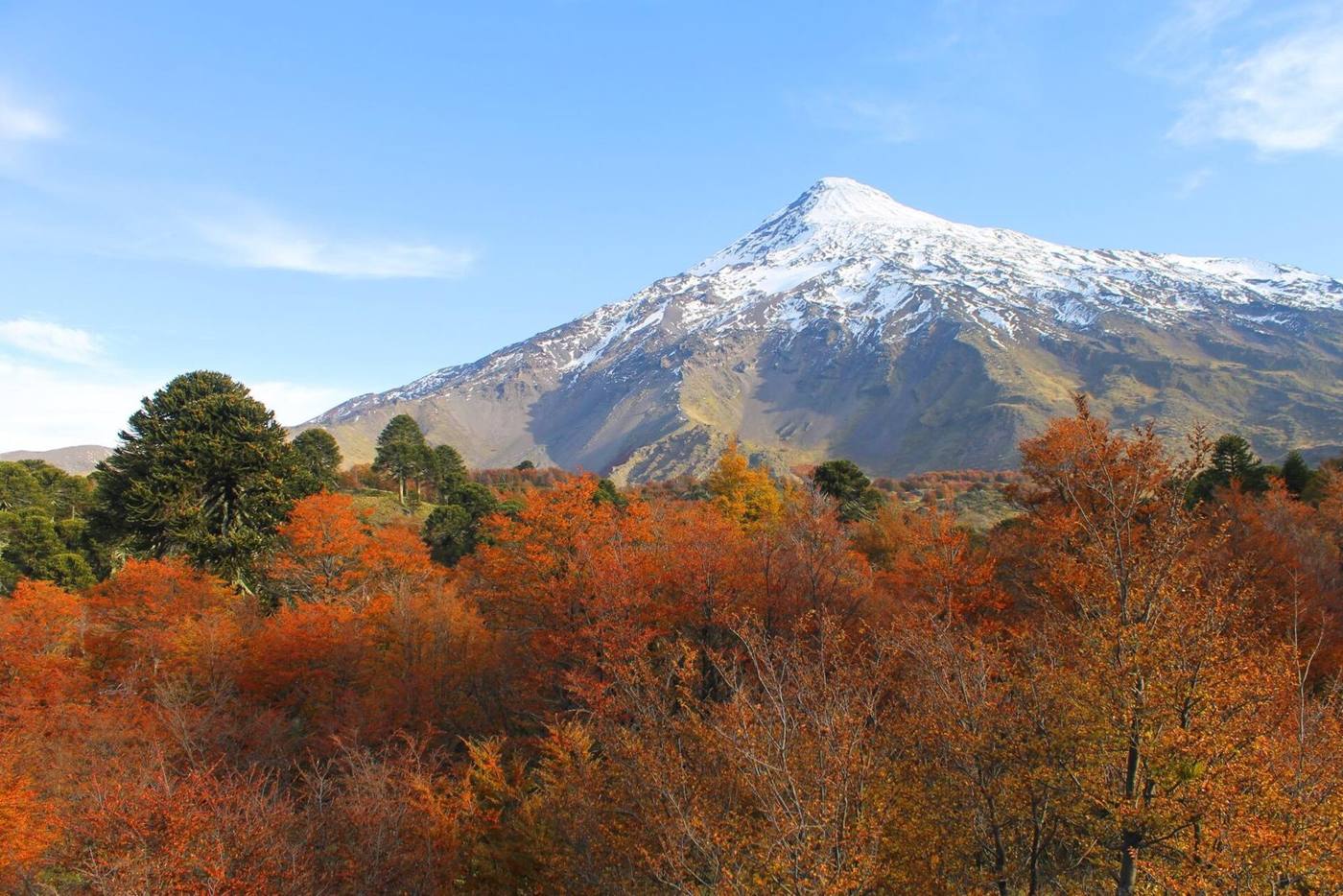
The Patagonia of monkey-puzzle trees, prehistoric trees sacred to the Mapuche people: the Lanín volcano, a perfect snowy cone above lakes and forests, Junín de los Andes with its fly fishing, and the Aluminé and Moquehue lakes around the village of Villa Pehuenia.
- San Martín de los Andes
- Junín de los Andes
- Lanín
- Aluminé
- Villa Pehuenia
Day by day
- Day 1
San Martín de los Andes and Lake Lácar
Neuquén province, in northern Argentine Patagonia, is a land of glacial lakes, southern beech and monkey puzzle forests, snowy volcanoes and Mapuche communities. At its heart stands Lanín volcano, an almost perfect cone about 3,750 metres high on the Chilean border, the symbol of the province and the centre of the national park named after it. It is less famous than Bariloche, quieter and wilder. In six days you see San Martín de los Andes, Junín de los Andes, Lanín, Aluminé and Villa Pehuenia.
You arrive by plane at Chapelco airport, between San Martín and Junín, with flights from Buenos Aires, or at Bariloche and then by car along the Seven Lakes Road. It is best to hire a car.
San Martín de los Andes is a small mountain town on the east shore of Lake Lácar, with wooden and stone houses, flower gardens and forested mountains all around. In the afternoon, walk along the lakeside and through the centre, then climb to the Arrayanes viewpoint, about twenty minutes on foot, for the view over the town and the lake, which stretches west towards Chile.
Alternatively, take a boat across the lake to Quila Quina beach on the south shore, in Mapuche territory, with sand and clear water.
In the evening, taste Patagonian food: grilled lamb, trout, forest mushrooms and local craft beer.
In the evening, sleep in San Martín de los Andes.
Practical tip: Italian citizens enter Argentina without a visa for up to 90 days, but health insurance covering the stay is required on entry. The United States has Argentina at level 1.
- Day 2
Junín de los Andes and Lake Huechulafquen below Lanín
In the morning, drive north to Junín de los Andes, about forty minutes away, a small town on the Chimehuín river, considered one of Argentina's trout-fishing capitals. A large Mapuche community lives here, the original people of Patagonia, and the town has a strong religious and cultural identity.
Visit the Vía Christi, a walking route on a hill above the town, with large sculptures telling the life of Christ by combining Christian tradition and Mapuche culture, with Indigenous figures and Patagonian landscapes. Visit also the sanctuary of Ceferino Namuncurá, a young Mapuche man who was beatified and is much venerated in Patagonia.
In the afternoon, continue west on a partly unpaved road to Lake Huechulafquen, about an hour away, the largest lake in Lanín National Park, about thirty kilometres long. The lake is surrounded by hills and dominated by the snowy face of Lanín volcano, reflected in the blue water on calm days. Along the shore there are dark sand beaches, campsites run by Mapuche communities and beech woods.
At sunset, the pink light on the summit of Lanín is one of the most beautiful sights in northern Patagonia.
In the evening, sleep in a cabin on Lake Huechulafquen or return to Junín.
Practical tip: the road to Lake Huechulafquen is partly unpaved and the nearest fuel station is in Junín. Fill up before setting out.
- Day 3
Trails at the foot of Lanín and Lake Tromen
In the morning, drive north-west to the Mamuil Malal pass on the Chilean border, where Lake Tromen lies at the foot of the north face of Lanín. Here the forest is of monkey puzzle trees, the sacred trees of the Mapuche, called pehuén, with candelabra-shaped branches and hard, sharp leaves, which can live more than a thousand years. Their seeds, piñones, were a staple food of the Pehuenche people.
From the ranger post at Lake Tromen several trails set off. An easy one follows the lake among the monkey puzzles, with views of the volcano rising above the forest. Another, more demanding, climbs towards the base of Lanín to the edge of the forest, with views of the wall of ice and volcanic rock. Climbing to the summit of Lanín is a two- or three-day mountaineering ascent with crampons and ice axe, requiring compulsory registration with the park.
In the afternoon, walk to the Saltillo waterfall or to the viewpoint over the lava flow, with lumps of black rock among the vegetation.
Then return towards Junín de los Andes along the valley, past estancias and grazing land.
In the evening, sleep in Junín de los Andes.
Practical tip: near the pass the wind is strong and the weather changes quickly. Bring a windproof jacket and warm clothes even in summer, and register with the rangers for longer trails.
- Day 4
The road to Aluminé among the monkey puzzles
In the morning, drive north on provincial road 23 to Aluminé, about two and a half hours from Junín, along the valley of the Aluminé river, one of the most beautiful in Patagonia, with clear green water running fast between rocks and rapids.
The road crosses the lands of Mapuche communities, with small houses, pens for sheep and goats, and monkey puzzle woods on the hills. Stop at viewpoints along the river and, if you like, book a rafting trip on the Aluminé rapids, suitable even for beginners on the easier sections, with local guides.
Aluminé is a small, quiet town, the centre of the monkey puzzle seed harvest. In autumn, between March and April, Mapuche families go up into the woods to gather piñones, eaten boiled, roasted or ground into flour. In April the piñón festival takes place, with music and traditional food.
In the afternoon, walk along the river or visit Lake Ruca Choroi, west of town, surrounded by monkey puzzle and beech forest, in an area inhabited by a Mapuche community, where you can take a walk with a local guide.
In the evening, taste kid goat and piñón sweets.
In the evening, sleep in Aluminé.
Practical tip: provincial road 23 is partly unpaved and narrow in places. Drive carefully, especially after rain, and do not travel at night.
- Day 5
Villa Pehuenia: Batea Mahuida volcano and Mapuche communities
In the morning, continue north-west to Villa Pehuenia, about an hour from Aluminé, a small village on the shore of Lake Aluminé in the middle of a monkey puzzle forest, founded in the 1980s and still little known.
In the morning, go up Batea Mahuida, an old extinct volcano about twenty minutes from the village, whose area is managed by the Puel Mapuche community. In winter there is a small ski area run by the community, and in summer you go up by car or on foot to the crater, which holds a lagoon. From the top, on clear days, you see seven volcanoes, including Lanín, Llaima and Villarrica, in Argentina and Chile, and the Aluminé and Moquehue lakes.
In the afternoon, visit the Mapuche community, where you can learn about crafts, loom weaving and traditional food, and hear the story of the Pehuenche, the people of the monkey puzzle tree. Respect sacred places and always ask before taking photographs.
Alternatively, kayak on Lake Aluminé or walk around the Villa Pehuenia peninsula, with its beaches and monkey puzzles.
In the evening, sleep in Villa Pehuenia, in a cabin on the lake.
Practical tip: Batea Mahuida and its land are managed by the Mapuche community, which asks for a contribution for access. Follow their instructions and stay on the trails.
- Day 6
Lake Moquehue and the return
In the morning, drive to Lake Moquehue, a few kilometres from Villa Pehuenia, linked to Lake Aluminé by a narrow channel. The lake is surrounded by monkey puzzle and beech forests, with small beaches and an even more isolated, quiet village, Moquehue.
Walk along the shore or on the trail to the Arroyo Blanco waterfall, a forest waterfall reached by a short walk. In autumn the lenga beeches turn red and orange, and the contrast with the dark green of the monkey puzzles and the blue of the lake is spectacular.
In the early afternoon, start the return journey. You can head back towards Chapelco airport, about four and a half hours away, passing through Aluminé and Junín again, or go east towards Zapala and Neuquén city, with its airport and flights to Buenos Aires.
If you have a few more days, from Villa Pehuenia you can cross into Chile through the Icalma pass, towards Conguillío National Park and Llaima volcano, with another great monkey puzzle forest.
This trip combines well with the Seven Lakes Road and Bariloche to the south, or with the Chilean lake district.
Practical tip: border passes with Chile can close because of snow, even in spring and autumn. If you want to cross the border, check the status of the pass first and carry your passport.
A Patagonia little known to Europeans, best by car. Climbing to the top of Lanín (3,776 m) is real mountaineering, only with a guide and a park permit. Many roads are gravel. It combines well with the Seven Lakes Route. Italians need no visa for up to 90 days; Argentina requires tourists to hold health insurance valid for the whole stay.
Before you go
- Documents and visa
- Valid passport; no visa for tourism up to 90 days for EU citizens.
- Health and vaccines
- No compulsory vaccines arriving from Europe; yellow fever is recommended for Misiones and Corrientes. In Patagonia beware of hantavirus in forests and closed huts. Emergencies: 911.
- Money and payments
- Argentine peso. Inflation changes prices often; foreign cards work almost everywhere and paying by card is usually best, keeping some cash.
- Power sockets
- Types I and C, 220 volts: you need an adapter for the angled flat-pin plugs.
- Time zone
- UTC-3 all year: Argentina does not use daylight saving time.
- Safety
- The United States rates Argentina level 1, with level 2 for Rosario. In Buenos Aires watch out for pickpockets; in the mountains and Patagonia the main risks are wind and weather. Official advice: GOV.UK.
Information checked in November 2026 for Italian and EU citizens. Rules change: always check before you travel.
Variations
In 4 days: San Martín, Lake Huechulafquen and Lake Tromen.
In 10 days: add the Seven Lakes Road and Bariloche.
Frequently asked questions
When is the best time to go?
From December to March for walking, with long, mild days. In April the woods have autumn colours. In winter there is snow and skiing at Chapelco and Batea Mahuida.
Do I need a car?
Yes: distances are long, some roads are unpaved and public transport is scarce. Fill up often.
What documents do I need?
A passport. Italian citizens enter without a visa for up to 90 days, with health insurance covering the stay.
Indicative itinerary written by World Atlas. Before booking, check timetables, seasonal openings, documents and safety.
 5 daysEasy
Buenos Aires in depth
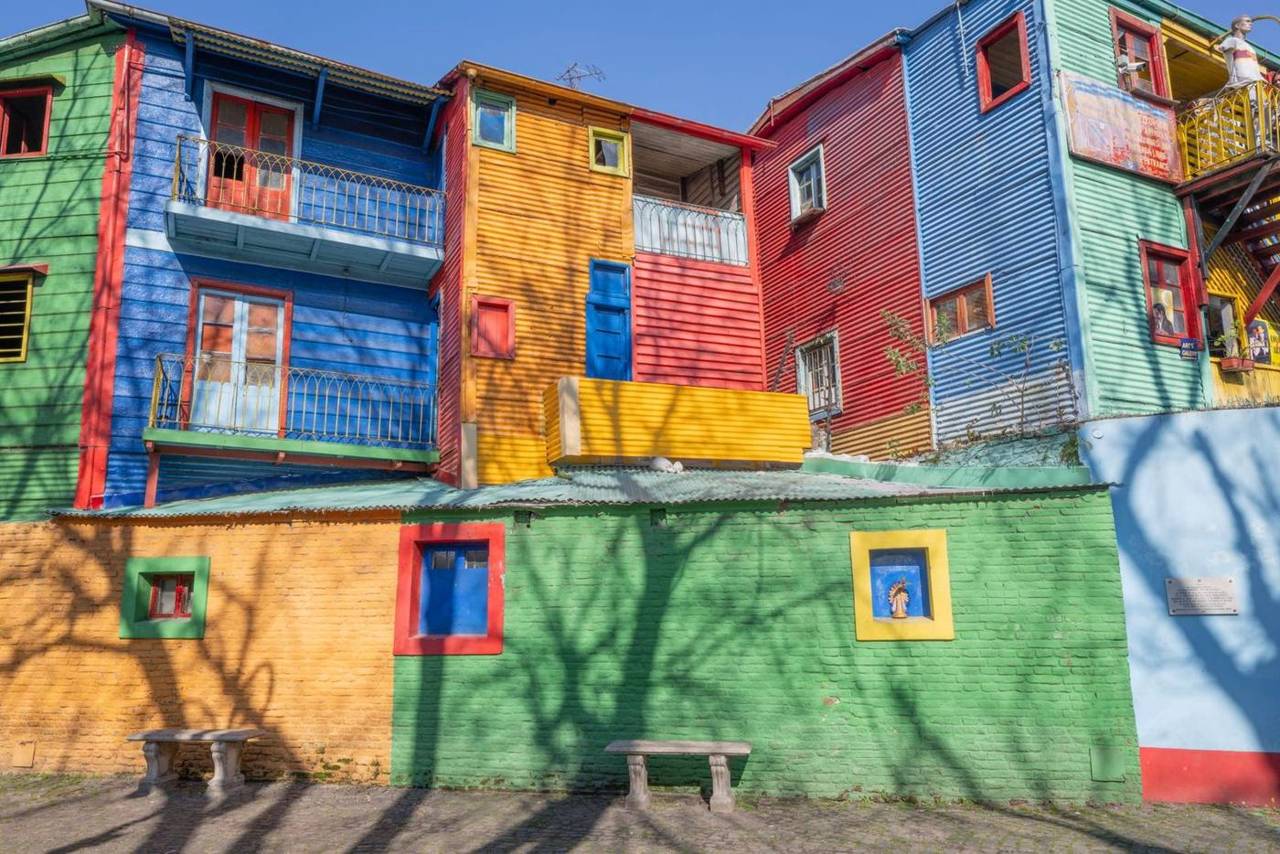
The tango capital at a gentle pace: San Telmo and its Sunday fair, the colours of La Boca, Recoleta cemetery, the Teatro Colón, historic cafés, Palermo with its parks and restaurants, an evening milonga and the parrillas serving the best beef.
 7 daysEasy
Bariloche and the Seven Lakes Route
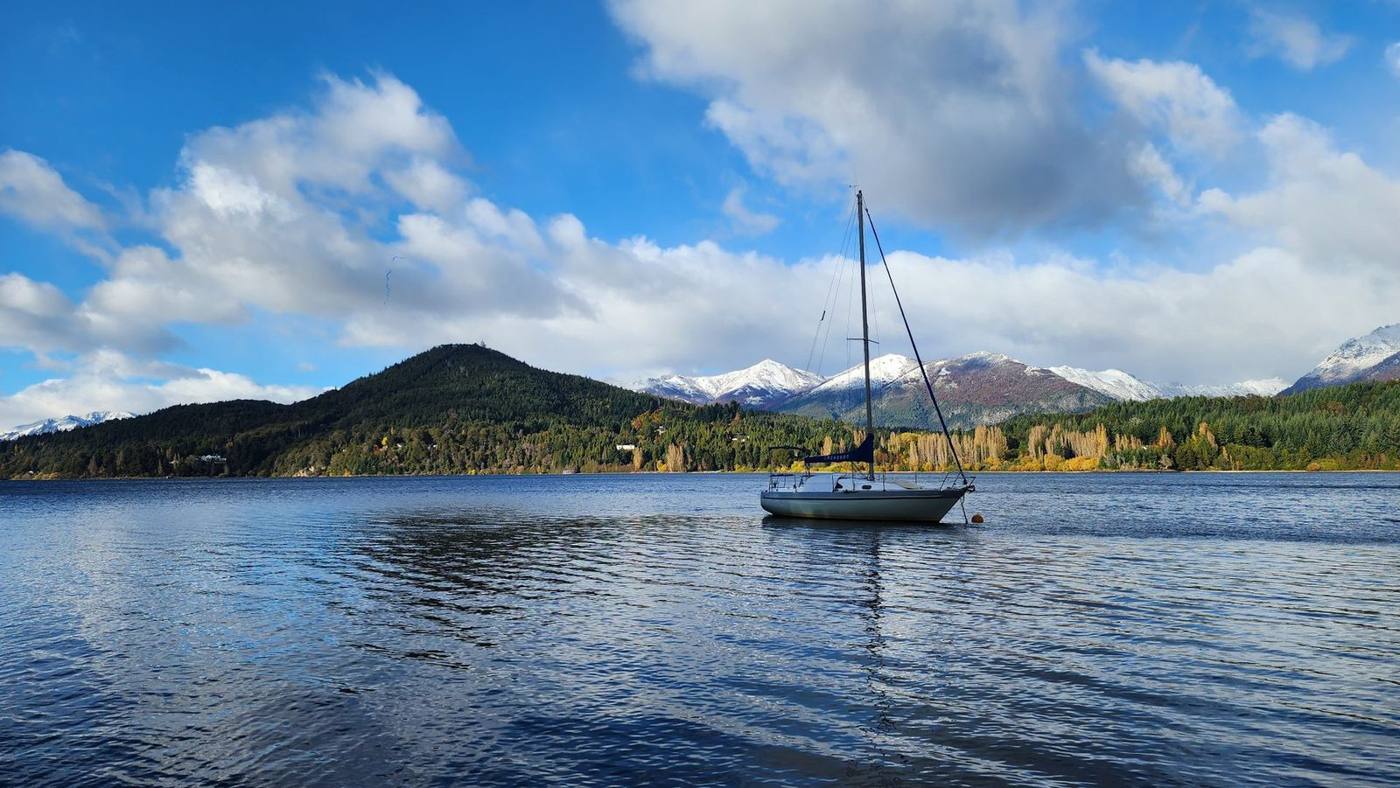
The Switzerland of Patagonia: Bariloche on Lake Nahuel Huapi, the Circuito Chico and Cerro Campanario, the scenic Seven Lakes road to San Martín de los Andes, Villa La Angostura and the forest of cinnamon-barked arrayanes.
 5 daysEasy
Ushuaia and Tierra del Fuego
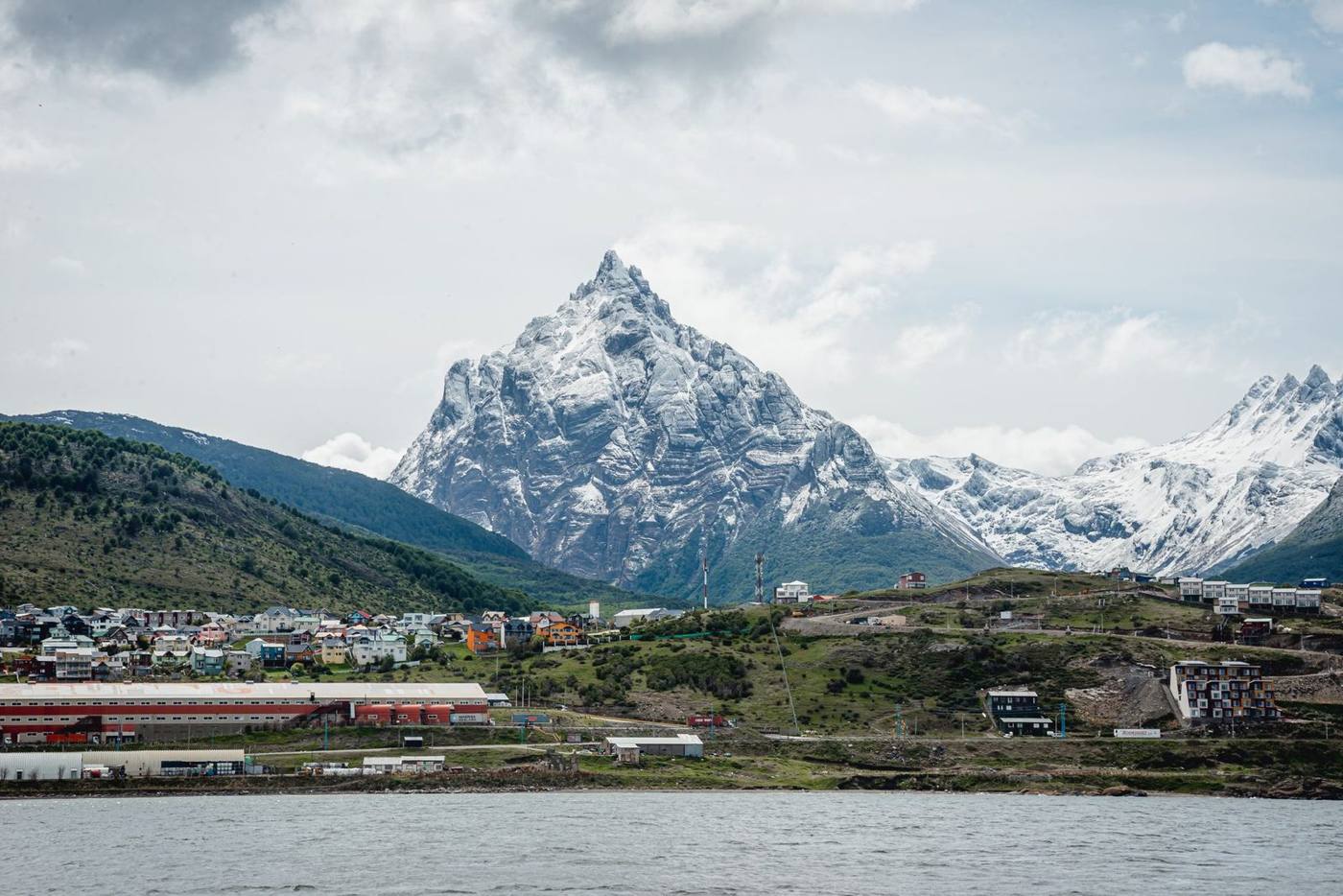
The southernmost city in the world between mountains and sea: sailing the Beagle Channel among islands of sea lions and cormorants, the penguins of Martillo Island, Tierra del Fuego National Park, the Martial glacier and the old prison museum.