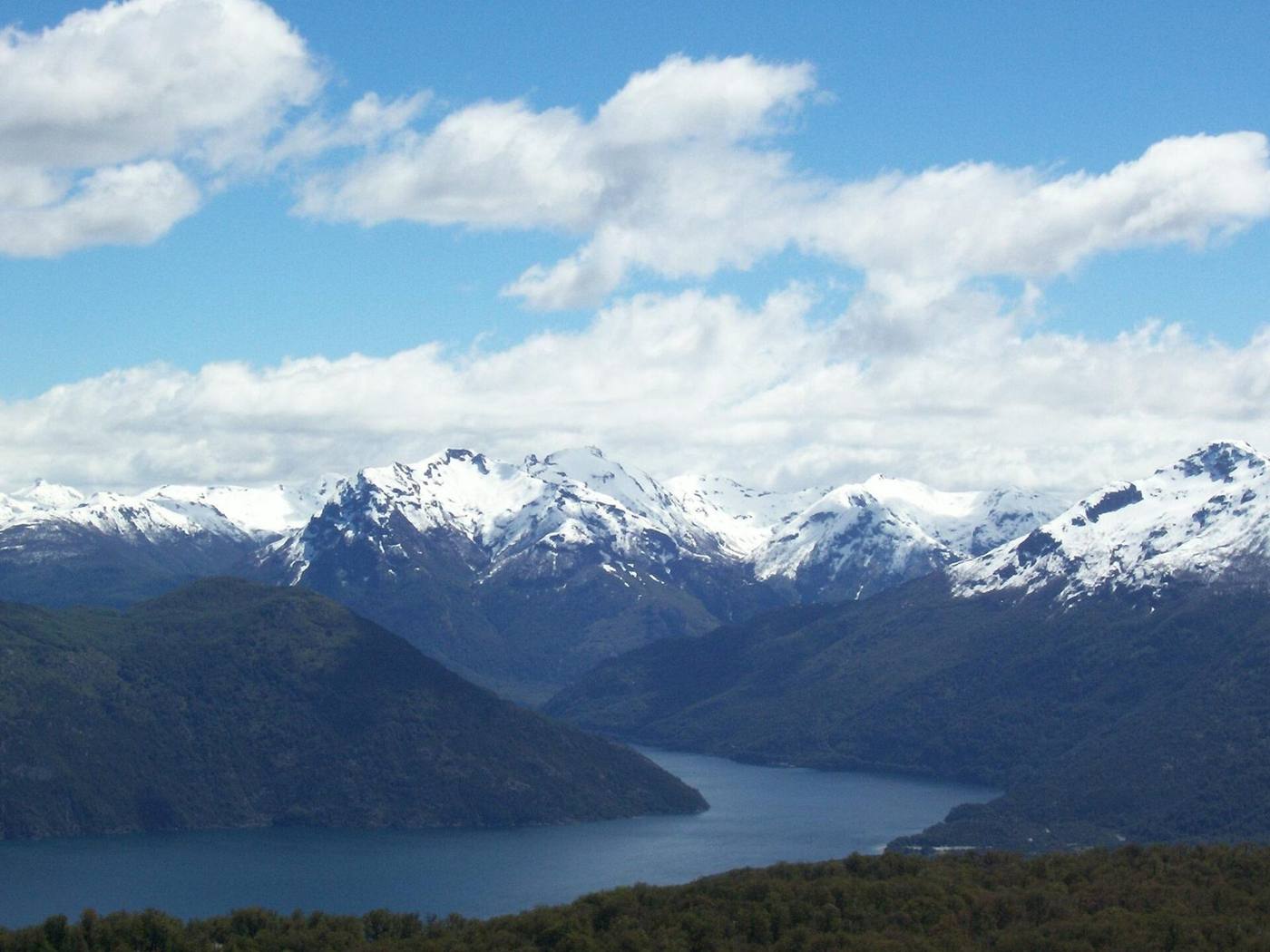
Los Alerces, El Bolsón and Trevelin
The quieter Andean Patagonia: Los Alerces National Park, a UNESCO World Heritage site, with turquoise lakes and thousand-year-old alerce trees, the Welsh town of Trevelin with its tea houses and tulips, and El Bolsón with its craft market and the trails of Cerro Piltriquitrón.
- Esquel
- Trevelin
- Los Alerces
- Lago Puelo
- El Bolsón
Day by day
- Day 1
Esquel and Trevelin, the Welsh tea houses
Andean Patagonia between Esquel and El Bolsón, in Chubut province, is a region of blue lakes, ancient forests, snow-capped mountains and small towns founded by Welsh settlers in the nineteenth century. It is less known than Bariloche, further north, but quieter and wilder. Here is Los Alerces national park, a UNESCO site, with trees that have lived for thousands of years. In six days you travel from Esquel to El Bolsón, then on towards Bariloche.
You arrive in Esquel by plane from Buenos Aires, or by bus. Esquel is a small town at the foot of the mountains, with a station from which La Trochita departs, the old narrow-gauge Patagonian steam train, which on some days runs a short tourist route to the Mapuche community of Nahuel Pan. Check the days and times, which change with the season.
In the afternoon, go to Trevelin, about half an hour away, a village founded in 1889 by Welsh settlers who came to Patagonia to preserve their language and religion. The name means town of the mill, and the old mill is now a museum telling the story of the Welsh colony. Also visit the grave of Malacara, the horse that saved a settler's life during an attack.
Around Trevelin, in spring, tulip fields bloom in great coloured stripes, and the Nant y Fall waterfalls drop in a series of leaps through the woods.
In the evening, have Welsh tea in one of the village tea houses, with bread, jam and Welsh black cake, rich in dried fruit.
Practical tip: in Patagonia the wind is strong and the weather changes quickly. Dress in layers even in summer.
- Day 2
Los Alerces: the boat on Lake Menéndez and the ancient alerces
In the morning, enter Los Alerces national park, about an hour from Esquel. The park, a UNESCO site since 2017, protects a temperate rainforest with lakes linked by turquoise rivers, mountains covered in forest and glaciers, and above all the alerces, trees of the cypress family that can live more than three thousand years. They are among the longest-lived trees in the world.
The most famous trip is the boat ride on Lake Menéndez to the Alerzal milenario, the forest of thousand-year-old alerces, reachable only by water. The boat leaves from Puerto Chucao, after a short walk from Puerto Limonao or from the footbridge over the Arrayanes river, and crosses the lake with views of the Torrecillas glacier.
At Puerto Sagrario, a guide leads the group along a forest trail, among ferns, bamboo and waterfalls, to the alerce known as El Abuelo, the grandfather, a tree about fifty metres tall with a trunk more than two metres wide, estimated to be about two thousand six hundred years old. The trail also passes Lake Cisne, green and still.
The boat usually runs in summer and depends on water levels and weather: book ahead and check the dates.
In the evening, sleep at one of the campsites or cabañas in the park, or return to Esquel.
Practical tip: phone signal in the park is weak or absent. Bring cash, food and water for the day.
- Day 3
The trails of Los Alerces
Today, stay in the park to walk. The trails start from various points along the dirt road that crosses the park, running beside lakes Futalaufquen, Verde and Rivadavia.
An easy and very beautiful trail is the one at Lake Verde with the footbridge over the Arrayanes river, a suspension bridge over water of an incredible turquoise, with views of Lake Menéndez, and the lake viewpoint. Another easy trail leads to the Irigoyen falls, near the park headquarters at Villa Futalaufquen, where there is also a visitor centre with a small museum and indigenous rock paintings on a nearby rock.
For fit walkers there is the climb of Cerro Alto El Dedal, a full day of about eight hours, with views over all the park's lakes and the Chilean Andes. The trail must be registered with the rangers before setting out.
In the afternoon, swim, if you dare, in the cold, clear water of the lakes, or rent a kayak on the Arrayanes river. The lakes are also famous for fly fishing for trout, with a permit.
In the evening, at the campsite or cabaña, have dinner with asado, meat roasted over embers, and Patagonian lamb.
Practical tip: in Patagonia there is a risk of hantavirus, a disease carried by wild rodents. In cabañas closed for a long time, open up and air them well before going in, do not touch mice, and do not sleep on long grass without a tent.
- Day 4
Lago Puelo national park
In the morning, leave Los Alerces and drive north on Ruta 40, the road that crosses Argentina along the Andes, to Lago Puelo, in about two and a half hours. The landscape changes from forests to farmed valleys, with farms and orchards of cherries and raspberries.
Lago Puelo national park protects a large lake of deep blue, surrounded by forested mountains and stretching to the Chilean border. Thanks to a milder climate, plants typical of Chile grow here, such as colihue cane and some trees of the Valdivian forest.
Several easy trails start from the lake beach: the Bosque de las Sombras, a dense, shady wood along the Azul river, and the trail to the Playa Bonita viewpoint, with views of the lake and mountains. A longer walk leads to Cerro Currumahuida, with views over the whole valley.
In the afternoon, take a boat on the lake to the Turbio river or to the Chilean border, where there is a small border post among the mountains. You can also swim from the beach on hot days.
In the evening, continue to El Bolsón, about twenty minutes away, and sleep there.
Practical tip: in Argentina's national parks, residents and foreigners pay different entry fees. Check the rates on the national parks website before you go.
- Day 5
El Bolsón: the market, Piltriquitrón and the Bosque Tallado
El Bolsón is a town in a valley between two mountain ranges, known in Argentina for its no-cost spirit: in the 1970s many young people came here looking for a simpler life close to nature, and the town keeps a relaxed atmosphere, with vegetable gardens, craft breweries, beekeepers and artisans.
In the morning, if it is Tuesday, Thursday, Saturday or Sunday, visit the regional fair, the large open-air market on the square, where the valley's producers sell berry jams, honey, cheeses, craft beer, bread and objects in wood, pottery and wool. Check the days, which may change.
In the afternoon, go up Cerro Piltriquitrón, the mountain above the town to the east. A dirt road climbs to a viewing platform, and from there a trail of about half an hour leads to the Bosque Tallado, the carved forest. After a fire, artists turned the burnt tree trunks into more than fifty wooden sculptures: faces, animals, human figures and symbols, among lenga woods, with views of the valley and the snowy mountains. Higher up there is a refuge, from which you can continue towards the summit.
In the evening, try the valley's craft beer and desserts made with berries, raspberries and strawberries grown around the town.
Practical tip: the road up Piltriquitrón is steep and unpaved. If you do not have a suitable car, take a taxi or an organised trip to the car park.
- Day 6
On to Bariloche
On your last morning, if you have time, take a short walk near El Bolsón, for example to the Escondida waterfall, in the woods north of town, or to the Cabeza del Indio viewpoint, a rock shaped like a human profile with views over the Azul river.
Then head north on Ruta 40 to Bariloche, in about two hours. The road passes lakes and mountains, with Lake Mascardi and Lake Gutiérrez, and crosses Nahuel Huapi national park, Argentina's oldest.
Bariloche, on the shores of Lake Nahuel Huapi, has an airport with flights to Buenos Aires and other cities. From here you can continue on the Seven Lakes route towards San Martín de los Andes, go up Cerro Campanario for one of the finest views in Patagonia, or cross the Andes by boat and bus to Puerto Montt in Chile.
This trip can also be done in reverse, starting from Bariloche and ending in Esquel, or linked with the Atlantic coast of Chubut, with the whales of the Valdés peninsula and the Welsh towns of Gaiman and Trelew.
Practical tip: Italian citizens can enter Argentina without a visa for up to 90 days. Health insurance valid for the whole stay is required. The US government rates Argentina level 1 of 4, normal precautions.
For those who like walking away from crowds, it combines well with Bariloche. The Lake Menéndez boat runs only in summer. In dry summers fires can close trails and parks. Hantavirus has been reported in southern Argentina: air out huts and do not touch wild rodents. Italians need no visa for up to 90 days; Argentina requires tourists to hold health insurance valid for the whole stay.
Before you go
- Documents and visa
- Valid passport; no visa for tourism up to 90 days for EU citizens.
- Health and vaccines
- No compulsory vaccines arriving from Europe; yellow fever is recommended for Misiones and Corrientes. In Patagonia beware of hantavirus in forests and closed huts. Emergencies: 911.
- Money and payments
- Argentine peso. Inflation changes prices often; foreign cards work almost everywhere and paying by card is usually best, keeping some cash.
- Power sockets
- Types I and C, 220 volts: you need an adapter for the angled flat-pin plugs.
- Time zone
- UTC-3 all year: Argentina does not use daylight saving time.
- Safety
- The United States rates Argentina level 1, with level 2 for Rosario. In Buenos Aires watch out for pickpockets; in the mountains and Patagonia the main risks are wind and weather. Official advice: GOV.UK.
Information checked in November 2026 for Italian and EU citizens. Rules change: always check before you travel.
Variations
In 3 days: Esquel, Trevelin and a day in Los Alerces with the boat on Lake Menéndez.
In 10 days: add Bariloche and the Seven Lakes route to San Martín de los Andes.
Frequently asked questions
When is the best time to go?
From November to March, the southern summer, when the trails are open and the boat to the alerces runs. In autumn the woods turn red and yellow.
Do I need a car?
It is very useful for Los Alerces, where buses are few. There are also regular buses between Esquel, El Bolsón and Bariloche.
What documents do I need?
A passport. Italian citizens can enter without a visa for up to 90 days, with health insurance valid for the whole stay.
Indicative itinerary written by World Atlas. Before booking, check timetables, seasonal openings, documents and safety.
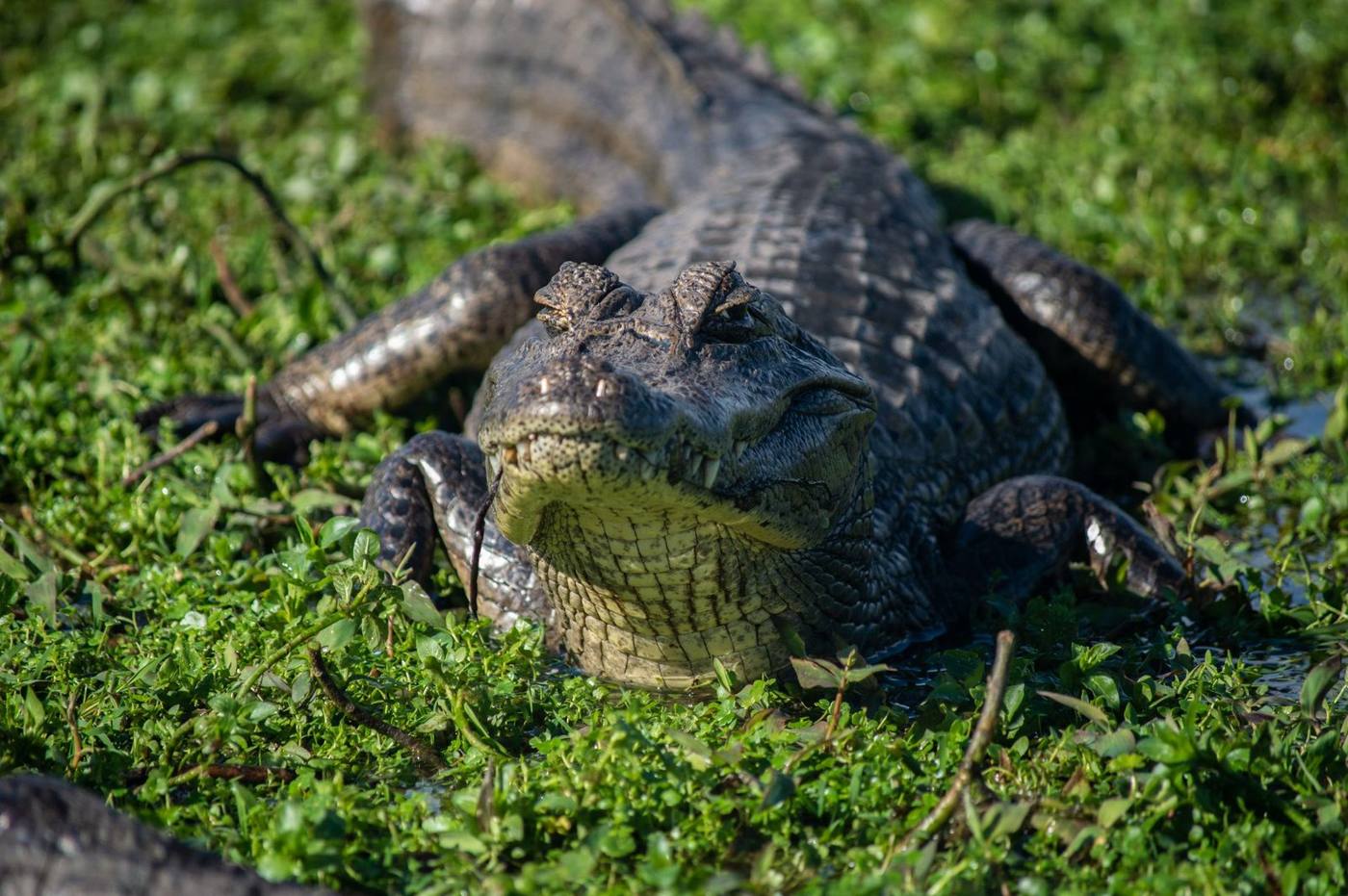 5 daysEasy
The Iberá Wetlands in depth
One of the world's largest wetlands, in Corrientes province: caimans, capybaras, marsh deer, hundreds of birds and the jaguars reintroduced to the park, explored by boat, on foot and on horseback from the villages of Colonia Carlos Pellegrini and San Nicolás.
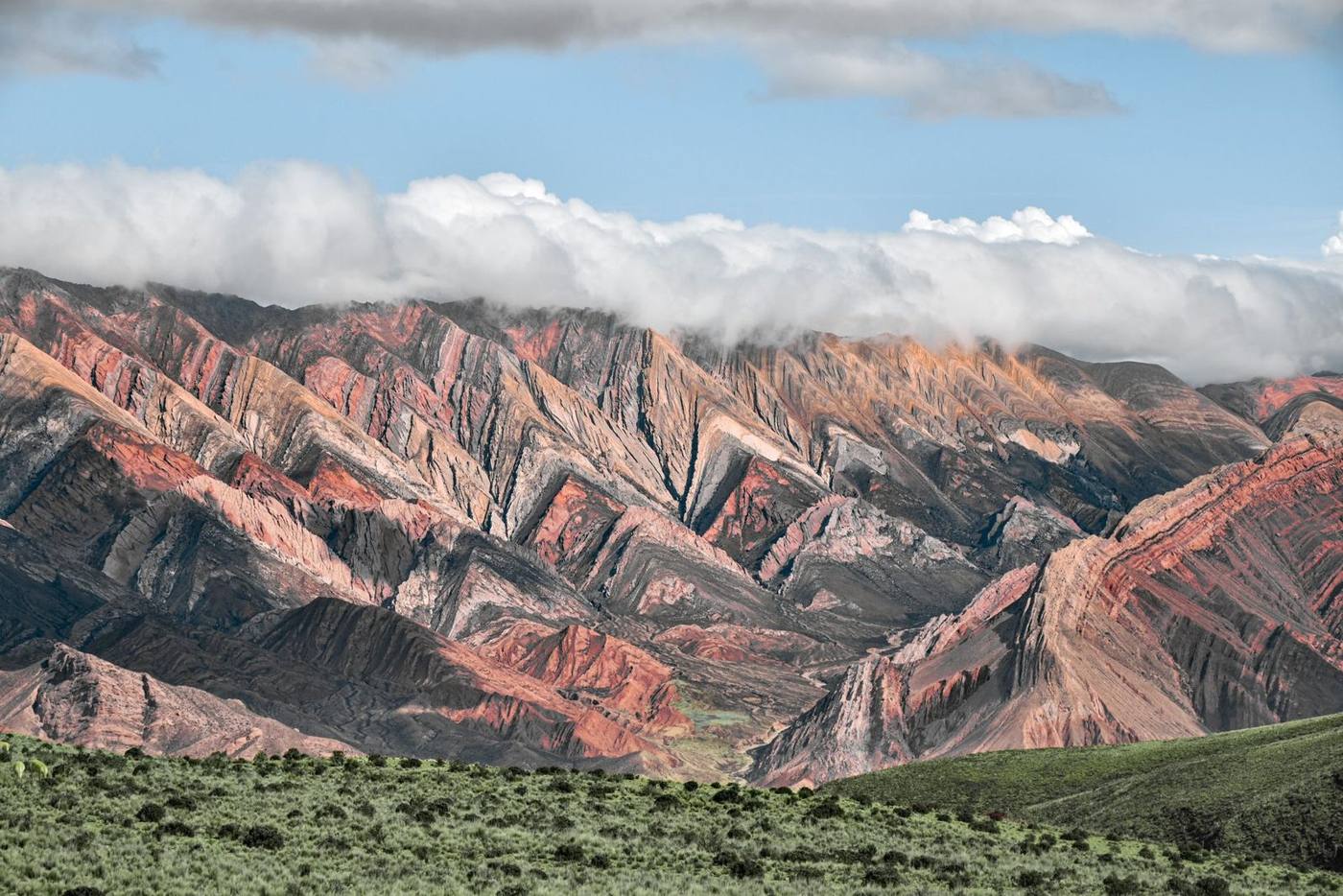 6 daysModerate
Jujuy: Iruya and the Hornocal
The most authentic Andean North: the Quebrada de Humahuaca with the Hill of Seven Colours, the fourteen-coloured mountain of the Hornocal at 4,350 metres, the village of Iruya clinging to a remote valley and the Salinas Grandes.
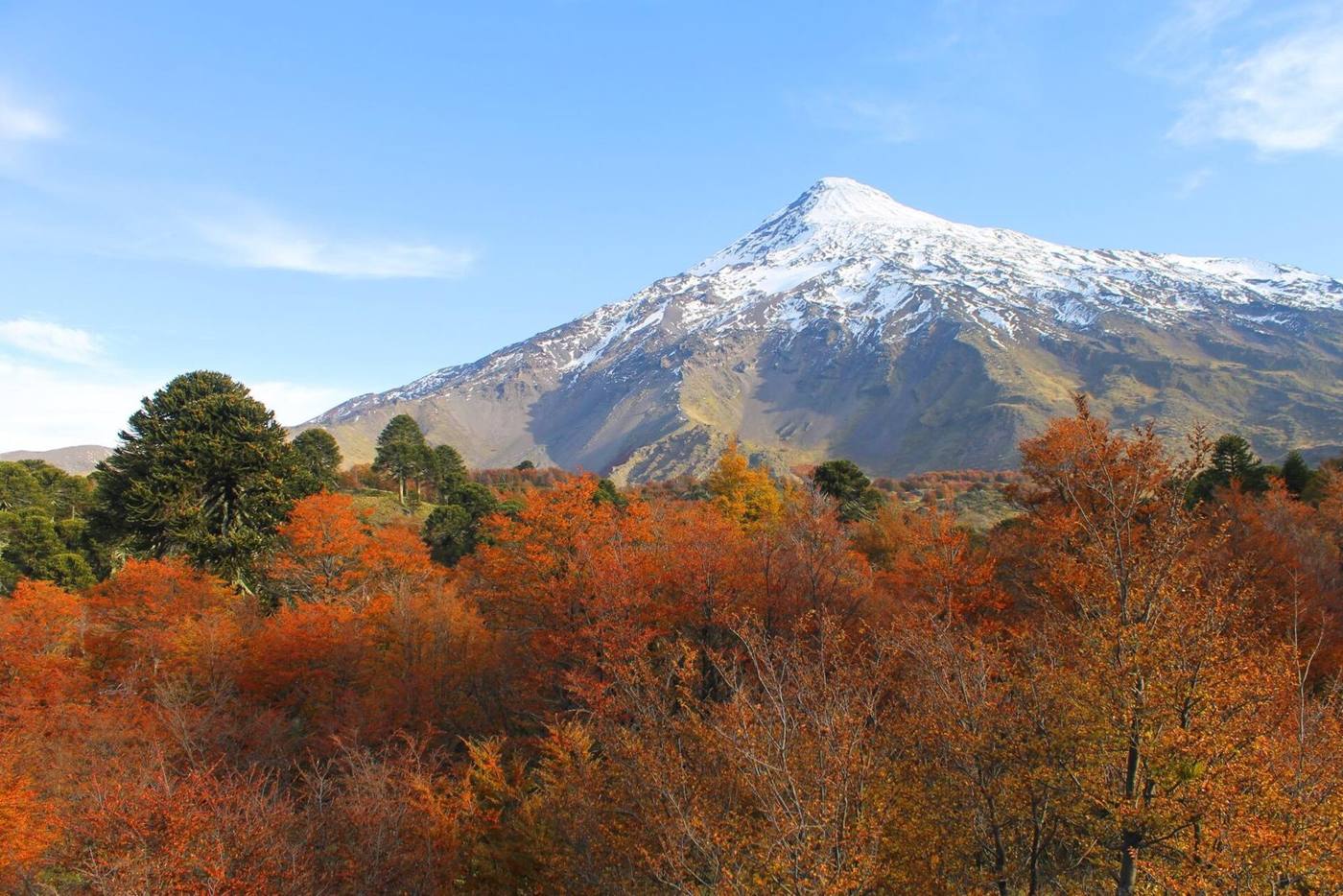 6 daysModerate
Neuquén: Lanín and Villa Pehuenia
The Patagonia of monkey-puzzle trees, prehistoric trees sacred to the Mapuche people: the Lanín volcano, a perfect snowy cone above lakes and forests, Junín de los Andes with its fly fishing, and the Aluminé and Moquehue lakes around the village of Villa Pehuenia.