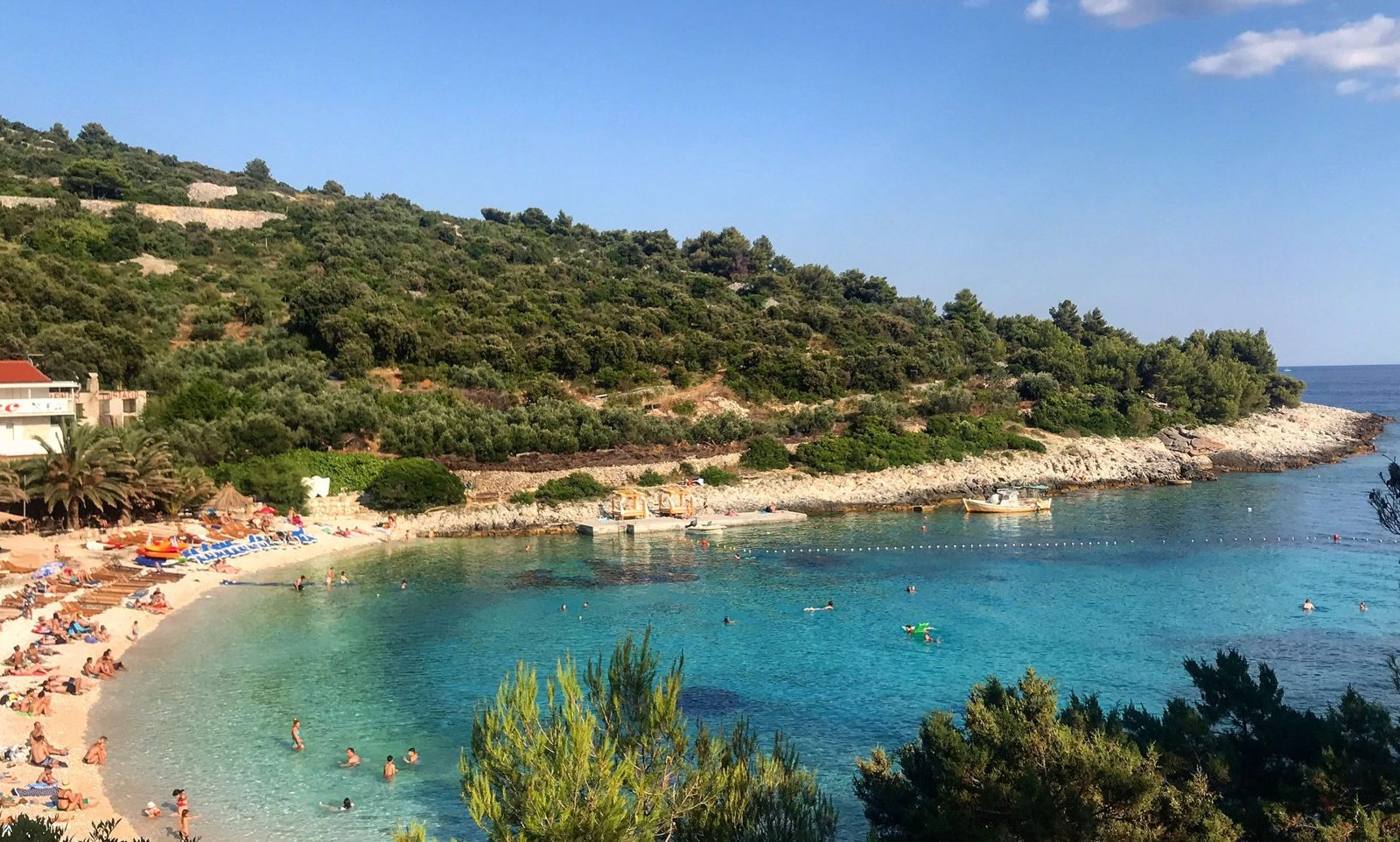
The far islands: Vis and Lastovo
Dalmatia's most remote islands, closed to foreigners until 1989: the Blue Cave of Biševo, Stiniva cove and the dark skies of Lastovo.
- Split
- Vis
- Komiža
- Biševo
- Stiniva
- Lastovo
Day by day
- Day 1
Ferry from Split to Vis
This trip takes you to Dalmatia's most remote islands: Vis and Lastovo. For decades they were military bases closed to foreigners, so they have stayed quiet, with little building, stone villages, vineyards, empty bays and some of the cleanest sea in the Adriatic. They are islands for those seeking silence, nature and a simple life.
You arrive in Split by air or by ferry from Italy. Croatia is in the Schengen area and uses the euro.
Ferries and catamarans leave Split harbour for Vis, with a crossing of about one and a half to two and a half hours, depending on the vessel. The ferry also carries cars.
Vis was closed to foreigners from 1950 to 1989 because it was a Yugoslav navy base. Before that it was a Greek colony, Issa, founded in the fourth century BC, then Roman, Venetian, Austrian and briefly British, in the early nineteenth century.
In the afternoon walk around Vis town along the harbour, among stone houses, mansions and churches. Visit the archaeological museum, with a rich collection of Greek amphorae and objects, including a bronze head of a goddess. Just outside town are the remains of Roman baths and the British cemetery.
In the evening have dinner by the harbour, with fish and island wine such as vugava, a typical white wine of Vis.
Spend the night in Vis.
Practical tip: in summer book car ferries in advance, as they fill up. Check the timetables, which change with the season: in winter there are few crossings.
- Day 2
Vis: southern bays and military tunnels
Today explore the interior and south coast of Vis. You need a car, a scooter or an organised jeep trip.
In the morning head to the south coast bays, such as Stončica, east of town, with sand and shallow water suitable for children, or Milna, with a pebble beach and a few islets offshore. The waters around Vis are crystal clear.
In the afternoon discover the island's military past. Under Yugoslavia, Vis was a fortress: tunnels, depots, bunkers, gun positions and even a submarine tunnel in a bay, where small vessels could hide inside the rock, were dug into the hills. Today some of these sites can be visited with local guides by jeep, telling the story of the Cold War in the Adriatic.
On Mount Hum, the island's highest point, is Tito's cave. During the Second World War, in 1944, the leader of the Yugoslav partisans, Josip Broz Tito, hid in this cave for several months under British protection and directed the resistance from here. From the summit the view over the island and the open sea is very wide.
In the evening return to Vis.
Spend the night in Vis.
Practical tip: do not enter abandoned tunnels and bunkers on your own: they can be dangerous and some are private or military property. Visit with an authorised guide. Roads on Vis are narrow and winding.
- Day 3
Komiža, the fishing village, and pogača
Today go to Komiža, on the west coast of Vis, about twenty minutes by road from Vis town. It is a fishing village at the foot of Mount Hum, with stone houses clustered around a bay, a small beach and a harbour full of colourful boats.
Komiža has a long fishing tradition, especially for sardines. For centuries fishermen went out in the falkuša, a distinctive long, fast sailing boat whose sides could be removed and refitted, built to sail to the distant island of Palagruža, where they fished. In the Venetian tower on the harbour is the fishermen's museum, which tells this story, with a model of the boat and fishing gear.
Walk around the village, visit the church of Our Lady of the Pirates on the beach, and climb to Saint Nicholas church, a fortified monastery above the village.
In the afternoon swim at Komiža beach or in one of the nearby bays.
In the evening have dinner in Komiža and try pogača of Komiža, the village speciality: a baked flatbread filled with tomato, onion and salted anchovies. It is said to be an ancestor of pizza.
Spend the night in Komiža or Vis.
Practical tip: in December Komiža holds a traditional festival for Saint Nicholas, patron of fishermen, during which an old boat is burned in front of the church. Ask locally for the dates.
- Day 4
The Blue Cave of Biševo and Stiniva cove
Today take a boat from Komiža to the island of Biševo, about half an hour away, home to the Blue Cave, one of the wonders of the Adriatic.
You reach the cave in small boats that enter through a low opening, widened by hand in the nineteenth century to make access easier. Inside, sunlight enters through an opening below sea level and lights the water a brilliant, almost phosphorescent blue. The rocks and the seabed look silvery. The best effect is usually seen in late morning, around noon, when the sun is high and the sea calm.
Swimming is not allowed inside the cave. In rough seas it closes, even in summer.
In the afternoon the boat passes Stiniva cove, on the south coast of Vis, a small pebble beach enclosed by two high rock walls with a narrow opening to the sea. It is one of the most photographed beaches in Croatia. From land it is reached by a steep path.
During the trip there are often other swimming stops, in caves and bays reachable only by sea, such as the Green Cave on the islet of Ravnik.
In the evening return to Komiža or Vis.
Spend the night in Vis.
Practical tip: in summer the Blue Cave is very crowded, and visitor numbers at Stiniva may be limited. Check the rules, tickets and times, and book your boat the day before.
- Day 5
To Lastovo, the most remote island
Today is a travel day to Lastovo, Croatia's most remote inhabited island, south of Korčula in the middle of the Adriatic.
There are no direct ferries between Vis and Lastovo. You return to Split on the morning ferry and from there take the ferry or catamaran to Lastovo, which calls at Hvar or at Vela Luka on Korčula and arrives at the port of Ubli. The journey takes many hours, but crosses some of Dalmatia's loveliest islands.
Alternatively, if times do not connect, stay overnight on Korčula or in Split and continue the next day.
Like Vis, Lastovo was a military base closed to foreigners for decades. Today the whole archipelago, with the main island and dozens of islets, is a nature park, with pine and holm oak woods, farmland, vineyards, bays and rich seabeds.
Once in Ubli, go to Lastovo town, on the other side of the island, about ten kilometres away. The town is built like an amphitheatre on a hill facing inland rather than the sea, to hide from pirates. The houses have distinctive chimneys, called fumari, tall and decorated, each one different.
In the evening have dinner in town, with fish, lobster and island vegetables.
Spend the night in Lastovo.
Practical tip: connections to Lastovo are few and depend on the season. Check all timetables carefully before you go and keep a margin.
- Day 6
Lastovo nature park, empty bays and the stars
Today explore Lastovo. In the morning walk up through town to the old fortress on the hill, with a view over the roofs, chimneys and the cultivated valley. Visit the town's churches and stroll its stone lanes.
In the afternoon go to the sea. Lastovo has many quiet bays, reached on foot, by car, by bike or by boat. Skrivena Luka, the hidden harbour, in the south, is an enclosed, sheltered bay, with a lighthouse on a nearby cliff. Other bays lie among the park's islets, reached in a small hired boat. Often you swim alone.
The seabeds around Lastovo are among the richest in Croatia, with seagrass meadows, corals, gorgonians, groupers and octopus. Snorkelling and diving are excellent.
In the evening Lastovo offers another wonder: the starry sky. Thanks to very little artificial light, it is one of the darkest skies in Europe. On clear nights, away from town, you can see the Milky Way with the naked eye.
If you come in winter, at carnival Lastovo has a very old festival, the Poklad, with a wooden figure that slides down a rope from the town.
Spend the night in Lastovo.
Practical tip: the nature park has rules on fishing, anchoring and nature protection. Ask the park office about them. Bring a torch for the evening, as roads are poorly lit.
- Day 7
Back to Split and departure
On the last day take the ferry or catamaran from Ubli to Split, calling at Vela Luka or Hvar. Alternatively, if your flight leaves from Dubrovnik, you can reach Korčula and then continue to Dubrovnik by land and sea.
During the crossing watch the islands go by: Lastovo, Korčula, Hvar and Brač, with their stone villages by the sea.
Once in Split, if you have time before your flight, walk through Diocletian's Palace, the emperor's great Roman palace built around AD 300, today the heart of the old town. Inside the ancient walls are houses, shops, squares, the cathedral set in the emperor's mausoleum and the vaulted basements. Then stroll along the Riva, the palm lined seafront. Early in the morning, at the green market by the palace, you can buy fruit, dried figs and island lavender to take home.
Split airport is about half an hour by road from the city, towards Trogir.
If you have an extra night, stop in Trogir, a small medieval town on an islet near the airport and a UNESCO World Heritage Site.
Practical tip: keep at least one night of margin in Split between Lastovo and your flight, as bad weather and strong wind can cancel ferries to the most remote islands. In winter connections are greatly reduced.
For those looking for the Croatia of thirty years ago, with some of the clearest water in the Adriatic. Connections are few and Vis and Lastovo are not linked directly, so plan ferries carefully. The Blue Cave has queues of hours in August, so go in June or September. Stiniva has visitor caps in high season.
Before you go
- Documents and visa
- EU citizens need a valid identity card or passport: Croatia has been in the Schengen area since 2023. Other nationalities should check the Schengen rules.
- Health and vaccines
- No vaccines required. EU citizens should bring their EHIC. Emergencies: 112.
- Money and payments
- Euro since 2023. Cards are accepted almost everywhere, but carry some cash on small islands. Every accommodation charges a tourist tax per person per night.
- Power sockets
- Types C and F, 230 volts.
- Time zone
- Central European Time (UTC+1, summer UTC+2).
- Safety
- A very safe country. In remote inland areas some minefields from the 1990s war remain, marked with signs: stay on the paths. Official advice: GOV.UK.
Information checked in November 2026 for Italian and EU citizens. Rules change: always check before you travel.
Variations
In 4 days: just Vis, with Komiža, the Blue Cave and Stiniva.
In 10 days: add Korčula and Mljet National Park between Vis and Lastovo.
Frequently asked questions
When is the best time to go?
June and September, with warm sea and fewer people. July and August are busier, especially at the Blue Cave.
Do I need a car on the islands?
It is useful on Vis and Lastovo, as buses are few. Alternatively hire scooters or electric bikes.
Are there direct ferries between Vis and Lastovo?
No. You go via Split, with stops on Hvar or Korčula. Check the timetables, which change with the season.
Indicative itinerary written by World Atlas. Before booking, check timetables, seasonal openings, documents and safety.
 5 daysEasy
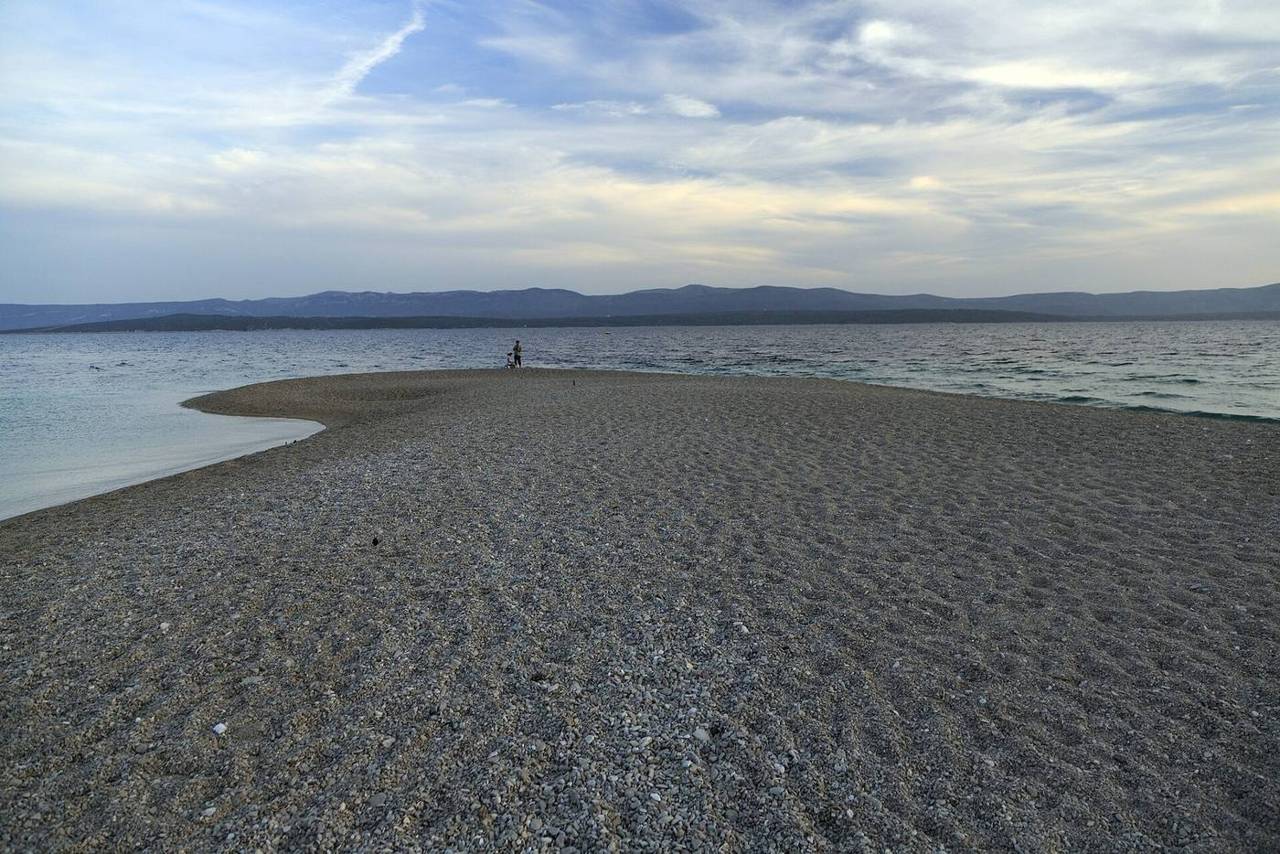
Hvar and Brač
The islands off Split: Zlatni Rat beach at Bol, Blaca hermitage and the stone quarries of Pučišća on Brač, then Hvar with the fortress above the harbour, lavender fields, the Stari Grad Plain (UNESCO) and the Pakleni islands by boat.
 5 daysEasy
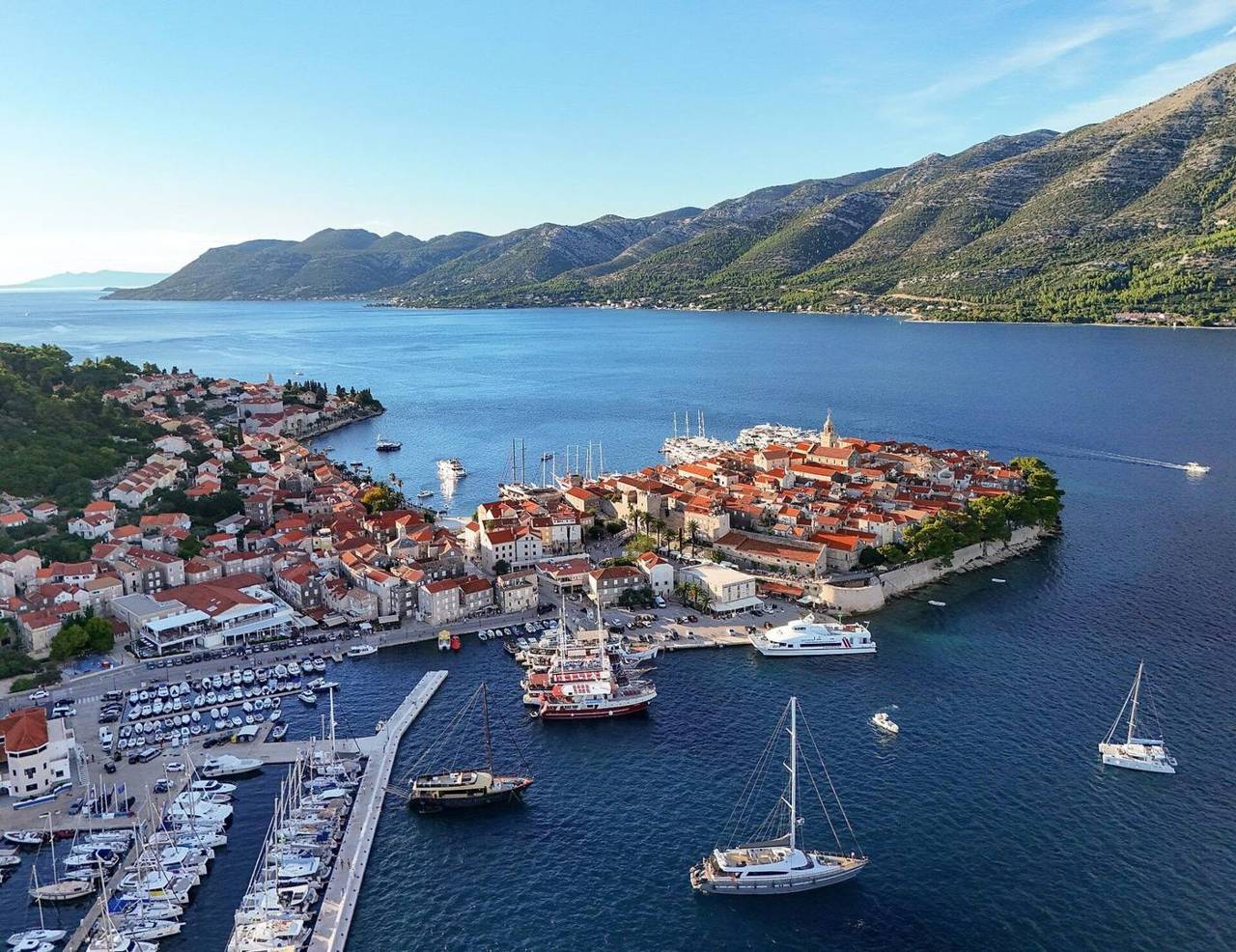
Korčula and Mljet National Park
Two islands in southern Dalmatia: Korčula, a fishbone-plan walled town on the sea, with its pošip wineries and sword dance, and Mljet, a national park with two saltwater lakes in the pine forest and the Benedictine monastery on St Mary's islet.
 4 daysEasy
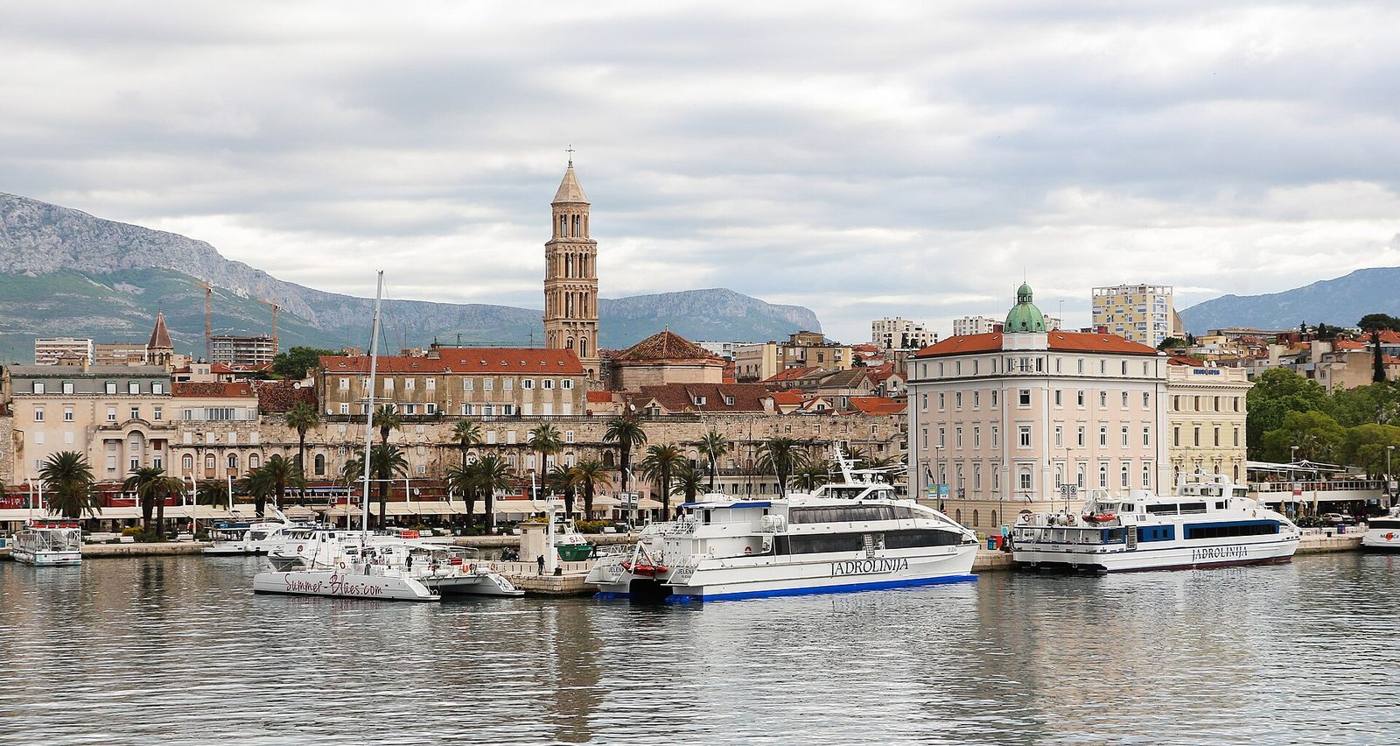
Split, Trogir and the Cetina canyon
A city inside a Roman palace: Diocletian's Palace (UNESCO) and Marjan hill, medieval Trogir on its islet, then Omiš and the Cetina river canyon by raft or canoe.