Korčula and Mljet National Park
Two islands in southern Dalmatia: Korčula, a fishbone-plan walled town on the sea, with its pošip wineries and sword dance, and Mljet, a national park with two saltwater lakes in the pine forest and the Benedictine monastery on St Mary's islet.
- Dubrovnik
- Mljet
- Korčula
- Lumbarda
Day by day
- Day 1
The catamaran from Dubrovnik to Mljet and a first afternoon on the island
Mljet and Korčula are two islands of southern Dalmatia, north-west of Dubrovnik: the first is long and green, covered in pines and holm oaks, with a national park and two saltwater lakes; the second is an island of vineyards with one of the finest medieval towns on the Adriatic. Croatia has been in the Schengen area since 2023 and uses the euro; EU citizens can enter with a valid identity card or passport.
In the morning take the fast catamaran from Dubrovnik's port at Gruž to Mljet: the crossing takes about an hour and a half and passes the Elaphiti islands. Sailings are more frequent in summer and few out of season. The catamaran usually stops at Sobra or Polače, the ports closest to the park.
In the afternoon settle into one of the park's small villages, such as Polače, Pomena or Govedari. At Polače, on the harbour, are the remains of a great fifth-century Roman palace, with tall walls facing the water, and the remains of an early Christian basilica. It is one of the few signs of an important past on an island that is now almost empty: Mljet has just over a thousand inhabitants.
Towards evening walk along the shore among the pines, in a silence broken only by cicadas.
In the evening try grilled fish, octopus cooked under the peka, an iron bell covered in embers, and the island's goat and lamb.
Practical tip: check catamaran times in advance, especially out of season, when there may be only one sailing a day.
- Day 2
Mljet National Park, the lakes by bike and the islet of St Mary
In the morning enter Mljet National Park, established in 1960, which covers the western part of the island. At its heart are two saltwater lakes, the Great Lake and the Small Lake, linked to each other and to the sea by narrow channels and surrounded by dense woods of Aleppo pine and holm oak. In summer the lake water is warmer than the sea, and clear.
The best way to explore is to hire a bike in Pomena or Polače and follow the shaded path round the lakes, almost entirely flat. At the Mali Most bridge, where the Small Lake meets the Great Lake, the water flows with the current: a good spot for a swim.
From the Mali Most jetty a park boat takes you in a few minutes to the islet of St Mary, in the middle of the Great Lake, with a twelfth-century Benedictine monastery, its Romanesque church, cloister and a small wood. It is one of the most photographed places in Dalmatia: an island in a lake on an island.
In the afternoon swim in the lake or walk up to a viewpoint above the park, such as Montokuc, overlooking the lakes, the island and the open sea.
In the evening return to your village for dinner.
Practical tip: the park ticket includes the boat to St Mary; in summer start early, as the middle of the day is very hot.
- Day 3
The ferry to Korčula and the herringbone old town
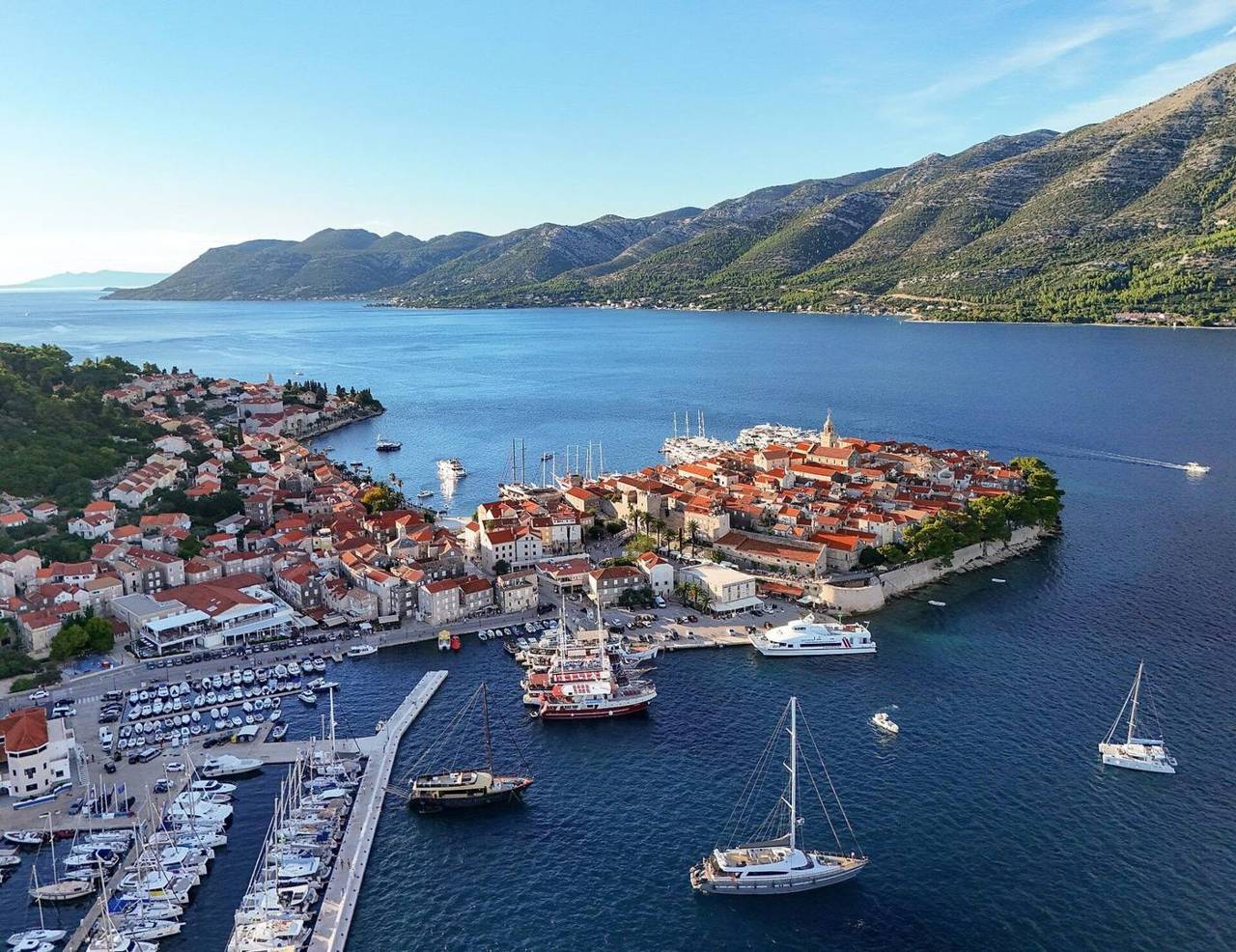
In the morning take the catamaran from Mljet to Korčula, about an hour, or return to Dubrovnik and take the Korčula line. You arrive in Korčula town, built on a small peninsula jutting into the sea, enclosed by medieval walls and towers, with red roofs and the cathedral bell tower at its centre.
The old town has a unique layout: one main street runs along the spine of the peninsula, and side lanes branch off on both sides like the bones of a fish. The lanes to the west are straight, letting in the cool summer mistral, while those to the east are slightly curved, to stop the cold winter bora. Enter by the land gate with the Revelin tower and climb the steps to St Mark's Cathedral, in white stone, with a Romanesque portal decorated with lions and strange figures and, inside, an altarpiece by Tintoretto.
In the afternoon visit the house that tradition names as Marco Polo's birthplace, with a tower overlooking the town, although his birth here is not proven. Then walk the walls by the sea and watch the sunset from the tower at the tip of the peninsula, above the Pelješac channel.
In the evening, in summer, watch the moreška, a costumed sword dance depicting two kings fighting over a princess, danced in Korčula for centuries.
Practical tip: moreška dates change every year; check the tourist office's summer calendar.
- Day 4
Lumbarda, the grk vineyards and the sandy beaches
In the morning go to Lumbarda, a winegrowers' village about six kilometres from Korčula, by bike, water taxi or bus. Lumbarda is surrounded by vineyards planted in sand, where grk is grown, a native white grape found almost only here, giving a dry, mineral wine. Family cellars in the village offer tastings.
A Greek inscription from the third century BC was found at Lumbarda, recording the founding of a Greek colony and the division of land among the settlers: one of the oldest written documents in Croatia, now kept in Zagreb.
In the afternoon swim at Lumbarda's sandy beaches, such as Pržina and Bilin Žal, rare in Dalmatia where almost all beaches are pebbly. The water is shallow and clear, suitable for children too.
If you prefer, hire a small boat or take a water taxi to the islets off Korčula, such as Badija, with a fifteenth-century Franciscan monastery and fallow deer that roam no-cost and come close to people.
In the evening return to Korčula and try pošip, the island's other white wine, from the villages of Čara and Smokvica, with fish dishes and the homemade pasta called žrnovski makaruni.
Practical tip: on Badija do not feed the deer; in summer bring water and sunscreen.
- Day 5
A last morning on Korčula, then back to Dubrovnik or Split
In the morning, if you have time, take a short trip inland to the villages of Žrnovo, Pupnat or Blato, with dry-stone walls, olive groves and stone churches. Or drive or walk up to St Blaise's fort above the town, known as Fort Wellington, built by the British during the Napoleonic Wars, overlooking the whole old town, the channel and the Pelješac mountain.
Alternatively, cross the channel by ferry to Orebić on the Pelješac peninsula, about a quarter of an hour: a town of sea captains, with sailors' villas, a maritime museum and a Franciscan monastery on a hill above the sea.
In the afternoon head off: from Korčula fast catamarans run to Split, about two and a half hours, often stopping at Hvar or Makarska, and to Dubrovnik, about two hours. Alternatively drive to Dubrovnik via Orebić and the Pelješac bridge, about two and a half hours.
Things to take home: grk and pošip wine, Korčula olive oil, honey, sweets such as klašuni with walnuts, and filigree jewellery.
Practical tip: in summer the catamarans fill up; buy tickets online a few days ahead and arrive at the port early. Before leaving, walk once more along the old town walls in the early light, when the lanes are still empty and the fishermen are back in the harbour.
Mljet National Park charges an entry ticket. Catamaran links are frequent only in summer. The moreška sword dance is performed in summer on set dates. A valid identity card is enough for EU citizens.
Before you go
- Documents and visa
- EU citizens need a valid identity card or passport: Croatia has been in the Schengen area since 2023. Other nationalities should check the Schengen rules.
- Health and vaccines
- No vaccines required. EU citizens should bring their EHIC. Emergencies: 112.
- Money and payments
- Euro since 2023. Cards are accepted almost everywhere, but carry some cash on small islands. Every accommodation charges a tourist tax per person per night.
- Power sockets
- Types C and F, 230 volts.
- Time zone
- Central European Time (UTC+1, summer UTC+2).
- Safety
- A very safe country. In remote inland areas some minefields from the 1990s war remain, marked with signs: stay on the paths. Official advice: GOV.UK.
Information checked in November 2026 for Italian and EU citizens. Rules change: always check before you travel.
Variations
In 3 days: Mljet as a day trip from Dubrovnik, then two days on Korčula and in Lumbarda.
In 8 days: add the Pelješac peninsula with Ston and its walls, and the island of Lastovo, the most remote and peaceful.
Frequently asked questions
Do I need a car?
No: on Mljet you get around by bike, and on Korčula on foot or by local bus and water taxi. A car is only useful to return via Pelješac.
When is the best time to go?
May to June and September: the sea is warm, catamarans are frequent and there are fewer people than in August.
Can you swim in the Mljet lakes?
Yes, the lakes are saltwater and swimming is allowed; in summer the water is warmer than the sea.
Indicative itinerary written by World Atlas. Before booking, check timetables, seasonal openings, documents and safety.
 4 daysEasy
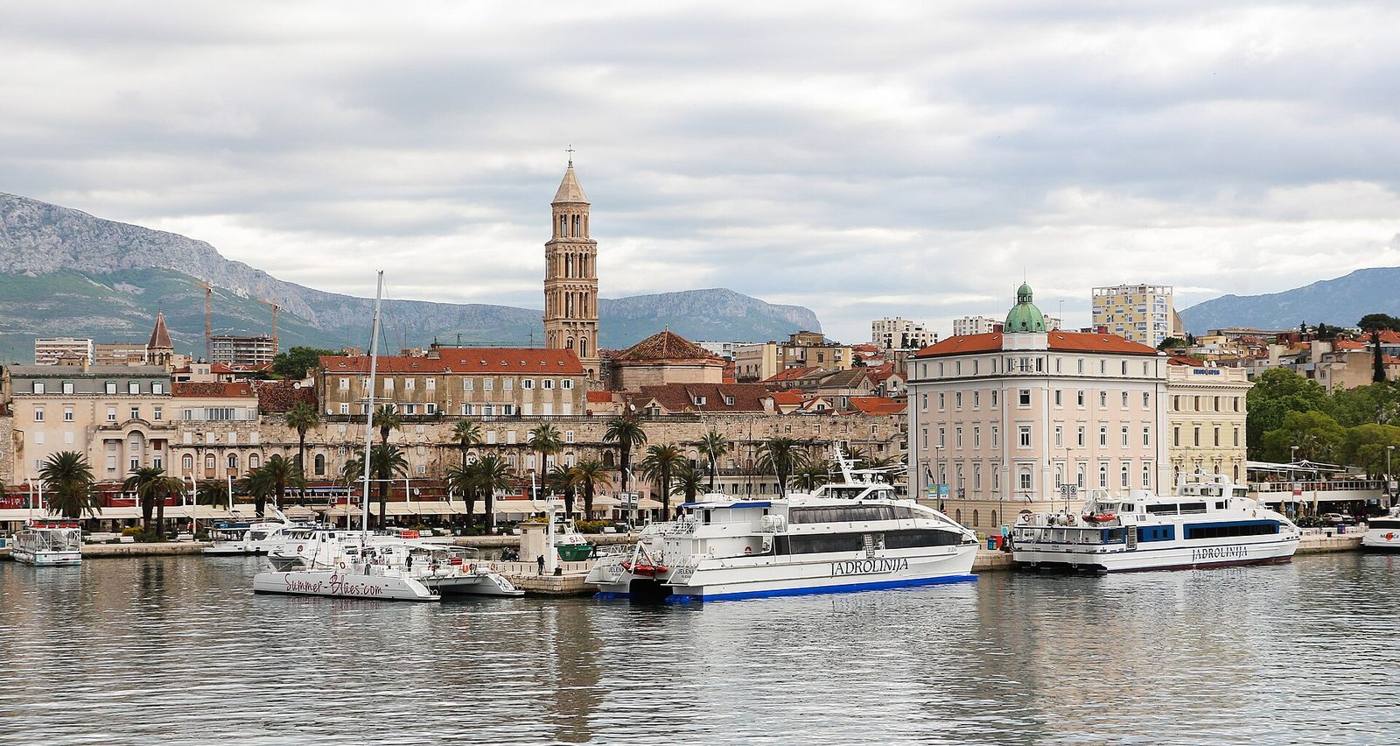
Split, Trogir and the Cetina canyon
A city inside a Roman palace: Diocletian's Palace (UNESCO) and Marjan hill, medieval Trogir on its islet, then Omiš and the Cetina river canyon by raft or canoe.
 4 daysEasy
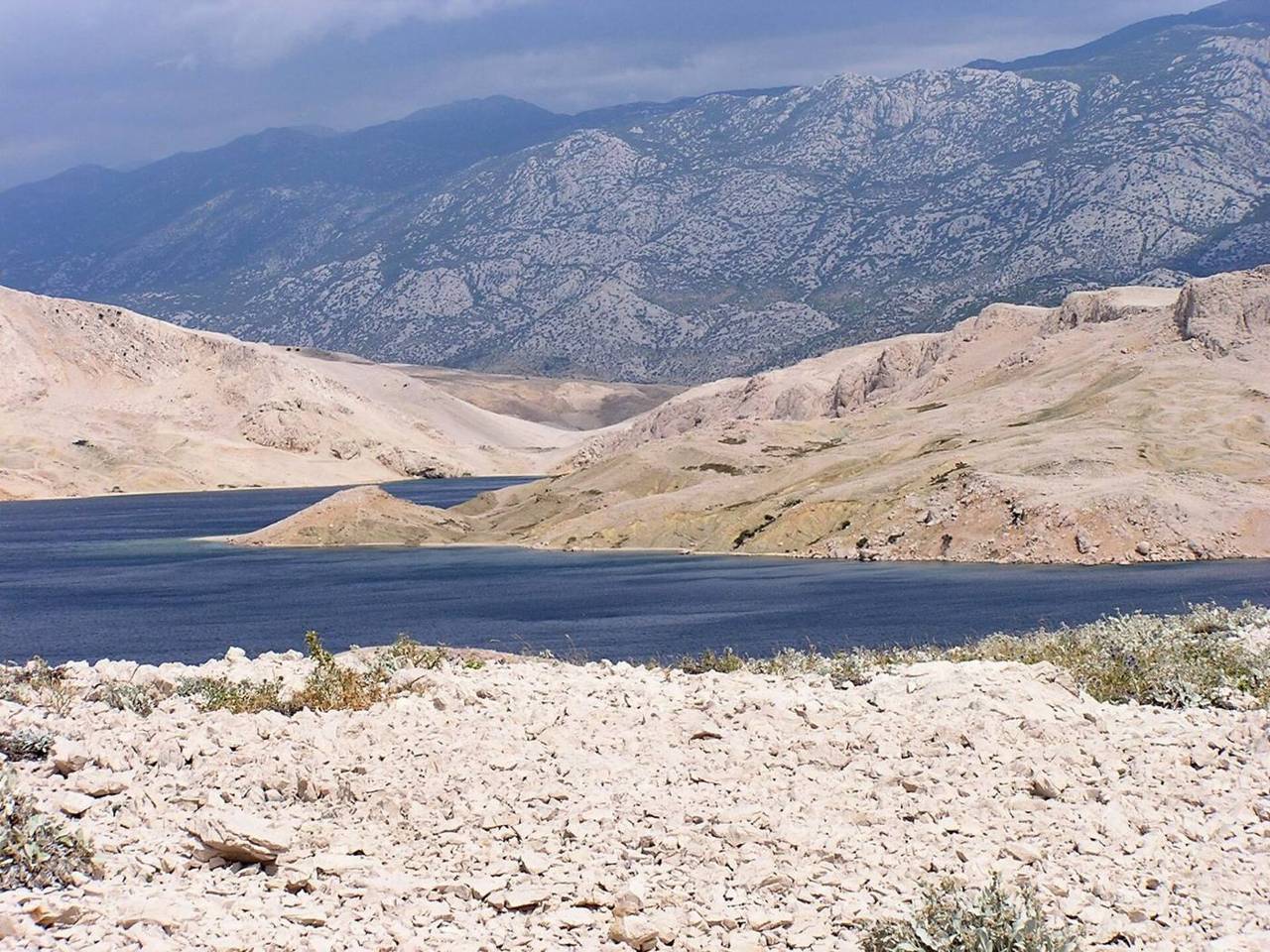
Zadar, Nin and the island of Pag
Northern Dalmatia: Zadar with its Roman forum and Sun Salutation, Nin with its tiny church and lagoon mud baths, then Pag, an island of white, moon-like stone, with its sheep's cheese, lace and salt pans.
 10 daysEasy
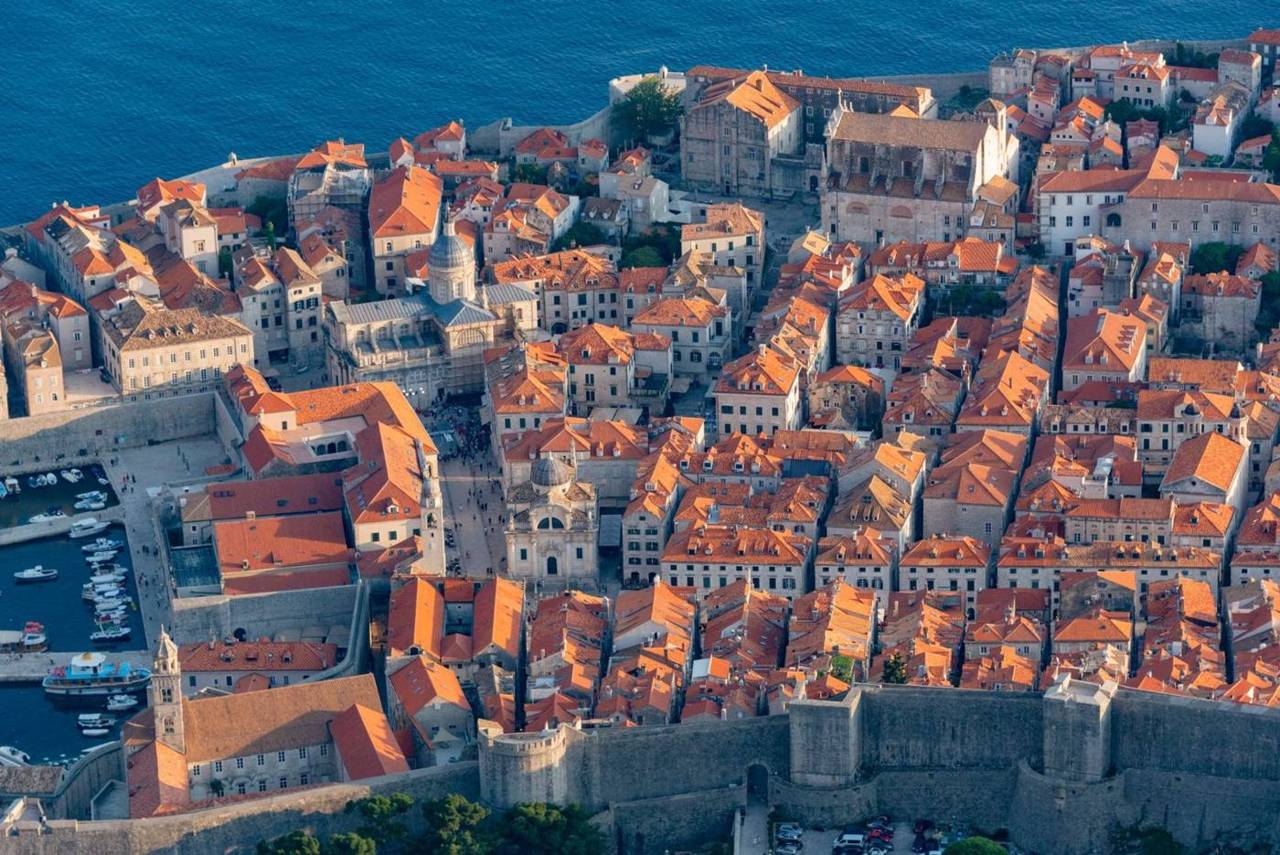
Dalmatia from Split to Dubrovnik
Diocletian's Palace in Split, the islands of Hvar and Korčula by ferry, Pelješac wines and the walls of Dubrovnik.