Zadar, Nin and the island of Pag
Northern Dalmatia: Zadar with its Roman forum and Sun Salutation, Nin with its tiny church and lagoon mud baths, then Pag, an island of white, moon-like stone, with its sheep's cheese, lace and salt pans.
- Zadar
- Nin
- Pag
- Novalja
Day by day
- Day 1
Zadar: the Roman forum, the Sea Organ and the Sun Salutation
Croatia is in the Schengen area and uses the euro: EU citizens need only a valid identity card or passport. Zadar, on the coast of northern Dalmatia, has an airport with direct flights from several European cities, about twenty minutes from the centre; there are also summer ferries from Ancona in Italy.
Zadar is a three-thousand-year-old city with its historic centre on a narrow peninsula surrounded by the sea and sixteenth-century Venetian walls, a UNESCO World Heritage site together with the other Venetian fortifications of the Adriatic. You enter through the Land Gate, with the lion of St Mark carved above the arch.
In the morning walk to the Roman forum, the large square built in the time of Emperor Augustus, with remains of columns and temples. Next to it stands the ninth-century church of St Donatus, a tall, massive round stone building, the city's symbol, built partly from blocks of the Roman forum, and the Romanesque cathedral of St Anastasia, with a bell tower overlooking the whole city.
In the afternoon walk along the Riva, the seafront, to the tip of the peninsula, home to two famous works by the architect Nikola Bašić. The Sea Organ is a long marble staircase with thirty-five pipes hidden under the steps: the waves push air through the pipes and produce ever-changing sounds. Next to it, the Sun Salutation is a large circle of glass solar panels in the pavement that lights up in colours at sunset.
Practical tip: the sunset over the sea from Zadar is famous; arrive on the Riva a little early to find a seat on the steps.
- Day 2
Nin, the lagoon and Croatia's oldest town
In the morning drive north to Nin, about twenty minutes from Zadar, a tiny town built on an islet in the middle of a shallow lagoon, linked to the mainland by two stone bridges. Nin is one of Croatia's oldest towns, founded by the Illyrians, later a Roman town and, in the Middle Ages, the seat of the first Croatian kings and the first Croatian bishop.
In the centre, which you cross on foot in a few minutes, stands the ninth-century Church of the Holy Cross, one of the smallest churches in the world, called by locals the smallest cathedral, its windows aligned so that sunlight marks the passing of the seasons. Nearby is the large bronze statue of Gregory of Nin, the medieval bishop who defended the use of the Croatian language in the liturgy: by tradition, touching his big toe brings luck. Outside town, on a small hill among the fields, the eleventh-century church of St Nicholas has a small crenellated tower.
In the afternoon relax on the lagoon beaches, such as Kraljičina plaža, the Queen's Beach, long and sandy with shallow, warm water, ideal for children. The lagoon also has healing mud, used by locals for centuries for aches and pains.
At sunset look at the Nin salt pans, where salt has been made for more than a thousand years, with a salt museum.
Practical tip: the strong Dalmatian wind, the bora, sometimes makes the lagoon perfect for kitesurfing but cool for swimming; check the forecast.
- Day 3
The bridge to Pag: Pag town, lace and salt pans
In the morning drive to the island of Pag, about an hour from Zadar, over the Pag bridge that links it to the mainland in the south.
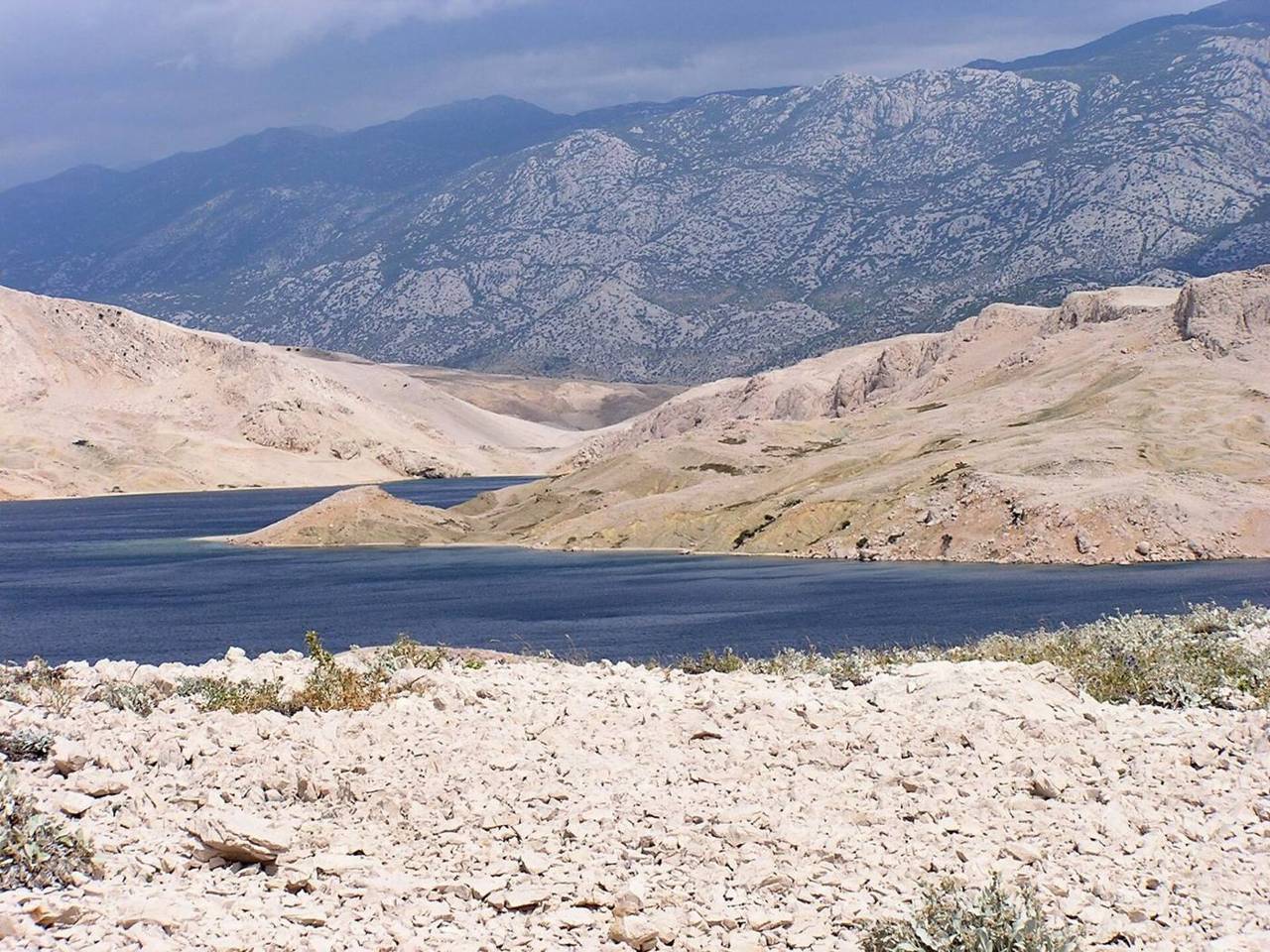
Pag is a long, narrow island with a unique landscape: the side exposed to the bora, the cold wind blowing from the Velebit mountains, is almost bare, pale rock like a lunar landscape, while the other side is green, with olive groves and vineyards. Dry-stone walls built by shepherds divide the sheep pastures.
Pag town was built in the fifteenth century by the Venetians to a Renaissance ideal-city plan, with straight streets crossing at right angles, a main square with the church of St Mary and the rector's palace. It is famous for Pag lace, a handmade needle lace with star-shaped geometric patterns, recognised by UNESCO as intangible cultural heritage. Lacemakers often work in front of their houses, and the small lace museum shows the oldest pieces and the technique.
In the afternoon visit the Pag salt pans near the town, among the largest in Croatia, where sea salt is harvested in summer, with a small museum.
In the evening try Pag lamb, raised on the island's salty pastures, and fresh fish.
Practical tip: in strong bora the Pag bridge and some island roads can be closed; check traffic alerts before setting off.
- Day 4
Pag cheese and the Lun olive groves, then back to Zadar
In the morning visit a cheese dairy on the island to taste paški sir, Pag cheese, one of Croatia's most famous cheeses, made from the milk of the island's small sheep, which graze on aromatic herbs, sage and thyme coated with salt carried by the wind. The cheese has a strong, salty flavour and is aged for months. Some dairies have a shop and offer tastings.
Then drive to the northern tip of the island at Lun, home to the Lun olive gardens, a grove of about eighty thousand wild olive trees, some more than a thousand years old, protected as a botanical reserve. You walk among the twisted trees along a path between dry-stone walls, with views of the sea and nearby islands. Lun olive oil is highly prized.
In the afternoon, on the way back, stop for a swim at one of the island's beaches, such as Zrće near Novalja, famous in summer for its clubs and music, or a quieter cove.
In the evening return to Zadar, about an hour and a half from Lun, for departure from the airport or to continue along the coast.
Things to take home: Pag cheese, handmade Pag lace, salt from Nin and Pag, Lun olive oil and Zadar maraschino, a marasca cherry liqueur.
Practical tip: Pag cheese keeps well vacuum-packed for the flight. Check your government's travel advice before leaving.
The bora, a cold, strong wind, often blows on Pag and can close the bridge. In summer Novalja, in the north of the island, hosts big night parties: those wanting quiet should stay in the south. A valid identity card is enough for EU citizens.
Before you go
- Documents and visa
- EU citizens need a valid identity card or passport: Croatia has been in the Schengen area since 2023. Other nationalities should check the Schengen rules.
- Health and vaccines
- No vaccines required. EU citizens should bring their EHIC. Emergencies: 112.
- Money and payments
- Euro since 2023. Cards are accepted almost everywhere, but carry some cash on small islands. Every accommodation charges a tourist tax per person per night.
- Power sockets
- Types C and F, 230 volts.
- Time zone
- Central European Time (UTC+1, summer UTC+2).
- Safety
- A very safe country. In remote inland areas some minefields from the 1990s war remain, marked with signs: stay on the paths. Official advice: GOV.UK.
Information checked in November 2026 for Italian and EU citizens. Rules change: always check before you travel.
Variations
In 2 days: Zadar with the forum, the Sea Organ and sunset, then a day in Nin with the lagoon.
In 8 days: add the Kornati National Park by boat, Paklenica National Park on the Velebit, or the Krka waterfalls and Šibenik further south.
Frequently asked questions
Do I need a passport for Croatia?
No: Croatia is in the Schengen area and uses the euro; EU citizens need only a valid identity card.
What is Zadar's Sea Organ?
A marble staircase on the seafront with pipes hidden under the steps: the waves push air through the pipes and produce sounds, day and night.
When is the best time to go?
May to September for the sea; June and September are less crowded. In strong bora some connections may close.
Indicative itinerary written by World Atlas. Before booking, check timetables, seasonal openings, documents and safety.
 10 daysEasy
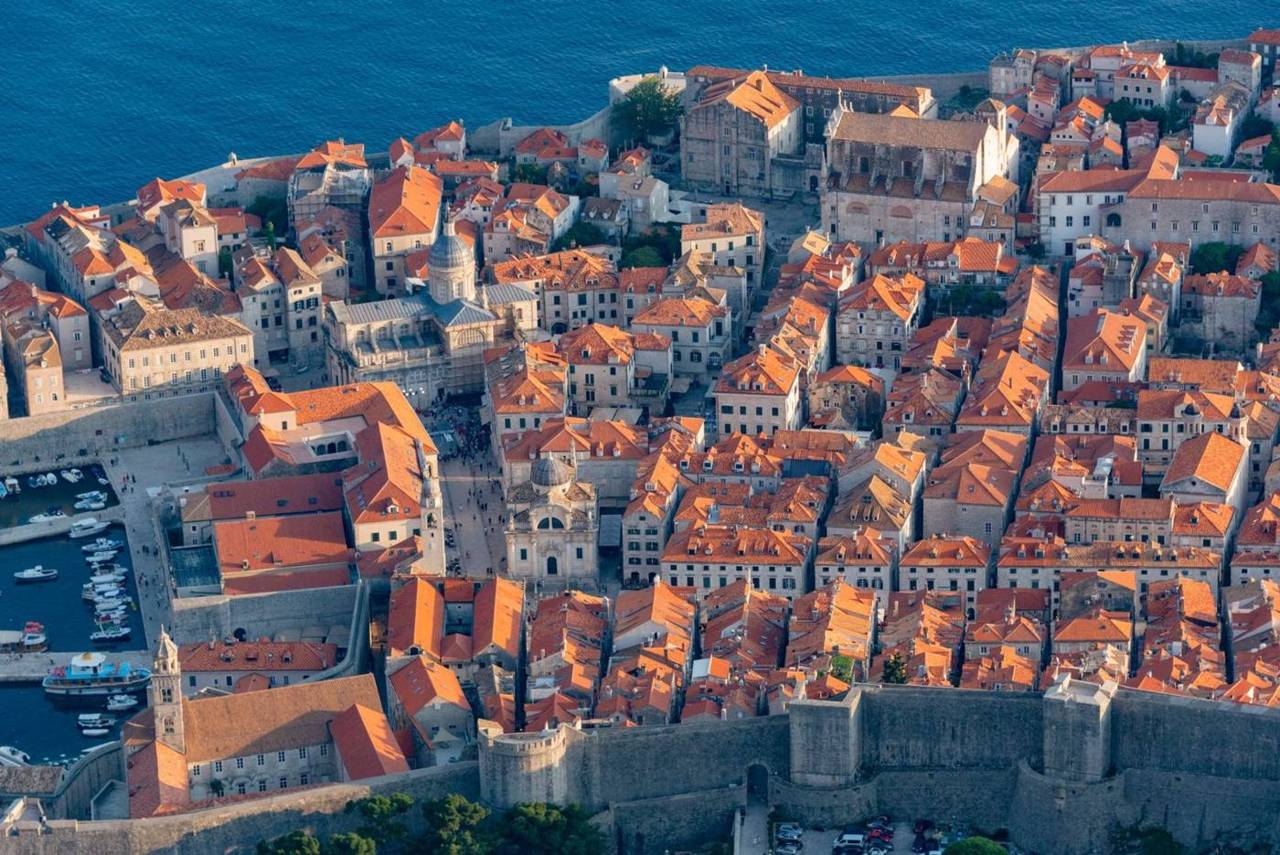
Dalmatia from Split to Dubrovnik
Diocletian's Palace in Split, the islands of Hvar and Korčula by ferry, Pelješac wines and the walls of Dubrovnik.
 5 daysEasy
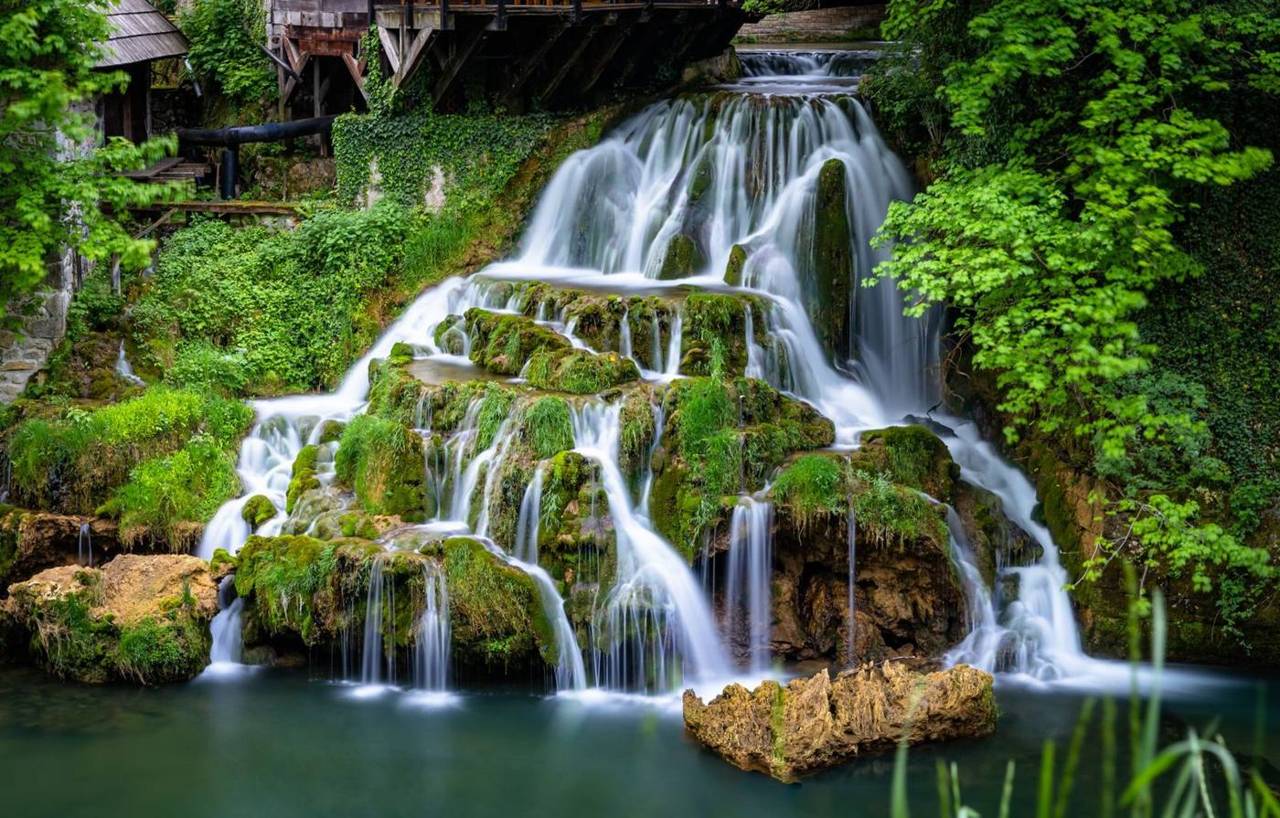
Plitvice Lakes and Krka National Park
From Zagreb to Split via the sixteen terraced lakes of Plitvice, the town of Šibenik and the Krka waterfalls.
 6 daysEasy
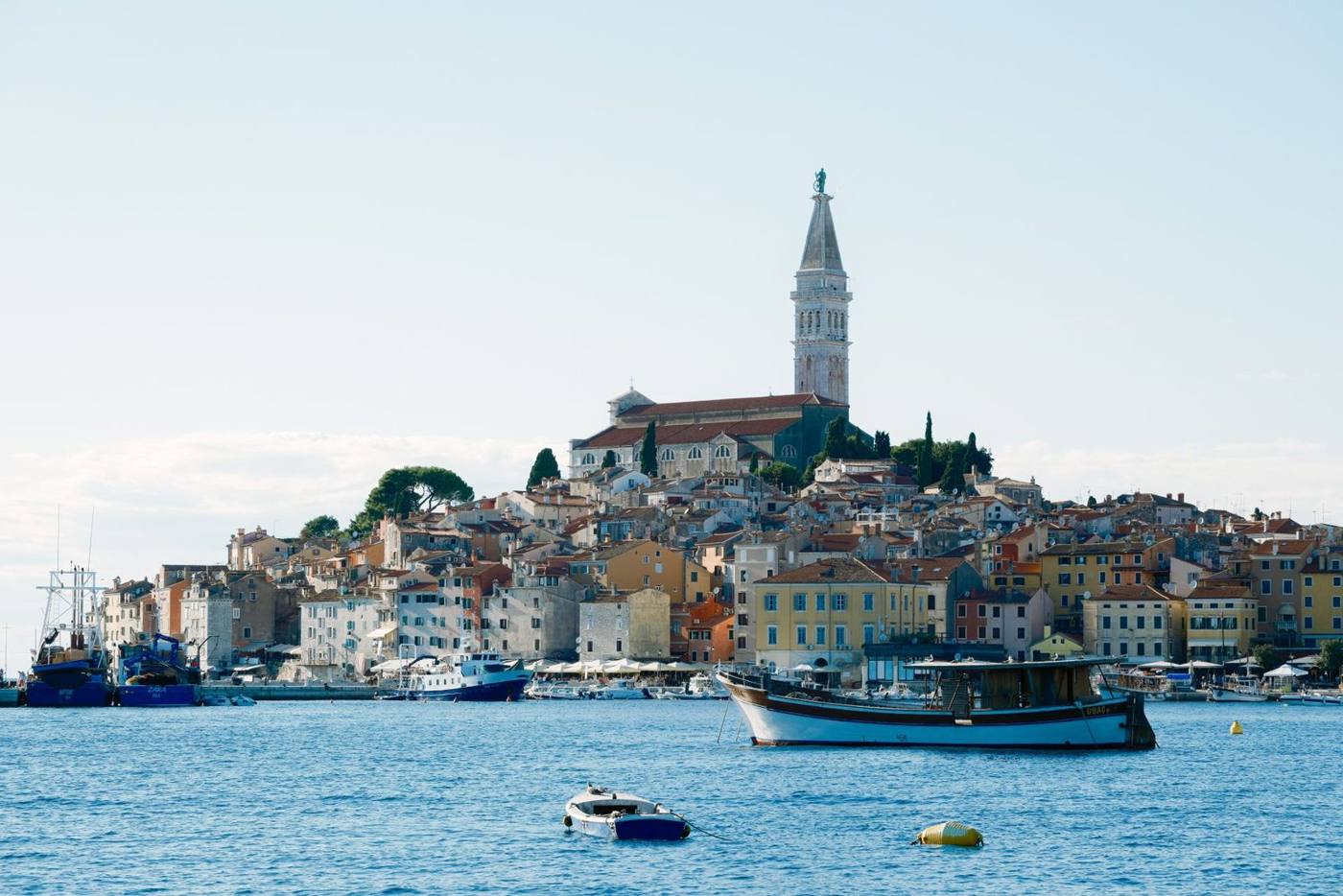
Istria: Rovinj, Poreč and Motovun
The Venetian coast of Rovinj and Poreč, the Roman arena of Pula, hilltop villages with truffles, olive oil and Malvasia.