Cappadocia on foot
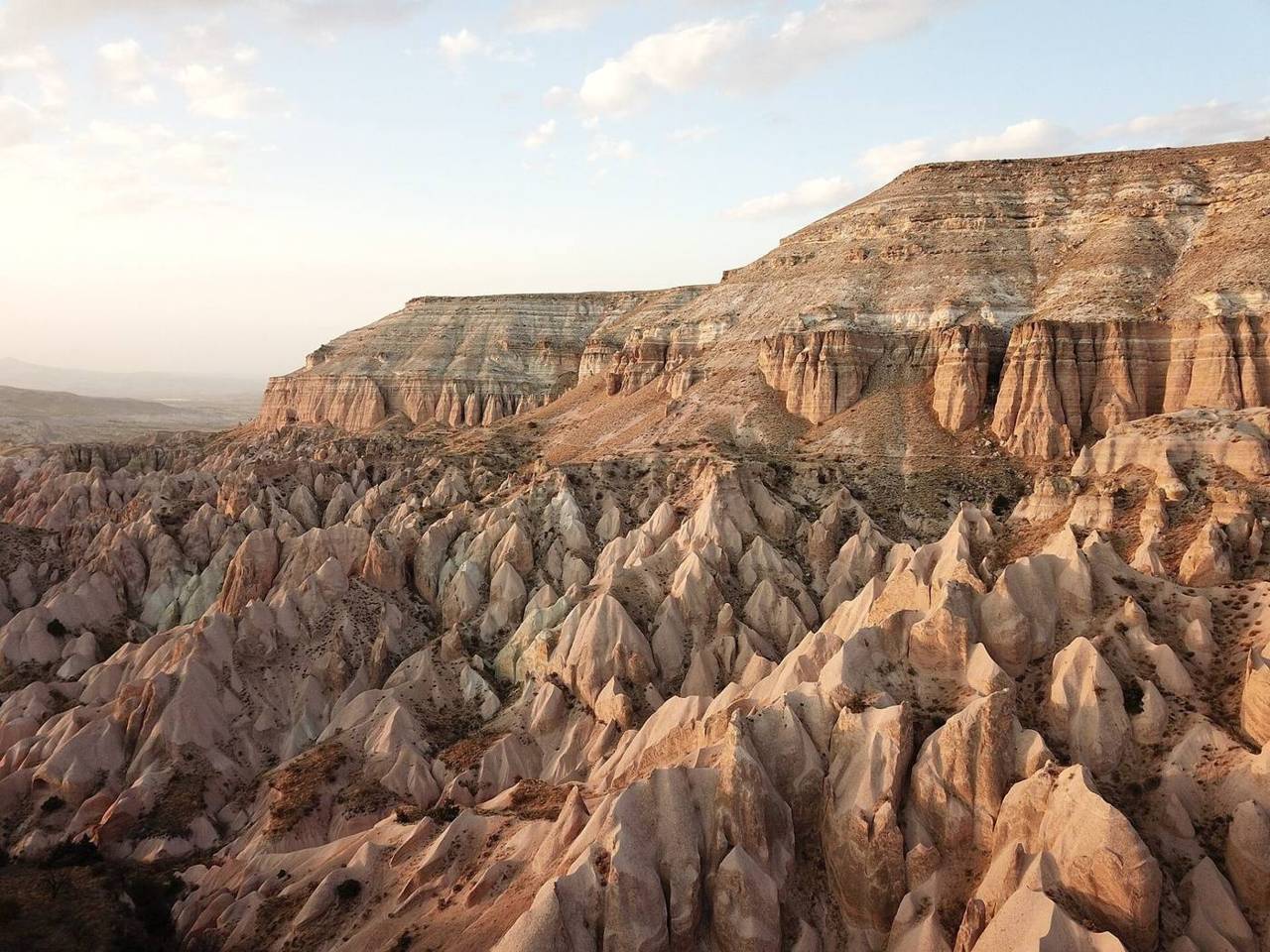
Cappadocia away from the coaches: the Red and Rose valleys at sunset, Pigeon Valley, the painted rock churches of Soğanlı, the Greek village of Mustafapaşa, the Ihlara valley along the river and Mount Erciyes in the background.
- Göreme
- Red Valley
- Pigeon Valley
- Mustafapaşa
- Soğanlı
- Ihlara
Day by day
- Day 1
Göreme: the open-air museum and the Red and Rose valleys at sunset
Cappadocia, in central Anatolia, is a landscape unique in the world: hills of volcanic tuff carved by wind and water into fairy chimneys, spires, cones and walls of cream, pink and ochre, into which for centuries the inhabitants dug houses, dovecotes, frescoed churches and entire underground cities. Göreme National Park and the rock sites of Cappadocia are a UNESCO World Heritage site. Walking through the valleys, away from the coaches, is the best way to discover it. Italian citizens can enter Turkey with a passport or an electronic identity card valid for travel abroad.
You fly into Kayseri or Nevşehir airports, about an hour from Göreme. In the morning visit the Göreme Open-Air Museum, an ancient monastic complex with dozens of churches cut into the rock between the tenth and twelfth centuries, decorated with Byzantine frescoes of the life of Christ and the saints. The Dark Church, so called because it receives little light, has the best-preserved frescoes, with colours still vivid; it requires a separate ticket. Just outside the museum, do not miss Tokalı church, the largest, with frescoes on a blue background.
In the afternoon walk the Red and Rose valleys near Göreme, on easy paths between pinkish walls, vineyards, fruit trees and small rock-cut churches such as the Crusaders' church. Towards sunset climb to the viewpoint above the valleys, when the rock glows red and orange.
In the evening try testi kebabı, meat and vegetables slow-cooked in a clay pot broken open at the table.
Practical tip: wear hiking shoes with good soles; the tuff paths are dusty and slippery.
- Day 2
Pigeon Valley to Uçhisar
Early in the morning, weather permitting, watch the balloons at dawn: hundreds of colourful balloons rise above the Göreme valleys in the pink morning light, one of Turkey's most famous sights. You can fly with a licensed operator or watch at no cost from a hill above the village. Flights only go in light wind and are often cancelled.
Then set off on foot from Göreme through Pigeon Valley, a path of about four kilometres, gently uphill, reaching Uçhisar in about two hours. The valley is named after the thousands of dovecotes carved into the tuff walls and painted white around the openings: for centuries farmers collected pigeon droppings to fertilise vineyards and orchards. The path winds among apricot and apple trees and vines, with fairy chimneys and white cones all around.
In Uçhisar climb the castle, a huge rock spur honeycombed with hundreds of rooms and tunnels, the highest point in the area: from the top you see all of Cappadocia, with the snowy Erciyes volcano on the horizon.
In the afternoon rest in Uçhisar and stroll among the village's old stone houses, many restored.
In the evening return to Göreme by taxi or bus.
Practical tip: in summer walk early in the morning or late afternoon, as midday is hot and shade is scarce.
- Day 3
Zemi Valley and Love Valley
In the morning walk Zemi Valley, south of Göreme, one of the wildest and least visited valleys in the area. The path drops into a narrow gorge between tall walls of white and yellow tuff, groves of poplars and willows and small vegetable plots, with rock churches hidden in the walls, such as El Nazar church with tenth-century frescoes. The route, about six or seven kilometres, has some narrow sections where care is needed.
In the afternoon go to Love Valley, between Göreme and Çavuşin, famous for its very tall, slender fairy chimneys with darker tips: among the strangest formations in Cappadocia. You can walk along the valley floor among the vineyards, or look down from the edge of the plateau.
If you still have energy, continue to Çavuşin, a village whose old part is carved into a great rock face, abandoned after collapses, with a rock church at the top, the church of St John the Baptist, one of the oldest in the region.
In the evening return to Göreme and, if you like, visit a local winery: Cappadocia has made wine since antiquity thanks to its volcanic soil.
Practical tip: many valleys lack clear signage; use an offline map on your phone or walk with a local guide.
- Day 4
Mustafapaşa and the Soğanlı valley
In the morning drive south to Mustafapaşa, about twenty minutes from Göreme, a village called Sinasos until 1923 and home to a Greek Orthodox community that left in the population exchange between Greece and Turkey. Splendid stone mansions remain, with carved façades and balconies, some now guesthouses, and the church of Saints Constantine and Helena. Wander the quiet lanes and squares.
Then continue south to the Soğanlı valley, about an hour away, far from the crowds. It is a green valley in two branches, with dozens of rock-cut churches, some with domes and façades carved in the stone, such as the Dome Church, and Byzantine frescoes from the ninth to eleventh centuries. Easy paths link the churches on both sides. In the village, women sell handmade cloth dolls, a local tradition.
In the afternoon, on the way back, stop at one of Cappadocia's underground cities, such as Derinkuyu or Kaymaklı: cities dug on several levels underground, with stables, cellars, chapels, ventilation shafts and great round stone doors to seal the passages, where thousands of people took refuge during invasions.
In the evening return to Göreme.
Practical tip: in the underground cities passages are low and narrow; they are not suitable for anyone with claustrophobia.
- Day 5
The Ihlara valley from Ihlara to Belisırma and departure
In the morning drive south-west to the Ihlara valley, about an hour and a half from Göreme, a canyon about fourteen kilometres long and about a hundred metres deep, carved by the Melendiz river into the volcanic plateau. The valley floor is green, with poplars, willows and reeds along the river, contrasting with the reddish rock walls. The walls hold dozens of Byzantine rock churches with frescoes.
Go down the long stairway near the village of Ihlara and walk along the river to the village of Belisırma, about seven kilometres, on an easy, shaded, almost flat path, in about two and a half hours. Along the way visit the finest churches, such as Ağaçaltı church with a fresco of the Ascension and Yılanlı church with scenes of judgement. In Belisırma there are small riverside eateries serving trout.
In the afternoon, if you have time, continue to Selime Monastery at the end of the valley, a large complex carved into a rock face, with a cathedral, kitchen and stables, used as a set in several films.
Then head to Kayseri or Nevşehir airport.
Things to take home: ceramics from Avanos, the potters' town on the Kızılırmak river, Cappadocian wine, dried fruit, rugs and kilims.
Practical tip: Turkey is at level 2 in US travel advisories; Cappadocia is a quiet area, but stay informed before you go.
It complements the Istanbul and Cappadocia trip. Trails are easy but poorly marked: download an offline map or hire a guide. Balloon flights depend on the wind and are often cancelled: keep several mornings no-cost. In summer walk at dawn. Italian and most EU citizens need no visa for short tourist stays.
Before you go
- Documents and visa
- Passport, or for some EU citizens a national identity card; no visa for tourism up to 90 days in 180 for most EU nationalities.
- Health and vaccines
- No compulsory vaccines. Drink bottled water. Emergencies: 112.
- Money and payments
- Turkish lira. Cards work almost everywhere; state site tickets are set in euros but paid in lira at the day's rate.
- Power sockets
- Types C and F, 230 volts: the same round-pin sockets as much of Europe.
- Time zone
- UTC+3 all year: Turkey does not use daylight saving time.
- Safety
- The United States rates Turkey level 2, with level 4 within 10 km of the Syrian and Iraqi borders. Tourist areas are busy and calm. Official advice: GOV.UK.
Information checked in November 2026 for Italian and EU citizens. Rules change: always check before you travel.
Variations
In 3 days: Göreme and the Red and Rose valleys, Pigeon Valley with Uçhisar, Ihlara on the way out.
In 8 days: add Konya and the Mevlana museum, or Istanbul at the start or end.
Frequently asked questions
Can you take a balloon flight?
Yes, with licensed operators at dawn; flights only go in light wind and are often cancelled, so book for your first day.
What documents do I need?
A passport or an electronic identity card valid for travel abroad.
When is the best time to go?
April to June and September to October: mild temperatures for walking. Summer is hot, winter often snowy.
Indicative itinerary written by World Atlas. Before booking, check timetables, seasonal openings, documents and safety.
 5 daysEasy
Ankara, Hattusa and Amasya
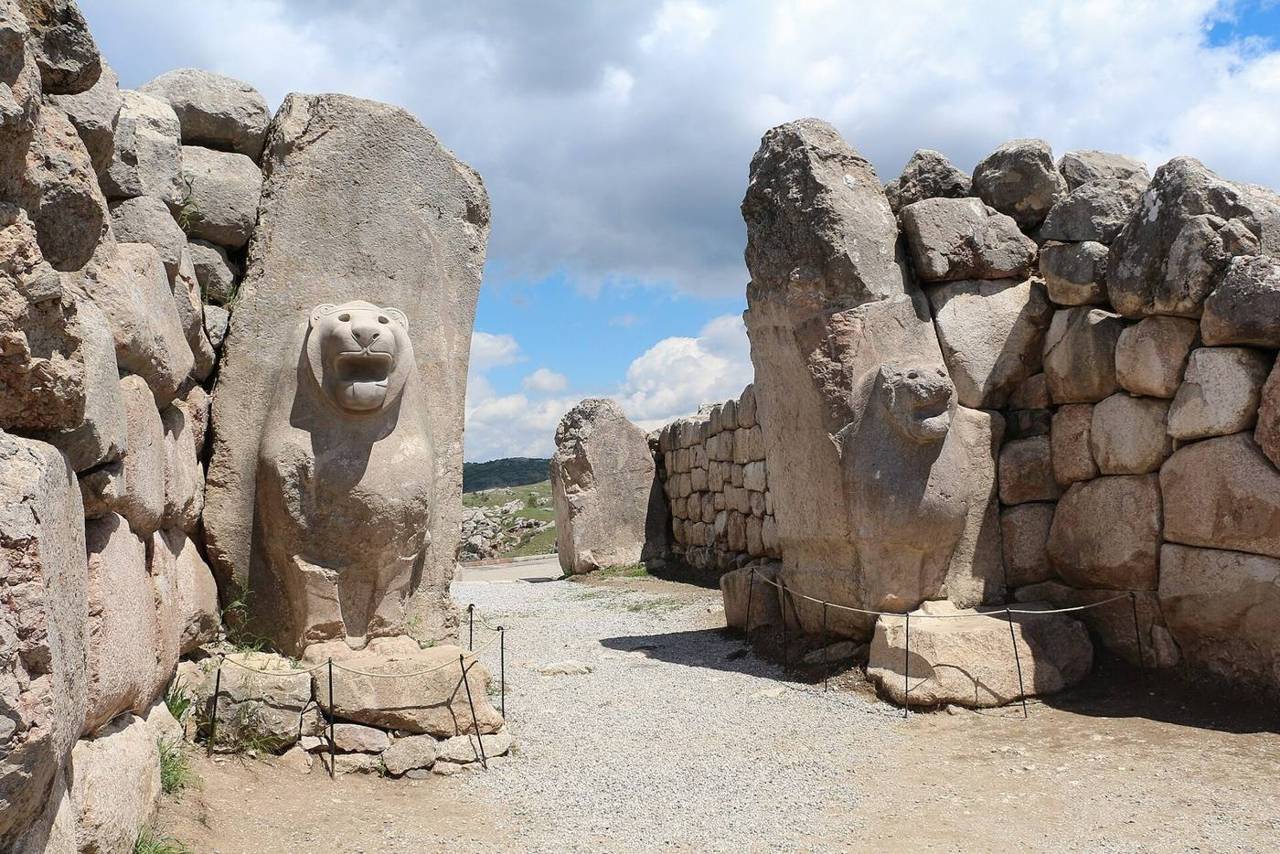
Anatolia of the Hittites and the kings of Pontus: the Museum of Anatolian Civilisations and Atatürk's mausoleum in Ankara, Hattusa, the Hittite capital and a UNESCO World Heritage site, with the Lion Gate and the rock sanctuary of Yazılıkaya, and Amasya with its royal tombs carved into the cliff above the river.
 5 daysEasy
İzmir, Alaçatı and Çeşme
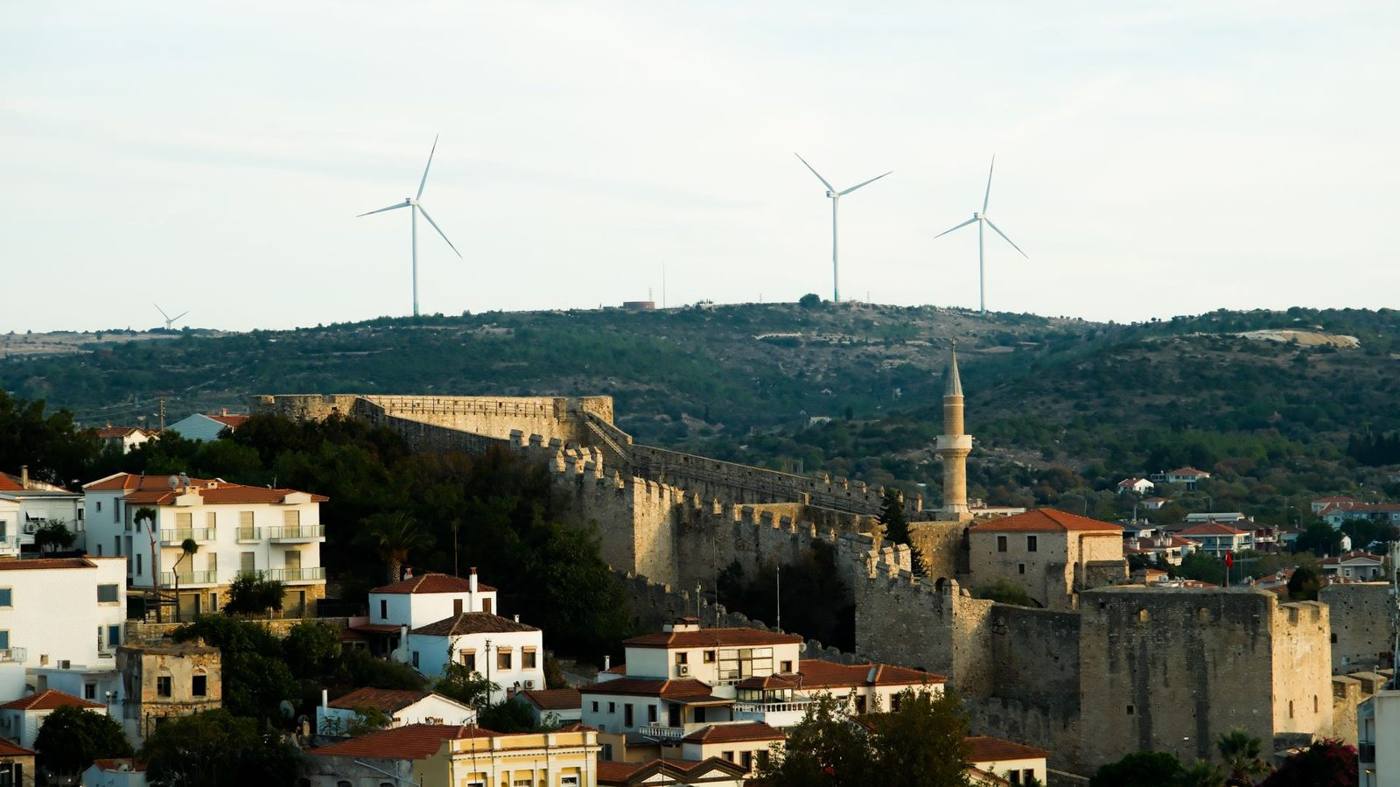
The most modern Aegean: İzmir with the Kemeraltı bazaar, the Kordon seafront and the ancient agora, then the Çeşme peninsula with Alaçatı's stone houses, windmills, wind for surfing, the beaches of Ilıca and the Greek island of Chios half an hour away by ferry.
 8 daysEasy
A week aboard a gulet from Fethiye to Marmaris
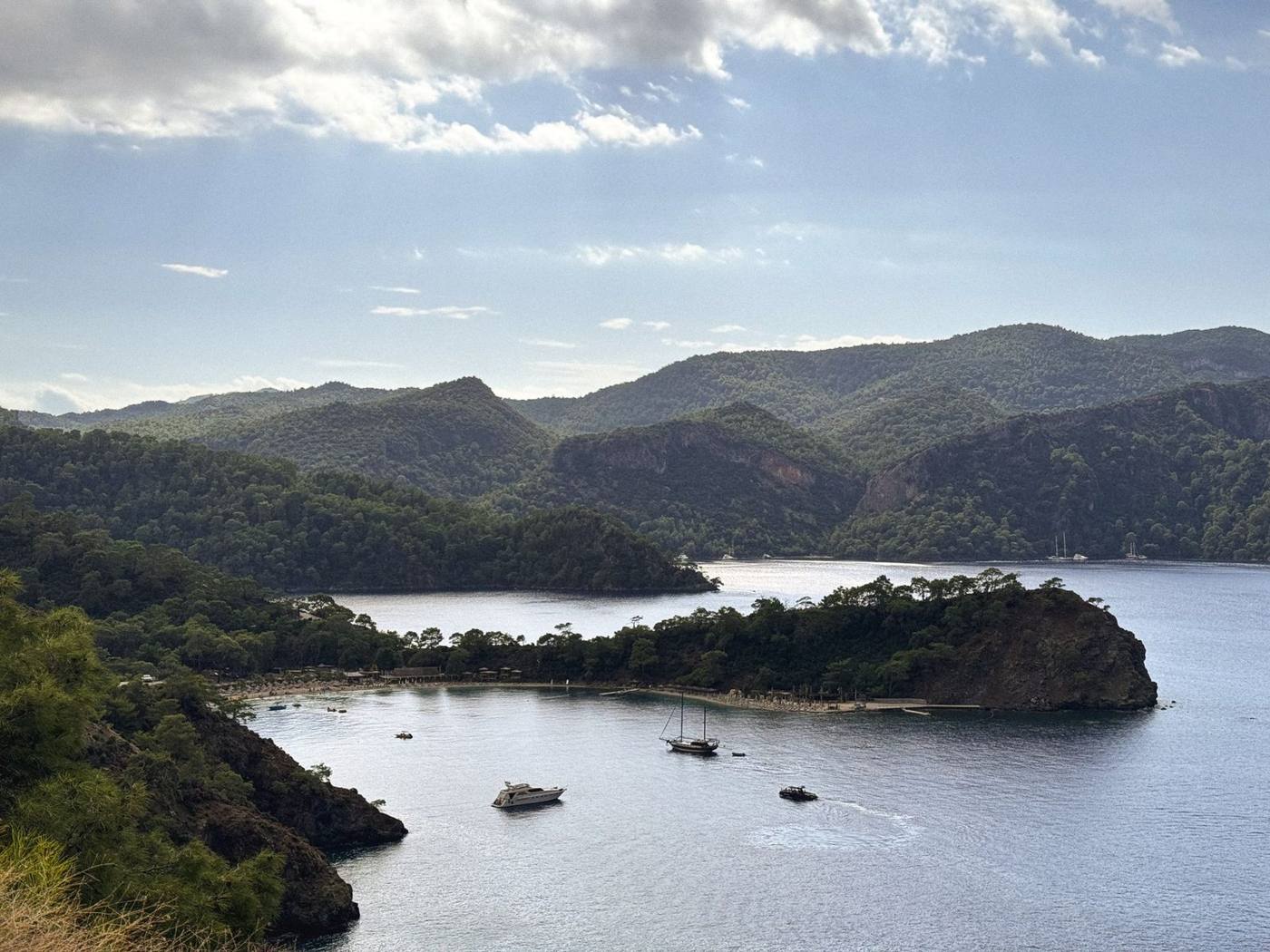
Seven nights on board among the coves of the Gulf of Fethiye and the Carian coast, with a boat trip up the Dalyan river to the tombs of Kaunos.