Ankara, Hattusa and Amasya
Anatolia of the Hittites and the kings of Pontus: the Museum of Anatolian Civilisations and Atatürk's mausoleum in Ankara, Hattusa, the Hittite capital and a UNESCO World Heritage site, with the Lion Gate and the rock sanctuary of Yazılıkaya, and Amasya with its royal tombs carved into the cliff above the river.
- Ankara
- Hattusa
- Yazılıkaya
- Alacahöyük
- Amasya
Day by day
- Day 1
Ankara: the Museum of Anatolian Civilizations and the citadel
Central Anatolia is the heart of Turkey, a plateau of hills, wheat fields and villages, where some of the oldest civilisations in the world were born. Here, more than three thousand years ago, the Hittites built an empire able to challenge the Egypt of the pharaohs. This five-day trip starts in Ankara, the modern capital, reaches Hattuşa, the Hittite capital, and ends in Amasya, one of the most beautiful Ottoman towns in the country. It is for those who love ancient history and want a Turkey that few foreign tourists visit.
In the morning, visit the Museum of Anatolian Civilizations, Turkey's most important archaeological museum for prehistory and antiquity, housed in a restored Ottoman caravanserai and covered market. The halls follow the history of Anatolia in chronological order: the figurines and wall paintings of Çatalhöyük, one of the first villages in the world; the gold and bronze objects of the Bronze Age; the great stone reliefs of the Hittites, with lions, sphinxes, gods and hunting scenes; the cuneiform tablets of the Assyrian merchants; and the finds of the Phrygians, the people of King Midas. Take your time: it is the best way to prepare for Hattuşa.
In the afternoon, climb to the citadel, on the hill above the museum. Inside the Byzantine and Seljuk walls are old houses of wood and stone, narrow streets and workshops. From the top of the walls you see the whole of Ankara, huge and modern, spreading across the plain.
Practical tip: for this trip you need a car or a driver, because the sites are far apart and public transport to Hattuşa is limited.
- Day 2
Anıtkabir and the road to Boğazkale
In the morning, visit Anıtkabir, the mausoleum of Mustafa Kemal Atatürk, founder of the Republic of Turkey in 1923. It is a large complex of pale stone on a hill, with a long avenue lined with Hittite-style stone lions, a vast square and the colonnaded mausoleum. It is a very important place for Turks, who come here in silence and with respect. In the museum beneath the mausoleum you see Atatürk's personal belongings, his cars and large panels on the War of Independence. If you arrive at the right time, you can watch the changing of the guard.
After lunch, head east to Boğazkale, the village next to the ruins of Hattuşa, about two and a half hours by road. The landscape becomes more rolling and rural, with fields of wheat and sunflowers, bare hills and small villages.
When you reach Boğazkale in the late afternoon, visit the small village museum, with tablets, pottery and two large stone sphinxes that decorated one of the city gates and returned here after many years in museums in Berlin and Istanbul. Then, in the sunset light, climb the hill above the village to see the walls of the ancient city from a distance.
In the evening the village is quiet, with a few simple places to stay. It is the ideal place to sleep and start the visit to Hattuşa early the next morning.
Practical tip: Anıtkabir has strict rules of behaviour: no food, tidy clothing and silence in the mausoleum hall. Security checks at the entrance are thorough.
- Day 3
Hattuşa, Yazılıkaya and Alacahöyük
Today you visit the capital of the Hittites, a UNESCO World Heritage Site since 1986. For centuries Hattuşa was the centre of a great empire which, in the thirteenth century BC, fought Egypt at the battle of Kadesh and then signed with Pharaoh Ramesses II one of the first peace treaties in history. The city was abandoned around 1200 BC.
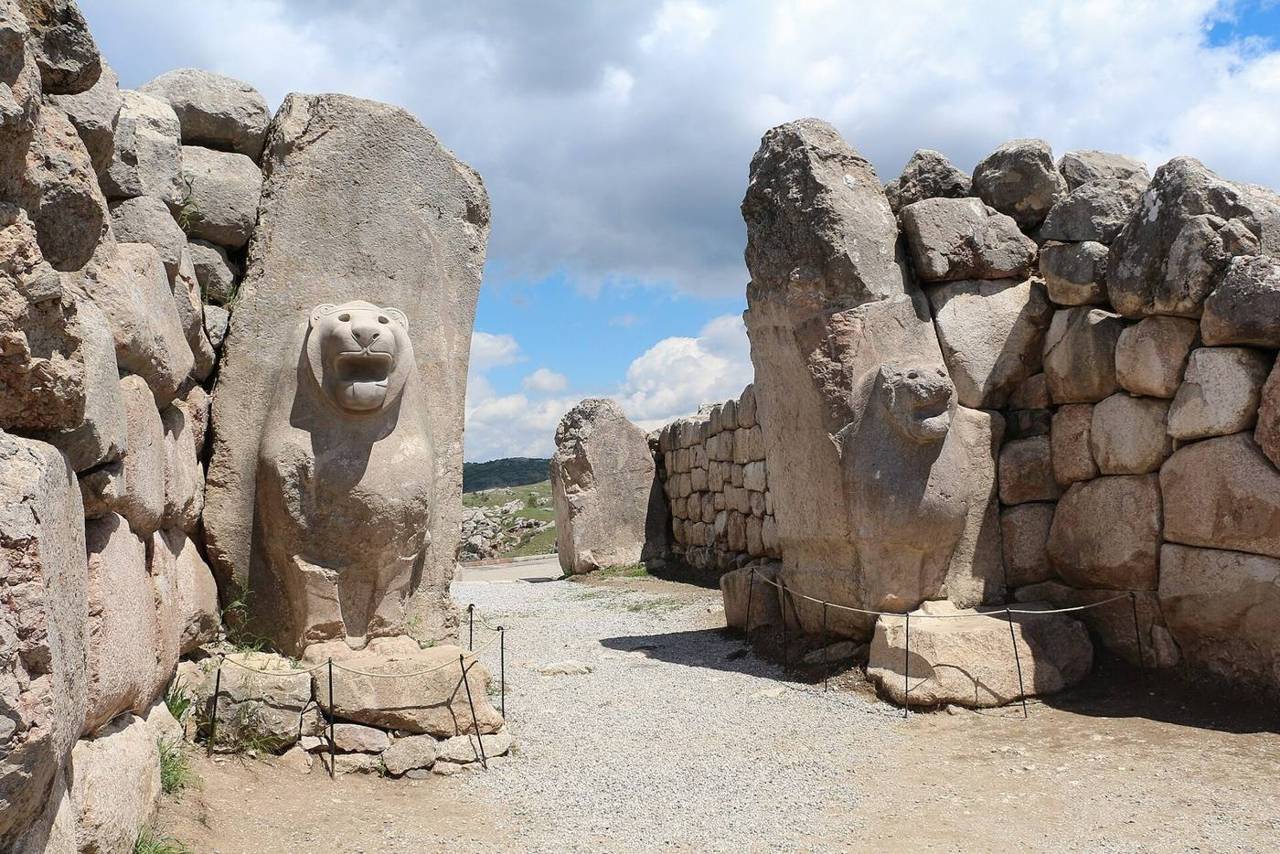
The site is very large, with about six kilometres of walls, and you visit it by car along a ring road, stopping at the main points. You will see the Great Temple, with the foundations of dozens of storerooms where thousands of tablets were found; the Lion Gate, with two lions carved in stone on either side of the passage; Yerkapı, a long stone tunnel under the ramparts, with the Sphinx Gate above it; and the King's Gate, with the relief of a warrior god, now a copy. From the upper part of the city, the view over the valley is magnificent.
Then go to Yazılıkaya, a few minutes away, an open-air sanctuary in a rocky gorge. On its walls are carved in relief processions of dozens of Hittite deities, male on one side and female on the other, and King Tudhaliya IV protected by a god.
In the afternoon, drive for about half an hour to Alacahöyük, another, older Hittite site, with a Sphinx Gate and Bronze Age royal tombs, which yielded some of the finest bronzes in the Ankara museum.
Practical tip: there is little shade at Hattuşa and summers are very hot, so arrive at opening time with a hat, water and comfortable shoes.
- Day 4
Amasya: the tombs of the Pontic kings and the riverside houses
In the morning, set off north-east for Amasya, about two hours by road. The town lies in a narrow, deep valley along the Yeşilırmak, the green river, enclosed by rock walls. It is one of the most beautiful and most photographed towns in Turkey, yet little known to foreigners.
Amasya was the capital of the kingdom of Pontus, which in the first century BC challenged Rome under King Mithridates VI. On the rock face above the town you see the tombs of the Pontic kings, large façades carved into the stone, lit up at night. A staircase climbs to the tombs, from which the view over the river and the rooftops is beautiful. Higher still is the fortress, which can also be reached by car, with its walls and a view over the whole valley. Strabo, the great Greek geographer of antiquity, was also born here.
Below the tombs, along the riverbank, is a row of old wooden Ottoman houses with balconies jutting out over the water. One of them, the Hazeranlar mansion, is a museum with rooms furnished as in the nineteenth century.
In Ottoman times Amasya was the town where the young princes, the sultan's sons, came to learn how to govern. This is why it has old mosques, schools and baths, such as the mosque of Bayezid II, with its large garden by the river. In the afternoon, walk through the centre, cross the bridges and taste Amasya's apples, famous throughout Turkey.
Practical tip: in the evening the rock tombs are floodlit, and the riverbank is the best place to watch them.
- Day 5
Return to Ankara
On your last morning in Amasya, take a walk along the river in the morning light, when the valley is quiet and the wooden houses are reflected in the water. If you have not yet seen it, visit the town's archaeological museum, which displays finds from every period, from the Hittites to the Ottomans, and some mummies of the Mongol Ilkhanid rulers who governed the region in the Middle Ages. Or go up to the Büyük Ağa Medresesi, an octagonal fifteenth-century Koranic school, still used to teach the Koran.
Before leaving, buy some local produce: apples, cherries in season, hazelnuts and traditional sweets.
Then take the road back to Ankara, about four hours. On the way you can stop in Çorum, a town famous for its roasted chickpeas, sold in a huge range of varieties, and for its museum, which displays more Hittite finds from the region, including a large vase decorated with festival scenes.
In Ankara, return the car and, if you have time before your flight or train, take a stroll around the Kızılay district, the modern centre, or Hamamönü, with its restored Ottoman houses and cafés. High-speed trains leave Ankara for Istanbul and Konya, and there are flights to all of Turkey.
If you want to continue your trip, Ankara is about three and a half hours by road from Cappadocia, which combines very well with this itinerary.
Practical tip: Italian citizens do not need a visa for short tourist stays; a passport or an electronic identity card valid for travel abroad is enough to enter.
For lovers of ancient history wanting a little-visited Turkey. A car or driver is needed. Hattusa is vast: visit by car along the inner loop. Italian and most EU citizens need no visa for short tourist stays.
Before you go
- Documents and visa
- Passport, or for some EU citizens a national identity card; no visa for tourism up to 90 days in 180 for most EU nationalities.
- Health and vaccines
- No compulsory vaccines. Drink bottled water. Emergencies: 112.
- Money and payments
- Turkish lira. Cards work almost everywhere; state site tickets are set in euros but paid in lira at the day's rate.
- Power sockets
- Types C and F, 230 volts: the same round-pin sockets as much of Europe.
- Time zone
- UTC+3 all year: Turkey does not use daylight saving time.
- Safety
- The United States rates Turkey level 2, with level 4 within 10 km of the Syrian and Iraqi borders. Tourist areas are busy and calm. Official advice: GOV.UK.
Information checked in November 2026 for Italian and EU citizens. Rules change: always check before you travel.
Variations
In 3 days: Ankara and its museum, then Hattuşa and Yazılıkaya in a day, without Amasya.
In 8 days: after Amasya, head down to Cappadocia, with its valleys, fairy chimneys and underground cities, and return to Ankara.
Frequently asked questions
When is the best time to go?
Spring, from April to June, and autumn, from September to October. Summer is hot and dry on the plateau; winter is cold and it may snow.
Do I need a guide?
It is not compulsory, but at Hattuşa and Yazılıkaya a guide or a good audio guide helps a great deal in understanding the ruins, which are mostly foundations and reliefs.
What documents do I need?
Italian citizens do not need a visa for short tourist stays. A passport or an electronic identity card valid for travel abroad is enough.
Indicative itinerary written by World Atlas. Before booking, check timetables, seasonal openings, documents and safety.
 5 daysEasy
İzmir, Alaçatı and Çeşme
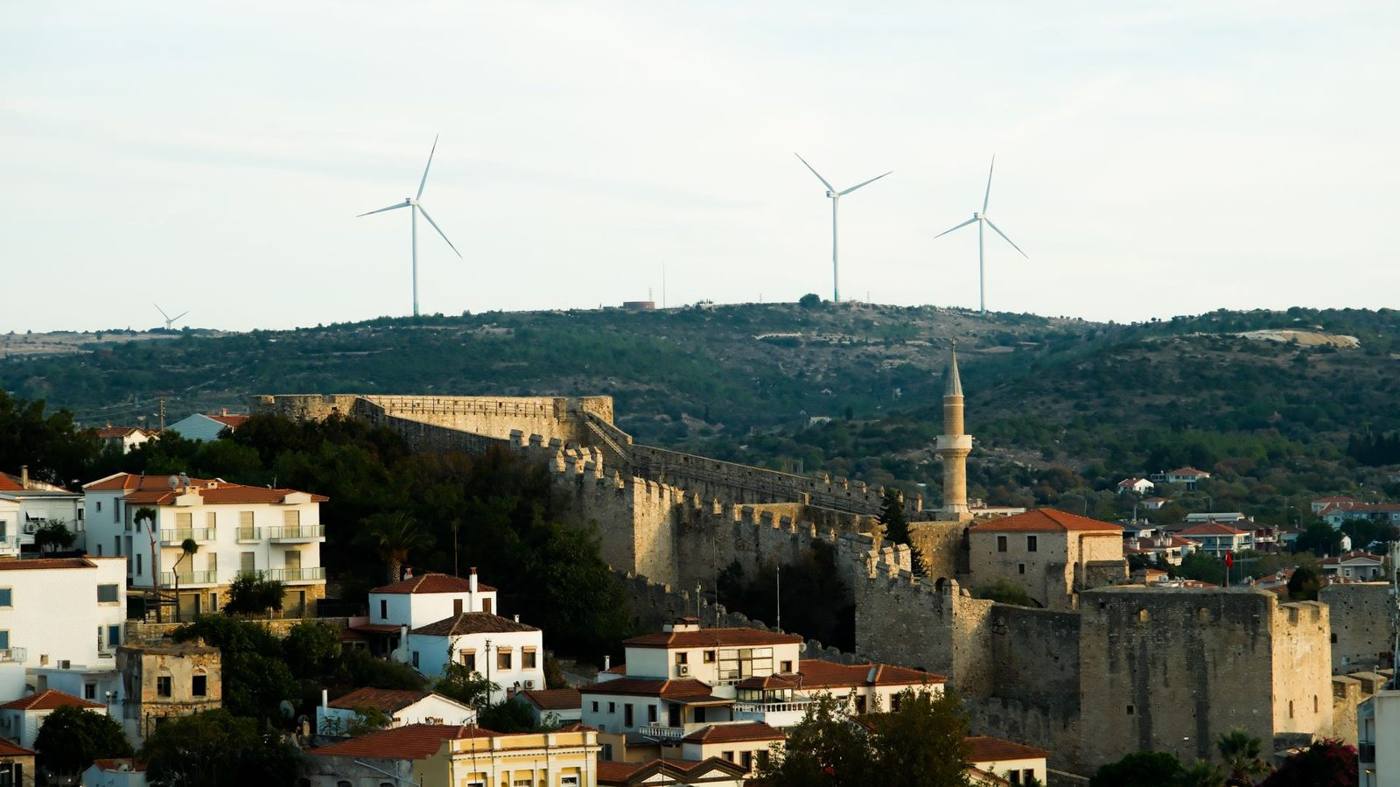
The most modern Aegean: İzmir with the Kemeraltı bazaar, the Kordon seafront and the ancient agora, then the Çeşme peninsula with Alaçatı's stone houses, windmills, wind for surfing, the beaches of Ilıca and the Greek island of Chios half an hour away by ferry.
 8 daysEasy
A week aboard a gulet from Fethiye to Marmaris
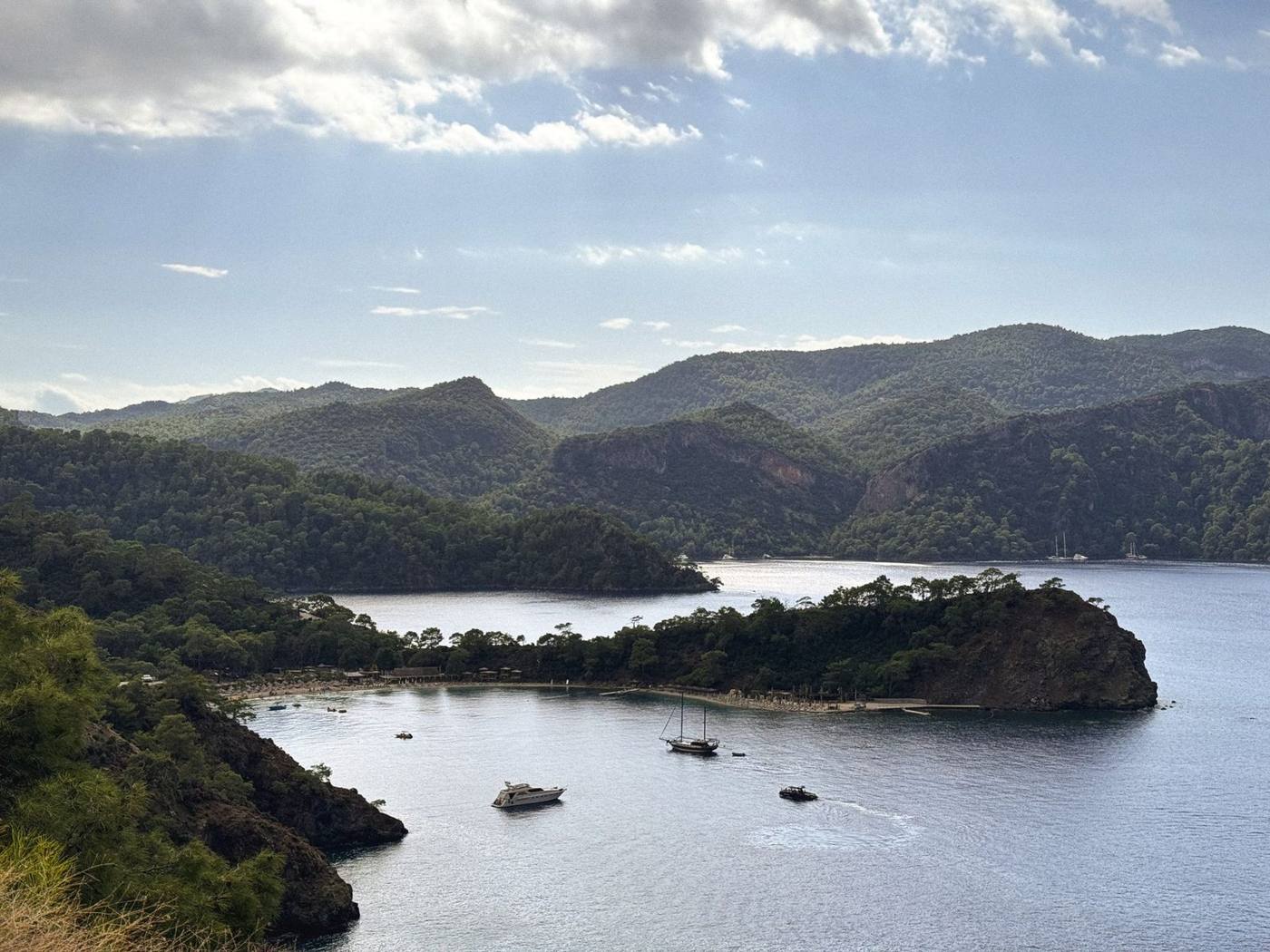
Seven nights on board among the coves of the Gulf of Fethiye and the Carian coast, with a boat trip up the Dalyan river to the tombs of Kaunos.
 8 daysEasy
Istanbul at an easy pace and the Dardanelles
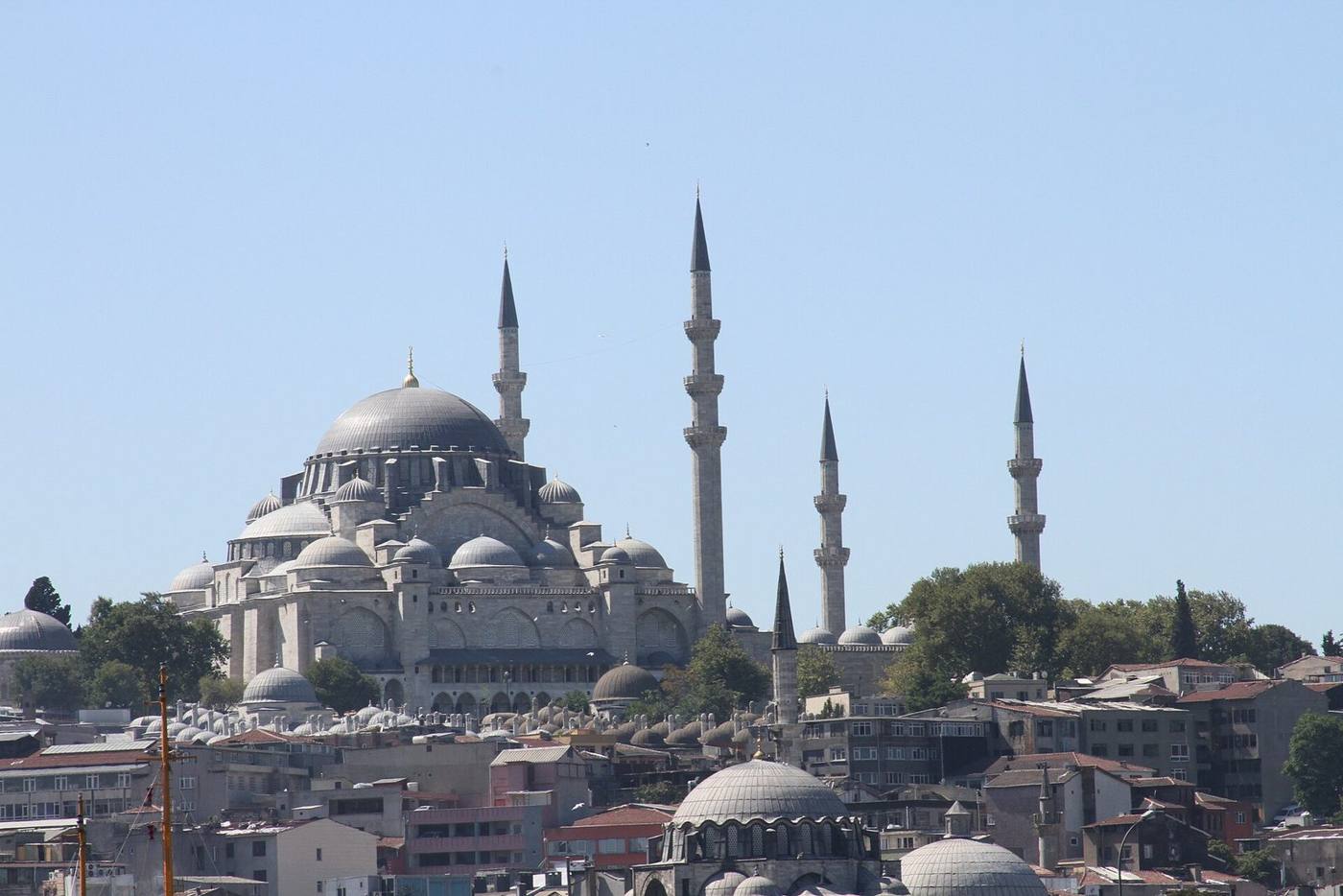
Four full days in Istanbul, Asian side included, then Iznik, Bursa, Troy and the Gallipoli battlefields.