İzmir, Alaçatı and Çeşme
The most modern Aegean: İzmir with the Kemeraltı bazaar, the Kordon seafront and the ancient agora, then the Çeşme peninsula with Alaçatı's stone houses, windmills, wind for surfing, the beaches of Ilıca and the Greek island of Chios half an hour away by ferry.
- Izmir
- Alaçatı
- Çeşme
- Ilıca
Day by day
- Day 1
İzmir: Kemeraltı, Konak and the Kordon at sunset
EU citizens can enter Turkey without a visa for tourism for up to ninety days in a hundred and eighty, with a passport; citizens of several EU countries, including Italy, France and Belgium, can also use a valid national identity card. Check the rules for your nationality.
İzmir, the ancient Smyrna, is Turkey's third-largest city, on the Aegean coast, spread around a great gulf with hills behind. It is a modern, open, secular city with a long history: founded by the Greeks, it was a great Roman, Ottoman and cosmopolitan port, with Greek, Armenian, Jewish and Levantine communities. From Adnan Menderes airport you reach the centre by the suburban train, called İZBAN, or by metro in about half an hour.
In the morning start at Konak square, the heart of the city, with the clock tower built in 1901, İzmir's symbol, decorated in Ottoman style, and the small tiled Konak mosque. Then enter the Kemeraltı bazaar, one of the largest and oldest markets in Turkey, a maze of streets with shops selling spices, fabrics, gold, dried fruit and coffee, and old Ottoman caravanserais such as Kızlarağası Han, with shops on the upper floor around the courtyard. Stop for a Turkish coffee.
At sunset walk along the Kordon, the Alsancak seafront, where people sit on the grass by the water watching the sun go down over the gulf.
Practical tip: buy a rechargeable transport card, the İzmirim Kart, valid on the metro, buses, ferries and suburban train.
- Day 2
The agora, Kadifekale and the historic lift
In the morning visit the agora of Smyrna, the market square of the Roman city, in the Namazgah district a few minutes from the bazaar. You see marble columns of a great stoa, a portico, and above all the well-preserved vaulted basements, with graffiti and inscriptions left by ancient residents, and a spring that still flows.
Then take a taxi or bus up to Kadifekale, the velvet castle, on Mount Pagos above the city. Its walls, built in the time of Alexander the Great and later rebuilt by the Romans, Byzantines and Ottomans, offer the widest view over the whole of İzmir and the gulf. The surrounding district is home to families from eastern Anatolia, and sometimes you see women weaving carpets.
In the afternoon go to the Karataş district and ride the historic lift, the Asansör, built in 1907 by a Jewish banker to link the lower town with the hill, avoiding a long staircase. The terrace at the top offers one of the finest views over the gulf. In the street nearby, a house museum remembers the singer Dario Moreno, born in İzmir.
In the evening take the ferry from Konak to Karşıyaka, on the other side of the gulf, just for the pleasure of the crossing at sunset, as locals do, with a tea on deck.
Practical tip: İzmir's hills are steep; take a taxi or bus up to Kadifekale and walk down.
- Day 3
Alaçatı: stone streets and Aegean cooking
In the morning leave İzmir and drive west onto the Çeşme peninsula to Alaçatı, about an hour by motorway, or take a bus from the city's bus station.
Alaçatı is an old Greek village built in the nineteenth century, with pale stone houses, shutters and doors painted blue, green and lilac, and narrow streets covered in bougainvillea. It has become one of the most elegant and popular places on the Turkish coast, with design shops, galleries and bars. On the hill above the village, restored old stone windmills look out to sea.
Stroll unhurriedly through the streets of the centre, around the old Greek church that became a mosque; early in the morning, when the streets are still quiet, the stone houses are in their best light.
Aegean cooking, based on vegetables, wild herbs, olive oil and fish, is one of the lightest in Turkey. Try meze, small cold dishes to share, with sautéed herbs, artichokes in oil, cheese and yogurt dips, grilled fish and mastic ice cream, flavoured with the fragrant resin of a local tree.
In the afternoon, if it is windy, go to Alaçatı bay, one of the best places in Europe for windsurfing, with shallow water and steady wind; there are schools for beginners.
Practical tip: in July and August Alaçatı is very crowded and expensive; spring and early autumn are more pleasant.
- Day 4
Çeşme and the beaches of Ilıca, or the ferry to Chios
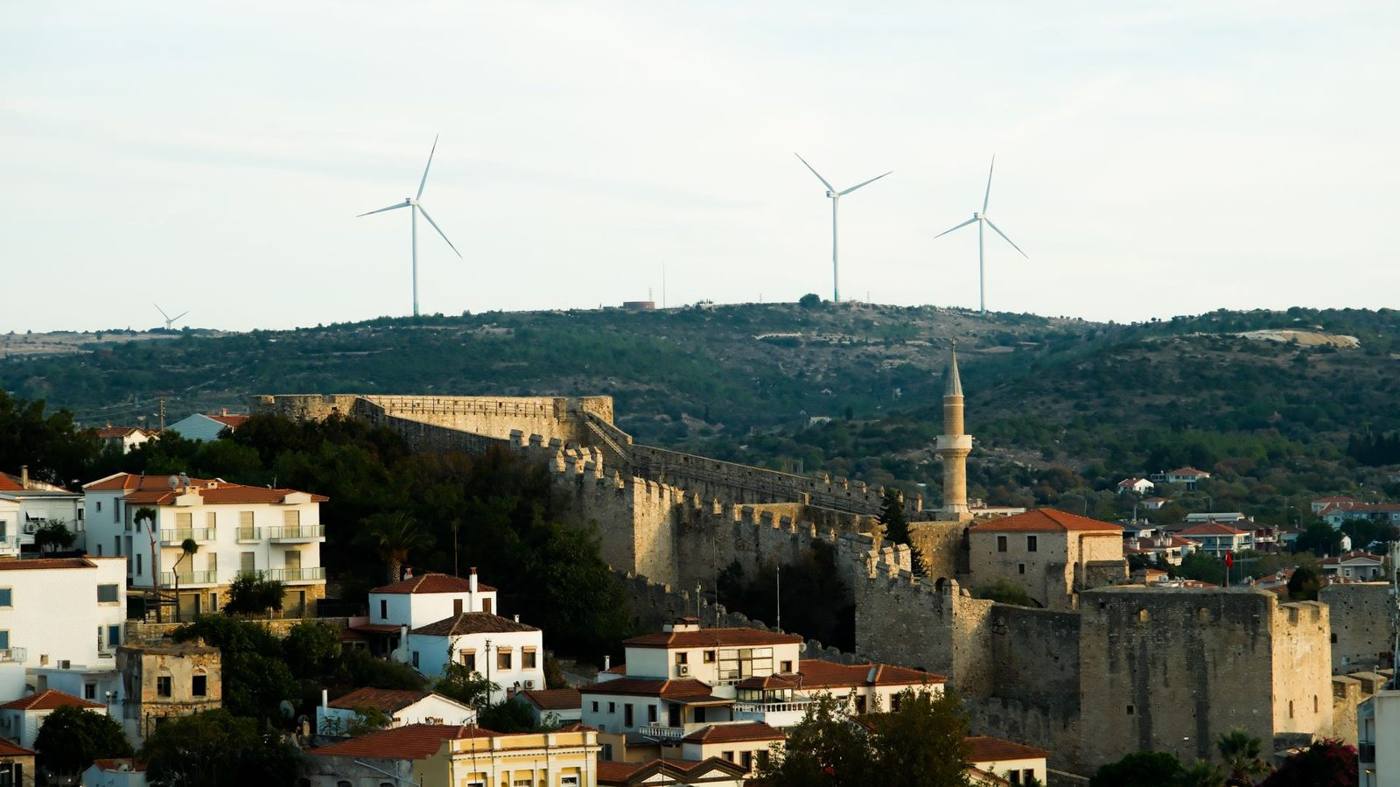
In the morning go to Çeşme, a few kilometres from Alaçatı at the tip of the peninsula, a seaside town with a harbour, a promenade and a sixteenth-century Genoese and Ottoman castle housing a small museum. In front of the castle stands the old caravanserai, and on the seafront the statue of an Ottoman admiral.
Then swim at the area's beaches. At Ilıca the beach is long, with white sand and shallow, clear water, and warm thermal springs rise from the seabed; there are also thermal baths nearby. Other fine beaches are at Altınkum in the south of the peninsula, wilder, with turquoise water.
Alternatively take the ferry from Çeşme to the Greek island of Chios, about half an hour across from the Turkish coast. Chios is famous for its medieval mastic villages, such as Pyrgi, with façades decorated with black and white geometric patterns scratched into the plaster, and Mesta, a fortified village with no outer doors. Ferries run mainly in summer; you need documents valid for entering the Schengen area, and Turkish checks again on the way back.
In the evening return to Alaçatı or Çeşme and have dinner by the harbour with the catch of the day.
Practical tip: the Aegean off the Çeşme peninsula is cool even in summer because of currents; pleasant in the heat, but colder than the southern coasts.
- Day 5
Back to İzmir
In the morning leave the peninsula and head back to İzmir, about an hour's drive. On the way, if you have time, stop at Urla, a country town with vineyards, olive groves and small wineries, where Aegean winemaking is being revived, with tastings at local estates.
Back in İzmir, if your flight leaves in the afternoon, visit Alsancak, with old Levantine stone houses with iron balconies, pedestrian streets full of cafés and Catholic and Orthodox churches, evidence of the cosmopolitan city of the past. The area is also home to the history and art museum, with Roman and Greek statues from excavations in the region.
From İzmir, those with a few more days can visit some of Turkey's most important archaeological sites: Ephesus, about an hour and a quarter away, with the Library of Celsus and the great theatre, Pergamon, about two hours away, with the hilltop acropolis and the steepest theatre of the ancient world, and Sardis, the ancient capital of the kingdom of Lydia.
Things to take home: İzmir dried fruit and figs, among the most famous in the world, Aegean olive oil, mastic gum, Turkish coffee, olive oil soaps and Turkish cotton towels.
Practical tip: for the airport, the İZBAN train is the quickest option at rush hour. Check your government's travel advice before leaving: the border areas with Syria and Iraq, far from here, have specific warnings.
A lively, secular Turkey, great for food and sea. Alaçatı is trendy and expensive in summer. It combines well with Ephesus and the northern Aegean. Italian and most EU citizens need no visa for short tourist stays.
Before you go
- Documents and visa
- Passport, or for some EU citizens a national identity card; no visa for tourism up to 90 days in 180 for most EU nationalities.
- Health and vaccines
- No compulsory vaccines. Drink bottled water. Emergencies: 112.
- Money and payments
- Turkish lira. Cards work almost everywhere; state site tickets are set in euros but paid in lira at the day's rate.
- Power sockets
- Types C and F, 230 volts: the same round-pin sockets as much of Europe.
- Time zone
- UTC+3 all year: Turkey does not use daylight saving time.
- Safety
- The United States rates Turkey level 2, with level 4 within 10 km of the Syrian and Iraqi borders. Tourist areas are busy and calm. Official advice: GOV.UK.
Information checked in November 2026 for Italian and EU citizens. Rules change: always check before you travel.
Variations
In 3 days: one day in İzmir with Konak, the bazaar and the Kordon, then two days in Alaçatı and Çeşme.
In 9 days: add Ephesus and the House of the Virgin Mary, then Pergamon, or continue along the northern Aegean to Assos and Ayvalık.
Frequently asked questions
Can I enter Turkey with an identity card?
Citizens of several EU countries, including Italy, France and Belgium, can enter as tourists with a valid national identity card; a passport always works. Check the rules for your nationality.
Can you visit Chios from Çeşme as a day trip?
Yes, in summer there are frequent ferries, with a crossing of about half an hour. Check the timetable and bring your ID.
When is the best time?
May to October for the sea; spring and September are less crowded and cheaper. In winter Alaçatı is very quiet and some places close.
Indicative itinerary written by World Atlas. Before booking, check timetables, seasonal openings, documents and safety.
 8 daysEasy
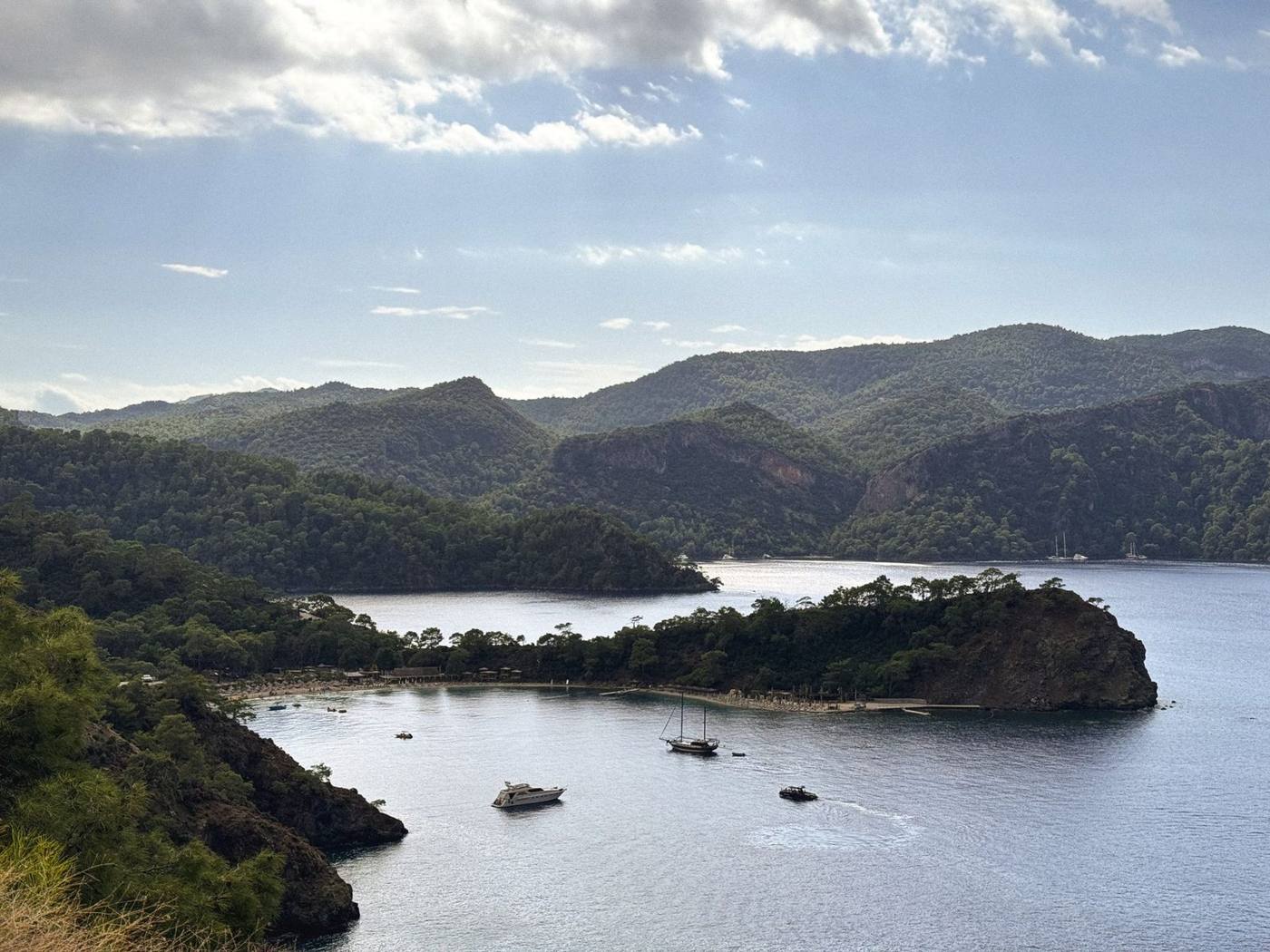
A week aboard a gulet from Fethiye to Marmaris
Seven nights on board among the coves of the Gulf of Fethiye and the Carian coast, with a boat trip up the Dalyan river to the tombs of Kaunos.
 8 daysEasy
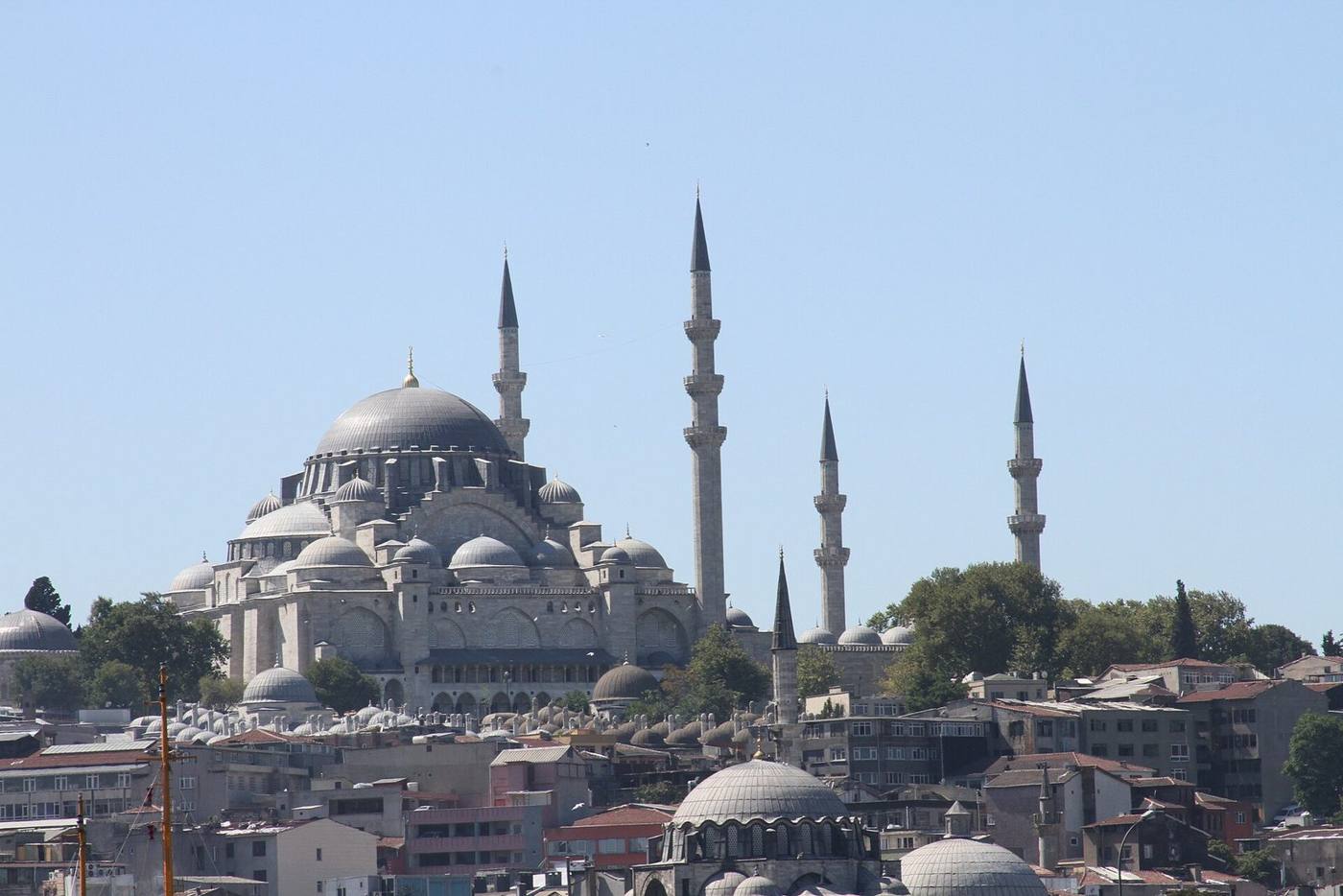
Istanbul at an easy pace and the Dardanelles
Four full days in Istanbul, Asian side included, then Iznik, Bursa, Troy and the Gallipoli battlefields.
 9 daysEasy
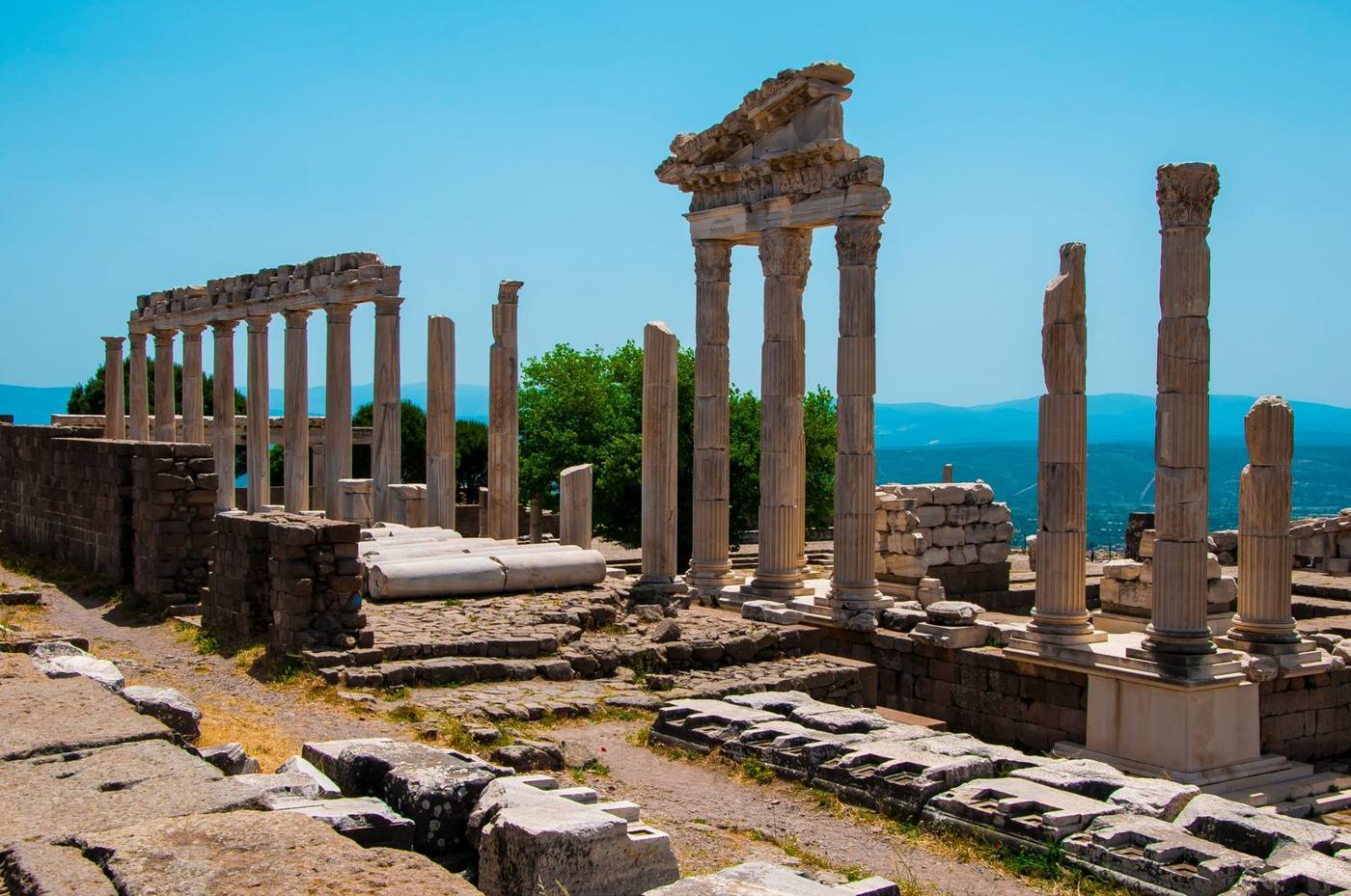
From Istanbul to Izmir along the northern Aegean
The less trodden side of the Aegean coast: Assos above the sea, Pergamon and its Asclepieion, the islands off Ayvalık and finally Ephesus.