Istanbul at an easy pace and the Dardanelles
Four full days in Istanbul, Asian side included, then Iznik, Bursa, Troy and the Gallipoli battlefields.
- Istanbul
- Üsküdar
- Kadıköy
- Iznik
- Bursa
- Çanakkale
- Troia
- Gallipoli
Day by day
- Day 1
Arrival in Istanbul and Sultanahmet in the evening
This trip combines Istanbul, seen at a relaxed pace, with a loop through north western Anatolia: Iznik, Bursa, the first Ottoman capital, and the Dardanelles, with Troy and Gallipoli. It is a journey through Byzantium, the Ottoman Empire and ancient Greece, with mosques, bazaars, ferries on the Bosphorus, Turkish baths, ceramics and one of the richest cuisines in the Mediterranean.
To enter Turkey Italian citizens can use a passport or a valid electronic identity card; other nationalities should check their own requirements. The US government rates Turkey at level 2 of 4, exercise increased caution: check current advice, especially for areas near the Syrian border, which this trip does not visit.
You fly into Istanbul, one of the largest cities in the world, split by the Bosphorus between Europe and Asia. The airports are far from the centre: allow about an hour for the transfer, more in traffic.
In the evening stay in Sultanahmet, in the old city, and take a first walk in the Hippodrome square, the ancient circus of the Byzantine Empire where chariot races were held. The Egyptian obelisk, the Serpent Column and the German Fountain remain. Then look at Hagia Sophia and the Blue Mosque lit up, facing each other across the park between them.
In the evening have dinner with Turkish food: meze, small dishes of vegetables and dips, grilled kebabs, pide, a boat shaped Turkish pizza, and baklava, the filo pastry sweet with pistachios and honey.
Spend the night in Sultanahmet.
Practical tip: the best time is April to June and September to November. Buy a public transport card: it works on trams, metro and ferries.
- Day 2
Hagia Sophia, Topkapı with the harem, the Blue Mosque and the Grand Bazaar
Today visit the great monuments of Sultanahmet, a UNESCO World Heritage Site together with the historic areas of Istanbul.
Early in the morning go to Hagia Sophia, built by the emperor Justinian in the sixth century, for almost a thousand years the largest church in the world, then a mosque after the Ottoman conquest of 1453, a museum from 1934 and a mosque again since 2020. The enormous dome seems to float on the light from the windows, and golden Byzantine mosaics survive. For foreign visitors access to the upper gallery costs 25 euros: check the current rules.
Then visit Topkapı Palace, residence of the Ottoman sultans for almost four centuries, with courtyards, pavilions, kitchens, the treasury with jewels and the emerald dagger, the sacred relics and terraces over the Bosphorus. The harem is well worth seeing too, with the rooms of the sultan's women and family decorated with Iznik tiles; the ticket is separate or included depending on the period: check.
In the afternoon enter the Blue Mosque, the seventeenth century Sultan Ahmet Mosque, with six minarets and an interior covered in blue Iznik tiles. It is a working mosque: entry is at no cost outside prayer times.
Then go to the Grand Bazaar, one of the largest and oldest covered markets in the world, with thousands of shops selling carpets, lamps, ceramics, jewellery and textiles.
Spend the night in Sultanahmet.
Practical tip: in mosques women cover their hair and everyone covers shoulders and knees; shoes come off. At the Grand Bazaar bargain calmly and without hurry.
- Day 3
Fener and Balat, sunset at Galata
Today discover the historic districts along the Golden Horn, the inlet that separates the old city from the modern part.
In the morning go to Fener and Balat, two districts once home to Orthodox Greeks, Jews and Armenians, with steep streets, colourful wooden and stone houses, small churches, synagogues and cafés. Fener is home to the Ecumenical Patriarchate of Constantinople, the centre of the Orthodox Church, and above the district rises the great red brick building of the Greek school. Nearby is the Bulgarian church of Saint Stephen, made entirely of cast iron, prefabricated in Vienna in the nineteenth century.
Then visit the Chora church at Edirnekapı, with some of the finest fourteenth century Byzantine mosaics and frescoes in the world. Today it is a mosque: check opening times and visiting rules.
In the afternoon cross Galata Bridge, with anglers casting their lines from the railing, and walk up into Karaköy and Galata, with lanes, galleries, shops and cafés.
At sunset climb Galata Tower, a fourteenth century Genoese tower, with a 360 degree view over the city, the Golden Horn, the Bosphorus and the minarets of the old city silhouetted against the sky.
In the evening walk along İstiklal Avenue, the great pedestrian street of Beyoğlu, with its historic red tram, and have dinner in a meyhane, a Turkish tavern with meze and fish.
Spend the night in Sultanahmet or Galata.
Practical tip: at Galata Tower there is always a queue at sunset: arrive well ahead. The tower charges entry: check.
- Day 4
By ferry to the Asian shore: Üsküdar and Kadıköy
Today cross the Bosphorus and discover Istanbul's Asian shore.
In the morning take the public ferry from Eminönü to Üsküdar, a crossing of about twenty minutes and the finest, cheapest way to see the city from the water, with the old city, palaces, mosques and the Bosphorus bridge. On the ferry you drink tea from small tulip shaped glasses and watch the gulls.
Üsküdar is a traditional, religious district with Ottoman mosques, including the Mihrimah Sultan Mosque designed by the great architect Sinan, and the Maiden's Tower, a small tower on an islet in the Bosphorus just off the shore. Walk south along the waterfront, looking across to the European shore.
In the afternoon go to Kadıköy, a lively, young district with a big street market full of fish, fruit, vegetables, cheeses, olives, spices and sweets, bakeries, record shops, bookshops and cafés. It is one of the best places in the city to eat: try the fish, stuffed mussels, sweets and Turkish coffee.
At sunset walk to the seafront at Moda, a quiet residential area with a seaside park, where people sit on the grass watching the sun go down behind the old city on the European shore.
In the evening take the ferry back to the European side.
Spend the night in Sultanahmet or Galata.
Practical tip: for a longer Bosphorus cruise, the public ferry that runs up towards the Black Sea costs far less than tourist cruises: check the timetable.
- Day 5
Iznik and Bursa
Today leave Istanbul and head south into Anatolia. From here you need a car, or a combination of ferries and buses.
In the morning take the fast ferry or drive across the Gulf of Izmit, then continue to Iznik, about three hours from Istanbul, a small town on a large lake, ringed by ancient walls.
Iznik is ancient Nicaea, where in 325 AD the first council of the Christian church was held, which defined the Nicene Creed, still recited in many churches today. You visit the Roman and Byzantine walls with their gates, the church of Hagia Sophia of Nicaea, now a mosque, and, under the lake waters near the shore, the remains of an ancient basilica discovered in 2014.
Iznik is also famous for its ceramics: from the fifteenth to the seventeenth century the coloured tiles in blue, turquoise, green and coral red that decorate Ottoman mosques and palaces, such as the Blue Mosque and Topkapı, were made here. Today some workshops have revived the traditional techniques, and you can watch the craftsmen at work.
In the afternoon continue to Bursa, about an hour and a half away, at the foot of Mount Uludağ.
In the evening try İskender kebab, born in Bursa: sliced lamb on bread with tomato sauce, melted butter and yoghurt.
Spend the night in Bursa.
Practical tip: driving in Istanbul is hard: hire a car outside the city or at the airport, and check the tolls and electronic payment rules on Turkish motorways.
- Day 6
Bursa: the Grand Mosque and the Green Mosque, then on to Çanakkale
Today discover Bursa, the first capital of the Ottoman Empire in the fourteenth century, a UNESCO World Heritage Site as the birthplace of the empire.
In the morning visit the Grand Mosque, Ulu Camii, from the fourteenth century, with twenty domes on pillars, an ablution fountain in the middle of the prayer hall, and great calligraphy on the walls, among the finest in the Islamic world.
Then walk to the green district, with the fifteenth century Green Mosque, Yeşil Camii, with green and blue tiles inside, and the Green Tomb, the mausoleum of Sultan Mehmet I, covered in turquoise tiles.
In the centre visit the covered bazaar and the caravanserais, the large buildings where merchants' caravans stopped. Bursa was the end of the Silk Road, and the Koza Han, the silk cocoon caravanserai, still has silk shops and a courtyard with tea tables.
If you have time, visit the village of Cumalıkızık, a few kilometres away, an Ottoman village of wooden and stone houses, also a UNESCO World Heritage Site.
In the afternoon set off for Çanakkale, about four hours west, on the Asian shore of the Dardanelles strait. Along the way you cross farmland, olive groves and the Sea of Marmara coast.
In the evening stroll along the Çanakkale seafront, with the wooden horse from the film about Troy and the ferries crossing the strait.
Spend the night in Çanakkale.
Practical tip: Bursa also has historic thermal baths, fed by the hot springs of Mount Uludağ. Check opening times, prices and separate sessions for men and women.
- Day 7
Troy and Gallipoli, then towards Istanbul
Today discover the two historic sites of the Dardanelles: Troy on the Asian shore and Gallipoli on the European shore.
In the morning go to Troy, about half an hour from Çanakkale, a UNESCO World Heritage Site. Here, on the hill of Hisarlık, lie the remains of the city told by Homer in the Iliad, with nine cities built one on top of another over some four thousand years. You see the walls, gates, ramps, houses, a small theatre and the great trench dug in the nineteenth century by the German archaeologist Heinrich Schliemann, who was looking for Priam's treasure. At the entrance is a replica of a wooden horse.
Near the site, the modern Troy Museum displays objects found in excavations in the area, with statues, jewellery, ceramics and sarcophagi.
In the afternoon cross the Dardanelles by ferry from Çanakkale to Eceabat, in about half an hour, and visit the Gallipoli peninsula, where in 1915 and 1916 one of the bloodiest battles of the First World War was fought between Ottoman troops and the Allies, mainly British, Australian, New Zealand and French. Today the peninsula is a historical park, with cemeteries, memorials, trenches and Anzac Cove.
At sunset set off back towards Istanbul, about four and a half hours by road, or stay on the peninsula and leave the next morning.
Spend the night in Istanbul or Eceabat.
Practical tip: the Troy site and museum charge entry: check. At Gallipoli a local guide helps a great deal in understanding the battlefields.
- Day 8
Departure
On the last day, if you stayed on the Gallipoli peninsula, drive back to Istanbul in the morning, crossing Thrace, the European part of Turkey, among sunflower fields and hills. Return the car at the airport.
If you stayed in Istanbul and your flight is in the afternoon, in the morning you can visit the Spice Bazaar at Eminönü, a seventeenth century covered market with mountains of colourful spices, tea, dried fruit, lokum, the Turkish jelly sweets, and freshly ground coffee.
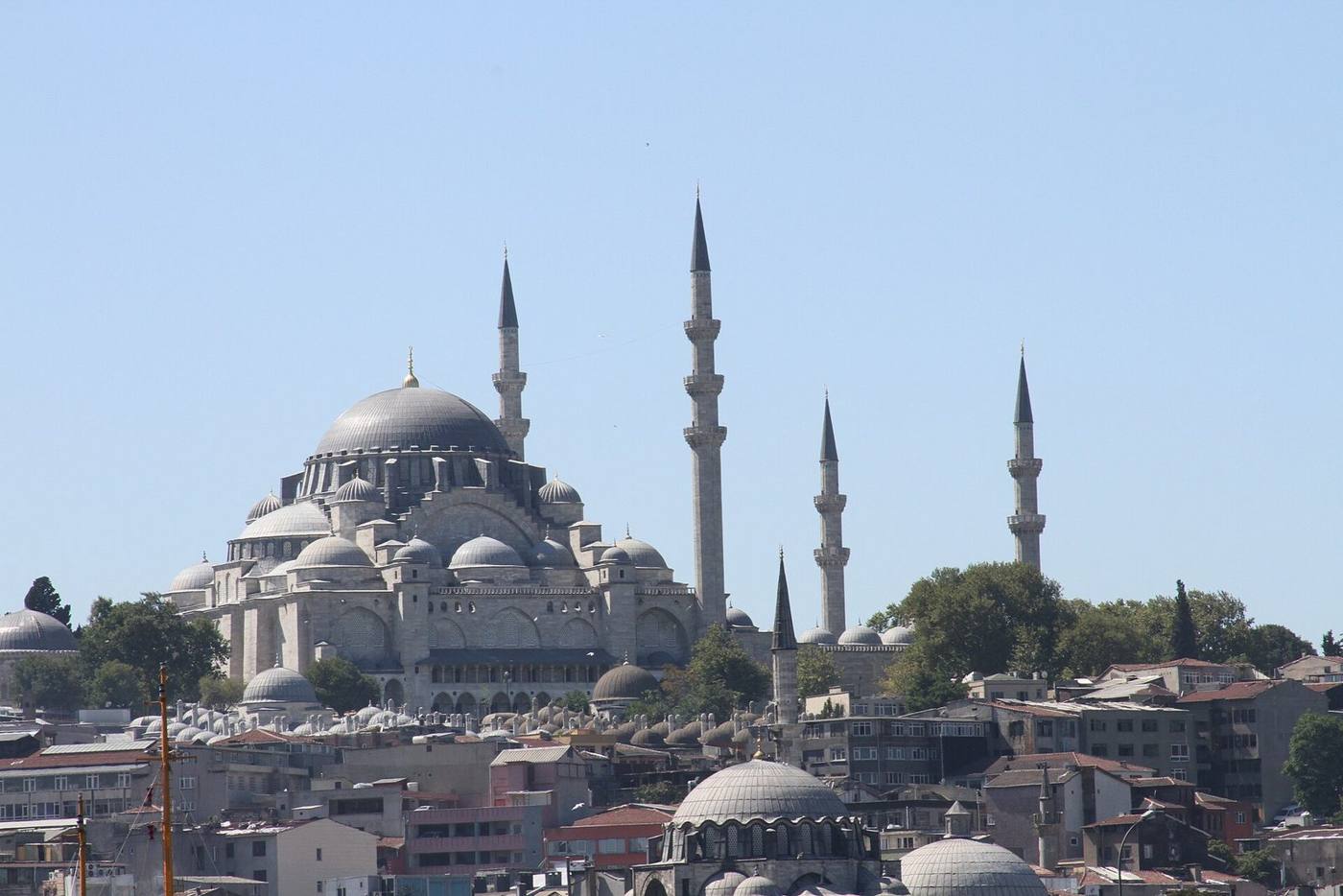
Or visit the Süleymaniye, the mosque of Suleiman the Magnificent, a sixteenth century masterpiece by the architect Sinan, on a hill above the Golden Horn, with a large courtyard, the tombs of the sultan and his wife Roxelana and a view over the city.
Before leaving buy some souvenirs: Iznik ceramics, Turkish tea, spices, lokum, a hammam towel, a coloured glass lamp or a small carpet.
From Istanbul's airports there are direct flights to many European cities.
If you have a few more days, you can add Cappadocia, by air from Istanbul, with its valleys and rock cut churches, or the Aegean coast with Ephesus.
Practical tip: allow plenty of time to reach the airport, especially in afternoon traffic, and arrive at least three hours before an international flight. Check the rules for exporting antique carpets and antiques: a certificate is required.
For those who have seen Istanbul in a rush and want to understand it properly: four days are enough to leave Sultanahmet behind and ride the ferries as residents do. The weak point is Troy, which disappoints anyone expecting monuments: it is a site of layers and low walls, rewarding only with a good guide. Gallipoli, on the other hand, moves people more than they expect; read a little about the campaign before you go.
Before you go
- Documents and visa
- Passport, or for some EU citizens a national identity card; no visa for tourism up to 90 days in 180 for most EU nationalities.
- Health and vaccines
- No compulsory vaccines. Drink bottled water. Emergencies: 112.
- Money and payments
- Turkish lira. Cards work almost everywhere; state site tickets are set in euros but paid in lira at the day's rate.
- Power sockets
- Types C and F, 230 volts: the same round-pin sockets as much of Europe.
- Time zone
- UTC+3 all year: Turkey does not use daylight saving time.
- Safety
- The United States rates Turkey level 2, with level 4 within 10 km of the Syrian and Iraqi borders. Tourist areas are busy and calm. Official advice: GOV.UK.
Information checked in November 2026 for Italian and EU citizens. Rules change: always check before you travel.
Variations
In 5 days: Istanbul only, with Sultanahmet, Galata, Balat and the Asian shore.
In 11 days: add Cappadocia by air from Istanbul, or the Aegean coast with Ephesus.
Frequently asked questions
Do I need a passport?
Italian citizens can use a passport or a valid electronic identity card. Other nationalities should check their own requirements.
Do I need a car?
Not in Istanbul, which has trams, metro and ferries. For Iznik, Bursa, Troy and Gallipoli a car helps, or a combination of buses and ferries.
When is the best time to go?
April to June and September to November. Summer is hot and crowded, winter cold and rainy.
Indicative itinerary written by World Atlas. Before booking, check timetables, seasonal openings, documents and safety.
 9 daysEasy
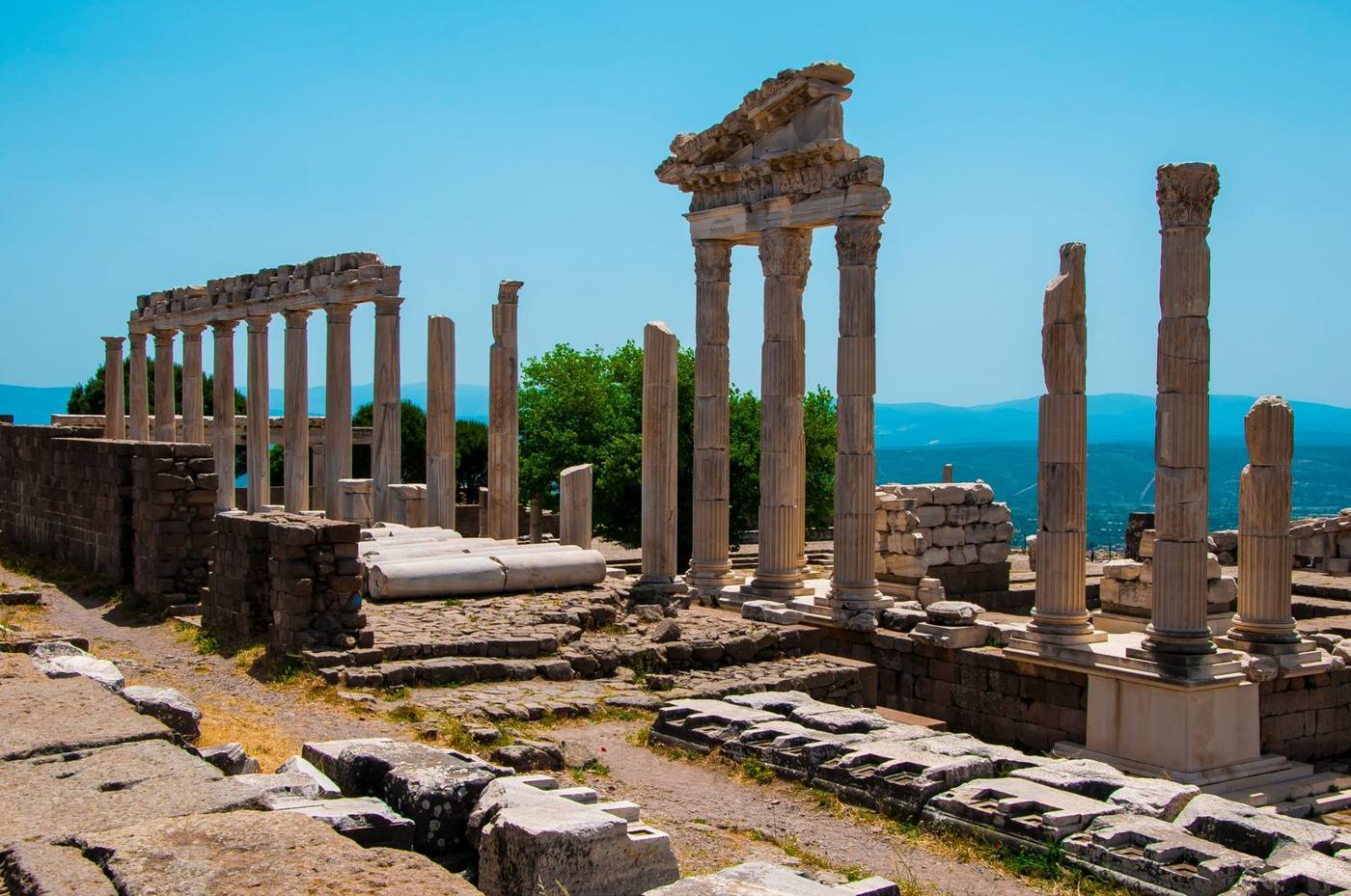
From Istanbul to Izmir along the northern Aegean
The less trodden side of the Aegean coast: Assos above the sea, Pergamon and its Asclepieion, the islands off Ayvalık and finally Ephesus.
 10 daysChallenging
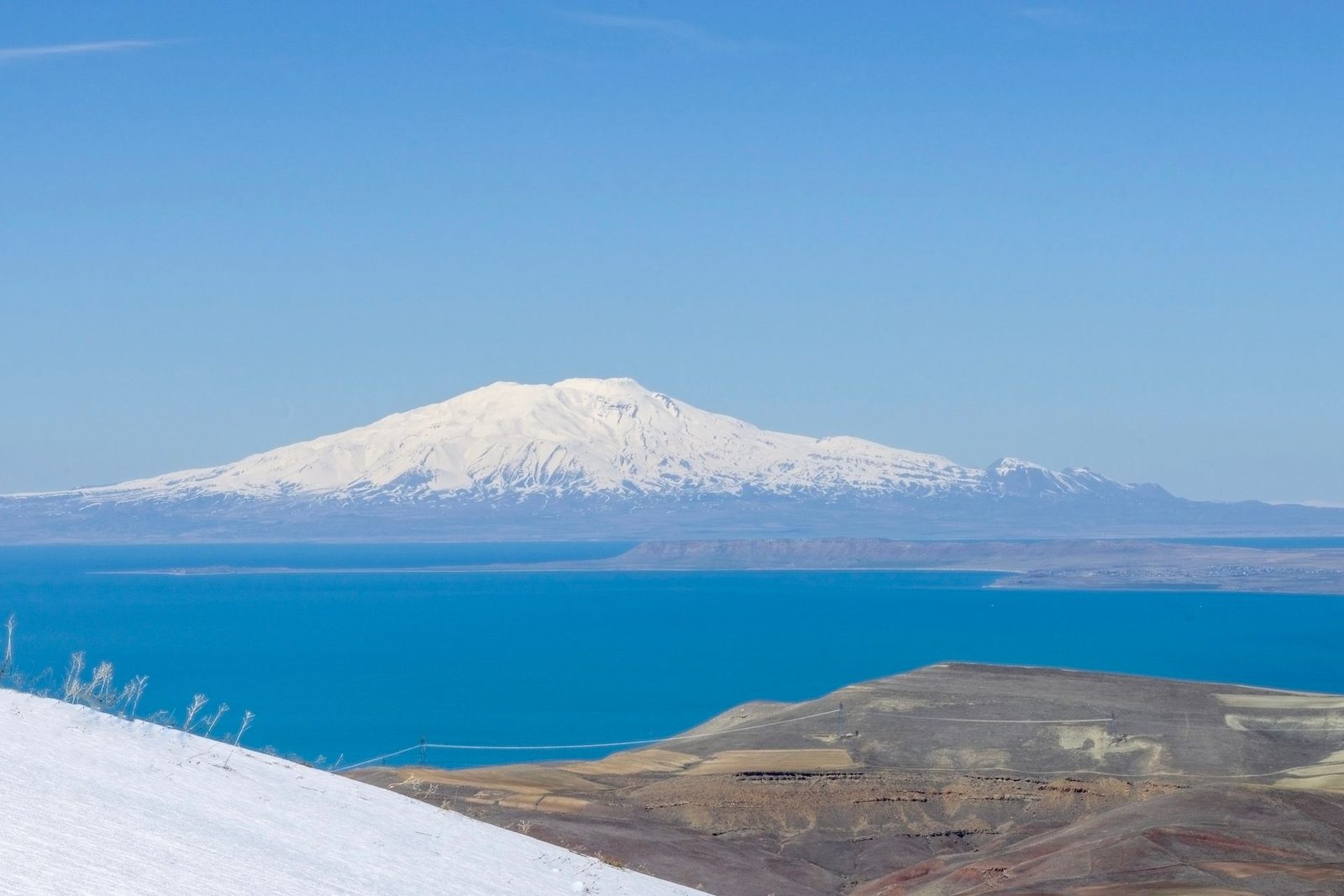
Ararat: the climb and Armenian Anatolia
Turkey's highest summit, above 5,100 metres, preceded by Erzurum, Kars and the ruined churches of Ani on the Armenian border.
 15 daysModerate
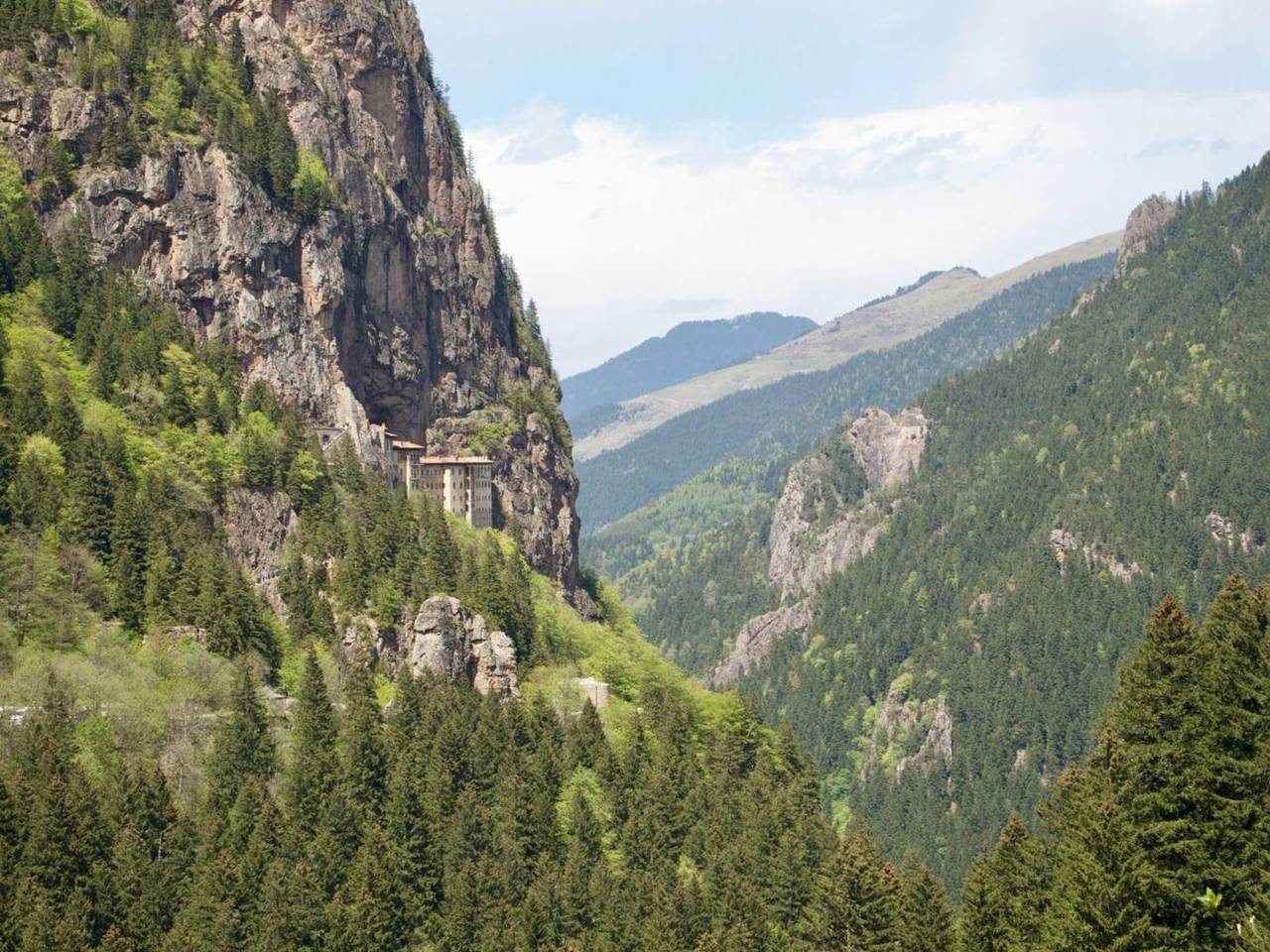
From Cappadocia to the Black Sea and on to Ani
An arc across Anatolia: Safranbolu, the Hittites of Hattusa, the green Black Sea coast, Sumela monastery and the Armenian far east.