Tunis, Carthage and Sidi Bou Said
Tunis's UNESCO medina, the mosaics of the Bardo museum, the ruins of Carthage, the blue-and-white village of Sidi Bou Said and the Roman city of Dougga.
- Tunis
- Bardo
- Carthage
- Sidi Bou Saïd
- Dougga
Day by day
- Day 1
The medina of Tunis, the Zitouna mosque and the souks
This five-day trip takes you to Tunis and its surroundings: the UNESCO-listed medina, the mosaics of the Bardo Museum, the ruins of Carthage, the white and blue village of Sidi Bou Saïd and the Roman city of Dougga. You get around on foot, by taxi, on the local train to Carthage and with a driver to Dougga.
Before you go: Italian citizens can enter Tunisia only with a passport, with at least three months' remaining validity: an identity card is no longer enough. Tourist stays of up to 90 days need no visa. The Tunisian dinar cannot be exported: change a little at a time and keep the receipts. Other nationalities should check their own rules. Official advice warns against the areas near the borders with Algeria and Libya, far from this route, and some outer districts of Tunis.
You arrive at Tunis-Carthage airport, close to the centre. Start with Avenue Habib Bourguiba, the great tree-lined boulevard of the new town, with the cathedral and colonial-era buildings. At the end of the avenue, the Porte de France marks the entrance to the medina.
The medina of Tunis is one of the best preserved in the Arab world. Walk through the covered souks, each with its own trade: perfumes, fabrics, gold, the chechia, the red felt cap. At the centre stands the Zitouna mosque, the most important in the city, founded in the eighth century. Non-Muslims can see the courtyard at certain times, with shoulders and legs covered. From the terraces of some shops you see the rooftops and minarets.
In the evening have couscous or kamounia, the cumin stew.
Sleep in Tunis, for four nights.
Practical tip: in the medina be wary of people who offer to take you to a panoramic terrace: it often ends in a shop with high prices.
- Day 2
The Bardo Museum
Today you visit the Bardo National Museum, one of the most important museums in the Mediterranean.
The museum is housed in an old palace of the beys, the rulers of Tunis, on the western edge of the city, next to the parliament. Get there by taxi or by tram. It is famous above all for its collection of Roman mosaics, one of the largest in the world, found in ancient cities all over Tunisia, from Carthage to Dougga, from El Jem to Sousse.
Walk through the rooms with their decorated ceilings and look at the floors and walls covered in mosaics: hunting and fishing scenes, sea gods, gladiators, animals, portraits and landscapes of life in Roman villas. One of the most famous shows the poet Virgil seated between two muses. There are also rooms devoted to the Punic period, with statues and stelae, and to Islamic art, with ceramics and manuscripts.
Check prices and times before you go: the museum was closed for some years and reopened after a long renovation.
In the afternoon return to the city and visit the area of the medina around Kasbah Square, with government buildings and old mansions, some turned into museums.
In the evening taste brik and fish from the coast in the new town.
Sleep in Tunis.
Practical tip: allow at least three hours for the Bardo; choose a weekday and arrive at opening time to avoid cruise groups. Bring your passport, as there are security checks at the entrance.
- Day 3
Carthage and Sidi Bou Saïd at sunset
Today you go to Carthage, Rome's great rival, and end the day in Sidi Bou Saïd.
In the morning take the TGM local train, which links Tunis to the seaside suburbs, and get off at the Carthage stops. The archaeological site, a UNESCO World Heritage Site, is spread among the villas and gardens of a residential district. Founded by the Phoenicians, Carthage was destroyed by the Romans in 146 BC and later rebuilt as a Roman city.
Climb Byrsa Hill, the heart of the Punic city, with its museum and views over the gulf. Then visit the Antonine Baths, on the seashore, the largest Roman baths in Africa, with their columns and ruined halls. See also the Punic ports, two basins still filled with water, one round and one rectangular, and the tophet, the ancient sanctuary with its stelae. A single ticket covers several sites: check prices and times.
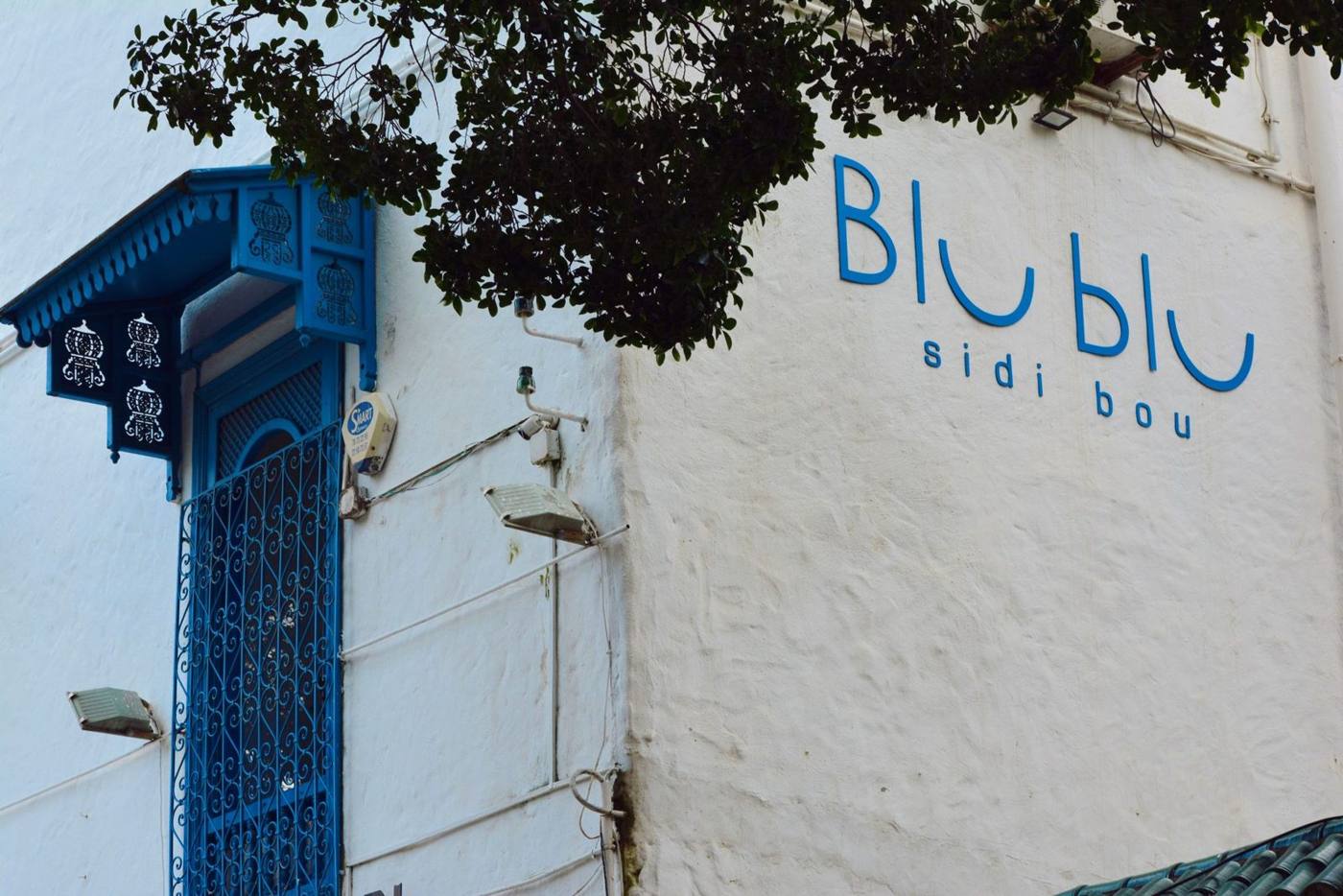
In the afternoon take the train again to Sidi Bou Saïd, a hilltop village with white houses, blue doors and windows and bougainvillea. Walk up the sloping lanes, sit in a café with terraces over the gulf and taste bambalouni, the fried doughnut with sugar.
Stay until sunset, when the sun goes down over the Gulf of Tunis.
Sleep in Tunis.
Practical tip: in Carthage the sites are far apart; use the train between stops or a taxi, and bring a hat and water.
- Day 4
Dougga, the Roman city
Today you take a trip to Dougga, considered the best preserved Roman city in North Africa.
Leave early with a driver. The road heads west, into the valley of the Medjerda river, among olive groves and wheat fields, and in about two hours you reach Dougga, ancient Thugga, a UNESCO World Heritage Site. The site is on a hill, with views over the countryside, and is often almost empty of tourists.
Enter by the theatre, from the second century AD, with tiers cut into the hillside, still used for performances. Then climb to the Capitol, the temple dedicated to Jupiter, Juno and Minerva, whose columns and pediment can be seen from afar. Around it are the square with a wind rose carved into the paving, the market, the baths, houses with mosaics and paved streets. Further down, among the olive trees, rises the Libyco-Punic mausoleum, a funerary tower from the Numidian period. Check prices and times.
Have lunch in a nearby village, then return to Tunis in the afternoon, passing, if you like, through Testour, the town founded by the Andalusians, with its minaret and clock that runs backwards.
In the evening, in Tunis, take a walk along Avenue Habib Bourguiba, full of people and cafés.
Sleep in Tunis.
Practical tip: in Dougga wear comfortable shoes and a hat; the site is uphill, with little shade and uneven paving. Bring water, as there are few services inside the site.
- Day 5
Departure
Today is departure day.
If your flight is in the afternoon, use the morning for last purchases in the medina: painted ceramics, carpets, brass lanterns, spices, harissa and olive oil. Bargain calmly and with a smile. Then stop at a traditional café for mint tea with pine nuts.
Alternatively, visit the central market, near the medina, with stalls of fish, fruit, vegetables, olives and cheese: it is the best place to see the daily life of the city's people.
Remember that the Tunisian dinar cannot be exported: before leaving spend what you have left or change it at the airport with your exchange receipts. The airport is close to the centre, but traffic can be heavy.
In five days you have seen the best of Tunis and its surroundings: the medina and the Zitouna mosque, the mosaics of the Bardo, the ruins of Carthage, the white and blue village of Sidi Bou Saïd and the Roman city of Dougga. It is a trip of first-class archaeology, an hour and a half's flight from Italy.
When to go: the best periods are from March to June and from September to November, with pleasant temperatures for walking. In summer it is very hot and the archaeological sites have little shade; in winter the climate is mild, but it can rain.
Practical tip: leave for the airport well in advance and keep your passport and exchange receipts to hand.
First-rate archaeology a short flight from southern Europe. Dougga is often almost empty of tourists. Avoid the border areas with Algeria and Libya, which are advised against.
Before you go
- Documents and visa
- You need a passport with at least three months' remaining validity: an identity card is no longer enough. Tourist stays of up to 90 days need no visa for Italian citizens; other nationalities should check their own rules.
- Health and vaccines
- No compulsory vaccinations for travellers arriving from Europe. Rabies is increasing: keep away from stray dogs and cats and see a doctor at once if you are bitten or scratched. Drink bottled water. Emergencies: 190 ambulance, 197 police, 198 fire brigade.
- Money and payments
- Tunisian dinar, which cannot be exported: change a little at a time and keep your exchange receipts. Cards work in cities and large hotels; in souks and villages you need cash.
- Power sockets
- Type C and E, 230 volts: you need an adapter for British plugs.
- Time zone
- UTC+1 all year.
- Safety
- The UK and Italy advise against the areas close to the borders with Algeria and Libya, the mountain areas of Kasserine, El Kef and Sidi Bouzid governorates, where there are military operations, and the military zone in the southern Sahara. In the desert, go only on organised trips, with a 4x4 and a guide. Official advice: GOV.UK.
Information checked in November 2026 for Italian and EU citizens. Rules change: always check before you travel.
Variations
In three days you can do the medina, the Bardo, Carthage and Sidi Bou Saïd, without Dougga.
In eight days you can add Cap Bon, with Hammamet, Kerkouane and Kelibia.
Frequently asked questions
Can I enter the Zitouna mosque?
Non-Muslims can see the courtyard at certain times, with shoulders and legs covered. Check the times on site.
How do I get to Carthage and Sidi Bou Saïd?
By the TGM local train, which leaves from central Tunis and stops at Carthage and Sidi Bou Saïd. A taxi is also convenient.
Is the Bardo Museum open?
It reopened after a long closure and renovation. Check prices and times before you go.
Indicative itinerary written by World Atlas. Before booking, check timetables, seasonal openings, documents and safety.
 7 daysEasy
The Sahara and the oases
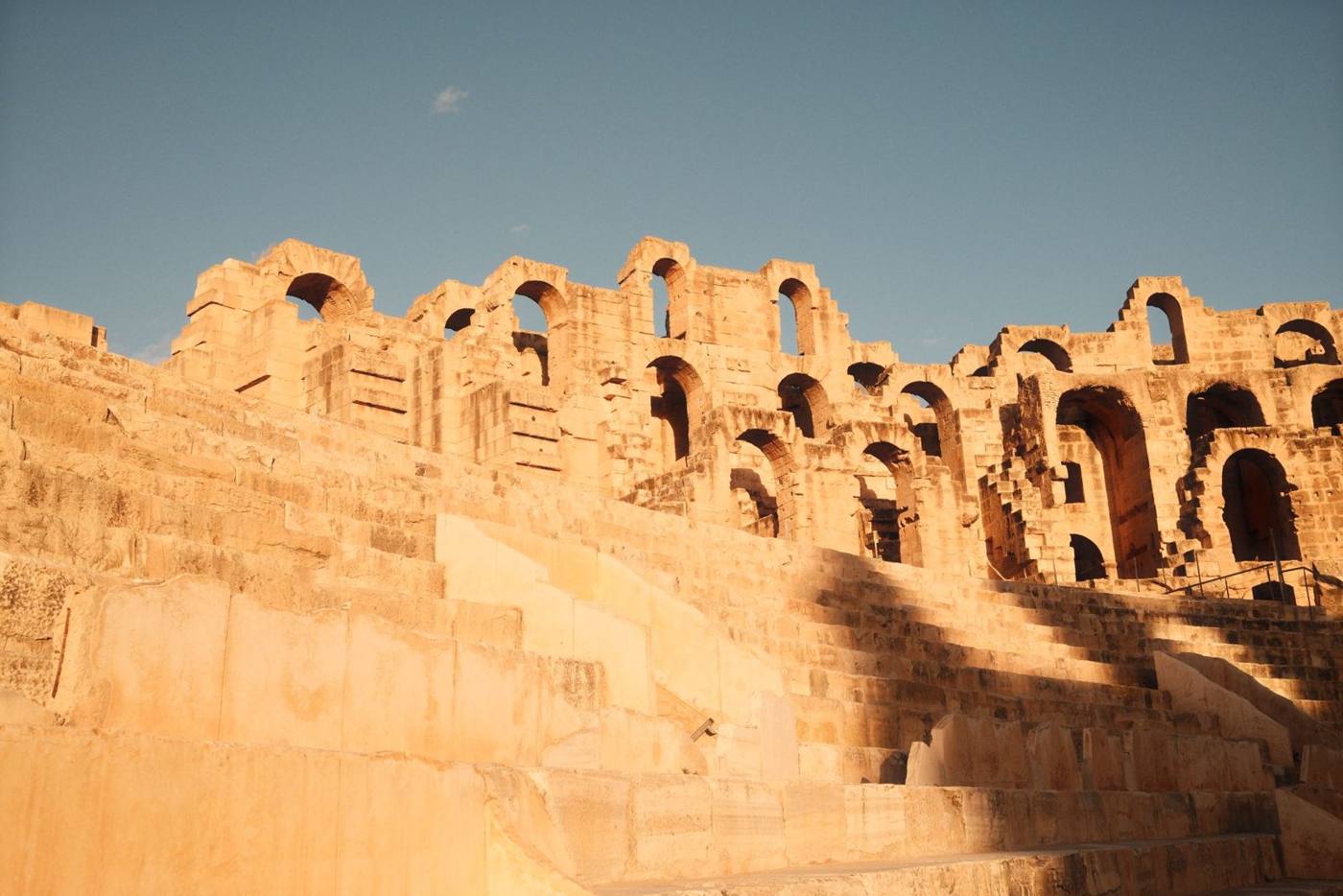
El Jem amphitheatre, Kairouan, the troglodyte houses of Matmata, the Chott el-Jerid salt lake, the mountain oases of Chebika and Tamerza and the dunes of Douz.
 5 daysEasy
Djerba and the south
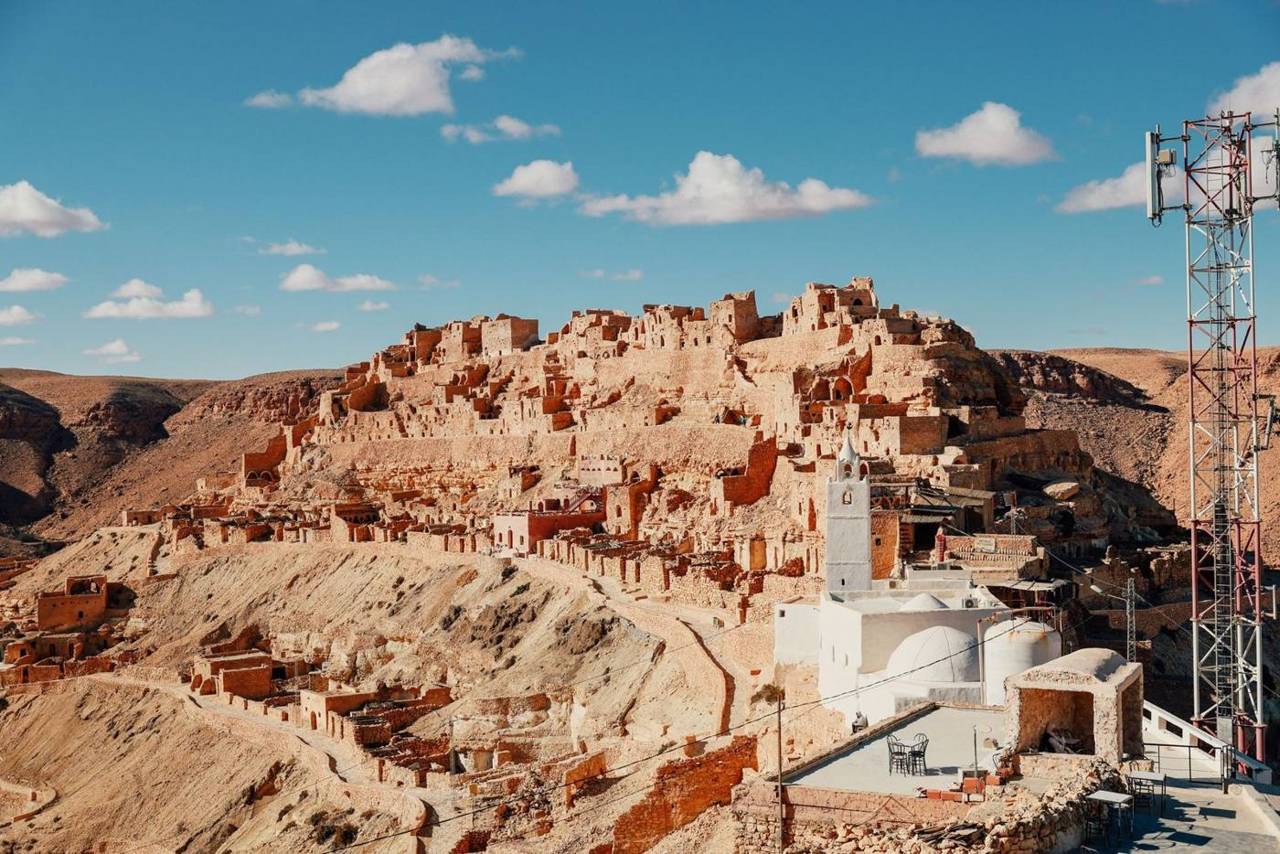
Djerba island with the El Ghriba synagogue, the murals of Erriadh and its beaches, and the fortified ksour of Tataouine.
 3 daysEasy
Kairouan and El Jem
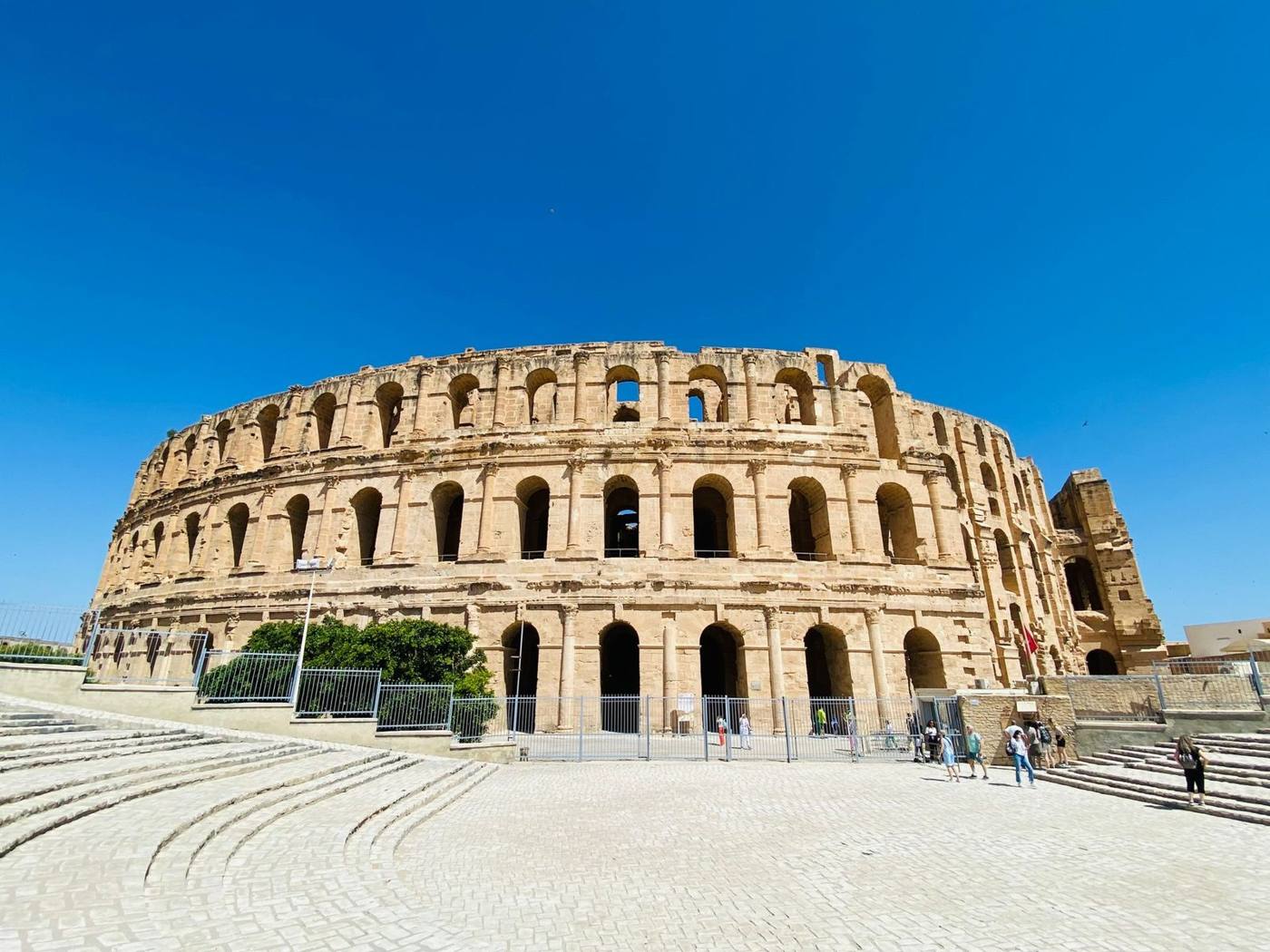
Islam's fourth holy city with its Great Mosque and Aghlabid basins, and the Roman amphitheatre of El Jem, one of the best preserved in the world.