Chiang Mai in depth and Doi Inthanon
The northern capital: the walled old city and the temples of Wat Chedi Luang and Wat Phra Singh, Doi Suthep on the hill, night markets, a Thai cooking class and Doi Inthanon, the country's highest mountain, with waterfalls and royal pagodas.
- Chiang Mai
- Doi Suthep
- Doi Inthanon
- Mae Kampong
Day by day
- Day 1
The old city: Wat Chedi Luang and Wat Phra Singh
To enter Thailand you need a passport valid for at least six months and must complete the online Thailand Digital Arrival Card, TDAC, in the three days before arrival; EU citizens need no visa for tourist stays of up to thirty days. Check the rules for your nationality.
Chiang Mai, in northern Thailand among the mountains, was founded in 1296 as the capital of the Lanna kingdom, the kingdom of a million rice fields, independent for centuries from the rest of the country, with its own culture, language, cuisine and temple style. Today it is Thailand's second city, quieter and greener than Bangkok, with more than three hundred temples. It is just over an hour by air from Bangkok, or reached by night train.
In the morning visit the old city, a square surrounded by a moat and remains of brick walls, with gates at the corners. Wat Chedi Luang keeps the ruins of an enormous fifteenth-century chedi, once about eighty metres tall, partly collapsed in a sixteenth-century earthquake: you see stone elephants on the base, and the Emerald Buddha, Thailand's most sacred statue, stayed here for about eighty years before being taken to Bangkok. In the temple courtyard monks often stop to talk with visitors in an open conversation called monk chat.
In the afternoon visit Wat Phra Singh, the city's most revered temple, with a small wooden Lanna-style chapel decorated with murals showing nineteenth-century daily life, and the Phra Singh Buddha statue, carried in procession during Thai New Year in mid-April.
In the evening try khao soi, the northern soup with coconut curry, soft and crispy noodles and chicken.
Practical tip: between February and April, because of agricultural burning, the air in Chiang Mai can be very polluted; check air quality before travelling.
- Day 2
Doi Suthep and the Nimman district
In the morning go up Doi Suthep, the mountain overlooking the city to the west, by songthaew, the red pick-up truck with benches used as a shared taxi, in about half an hour. At about a thousand metres stands Wat Phra That Doi Suthep, the most sacred temple in northern Thailand. Legend says the site was chosen by a white elephant carrying a relic of the Buddha: the animal climbed the mountain, turned around three times and died here. You climb a long stairway of over three hundred steps flanked by two colourful ceramic naga serpents, or take a small funicular. At the top the golden chedi shines in the sun, surrounded by bells, golden umbrellas and statues, and the viewpoint looks over the whole city in the plain.
A little higher is Bhubing Palace, the royal family's winter residence, with rose gardens and mountain flowers, open when the royal family is not in residence. Doi Suthep is part of a national park with trails and waterfalls.
In the afternoon come down and visit the Nimmanhaemin district, called Nimman, near the university, the city's young and modern quarter, with cafés, art galleries, design shops and small markets.
In the evening visit the night bazaar along Chang Klan Road, with hundreds of stalls of crafts, clothes and street food.
Practical tip: at the Doi Suthep temple enter with shoulders and knees covered and without shoes.
- Day 3
A cooking class and the Sunday market
In the morning join a Thai cooking class, one of Chiang Mai's most popular experiences. Many schools are in the countryside, on farms with organic gardens where you pick herbs and vegetables before cooking. The class usually starts with a visit to a local market, where the teacher explains the ingredients: different kinds of rice, Thai basil, lemongrass, galangal, kaffir lime leaves, chillies and shrimp paste. Then you prepare several dishes, each at your own station: a curry paste pounded in a mortar, a green or red curry, tom yum soup, pad thai and a dessert such as mango sticky rice. At the end you eat together what you have cooked and receive the recipe book.
In the afternoon rest, or visit Wat Suan Dok, with white chedis holding the ashes of the Lanna kings, and the silver temple of Wat Sri Suphan, in the silversmiths' quarter, entirely covered in embossed silver and aluminium decoration.
In the evening, if it is Sunday, stroll through the Sunday market, the Walking Street, starting from Tha Phae Gate and running along Ratchadamnoen Road in the old city: hundreds of stalls of crafts, hill tribe textiles, wooden objects and street food, with musicians and foot massages in the temple courtyards. On Saturdays there is a similar market on Wualai Road.
Practical tip: the markets are very crowded; keep your wallet safe.
- Day 4
Doi Inthanon: waterfalls, pagodas and the Kew Mae Pan trail
Early in the morning set off for Doi Inthanon National Park, about two hours south-west of Chiang Mai, with Doi Inthanon, Thailand's highest mountain at 2,565 metres. The park is covered in tropical forest lower down and cloud forest of mosses and rhododendrons higher up, and is one of the country's best places for birds.
On the road up stop at Wachirathan waterfall, which drops about forty metres in a cloud of spray, and at Sirithan waterfall. At the top, next to the highest point, a short boardwalk crosses the moss and lichen forest, cold and damp even in summer.
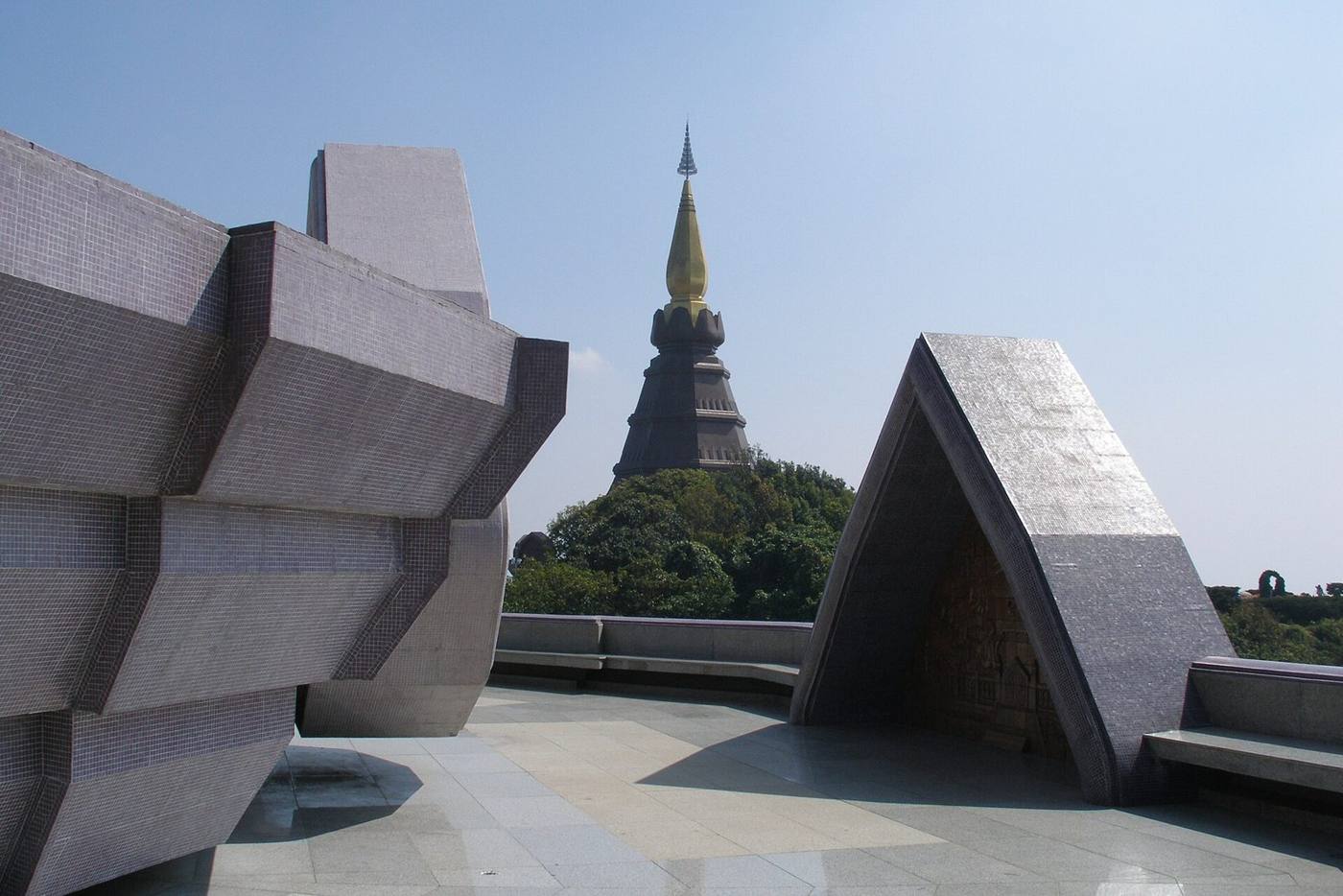
Just below the summit stand the two great royal pagodas, built for the sixtieth birthdays of the king and queen at the end of the 1980s and 1990s, surrounded by flower gardens, with mountain views.
In the afternoon walk the Kew Mae Pan nature trail, about three kilometres through forest and high meadows to a ridge with spectacular views over the valleys, especially in the morning with mist below. The trail can only be walked with a local guide from the Hmong and Karen communities, and is closed in the rainy season, usually from June to October. On the way back you can visit a Hmong or Karen village with coffee and strawberry plantations.
Practical tip: the top of Doi Inthanon is cold, sometimes near freezing in winter; bring a warm jacket.
- Day 5
Mae Kampong village and departure
In the morning reach Mae Kampong, a small mountain village about fifty kilometres east of Chiang Mai, at about 1,300 metres, in a green forested valley. The village, inhabited for about a hundred years, lives from growing wild tea leaves, used to make miang, a fermented tea that in the north is chewed wrapped in a leaf with salt and spices, and from coffee. Its wooden houses are built along the stream, linked by paths and little bridges among the tea and coffee plants. The village has developed community tourism, in which residents host visitors in their homes and share the income.
Walk along the stream to the village waterfall, with seven drops among the rocks, visit the small wooden temple on the hill and drink locally grown coffee with a view of the valley.
In the afternoon, before departure, you can stop at the San Kamphaeng hot springs on the way back, or at the craft villages of Bo Sang, famous for hand-painted paper umbrellas, and San Kamphaeng, for silk.
Chiang Mai airport is a few kilometres from the centre, with flights to Bangkok and several Asian cities.
Things to take home: Bo Sang painted umbrellas, hill tribe textiles, carved wood and silver objects, northern coffee and tea.
Practical tip: if you want to see elephants, choose only sanctuaries that do not allow riding. Check your government's travel advice before leaving.
Easy and pleasant, with a cooler climate than Bangkok in winter. From February to April the air is often polluted by smoke from agricultural fires: anyone with breathing problems should avoid that period. The Kew Mae Pan trail closes in the rainy season. Avoid camps offering elephant rides. Since 15 September 2026 Italians can enter without a visa for tourism for up to 30 days (previously 60), and the Thailand Digital Arrival Card (TDAC) must be completed online before every arrival.
Before you go
- Documents and visa
- Passport valid for at least six months. Since 15 September 2026 many nationalities, including most EU citizens, enter without a visa for tourism for up to 30 days. Before each entry, within the three days beforehand, the no-cost Thailand Digital Arrival Card (TDAC) must be completed online on the official website.
- Health and vaccines
- No vaccines required arriving from Europe; ask your doctor about hepatitis A and typhoid. Dengue is present: use repellent. Do not drink tap water. Health insurance recommended. Emergencies: 191 police, 1669 ambulance, 1155 tourist police.
- Money and payments
- Baht. Cards accepted in cities and hotels; markets and small places need cash. ATMs charge a flat fee for withdrawals with foreign cards.
- Power sockets
- Types A, B, C and O, 220 volts: bring a universal adapter.
- Time zone
- UTC+7, no daylight saving time.
- Safety
- A safe country for travellers. Avoid the southernmost provinces near Malaysia and the border strip with Cambodia. Beware of tuk-tuk and gem scams, and of scooter traffic. Official advice: GOV.UK.
Information checked in November 2026 for Italian and EU citizens. Rules change: always check before you travel.
Variations
In 3 days: the old city on day one, Doi Suthep and the cooking class on day two, Doi Inthanon on day three.
In 9 days: continue to Chiang Rai and the Golden Triangle, or to Pai and Mae Hong Son.
Frequently asked questions
What do I need to enter Thailand?
A passport valid for at least six months and the TDAC digital arrival card, completed online in the three days before arrival; EU citizens need no visa for up to thirty days. Check the rules for your nationality.
When is the best time for Chiang Mai?
November to January, when it is cool and the air is clean; from February to April there is often smog from agricultural burning.
Is the Kew Mae Pan trail always open?
No, it closes in the rainy season, usually from June to October, and can only be walked with a local guide.
Indicative itinerary written by World Atlas. Before booking, check timetables, seasonal openings, documents and safety.
 5 daysEasy
Nan and Phrae
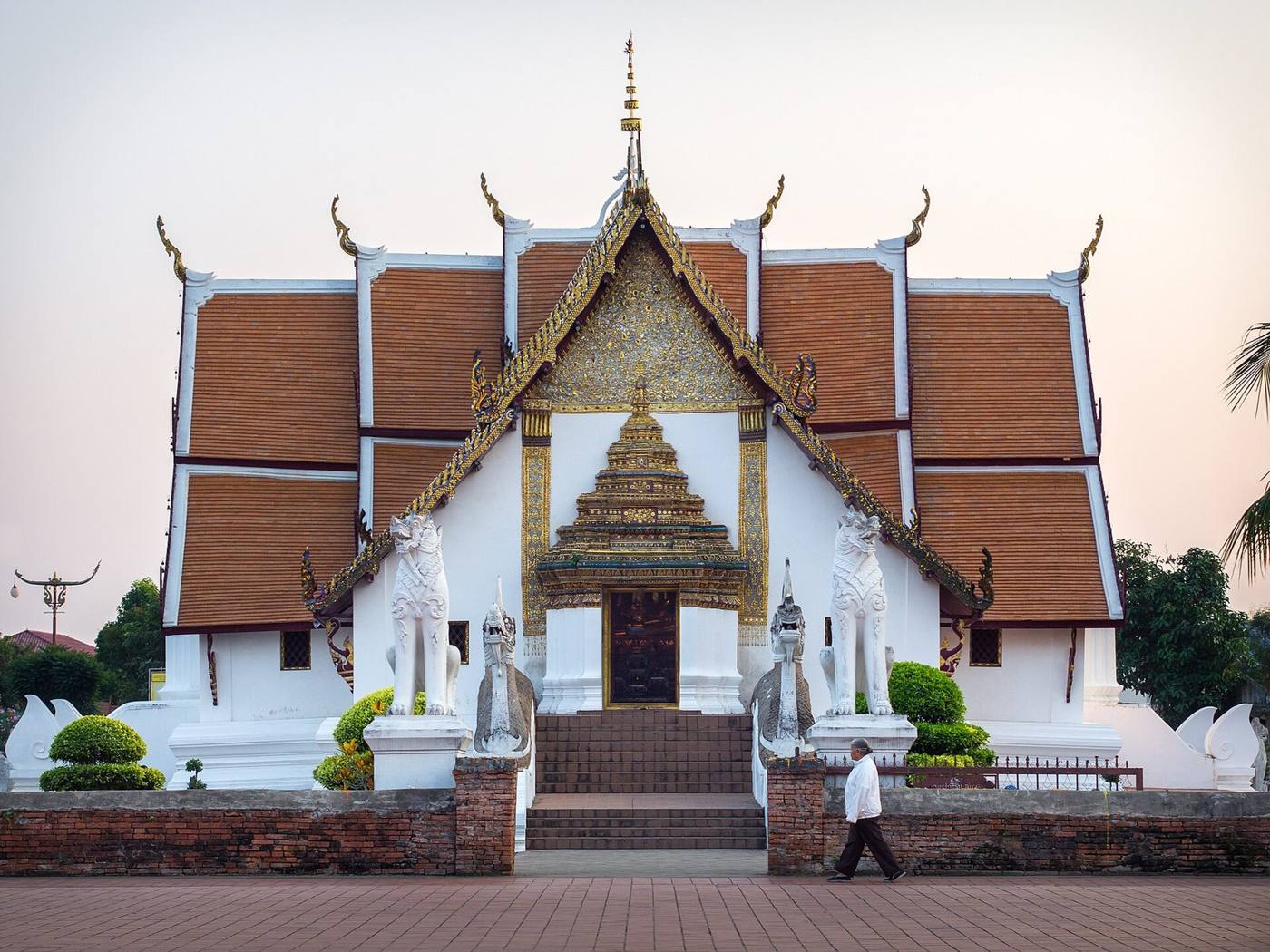
Northern Thailand off the beaten track: Nan with Wat Phumin and its murals, the mountains of Doi Phu Kha and the salt village of Bo Kluea, Phrae with its teak houses and Burmese-style temples.
 4 daysEasy
Sukhothai, Si Satchanalai and Kamphaeng Phet
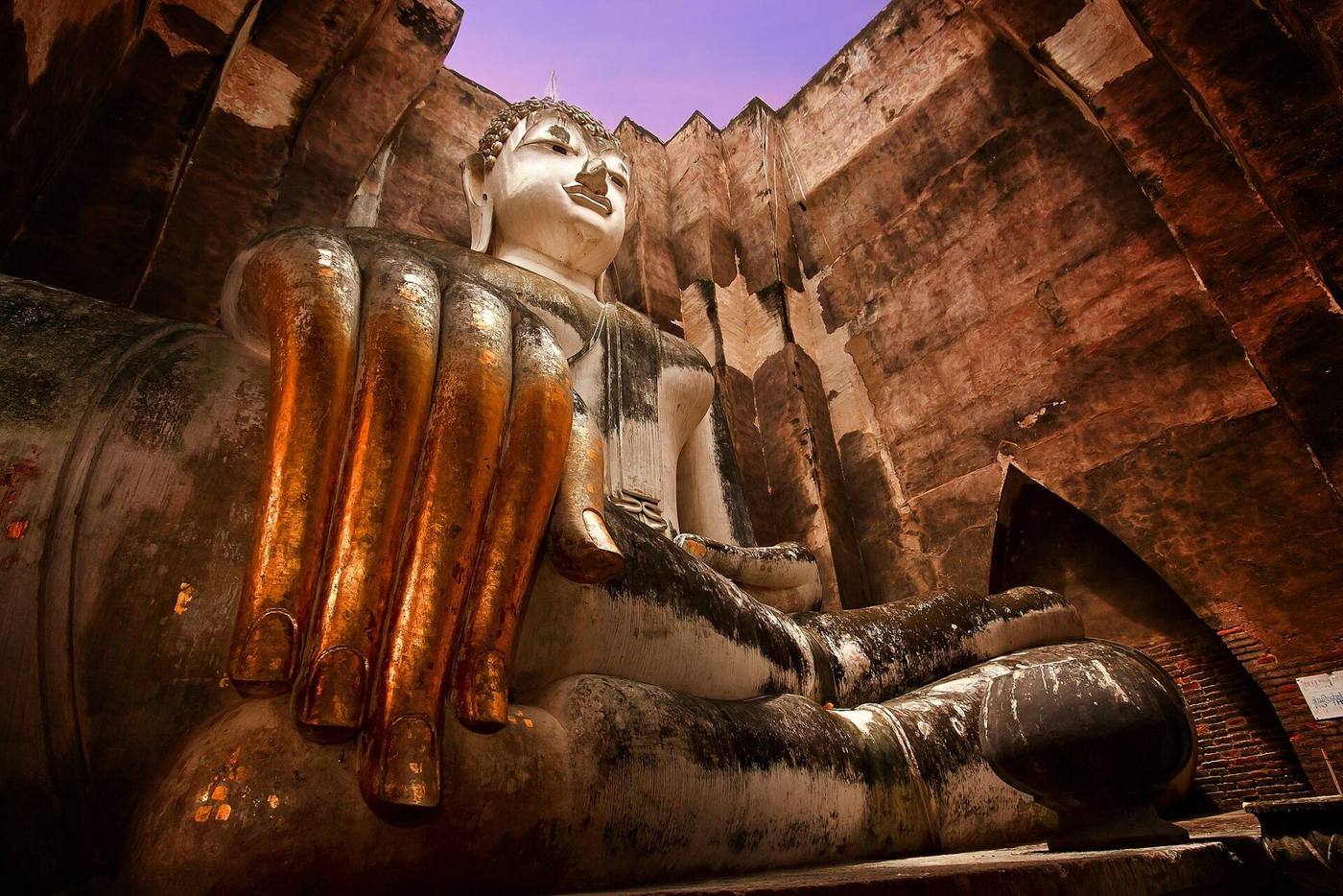
The first capitals of the Thai kingdom, a UNESCO World Heritage site: the historical parks of Sukhothai, to explore by bicycle among Buddhas and lotus ponds, Si Satchanalai among the trees and Kamphaeng Phet with laterite temples in the forest.
 8 daysEasy
The Trang Islands and Koh Lipe
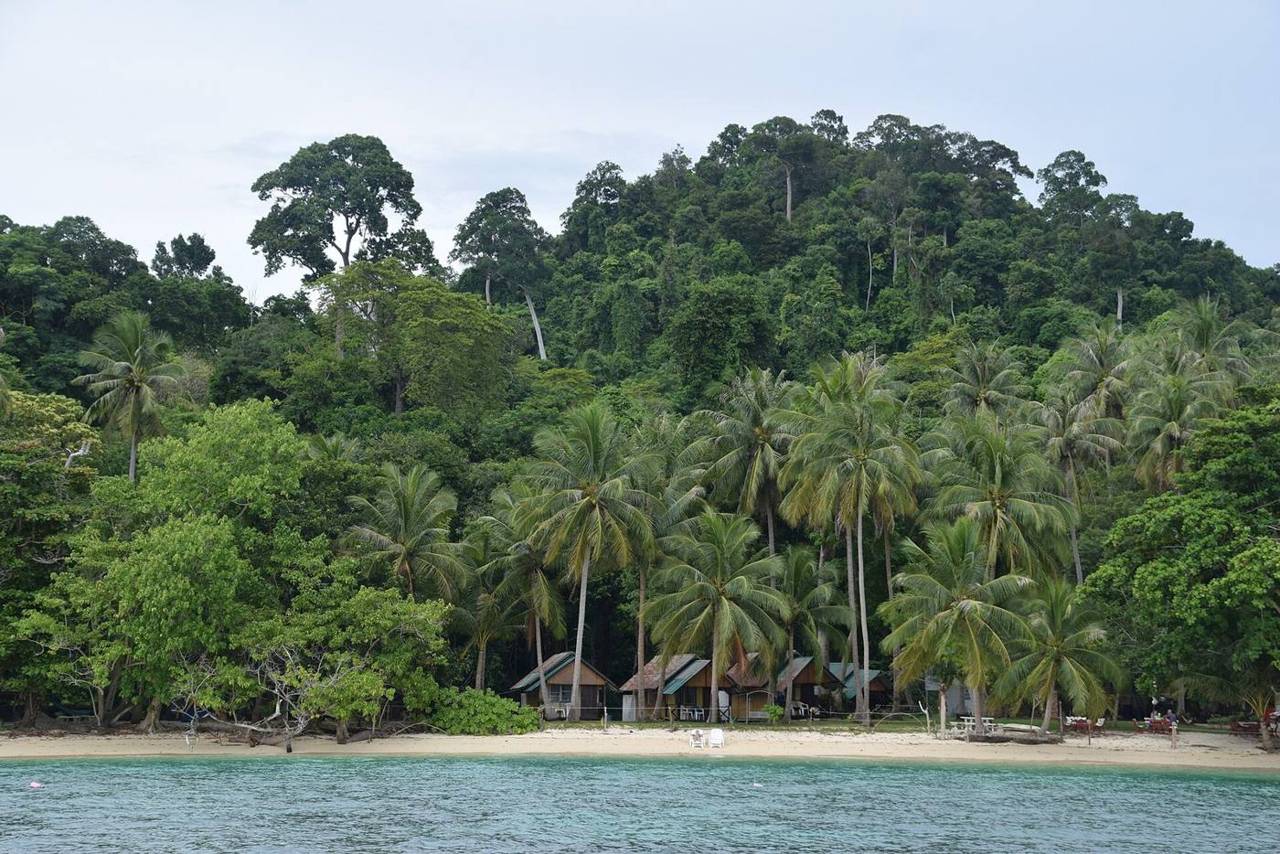
The quietest islands of the Andaman Sea: Koh Mook with the Emerald Cave reached by swimming, Koh Kradan with its white sand, Koh Libong and its dugongs, then Koh Lipe in Tarutao Marine Park with its coral reef.