Bangkok in depth
The capital at a gentle pace: the Grand Palace and the Emerald Buddha, Wat Pho and Wat Arun on the river, Chinatown and its street food, the Thonburi canals by boat, the Jim Thompson House, markets and rooftop terraces.
- Grand Palace
- Wat Pho
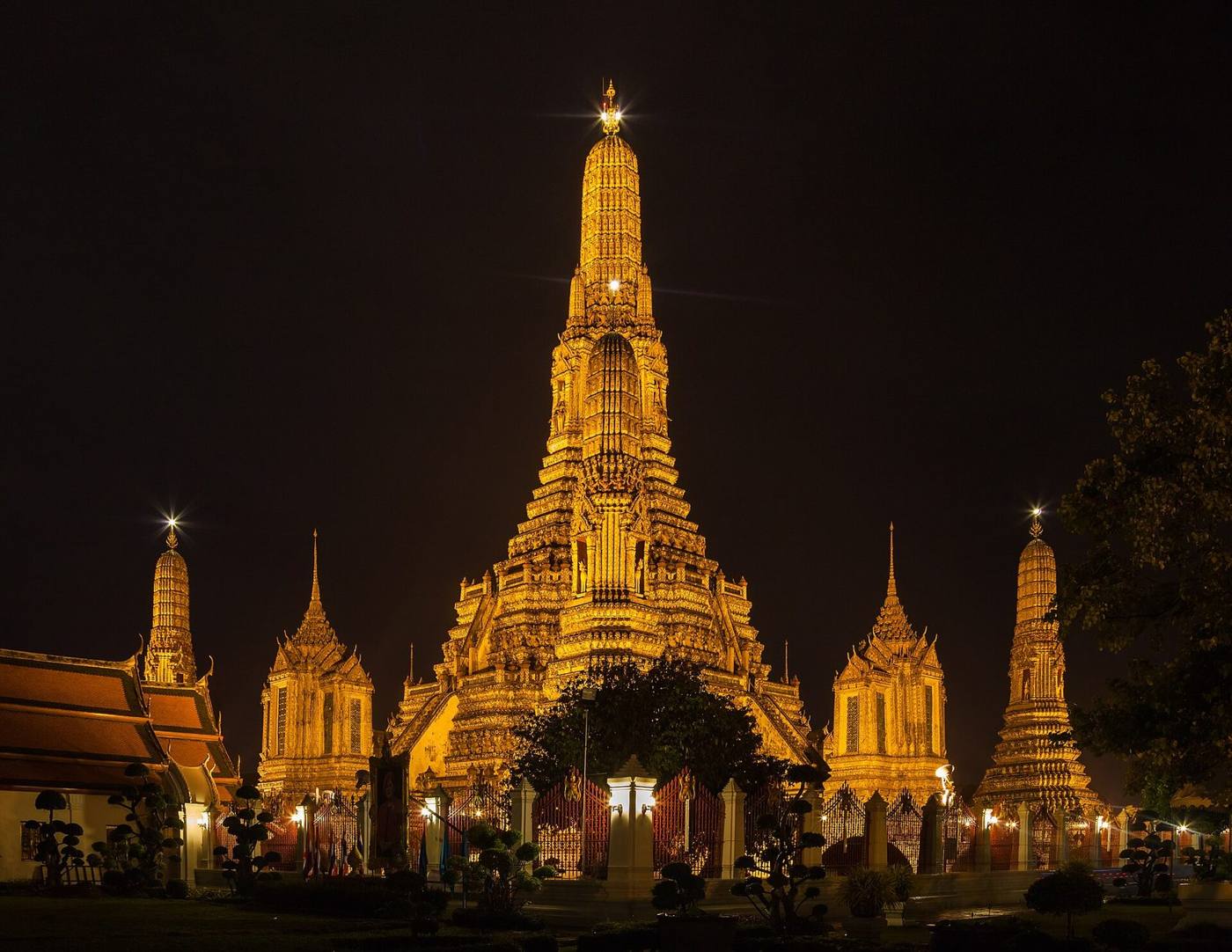
- Wat Arun
- Chinatown
- Thonburi
- Chatuchak
Day by day
- Day 1
The Grand Palace, Wat Phra Kaew and the Reclining Buddha at Wat Pho
From Suvarnabhumi airport to the centre take the Airport Rail Link to Phaya Thai, about half an hour, then the Skytrain, or a metered taxi from the official queue. Before you leave, remember to complete the Thailand Digital Arrival Card within the three days before arrival. For five nights stay by the Chao Phraya river, near Silom or along Sukhumvit, handy for the Skytrain and metro.
In the morning go to the Grand Palace at opening time, 8.30, to beat the heat and the groups. The ticket costs 500 baht for foreigners and includes Wat Phra Kaew, the temple of the Emerald Buddha, the most revered statue in the country, small and dressed in gold robes that the king changes each season. The dress code is strict: shoulders and knees covered, no leggings or ripped trousers. Outside the gates ignore anyone who says the palace is closed: it is a classic scam.
Ten minutes' walk away is Wat Pho, with the 46-metre Reclining Buddha, covered in gold leaf, the soles of its feet inlaid with mother-of-pearl. The complex is also home to the historic school of Thai massage, where you can have a traditional massage.
In the evening take the river boat and dine near Tha Tien, watching Wat Arun lit up on the far bank. Try pad thai, som tam, a spicy green papaya salad, and khao man gai, chicken rice. Practical tip: always carry a scarf or sarong, you need them in every temple.
- Day 2
By boat on the Chao Phraya, Wat Arun and the Thonburi canals
Bangkok was born on the water. In the morning take the public Chao Phraya Express boat, the one with the orange flag, cheap and frequent, stopping at all the main piers. Get off at Tha Tien and cross the river by the little ferry to Wat Arun, the Temple of Dawn.
Wat Arun has a central Khmer-style tower more than seventy metres high, decorated with fragments of coloured Chinese porcelain. You climb the first terraces by very steep stairs, with views over the river and the Grand Palace. It is finest early in the morning or at sunset, seen from the other bank.
In mid-morning hire a long-tail boat for a tour of the Thonburi khlongs, the canals of the west bank, where the city still has wooden stilt houses, neighbourhood temples and small floating markets. Agree price and duration before boarding, or choose a trip from an operator with posted prices; an hour to an hour and a half is enough.
In the afternoon, during the hot hours, visit the National Museum, with the royal barges and collections of Thai art, or rest. In the evening go up to a rooftop bar in the centre to see the city lights, or return to the river for a dinner cruise. Practical tip: on the public boat keep your ticket until you get off and stay away from the edge when it docks.
- Day 3
Chinatown and Yaowarat by night, street food
In the morning visit Wat Traimit in Chinatown, with the solid gold Buddha, three metres tall and weighing more than five tonnes: for centuries it was covered in stucco, and only in 1955, during a move, did the plaster crack to reveal the gold. Downstairs a small museum tells the story of Bangkok's Chinese community.
Then enter the lanes of Sampeng, the wholesale market, a long covered alley full of every kind of stall, and the Talat Noi quarter by the river, with old merchant houses, spare-parts workshops and murals. The Chinese shrine of Leng Noei Yi, with incense and red lanterns, is one of the busiest in the city.
In the afternoon rest: Chinatown by day is hot and crowded. Return at sunset to Yaowarat Road, the main street, when the neon signs in Chinese characters light up and the pavements fill with food stalls. It is one of the best places in the world for street food: pork noodle soup, crispy oyster omelette, crab curry, cut fruit, and mango sticky rice when in season.
Watch where Thais queue and eat there. Practical tip: the most famous stalls have long queues but they move fast; bring small notes and napkins.
- Day 4
Jim Thompson House, Lumphini Park and Chatuchak market
If today is Saturday or Sunday, start at Chatuchak market, one of the largest in the world, with thousands of stalls divided into sections: clothing, ceramics, plants, design objects, antiques and food. Reach it by metro or Skytrain and go in early, before ten, when it is cooler. Take a map at the entrance, as it is easy to get lost.
At midday move to the centre, to the house of Jim Thompson, the American who revived Thai silk after the war and vanished mysteriously in the Malaysian jungle in 1967. His home is a group of six traditional teak houses, dismantled and rebuilt on a canal, with his collection of Asian art. It is visited with a guide, in groups, and is a cool oasis in the city's chaos.
In the afternoon go to Lumphini Park, Bangkok's green lung, with ponds, people exercising and large monitor lizards, sometimes over a metre long, swimming in the canals and sunning themselves on the lawns: they are harmless if left alone. At six in the evening the whole park stops for the national anthem played over loudspeakers: stop too.
In the evening try a north-eastern Isan restaurant: grilled chicken, larb, a minced meat salad with herbs and lime, and sticky rice. Practical tip: if your fourth day is not at the weekend, swap it with the fifth.
- Day 5
A floating market or Ayutthaya as a day trip; departure
On the last day choose a trip out of town to suit your flight time. If your flight is in the evening, the best choice is Ayutthaya, the old capital of the Siamese kingdom, destroyed by the Burmese in 1767, a World Heritage site. It is about an hour and a half by train from the new central station, Krung Thep Aphiwat, or by minibus. There, hire a bicycle or a tuk-tuk by the hour and visit Wat Mahathat, with the Buddha head wrapped in tree roots, Wat Phra Si Sanphet with its three great chedis, and Wat Chaiwatthanaram by the river.
If you prefer something different, go to the Maeklong railway market, where stalls are pulled back to let the train through several times a day, and the nearby Amphawa floating market, popular with Thais, open mainly on weekend afternoons. Damnoen Saduak floating market is the most photographed but also the most touristy.
Return to Bangkok in the afternoon and collect your bags. Allow at least an hour to Suvarnabhumi airport by Airport Rail Link or taxi, more at rush hour; budget flights often leave from Don Mueang, the other airport.
Things to take home: silk, curry paste, tea, celadon ceramics. Practical tip: arrive at the airport three hours early, as security at Suvarnabhumi can be slow.
The gateway to every trip to Thailand. At the Grand Palace and in temples, shoulders and legs must be covered. Beware of anyone saying a temple is closed and offering a tuk-tuk tour: it is a well-known scam. To get around, the metro and river boats avoid the traffic. Since 15 September 2026 Italians can enter without a visa for tourism for up to 30 days (previously 60), and the Thailand Digital Arrival Card (TDAC) must be completed online before every arrival.
Before you go
- Documents and visa
- Passport valid for at least six months. Since 15 September 2026 many nationalities, including most EU citizens, enter without a visa for tourism for up to 30 days. Before each entry, within the three days beforehand, the no-cost Thailand Digital Arrival Card (TDAC) must be completed online on the official website.
- Health and vaccines
- No vaccines required arriving from Europe; ask your doctor about hepatitis A and typhoid. Dengue is present: use repellent. Do not drink tap water. Health insurance recommended. Emergencies: 191 police, 1669 ambulance, 1155 tourist police.
- Money and payments
- Baht. Cards accepted in cities and hotels; markets and small places need cash. ATMs charge a flat fee for withdrawals with foreign cards.
- Power sockets
- Types A, B, C and O, 220 volts: bring a universal adapter.
- Time zone
- UTC+7, no daylight saving time.
- Safety
- A safe country for travellers. Avoid the southernmost provinces near Malaysia and the border strip with Cambodia. Beware of tuk-tuk and gem scams, and of scooter traffic. Official advice: GOV.UK.
Information checked in November 2026 for Italian and EU citizens. Rules change: always check before you travel.
Variations
In 3 days: the Grand Palace, Wat Pho and Wat Arun on the first day, the canals and Chinatown on the second, Chatuchak or Jim Thompson House and Lumphini Park on the third. You give up the trips out of town.
In 7 days: add two days at Kanchanaburi, with the bridge on the River Kwai and Erawan Falls, or two days in Khao Yai National Park, with its forest, waterfalls and wild elephants.
Frequently asked questions
How should I dress for temples?
Shoulders and knees covered, no vests, shorts, short skirts, leggings or see-through clothing; shoes come off before entering the halls. At the Grand Palace the check is strict and anyone dressed inappropriately is turned away. A scarf and light long trousers solve everything.
How much is the Grand Palace and which scams should I avoid?
The ticket costs 500 baht for foreigners and includes Wat Phra Kaew. The most common scam is someone outside the gates saying the palace is closed for a ceremony and offering a tuk-tuk ride that ends at a gem shop. Go straight to the official entrance.
When is the best time to go?
From November to February, the driest and least hot period. March, April and May are very hot, with highs above 35 °C. From June to October it rains often, especially in September and October, but usually in short afternoon storms.
Indicative itinerary written by World Atlas. Before booking, check timetables, seasonal openings, documents and safety.
 5 daysEasy
Chiang Mai in depth and Doi Inthanon
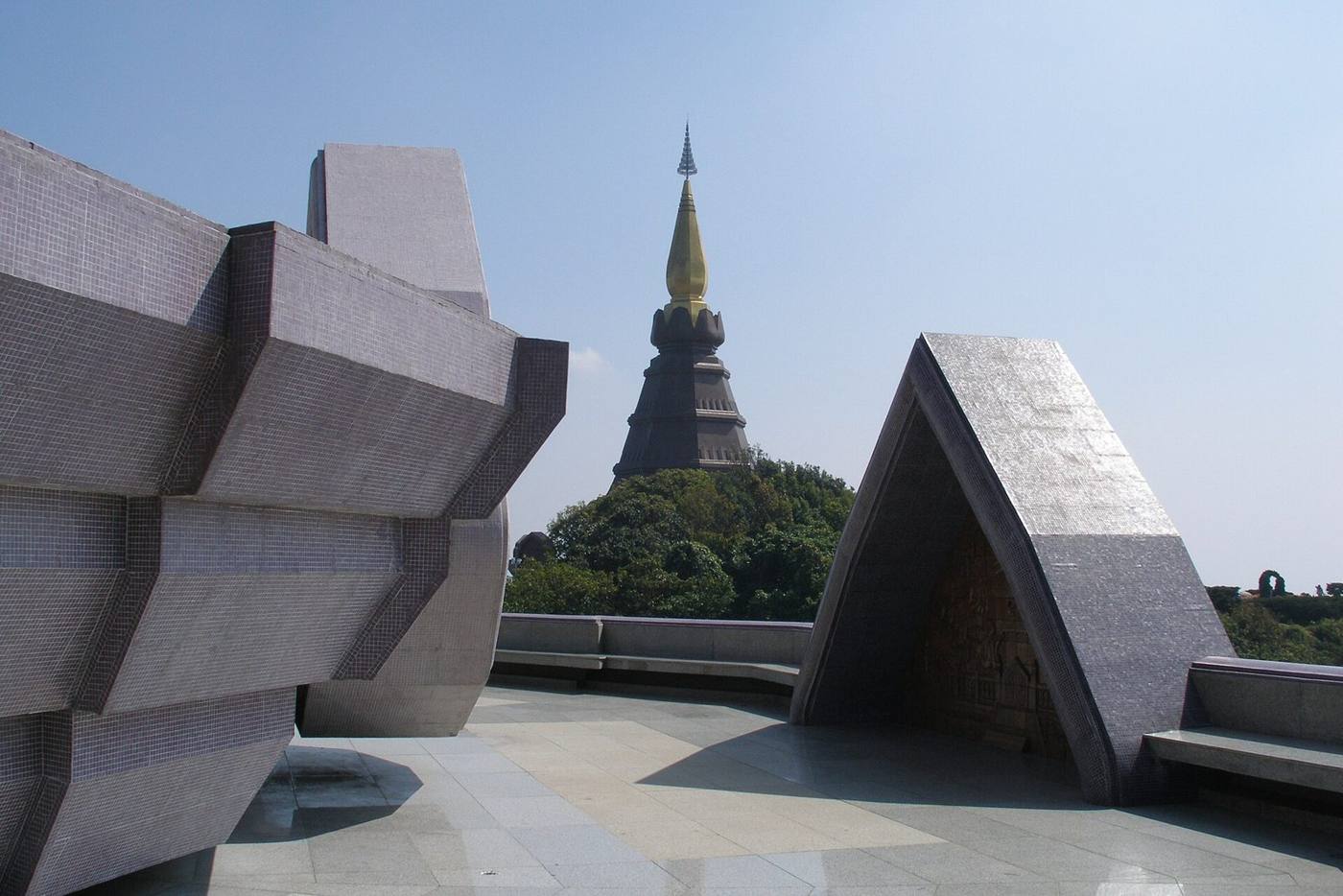
The northern capital: the walled old city and the temples of Wat Chedi Luang and Wat Phra Singh, Doi Suthep on the hill, night markets, a Thai cooking class and Doi Inthanon, the country's highest mountain, with waterfalls and royal pagodas.
 5 daysEasy
Nan and Phrae
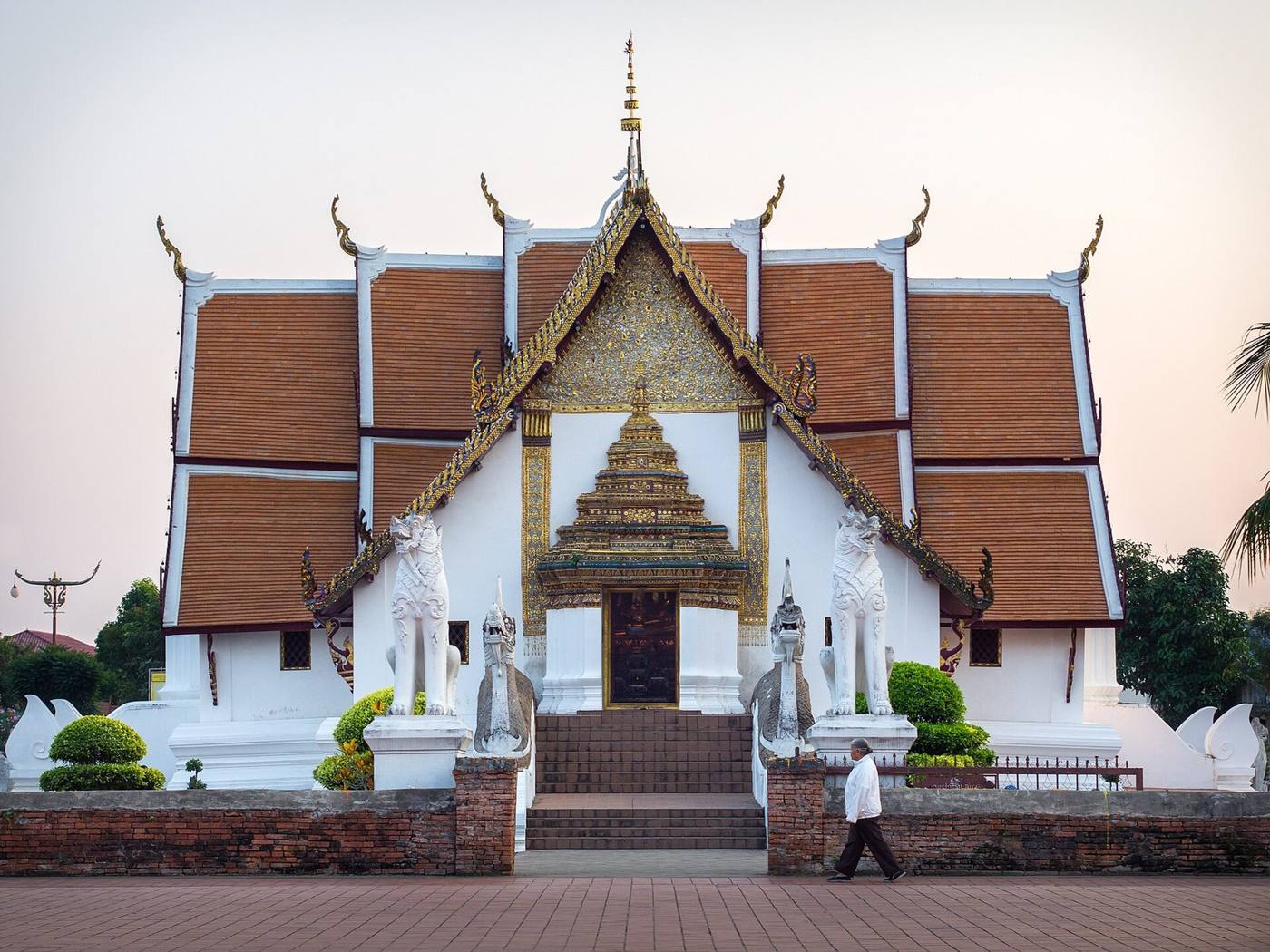
Northern Thailand off the beaten track: Nan with Wat Phumin and its murals, the mountains of Doi Phu Kha and the salt village of Bo Kluea, Phrae with its teak houses and Burmese-style temples.
 4 daysEasy
Sukhothai, Si Satchanalai and Kamphaeng Phet
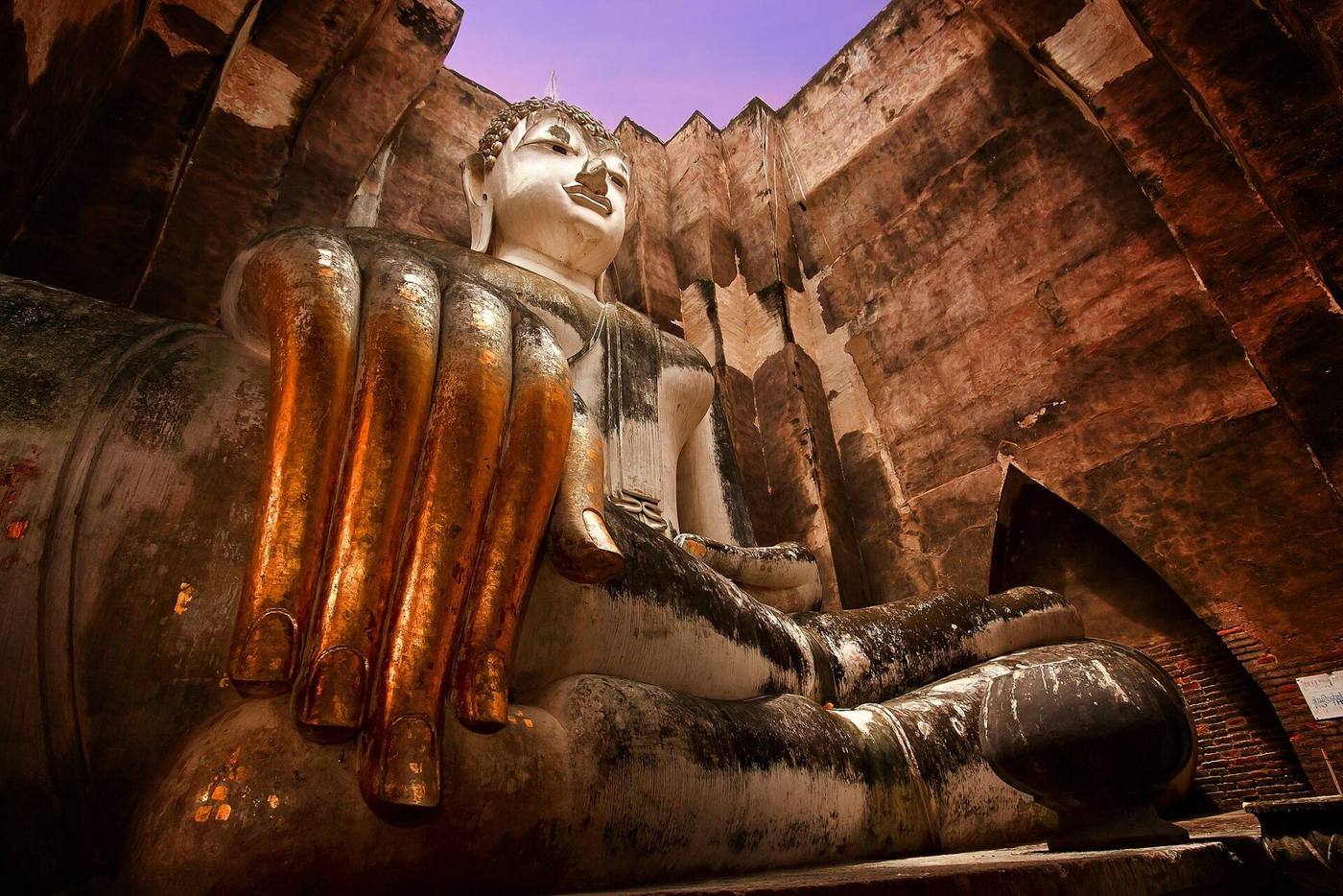
The first capitals of the Thai kingdom, a UNESCO World Heritage site: the historical parks of Sukhothai, to explore by bicycle among Buddhas and lotus ponds, Si Satchanalai among the trees and Kamphaeng Phet with laterite temples in the forest.