Brownsberg and Brokopondo
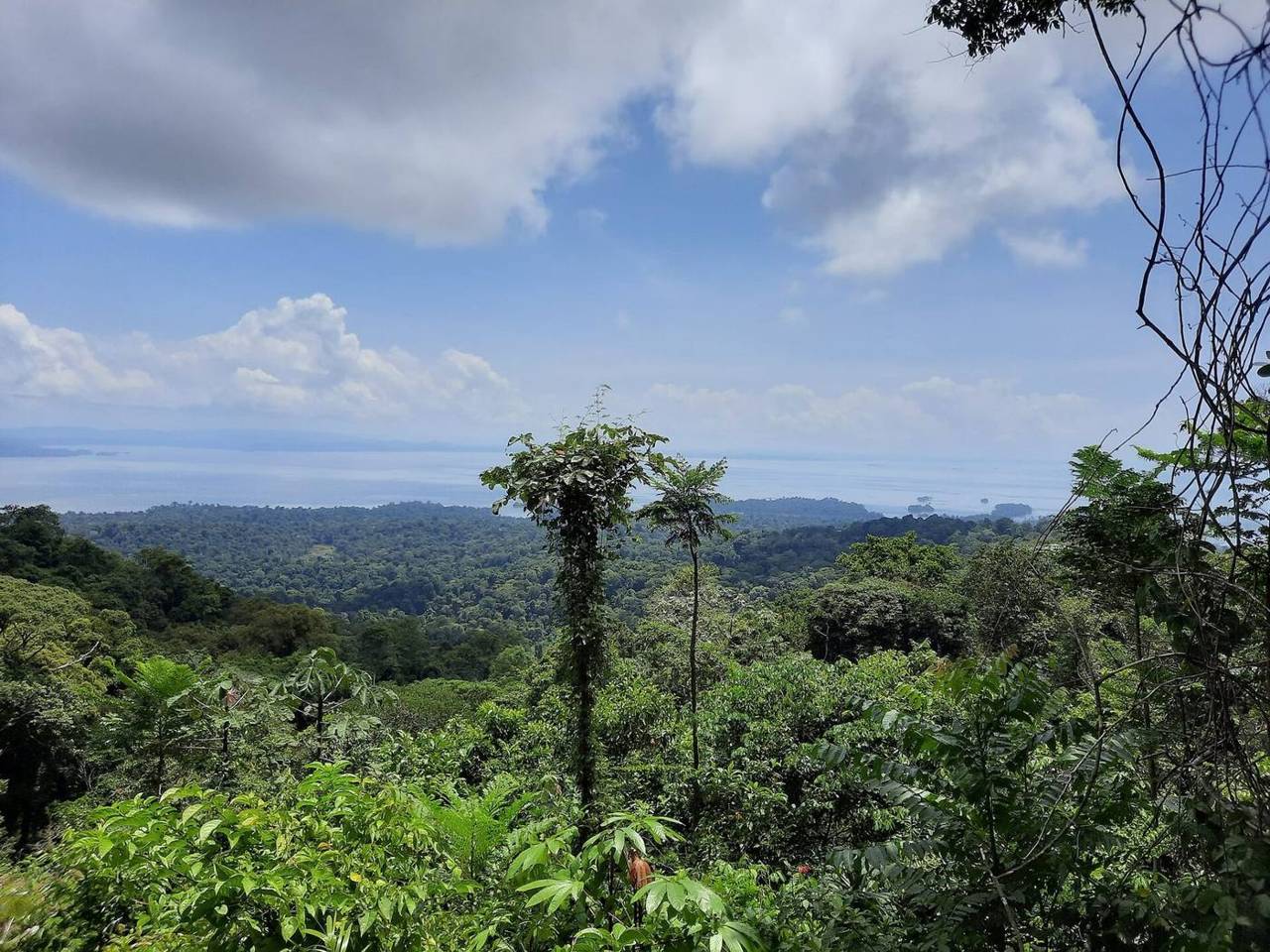
Brownsberg park on a forested plateau, with howler monkeys, waterfalls and the view over the large Brokopondo reservoir, plus a night on Tonka island in the lake.
- Paramaribo
- Brownsberg
- Brokopondo Reservoir
Day by day
- Day 1
From Paramaribo to Brownsberg
This two-day trip takes you to Brownsberg Nature Park, on a plateau covered with tropical forest south of Paramaribo, with howler monkeys, waterfalls and views over the great artificial lake of Brokopondo, where you spend the night on Tonka island.
Before you go: Italian citizens enter Suriname with a passport valid for at least six months, without a visa for tourism of up to 90 days, but they must pay the entry fee online, before travelling, on the official portal indicated by the government of Suriname. In the days before arrival also register on the immigration portal icf.sr and keep the QR code to show on arrival. Other nationalities should check their own rules. The yellow fever vaccine is recommended throughout the country and the certificate is compulsory if you arrive from a country at risk. Italian official advice asks for caution in Brokopondo district and on the Afobakka road: travel by day and with an experienced local guide.
Leave Paramaribo early heading south. After a few hours on tarmac, the last stretch climbs onto the plateau on a dirt track, which can become difficult after rain.
At the top the air is cooler. Walk with the guide on the park trails to the Leo Val and Irene Val waterfalls, which tumble down among rocks and ferns in the forest. The trail is steep and muddy in places.
Listen to the roar of the howler monkeys, which carries a long way, and look in the branches for capuchins and spider monkeys. Watch out for toucans and parrots too.
In the late afternoon stop at the viewpoint on the edge of the plateau: below you lies Brokopondo lake, dotted with islands.
Go down to the lake and take the boat to Tonka island, where you sleep.
Practical tip: bring repellent, hiking boots with a good sole and a light waterproof jacket.
- Day 2
By boat on Brokopondo lake
Today you discover Brokopondo lake and then return to Paramaribo.
Early in the morning, when the water is as smooth as a mirror, go out by boat on the lake. The lake was created in the 1960s, by the Afobakka dam on the Suriname River, which flooded a large area of forest. Even today you see the trunks of dead trees rising out of the water, grey and bare, a strange and silent landscape.
Watch the birds perching on the trunks, such as herons, cormorants and kingfishers, and the forest-covered islands that were hilltops before the flooding. With the guide you can swim in a calm and safe spot.
Go back to the island for breakfast or lunch and then take the boat back to the shore.
In the early afternoon head back towards Paramaribo, travelling in daylight.
In these two days you have seen the forest that is easiest to reach from the capital: the trails and waterfalls of Brownsberg, the howler monkeys, the view from the top of the plateau and Brokopondo lake with its drowned trees. It is an introduction to the nature of Suriname suitable for everyone.
When to go: from February to April and from August to November, in the drier seasons, when the track to Brownsberg is easier and the trails less muddy. From May to August the rain is heavier.
Practical tip: ask the guide whether the dirt road to Brownsberg is passable before you leave, especially after days of rain.
The easiest forest to reach from Paramaribo, suited to everyone. The final dirt road can be hard after rain. Suriname is at level 1 in the United States, but away from the coast an established operator is wise.
Before you go
- Documents and visa
- Passport valid for at least six months. Italian citizens do not need a visa for tourism of up to 90 days, but must pay the entry fee online, before travelling, on the official portal indicated by the government of Suriname. All travellers must also register on the immigration portal icf.sr in the days before arrival and show the QR code they receive; departure must be registered too. Changing money outside official channels is illegal.
- Health and vaccines
- A yellow fever certificate is required from the age of one if you arrive from a country at risk, even after a stopover of more than 12 hours; the vaccine is recommended anyway, because there is a risk throughout the country. The WHO declared that Suriname had eliminated malaria in 2025: ask your doctor whether anything else is needed for the interior. Dengue, chikungunya and Zika are present: use repellent. Drink only bottled water, without ice. Medical facilities are very limited, and almost absent outside Paramaribo: you need insurance with medical costs and repatriation. Emergencies: 115.
- Money and payments
- Surinamese dollar. Change money only at banks, licensed exchange offices or hotels. Major cards work in lodgings and tourist places in Paramaribo; carry cash for the interior.
- Power sockets
- Mostly types C and F, but also A and B; the voltage is usually 127 volts: check that your devices accept 100 to 240 volts.
- Time zone
- UTC-3 all year.
- Safety
- Petty crime is common in Paramaribo, with theft and robbery in shopping areas; the Palmentuin is best avoided. Italian advice asks for caution in Albina and Moengo, in Brokopondo district and on the Paramaribo-Albina and Afobakka roads. Do not travel at night in isolated areas, do not show money or valuables, and rely on experienced local guides for the interior. Drug penalties are very severe. From May to August rain can flood roads and villages. Official advice: GOV.UK.
Information checked in November 2026 for Italian and EU citizens. Rules change: always check before you travel.
Variations
Shorter: a full day at Brownsberg only, leaving at dawn and returning to Paramaribo in the evening.
Longer: add three days by boat on the Suriname River, up to the Maroon villages of the interior.
Frequently asked questions
Is Brownsberg suitable for everyone?
Yes, the main trails are short, but they can be steep and muddy. You need hiking boots and a basic level of fitness.
Will I see monkeys?
Usually yes: howler monkeys can almost always be heard and capuchins and spider monkeys are often seen too.
Do you need a guide?
It is advisable, both for the trails and for the boat on the lake, and to travel safely on these roads.
Indicative itinerary written by World Atlas. Before booking, check timetables, seasonal openings, documents and safety.
 2 daysEasy
The turtles of Galibi
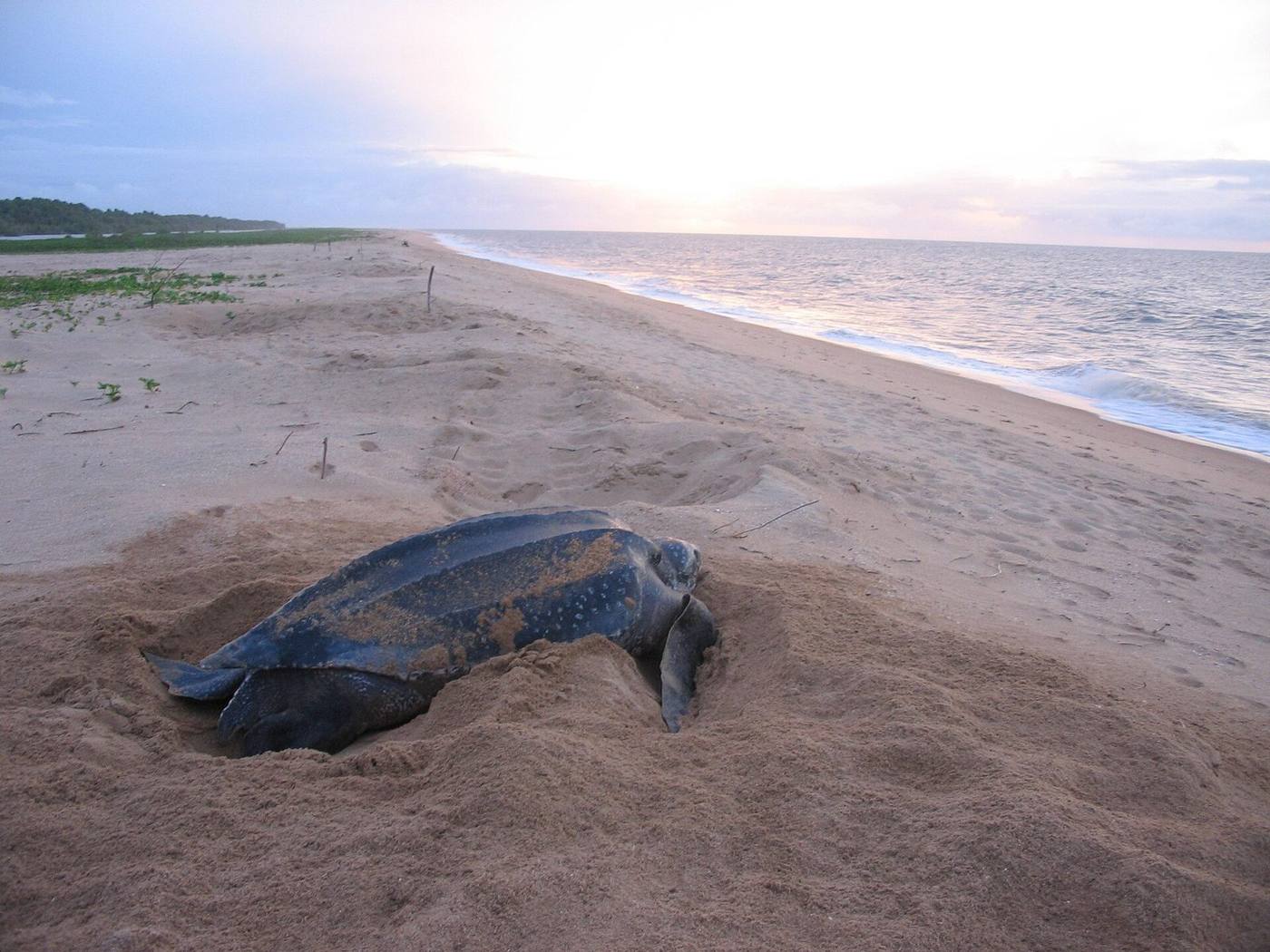
The Galibi reserve at the mouth of the Marowijne River, where leatherback and green turtles come to lay their eggs, with Kalina villages guiding visitors.
 4 daysChallenging
Raleighvallen and Voltzberg
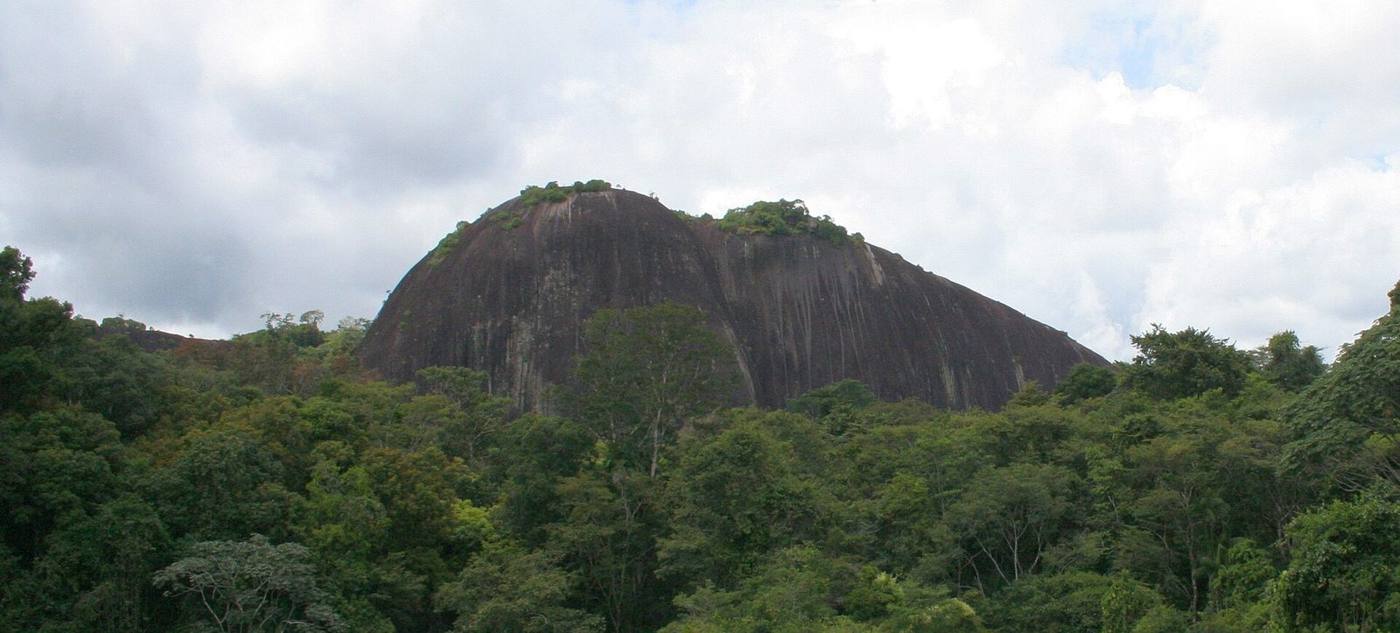
The heart of the Central Suriname Nature Reserve, a UNESCO site: the Raleighvallen rapids on the Coppename River and the climb of the Voltzberg granite dome, above a sea of forest.
 4 daysEasy
Paramaribo and the plantations
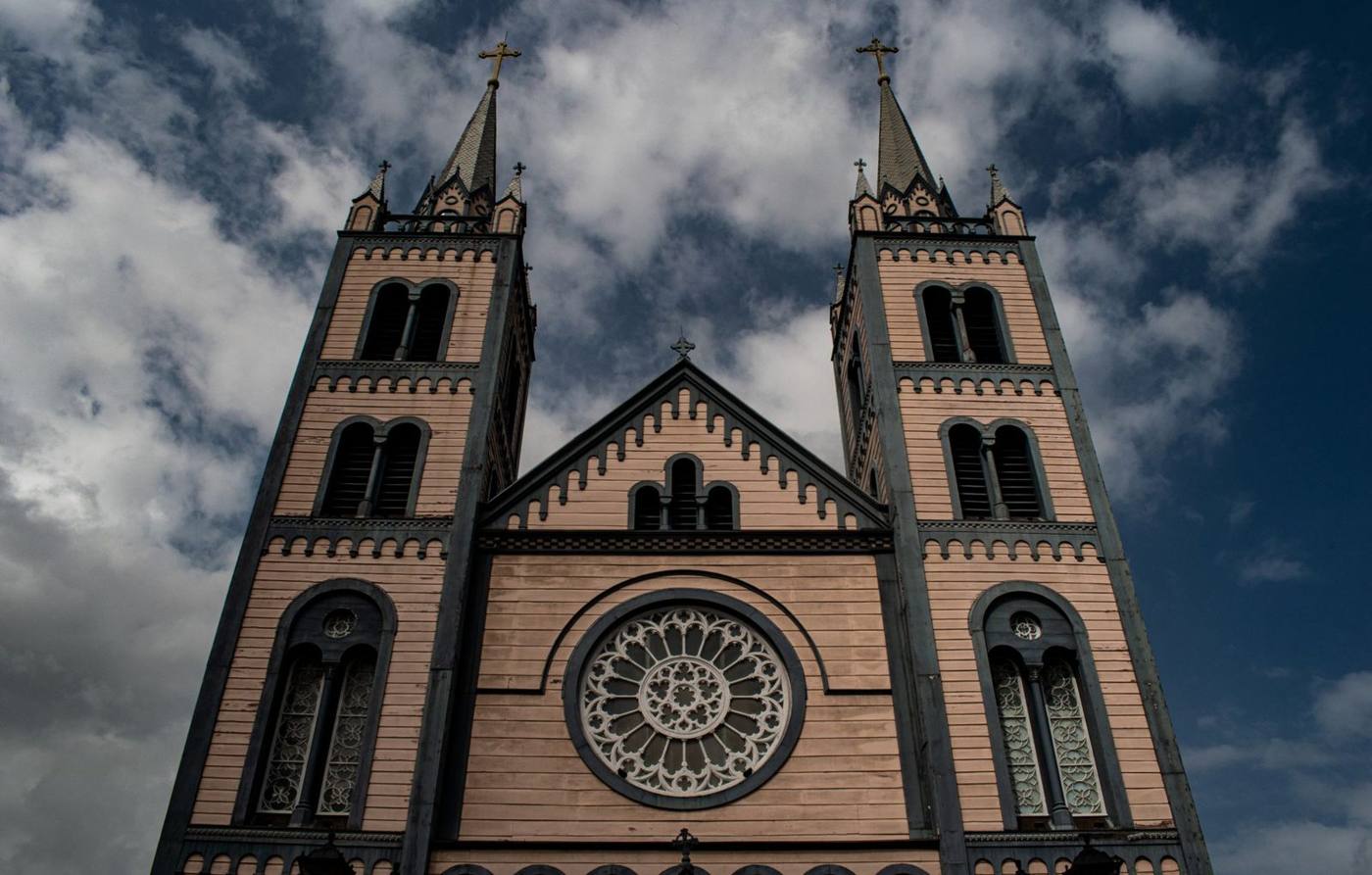
Paramaribo's UNESCO wooden old town, the mosque beside the synagogue, Fort Zeelandia and cycling through the Commewijne plantations.