The turtles of Galibi
The Galibi reserve at the mouth of the Marowijne River, where leatherback and green turtles come to lay their eggs, with Kalina villages guiding visitors.
- Paramaribo
- Albina
- Galibi
Day by day
- Day 1
From Paramaribo to Galibi and the night of the turtles
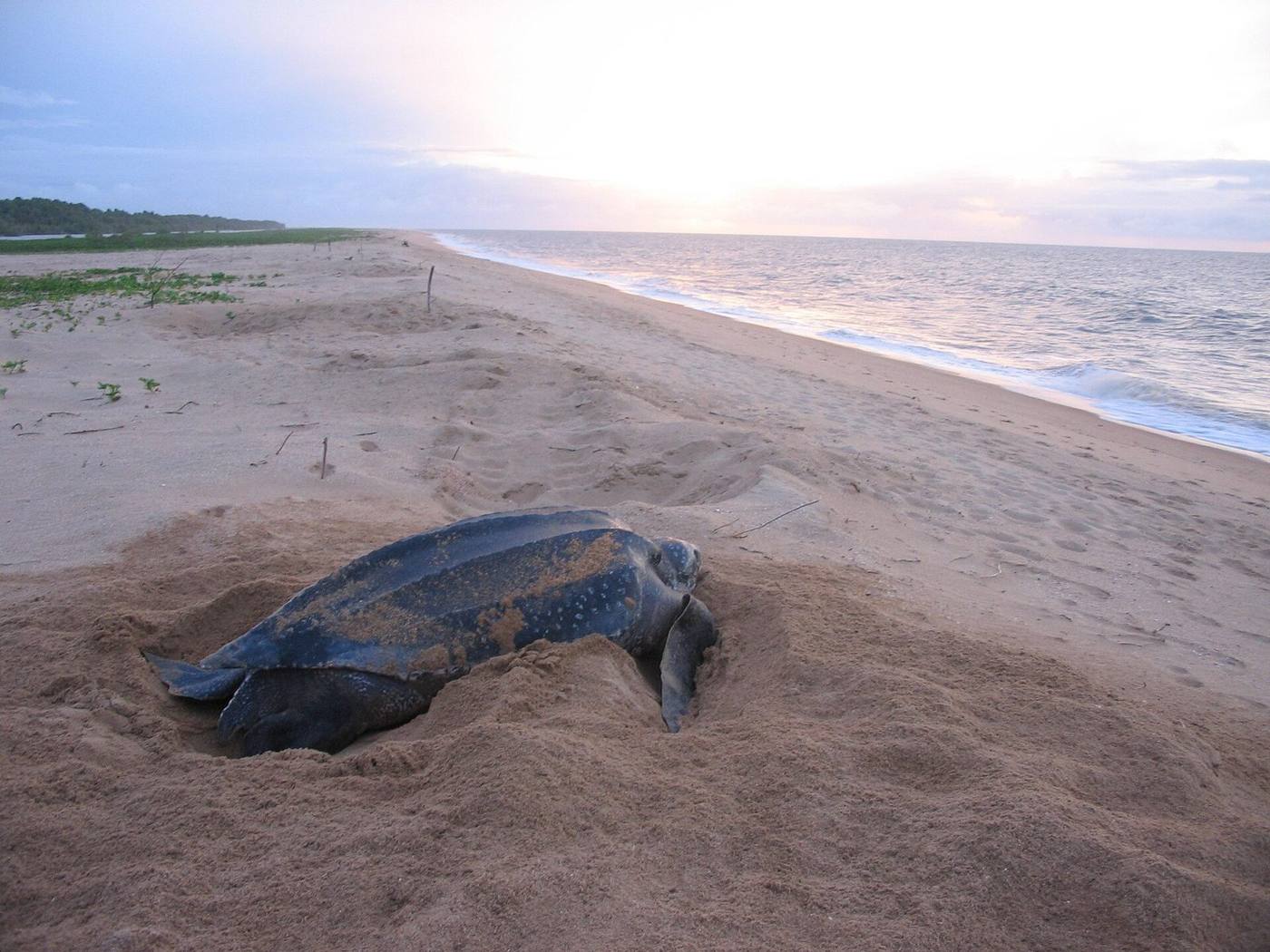
This two-day trip takes you to the Galibi nature reserve, at the mouth of the Marowijne River, on the border with French Guiana. Leatherback and green turtles come to lay their eggs on its beaches, and the villages of the Kalina people accompany visitors.
Before you go: Italian citizens enter Suriname with a passport valid for at least six months, without a visa for tourism of up to 90 days, but they must pay the entry fee online, before travelling, on the official portal indicated by the government of Suriname. In the days before arrival also register on the immigration portal icf.sr and keep the QR code to show on arrival. Other nationalities should check their own rules. Some areas on this trip are close to borders or places where the situation changes often: check your government's travel advice before booking and again before you leave.
Leave Paramaribo in the morning heading east, on the road to Albina, the small town on the Marowijne River. Travel only by day and with organised transport. In Albina get on a boat and go down the river towards the sea, among mangroves and low banks, to the Kalina villages near the mouth.
In the afternoon settle into your lodging, which is very simple, and rest: the night will be long.
After sunset go to the beach with a local guide. The turtles come out of the sea in the dark, dig a hole in the sand with their rear flippers and lay dozens of eggs in it, then cover them and return to the water. The leatherback, the largest turtle in the world, can be more than two metres long.
Follow the guide's rules: no white lights, no flash, stay behind the animal and do not touch it.
Sleep in a Kalina village.
Practical tip: bring a torch with a red light, strong repellent and long-sleeved clothes for the night on the beach.
- Day 2
The Kalina village and the return
Today you get to know the Kalina community and then return to Paramaribo.
In the morning, if it is the right time of year, go back to the beach at dawn with the guide: sometimes you see the last turtles returning to the sea, or the tracks they left during the night, as wide as those of a small tractor.
Then visit the village, with its wooden houses, dugout canoes pulled up on the bank and vegetable gardens. The Kalina are an indigenous people who have lived along these coasts for centuries and help protect the turtles by watching over the beaches. Listen to their stories about their bond with the sea, ask before photographing people and, if you like, buy pottery and crafts made in the village.
In the middle of the morning take the boat back to Albina, going up the Marowijne River. On the opposite bank you see French Guiana.
From Albina take the road back to Paramaribo, arriving before evening.
In these two days you have seen the Galibi reserve: the Marowijne River, the Kalina villages and, on the right nights, the turtles laying their eggs. It is a powerful experience, but nature gives no guarantees: on some nights no turtle comes ashore.
When to go: from April to August, the nesting season. Leatherbacks are more frequent in the first part of the season, green turtles later; later still, on some nights, you can also see hatchlings emerging from the eggs.
Practical tip: carry cash in Surinamese dollars for the reserve entrance, the guides and the crafts, because cards are not used in the village.
A powerful experience on the right nights, but with no guarantees. Only with local guides, no lights or flash. Very simple lodging and mosquitoes.
Before you go
- Documents and visa
- Passport valid for at least six months. Italian citizens do not need a visa for tourism of up to 90 days, but must pay the entry fee online, before travelling, on the official portal indicated by the government of Suriname. All travellers must also register on the immigration portal icf.sr in the days before arrival and show the QR code they receive; departure must be registered too. Changing money outside official channels is illegal.
- Health and vaccines
- A yellow fever certificate is required from the age of one if you arrive from a country at risk, even after a stopover of more than 12 hours; the vaccine is recommended anyway, because there is a risk throughout the country. The WHO declared that Suriname had eliminated malaria in 2025: ask your doctor whether anything else is needed for the interior. Dengue, chikungunya and Zika are present: use repellent. Drink only bottled water, without ice. Medical facilities are very limited, and almost absent outside Paramaribo: you need insurance with medical costs and repatriation. Emergencies: 115.
- Money and payments
- Surinamese dollar. Change money only at banks, licensed exchange offices or hotels. Major cards work in lodgings and tourist places in Paramaribo; carry cash for the interior.
- Power sockets
- Mostly types C and F, but also A and B; the voltage is usually 127 volts: check that your devices accept 100 to 240 volts.
- Time zone
- UTC-3 all year.
- Safety
- Petty crime is common in Paramaribo, with theft and robbery in shopping areas; the Palmentuin is best avoided. Italian advice asks for caution in Albina and Moengo, in Brokopondo district and on the Paramaribo-Albina and Afobakka roads. Do not travel at night in isolated areas, do not show money or valuables, and rely on experienced local guides for the interior. Drug penalties are very severe. From May to August rain can flood roads and villages. Official advice: GOV.UK.
Information checked in November 2026 for Italian and EU citizens. Rules change: always check before you travel.
Variations
Shorter: it is not worth shortening, because the turtles are seen only at night and you need at least one night at Galibi.
Longer: add two days in Paramaribo, with the wooden historic centre and the plantations of Commewijne.
Frequently asked questions
Will I definitely see turtles?
No. In the right season the chances are good, but there are nights without nesting. Staying two nights increases your chances.
Can you take photos?
Only without flash and without white lights, which disorient the turtles. Always follow the local guide's instructions.
What is the accommodation like?
Very simple, with beds or hammocks, mosquito nets and basic facilities. Bring repellent, a red-light torch and water.
Indicative itinerary written by World Atlas. Before booking, check timetables, seasonal openings, documents and safety.
 4 daysChallenging
Raleighvallen and Voltzberg
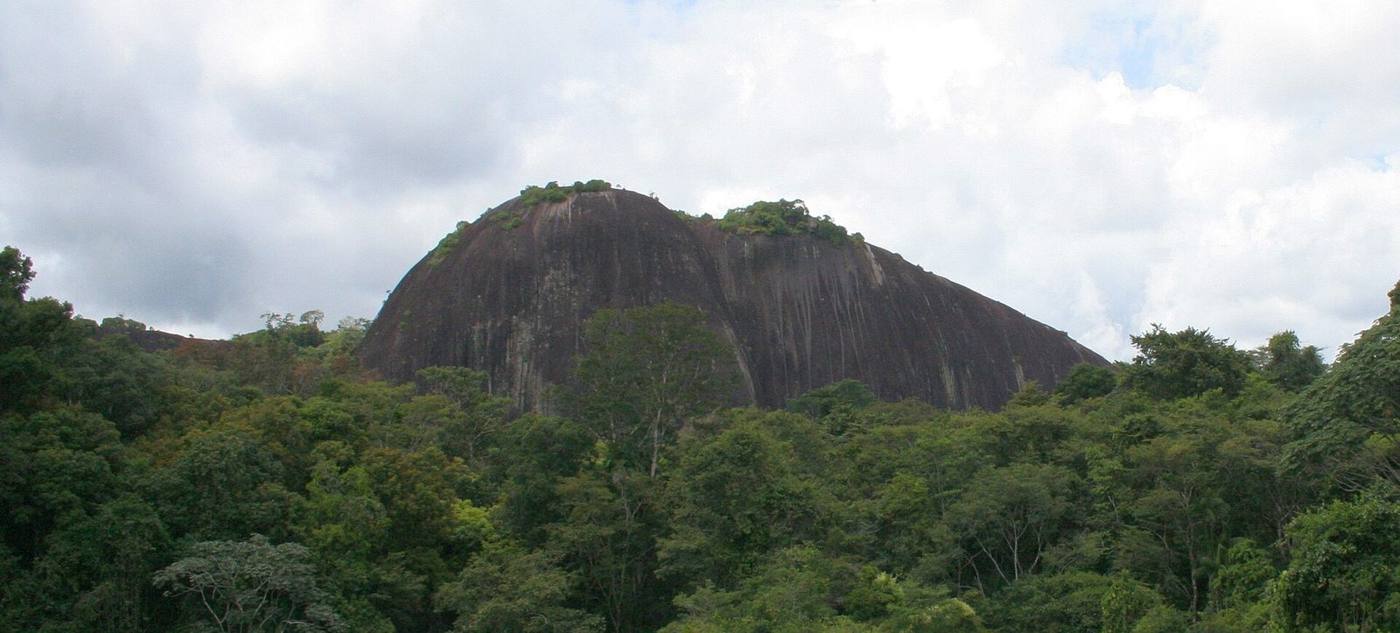
The heart of the Central Suriname Nature Reserve, a UNESCO site: the Raleighvallen rapids on the Coppename River and the climb of the Voltzberg granite dome, above a sea of forest.
 4 daysEasy
Paramaribo and the plantations
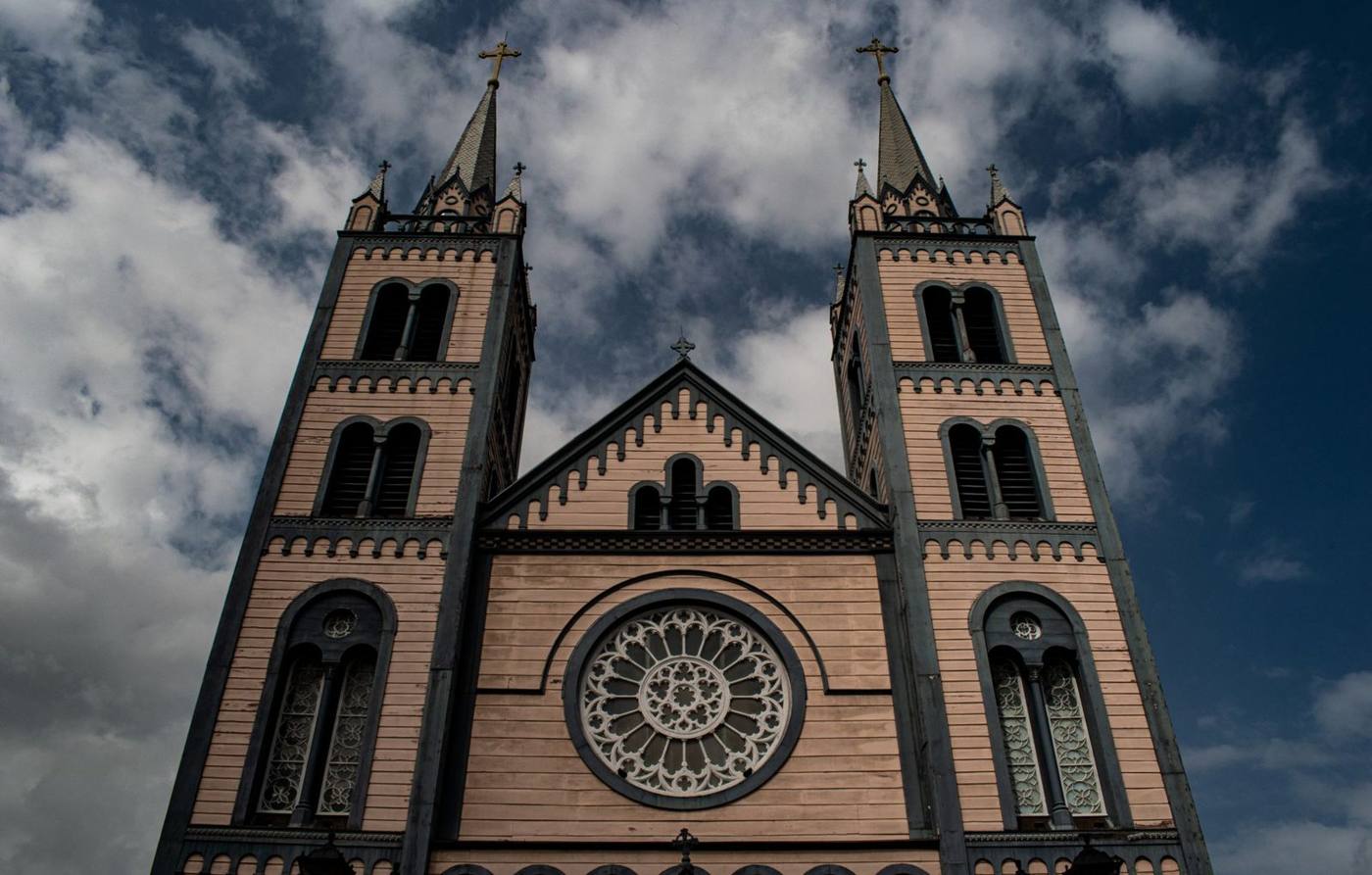
Paramaribo's UNESCO wooden old town, the mosque beside the synagogue, Fort Zeelandia and cycling through the Commewijne plantations.
 5 daysModerate
The interior rainforest
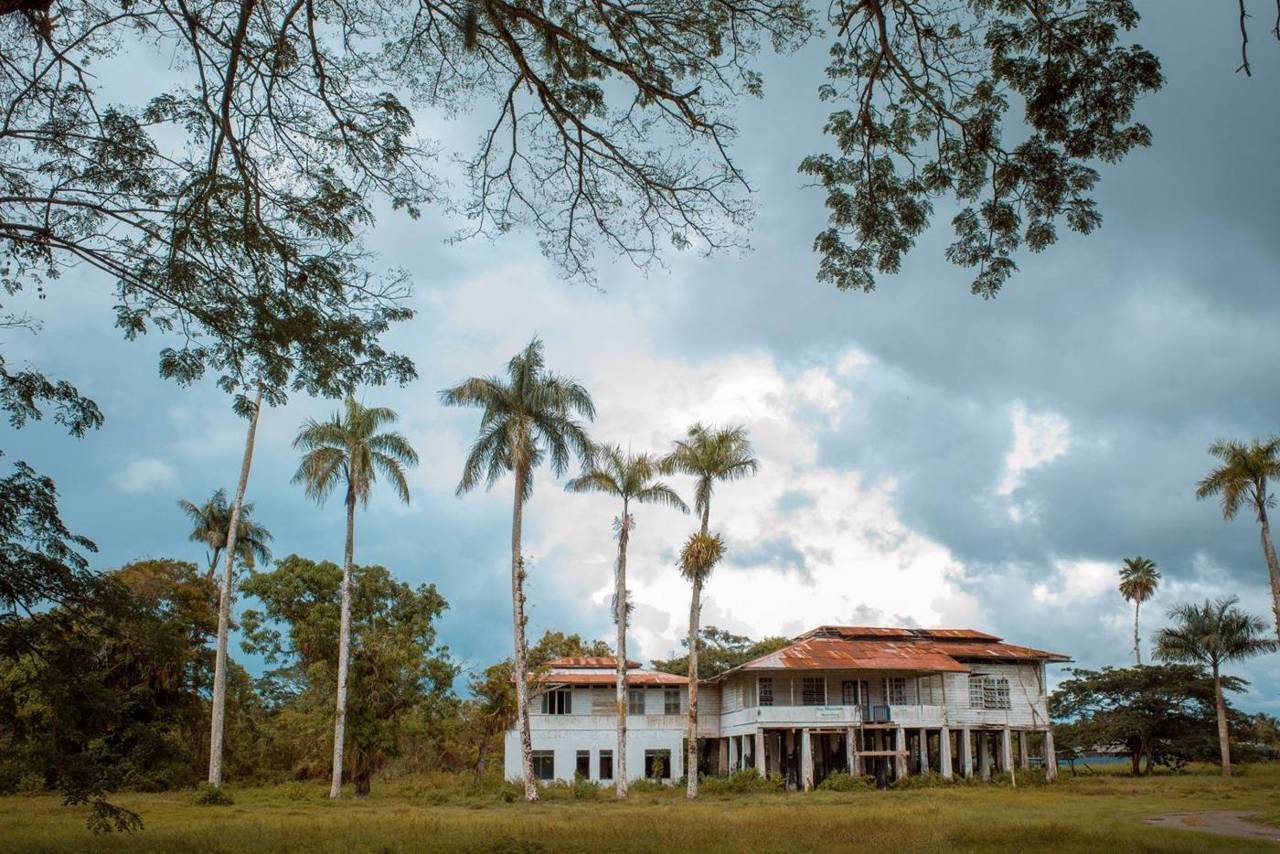
By boat up the Suriname river to Maroon villages, rapids and rainforest lodges, with the Central Suriname reserve as backdrop.