Raleighvallen and Voltzberg
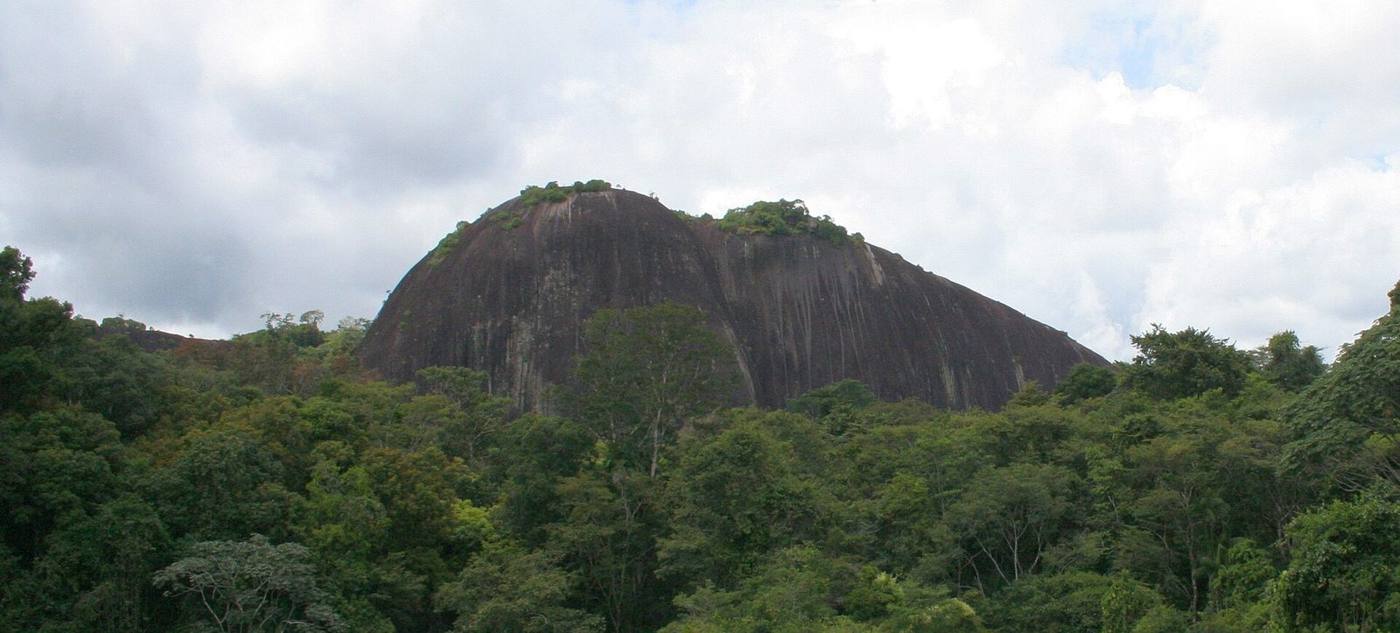
The heart of the Central Suriname Nature Reserve, a UNESCO site: the Raleighvallen rapids on the Coppename River and the climb of the Voltzberg granite dome, above a sea of forest.
- Paramaribo
- Raleighvallen
- Voltzberg
Day by day
- Day 1
To the Raleighvallen rapids
This four-day trip takes you to the heart of the Central Suriname Nature Reserve, a UNESCO World Heritage Site and one of the largest protected areas of tropical forest in the world: the Raleighvallen rapids on the Coppename River and the climb up the granite dome of the Voltzberg, above a sea of forest.
Before you go: Italian citizens enter Suriname with a passport valid for at least six months, without a visa for tourism of up to 90 days, but they must pay the entry fee online, before travelling, on the official portal indicated by the government of Suriname. In the days before arrival also register on the immigration portal icf.sr and keep the QR code to show on arrival. Other nationalities should check their own rules. The yellow fever vaccine is recommended throughout the country. There are no hospitals in the interior: you need insurance that covers evacuation.
You go only with an established operator, who arranges transport, guides and lodging. From Paramaribo you can arrive on a small plane at an airstrip in the forest, in about an hour, or with many hours of road to the west and then by boat up the Coppename River.
The destination is Foengoe island, in the middle of the river, in front of the Raleighvallen rapids. From the air you see only forest, without roads or villages, as far as the horizon.
In the afternoon settle into the lodging, simple and spartan, and take a first short walk on the island. Listen to the constant sound of water on the rocks and watch the monkeys in the branches above the river.
In the evening, after sunset, the forest fills with frogs and insects.
Sleep on Foengoe island, for three nights.
Practical tip: travel light, because on small planes the luggage weight is limited; ask first how many kilos you can bring.
- Day 2
Forest trails and rapids
Today you explore the primary forest and the rapids around Foengoe.
Leave early with the guide, when the animals are more active. The trails go under very tall trees, with buttress roots as big as walls, lianas and ferns. The light filters through the canopy, and the humid heat is felt even in the morning.
Walk slowly and quietly. Many species of monkey live in this reserve: black spider monkeys, which move quickly from branch to branch using their tails, red howler monkeys, capuchins and small squirrel monkeys. Look down too: colourful frogs, leafcutter ants in line and, sometimes, the tracks of peccaries and tapirs.
Among the birds look for toucans, parrots, macaws and trogons. The guide recognises their calls and helps you spot them among the leaves.
In the afternoon go out by boat on the Coppename River, towards the rapids and falls of Raleighvallen, where the water drops in steps between large dark rocks. In some calm spots, pointed out by the guide, you can swim.
At sunset watch the river change colour and the birds flying low over the water.
Sleep on Foengoe island.
Practical tip: wear long trousers tucked into your socks, against mosquitoes and ticks, and check your skin in the evening.
- Day 3
The climb up the Voltzberg
Today you take on the most demanding day: the walk to the Voltzberg and the climb to its summit.
Leave at dawn with the guide. The trail crosses the forest for several hours on foot, with ups and downs, roots, muddy stretches and small streams to cross. Bring plenty of water and something to eat.
Along the way, in a damp part of the forest, with luck you see the Guianan cock-of-the-rock, a bright orange bird with a fan-shaped crest, which displays on the ground to attract females. Stay far away and quiet, so as not to disturb it.
At the foot of the Voltzberg the forest opens onto a great dome of bare granite rising above the trees. The final stretch is steep on the rock: climb slowly, placing your feet carefully, and do not climb if the rock is wet.
From the top the view is immense: a sea of green forest stretching in every direction, without a sign of human presence, with mist rising from the valleys and the Coppename River shining in the distance.
Come down calmly. Depending on the arrangements, you sleep in a simple camp at the foot of the Voltzberg or return to Foengoe in the afternoon.
Practical tip: use hiking boots with a deep tread; on smooth granite trainers slip.
- Day 4
Back to Paramaribo
Today you leave the forest and return to Paramaribo.
If you can, take a last short walk at dawn on the island or a boat trip near the rapids, to say goodbye to the monkeys and birds. Then pack your bags.
Return on the small plane, if the weather allows, or by boat and then by road, a long journey that takes almost the whole day. If you fly, look out of the window at the forest slowly giving way to fields, wide rivers and the coast.
Once in Paramaribo, enjoy a hot shower and dinner in town: after days in the forest even the simplest things feel special.
In these four days you have seen the heart of the Central Suriname Nature Reserve: the Raleighvallen rapids on the Coppename River, Foengoe island, the primary forest with spider monkeys and toucans, the cock-of-the-rock and the view from the top of the Voltzberg over a sea of forest. It is a trip for people who accept heat, humidity and spartan lodgings in exchange for nature that is still intact.
When to go: from February to April and from August to November, in the drier seasons, when the trails are less muddy and the rock of the Voltzberg is safer. In the rainy season flights can be cancelled and trails flooded.
Practical tip: keep a day in hand before your international flight, because bad weather can delay your return from the forest.
Real primary forest, for those who accept heat, humidity and spartan lodgings. Only with an established operator; the final stretch of the Voltzberg is steep on rock.
Before you go
- Documents and visa
- Passport valid for at least six months. Italian citizens do not need a visa for tourism of up to 90 days, but must pay the entry fee online, before travelling, on the official portal indicated by the government of Suriname. All travellers must also register on the immigration portal icf.sr in the days before arrival and show the QR code they receive; departure must be registered too. Changing money outside official channels is illegal.
- Health and vaccines
- A yellow fever certificate is required from the age of one if you arrive from a country at risk, even after a stopover of more than 12 hours; the vaccine is recommended anyway, because there is a risk throughout the country. The WHO declared that Suriname had eliminated malaria in 2025: ask your doctor whether anything else is needed for the interior. Dengue, chikungunya and Zika are present: use repellent. Drink only bottled water, without ice. Medical facilities are very limited, and almost absent outside Paramaribo: you need insurance with medical costs and repatriation. Emergencies: 115.
- Money and payments
- Surinamese dollar. Change money only at banks, licensed exchange offices or hotels. Major cards work in lodgings and tourist places in Paramaribo; carry cash for the interior.
- Power sockets
- Mostly types C and F, but also A and B; the voltage is usually 127 volts: check that your devices accept 100 to 240 volts.
- Time zone
- UTC-3 all year.
- Safety
- Petty crime is common in Paramaribo, with theft and robbery in shopping areas; the Palmentuin is best avoided. Italian advice asks for caution in Albina and Moengo, in Brokopondo district and on the Paramaribo-Albina and Afobakka roads. Do not travel at night in isolated areas, do not show money or valuables, and rely on experienced local guides for the interior. Drug penalties are very severe. From May to August rain can flood roads and villages. Official advice: GOV.UK.
Information checked in November 2026 for Italian and EU citizens. Rules change: always check before you travel.
Variations
Shorter: three days, with Raleighvallen and the Voltzberg climb, flying back on the third afternoon.
Longer: add two days in Paramaribo, with the wooden historic centre and the plantations of Commewijne.
Frequently asked questions
Can you go on your own?
No, you go only with an established operator, who arranges flights or boats, guides and lodging. There are no services in the interior.
How hard is the Voltzberg climb?
The walk takes several hours and the final stretch is steep on bare rock. You need to be fit and you do not climb when the rock is wet.
What animals can you see?
Often spider monkeys, howler monkeys, capuchins, toucans and parrots; with luck the Guianan cock-of-the-rock.
Indicative itinerary written by World Atlas. Before booking, check timetables, seasonal openings, documents and safety.
 4 daysEasy
Paramaribo and the plantations
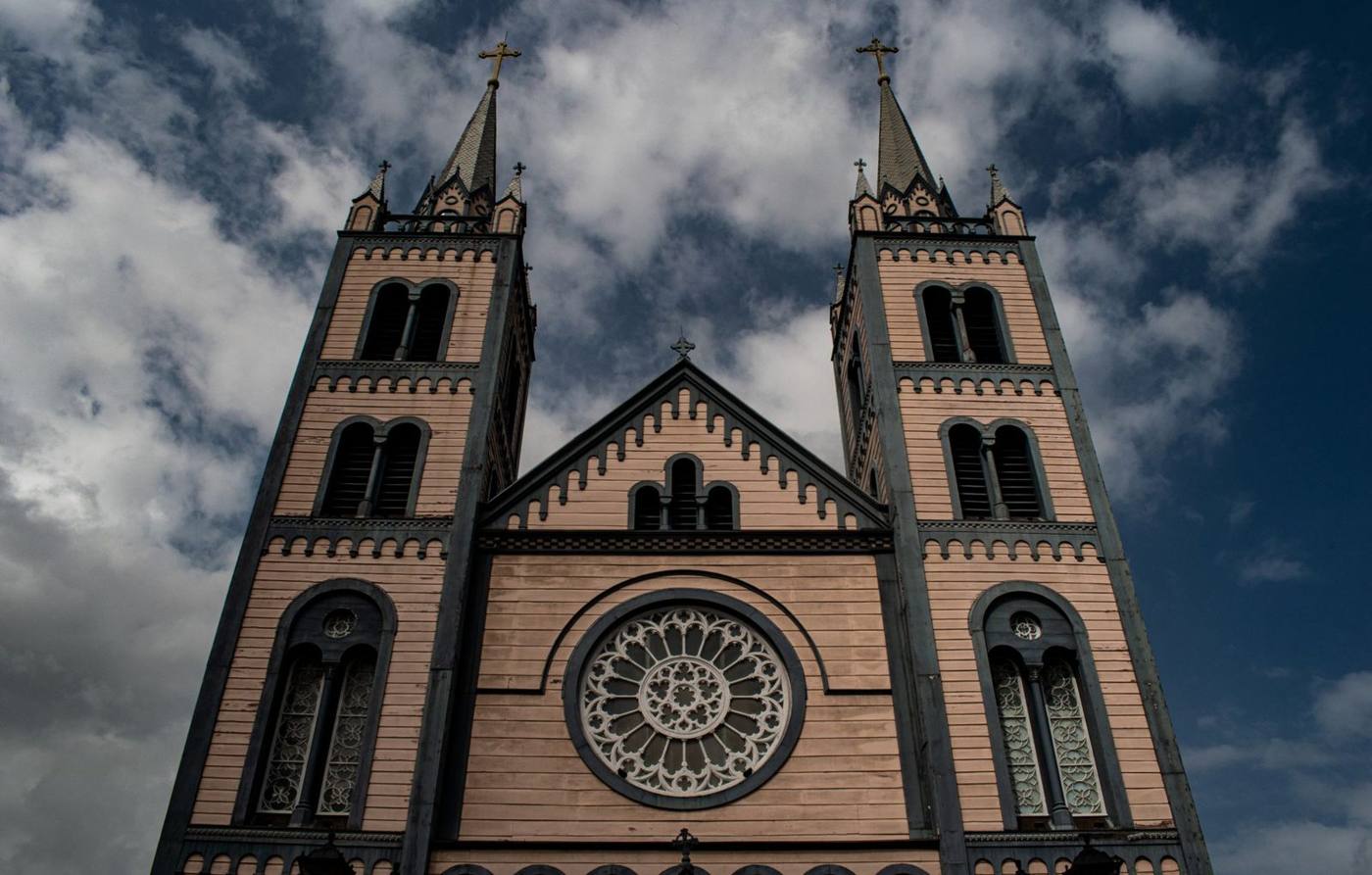
Paramaribo's UNESCO wooden old town, the mosque beside the synagogue, Fort Zeelandia and cycling through the Commewijne plantations.
 5 daysModerate
The interior rainforest
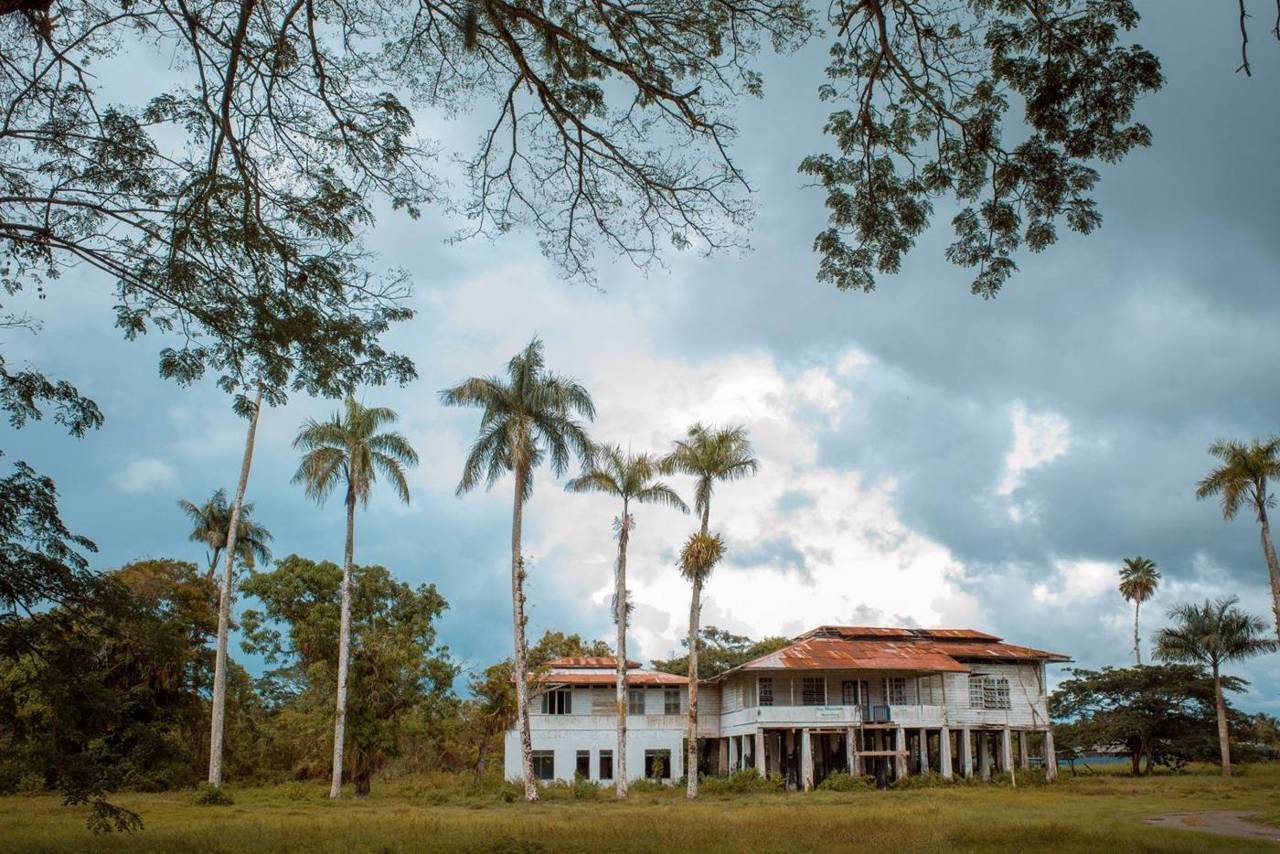
By boat up the Suriname river to Maroon villages, rapids and rainforest lodges, with the Central Suriname reserve as backdrop.
 2 daysEasy
Brownsberg and Brokopondo
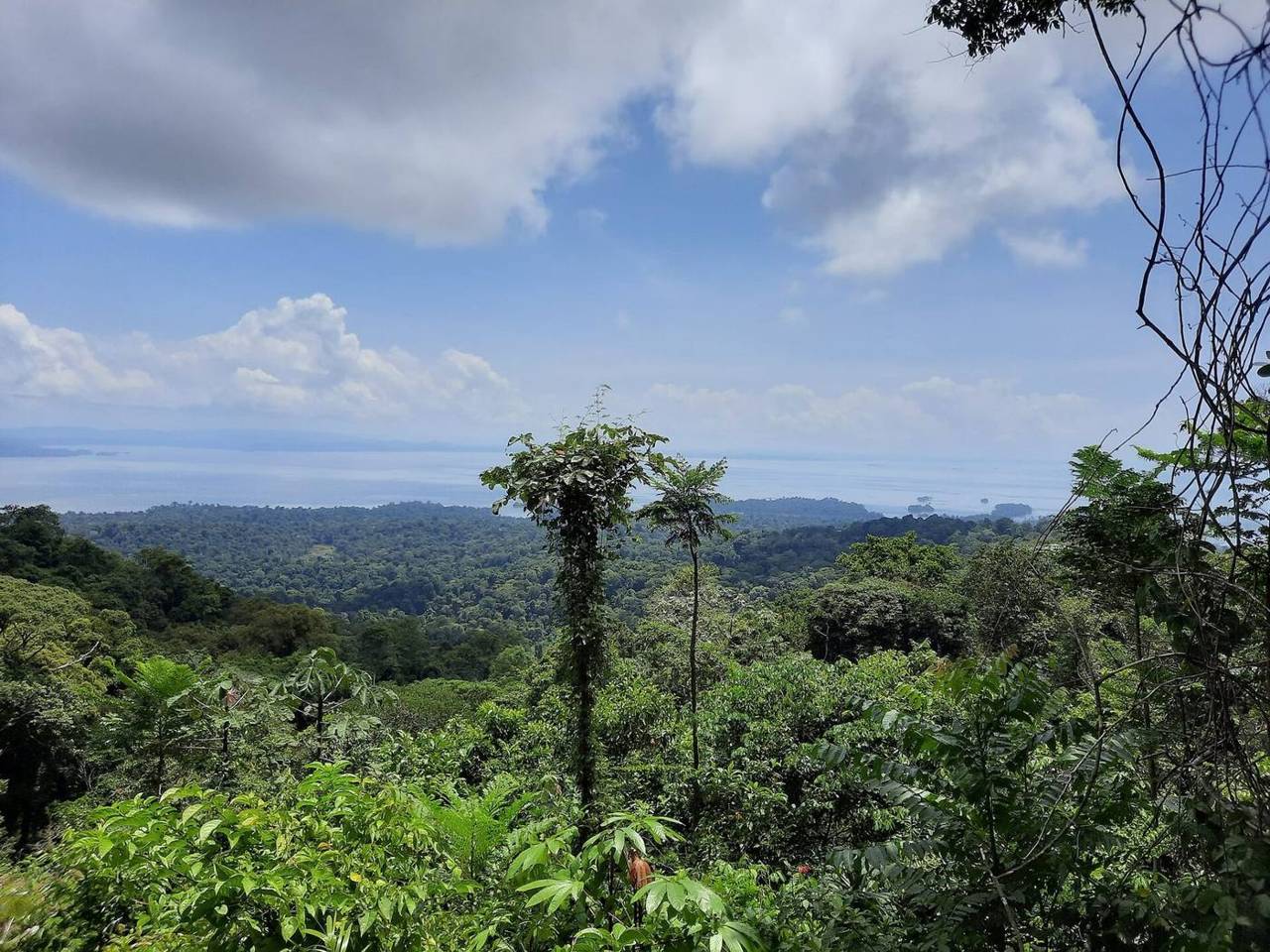
Brownsberg park on a forested plateau, with howler monkeys, waterfalls and the view over the large Brokopondo reservoir, plus a night on Tonka island in the lake.