Paramaribo and the plantations
Paramaribo's UNESCO wooden old town, the mosque beside the synagogue, Fort Zeelandia and cycling through the Commewijne plantations.
- Paramaribo
- Fort Zeelandia
- Commewijne
- Fort Nieuw Amsterdam
Day by day
- Day 1
Waterkant, Fort Zeelandia and the wooden cathedral
This four-day trip takes you to Paramaribo, the capital of Suriname, with its wooden historic centre listed by UNESCO, the mosque beside the synagogue, Fort Zeelandia and, across the river, the old plantations of Commewijne to explore by bicycle.
Before you go: Italian citizens enter Suriname with a passport valid for at least six months, without a visa for tourism of up to 90 days, but they must pay the entry fee online, before travelling, on the official portal indicated by the government of Suriname. In the days before arrival also register on the immigration portal icf.sr and keep the QR code to show on arrival. Other nationalities should check their own rules. Petty crime is common in Paramaribo, with theft and robbery in shopping areas: do not show valuables and take a taxi in the evening.
Start at the Waterkant, the riverfront on the Suriname, with its large colonial houses of white wood and green shutters. The city was born here as a Dutch port, and you can still feel it.
A little further on is Fort Zeelandia, a star-shaped fort on the riverbank, which now houses the Suriname Museum, with objects on colonial history, slavery and the country's communities. Check prices and times.
Next to it opens Independence Square, with the presidential palace. Avoid, however, the Palmentuin, the palm garden behind the palace, which Italian official advice warns against.
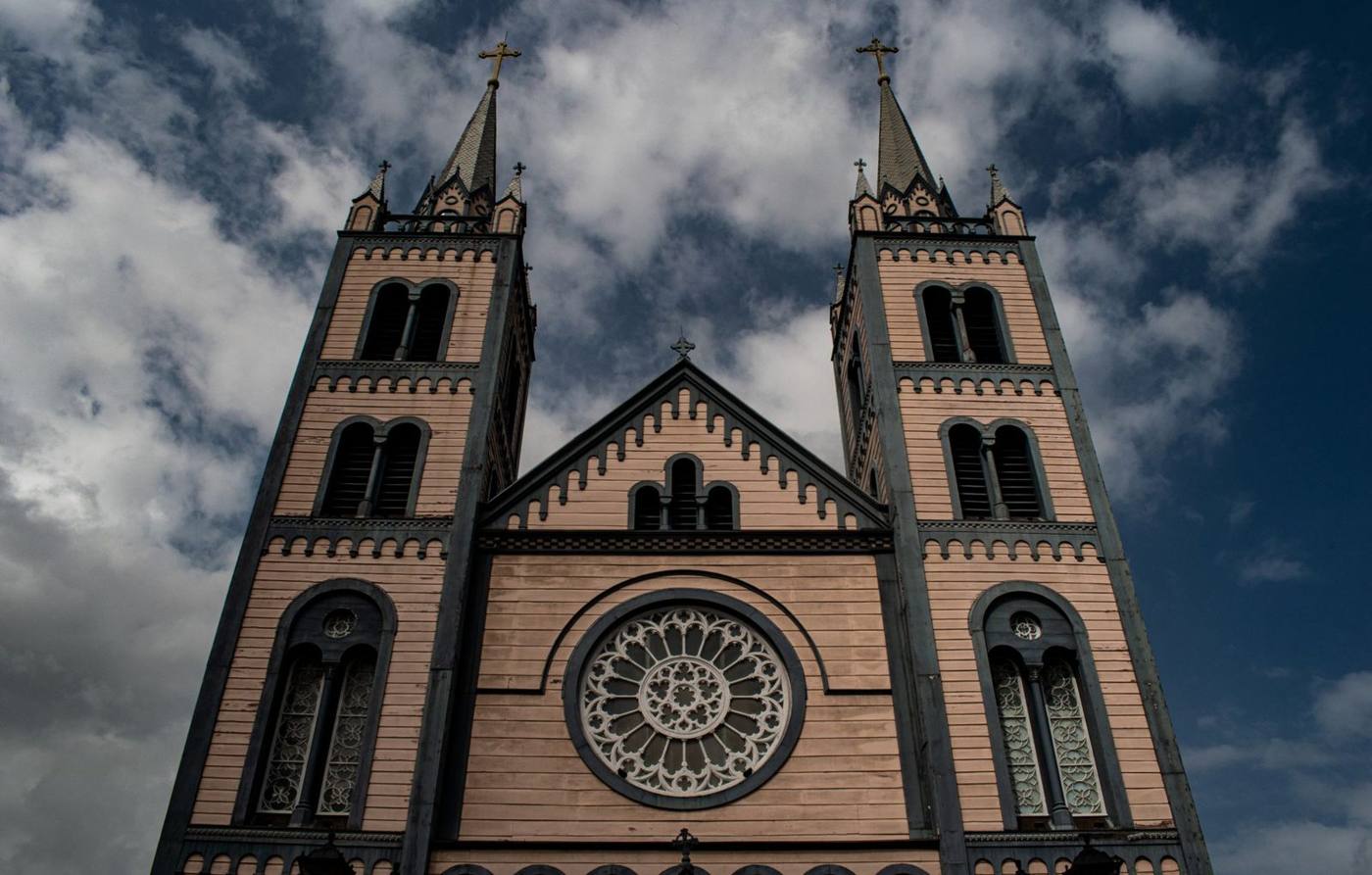
In the afternoon visit the cathedral of Saints Peter and Paul, built at the end of the nineteenth century entirely of wood, with a warm interior that smells of cedar.
Sleep in Paramaribo, for three nights.
Practical tip: change money only at banks or licensed exchange offices; changing money on the street is illegal.
- Day 2
The mosque, the synagogue and the market
Today you discover the Paramaribo of many cultures, a city where communities of Indian, Javanese, African, Chinese, indigenous and European origin live side by side.
Start in Keizerstraat, where the mosque and the Neve Shalom synagogue stand next to each other. The mosque, with its dome and minarets, and the synagogue, an elegant white building, are the symbol of the country's religious coexistence. If you can go in, cover your shoulders and legs and ask permission. Check prices and times.
Then walk through the streets of the historic centre, among wooden houses of two or three storeys with verandas and balconies, some restored and others in ruins. Look out too for the Hindu temples and Moravian churches, signs of other communities.
Late in the morning go to the Central Market, on the riverfront, a large building full of tropical fruit, fish, spices and unfamiliar vegetables. Around it you also find stalls of fabrics and household goods.
For lunch taste the local cooking: roti with chicken and potato curry, pom, an oven bake of pomtajer, a local tuber, and chicken, or Javanese bami and nasi.
In the afternoon rest or walk along the riverfront at sunset, when a little breeze comes off the river.
Dutch is spoken, but almost everyone understands English, and on the street you hear Sranan Tongo.
Sleep in Paramaribo.
Practical tip: at the market keep your phone in your pocket and your rucksack in front: pickpocketing is common in the crowds.
- Day 3
By bike among the plantations of Commewijne
Today you cross the Suriname River and go to the district of Commewijne, the area of the old colonial plantations.
In the morning take a boat from the Paramaribo bank to Meerzorg, on the opposite side, and hire a bicycle there. Commewijne is flat and the roads are quiet, among canals, fields and mango trees.
Cycle to Fort Nieuw Amsterdam, a star-shaped fort at the confluence of the Suriname and Commewijne rivers, now an open-air museum, with cannons, earth walls and an old prison. Check prices and times.
Continue along the river to the plantations: some are ruins overgrown by vegetation, others keep the owners' houses, the chimneys of the sugar factories and the workers' barracks. Remember that enslaved people worked here, followed by contract labourers who came from Asia: it is a harsh history, and local guides tell it well.
In the late afternoon board a boat to see the Guiana dolphins, which live in the dark water where the rivers meet. They are often seen leaping close to the boat, especially towards sunset. Choose a trip that keeps its distance and does not chase the animals.
Return to Paramaribo by boat, watching the lights of the city come on across the river.
Sleep in Paramaribo.
Practical tip: bring water, a hat and sun cream: on a bicycle the humid heat is more tiring than you expect.
- Day 4
Departure
Today you leave Paramaribo.
If your flight leaves late, take a last walk early in the morning along the Waterkant and the streets of the historic centre, when the wooden houses catch the best light and the heat is still bearable. Stop to watch the boat traffic on the river and the bridges linking the two banks.
Buy a souvenir in the shops of the centre: local coffee and chocolate, cassava products or objects carved in wood by Maroon craftspeople.
Then go to Johan Adolf Pengel international airport, south of the city, about an hour by road. Leave with plenty of time: traffic out of the capital can be slow.
In these four days you have seen Paramaribo: the Waterkant riverfront, Fort Zeelandia, the wooden cathedral, the mosque and synagogue of Keizerstraat, the Central Market and, across the river, the plantations of Commewijne, Fort Nieuw Amsterdam and the dolphins at sunset. It is a unique city in South America, where cultures from four continents live together.
When to go: from February to April and from August to November, in the drier seasons. From May to August and from December to January it rains more, but the city is still easy to visit then.
Practical tip: remember to register your departure on the immigration portal before going to the airport.
A unique city where Indian, Javanese, African, Chinese and Dutch cultures live side by side. Dutch is spoken and almost everyone understands English. Europeans may need a visa or online entry fee.
Before you go
- Documents and visa
- Passport valid for at least six months. Italian citizens do not need a visa for tourism of up to 90 days, but must pay the entry fee online, before travelling, on the official portal indicated by the government of Suriname. All travellers must also register on the immigration portal icf.sr in the days before arrival and show the QR code they receive; departure must be registered too. Changing money outside official channels is illegal.
- Health and vaccines
- A yellow fever certificate is required from the age of one if you arrive from a country at risk, even after a stopover of more than 12 hours; the vaccine is recommended anyway, because there is a risk throughout the country. The WHO declared that Suriname had eliminated malaria in 2025: ask your doctor whether anything else is needed for the interior. Dengue, chikungunya and Zika are present: use repellent. Drink only bottled water, without ice. Medical facilities are very limited, and almost absent outside Paramaribo: you need insurance with medical costs and repatriation. Emergencies: 115.
- Money and payments
- Surinamese dollar. Change money only at banks, licensed exchange offices or hotels. Major cards work in lodgings and tourist places in Paramaribo; carry cash for the interior.
- Power sockets
- Mostly types C and F, but also A and B; the voltage is usually 127 volts: check that your devices accept 100 to 240 volts.
- Time zone
- UTC-3 all year.
- Safety
- Petty crime is common in Paramaribo, with theft and robbery in shopping areas; the Palmentuin is best avoided. Italian advice asks for caution in Albina and Moengo, in Brokopondo district and on the Paramaribo-Albina and Afobakka roads. Do not travel at night in isolated areas, do not show money or valuables, and rely on experienced local guides for the interior. Drug penalties are very severe. From May to August rain can flood roads and villages. Official advice: GOV.UK.
Information checked in November 2026 for Italian and EU citizens. Rules change: always check before you travel.
Variations
Shorter: three days, with the historic centre on one day and Commewijne on the second.
Longer: add two days at Brownsberg and on Brokopondo lake, the forest closest to the capital.
Frequently asked questions
Is English spoken in Paramaribo?
The official language is Dutch, but almost everyone understands English. On the street you also hear Sranan Tongo.
Can you see dolphins?
Yes, Guiana dolphins live where the Suriname and Commewijne rivers meet, and are often seen from a boat towards sunset.
Can you get around Paramaribo on foot?
The historic centre, yes, by day. In the evening and for longer distances use taxis from official companies.
Indicative itinerary written by World Atlas. Before booking, check timetables, seasonal openings, documents and safety.
 5 daysModerate
The interior rainforest
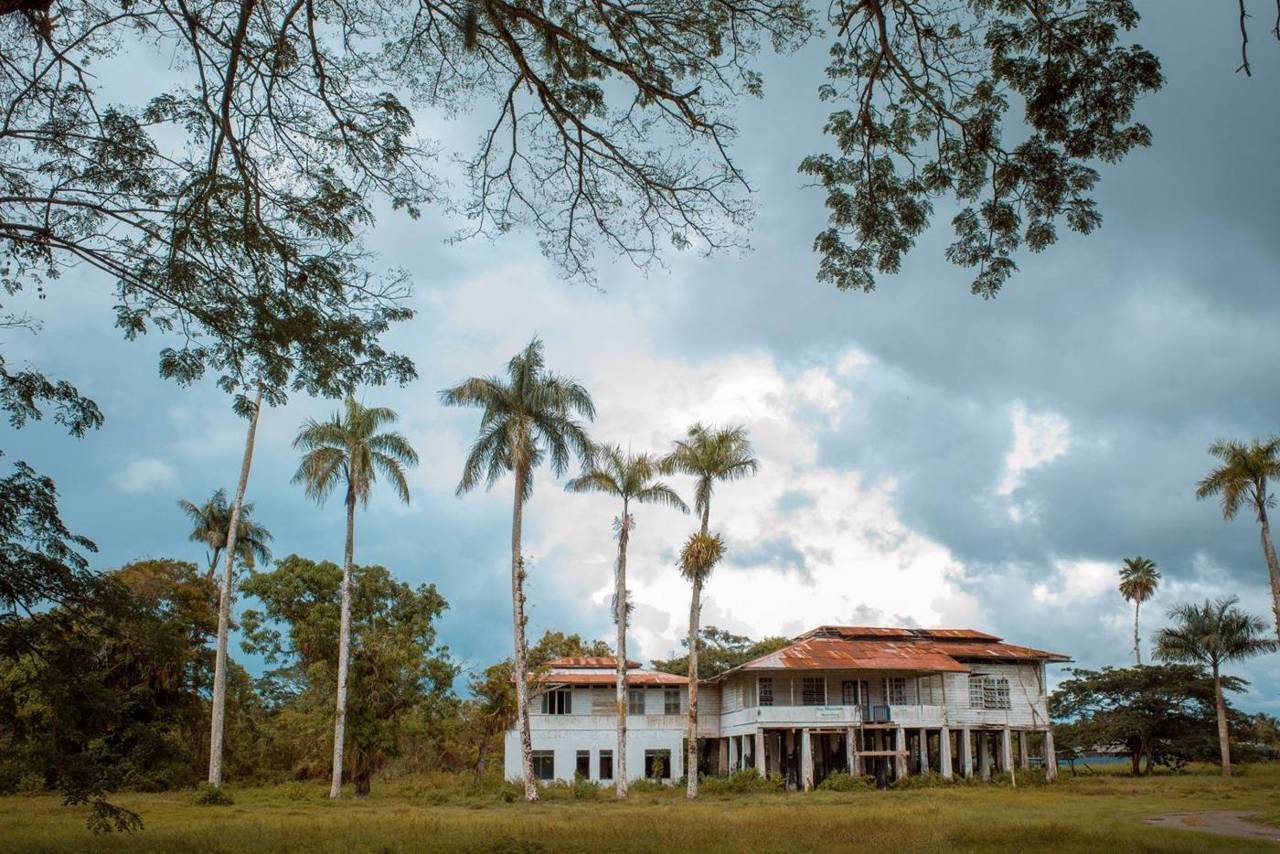
By boat up the Suriname river to Maroon villages, rapids and rainforest lodges, with the Central Suriname reserve as backdrop.
 2 daysEasy
Brownsberg and Brokopondo
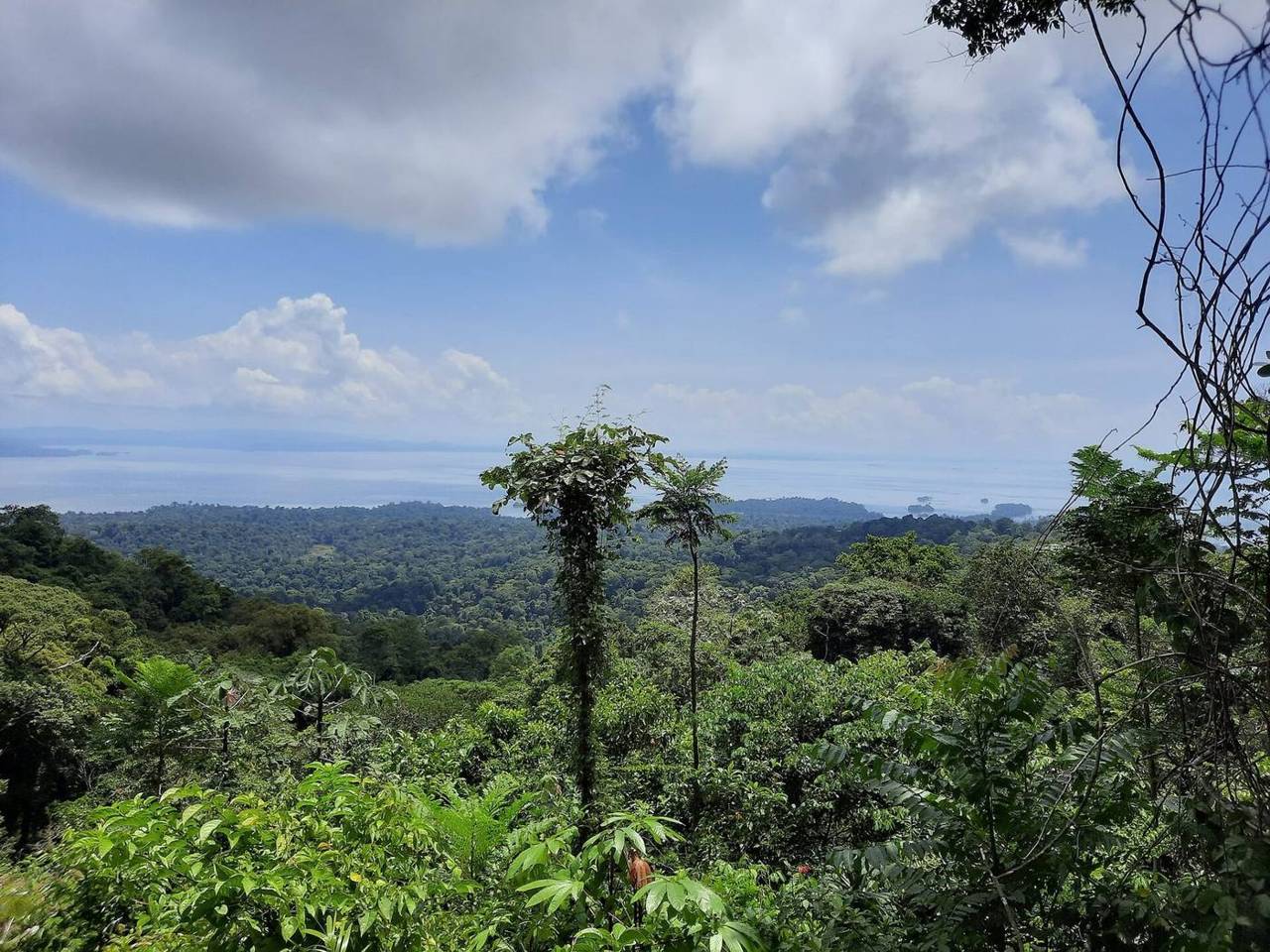
Brownsberg park on a forested plateau, with howler monkeys, waterfalls and the view over the large Brokopondo reservoir, plus a night on Tonka island in the lake.
 2 daysEasy
The turtles of Galibi
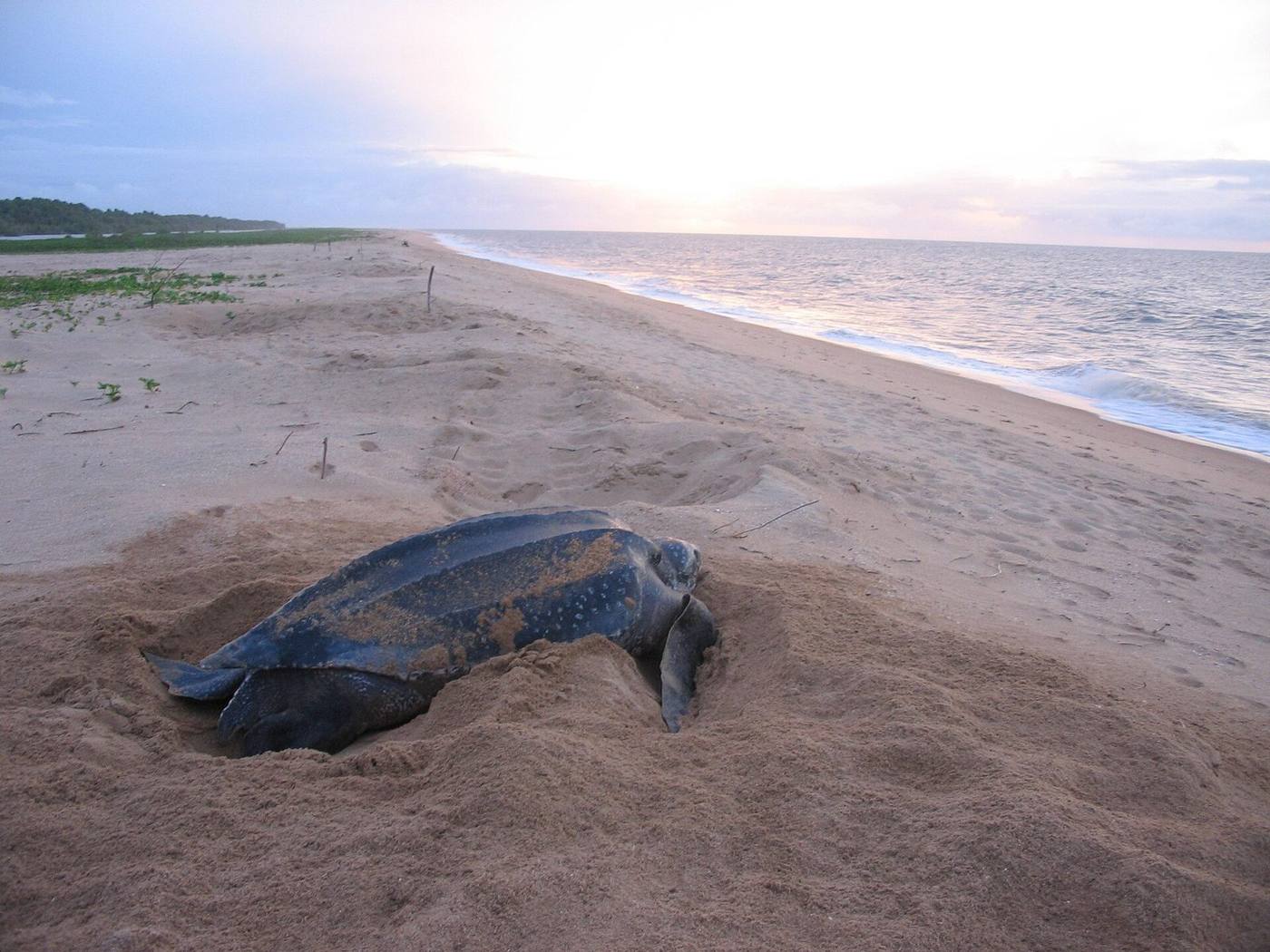
The Galibi reserve at the mouth of the Marowijne River, where leatherback and green turtles come to lay their eggs, with Kalina villages guiding visitors.