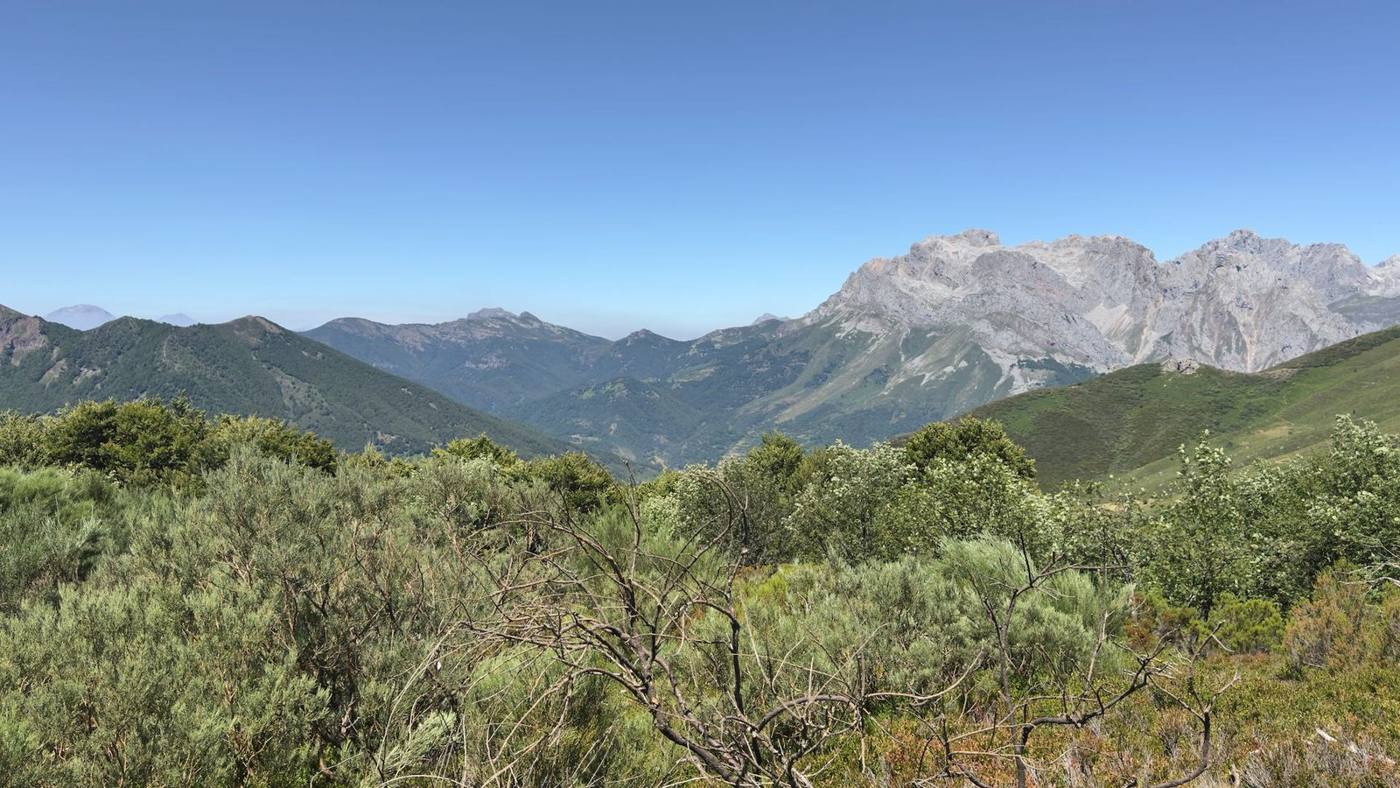
Green Spain: Basque Country, Cantabria and Asturias
The Spain you don't expect: pintxos in San Sebastián, the Guggenheim, cliffs and the Picos de Europa.
- Bilbao
- San Sebastián
- Santillana del Mar
- Picos de Europa
- Covadonga
- Oviedo
Day by day
- Day 1
Arrival in Bilbao and the Guggenheim
This trip follows Green Spain, the northern coast facing the Cantabrian Sea, far from the heat and beaches of the south: the Basque Country with Bilbao and San Sebastián, Cantabria with its medieval villages and cave art, the Picos de Europa mountains and the coast of Asturias, with cliffs, cider and fishing villages.
Before you leave: Spain is part of the Schengen area. Italian citizens need a valid electronic identity card for travel abroad or a passport; the paper identity card has no longer been valid for travel abroad since 3 August 2026. Other nationalities should check their own rules.
You fly into Bilbao airport, about twenty minutes from the centre by bus. You need a car for this trip from the second or third day; you do not need one in Bilbao and San Sebastián.
In the afternoon visit the Guggenheim Museum, the titanium, glass and stone building designed by Frank Gehry and opened in 1997, which turned an industrial city into a cultural destination. Outside are the giant flower covered dog and the huge bronze spider. Inside are contemporary art and Richard Serra's great steel installation. Check opening hours and prices.
In the evening walk in the Casco Viejo, the old town with its Siete Calles, and try pintxos, small bites of bread with various toppings, in the bars of Plaza Nueva.
Sleep in Bilbao.
Practical tip: it rains often in northern Spain, even in summer. Bring a waterproof jacket and suitable shoes.
- Day 2
San Sebastián: La Concha and pintxos
In the morning take the bus or train to San Sebastián, Donostia in Basque, about an hour and a quarter, one of the most elegant cities in Spain, with Belle Époque buildings around a perfect bay.
Walk on La Concha beach, a crescent of pale sand between two hills, with the white railing of the promenade and Santa Clara island in the middle of the bay. At the west end is the Peine del Viento, the comb of the wind, three iron sculptures by Eduardo Chillida anchored to the rocks, where waves surge in with spray and gusts of air.
In the afternoon go up Monte Igueldo on the old wooden funicular for the view over the whole bay, or climb Monte Urgull on foot from the harbour, among old fortifications and the large statue of the Sacred Heart. Check funicular times and prices.
In the evening tour the bars of the Parte Vieja, the old town: in each bar you have one or two pintxos and a glass, then move on to the next. Try txakoli, the slightly sparkling white wine, poured from a height.
Return to Bilbao in the evening, or sleep in San Sebastián and collect the car in the morning.
Sleep in San Sebastián or Bilbao.
Practical tip: lodgings in San Sebastián are expensive in summer. Book ahead or stay in Bilbao.
- Day 3
San Juan de Gaztelugatxe and the Basque coast
Today pick up the car and drive the Basque coast east of Bilbao.
The first stop is San Juan de Gaztelugatxe, a rocky islet linked to the coast by a stone bridge and a zig zag stairway of about two hundred and forty steps up to a small hermitage at the top. Tradition says that at the top you ring the bell three times and make a wish. It has become very famous, partly because it was used as a set for a television series. At certain times of year access requires an online booking with a time slot: check before you go. From the car park you walk down and back up, about an hour and a half in all.
Then continue to Bermeo, a fishing port with colourful houses, and to Mundaka, famous among surfers for a very long wave at the mouth of the estuary.
In the afternoon cross the Urdaibai biosphere reserve, an estuary of marshes and woods, and visit Gernika, the town bombed in 1937 during the Civil War, with the Casa de Juntas and the Tree of Gernika, symbol of Basque liberties. Check opening hours.
Sleep in Bilbao or along the coast.
Practical tip: at Gaztelugatxe wear shoes with a good grip. The steps are uneven and slippery in the rain.
- Day 4
Santillana del Mar and the Altamira cave
In the morning drive west, about an hour and a half, into Cantabria.
You reach Santillana del Mar, one of the prettiest medieval villages in Spain, with cobbled streets, stone houses with wooden balconies and coats of arms, and the Romanesque collegiate church of Santa Juliana, with a cloister of carved capitals. It is said that the name is a triple lie: it is not holy, not flat and not on the sea.
Two kilometres away is the Altamira museum, devoted to the Altamira cave, with Palaeolithic paintings of bison, horses and deer, painted some fifteen thousand years ago and more, called the Sistine Chapel of prehistoric art. The original cave is closed to protect it; the museum has a faithful replica, the Neocueva, which lets you see the paintings as they were. Check opening hours and prices.
In the afternoon visit Comillas, a seaside town with El Capricho, a colourful villa designed by the young Antoni Gaudí and decorated with sunflower tiles, and the neo Gothic Sobrellano palace. Check opening hours and prices.
In the evening continue towards the Picos de Europa.
Sleep in Potes or the Liébana valley.
Practical tip: Cantabria has other caves with original paintings that can be visited by reservation, such as El Castillo. Places are few: check in advance.
- Day 5
Picos de Europa: Fuente Dé
Today you are in the Picos de Europa, a massif of limestone mountains rising to over two thousand six hundred metres just a few kilometres from the sea, protected by Spain's oldest national park.
In the morning drive from Potes to Fuente Dé at the head of the valley, where a cable car rises about eight hundred metres in a few minutes to a viewpoint on a vertical rock face. Check times and prices: in summer the queues are long, so arrive early.
At the top walk across the plateau among white rocks, meadows and chamois, towards the Áliva refuge, on a wide, easy track. You can walk down to Espinama in the valley instead of taking the cable car back: about three or four hours downhill.
In the afternoon return to Potes, a stone town with medieval bridges over the Deva river and the Infantado tower. Nearby is the monastery of Santo Toribio de Liébana, which keeps what tradition considers the largest fragment of the cross of Christ, and is one of the Jubilee destinations of the Catholic Church.
In the evening try cocido lebaniego, a chickpea stew with meat, and orujo, the local grape spirit.
Sleep in Potes.
Practical tip: in the mountains the weather changes fast and fog rolls in from the sea. Bring warm layers even in summer.
- Day 6
The Cares Trail
Today you walk the Cares Trail, one of the most famous paths in Spain, cut into the rock along the gorge of the Cares river between the sheer walls of the Picos de Europa.
Drive from Potes to Posada de Valdeón or Caín, in León, over the San Glorio pass or along the gorge road, or start from the Asturian side at Poncebos. The path from Caín to Poncebos is about twelve kilometres one way, with few ups and downs: it runs along ledges cut into the rock, hand dug tunnels and bridges over the river, which flows turquoise hundreds of metres below. It was built to maintain a channel carrying water to a hydroelectric plant.
In many sections there are no railings: anyone who suffers from vertigo should take care. Many people walk only part of it and turn back; for the full route you need a car waiting at the other end or a taxi service, as the two villages are far apart by road.
In the afternoon, at Poncebos, you can take the underground funicular to Bulnes, a village with no road among the mountains. Check times and prices.
Sleep in Arenas de Cabrales or Cangas de Onís.
Practical tip: carry enough water and a hat. The gorge is very hot in summer and there are few springs along the path.
- Day 7
Covadonga and the lakes
In the morning visit Covadonga, in Asturias, a sanctuary in the mountains where, according to tradition, Pelayo won a battle against the Muslims in 722, the start of the Reconquista. In a cave in the rock face above a waterfall is the Santa Cueva, a chapel with a much venerated statue of the Virgin. Below is a neo Romanesque basilica of pink stone.
Then go up to the Lakes of Covadonga, Enol and Ercina, two mountain lakes at over a thousand metres, surrounded by meadows, cows, horses and limestone peaks, on a narrow winding road. In high season and on some holidays the road is closed to private cars and you go up by bus from the valley: check dates and times.
Around the lakes is an easy loop of about five kilometres, with the visitor centre and an old mine. In good weather you see the Picos peaks above the lakes.
In the afternoon go down to Cangas de Onís, with its humpbacked Romanesque bridge over the Sella river and a cross hanging under the central arch.
In the evening try fabada asturiana, a white bean stew with cured meats, and Cabrales cheese, a strong blue cheese matured in caves.
Sleep in Cangas de Onís.
Practical tip: fog at the lakes is frequent. If the morning is cloudy, go up in the afternoon.
- Day 8
The Asturian coast: Llanes and the cliffs
Today you head down to the Asturian coast, about half an hour from Cangas de Onís.
In the morning visit Llanes, a small town with a fishing harbour, medieval walls and a breakwater decorated with the Cubes of Memory, concrete blocks painted in bright colours by the artist Agustín Ibarrola.
Then walk the Paseo de San Pedro, a path above the cliffs with a green meadow dropping to the sea, and look for the bufones, holes in the rock set back from the shore where, in rough seas, water from the waves shoots up with a roar like a geyser. The best known are at Pría and Arenillas. In rough seas keep away from the holes: the spout is violent and the ground is slippery.
In the afternoon look for the coast's beaches, some hidden among the cliffs: Gulpiyuri, a small inland beach in the middle of a meadow about a hundred metres from the sea, fed by water seeping under the rock; Torimbia, a sandy bowl between green hills; and Cuevas del Mar, with rock arches.
In the evening have Cantabrian Sea fish, anchovies, hake or seafood.
Sleep in Llanes or along the coast.
Practical tip: on Cantabrian beaches the tide changes a lot. Check the tide times before going down to a beach.
- Day 9
Oviedo and cider
In the morning drive west to Oviedo, about an hour and a quarter, the capital of Asturias, an elegant, clean city with a pedestrian old town.
Visit the Gothic cathedral of San Salvador, with the Cámara Santa, an older chapel that keeps relics and precious crosses of the Kingdom of Asturias. Then stroll through the centre, among arcaded squares, the El Fontán covered market and the bronze statues dotted around the streets. Check opening hours and prices.
On Mount Naranco, just outside the city, visit Santa María del Naranco and San Miguel de Lillo, two small ninth century buildings, examples of Asturian pre Romanesque art and World Heritage Sites, built when the rest of Spain was under Muslim rule. Check times and visits.
In the afternoon go to a sidrería, a cider house, in Calle Gascona, called the Cider Boulevard. Asturian cider is poured from a height, with the arm raised above the head and the glass held low, to make it fizz: this is called escanciar. You drink it at once, in one gulp, leaving a little at the bottom of the glass.
In the evening have Asturian dishes in a sidrería.
Sleep in Oviedo.
Practical tip: cider has less alcohol than wine, but people drink a lot of it. Do not drive after dinner.
- Day 10
Departure
On the last day leave from Asturias airport, about forty minutes from Oviedo, or return to Bilbao, about three hours on the motorway along the coast, to return the car and take your flight.
If you head back to Bilbao and have time, stop on the way in Santander, the capital of Cantabria, with the Magdalena peninsula, the royal palace by the sea and the Centro Botín, an art museum suspended over the harbour, designed by Renzo Piano. Or stop at Castro Urdiales, a port with a Gothic church and a castle on a rocky spur.
If you leave from Asturias, in the morning you can visit Gijón, the largest city in Asturias, with San Lorenzo beach, the old fishermen's quarter of Cimadevilla and the Eulogy to the Horizon, a great concrete sculpture by Chillida on the headland.
Before leaving buy something to take home: Cabrales or Idiazabal cheese, tinned Cantabrian anchovies, Asturian cider, sobaos and quesadas from Cantabria, Basque txakoli.
This trip shows a Spain unlike the postcards: green, cool, mountainous, facing a wild sea, with some of the best food in Europe.
Practical tip: returning the car at a different airport from where you picked it up can cost extra. Check when you book.
The most surprising Spain for those who only know the south: green hills, mountains, cliffs and the country's best food. The climate is Atlantic, and it can rain even in summer. The Cares trail in the Picos de Europa is an easy and spectacular walk.
Before you go
- Documents and visa
- EU citizens need a valid identity card or passport. Other nationalities should check the Schengen rules.
- Health and vaccines
- No vaccines required. EU citizens should bring their EHIC; in summer the south often goes above 40 °C. Emergencies: 112.
- Money and payments
- Euro. Cards are accepted almost everywhere. Catalonia, the Balearics and some other areas charge a tourist tax per person per night.
- Power sockets
- Types C and F, 230 volts.
- Time zone
- Central European Time (UTC+1, summer UTC+2); the Canary Islands are one hour behind.
- Safety
- A safe country. In Barcelona and Madrid pickpocketing is common on the metro, on the Ramblas and in crowded places. Official advice: GOV.UK.
Information checked in November 2026 for Italian and EU citizens. Rules change: always check before you travel.
Variations
In 7 days: Bilbao, San Sebastián, Santillana del Mar and the Picos de Europa, without the Asturian coast.
In 14 days: add Galicia, with Santiago de Compostela and the Rías Baixas.
Frequently asked questions
Which document do I need?
Spain is part of the Schengen area: Italian citizens need a valid electronic identity card for travel abroad or a passport. Other nationalities should check their own rules.
Do I need a car?
Yes, from the third day: the Picos de Europa, the coast and the villages are hard to reach by public transport. You do not need one in Bilbao and San Sebastián.
When should I go?
June to September for the most settled weather, but May and October are also lovely and less crowded. Rain is possible in any month.
Indicative itinerary written by World Atlas. Before booking, check timetables, seasonal openings, documents and safety.
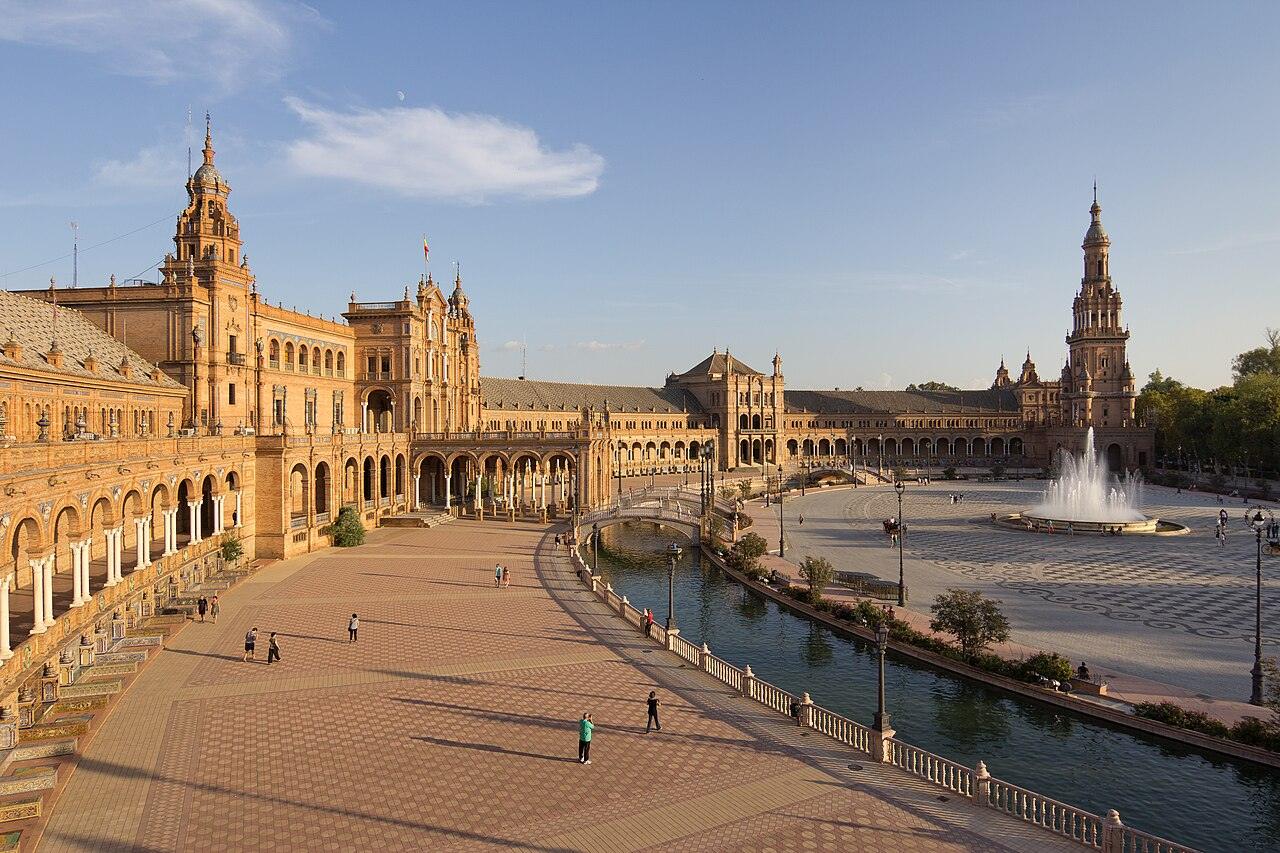 7 daysEasy
Andalusia: Seville, Córdoba and Granada
Spain's three most beautiful Moorish cities, among flamenco, patios and the Alhambra.
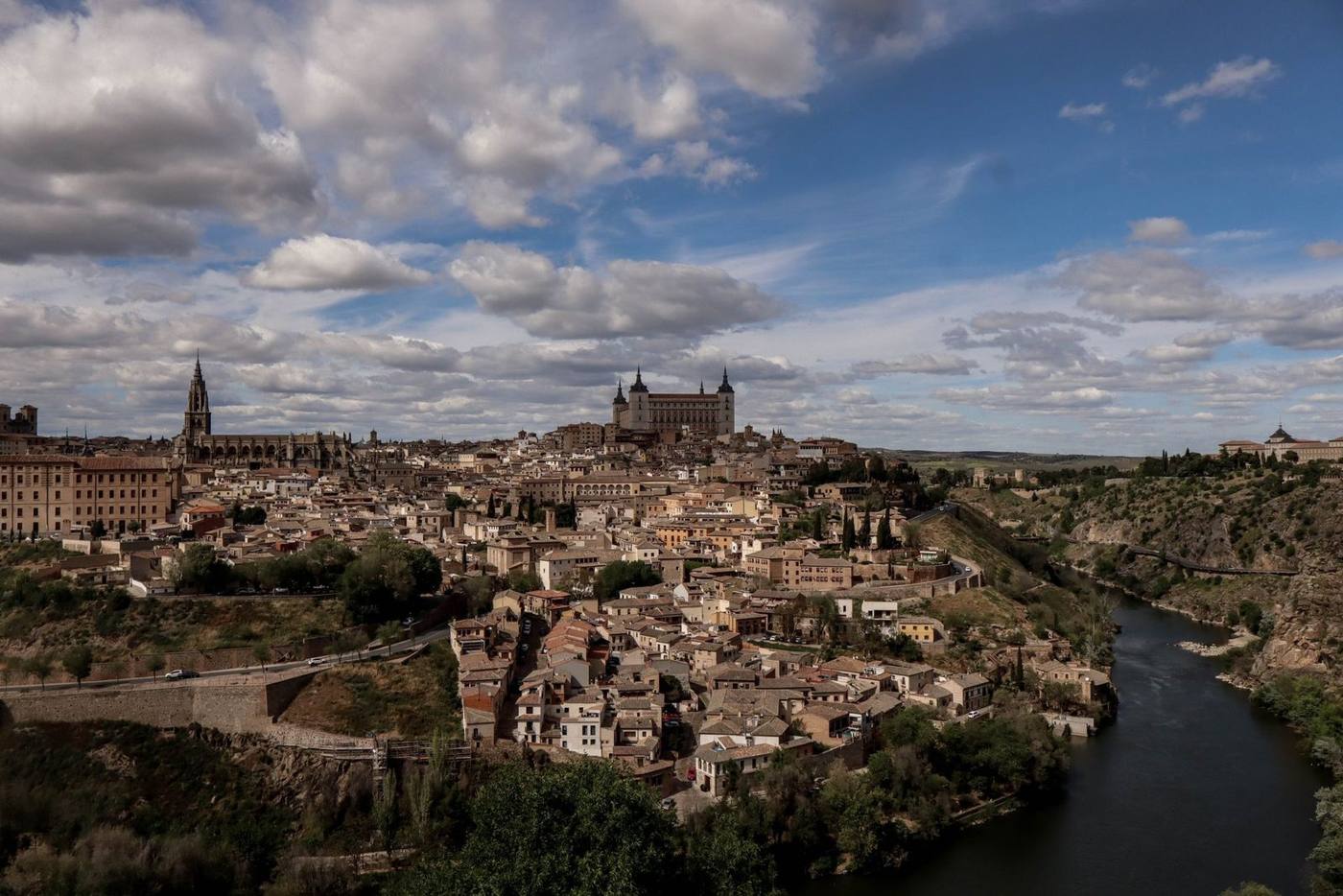 10 daysEasy
Madrid, Toledo, Barcelona
Spain's two great capitals and the city of three cultures, linked by high-speed rail.
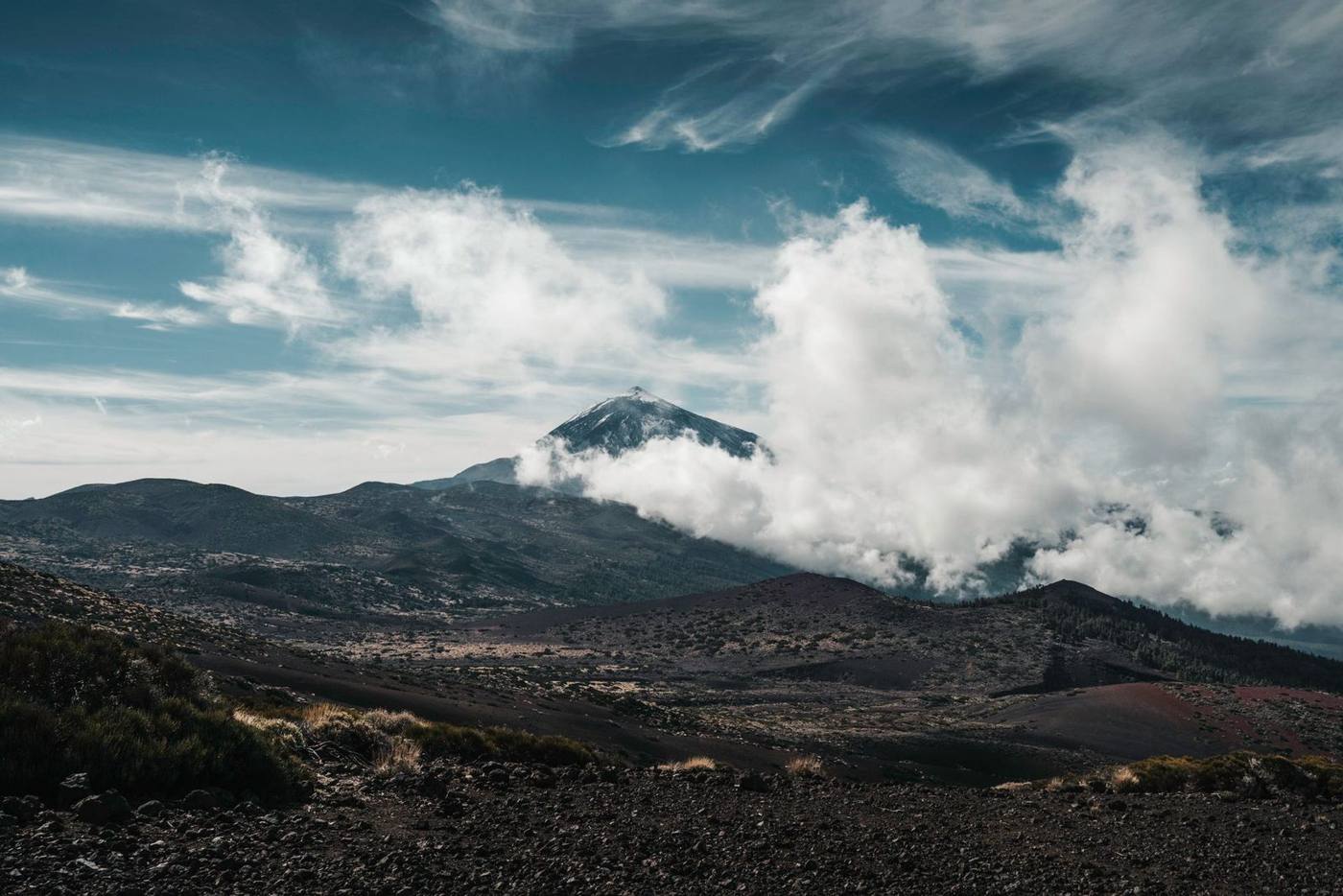 7 daysEasy
Tenerife and La Gomera
Sun all year: Teide volcano, the Los Gigantes cliffs, whales and the La Gomera forest.