Andalusia: Seville, Córdoba and Granada
Spain's three most beautiful Moorish cities, among flamenco, patios and the Alhambra.
- Seville
- Córdoba
- Granada
Day by day
- Day 1
Arrival in Seville and the Barrio Santa Cruz
Seville airport has flights from many European cities; a bus takes about half an hour to the centre. Coming from Madrid, the high-speed train takes about two and a half hours to Santa Justa station. For the first three nights choose accommodation in the old town, between the Barrio Santa Cruz, the Arenal and the area around the cathedral: everything can be done on foot.
In the afternoon lose yourself in the Barrio Santa Cruz, the old Jewish quarter: narrow lanes designed for shade, little squares with orange trees, tiled patios glimpsed through doorways. Pass through plaza de Santa Cruz, plaza de Doña Elvira and the callejón del Agua, which runs along the walls of the Alcázar gardens. Then reach the Guadalquivir river and the Torre del Oro, the Almohad watchtower on the bank.
At sunset go up the Metropol Parasol, the huge mushroom-shaped wooden structure on plaza de la Encarnación: the paid walkway on top gives a wide view of rooftops and bell towers. In Andalusia dinner is late, rarely before nine. Do a round of tapas bars: spinach with chickpeas, fried fish, montaditos, salmorejo, a cold tomato cream, and a glass of manzanilla or fino, the dry wines of the province of Cádiz.
Practical tip: from mid-June to mid-September the afternoon heat in Seville is extreme. Plan visits for the morning and after six in the evening, and rest in the middle of the day as the locals do.
- Day 2
The cathedral and the Giralda, the Real Alcázar, plaza de España and Triana
Start with the cathedral, the largest Gothic church in the world, built on the site of the great mosque. Inside is the funeral monument of Christopher Columbus, carried by four kings. Climb the Giralda, the old minaret turned bell tower: there are no stairs but a series of ramps, designed to be ridden up on horseback, and from the top the view covers the whole city. Buy your ticket online to skip the queue.
Nearby is the Real Alcázar, the oldest royal palace still in use in Europe, with Mudéjar halls, the Courtyard of the Maidens and large gardens with fountains and peacocks. Book a time slot online, especially in spring, when queues reach an hour. Allow a good two hours; the royal apartments upstairs can only be visited with a separate ticket.
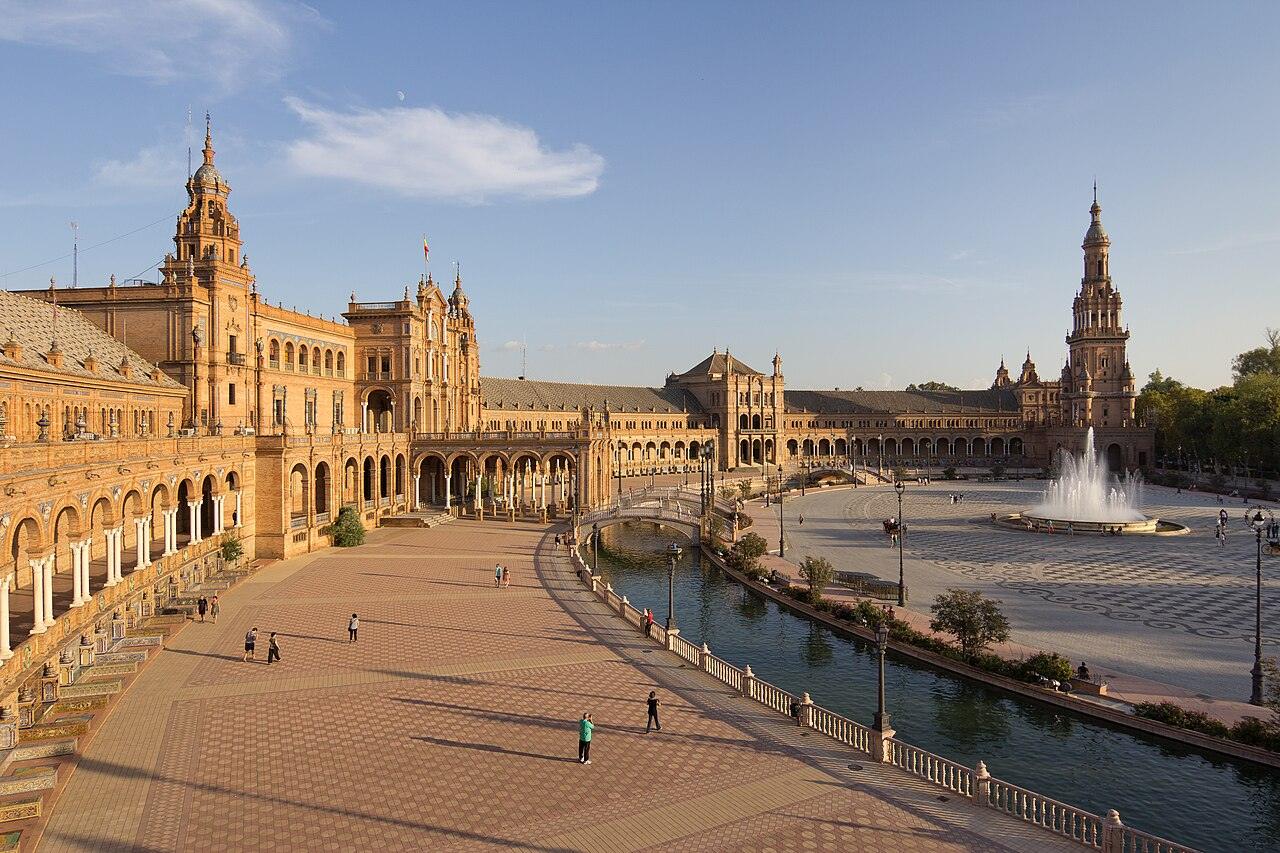
In the afternoon walk through María Luisa Park to plaza de España, the great semicircle of brick and ceramics built for the 1929 exhibition, with a tiled bench for every Spanish province. Entry is at no cost; you can also hire a small boat on the canal.
In the evening cross the Isabel II bridge to Triana, the potters' and sailors' quarter on the other bank. Here flamenco is performed in small venues: choose the intimate ones, where the music is unamplified. Practical tip: cover shoulders and knees for churches.
- Day 3
Train to Córdoba: the Mezquita and the patios
The high-speed train from Seville to Córdoba takes about forty-five minutes: take one of the first of the morning and leave your luggage in storage or at your accommodation. From the station to the old town is a twenty-minute walk or a short taxi ride.
The Mezquita-Catedral is the reason for the trip: a forest of more than eight hundred columns with red and white striped arches, built in several phases from the 8th century as the main mosque of al-Andalus, with a mihrab covered in gold mosaics. In the 16th century a Renaissance cathedral was built in the middle, which appears suddenly when you look up between the arches. Arrive at opening time and buy your ticket online; allow an hour and a half. The bell tower, paid with a set time, gives a view over the city.
After lunch walk through the Judería, the old Jewish quarter, to the medieval synagogue and the calleja de las Flores, the lane with pots of geraniums on white walls and the Mezquita's tower at the end. Many houses have flowered patios visible from the street; in May the patio festival opens dozens of private courtyards to visitors.
At sunset cross the Puente Romano, the Roman bridge over the Guadalquivir, and look back at the lit Mezquita from the far bank, by the Calahorra tower. Sleep in Córdoba. For dinner try salmorejo, which was born here, and flamenquín, rolled and fried meat. Practical tip: in July and August Córdoba is often the hottest city in Spain.
- Day 4
Granada: the Albaicín and sunset from the Mirador de San Nicolás
The train from Córdoba to Granada takes about an hour and a half. For the last nights stay in the centre, near the cathedral, or in the Albaicín, the quarter on the hill facing the Alhambra: more beautiful and quieter, but with steep climbs and streets cars cannot enter.
In the afternoon visit the centre: the Renaissance cathedral and next to it the Capilla Real, where the Catholic Monarchs, Isabella and Ferdinand, are buried; in 1492 they took Granada, the last Muslim kingdom of the peninsula. Opposite is the Alcaicería, the old silk market, now a maze of lanes with stalls of lanterns and ceramics.
Then walk up into the Albaicín from the Carrera del Darro, the street along the little river below the Alhambra. On the way are the Bañuelo, 11th-century Arab baths, among the best preserved in Spain. White lanes lined with carmenes, houses with gardens behind high walls, climb to the Mirador de San Nicolás: from here at sunset the Alhambra turns red in front of the peaks of the Sierra Nevada, snow-capped until spring. Arrive a little early, it is the city's busiest viewpoint.
Granada still keeps the custom of the no-cost tapa: in many bars each drink comes with a small plate of food. Practical tip: in the Albaicín at night keep an eye on bags and phones in the dark lanes and walk back along the main streets.
- Day 5
The Alhambra and the Generalife
This is the most important day of the trip, and it must be prepared weeks in advance. The general ticket, covering the Nasrid Palaces, the Alcazaba, the Generalife and the gardens, costs 21 euros, or 22.27 bought online on the official website with the booking fee. It sells out well ahead, especially in spring: buy it as soon as you have dates, from the official website, and avoid resellers charging inflated prices. The ticket is in your name and must be shown with ID.
The tricky part is the time slot for the Nasrid Palaces: your ticket shows a half-hour window, and if you arrive late you lose the visit, with no refund. About 300 people enter every half hour. From the main entrance to the palaces is a fifteen-minute walk: plan the rest of your visit around that time.
The Nasrid Palaces are the heart: the Mexuar, the Comares Palace with the Court of the Myrtles and the Hall of the Ambassadors, then the Palace of the Lions with its courtyard and fountain, and the stalactite vaults of the Hall of the Two Sisters. Then the Alcazaba, the fortress, with the Torre de la Vela and its view over the city, and the Renaissance Palace of Charles V with its circular courtyard. Finally walk to the Generalife, the sultans' summer residence, with its gardens and the Patio de la Acequia, the long canal between fountains.
Allow four hours. Practical tip: bring water and a hat, as the paths between areas have little shade.
- Day 6
The Sacromonte and a slow afternoon
After the Alhambra, the pace slows. In the morning go up to the Sacromonte, the quarter of houses dug into the hillside, lived in for centuries by the Gitano community. The cave museum shows how people lived in the caves, with white rooms and old tools. Higher up is the Sacromonte Abbey, with its catacombs, and from the path you see the Alhambra from a different angle, above the Darro valley.
In the afternoon, during the hot hours, spend a couple of hours in one of the city's modern Arab baths: hot, warm and cold pools in rooms with arches and lanterns, with the option of a massage. They are booked by time slot. Alternatively visit the Cartuja monastery, with the most lavish Baroque sacristy in Spain, or the Paseo de los Tristes, the walk along the Darro beneath the Alhambra walls.
In the evening return to the Sacromonte for the zambra, Granada's flamenco danced in the caves, a few metres from the audience. It is a tourist experience, but the music is genuine: choose a show in a small cave and book ahead.
Last dinner in Granada: try habas con jamón, broad beans with ham, fried aubergines with cane honey and, for dessert, piononos, small cakes from the nearby town of Santa Fe. Practical tip: city minibuses run up to the Sacromonte and the Albaicín and spare you the hardest climbs.
- Day 7
Departure from Granada or Málaga
Granada airport has few international flights, so many travellers leave from Málaga. Granada to Málaga is about an hour and a half by bus or car; trains are less convenient and less frequent. From Málaga bus station the local train reaches the airport in a few minutes. If your flight is in the afternoon, leave in the morning and allow at least three hours' margin.
If you have a few hours, Málaga has plenty to see near the centre: the Alcazaba and the Gibralfaro castle on the hill, with views over the port, the Roman theatre at the foot of the fortress, the unfinished cathedral, nicknamed La Manquita because it has only one tower, and the Picasso museum in the city where the painter was born. The old town is pedestrian and the harbour promenade, Muelle Uno, leads to the sea.
If instead you leave from Granada, use the morning for a last walk in the Albaicín or along the Paseo de los Tristes, and to buy things to take home: olive oil from the province of Jaén, Fajalauza pottery, Granada's blue and white ceramics, or tea and spices in the shops of the Calderería lane.
Practical tip: bus tickets between Granada and Málaga are sold online and at weekends and in summer should be bought a few days ahead. If you rent a car to return, remember that motorways in southern Spain are largely clear of toll.
The three finest cities of Moorish Spain in one week, all linked by train. Alhambra tickets sell out weeks ahead and should be bought on the official site. In July and August the heat often exceeds 40 degrees, so spring and autumn are far better.
Before you go
- Documents and visa
- EU citizens need a valid identity card or passport. Other nationalities should check the Schengen rules.
- Health and vaccines
- No vaccines required. EU citizens should bring their EHIC; in summer the south often goes above 40 °C. Emergencies: 112.
- Money and payments
- Euro. Cards are accepted almost everywhere. Catalonia, the Balearics and some other areas charge a tourist tax per person per night.
- Power sockets
- Types C and F, 230 volts.
- Time zone
- Central European Time (UTC+1, summer UTC+2); the Canary Islands are one hour behind.
- Safety
- A safe country. In Barcelona and Madrid pickpocketing is common on the metro, on the Ramblas and in crowded places. Official advice: GOV.UK.
Information checked in November 2026 for Italian and EU citizens. Rules change: always check before you travel.
Variations
In 5 days: two days in Seville, Córdoba as a day trip on the morning train returning in the evening, then two days in Granada with the Alhambra. You give up the Sacromonte and the night in Córdoba.
In 10 days: add Ronda and the pueblos blancos, a day in Cádiz and Jerez for sherry and a day on the coast at Nerja, or two days in the Sierra Nevada and the Alpujarras.
Frequently asked questions
How far ahead should I book the Alhambra?
As early as possible. Tickets sell out weeks ahead in spring and autumn, and often at winter weekends too. The general ticket costs 21 euros, 22.27 online on the official website; the Nasrid Palaces can only be visited in the half-hour slot shown. If you cannot find a place, authorised guided tours include the ticket, at a higher price.
When is the best time to go?
From March to May and from mid-September to November. In July and August Seville and Córdoba often exceed 40 °C, and sightseeing is only possible in the morning and evening. Holy Week and the April Fair in Seville are spectacular, but accommodation costs much more and must be booked months ahead.
Do I need a car?
No. Seville, Córdoba and Granada are linked by train, and the old towns are explored on foot, where cars often cannot enter. You only need a car if you add the pueblos blancos, the Sierra Nevada or the coast.
Indicative itinerary written by World Atlas. Before booking, check timetables, seasonal openings, documents and safety.
 10 daysEasy
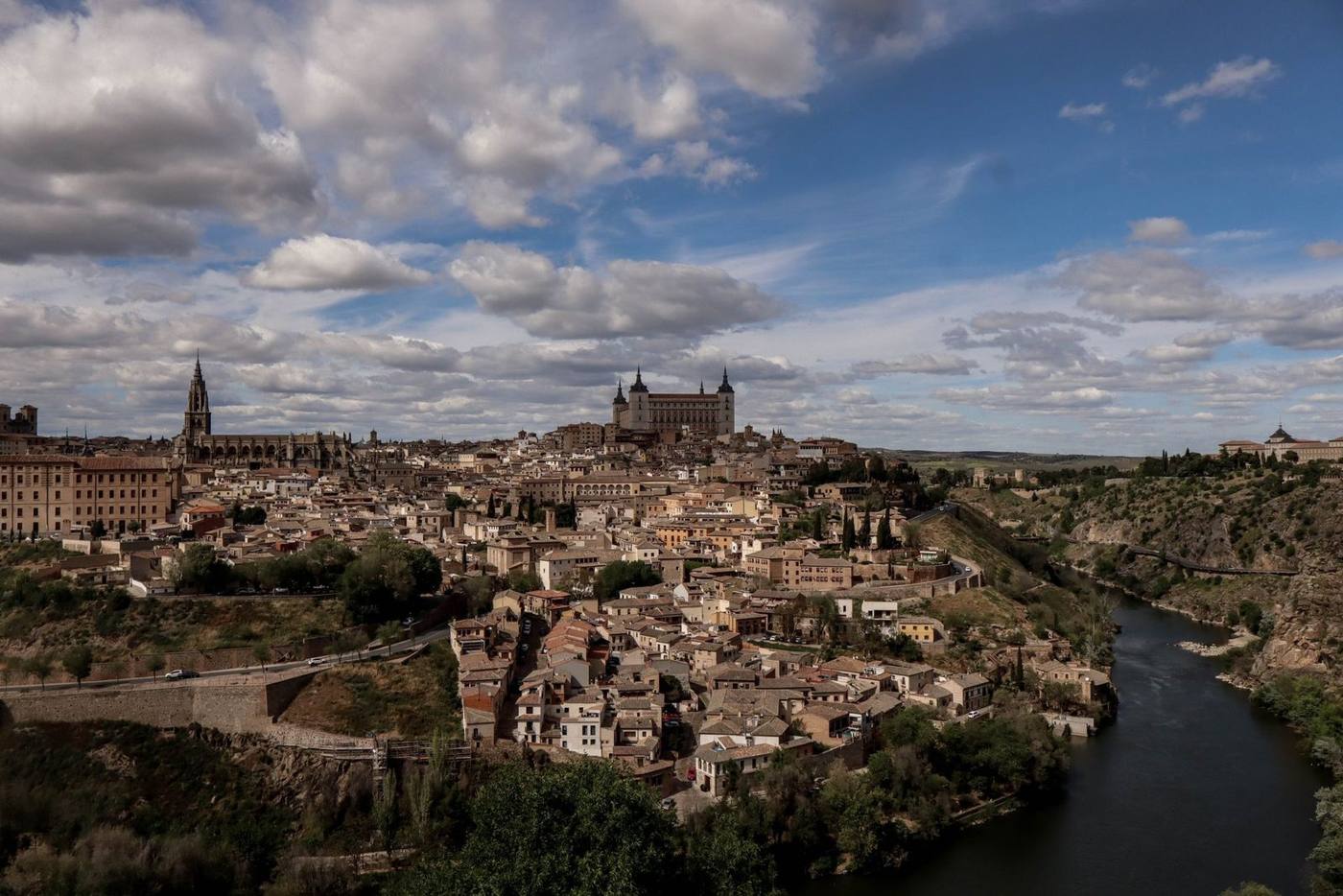
Madrid, Toledo, Barcelona
Spain's two great capitals and the city of three cultures, linked by high-speed rail.
 7 daysEasy
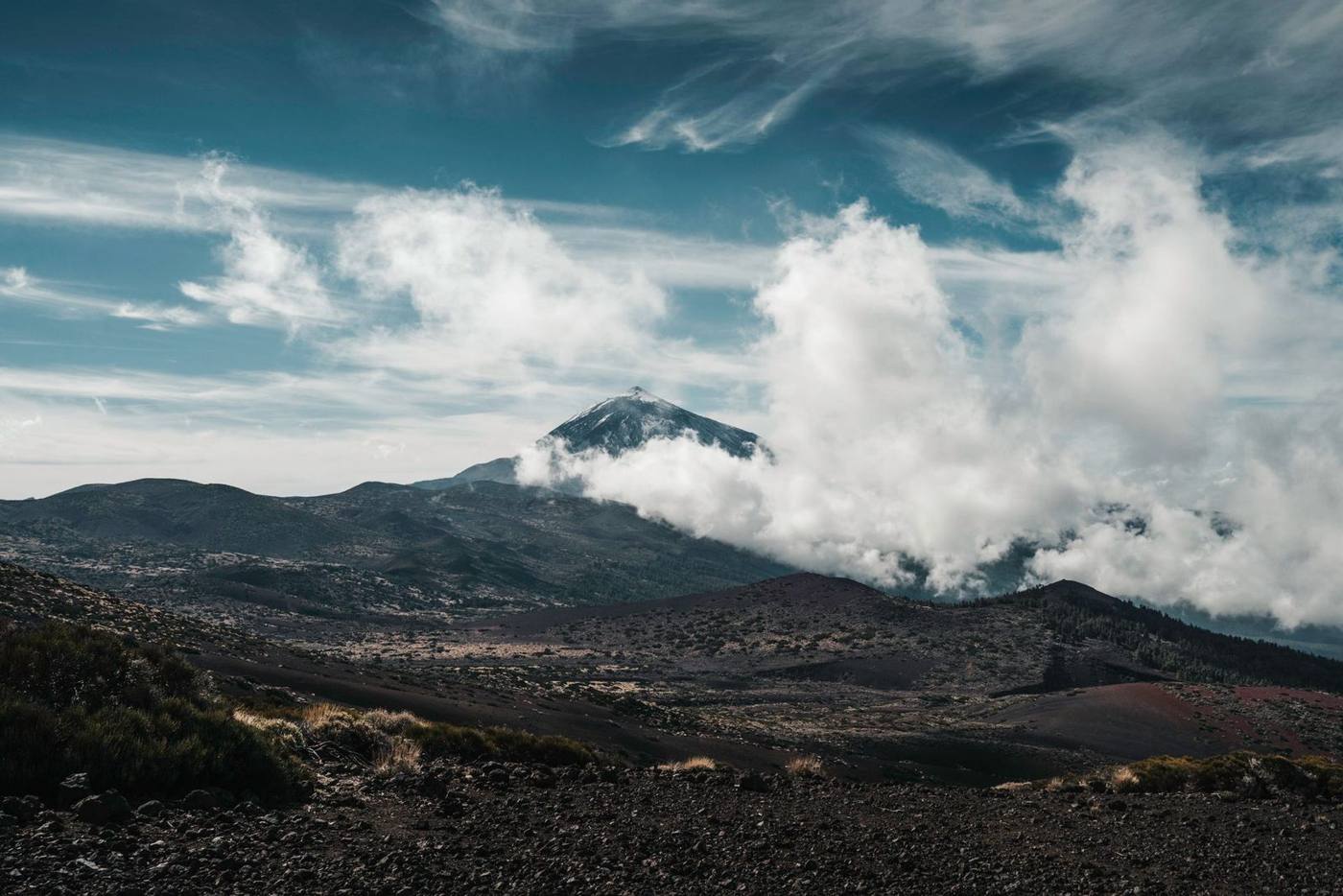
Tenerife and La Gomera
Sun all year: Teide volcano, the Los Gigantes cliffs, whales and the La Gomera forest.
 10 daysModerate
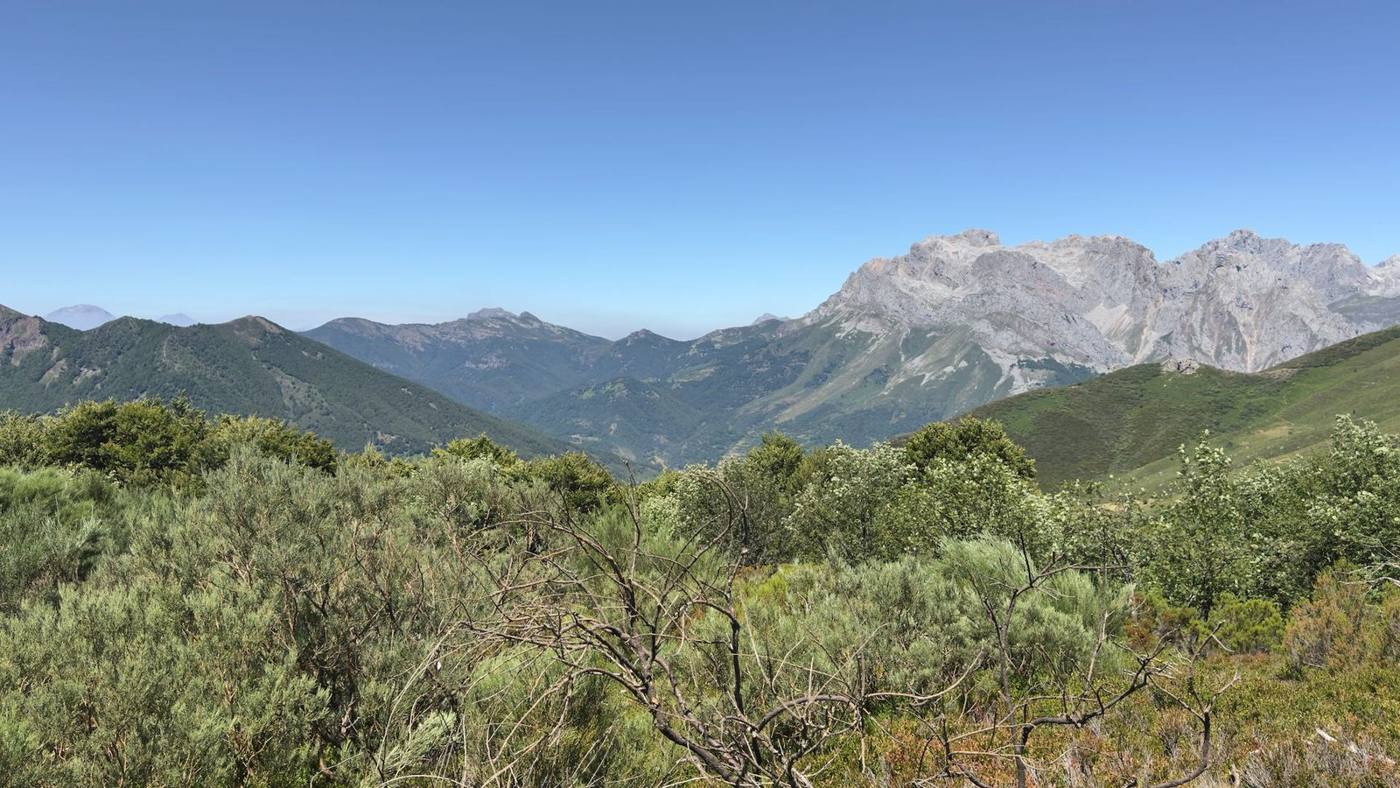
Green Spain: Basque Country, Cantabria and Asturias
The Spain you don't expect: pintxos in San Sebastián, the Guggenheim, cliffs and the Picos de Europa.