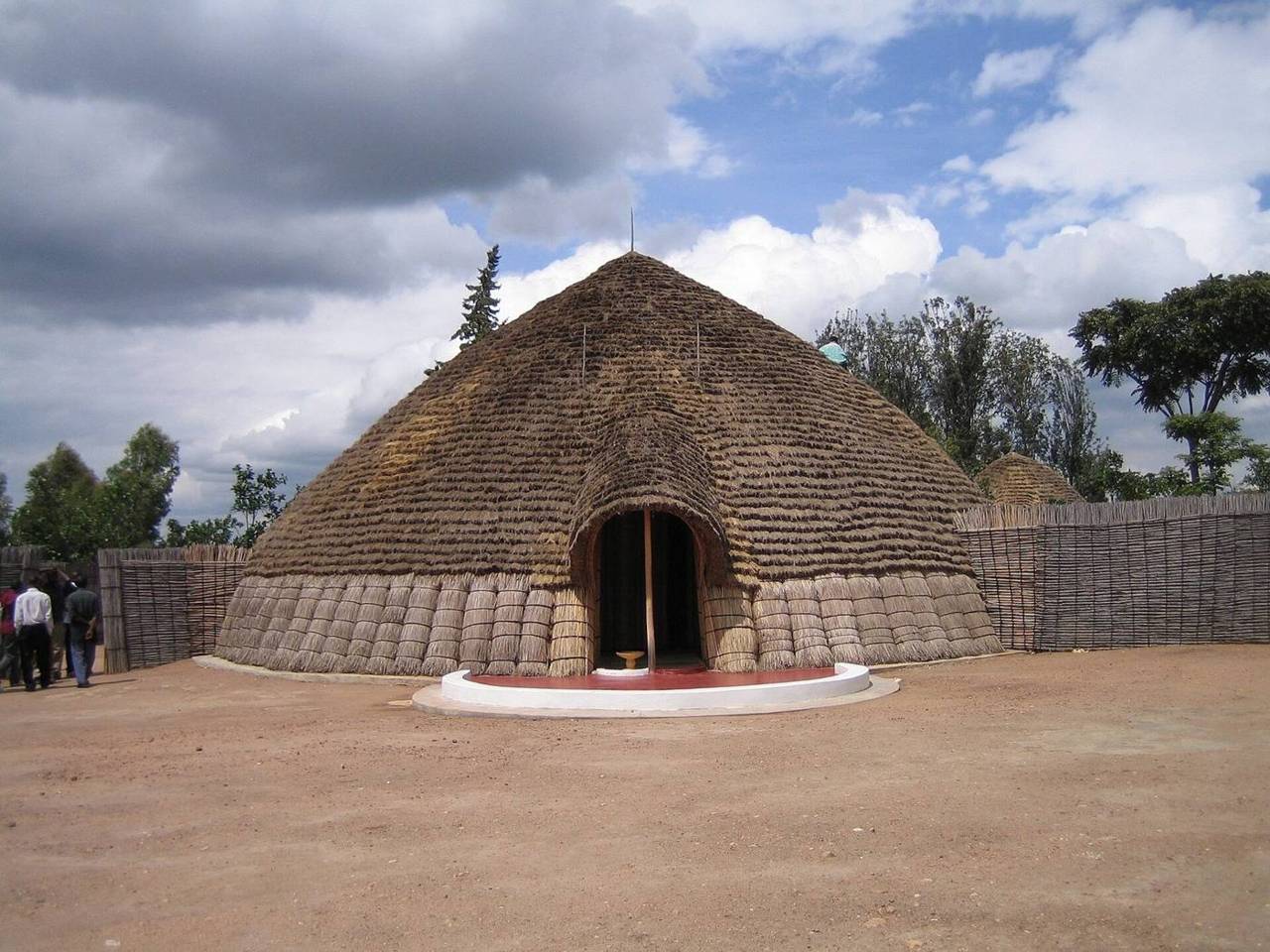
Nyanza and Huye
The historic south: the reconstructed royal palace of Nyanza with its long-horned inyambo cattle, and the ethnographic museum of Huye, the country's best.
- Kigali
- Nyanza
- Huye
Day by day
- Day 1
From Kigali to Nyanza and the king's palace
This trip takes you to the historic south of Rwanda: Nyanza, the old royal capital, with its rebuilt palace and long-horned cows, and Huye, the university town, with the ethnographic museum, the best in the country. It is the right trip to understand Rwanda's history before 1994. You travel by car with a driver or by bus, on good paved roads.
Before you go: Italian citizens need a passport, with at least six months' validity, and a visa, which you get on arrival at the airport or apply for online before travelling on the official Irembo portal. Other nationalities should check their own rules. The Italian foreign ministry advises against the border areas with the DR Congo and Burundi: this trip stays in the towns of Nyanza and Huye, away from the border. The border with Burundi is closed. Plastic bags are banned.
In the morning leave Kigali and travel south for about two hours, through hills planted with bananas, fields of sorghum and tea plantations.
In Nyanza visit the King's Palace Museum, on Rukari hill. Here you see the reconstruction of the traditional royal residence, a large beehive-shaped hut with a thatched roof, and next to it the European-style residence built in the 1930s for King Mutara III Rudahigwa. The guide explains how the court worked and the life of the monarchy, which ruled the country for centuries. Check prices and times.
In the enclosure live the inyambo, the royal cows with very long horns. Their keepers look after them with ceremonies and traditional songs in honour of the king.
Sleep in Huye, for two nights.
Practical tip: when you enter the royal hut take off your shoes if the guide asks, and ask before photographing the cattle keepers.
- Day 2
The ethnographic museum of Huye
Today you visit Huye, formerly Butare, Rwanda's town of learning and culture.
In the morning go into the ethnographic museum, opened in 1989 and built with the help of the Belgian government. It is the most complete museum in the country and tells the story of traditional life in Rwanda: farming and cattle herding, hunting, basketry, pottery, clothes made of bark and hide, musical instruments, weapons and games. You also see the reconstruction of a traditional house and understand how the thatched huts were built. Check prices and times.
If you are lucky, a group of intore dancers performs in the museum courtyard, with traditional costumes and drums. Ask at the entrance whether a show is planned.
In the afternoon walk around the centre of Huye. The town is home to the country's main university and has a calm atmosphere, with tree-lined avenues, students and small cafés. Visit the large red-brick Catholic cathedral, one of the most important in Rwanda, and stop at the market, with fruit, vegetables and fabrics.
Towards evening climb one of the hills around the town to watch the sunset over the plantations and villages.
At dinner try Rwandan dishes: goat brochettes, cooked plantains, beans, cassava and lake fish, with a milky tea or a passion fruit juice.
Practical tip: in the ethnographic museum take a guide, because many objects have a meaning that you cannot understand from the labels alone.
- Day 3
The Murambi memorial and back to Kigali
Today you visit one of the places of memory of the genocide and return to Kigali.
In the morning drive for about half an hour west to Murambi, in Nyamagabe district. Here, in a technical school under construction, tens of thousands of people who had sought refuge there were killed in April 1994. Today the site is a memorial. The remains of many victims are kept in the classrooms: it is a very hard visit and not suitable for children. Listen to the guide, stay silent and do not photograph the remains. Check prices and times.
After the visit spend a few minutes in the gardens, with the view over the hills. You will better understand how the country chose to remember and to rebuild together.
Then head back to Kigali, about three hours by road, passing again through Huye and Nyanza. If you like, stop along the way at a craft cooperative to see the baskets woven with coloured fibres, typical of Rwanda.
In these three days you have seen the historic south of the country: the king's palace in Nyanza with the inyambo cows, the ethnographic museum of Huye, the university town and the Murambi memorial.
When to go: the best months are from June to September, the dry season, with dry roads and clear skies. December and January are often dry too. From March to May there is a lot of rain.
Practical tip: if you want to continue to Nyungwe National Park instead of going back, check the Italian foreign ministry advice first, because the park lies close to the border with Burundi.
For understanding Rwanda's history before 1994. It combines naturally with the trip to Nyungwe. Excellent roads.
Before you go
- Documents and visa
- Passport with at least six months' validity and one blank page. You need a visa: Italian citizens can get it on arrival at the airport or apply online before travelling on the official Irembo portal. Beware of intermediaries: no agent is authorised to apply on your behalf. Plastic bags are banned.
- Health and vaccines
- Ask your doctor about malaria prevention. A yellow fever certificate is needed only if you arrive from a country at risk. Because of the Ebola outbreak in the DR Congo there are health checks at Kigali airport. Medical facilities are limited outside Kigali: you need insurance with air evacuation. Emergencies: 112.
- Money and payments
- Rwandan franc. Cards work in Kigali and in larger establishments, and mobile payment is very common; outside the city bring cash.
- Power sockets
- Type C, E and G, 230 volts: European two-pin plugs fit the European sockets, but you need an adapter for the British ones.
- Time zone
- UTC+2 all year.
- Safety
- The Italian foreign ministry advises against the border areas with the DR Congo and Burundi, because of tensions linked to the M23 armed group. The United States rates Rwanda at level 2, with level 4, do not travel, within 10 km of the Congolese border in Rubavu and Rusizi districts. Canada also asks for a high degree of caution in the part of Volcanoes National Park along the border. The border with Burundi is closed. Crime in Kigali is low, but there are thefts and bag snatchings: at night use pre-booked transport. On the last Saturday of the month, in the morning, umuganda, community work, takes place and many services stop. Official advice: GOV.UK.
Information checked in November 2026 for Italian and EU citizens. Rules change: always check before you travel.
Variations
In 2 days: Nyanza and the king's palace on the first day, the ethnographic museum of Huye on the second and back to Kigali in the evening.
In 5 days: add two days in Kigali, with the genocide memorial, Kimironko market and the Nyamirambo district.
Frequently asked questions
How far is Nyanza from Kigali?
About two hours by car to the south, on a good paved road. Huye is about an hour further south.
What can you see at the king's palace in Nyanza?
The reconstruction of the traditional royal residence, with its thatched roof, the residence built in the 1930s for King Mutara III Rudahigwa and the royal inyambo cows with their long horns. Check prices and times.
Is the south of Rwanda safe?
The Italian foreign ministry advises against the border areas with the DR Congo and Burundi. Nyanza and Huye are quiet towns, away from the border. Check the advice before leaving.
Indicative itinerary written by World Atlas. Before booking, check timetables, seasonal openings, documents and safety.
 3 daysModerate
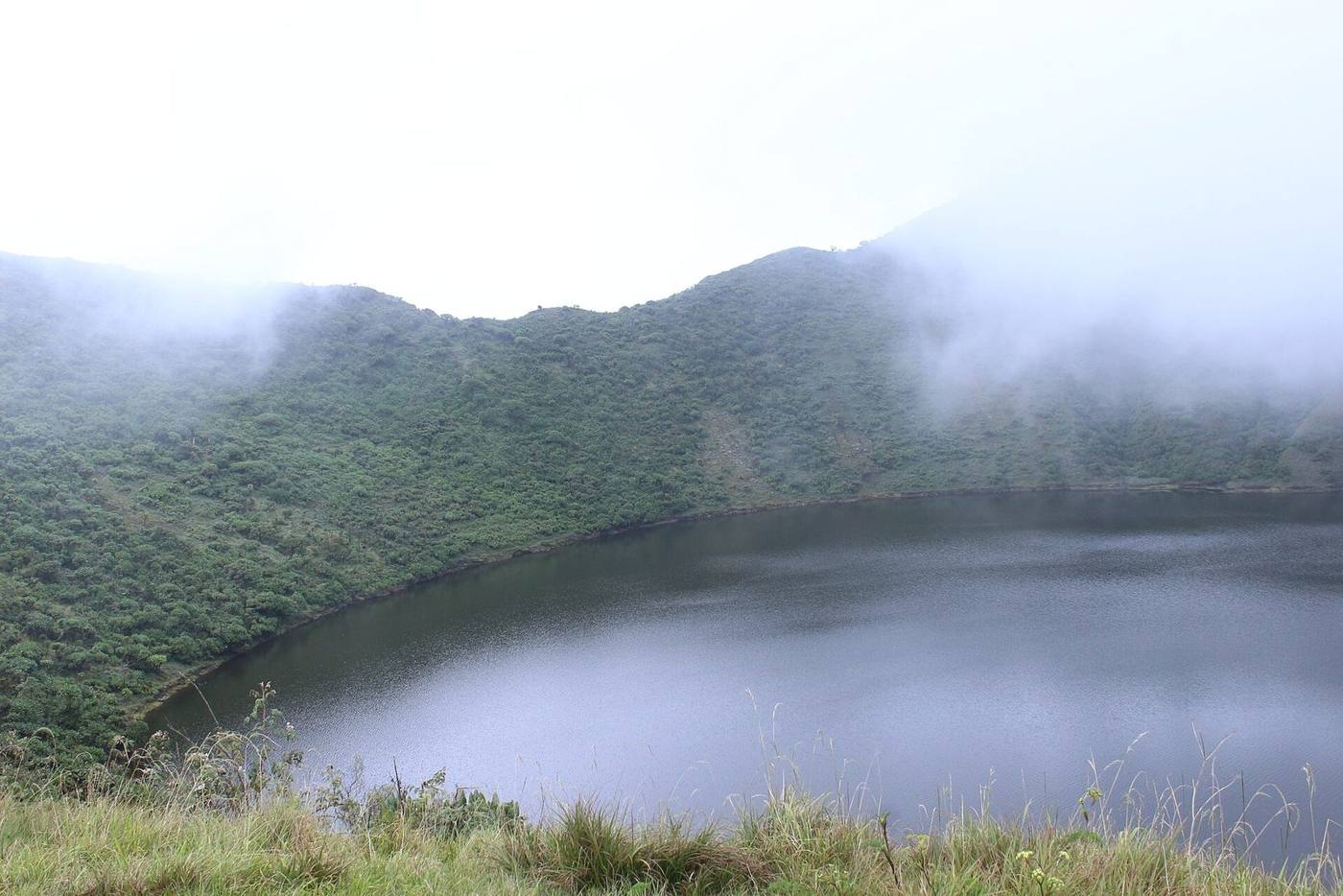
Bisoke and Dian Fossey
In Volcanoes park: the climb up Bisoke volcano with its crater lake, and the hike to Dian Fossey's grave and the Karisoke research camp.
 3 daysChallenging
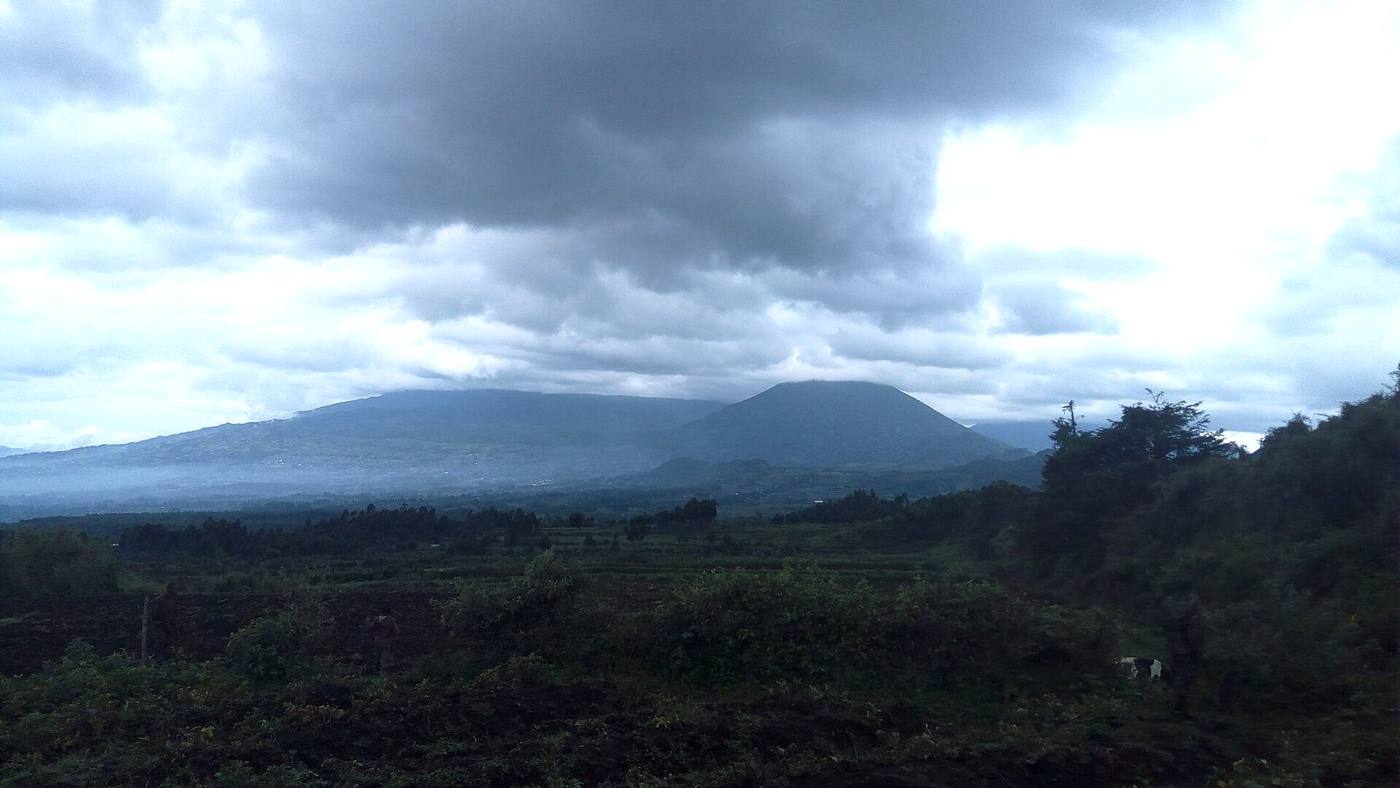
Climbing Karisimbi
Two days on Rwanda's highest volcano, 4,507 metres, with a night in a tent below the summit and views over the Virunga chain.
 3 daysModerate
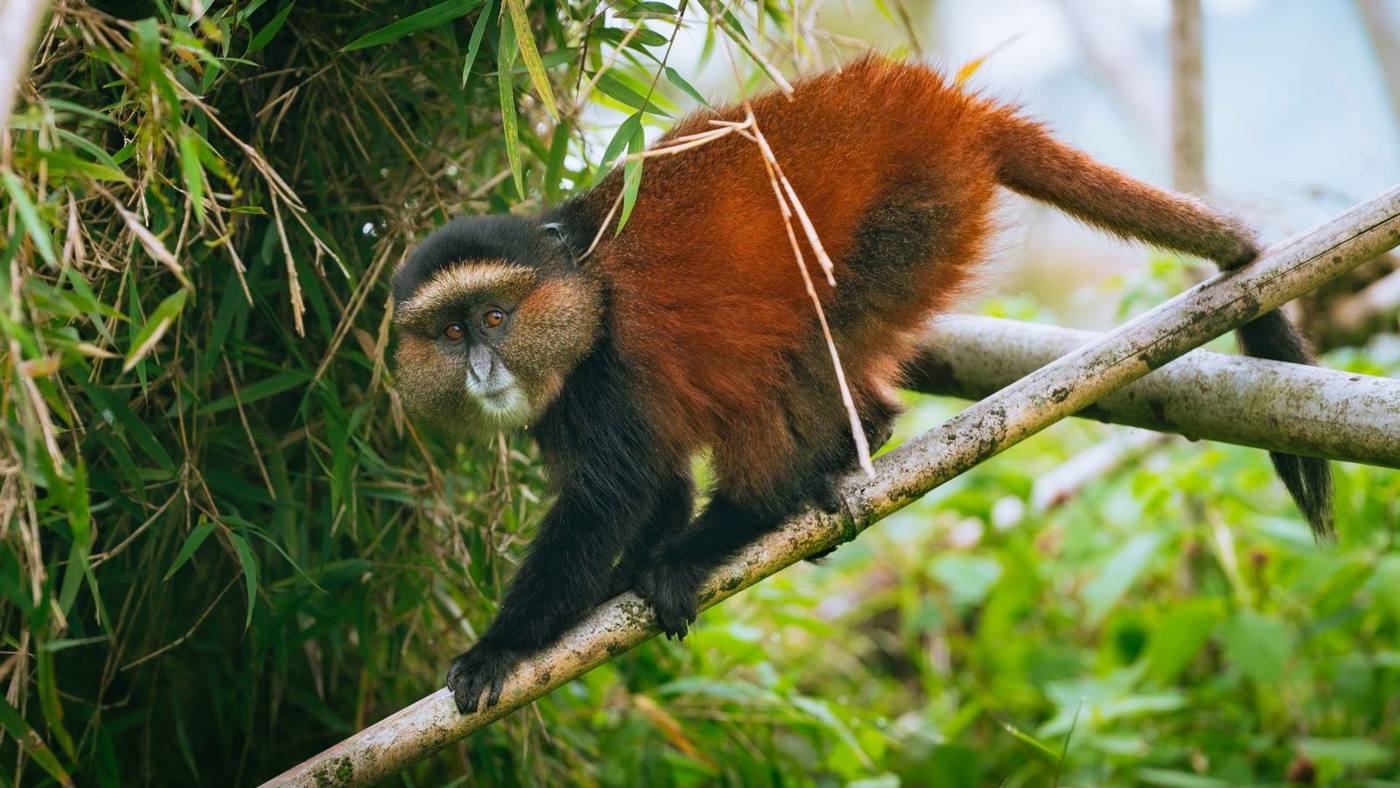
Gishwati-Mukura
Rwanda's youngest national park, with a small community of chimpanzees, golden monkeys, endemic birds and a reforestation project.