Gishwati-Mukura
Rwanda's youngest national park, with a small community of chimpanzees, golden monkeys, endemic birds and a reforestation project.
- Kigali
- Gishwati
- Karongi
Day by day
- Day 1
From Kigali to Gishwati
This trip takes you to Gishwati-Mukura National Park, in western Rwanda, the youngest in the country: a small community of chimpanzees, golden monkeys, many birds and a forest that is coming back to life. Then you drop down to Karongi, on Lake Kivu. You travel with a driver or a hire 4x4.
Before you go: Italian citizens need a passport, with at least six months' validity, and a visa, which you get on arrival at the airport or apply for online before travelling on the official Irembo portal. Other nationalities should check their own rules. Some areas on this trip are close to borders or places where the situation changes often: check your government's travel advice before booking and again before you leave. Plastic bags are banned throughout the country.
The park was officially created in 2015 and has welcomed visitors since 2019. It joins two forests, Gishwati and Mukura, covering about 34 square kilometres, on a ridge that divides the waters of the Congo basin from those of the Nile. Much of the Gishwati forest had been cut down to make way for fields and pasture; today replanting is bringing back the trees and the animals.
From Kigali allow half a day on the road through hills, tea plantations and villages. You arrive in the afternoon, settle in and take a first walk at the edge of the forest with a park guide.
Sleep near the park, for two nights, in simple accommodation.
Practical tip: book activities and guides in advance through the Rwanda Development Board and check prices and times, because very few visitors come here and services are limited.
- Day 2
Tracking the chimpanzees
Today you follow the rangers into the Gishwati forest, looking for chimpanzees.
You start very early, when the chimpanzees leave the nests they built in the trees for the night. The Gishwati group has around twenty animals, so finding them is not certain: sometimes you see them within minutes, sometimes you walk for hours and only hear their calls. The rangers follow tracks, eaten fruit and cries, and bring you close without disturbing them.
If you find them, you stay with them for a limited time, quietly, at the distance you are given. You watch them eat, groom each other and move fast through the branches.
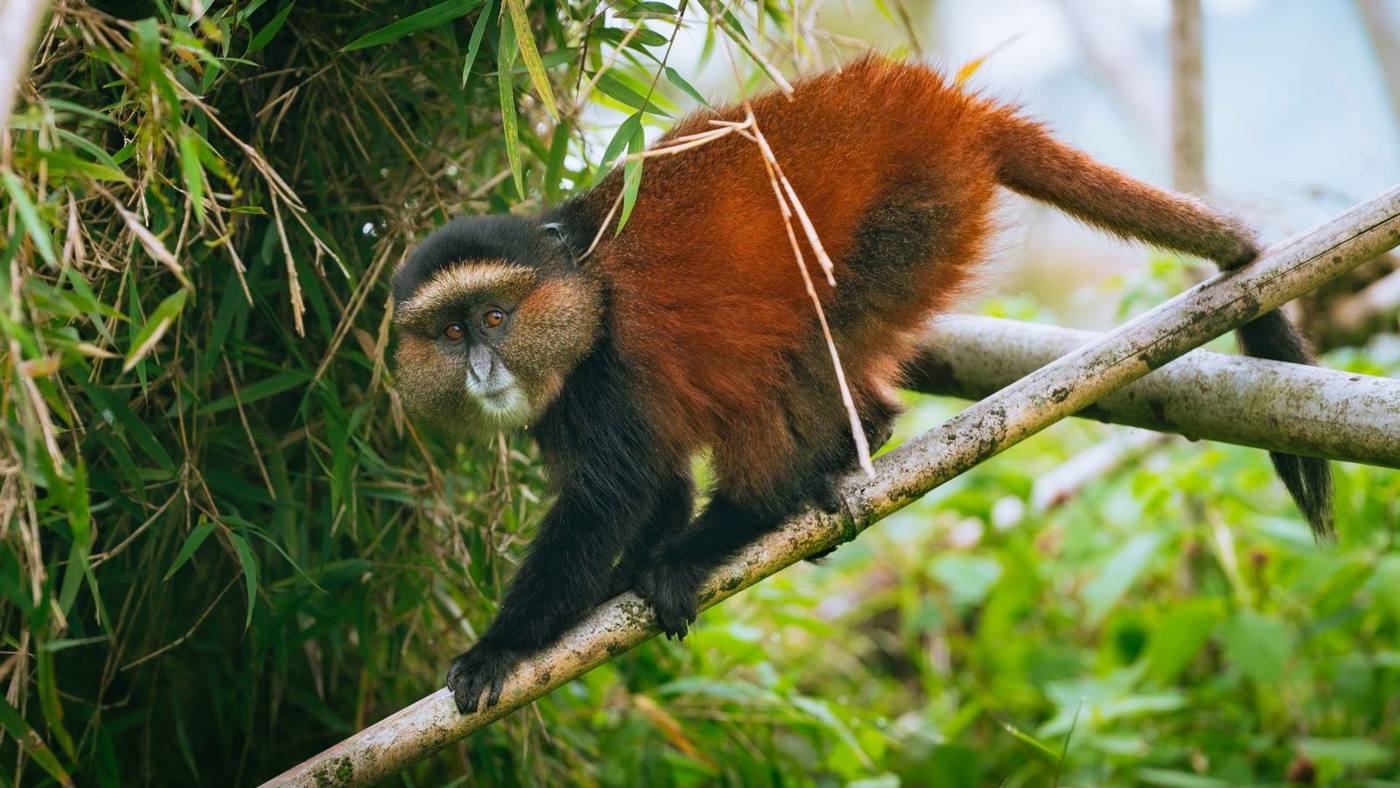
Along the way you may also meet golden monkeys, L'Hoest's monkeys with their white beards and blue monkeys. For birdwatchers it is a paradise: more than two hundred species have been recorded here, including many found only in the Albertine Rift region.
In the afternoon visit one of the waterfalls in the forest or choose an experience with the nearby communities: beekeeping, tea plantations, traditional dance or handicrafts. These are the activities that help families live from the forest without cutting it down.
In the evening a simple dinner of beans, vegetables and cooked plantains.
Practical tip: wear long trousers, long sleeves and waterproof boots, and bring a face mask: you may be asked to wear one to protect the chimpanzees from human diseases.
- Day 3
On to Karongi on Lake Kivu
Today you leave the forest and drive down towards Lake Kivu.
In the morning, if you like, take a last walk with the guide in the Mukura section, the smaller forest, with tall trees and thick undergrowth. It is a good time for birds, which sing mostly in the first hours of the day.
Then head south. The road winds down through farmed hills, eucalyptus and tea plantations to Karongi, the old Kibuye, on the eastern shore of the lake. The landscape changes: from cool mountain forests you reach quiet bays, green islands and fishing boats.
In the afternoon rest on the shore or go for a swim. At sunset watch the fishermen head out in boats joined by long eucalyptus poles, singing to keep the rhythm of the oars.
In these three days you have seen a park that few people know: a forest coming back to life, the chimpanzees, monkeys and birds of the Albertine Rift, and the calm of Lake Kivu.
When to go: the best months are June to September, the driest season, when the trails are less muddy.
From Karongi you can return to Kigali in about three hours or stay another day for a boat trip among the islands.
Practical tip: on the lake always stay on the Rwandan shore, drive only in daylight on the mountain roads and do not head north towards the border.
Very few tourists and a recovering forest. The chimpanzees are few and sightings are not guaranteed. Simple comforts.
Before you go
- Documents and visa
- Passport with at least six months' validity and one blank page. You need a visa: Italian citizens can get it on arrival at the airport or apply online before travelling on the official Irembo portal. Beware of intermediaries: no agent is authorised to apply on your behalf. Plastic bags are banned.
- Health and vaccines
- Ask your doctor about malaria prevention. A yellow fever certificate is needed only if you arrive from a country at risk. Because of the Ebola outbreak in the DR Congo there are health checks at Kigali airport. Medical facilities are limited outside Kigali: you need insurance with air evacuation. Emergencies: 112.
- Money and payments
- Rwandan franc. Cards work in Kigali and in larger establishments, and mobile payment is very common; outside the city bring cash.
- Power sockets
- Type C, E and G, 230 volts: European two-pin plugs fit the European sockets, but you need an adapter for the British ones.
- Time zone
- UTC+2 all year.
- Safety
- The Italian foreign ministry advises against the border areas with the DR Congo and Burundi, because of tensions linked to the M23 armed group. The United States rates Rwanda at level 2, with level 4, do not travel, within 10 km of the Congolese border in Rubavu and Rusizi districts. Canada also asks for a high degree of caution in the part of Volcanoes National Park along the border. The border with Burundi is closed. Crime in Kigali is low, but there are thefts and bag snatchings: at night use pre-booked transport. On the last Saturday of the month, in the morning, umuganda, community work, takes place and many services stop. Official advice: GOV.UK.
Information checked in November 2026 for Italian and EU citizens. Rules change: always check before you travel.
Variations
In 2 days: arrive in Gishwati and track the chimpanzees the next morning, then return to Kigali.
In 5 days: add two nights in Karongi, with a boat trip among the islands of Lake Kivu.
Frequently asked questions
Are you sure to see chimpanzees in Gishwati?
No. The group is small, around twenty animals, and sightings are not guaranteed. In return the forest is quiet and visitors are very few.
How do you book the activities?
Through the Rwanda Development Board, the Rwandan tourism authority. Book before you travel and check prices and times.
What facilities are there near the park?
Places to stay are few and simple. Bring everything you need, including cash in Rwandan francs.
Indicative itinerary written by World Atlas. Before booking, check timetables, seasonal openings, documents and safety.
 2 daysEasy
Lakes Burera and Ruhondo
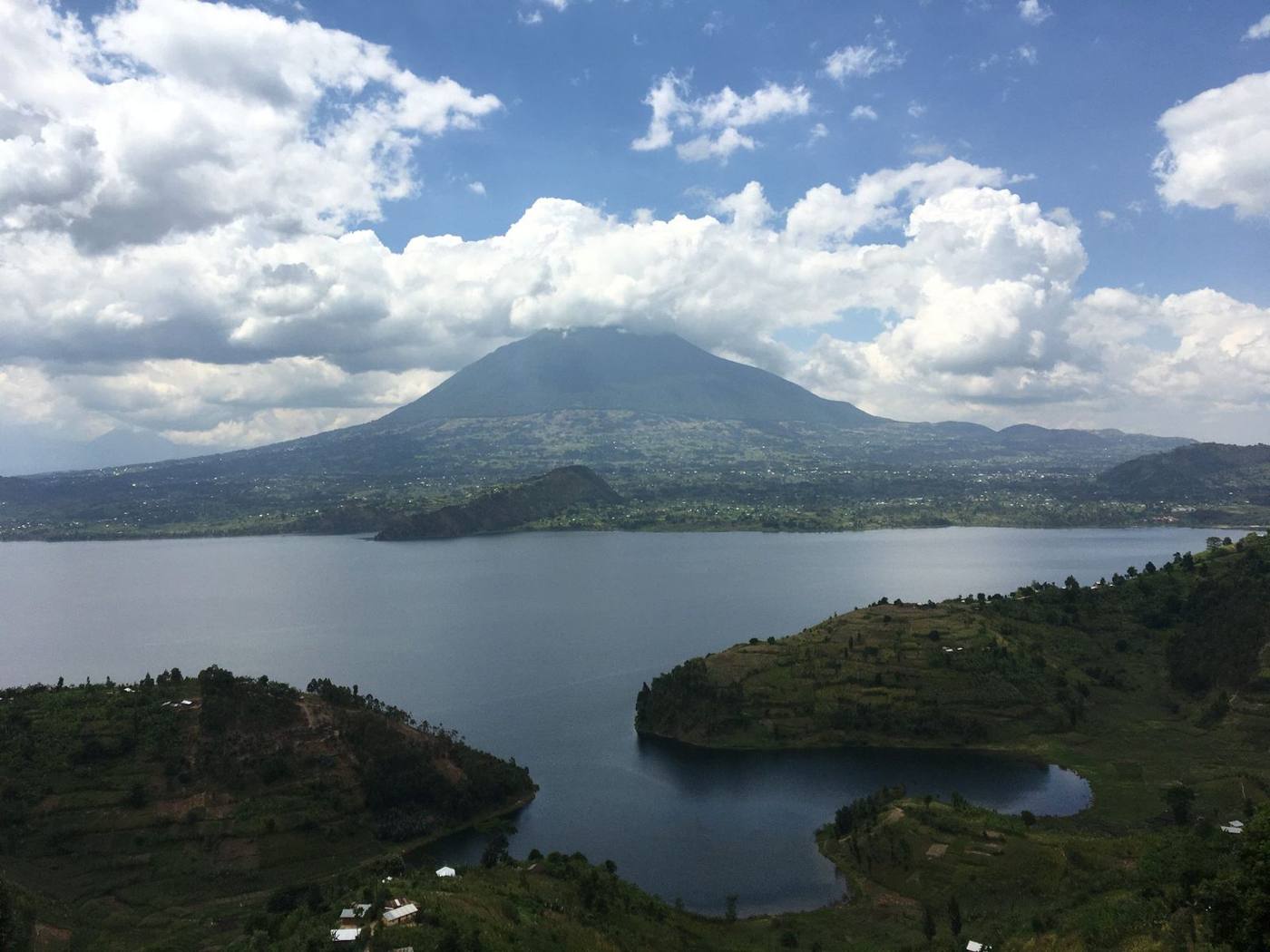
The twin lakes below the volcanoes, with boat trips among the islands, fishing villages and a night in a lakeside lodge.
 3 daysEasy
Kibuye and Lake Kivu
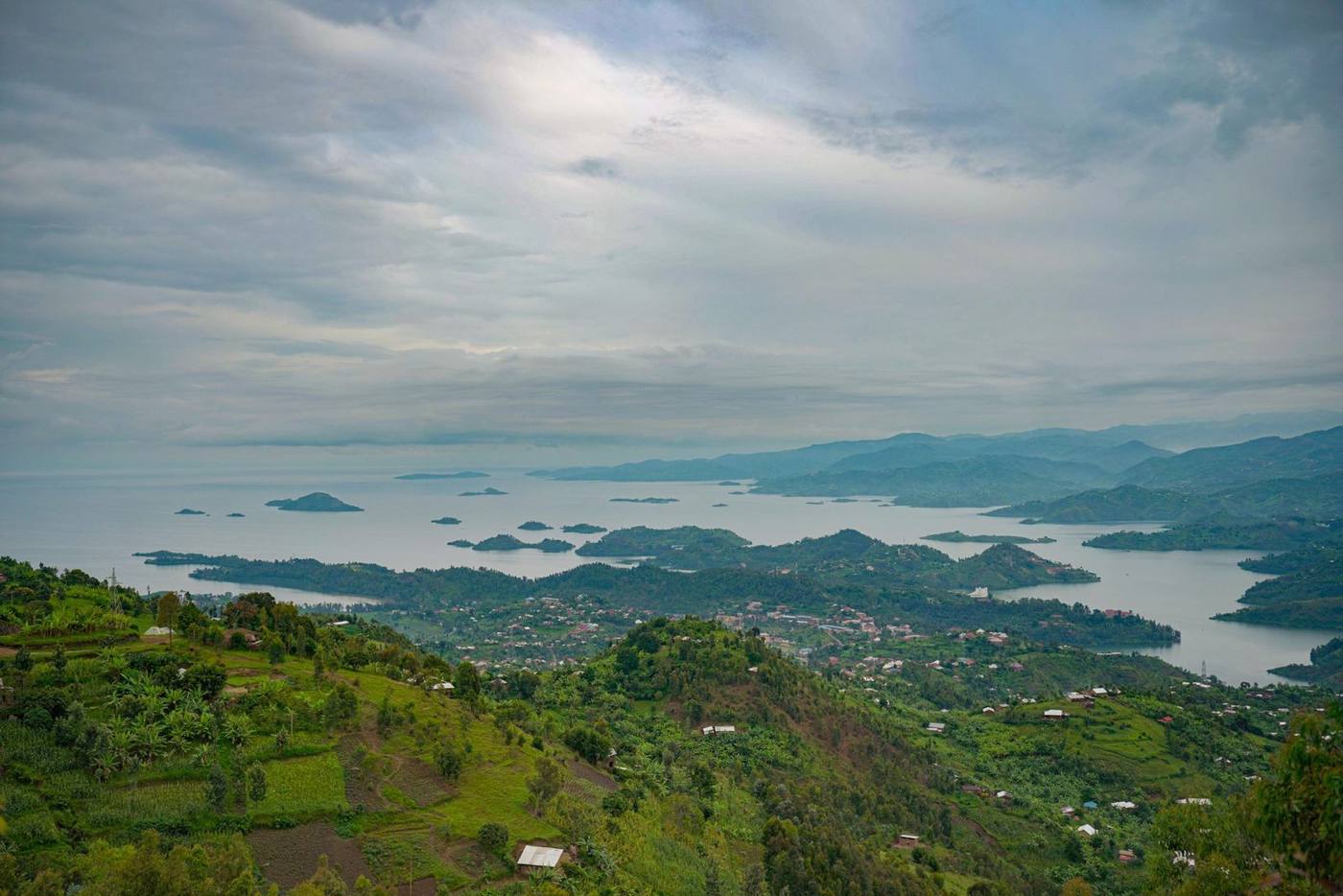
Karongi, the former Kibuye, on the shores of Lake Kivu: islands by boat, swimming in calm water, terraced hills and the fishermen's songs at dusk.
 5 daysModerate
The gorillas of the Volcanoes
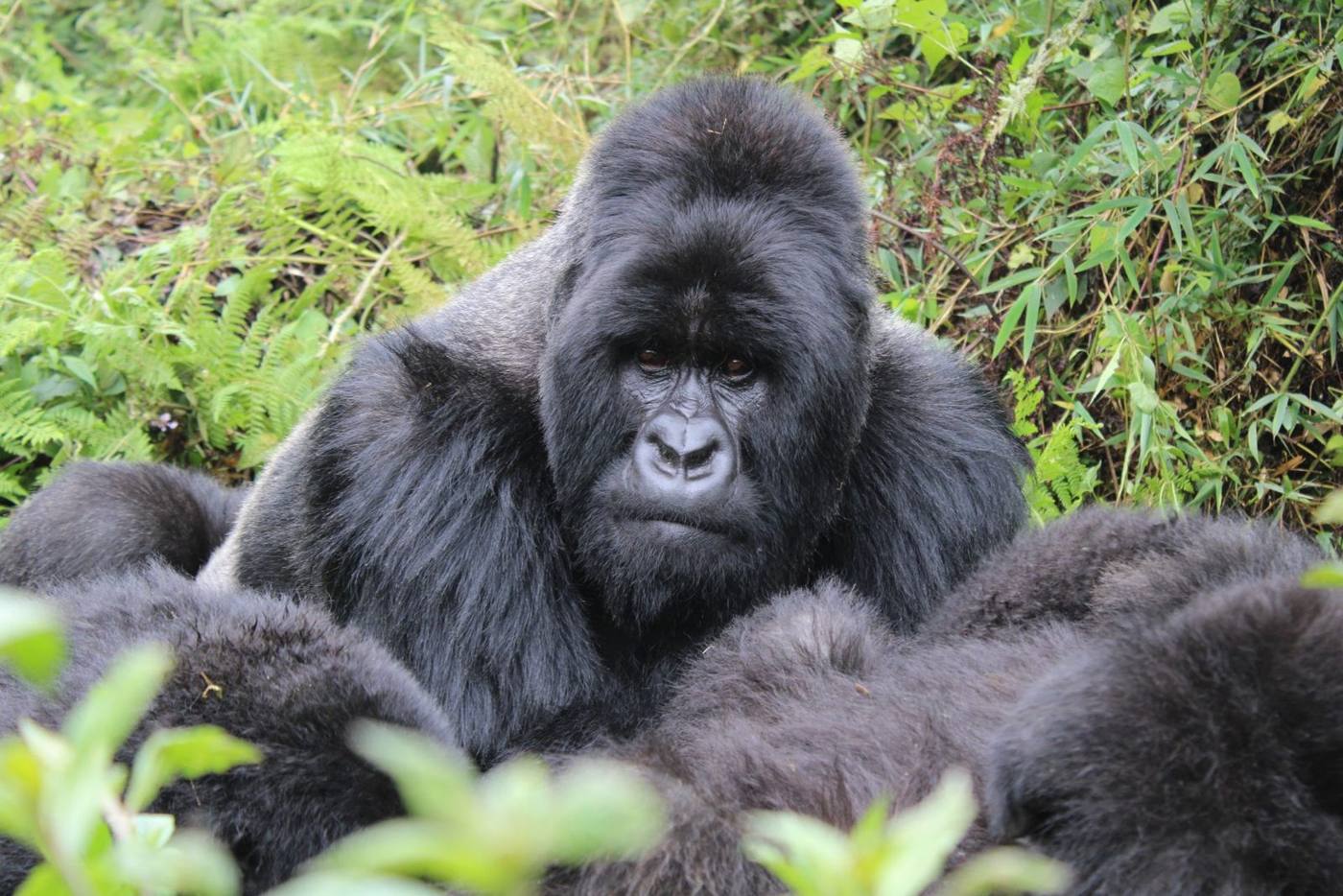
Kigali and the Genocide Memorial, Volcanoes National Park with an hour among mountain gorillas, golden monkeys and Lake Kivu.