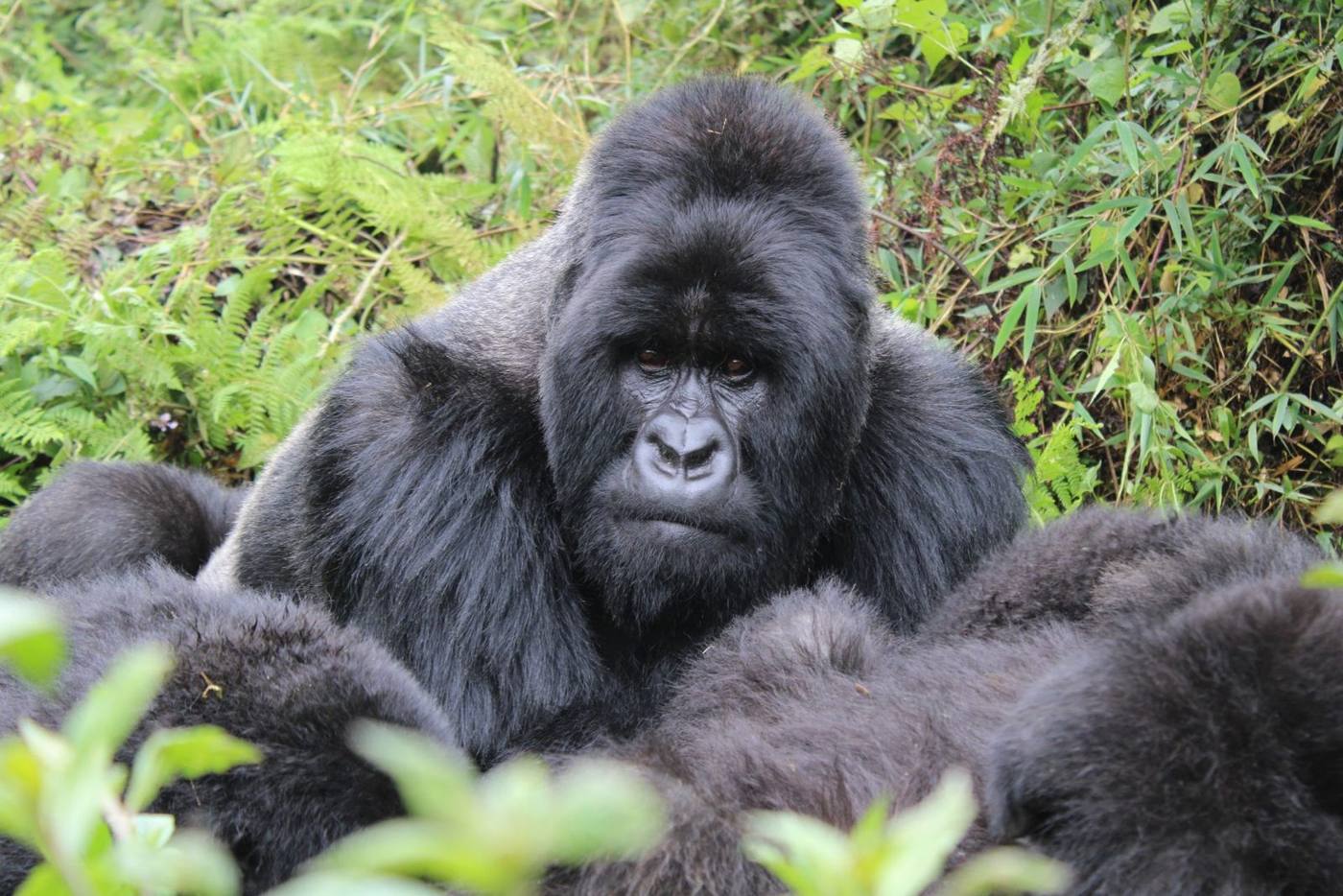
The gorillas of the Volcanoes
Kigali and the Genocide Memorial, Volcanoes National Park with an hour among mountain gorillas, golden monkeys and Lake Kivu.
- Kigali
- Musanze
- Vulcani
- Lake Burera
- Gisenyi
Day by day
- Day 1
Kigali and the genocide memorial
This trip combines Kigali and Volcanoes National Park: the genocide memorial in the capital, the twin lakes of Burera and Ruhondo, an hour with the mountain gorillas and the golden monkeys in the bamboo forest. You travel with a driver or a hire car, and in the park always with the rangers.
Before you go: Italian citizens need a passport, with at least six months' validity, and a visa, which you get on arrival at the airport or apply for online before travelling on the official Irembo portal. Other nationalities should check their own rules. Some areas on this trip are close to borders or places where the situation changes often: check your government's travel advice before booking and again before you leave. Plastic bags are banned throughout the country.
The gorilla permit is sold on the official portal of the Rwanda Development Board and must be booked months ahead, because places are few. Check prices and times.
In the morning visit the Kigali Genocide Memorial, on Gisozi hill. It tells the story of the hundred days of 1994 when hundreds of thousands of people, mostly Tutsi, were killed. More than 250,000 victims rest in the gardens. The rooms with family photographs and the room dedicated to children are very hard. Check prices and times.
In the afternoon walk in the centre and climb one of the hills to see the city, tidy and green, spread over many heights. Then stop at Kimironko market, full of fruit, baskets and colourful fabrics.
Sleep in Kigali, for one night.
Practical tip: at the memorial dress soberly, speak quietly and allow at least two hours for the visit.
- Day 2
To Musanze and lakes Burera and Ruhondo
Today you head north, to the foot of the volcanoes.
The road from Kigali crosses terraced hills, banana trees and potato fields. In about two and a half hours you reach Musanze, the town facing the Virunga range. On clear days you see the volcanic cones rising above the clouds.
In the early afternoon go to lakes Burera and Ruhondo, the two twin lakes separated by a narrow strip of land. They are surrounded by steep hills farmed down to the water, with small green islands and fishing villages. From the high roads the view of the two lakes with the volcanoes behind is among the finest in the country.
Take a boat or canoe trip among the islands, watching women washing clothes on the shore and fishermen mending their nets. Life is slow here and visitors are few.
In the evening head back towards Kinigi, the village near the park entrance, where it makes sense to sleep so you are on time for the morning meeting.
Dinner with potatoes, beans and a plate of brochettes, the meat skewers that Rwandans love.
Sleep in Kinigi or Musanze, for three nights.
Practical tip: pack your gorilla bag the night before: waterproof jacket, long trousers, gaiters, gardening gloves for the nettles, water and something to eat.
- Day 3
An hour with the mountain gorillas
Today is mountain gorilla day. They live only in the Virunga volcanoes, shared by Rwanda, Uganda and the Democratic Republic of the Congo, and in the Bwindi forest in Uganda.
At seven you are at the park headquarters in Kinigi. The rangers divide visitors into small groups, eight people at most, and assign each group a gorilla family. You can say whether you prefer a short or long walk. During the briefing you hear the rules: keep seven metres away, speak quietly, do not eat near the animals, do not use flash. The minimum age is fifteen.
You drive to the starting point and then walk through fields and into the forest. The trek can last from one to six hours, on steep, muddy slopes. Ahead of you the trackers follow the family and talk to the ranger by radio.
When you arrive, you stay an hour with the gorillas. The silverback, huge and calm, eats leaves and bamboo; the females nurse their babies and the young ones play and roll among the plants. The time flies.
Then you return to Kinigi, where you receive your trekking certificate.
In the afternoon rest: it has been an intense day.
Practical tip: hire a porter from the village even if your bag is light; they help you on the hard stretches and their work supports the families living around the park.
- Day 4
Golden monkeys or Dian Fossey's grave
Today you stay in Volcanoes National Park and choose between two walks, to book in advance on the Rwanda Development Board portal. Check prices and times.
The first is the visit to the golden monkeys, rare monkeys with orange and black fur that live in the bamboo forest at the foot of the volcanoes. The trail is easier than the gorilla one and you usually arrive quickly. The monkeys are lively, jumping from one cane to another and eating shoots: you stay with them for an hour, and photographing them on the move is a real challenge.
The second is the walk to Karisoke, the research camp founded in 1967 by the American zoologist Dian Fossey, between the Karisimbi and Bisoke volcanoes. The trail climbs through damp forest among moss-covered trees. At the camp you see the foundations of the cabins and the grave of Dian Fossey, killed in 1985, buried next to Digit, the gorilla she was closest to. It is a longer, muddier climb, but the place has a special power.
In the afternoon, if you still have energy, visit the Musanze caves, a long tunnel formed by ancient lava flows. Check prices and times.
In the evening stroll through Musanze, with bicycles loaded with potatoes and shops open late.
Practical tip: if you choose Dian Fossey, bring trekking poles and a change of socks, because the descent through the mud is long.
- Day 5
The return to Kigali
Today you leave the volcanoes and return to Kigali.
In the morning, if the clouds allow, look at the volcanoes from the terrace: the cones of Karisimbi, Bisoke and Sabyinyo, their tops often in the mist. After an hour with the gorillas, those green slopes mean something different.
Before leaving take a walk round Musanze market, among sacks of potatoes, beans, woven baskets and colourful fabrics. People are friendly and a greeting in Kinyarwanda, muraho, is always welcome.
Then take the road to Kigali, about two and a half hours through hills farmed to the last metre. If you have time before your flight, stop at a café in the capital for a cup of Rwandan coffee, highly prized around the world.
In these five days you have seen the best-known side of Rwanda: the Kigali memorial, the twin lakes of Burera and Ruhondo, an hour with a family of mountain gorillas, and the golden monkeys or Dian Fossey's grave.
When to go: the best months are June to September and December to February, the drier seasons, when the trails are less muddy. You can visit the gorillas all year, but in the rainy seasons you need more patience.
On the last Saturday of the month, in the morning, there is umuganda, the day of community work: many services stop and there is little traffic.
Practical tip: keep a clean change of clothes in your hand luggage, because trekking boots and clothes often reach the airport still covered in mud.
One of the world's most moving wildlife encounters, in an orderly, safe country. The gorilla permit costs 1,500 dollars and must be booked months ahead. The trek can take one to six hours on muddy slopes.
Before you go
- Documents and visa
- Passport with at least six months' validity and one blank page. You need a visa: Italian citizens can get it on arrival at the airport or apply online before travelling on the official Irembo portal. Beware of intermediaries: no agent is authorised to apply on your behalf. Plastic bags are banned.
- Health and vaccines
- Ask your doctor about malaria prevention. A yellow fever certificate is needed only if you arrive from a country at risk. Because of the Ebola outbreak in the DR Congo there are health checks at Kigali airport. Medical facilities are limited outside Kigali: you need insurance with air evacuation. Emergencies: 112.
- Money and payments
- Rwandan franc. Cards work in Kigali and in larger establishments, and mobile payment is very common; outside the city bring cash.
- Power sockets
- Type C, E and G, 230 volts: European two-pin plugs fit the European sockets, but you need an adapter for the British ones.
- Time zone
- UTC+2 all year.
- Safety
- The Italian foreign ministry advises against the border areas with the DR Congo and Burundi, because of tensions linked to the M23 armed group. The United States rates Rwanda at level 2, with level 4, do not travel, within 10 km of the Congolese border in Rubavu and Rusizi districts. Canada also asks for a high degree of caution in the part of Volcanoes National Park along the border. The border with Burundi is closed. Crime in Kigali is low, but there are thefts and bag snatchings: at night use pre-booked transport. On the last Saturday of the month, in the morning, umuganda, community work, takes place and many services stop. Official advice: GOV.UK.
Information checked in November 2026 for Italian and EU citizens. Rules change: always check before you travel.
Variations
In 3 days: arrive in Kinigi, track the gorillas the next morning and return to Kigali, without the lakes.
In 8 days: add three days in Akagera National Park, with a savannah safari and a boat trip on Lake Ihema.
Frequently asked questions
How long does gorilla trekking take?
From one to six hours in all, depending on where the assigned family is. You stay with the gorillas for an hour. You can ask for a shorter walk during the briefing.
When should you book the gorilla permit?
Months ahead, on the official Rwanda Development Board portal, because there are few places each day. Check prices and times.
Is there a minimum age?
Yes, for the gorillas the minimum age is fifteen. For the golden monkeys the rules are different: check them before booking.
Indicative itinerary written by World Atlas. Before booking, check timetables, seasonal openings, documents and safety.
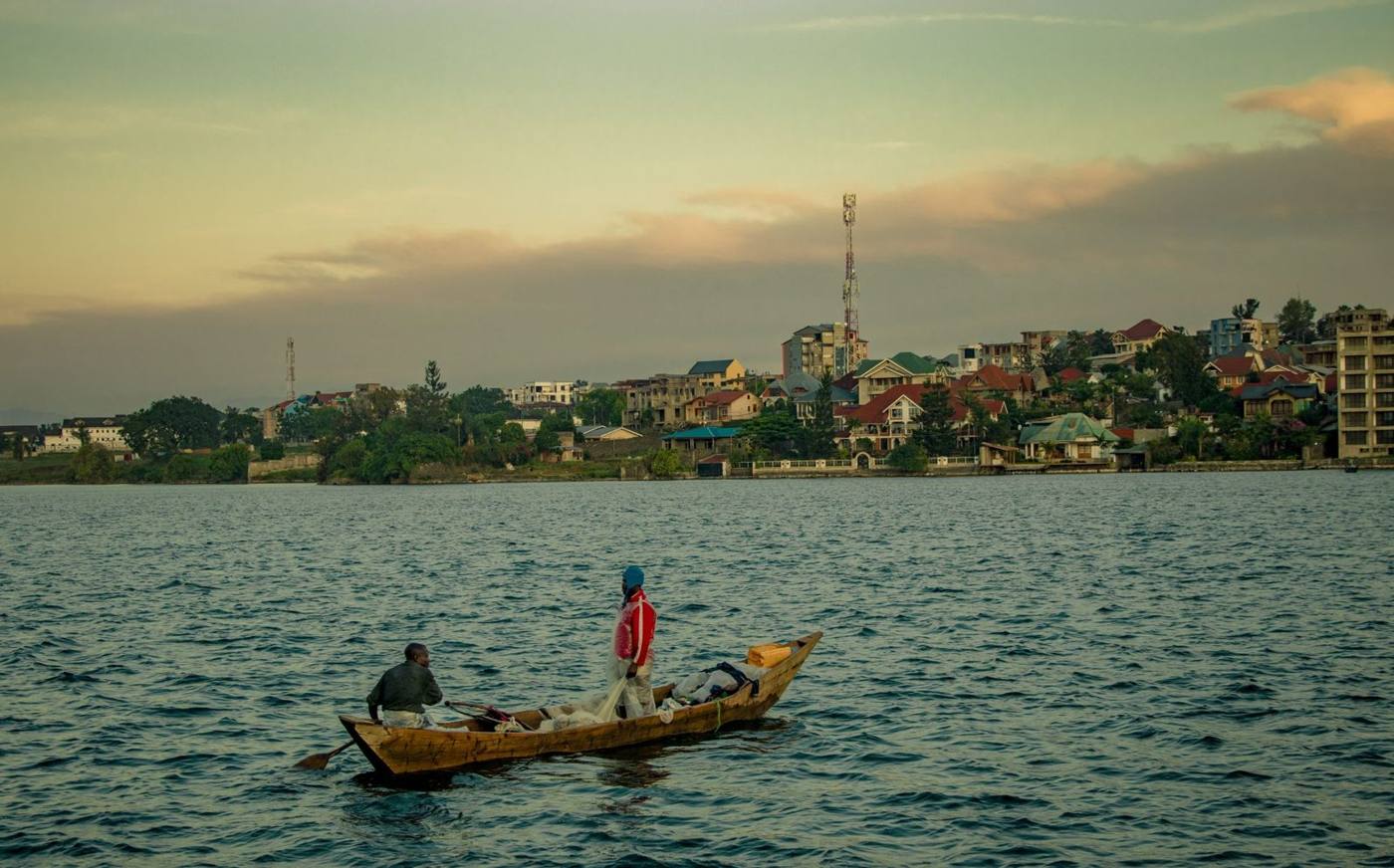 6 daysModerate
Nyungwe and Lake Kivu
Chimpanzees and the canopy walkway in Nyungwe rainforest, tea plantations and the Congo Nile Trail along Lake Kivu.
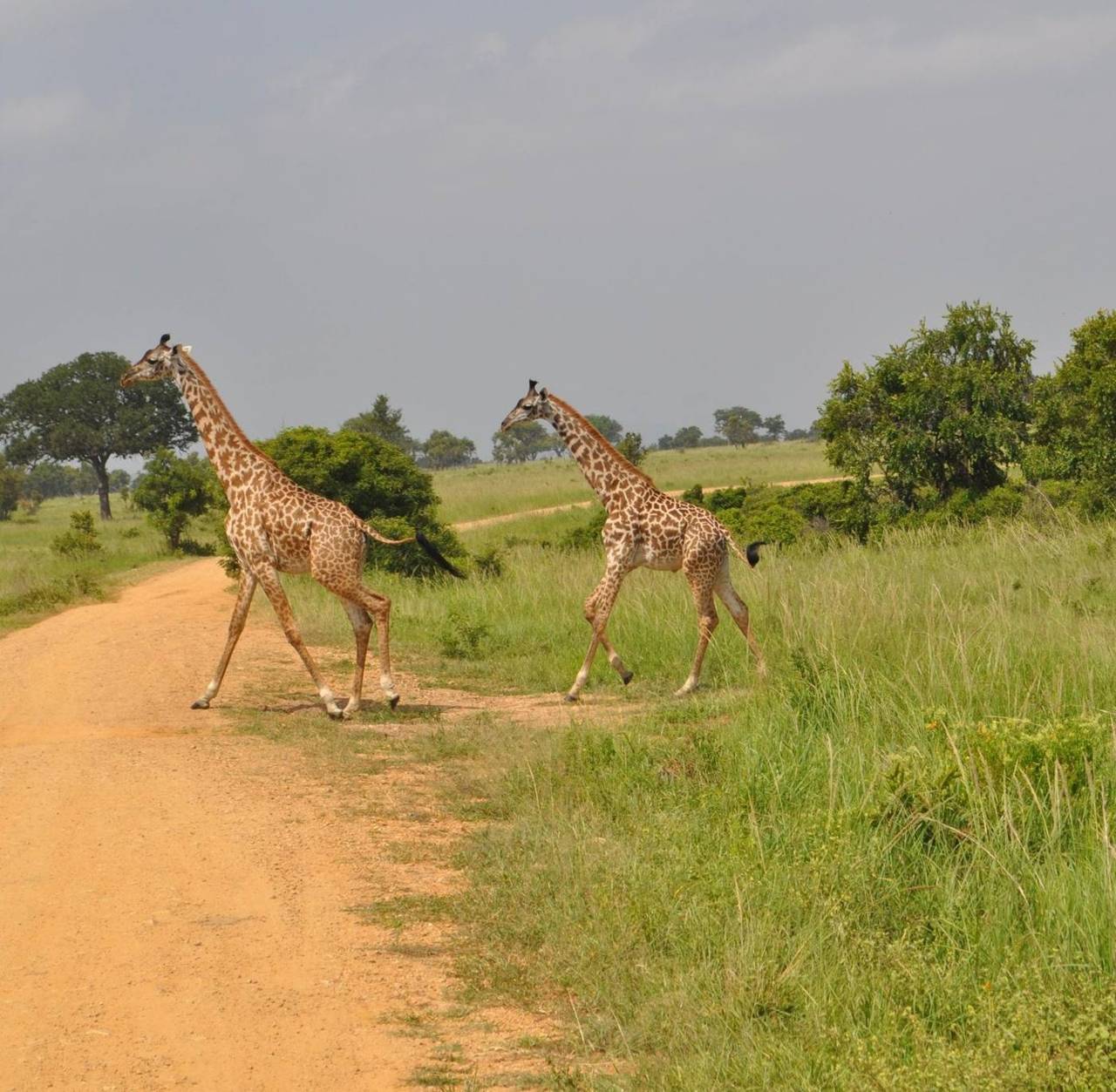 4 daysEasy
Safari in Akagera
Rwanda's only savannah park, revived after the genocide with the return of lions and rhinos: giraffes, elephants, hippos and a cruise on Lake Ihema.
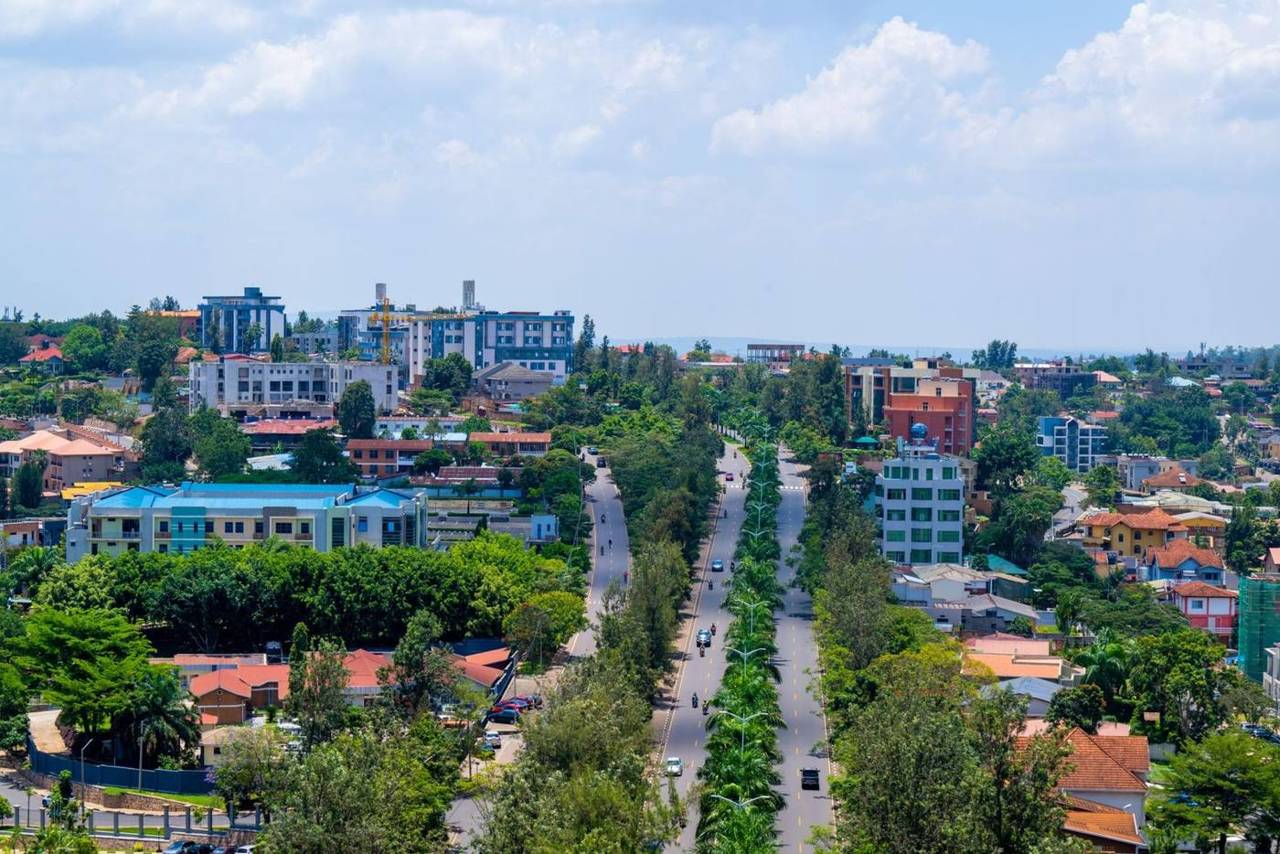 2 daysEasy
Kigali in two days
One of Africa's most orderly capitals: the Kimihurura district, Inema art centre, Kimironko market, the convention centre and evening life in Nyamirambo.