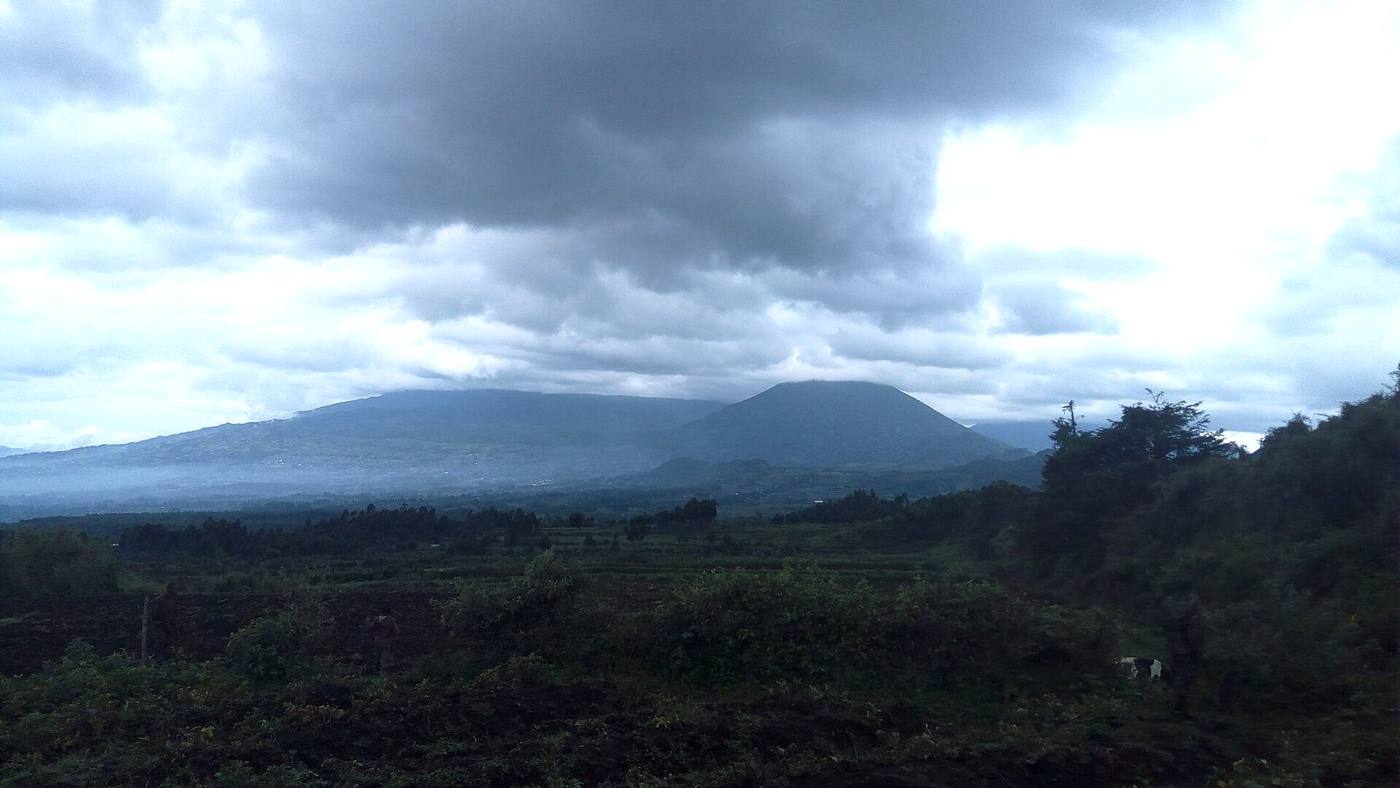
Climbing Karisimbi
Two days on Rwanda's highest volcano, 4,507 metres, with a night in a tent below the summit and views over the Virunga chain.
- Musanze
- Kinigi
- Karisimbi
Day by day
- Day 1
From Kinigi to the camp at 3,700 metres
This trip is a two-day expedition up Karisimbi, the highest volcano in Rwanda, 4,507 metres, in Volcanoes National Park: a long climb through the forest, a night in a tent below the summit and dawn at the top, with views over the Virunga range. You arrive in Kinigi from Kigali the evening before, about two and a half hours by road.
Before you go: Italian citizens need a passport, with at least six months' validity, and a visa, which you get on arrival at the airport or apply for online before travelling on the official Irembo portal. Other nationalities should check their own rules. Some areas on this trip are close to borders or places where the situation changes often: check your government's travel advice before booking and again before you leave. Plastic bags are banned throughout the country.
The permit is sold on the official portal of the Rwanda Development Board: check prices and times. You climb only with rangers and porters, who carry tents, water and food.
At seven you are at the park headquarters in Kinigi for the briefing. From the fields the trail enters the bamboo forest and then the hagenia woodland, low twisted trees covered in moss and lichen. The climb is long and steady, often in mud, and takes most of the day.
In the afternoon you reach the camp, at around 3,700 metres. The cold comes quickly: at night the temperature can drop close to freezing. A hot dinner and early to bed.
Sleep in a tent at the camp, for one night.
Practical tip: bring a warm sleeping bag, a wool hat, gloves and a head torch, and keep your clothes dry in a waterproof bag.
- Day 2
The summit at dawn and the descent
Today is summit day. The alarm goes off before dawn and you set off with your head torch, in the dark and the cold, with the rangers.
The last stretch is steep, on muddy and sometimes frozen ground. Above the forest grow giant lobelias and groundsels, plants as tall as people that seem to come from another planet. The air is thin: walk slowly, breathe calmly and drink often. If you have a bad headache, nausea or dizziness, tell the ranger at once: the answer is to go down.
The name Karisimbi probably comes from a Rwandan word for a small white shell, for the hail or snow that sometimes whitens the top. The summit is often in the mist, but if the sky opens you see the other Virunga volcanoes, the lakes and the hills of Rwanda. The top lies on the border line: stay where the rangers tell you and do not go beyond.
After the photos you return to the camp, take down the tents and begin the long descent to Kinigi. Your knees work hard and the mud makes every step slow. You reach the bottom in the late afternoon, tired but happy.
In the evening a hot shower, a plate of potatoes and beans and a proper night in a bed.
Sleep in Kinigi or Musanze, for one night.
Practical tip: at the end leave a tip for the porters and the ranger, handing it to each person directly; ask at the park headquarters how much is usual.
- Day 3
Musanze and the return to Kigali
Today is a quiet day to rest your legs before going back to Kigali.
In the morning have a slow breakfast looking at the volcanoes, if the clouds allow. Seen from below, the top of Karisimbi looks even further away, and it feels good to think that yesterday you were up there.
Then visit the small Buhanga eco park, near Musanze, a sacred forest with ancient trees and short, flat paths. Tradition links it to the rituals of the ancient kings of Rwanda. It is a gentle walk, right for tired legs. Check prices and times on the park portal.
Alternatively spend an hour at Musanze market, among sacks of potatoes, beans, woven baskets and colourful fabrics. People are friendly and curious: a greeting in Kinyarwanda, muraho, is always welcome.
In the early afternoon leave for Kigali. The road winds down through hills farmed to the last metre, with women carrying loads on their heads and boys on bicycles. In about two and a half hours you are in the city.
In these three days you have climbed the highest volcano in Rwanda, slept in a tent at 3,700 metres and seen dawn over the Virungas.
When to go: the best months are June to August, the driest season. In the rainy seasons the trail becomes much harder and the summit is almost always covered.
Practical tip: keep the afternoon before your flight home quiet, because after Karisimbi your body needs rest.
A hard, cold, muddy trek for fit hikers. The summit is often in mist. Only with park rangers and porters.
Before you go
- Documents and visa
- Passport with at least six months' validity and one blank page. You need a visa: Italian citizens can get it on arrival at the airport or apply online before travelling on the official Irembo portal. Beware of intermediaries: no agent is authorised to apply on your behalf. Plastic bags are banned.
- Health and vaccines
- Ask your doctor about malaria prevention. A yellow fever certificate is needed only if you arrive from a country at risk. Because of the Ebola outbreak in the DR Congo there are health checks at Kigali airport. Medical facilities are limited outside Kigali: you need insurance with air evacuation. Emergencies: 112.
- Money and payments
- Rwandan franc. Cards work in Kigali and in larger establishments, and mobile payment is very common; outside the city bring cash.
- Power sockets
- Type C, E and G, 230 volts: European two-pin plugs fit the European sockets, but you need an adapter for the British ones.
- Time zone
- UTC+2 all year.
- Safety
- The Italian foreign ministry advises against the border areas with the DR Congo and Burundi, because of tensions linked to the M23 armed group. The United States rates Rwanda at level 2, with level 4, do not travel, within 10 km of the Congolese border in Rubavu and Rusizi districts. Canada also asks for a high degree of caution in the part of Volcanoes National Park along the border. The border with Burundi is closed. Crime in Kigali is low, but there are thefts and bag snatchings: at night use pre-booked transport. On the last Saturday of the month, in the morning, umuganda, community work, takes place and many services stop. Official advice: GOV.UK.
Information checked in November 2026 for Italian and EU citizens. Rules change: always check before you travel.
Variations
In 2 days: up and down, arriving in Kinigi the evening before and leaving for Kigali straight after the descent.
In 5 days: add a morning with the mountain gorillas and a day on lakes Burera and Ruhondo.
Frequently asked questions
How hard is Karisimbi?
It is a hard, long, cold and muddy trek, with a night in a tent at about 3,700 metres. It suits only fit hikers used to walking uphill for many hours.
Do you need high altitude experience?
You need no technical experience, but you feel the altitude. Climb slowly, drink a lot and tell the ranger at once if you feel unwell: the answer is to go down.
Where do you buy the permit?
On the official portal of the Rwanda Development Board. You climb only with rangers and porters. Check prices and times and book before you travel.
Indicative itinerary written by World Atlas. Before booking, check timetables, seasonal openings, documents and safety.
 3 daysModerate
Gishwati-Mukura
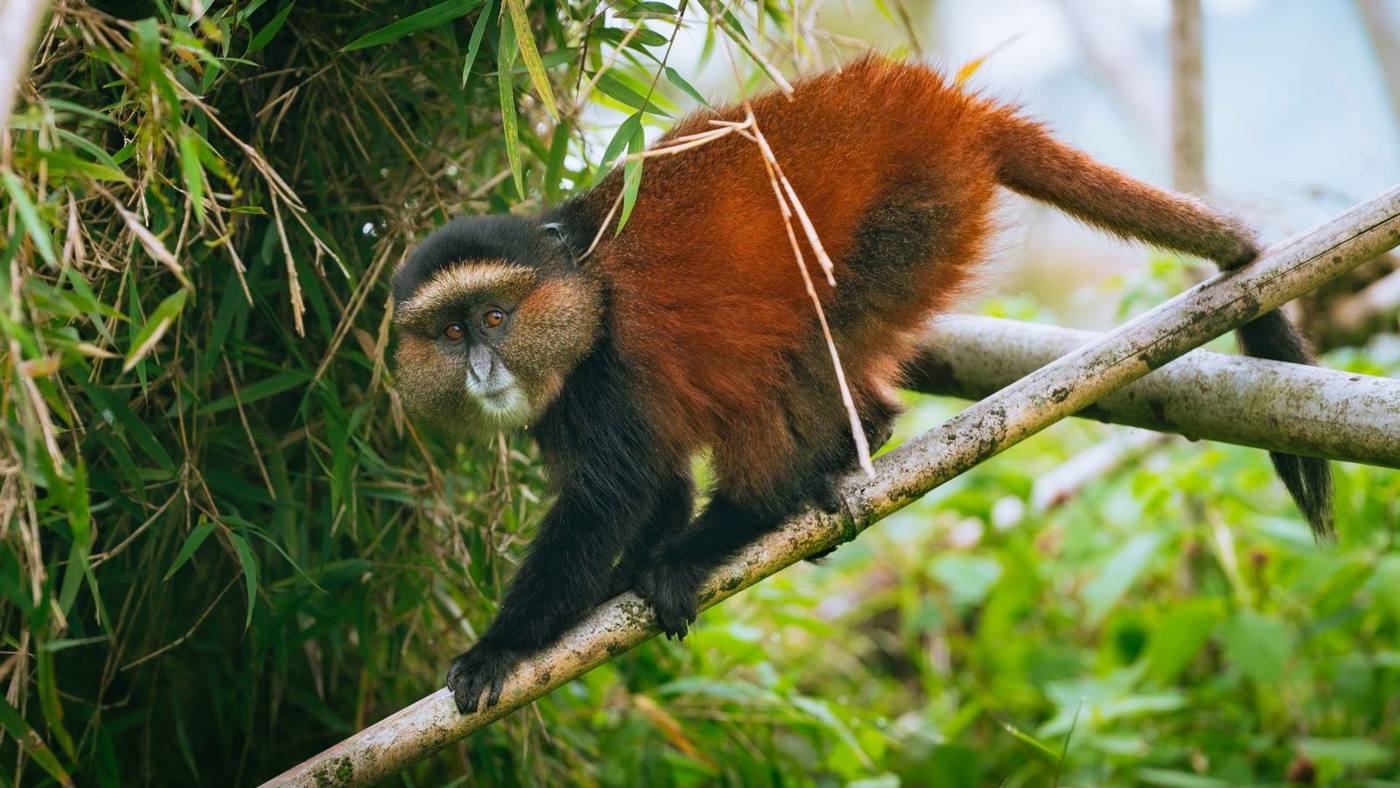
Rwanda's youngest national park, with a small community of chimpanzees, golden monkeys, endemic birds and a reforestation project.
 2 daysEasy
Lakes Burera and Ruhondo
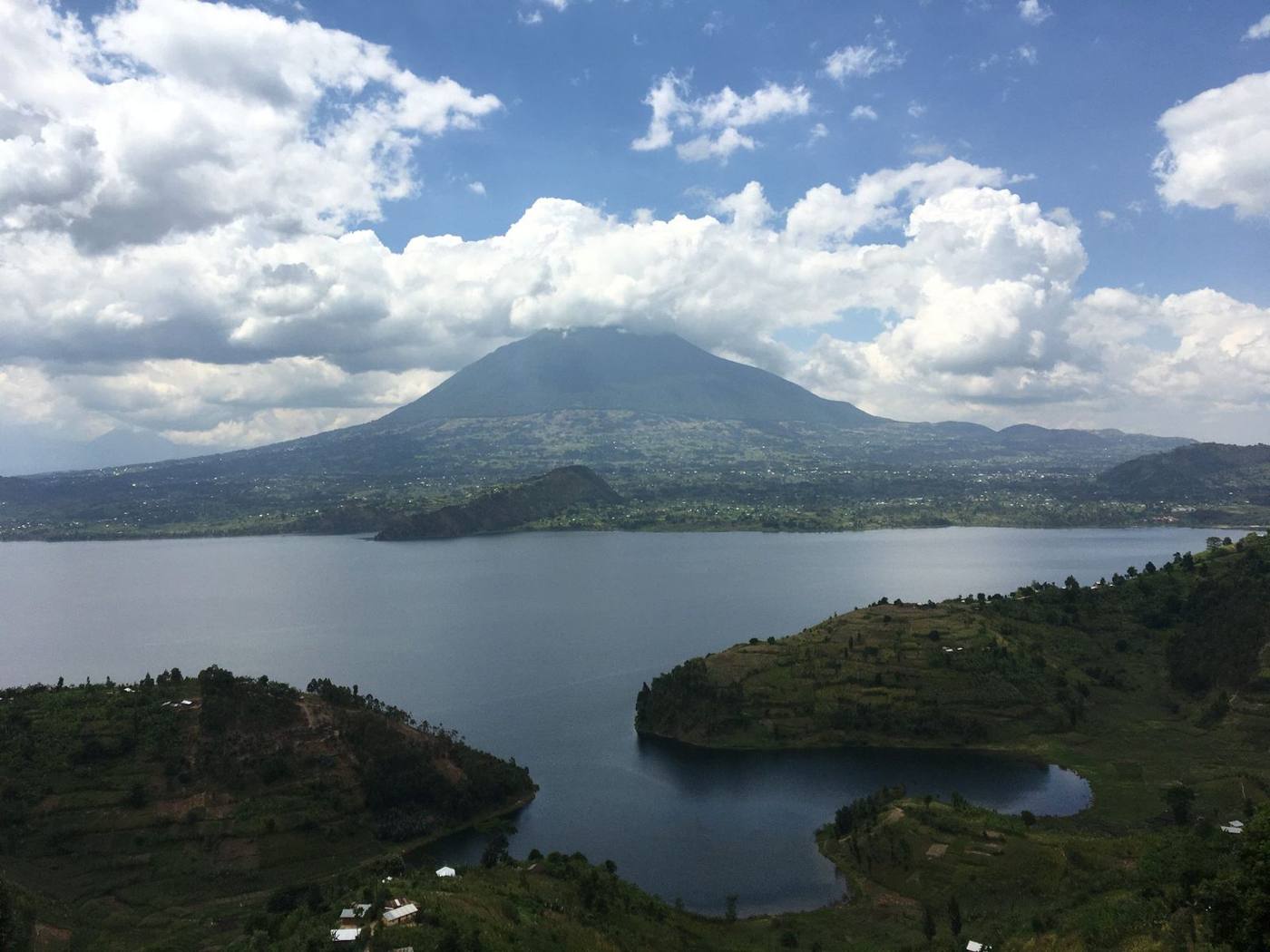
The twin lakes below the volcanoes, with boat trips among the islands, fishing villages and a night in a lakeside lodge.
 3 daysEasy
Kibuye and Lake Kivu
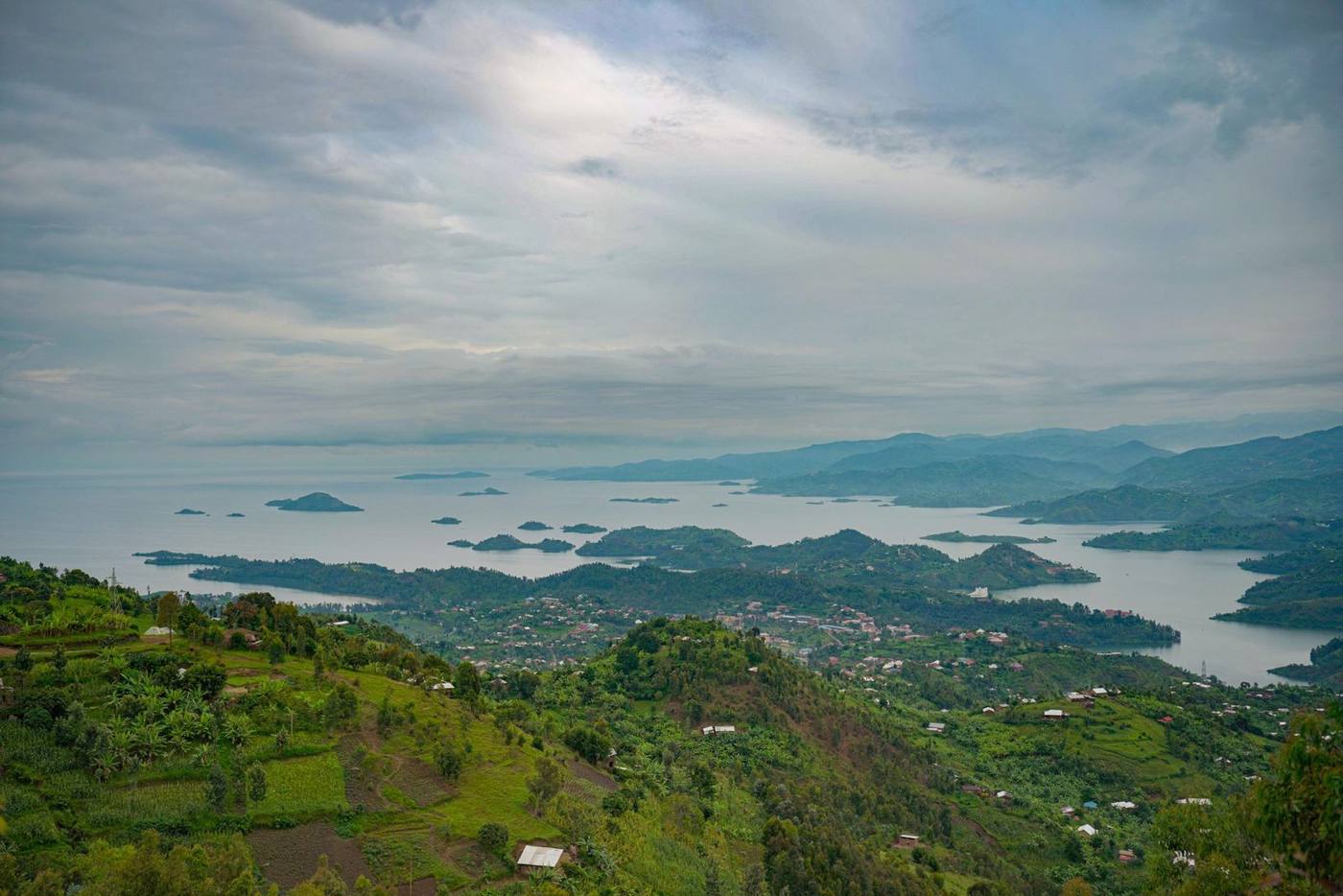
Karongi, the former Kibuye, on the shores of Lake Kivu: islands by boat, swimming in calm water, terraced hills and the fishermen's songs at dusk.