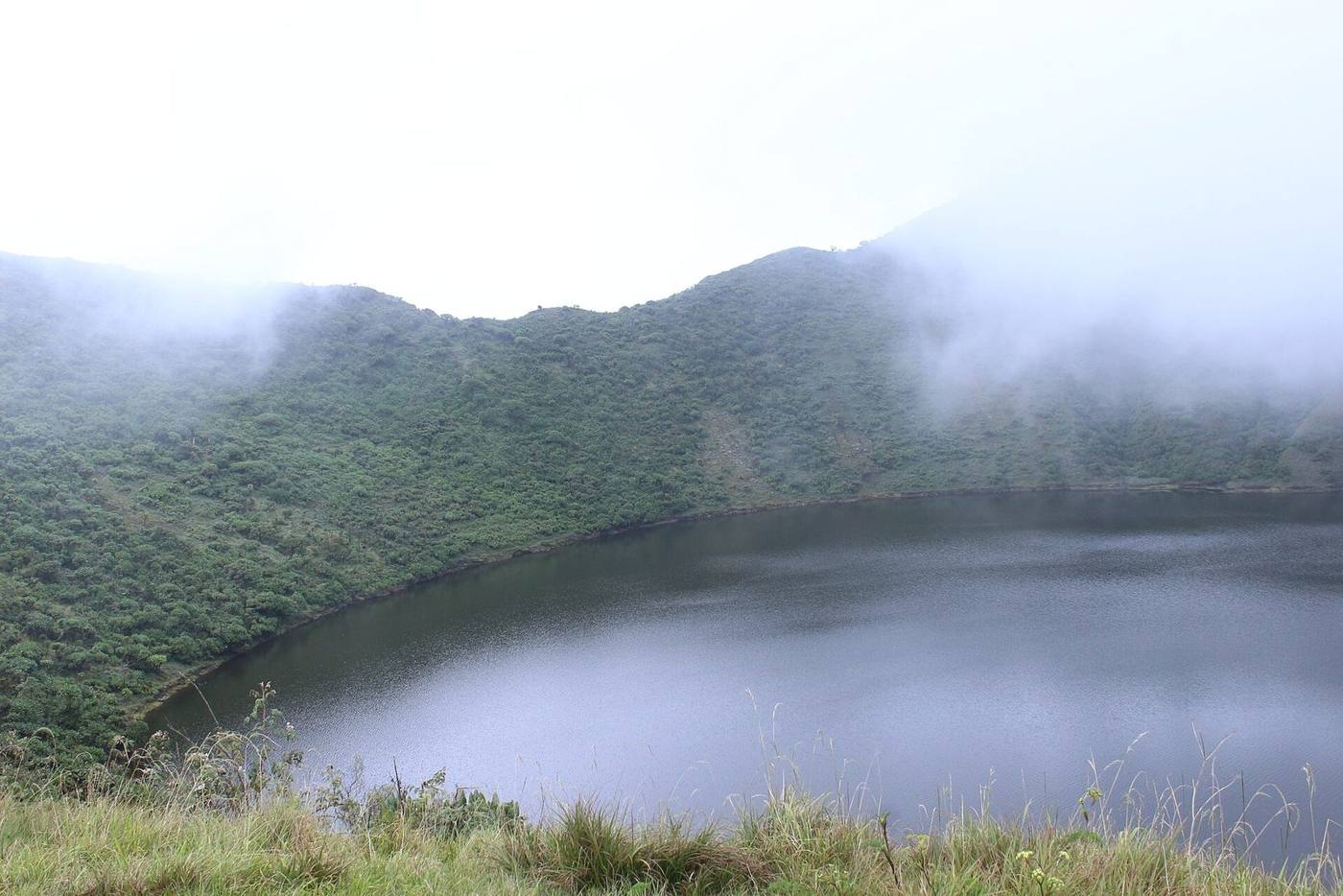
Bisoke and Dian Fossey
In Volcanoes park: the climb up Bisoke volcano with its crater lake, and the hike to Dian Fossey's grave and the Karisoke research camp.
- Musanze
- Kinigi
- Bisoke
- Karisoke
Day by day
- Day 1
From Kigali to Musanze
This trip takes you to Volcanoes National Park, in the north of Rwanda: the climb up Bisoke volcano, with the green lake in its crater, and the walk through the forest to Karisoke, Dian Fossey's research camp, where her grave lies. You travel with a driver or a hire car and always walk with the park rangers.
Before you go: Italian citizens need a passport, with at least six months' validity, and a visa, which you get on arrival at the airport or apply for online before travelling on the official Irembo portal. Other nationalities should check their own rules. Some areas on this trip are close to borders or places where the situation changes often: check your government's travel advice before booking and again before you leave. Plastic bags are banned throughout the country.
Permits for Bisoke and for Dian Fossey's grave are sold by the Rwandan tourism authority, the Rwanda Development Board, on its official portal. Book them before you travel: check prices and times.
From Kigali the road climbs north through terraced hills, banana trees and potato fields. In about two and a half hours you reach Musanze, the town at the foot of the Virunga range. On clear days you see the volcanic cones rising above the clouds.
In the afternoon walk through Musanze market, full of potatoes, beans and fruit, then drive on to Kinigi, the village near the park entrance, where it makes sense to sleep so you can start early.
Sleep in Kinigi or Musanze, for two nights.
Practical tip: pack your bag the night before with a waterproof jacket, gaiters, gardening gloves for the nettles and two litres of water.
- Day 2
The climb up Bisoke
Today you climb Bisoke, one of the five volcanoes of the park on the Rwandan side, 3,711 metres high. At the top, inside the crater, there is a lake surrounded by high mountain plants.
At seven you meet at the park headquarters in Kinigi, where the rangers divide visitors into groups and explain the rules. Then a short drive takes you to the start of the trail, at the edge of the fields.
The first stretch crosses the bamboo forest and then ever lower vegetation. The slope is steep and the ground is often deep mud: the walking sticks they give you at the entrance really help. You can hire a porter from the village for your bag: it is an important job for local families.
As you climb you meet giant lobelias and groundsels, strange plants that grow only on the great African mountains. With some luck you hear bird calls or see buffalo tracks.
At the top the sky changes in a few minutes: sometimes you see the whole lake, sometimes the mist covers it and uncovers it bit by bit. Stay with the group and stop only where the rangers tell you: the summit lies along the border line and you do not go beyond it.
The descent is slippery and needs as much care as the climb. Allow most of the day for the round trip.
In the evening rest in Kinigi with a hot soup and a cup of Rwandan tea.
Practical tip: bring a change of socks and a cloth bag for wet clothes, because you will come down covered in mud up to your knees.
- Day 3
Dian Fossey's grave and the return
Today you walk to Karisoke, the research camp founded in 1967 by the American zoologist Dian Fossey, between the Karisimbi and Bisoke volcanoes. The name itself joins the two volcanoes.
Dian Fossey spent almost twenty years studying mountain gorillas and fighting poaching. Her book Gorillas in the Mist made the world aware of these animals and their plight. In December 1985 she was killed in her cabin, and the case has never been fully solved. She is buried here, next to Digit, the gorilla she was closest to, and other gorillas in the camp cemetery.
You meet again in Kinigi early in the morning. The trail starts from the fields, enters the park and climbs into the damp forest, among trees covered in moss and creepers. The climb is less hard than Bisoke, but there is still plenty of mud. Along the way you sometimes see buffalo or hear gorillas, but this is not a gorilla visit.
At the camp you see the foundations of the cabins and the graves with their small headstones. The rangers tell the story of the place and of the research that still goes on in the park today.
In the afternoon drive back to Kigali, about two and a half hours.
In these three days you have seen the crater lake of Bisoke, the Virunga forest and the place where Dian Fossey lived and worked.
When to go: the best months are June to September and December to February, the drier seasons.
Practical tip: before you leave read or watch Gorillas in the Mist: the visit to the camp becomes far more moving.
A much cheaper alternative to the gorillas, or an addition for those who have seen them. Mud and steep slopes. The park borders Congo: walks only with rangers and a park permit.
Before you go
- Documents and visa
- Passport with at least six months' validity and one blank page. You need a visa: Italian citizens can get it on arrival at the airport or apply online before travelling on the official Irembo portal. Beware of intermediaries: no agent is authorised to apply on your behalf. Plastic bags are banned.
- Health and vaccines
- Ask your doctor about malaria prevention. A yellow fever certificate is needed only if you arrive from a country at risk. Because of the Ebola outbreak in the DR Congo there are health checks at Kigali airport. Medical facilities are limited outside Kigali: you need insurance with air evacuation. Emergencies: 112.
- Money and payments
- Rwandan franc. Cards work in Kigali and in larger establishments, and mobile payment is very common; outside the city bring cash.
- Power sockets
- Type C, E and G, 230 volts: European two-pin plugs fit the European sockets, but you need an adapter for the British ones.
- Time zone
- UTC+2 all year.
- Safety
- The Italian foreign ministry advises against the border areas with the DR Congo and Burundi, because of tensions linked to the M23 armed group. The United States rates Rwanda at level 2, with level 4, do not travel, within 10 km of the Congolese border in Rubavu and Rusizi districts. Canada also asks for a high degree of caution in the part of Volcanoes National Park along the border. The border with Burundi is closed. Crime in Kigali is low, but there are thefts and bag snatchings: at night use pre-booked transport. On the last Saturday of the month, in the morning, umuganda, community work, takes place and many services stop. Official advice: GOV.UK.
Information checked in November 2026 for Italian and EU citizens. Rules change: always check before you travel.
Variations
In 2 days: just the Bisoke climb, arriving in Kinigi the evening before and returning to Kigali the evening after.
In 5 days: add a morning with the mountain gorillas and a day on lakes Burera and Ruhondo.
Frequently asked questions
How hard is the Bisoke climb?
It is a steep, muddy climb that takes most of the day. You need to be fit, but it is not a rock climb. A porter from the village helps a lot.
Do you see gorillas on the way to Dian Fossey's grave?
This is not a gorilla visit and meeting them is not expected. To see them you need the special permit, booked well in advance.
Where do you buy the permits?
On the official portal of the Rwanda Development Board, the Rwandan tourism authority. Check prices and times and book before you travel.
Indicative itinerary written by World Atlas. Before booking, check timetables, seasonal openings, documents and safety.
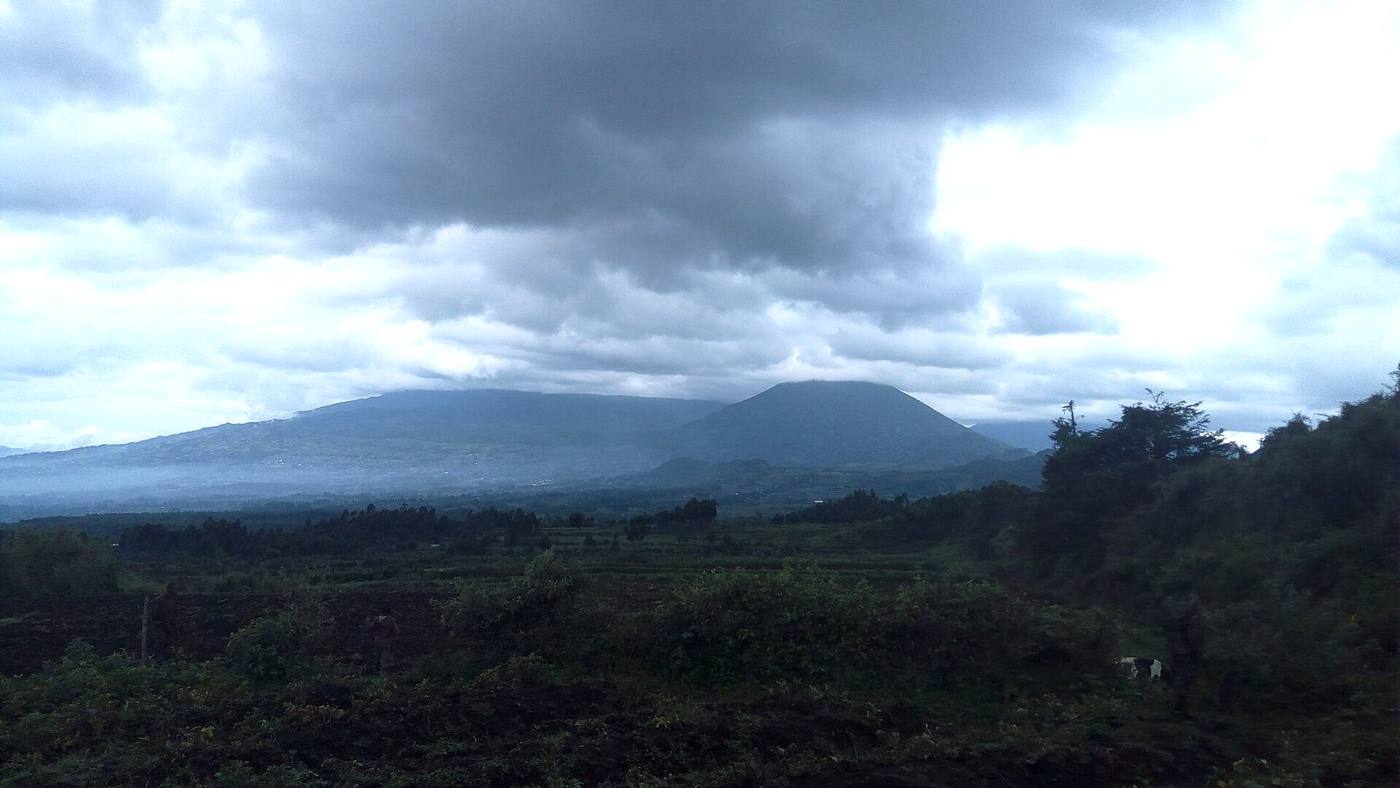 3 daysChallenging
Climbing Karisimbi
Two days on Rwanda's highest volcano, 4,507 metres, with a night in a tent below the summit and views over the Virunga chain.
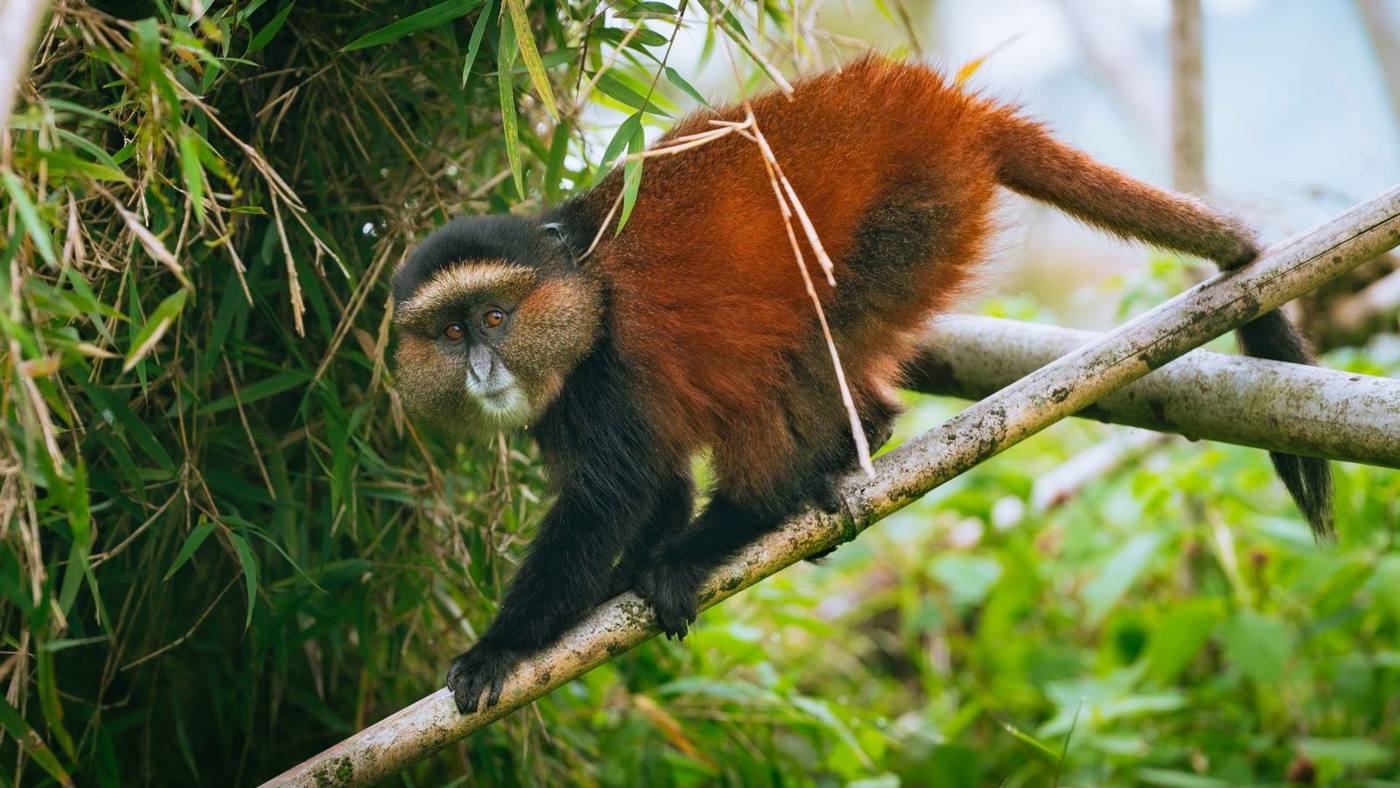 3 daysModerate
Gishwati-Mukura
Rwanda's youngest national park, with a small community of chimpanzees, golden monkeys, endemic birds and a reforestation project.
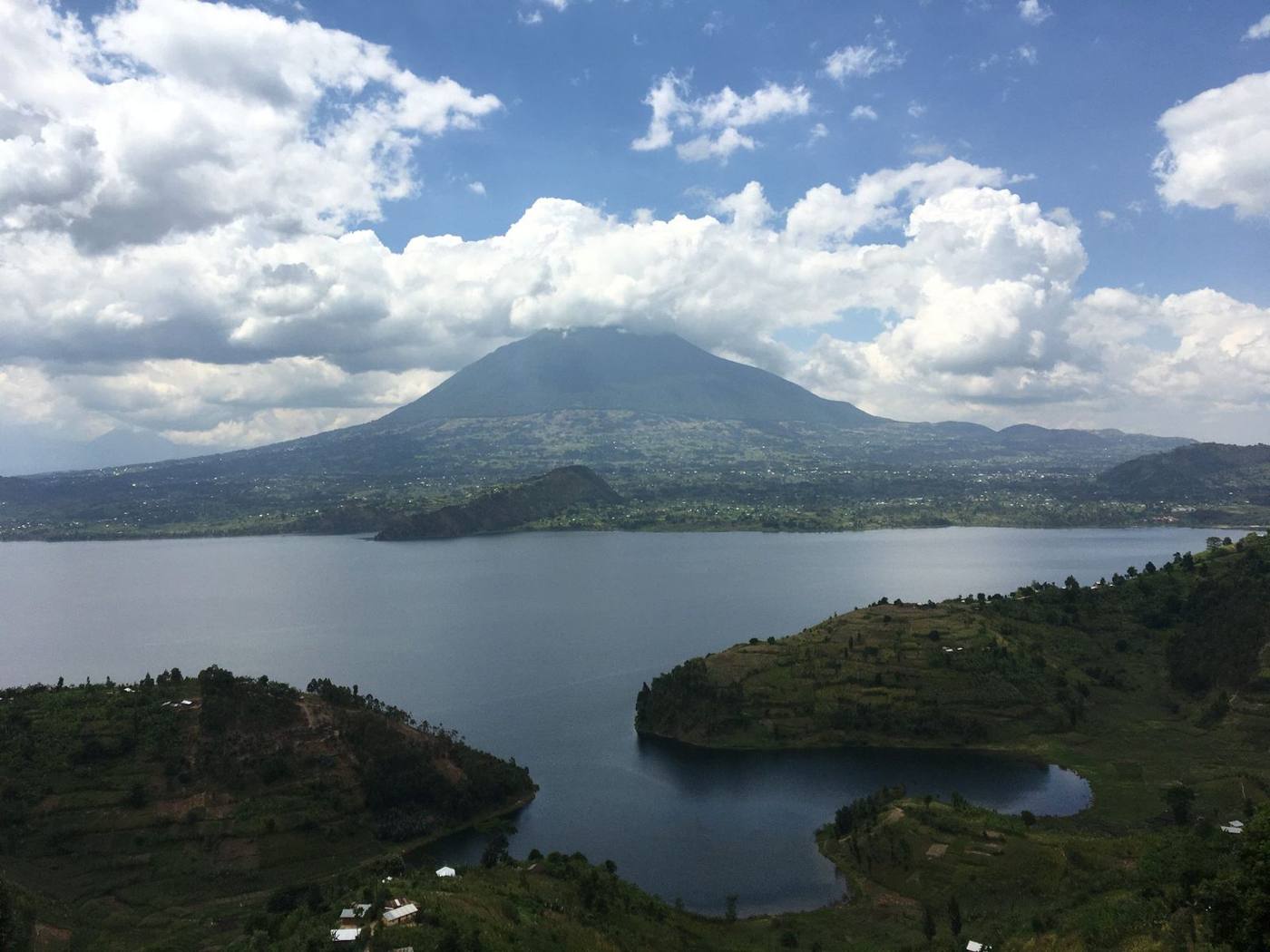 2 daysEasy
Lakes Burera and Ruhondo
The twin lakes below the volcanoes, with boat trips among the islands, fishing villages and a night in a lakeside lodge.