Diving in Anilao
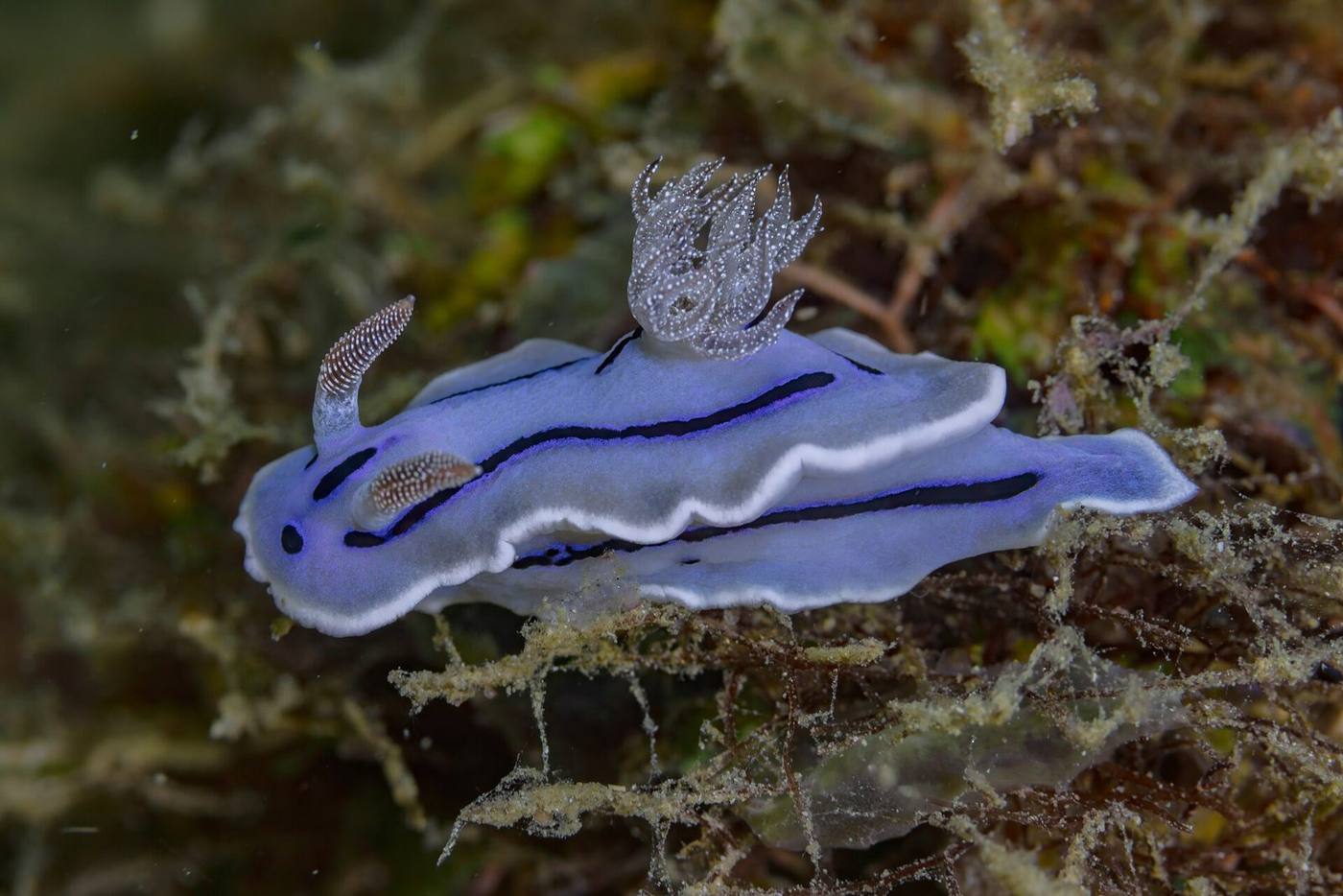
The macro diving capital, three hours from Manila: nudibranchs in every colour, pygmy seahorses, mimic octopuses and frogfish on muck dives and reefs in Balayan Bay, and night dives for the smallest creatures.
- Manila
- Batangas
- Anilao
Day by day
- Day 1
From Manila to Anilao
Anilao is a small stretch of coast in the municipality of Mabini, in Batangas province, south of Manila. Recreational diving in the Philippines began here in the 1960s, and today Anilao is famous worldwide as one of the capitals of macro diving, that is, observing and photographing the small creatures of the seabed. It lies on the Verde Island Passage, a strait that many marine biologists consider one of the areas with the greatest variety of coastal fish on the planet. This four-day trip is designed for underwater photographers and lovers of small animals; those looking for sharks and big fish will be disappointed.
From Manila you arrive by car or with a transfer arranged by the dive centre, in about three hours. Traffic leaving the capital is often heavy, and at weekends journey times can double: leave early in the morning or after the rush hour.
The road crosses Batangas province, then drops towards the Calumpang peninsula, with its palm-covered hills and bays. There is no real town in Anilao: dive centres and places to stay are scattered along the coast, often on the cliffs, with terraces over the sea and small pebble beaches.
In the afternoon, settle in, prepare your gear and, if there is time, make a check-out dive close to shore to adjust your weights and get used to the water. In the evening, talk to the centre's guides: they know every site and every animal, and they will ask you what you want to photograph.
Practical tip: bring your diving certification card and logbook, and check that your insurance covers diving.
- Day 2
Two macro dives and a night dive
The day in Anilao follows the rhythm of the dives. Early in the morning you set off in a small outrigger boat, the bangka typical of the Philippines, towards the sites along the coast, a few minutes away.
Macro diving is different from classic diving: you swim very slowly, close to a bottom of black volcanic sand, rock and coral, and search patiently for animals often only a few centimetres long. The guides have an extraordinary eye and point them out with a small stick or torch. You will see nudibranchs in every colour, small shell-less molluscs with incredible shapes and colours, frogfish camouflaged among the sponges, ghost pipefish that look like leaves, pygmy seahorses, shrimps living on corals and octopuses of many species. Sites such as Twin Rocks and Secret Bay are famous for this.
Between dives you return to shore to rest, eat and download your photos. The afternoon is the time to review your pictures and prepare your camera for the evening.
At sunset comes the night dive, the most exciting moment for many: with a torch you see animals that hide during the day, such as hunting octopuses, crabs, squid and fish sleeping among the corals. Some centres also organise blackwater dives at night, over deep water, to watch the larvae and tiny creatures that rise towards the surface.
Practical tip: on macro dives, touch nothing, do not rest on the bottom and watch your fins: it is easy to damage corals and disturb the animals.
- Day 3
The reefs of Balayan Bay
Today's dives are devoted to coral reefs and walls, to see a broader underwater landscape too. The boat heads towards Balayan Bay and the islands and rocks off the coast.
One of the best known sites is Cathedral Rock, a protected area with two large rock formations covered in soft and hard corals, where schools of colourful fish, butterflyfish, angelfish and sometimes turtles swim. The name comes from a cross placed on the bottom many years ago and blessed. Other famous sites are the walls of Sombrero Island, a hat-shaped islet, with sea fans and huge sponges, and Mainit, a point where warmer water rises from the bottom in places, with currents that are sometimes strong and bigger fish.
Visibility in Anilao varies a lot, from a few metres to more than twenty, depending on the season and the tides. The water temperature changes too: between January and March it is cooler, and many recommend a thicker wetsuit, but it is also one of the best periods for nudibranchs.
In the afternoon, if you skip the third dive, rest on a terrace over the sea or snorkel close to shore, where you already see many fish. At sunset the view over the bay, with its mountains and islands, is very beautiful.
Practical tip: some sites are marine reserves protected by the municipalities, and a small conservation fee is charged, usually collected by the dive centre. Ask beforehand what is included.
- Day 4
A last morning dive and return to Manila
On your last morning you can make one final dive at dawn, when the water is calm and many animals are active. Choose it with your guide: perhaps a site you have not yet visited, or the one where you saw the animal you want to photograph better. Then go back to shore, rinse your gear in fresh water and let it dry before packing it.
After lunch, set off for Manila. On the way, if you have time, you can make a detour towards Taal Lake and its volcano, one of the smallest and most active in the world, visible from the viewpoints on the Tagaytay ridge, about two hours from Anilao. It is also a good place for a coffee break with a view. Check the state of the volcano before going, though: after the eruptions of recent years some areas around the lake have been closed.
Once in Manila, if your flight is the next day, you can spend the evening in the Makati district or visit Intramuros, the walled Spanish city.
Remember the most important rule after diving: do not fly for at least twenty-four hours after your last dive, to avoid decompression sickness. Plan your days so as to leave this margin before your flight home.
Practical tip: Italian citizens can enter the Philippines without a visa for up to 30 days. Within 72 hours of departure the eTravel form must be completed online. From July to November typhoons can cancel flights and boat trips.
For underwater photographers and critter lovers; anyone looking for big fish will be disappointed. Do not fly within 24 hours of the last dive. Traffic from Manila can double journey times at weekends. EU citizens enter without a visa for up to 30 days; the eTravel form must be filled in online within 72 hours of departure. The UK advises against all travel to western and central Mindanao and the Sulu archipelago; the US also advises against the rural and mountainous interior of Leyte, Mindoro, Negros and Samar. From July to November typhoons can cancel flights and ferries.
Before you go
- Documents and visa
- Passport valid for at least six months and an onward ticket; no visa for tourism up to 30 days for EU citizens. In the 72 hours before the flight you fill in the no-cost eTravel form online.
- Health and vaccines
- No compulsory vaccines arriving from Europe. Protect yourself against mosquitoes because of dengue and keep away from dogs and monkeys because of rabies. Drink only bottled water. Emergencies: 911.
- Money and payments
- Philippine peso. On small islands cash machines are few and often empty: carry cash.
- Power sockets
- Types A, B and C, 220 volts: bring a universal adapter.
- Time zone
- UTC+8 all year.
- Safety
- The United States rates the Philippines level 2, with level 4 for the Sulu archipelago, the southern Sulu Sea and Marawi, and level 3 for much of Mindanao. Typhoons occur from June to November. Official advice: GOV.UK.
Information checked in November 2026 for Italian and EU citizens. Rules change: always check before you travel.
Variations
In 3 days: arrival, a full day of macro dives with the night dive, and return, if your flight is at least the next day.
In 8 days: after Anilao, fly to Bohol or head to Puerto Galera, on Mindoro island, for dives with more reefs and bigger fish.
Frequently asked questions
When is the best time to go?
From October to June, when the sea is calmer. From January to March the water is cooler but there are many nudibranchs. From July to November there are typhoons and the sea can be rough.
Do I need a certification?
Yes, scuba diving requires a recognised certification. Centres also run beginner courses, but macro diving rewards those who already have experience and good buoyancy control.
What documents do I need?
A valid passport. Italian citizens can enter without a visa for up to 30 days and must complete the eTravel form online within the 72 hours before departure.
Indicative itinerary written by World Atlas. Before booking, check timetables, seasonal openings, documents and safety.
 4 daysEasy
Manila, Intramuros and Taal volcano
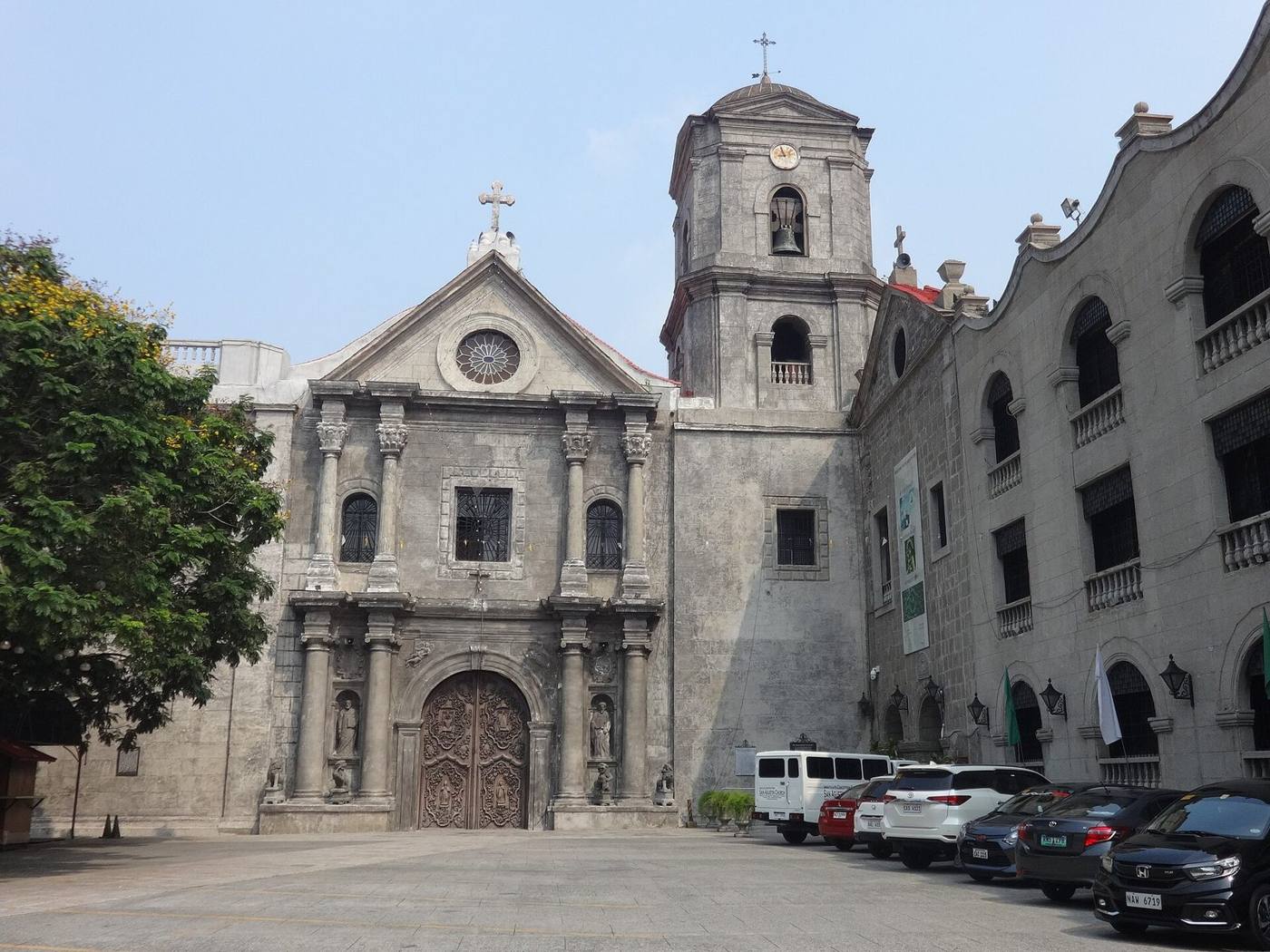
The capital before the islands: the Spanish walled city of Intramuros with Fort Santiago and San Agustín Church (UNESCO), the National Museum, Binondo, the world's oldest Chinatown, then Tagaytay on its ridge overlooking the lake and Taal volcano.
 5 daysEasy
Vigan and the Ilocos coast
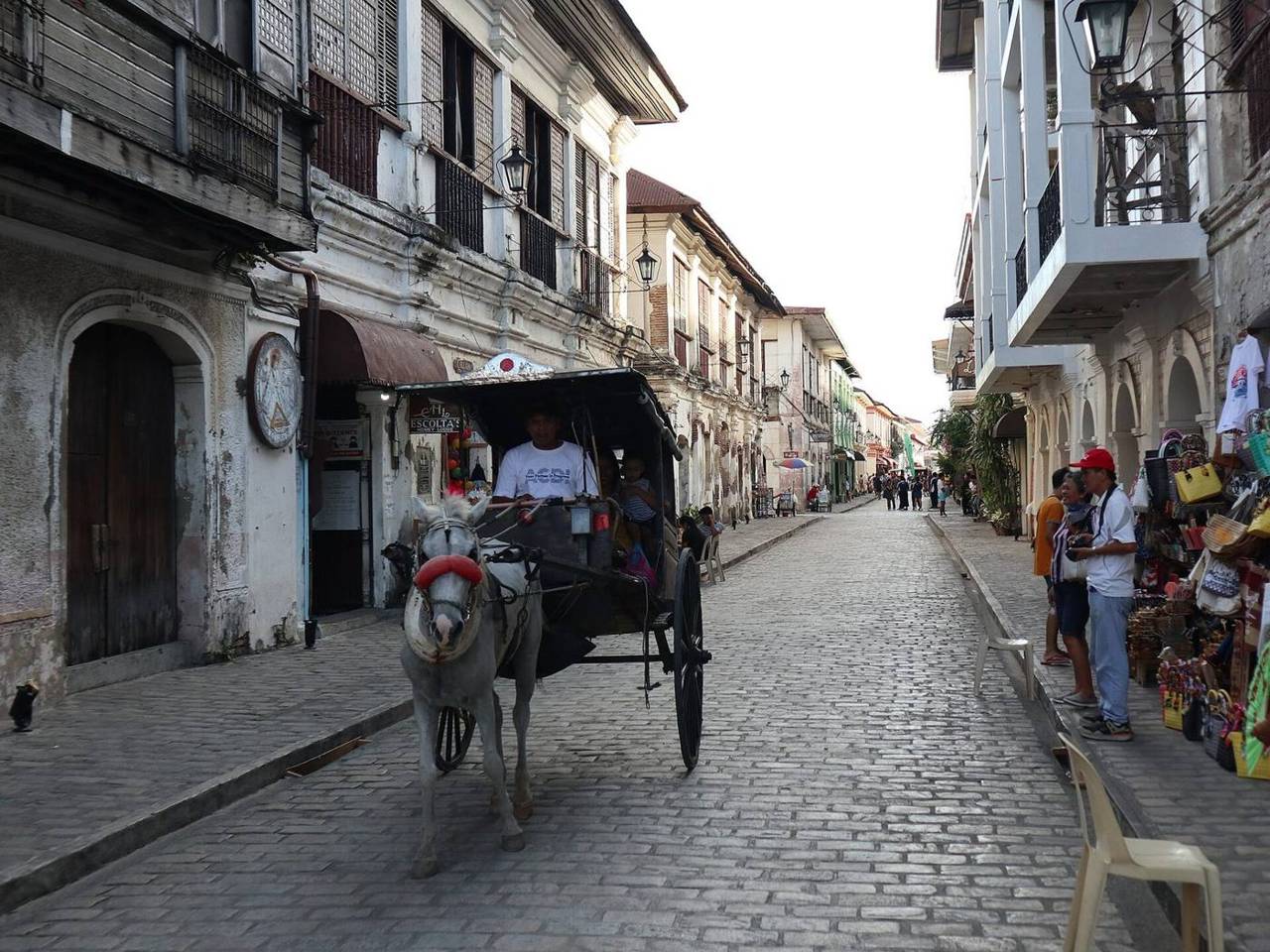
Colonial northern Luzon: Vigan, a UNESCO-listed Spanish town with Calle Crisologo and horse-drawn carriages, the earthquake baroque church of Paoay, also UNESCO, the La Paz sand dunes, Cape Bojeador lighthouse and the beaches of Pagudpud.
 5 daysEasy
Camiguin, the island born of fire
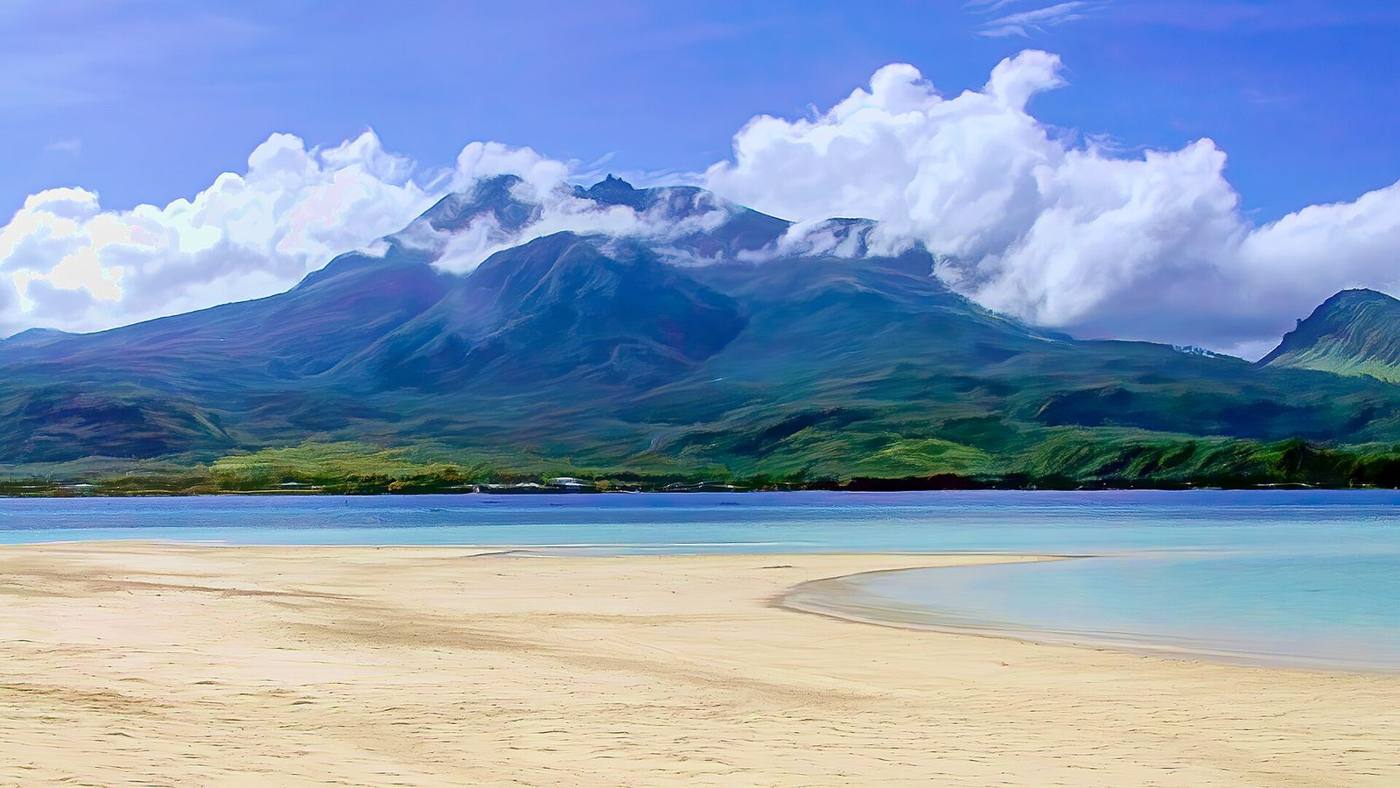
A small island with seven volcanoes: the white sandbar of White Island facing Mount Hibok-Hibok, the sunken cemetery marked by a cross in the sea, hot and cold springs, the Katibawasan and Tuasan waterfalls and the ruins of the old Gui-ob church.