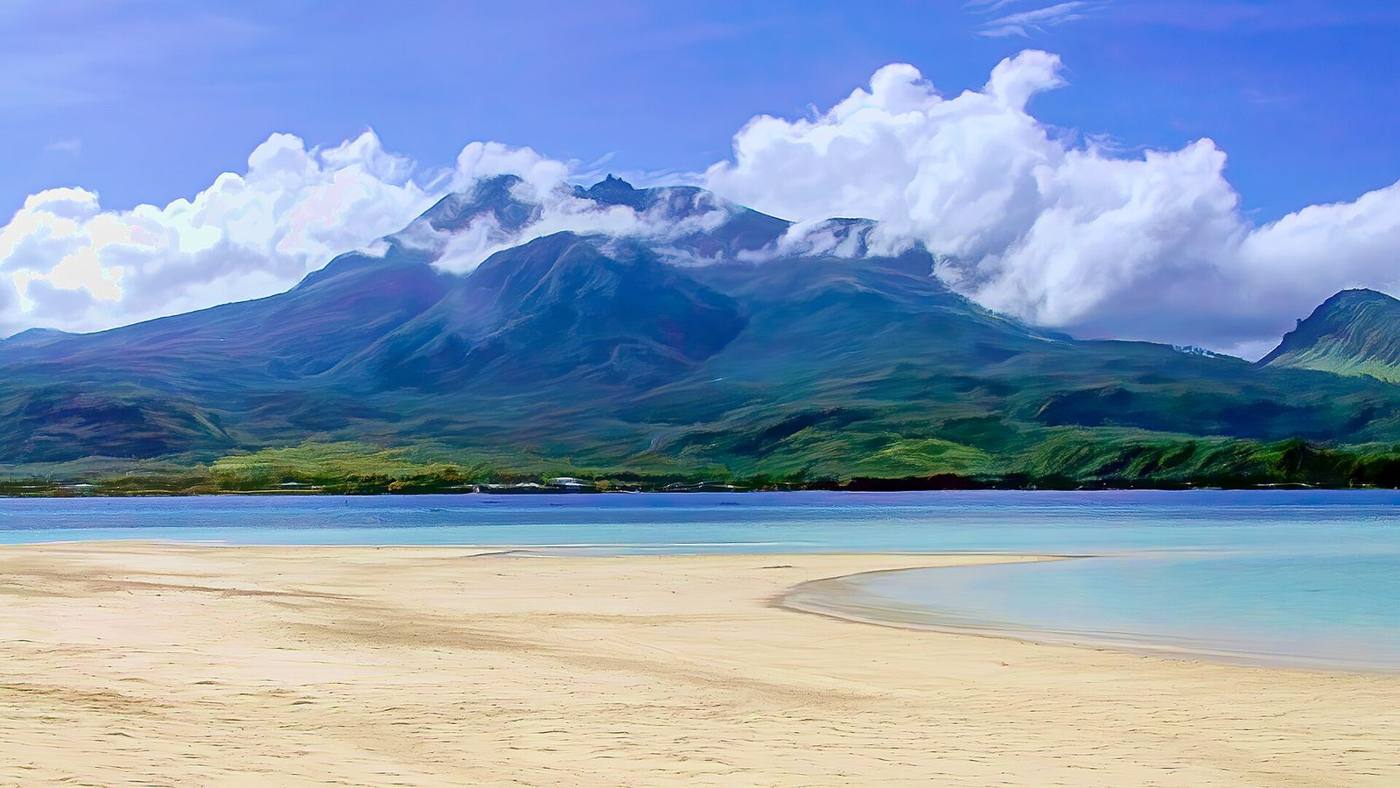
Camiguin, the island born of fire
A small island with seven volcanoes: the white sandbar of White Island facing Mount Hibok-Hibok, the sunken cemetery marked by a cross in the sea, hot and cold springs, the Katibawasan and Tuasan waterfalls and the ruins of the old Gui-ob church.
- Cagayan de Oro
- Camiguin
- Mambajao
- White Island
Day by day
- Day 1
Arriving on Camiguin, by plane or by ferry from Balingoan
Camiguin is a small teardrop-shaped island in the Bohol Sea, north of Mindanao, born from volcanoes: on just twenty-five kilometres of length there are seven volcanoes, including Hibok-Hibok, still active. The result is a very green island with waterfalls, hot and cold springs, lava fields, a white sandbar in the middle of the sea and a quiet life far from mass tourism. Italian citizens can enter the Philippines without a visa for up to 30 days and must complete the eTravel form online within 72 hours before arrival. The United States advises against much of Mindanao, but the United Kingdom lists Camiguin among the areas where travel is possible: still, check the latest advice before you go.
You arrive by short flights from Cebu to the small Mambajao airport, or via Cagayan de Oro on Mindanao: from there a bus or taxi takes about two hours to the port of Balingoan, where ferries cross in about an hour to Benoni port on Camiguin.
In the afternoon settle in at Mambajao, the main town, or along the north coast, where most lodgings are, and stroll along the dark volcanic sand seafront. The island is small: a ring road of about sixty-four kilometres goes all the way round.
In the evening try grilled fish, kinilaw, raw fish marinated in vinegar, and Camiguin sweets such as pastel, a soft bun filled with custard.
Practical tip: check ferry and flight times, which change with the seasons and the sea; in typhoon season services may be suspended.
- Day 2
White Island at dawn and the Sunken Cemetery
Early in the morning take a small outrigger boat from Agoho beach near Mambajao to White Island, a few minutes away: a crescent-shaped white sandbar in the middle of the sea, with no trees or buildings, that changes shape with the tides. From here you see Camiguin with the Hibok-Hibok and Vulcan volcanoes behind, one of the finest views in the Philippines. At dawn the light is soft and the sand not yet scorching; after ten the sun is fierce and there is no shade. Swim and snorkel around the bar.
In the afternoon go to the west coast at Bonbon to see the Sunken Cemetery. In 1871 the eruption of Mount Vulcan caused part of the coast to sink, including the town's old cemetery, which ended up underwater. Today a huge white cross on a platform in the sea marks the spot; you can reach it by boat and snorkel over the old graves, covered in coral and fish.
On the hill above the coast, on Mount Vulcan, born in that very eruption, a stairway with the Stations of the Cross climbs to views over the Sunken Cemetery and the sunset over the sea.
In the evening return to Mambajao.
Practical tip: bring water, reef-friendly sunscreen and a hat for White Island, where there is no shade.
- Day 3
Around the island: waterfalls, springs and the Gui-ob ruins
In the morning hire a scooter, a car with driver or a tricycle, the motorbike with sidecar typical of the Philippines, and drive around the island on the coastal road, stopping at the finest spots.
Start with Katibawasan Falls, about seventy metres high, dropping into a cool natural pool in the forest at the foot of Hibok-Hibok. Then go on to Tuasan Falls, more powerful, in a green gorge. Along the road you see groves of lanzones, Camiguin's signature fruit, celebrated every October at the Lanzones Festival.
In Catarman, on the south-west coast, visit the ruins of Gui-ob church, destroyed by the 1871 eruption: the coral-stone walls, bell tower and foundations remain, covered in moss, in a quiet garden.
In the afternoon swim in Santo Niño Cold Spring, a large natural pool of very clear, very cold water rising from the ground, and in the evening soak in the Ardent hot springs, pools of thermal water heated by the volcano, in a grove near Mambajao: they are most pleasant in the evening when the air is cool.
Along the way also stop at the old lighthouse and the black sand beaches.
Practical tip: if you ride a scooter, watch out for dogs and children on the road and wear a helmet; inland roads are narrow.
- Day 4
Snorkelling at Mantigue or a guided climb of Hibok-Hibok
In the morning choose between sea and mountain.
If you prefer the sea, take a boat from the east coast to Mantigue Island, an islet with a white beach and a small wood, about twenty minutes away. Around it lies a protected marine sanctuary run by the local community, with a reef rich in colourful fish, soft corals and sea turtles, often seen while snorkelling. A small fishing community also lives on the island.
If you prefer the mountain and are fit, climb Hibok-Hibok, the island's active volcano at about 1,330 metres, with a licensed guide. The climb needs a permit from the park authorities and the volcanology institute, which monitor the volcano, and takes a full day: you pass through tropical forest, cloud forest with mosses and ferns, and finally volcanic rock to the crater, with views over the whole island and the sea. The last major eruption, between 1948 and 1953, caused hundreds of deaths.
In the afternoon, after the trip, rest.
In the evening, if there is a moon, watch the sea from the beach or look for fireflies in the mangroves near the coast.
Practical tip: for Hibok-Hibok book the guide and permit a few days ahead; the climb may close if volcanic activity increases.
- Day 5
A last morning on the island and the journey home
In the morning, if your flight or ferry is in the afternoon, visit the small Binangawan falls or the viewpoints above Mambajao, or go back to White Island for a last swim.
Alternatively, join a diving trip: around the island there are walls and coral gardens suitable even for beginners, with centres offering courses and dives.
In the afternoon head off: by plane from Mambajao to Cebu, or by ferry from Benoni to Balingoan and then by bus or taxi to Cagayan de Oro airport, with flights to Manila and Cebu. Allow plenty of time, as connections can be delayed.
Things to take home: pastel buns, lanzones jam and products, coconut-fibre handicrafts and worked pearls and shells.
Practical tip: keep a spare day before your international flight; in rough seas ferries can be cancelled and small flights rescheduled. Before leaving the island, if time allows, stop at Mambajao market, where women sell tropical fruit, dried fish, rice and coconut sweets, and where you get a feel for everyday island life. It is also the right place to buy lanzones in the harvest season, between September and November, and to say a calm goodbye to an island that welcomes visitors without hurry. If you have a little more time, stroll along the harbour and watch the outrigger boats come and go.
Camiguin lies off northern Mindanao and is one of the few places in that area the UK does not advise against; travel by air or by ferry from Cagayan de Oro, without touring the rest of Mindanao. In late October the island fills up for the Lanzones Festival. EU citizens enter without a visa for up to 30 days; the eTravel form must be filled in online within 72 hours of departure. The UK advises against all travel to western and central Mindanao and the Sulu archipelago; the US also advises against the rural and mountainous interior of Leyte, Mindoro, Negros and Samar. From July to November typhoons can cancel flights and ferries.
Before you go
- Documents and visa
- Passport valid for at least six months and an onward ticket; no visa for tourism up to 30 days for EU citizens. In the 72 hours before the flight you fill in the no-cost eTravel form online.
- Health and vaccines
- No compulsory vaccines arriving from Europe. Protect yourself against mosquitoes because of dengue and keep away from dogs and monkeys because of rabies. Drink only bottled water. Emergencies: 911.
- Money and payments
- Philippine peso. On small islands cash machines are few and often empty: carry cash.
- Power sockets
- Types A, B and C, 220 volts: bring a universal adapter.
- Time zone
- UTC+8 all year.
- Safety
- The United States rates the Philippines level 2, with level 4 for the Sulu archipelago, the southern Sulu Sea and Marawi, and level 3 for much of Mindanao. Typhoons occur from June to November. Official advice: GOV.UK.
Information checked in November 2026 for Italian and EU citizens. Rules change: always check before you travel.
Variations
In 3 days: White Island and the Sunken Cemetery on day one, the island loop on day two, Mantigue on day three.
In 8 days: combine Camiguin with Bohol, with the Chocolate Hills and tarsiers, reachable by ferry.
Frequently asked questions
Is it safe to go to Camiguin?
The United States advises against much of Mindanao, but the United Kingdom lists Camiguin among the areas where travel is possible. Check the latest advice before you go.
What documents do I need?
A passport, with no visa for up to 30 days, and the eTravel form online within 72 hours before arrival.
When is the best time to go?
March to May is drier; from June to December there can be rain and typhoons; in October there is the Lanzones Festival.
Indicative itinerary written by World Atlas. Before booking, check timetables, seasonal openings, documents and safety.
 5 daysEasy
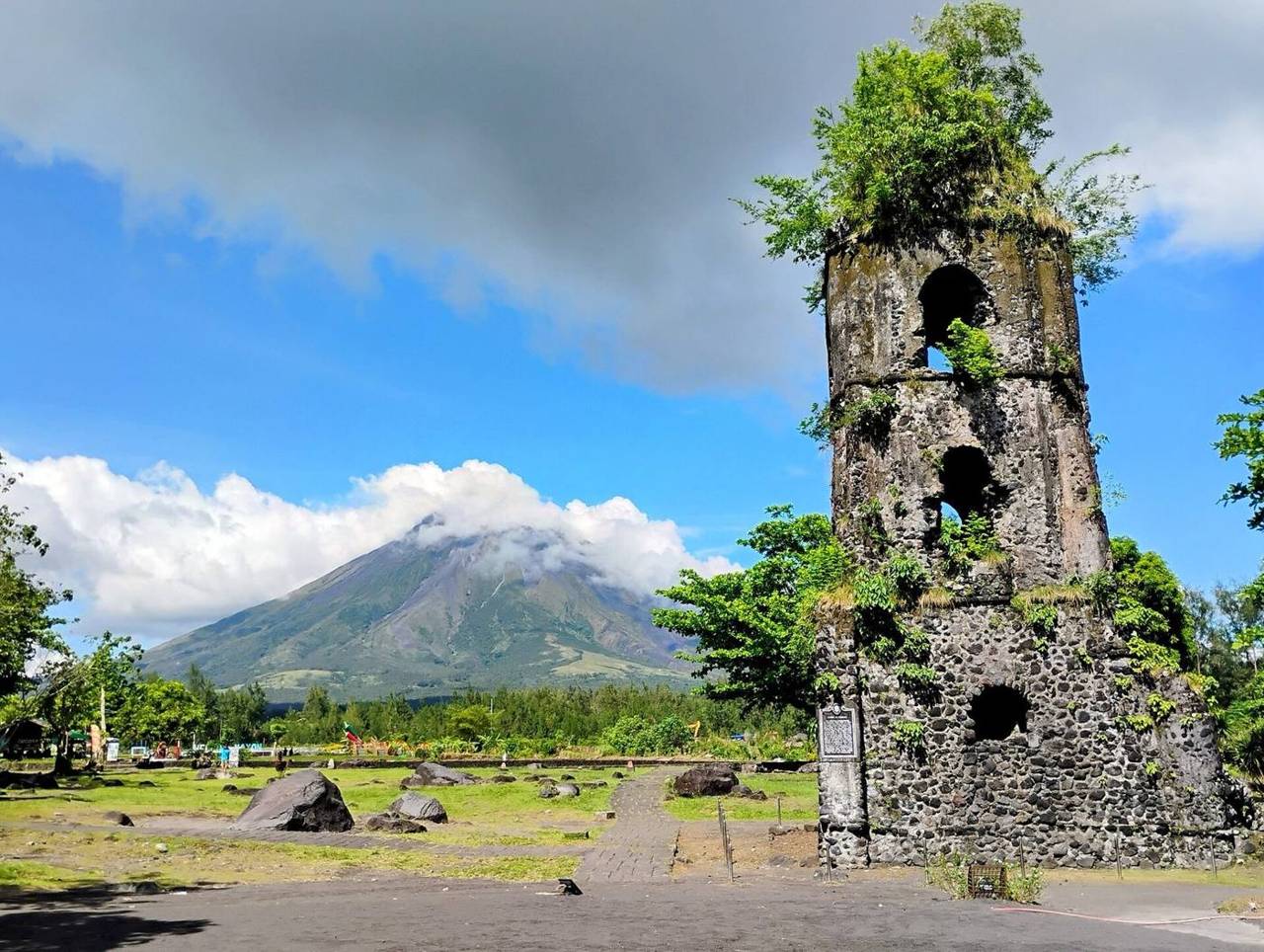
Donsol, the whale sharks and Mayon volcano
Southern Luzon: in Donsol you swim with wild whale sharks, without feeding them, with community boats and guides, then fireflies on the river at night, and Legazpi with the perfect cone of Mayon volcano and the Cagsawa church ruins buried by the 1814 eruption.
 5 daysEasy
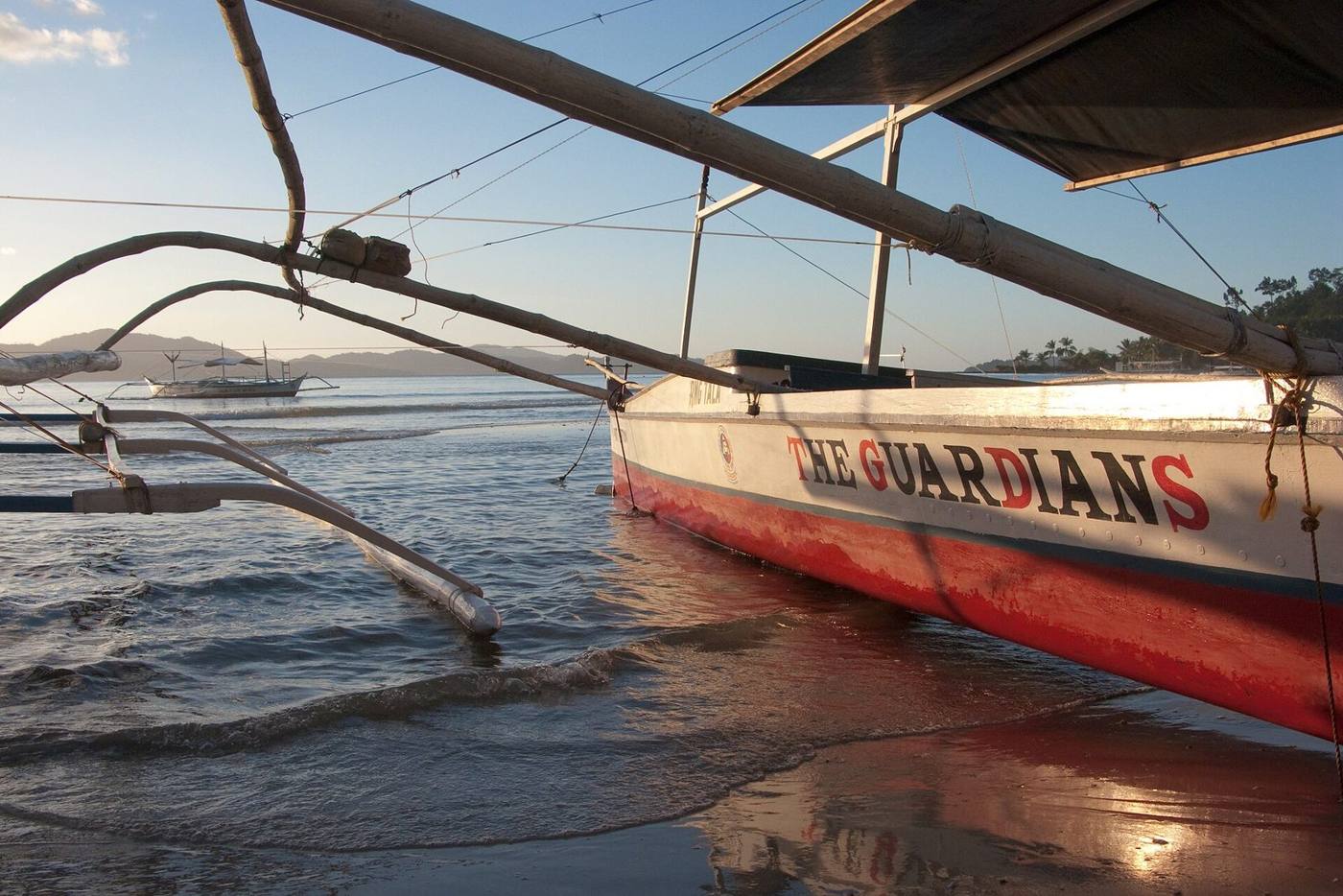
Port Barton and San Vicente
Palawan without the El Nido crowds: the village of Port Barton with boat trips among islets, reefs and turtles, Pamuayan Falls, then Long Beach in San Vicente, over 14 km of almost empty sand.
 4 daysEasy
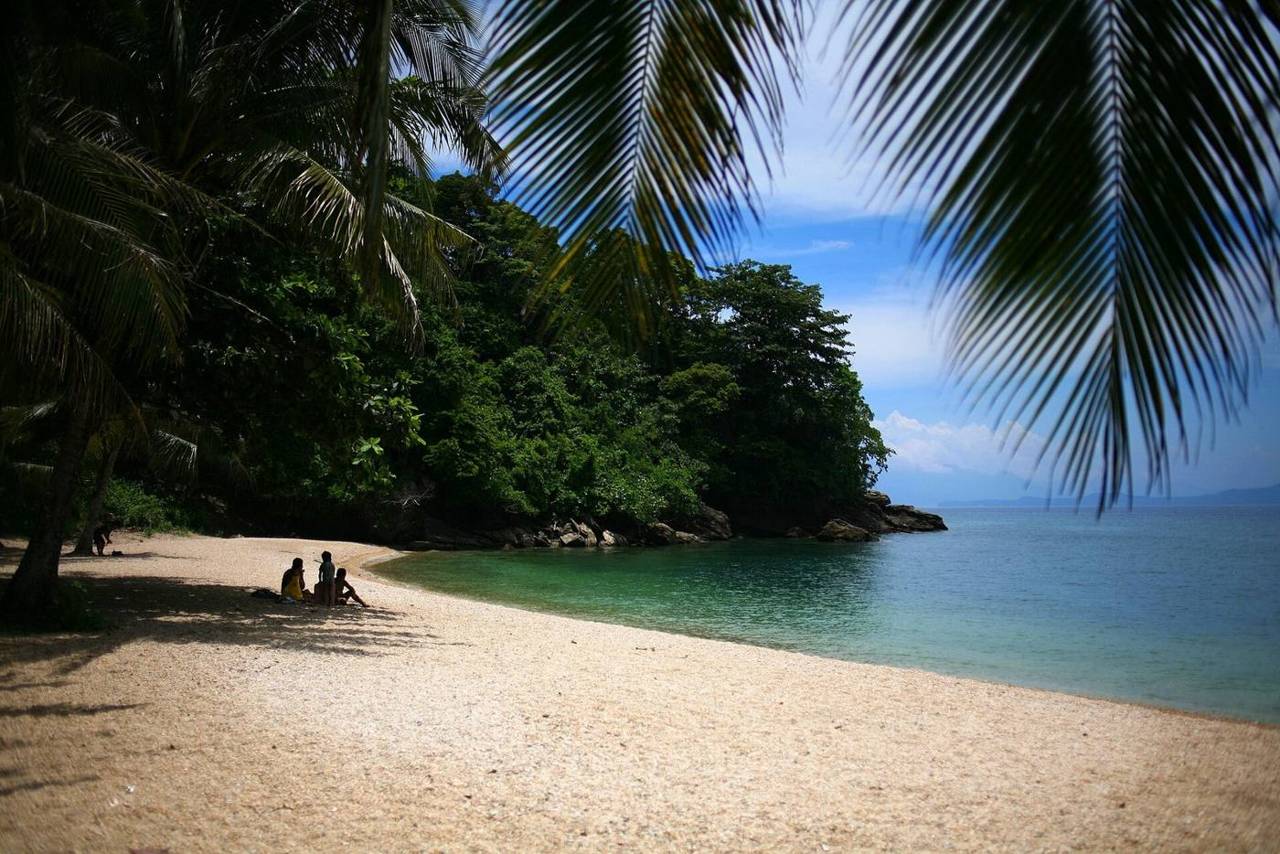
Puerto Galera and the Verde Island Passage
The nearest diving sea to Manila: the bays of Sabang and White Beach, the walls and currents of the Verde Island Passage, considered one of the places with the most coastal fish species in the world, and the Mangyan villages in the hills.