Donsol, the whale sharks and Mayon volcano
Southern Luzon: in Donsol you swim with wild whale sharks, without feeding them, with community boats and guides, then fireflies on the river at night, and Legazpi with the perfect cone of Mayon volcano and the Cagsawa church ruins buried by the 1814 eruption.
- Legazpi
- Cagsawa
- Donsol
Day by day
- Day 1
The flight to Legazpi, the Cagsawa ruins and Mayon
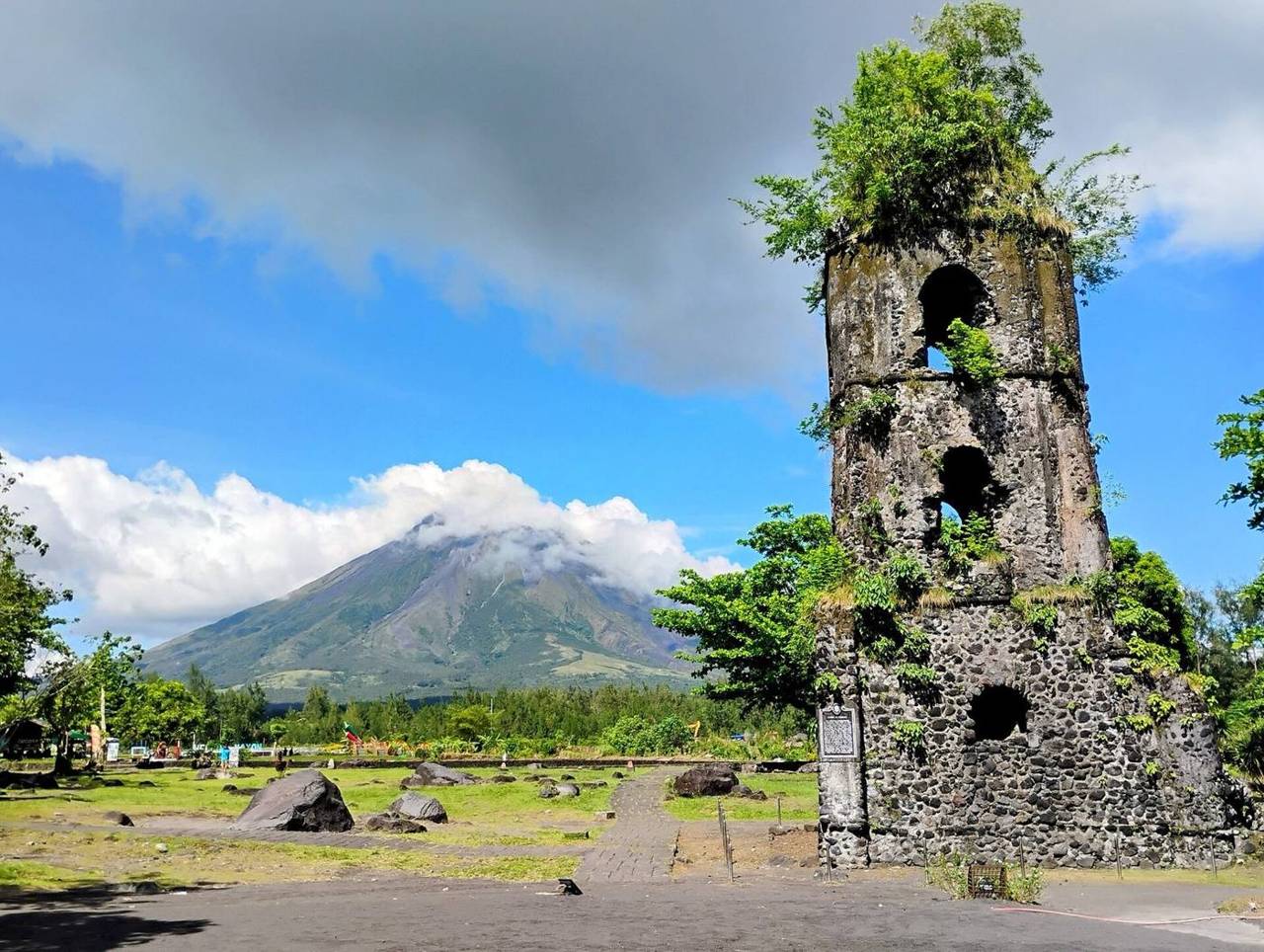
The Bicol region, at the south-eastern tip of Luzon island, is dominated by the Mayon volcano, 2,462 metres high, famous for its almost perfect cone, one of the most regular in the world. Not far away, in the sea off Donsol, whale sharks arrive between December and May, the largest fish in the world, which here you can see while swimming with mask and snorkel, without them being fed. In five days you combine the volcano and an encounter with these gentle giants.
You fly from Manila to Bicol airport, near Legazpi, in about an hour. From the plane, on a clear day, you can already see the cone of Mayon rising from the green plain.
In the afternoon, visit the Cagsawa ruins, a few kilometres from the city. A Franciscan church from the eighteenth century stood here, destroyed in 1814 by one of Mayon's most violent eruptions, which buried the village under ash and debris. Today only the bell tower remains, rising from the fields with the volcano behind: it is the most famous image of the region.
Then go up Ligñon Hill in Legazpi, with a viewpoint from which you see the city, the harbour, Albay Gulf and, opposite, Mayon. At sunset the light turns the volcano's cone pink and orange.
In the evening, try Bicol cooking, famous for its use of coconut milk and chilli: Bicol express, pork cooked in coconut with chilli, and laing, taro leaves in coconut milk.
Practical tip: Mayon is often covered by cloud. The early morning and sunset are the best times to see it whole.
- Day 2
The transfer to Donsol and the fireflies on the river
In the morning, before leaving Legazpi, you can take a four-wheel-drive or quad bike trip over the old lava flows at the foot of Mayon. The routes cross riverbeds of volcanic sand and fields of boulders left by the eruptions, up to viewpoints near the cone. Alternatively, visit Sumlang Lake, a small lake surrounded by palms, with bamboo rafts and the volcano reflected in the water.
At midday, head south-west to Donsol, a fishing town on the coast, about an hour and a half away on a road through rice fields, coconut palms and villages. Donsol was a quiet village until the late 1990s, when it was discovered that many whale sharks gathered in its waters every year. Since then the community has organised controlled tourism, which gives work to fishermen and protects the animals.
In the afternoon, settle into one of the small guesthouses on the beach and rest.
In the evening, after sunset, take a boat trip on the Donsol river to see the fireflies. The boats glide quietly upriver between the mangroves, and the trees light up with thousands of tiny lights that flash on and off together, like Christmas trees. Moonless nights are best.
Practical tip: in Donsol there are few cash machines and they do not always work. Bring enough cash from Legazpi.
- Day 3
The whale shark trip
Early in the morning, go to the Donsol visitor centre, where you register, pay the fee and watch a short video with the rules for meeting whale sharks. Then board a traditional outrigger boat, with a small group of swimmers, the captain and a spotter trained to find the sharks, called a butanding interaction officer, from the local name for the whale shark.
The boat sails slowly along the coast while the spotter looks for the shark's dark shadow beneath the surface. When he spots it, he gives the signal: you sit on the edge of the boat with mask, snorkel and fins and, at his word, slip into the water and swim alongside the animal. Whale sharks can be more than ten metres long, but they are peaceful and feed on plankton. Seeing one glide slowly beneath you, with its huge mouth open and its white-spotted skin, is a powerful experience.
The rules are strict: do not touch them, keep a few metres away, do not get in front of the mouth, no flash and no scuba diving. On each boat a maximum of six people go into the water at a time.
The trip lasts about three hours. In the afternoon, rest on the beach or take a walk through town.
Practical tip: in Donsol the water is often murky from plankton, and the sharks appear suddenly. You need to be a strong swimmer in open water: if you are unsure, wear a life jacket.
- Day 4
A second trip or a day by the sea
Sightings are never guaranteed: on some days you see many sharks, on others none. That is why it is best to keep a second day in Donsol.
If the previous day went well, today you can choose a day by the sea. You can take a boat trip to the beaches and islets of the area, or a scuba dive at Manta Bowl, a sandbank in open water near Ticao island, where giant mantas pass and sometimes whale sharks too. It is a dive for experienced divers, because of the strong currents.
If you did not see the sharks the day before, take a second trip early in the morning, when the sea is often calmer.
In the afternoon, explore the area around Donsol: the fishing villages, the rice fields, the coconut groves. You can also kayak among the river's mangroves, home to birds, crabs and fish.
At sunset, sit on the beach and watch the fishing boats coming home.
In the evening, if you did not go on the first night, take the firefly trip on the river.
Practical tip: the whale shark season usually runs from December to May, with more sightings between February and April. The number of animals varies greatly from year to year: check recent sightings before you go.
- Day 5
Back to Legazpi and the flight
On your last morning, leave Donsol early and return to Legazpi, in about an hour and a half. If the sky is clear, you will see Mayon again along the way, from the other side.
If you have time before your flight, visit the centre of Daraga, with the baroque church of Our Lady of the Gate, built on a hill in the eighteenth century in volcanic stone, with its carved façade and a view of the volcano. Or make a last stop at the Cagsawa ruins in the morning light.
In Legazpi you can also walk along the seafront and the harbour and try pili, a nut typical of Bicol, used in sweets and brittle.
In the late morning or afternoon, take the flight to Manila.
This area combines well with other parts of the Philippines: Manila and Intramuros, the Taal volcano, the Caramoan islands, further north in the same Bicol region, or the Visayas, with Bohol, Siquijor and Cebu.
Mayon is one of the most active volcanoes in the Philippines. Climbing to the crater is forbidden during alert periods and, in general, requires permits and guides: tourist trips stop on the lower slopes.
Practical tip: Italian citizens can enter the Philippines without a visa for up to 30 days, and must fill in the eTravel form online in the 72 hours before the flight. From July to November typhoons can cancel flights and boats: keep a spare day.
Sightings are not guaranteed and vary a lot from year to year. Unlike Oslob, the sharks are not fed here: it is the most respectful choice. Mayon is one of the country's most active volcanoes: climbing is banned during alert periods. EU citizens enter without a visa for up to 30 days; the eTravel form must be filled in online within 72 hours of departure. The UK advises against all travel to western and central Mindanao and the Sulu archipelago; the US also advises against the rural and mountainous interior of Leyte, Mindoro, Negros and Samar. From July to November typhoons can cancel flights and ferries.
Before you go
- Documents and visa
- Passport valid for at least six months and an onward ticket; no visa for tourism up to 30 days for EU citizens. In the 72 hours before the flight you fill in the no-cost eTravel form online.
- Health and vaccines
- No compulsory vaccines arriving from Europe. Protect yourself against mosquitoes because of dengue and keep away from dogs and monkeys because of rabies. Drink only bottled water. Emergencies: 911.
- Money and payments
- Philippine peso. On small islands cash machines are few and often empty: carry cash.
- Power sockets
- Types A, B and C, 220 volts: bring a universal adapter.
- Time zone
- UTC+8 all year.
- Safety
- The United States rates the Philippines level 2, with level 4 for the Sulu archipelago, the southern Sulu Sea and Marawi, and level 3 for much of Mindanao. Typhoons occur from June to November. Official advice: GOV.UK.
Information checked in November 2026 for Italian and EU citizens. Rules change: always check before you travel.
Variations
In 3 days: flight to Legazpi, transfer to Donsol and one whale shark trip.
In 9 days: after Donsol, continue to the Caramoan islands, also in the Bicol region.
Frequently asked questions
When can you see whale sharks?
Usually from December to May, with more sightings between February and April. They are never guaranteed and numbers vary greatly from year to year.
How is it different from Oslob?
In Donsol the sharks are not fed: you meet them in their natural environment, with strict rules. It is the most respectful choice for the animals.
Can you climb Mayon?
Climbing to the crater is forbidden during alert periods and generally requires permits and guides. Tourist trips stay on the lower slopes.
Indicative itinerary written by World Atlas. Before booking, check timetables, seasonal openings, documents and safety.
 5 daysEasy
Port Barton and San Vicente
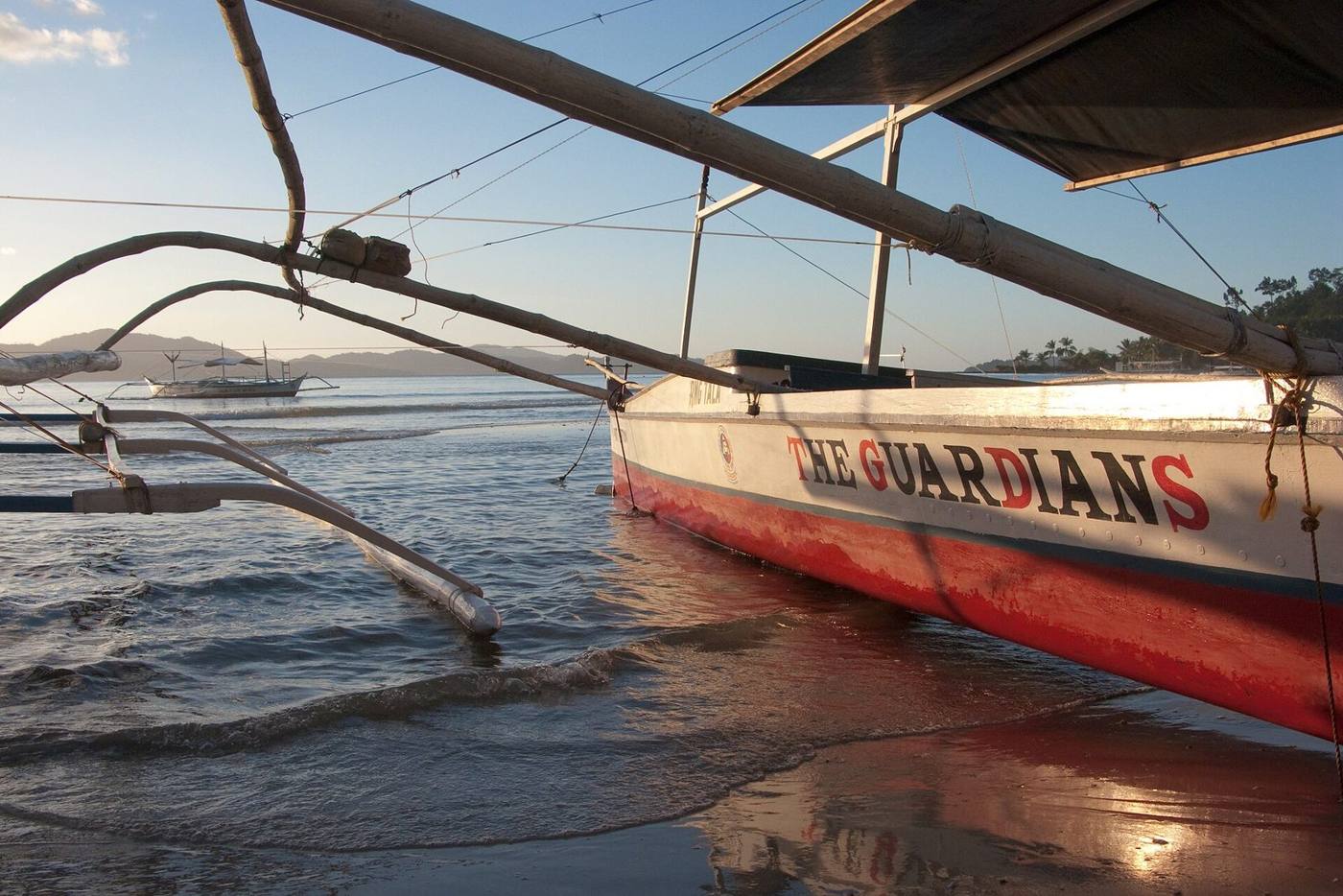
Palawan without the El Nido crowds: the village of Port Barton with boat trips among islets, reefs and turtles, Pamuayan Falls, then Long Beach in San Vicente, over 14 km of almost empty sand.
 4 daysEasy
Puerto Galera and the Verde Island Passage
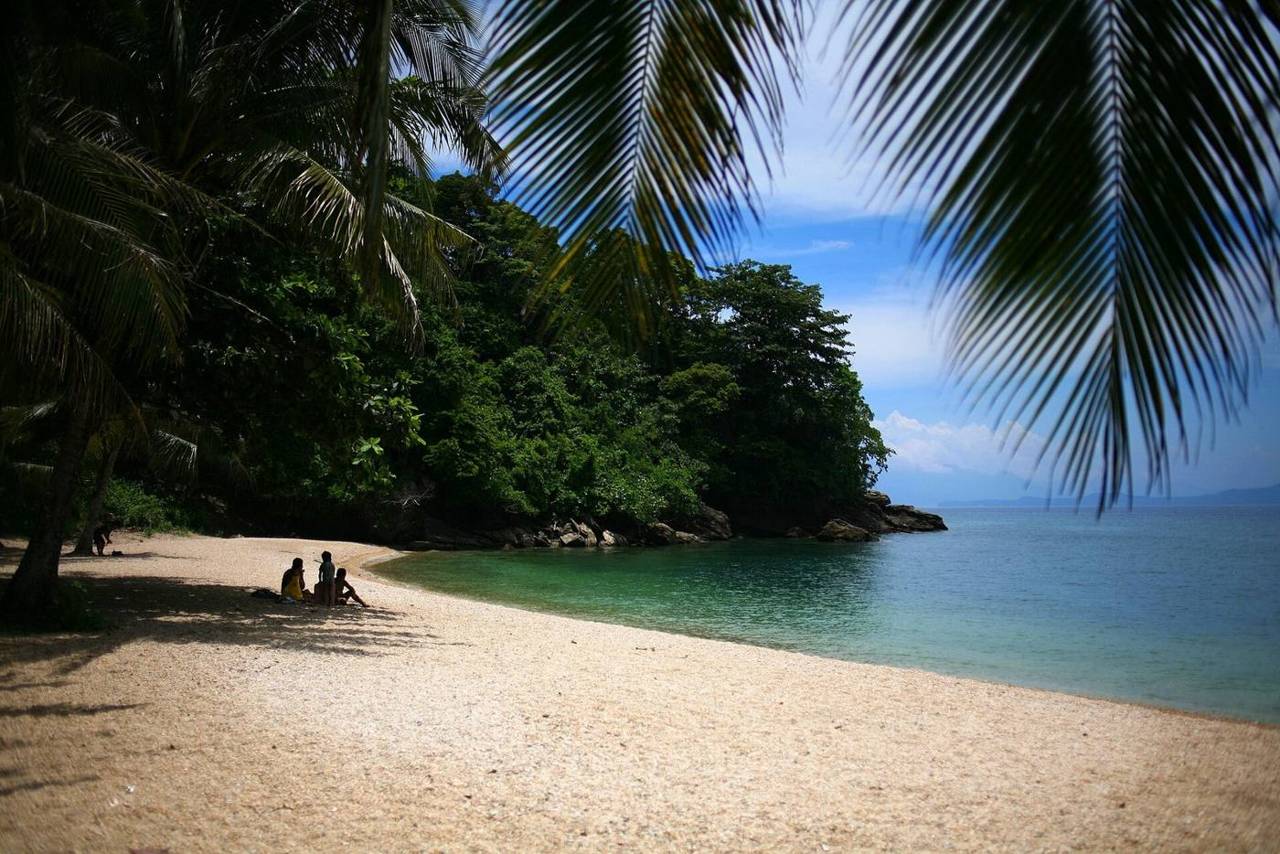
The nearest diving sea to Manila: the bays of Sabang and White Beach, the walls and currents of the Verde Island Passage, considered one of the places with the most coastal fish species in the world, and the Mangyan villages in the hills.
 6 daysEasy
Boracay, Iloilo and the churches of Panay
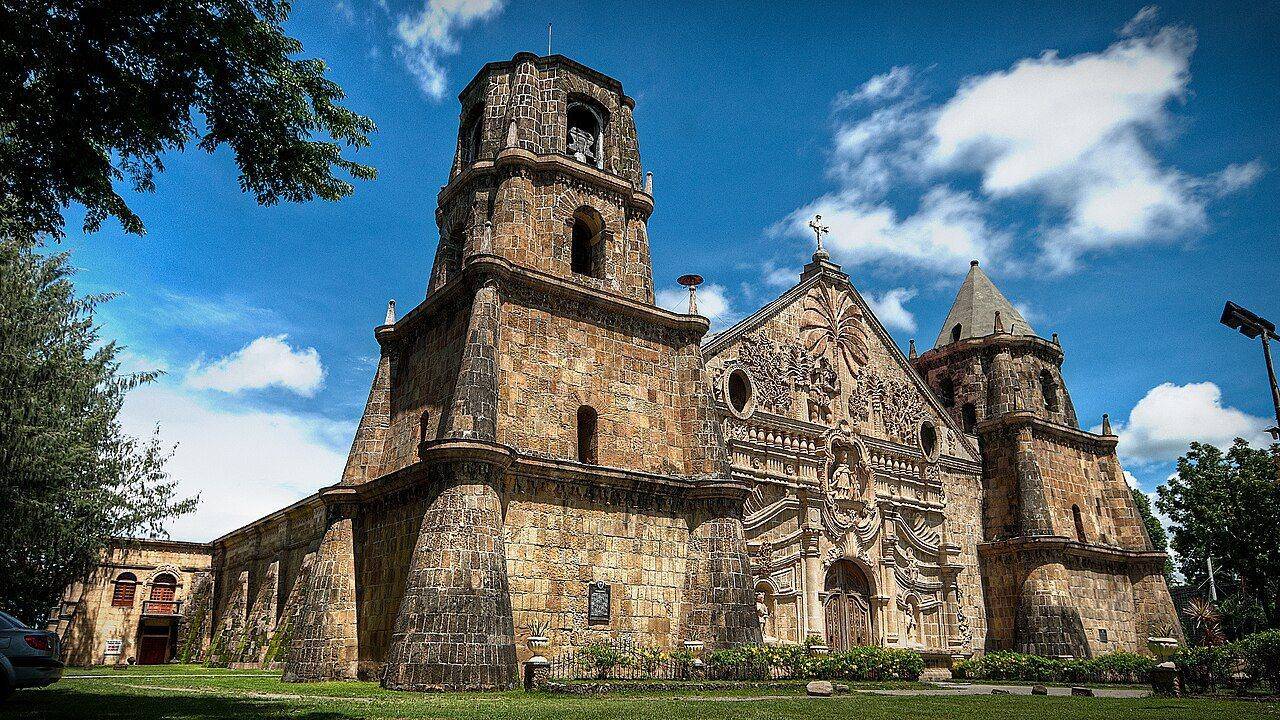
Sea and history on Panay: White Beach on Boracay, Puka Beach and sunset sailing, then Iloilo with its heritage houses, the fortress church of Miag-ao (UNESCO) with its facade carved with palms and saints, and Guimaras, the mango island.