Boracay, Iloilo and the churches of Panay
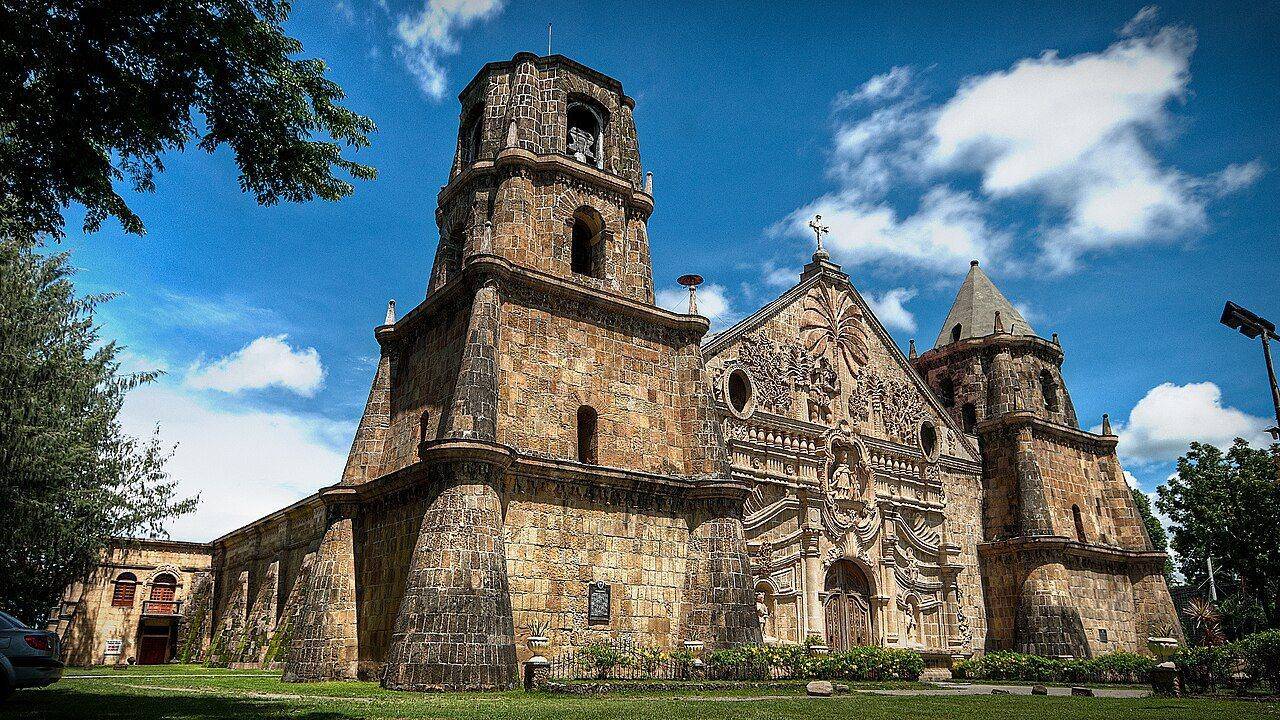
Sea and history on Panay: White Beach on Boracay, Puka Beach and sunset sailing, then Iloilo with its heritage houses, the fortress church of Miag-ao (UNESCO) with its facade carved with palms and saints, and Guimaras, the mango island.
- Caticlan
- Boracay
- Iloilo
- Miag-ao
- Guimaras
Day by day
- Day 1
Flight to Caticlan and boat to Boracay
Boracay is a small island in the Western Visayas, in the central Philippines, famous for White Beach, a strip of very white sand as fine as flour about four kilometres long, with turquoise water and sunsets over sailing boats. To the south, on the large island of Panay, lie the city of Iloilo, with its colonial churches and old houses, and the church of Miag-ao, a World Heritage site. In six days you see Boracay, Iloilo, Miag-ao and the island of Guimaras.
You arrive on a flight from Manila or Cebu at Caticlan airport, the closest to Boracay, or at Kalibo, about an hour and a half away by road. From Caticlan, take a boat from Caticlan port, in about fifteen minutes, to the island.
Boracay was closed for six months in 2018 for a major environmental clean-up, after years of unregulated development. Today there are stricter rules on wastewater, visitor numbers and behaviour on the beach.
In the afternoon, walk along White Beach, from Station 1 to Station 3, with shallow, clear water and palms. The sand stays cool even in the sun.
In the evening, eat by the beach and taste calamansi, the small Filipino citrus fruit, in a fresh juice.
In the evening, sleep on Boracay.
Practical tip: Italian citizens enter the Philippines without a visa for up to 30 days, with the eTravel form to fill in online. Boracay usually also requires a booking at registered accommodation and an environmental fee: check the latest rules.
- Day 2
White Beach and sailing at sunset
Early in the morning, before the heat and the crowds, walk along White Beach or swim in the calm water. At this hour the beach is quiet, with fishermen returning and people jogging on the sand.
After breakfast, relax on the beach or try water sports: kayaking, paddle boarding or diving at sites near the island. Remember that the beach has rules: no smoking, no drinking alcohol directly on the sand in the central area, and no sandcastles left behind.
In the afternoon, visit the Bulabog area on the east side of the island, where the wind, especially from November to April, makes the bay one of the best places in Asia for kitesurfing. Even just watching the colourful kites over the sea is a spectacle.
At sunset, return to White Beach and board a paraw, the traditional sailing boat with bamboo outriggers, which sails along the coast as the sun sinks into the sea. The sky turns orange and pink, with dozens of sails against the light.
In the evening, walk along the beach with its music, lights and bars, or choose a quieter area towards Station 1.
In the evening, sleep on Boracay.
Practical tip: White Beach has clear rules and fines for those who break them, for example for smoking or litter. Read the signs and ask your accommodation which rules are in force.
- Day 3
Puka Beach and snorkelling
In the morning, take a tricycle, the small motorbike with a sidecar, to Puka Beach, at the northern tip of the island. It is a wilder and quieter beach than White Beach, with coarser sand full of small white shells and stronger waves. The name comes from puka shells, once used for necklaces.
Spend the morning on the beach in the shade of the trees.
In the early afternoon, set off on a boat trip around the island, stopping to snorkel on nearby reefs, such as those around the islets of Crystal Cove and Crocodile Island, where you see corals, clownfish and colourful fish.
Some boats also stop at small isolated beaches reachable only by sea, and at caves on the coast with limestone walls.
On the way back, climb Mount Luho, the highest point on the island, a small hill with a viewing tower, from where you see all of Boracay, its beaches and the nearby islands.
In the evening, taste grilled fish and seafood chosen at the market and cooked on the spot, an island tradition.
In the evening, sleep on Boracay.
Practical tip: when snorkelling, use reef-friendly sun cream and do not touch or stand on the reef. Choose boats with life jackets and an experienced boatman.
- Day 4
The road to Iloilo and the old town
In the morning, leave Boracay by boat for Caticlan and take a bus or van to Iloilo, the main city on Panay, in about five or six hours, through countryside, rice paddies, coconut plantations and villages.
Alternatively, you can fly from Caticlan to Manila and then to Iloilo, but the road lets you see life in the Filipino countryside.
In the afternoon you reach Iloilo, an elegant, quiet city once called the queen of the south. In the nineteenth century it grew rich on the sugar trade, and merchants built fine houses of stone and wood and large churches.
Walk along Calle Real, the historic street in the centre, with restored early twentieth-century commercial buildings and decorated facades. Then stroll along the Iloilo River Esplanade, a green riverside walk with cycle paths, much loved by residents in the evening.
Visit Molo church, a nineteenth-century Gothic church of coral stone with statues of female saints inside, which is why it is called the feminist church, and Jaro cathedral, with its bell tower standing apart from the church.
In the evening, taste batchoy, a noodle soup with pork broth, born in Iloilo and famous throughout the Philippines.
In the evening, sleep in Iloilo.
Practical tip: buses between Caticlan and Iloilo run several times a day, but they are slow. Leave early in the morning so you arrive in daylight.
- Day 5
Miag-ao church and the south coast
In the morning, drive south-west along the coast to Miag-ao, in about an hour. Here stands the church of Santo Tomás de Villanueva, built at the end of the eighteenth century, one of the four Baroque churches of the Philippines listed as World Heritage.
The church was built like a fortress, with thick walls and two sturdy towers, to defend the town against pirates raiding the coast. The facade of yellow stone is decorated with a large relief: in the centre is Saint Christopher carrying the Christ child on his shoulders, leaning on a coconut tree, surrounded by palms, banana and papaya plants. It is an extraordinary example of Filipino Baroque, blending European style with local nature and culture.
Walk around the church and the town square, with its market and shops selling hand-woven fabrics made on traditional looms, a speciality of Miag-ao.
In the afternoon, continue along the south coast, stopping at other historic churches, such as San Joaquin, with a relief depicting a battle between Spaniards and Moors, and at quiet beaches in the area.
In the evening, return to Iloilo.
In the evening, sleep in Iloilo.
Practical tip: churches are places of worship, so cover your shoulders and knees and respect masses. On Sunday mornings avoid visiting during services.
- Day 6
A day trip to Guimaras and the flight from Iloilo
In the morning, take a boat from Iloilo port to the island of Guimaras, in about fifteen minutes. Guimaras is a small green island famous throughout the Philippines for its mangoes, considered among the sweetest in the world.
Hire a tricycle with a driver for the morning and visit a mango plantation, with trees laden with fruit between March and May, and the mango research centre. Taste fresh mango, dried mango or mango sweets such as mango tarts.
Then stop at a Trappist monastery, the only one in the Philippines, where the monks make and sell mango jams and sweets. If you have time, visit one of the beaches and small islands off Guimaras's south coast, with calm water.
At midday, return to Iloilo by boat.
In the afternoon, before your flight, take a last walk in the city or buy a Miag-ao fabric or a jar of mango jam as a souvenir.
Then take the flight from Iloilo airport to Manila or Cebu.
This trip combines well with Bohol and Siquijor, reachable from Cebu, or with Palawan, with El Nido and Coron.
Practical tip: Guimaras protects the quality of its mangoes and forbids bringing mangoes from other areas onto the island, to prevent plant diseases. Do not bring fruit from outside.
Boracay charges an environmental fee on arrival, and smoking, drinking and eating on the sand are banned on the beach: the island was closed for six months in 2018 because of environmental damage. In January Iloilo celebrates Dinagyang, which is very crowded. EU citizens enter without a visa for up to 30 days; the eTravel form must be filled in online within 72 hours of departure. The UK advises against all travel to western and central Mindanao and the Sulu archipelago; the US also advises against the rural and mountainous interior of Leyte, Mindoro, Negros and Samar. From July to November typhoons can cancel flights and ferries.
Before you go
- Documents and visa
- Passport valid for at least six months and an onward ticket; no visa for tourism up to 30 days for EU citizens. In the 72 hours before the flight you fill in the no-cost eTravel form online.
- Health and vaccines
- No compulsory vaccines arriving from Europe. Protect yourself against mosquitoes because of dengue and keep away from dogs and monkeys because of rabies. Drink only bottled water. Emergencies: 911.
- Money and payments
- Philippine peso. On small islands cash machines are few and often empty: carry cash.
- Power sockets
- Types A, B and C, 220 volts: bring a universal adapter.
- Time zone
- UTC+8 all year.
- Safety
- The United States rates the Philippines level 2, with level 4 for the Sulu archipelago, the southern Sulu Sea and Marawi, and level 3 for much of Mindanao. Typhoons occur from June to November. Official advice: GOV.UK.
Information checked in November 2026 for Italian and EU citizens. Rules change: always check before you travel.
Variations
In 4 days: Boracay only, with sunset sailing and the island tour.
In 10 days: add Bohol and Siquijor.
Frequently asked questions
When is the best time to go?
From December to May, the dry season. From June to November there is more rain and there may be typhoons.
Is Boracay very crowded?
Yes, especially during Filipino and Asian holidays. Towards Station 1 and at Puka Beach it is quieter.
Can you get from Boracay to Iloilo in a day?
Yes, by boat and bus in about six or seven hours in all. Leave early in the morning.
Indicative itinerary written by World Atlas. Before booking, check timetables, seasonal openings, documents and safety.
 5 daysModerate
Kalinga and the Cordillera mountains
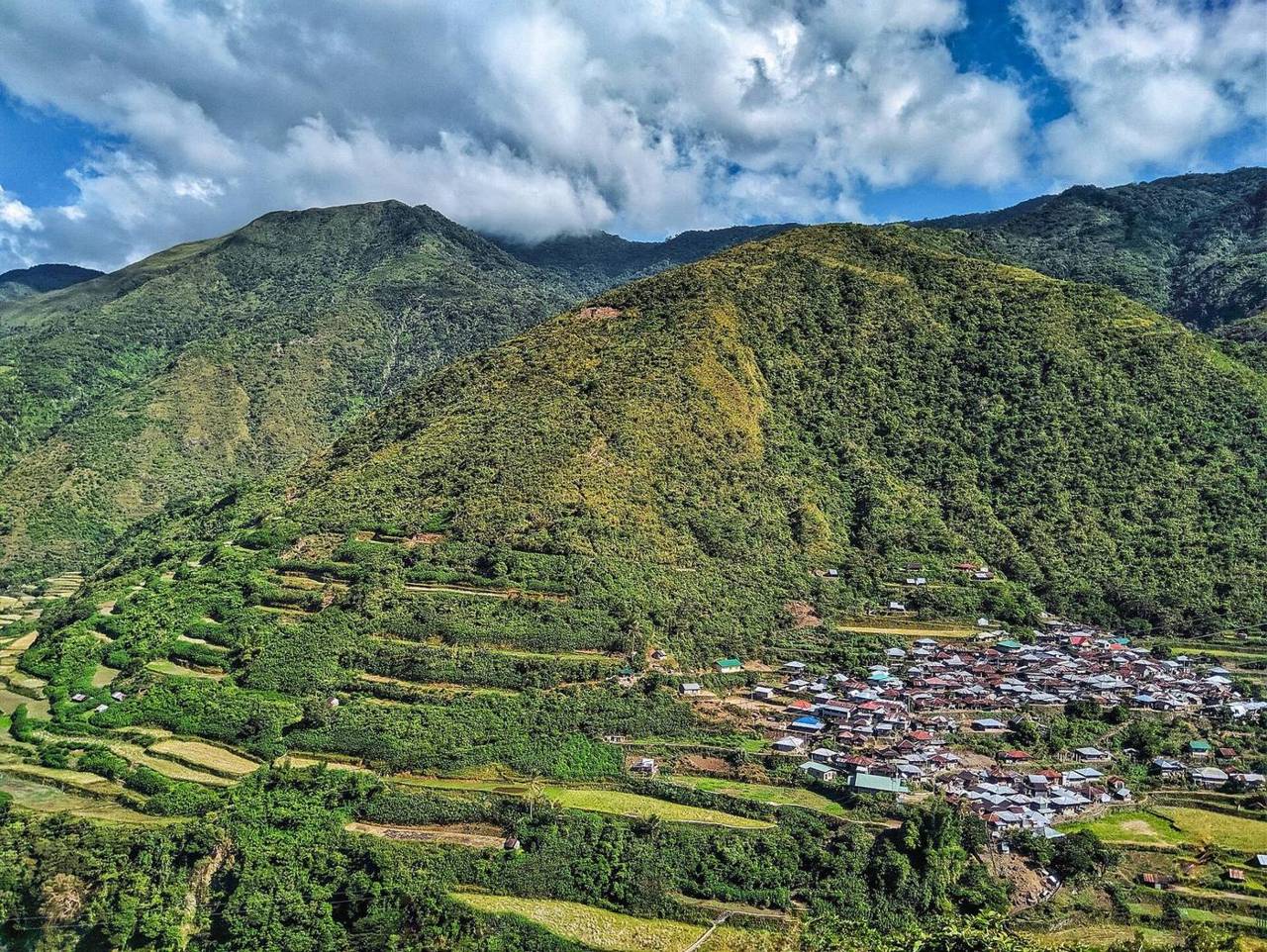
The less-travelled mountainous north: Baguio, the cool highland city, the mountain road to Kalinga province, the rice terraces of Bugnay and the village of Buscalan, where traditional tattooing is handed down, reached on foot through the fields.
 5 daysEasy
The Caramoan islands
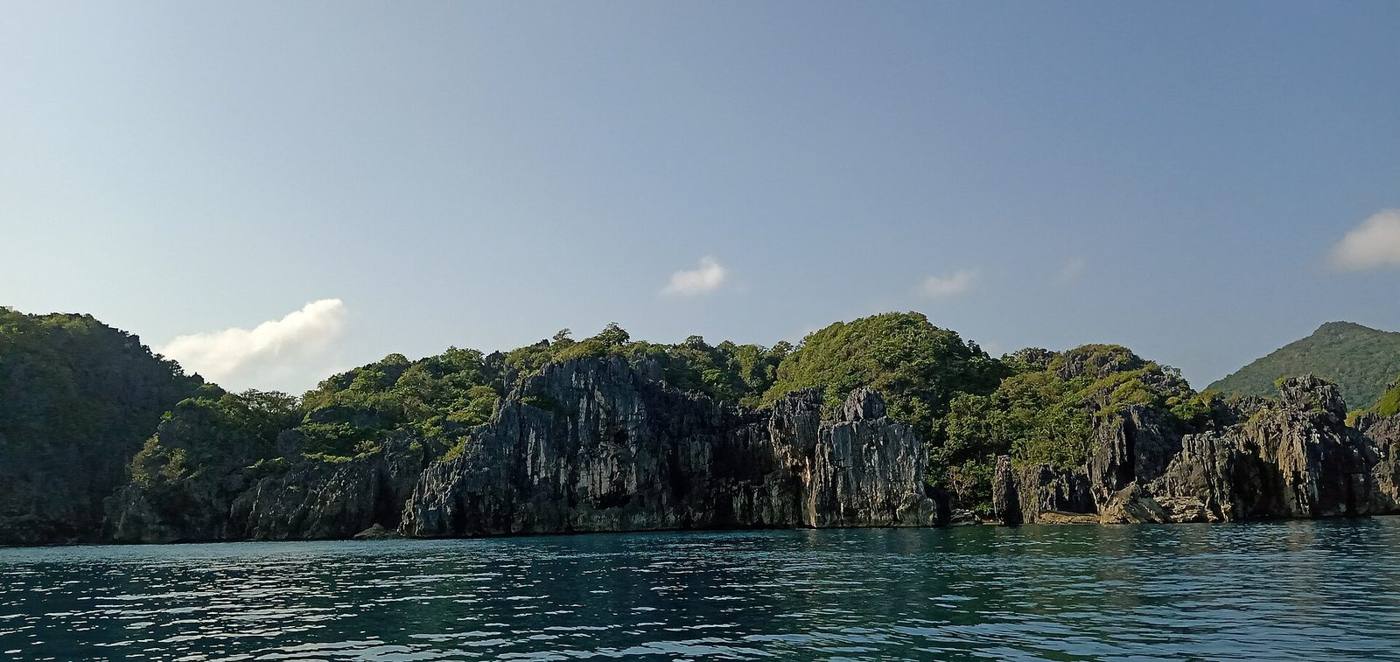
A limestone archipelago in southern Luzon, chosen for many seasons of reality television: islets with white beaches between karst cliffs, lagoons, caves, the hilltop shrine at Guijalo and boat trips without the Palawan crowds.
 4 daysModerate
Diving in Anilao
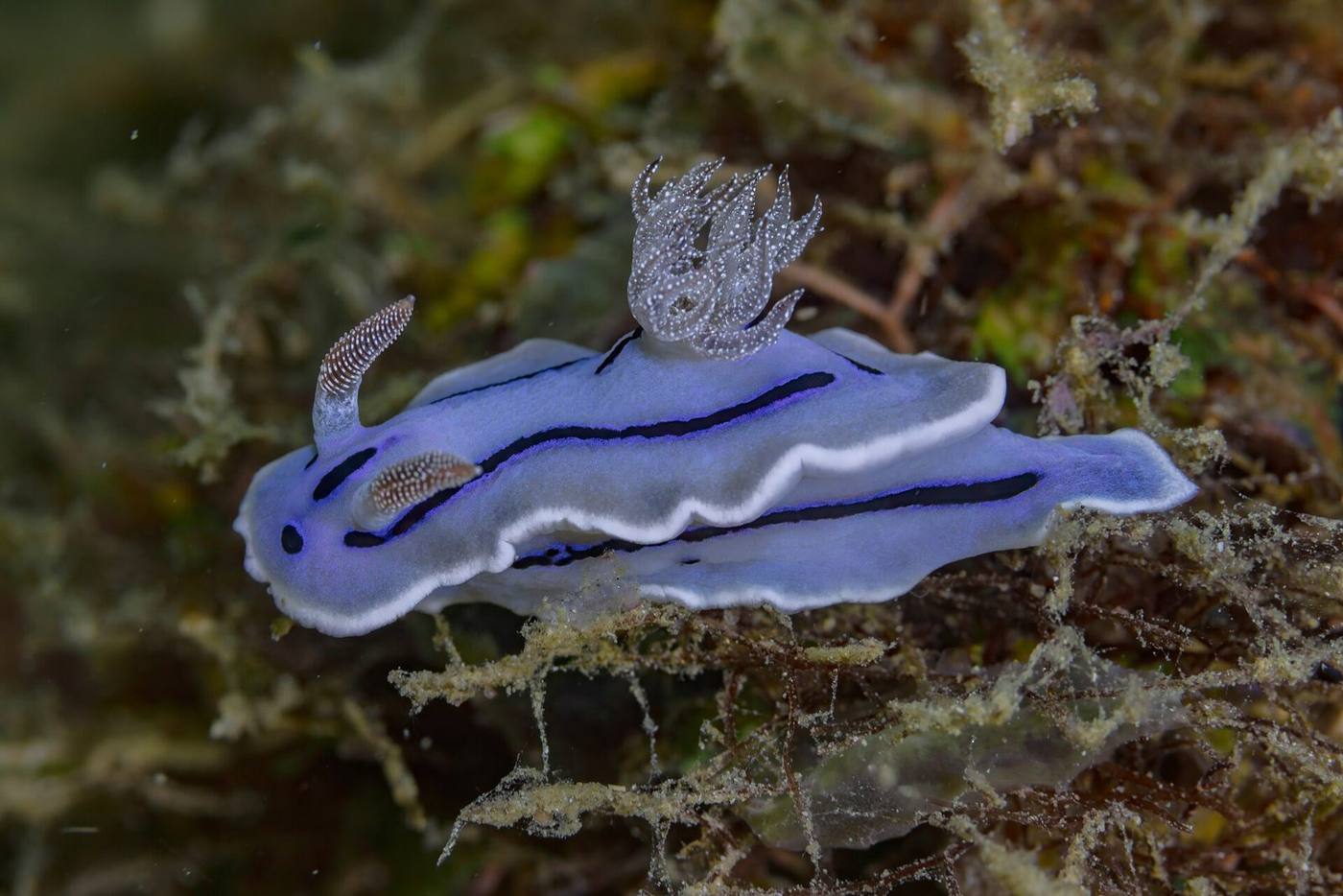
The macro diving capital, three hours from Manila: nudibranchs in every colour, pygmy seahorses, mimic octopuses and frogfish on muck dives and reefs in Balayan Bay, and night dives for the smallest creatures.