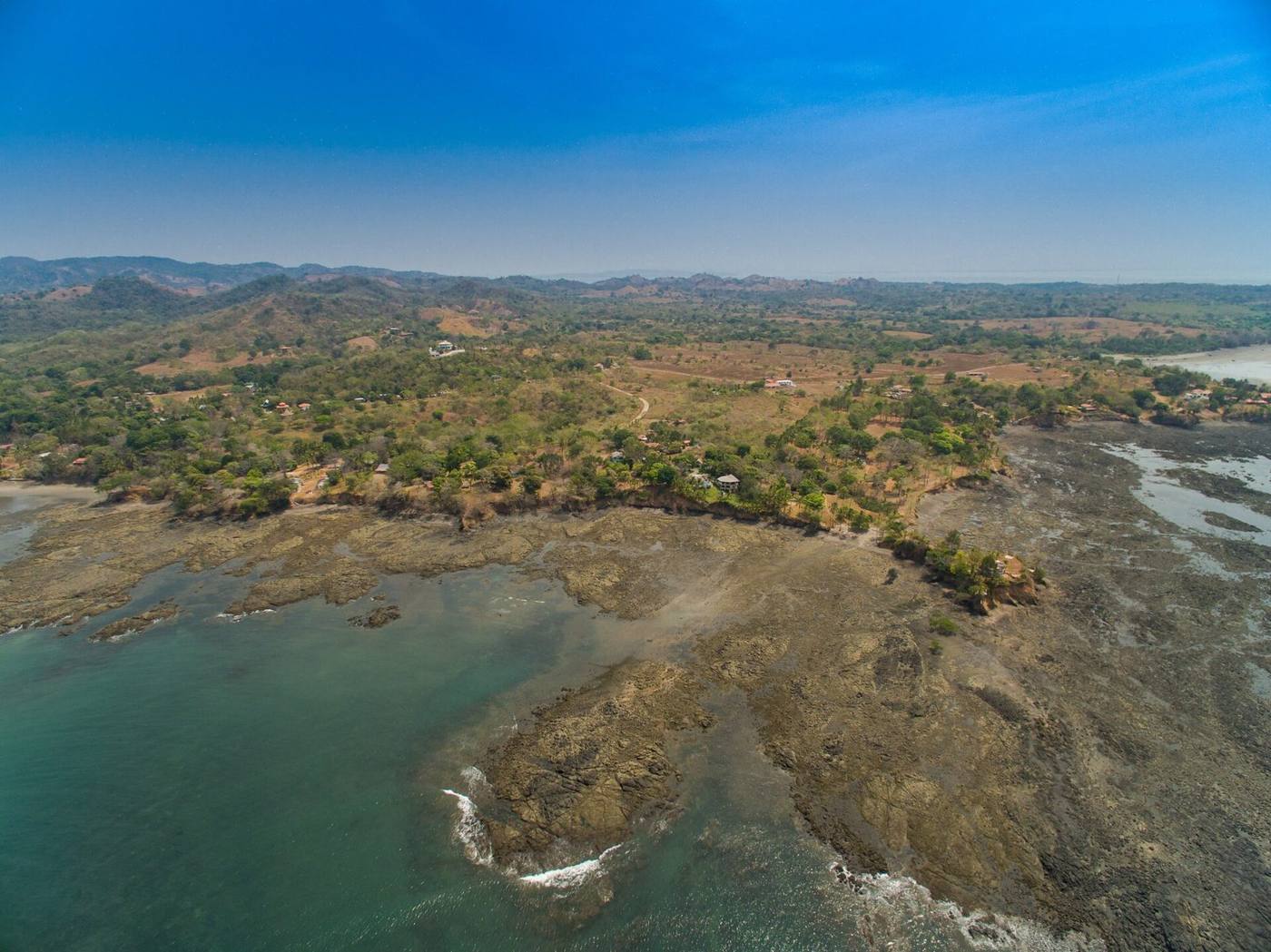
Santa Catalina
The surf village on the Pacific coast, with famous waves, Estero beach, sunsets and boats leaving for Coiba.
- Soná
- Santa Catalina
- Playa Estero
Day by day
- Day 1
From Soná to Santa Catalina and Estero beach
This trip takes you in three days to Santa Catalina, a small fishing and surfing village on the Pacific coast, in Veraguas province, famous for its waves, its sunsets and the boats that leave for Coiba National Park. You travel by rental car or bus.
Before you go: Italian citizens enter Panama with a passport, valid for at least three months from arrival, and a return ticket, without a visa for a tourist stay of up to 90 days. Other nationalities should check their own rules. The United States rates Panama at level 2, with level 4 only in eastern Darién and on a stretch of the Caribbean coast, areas this trip does not touch. Official advice warns that currents are strong on Pacific beaches.
From Panama City, follow the Pan-American Highway west to Santiago, then go down to Soná, the last town with banks and large shops. From here a road through hills, pastures and small villages reaches the sea. In all it takes about six hours.
In the afternoon, go to Estero beach, a long beach of dark sand with palm trees, near the village. The waves here break on sand and are gentler, so this is where beginners learn. Walk along the shore and watch the surfers in the water.
At sunset the sun goes down over the sea in front of the beach, with an orange sky and fishing boats coming home.
In the evening, eat in the village: fresh grilled fish, coconut rice and patacones.
Overnight in Santa Catalina, for two nights.
Practical tip: take out all the cash you need in Soná, because in Santa Catalina there are very few cash machines and they are often empty.
- Day 2
A day of surfing
Today is the day of the waves, with a surf lesson for beginners or a session on the point for those who already surf.
Early in the morning, check the tide and the waves, because here they change a lot during the day. If you are experienced, go to the Santa Catalina point break, the rocky point at the end of the village, one of the most famous waves in Central America. The wave is long and powerful and breaks over a rock bottom, so it is not suitable for beginners. Respect the priority of local surfers.
If you are a beginner, take a lesson on Estero beach with an instructor and a large soft board. The first hours are for learning to paddle, to get past the waves and to stand up on the board. Wear a shirt with sun protection.
For lunch, eat something simple in the village, such as a plate of fish, rice and beans, and drink a fresh fruit juice.
In the afternoon, rest in the shade of the palms or, if you still have energy, do a second session at the right tide. Alternatively, hire a kayak or snorkel near an island off the coast, if the sea is calm.
At sunset, sit on the point and watch the surfers on the last wave of the day.
In the evening, have ceviche and tropical fruit.
Overnight in Santa Catalina.
Practical tip: go into the water only where your instructor tells you and never alone, because Pacific currents can be strong even when the sea looks calm.
- Day 3
The last wave and the return
Today you have a last morning by the sea and head back to Panama City.
Early in the morning, if the tide allows, have a last surf session or a walk on Estero beach, while the wind is still light and the water is smooth. Look for crabs on the sand and seabirds on the shore.
Then have a slow breakfast in the village, with fresh fruit and Panamanian coffee.
In the middle of the morning, leave for Soná and Santiago. If you travel by bus, check the times the day before, because there are few services from Santa Catalina. On the way, stop in Santiago for lunch and to stretch your legs.
In the afternoon, continue east on the Pan-American Highway and reach Panama City before evening. Do not drive at night outside towns, as Italy's official travel advice recommends.
In these three days you have seen the wildest Pacific coast of Panama: a quiet village, Estero beach, the famous wave of the point, sunsets over the sea and the simple life of the Veraguas coast.
When to go: for waves the best period is March to October, when the swells arrive from the south. From December to April is the dry season, with less rain and more sun, but waves are sometimes smaller. If you want to combine surfing with diving in Coiba, choose the dry months.
Practical tip: if you have a few more days, stay in Santa Catalina and book a boat trip from here to Coiba National Park, with a boat authorised by the park.
A laid-back place with great waves for experienced surfers. The point break is over rock: not for beginners. Few cash machines: bring cash.
Before you go
- Documents and visa
- Passport valid for at least three months from arrival and a return or onward ticket; no visa is needed for tourism for up to 90 days, with no extension. The customs declaration is filled in online. The air departure tax is usually already included in the ticket.
- Health and vaccines
- On 16 November 2026 the Ministry of Health declared a national malaria alert, with cases also in the Ancón area of Panama City. There is dengue and Zika: use repellent and cover your arms and legs. The yellow fever vaccine is compulsory if you arrive from a country at risk and is recommended for Darién and Guna Yala. Private clinics are good in the capital, limited in the provinces: you need insurance covering medical costs and repatriation. Emergencies: 911.
- Money and payments
- The US dollar is legal tender; the balboa is worth the same as the dollar and exists only as coins. Cards work almost everywhere and there are cash machines in towns; carry cash in small notes for the islands and villages.
- Power sockets
- Types A and B, with flat pins as in the United States, 120 volts: you need an adapter, and check the voltage of your devices.
- Time zone
- UTC-5 all year.
- Safety
- The United States rates Panama at level 2 for crime and protests. Do not travel: Darién south of Jaque, Manené, Yaviza and Lajas Blancas to the Colombian border, and the Caribbean coast of the Mosquito Gulf between Boca del Río Chiriquí and Coclé del Norte. Avoid outlying districts of the capital such as Curundú, El Chorrillo and San Miguelito, and in Colón city avoid non-essential stays and moving around in the evening. Muggings have also been reported in Casco Viejo and Panama Viejo. Currents are strong on Pacific beaches. Official advice: GOV.UK.
Information checked in November 2026 for Italian and EU citizens. Rules change: always check before you travel.
Variations
In 2 days: arrive in Santa Catalina on the first day and take a surf lesson on the second, returning in the evening.
In 6 days: add three days of diving or snorkelling in Coiba National Park, leaving from Santa Catalina.
Frequently asked questions
Is Santa Catalina good for people who have never surfed?
Yes, but on Estero beach, with an instructor. The point break breaks over rock and is only for experienced surfers.
Are there cash machines in Santa Catalina?
Very few, and often empty. Take out cash in Soná, the last town with banks on the road, and carry cash.
What document do I need for Panama?
Italian citizens enter with a passport valid for at least three months from arrival and a return ticket, without a visa for up to 90 days. Other nationalities should check their own rules.
Indicative itinerary written by World Atlas. Before booking, check timetables, seasonal openings, documents and safety.
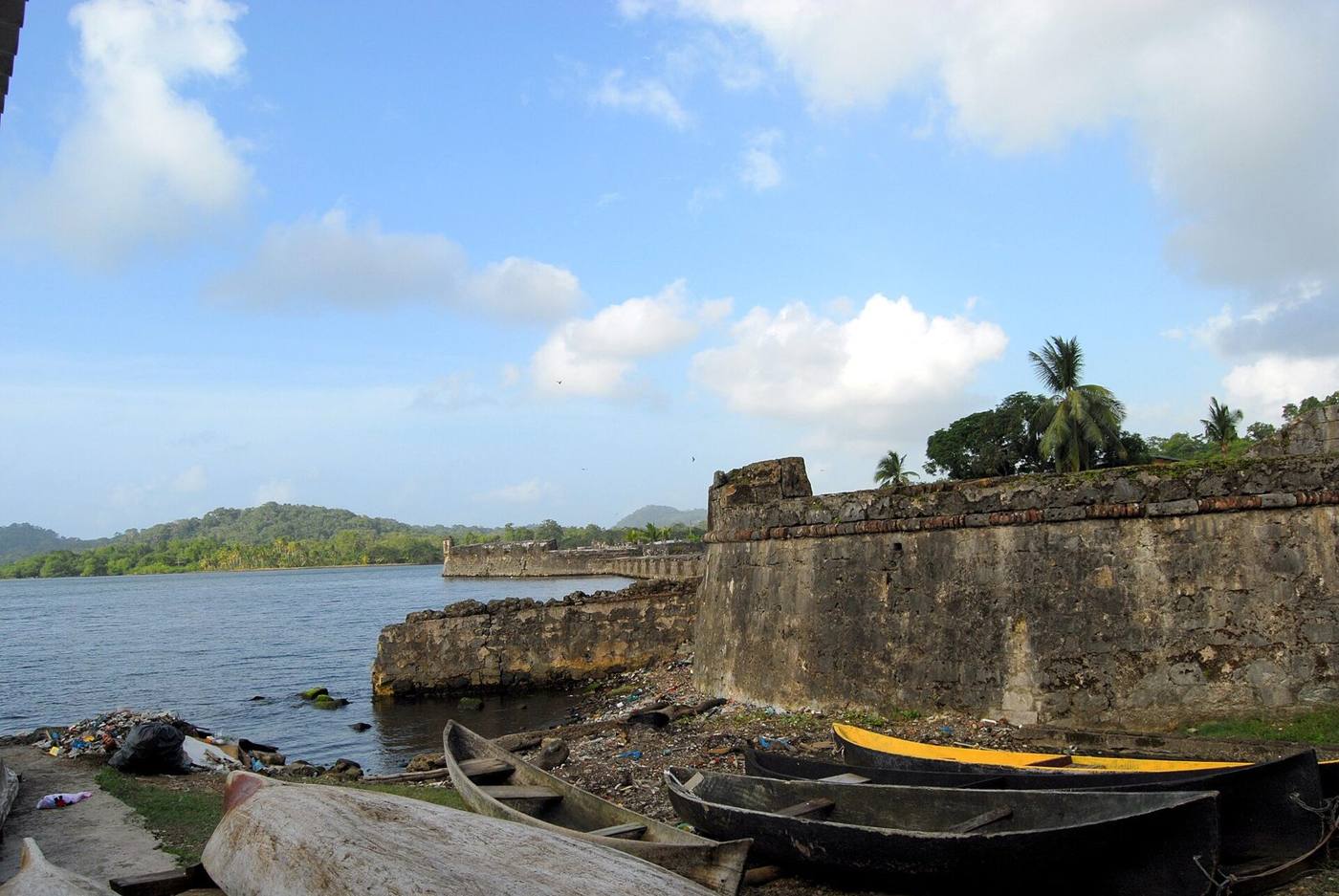 2 daysEasy
Portobelo and the Caribbean coast
The UNESCO-listed Spanish forts of Portobelo, the Black Christ, Congo culture with its dances and paintings, and the beaches of Isla Grande.
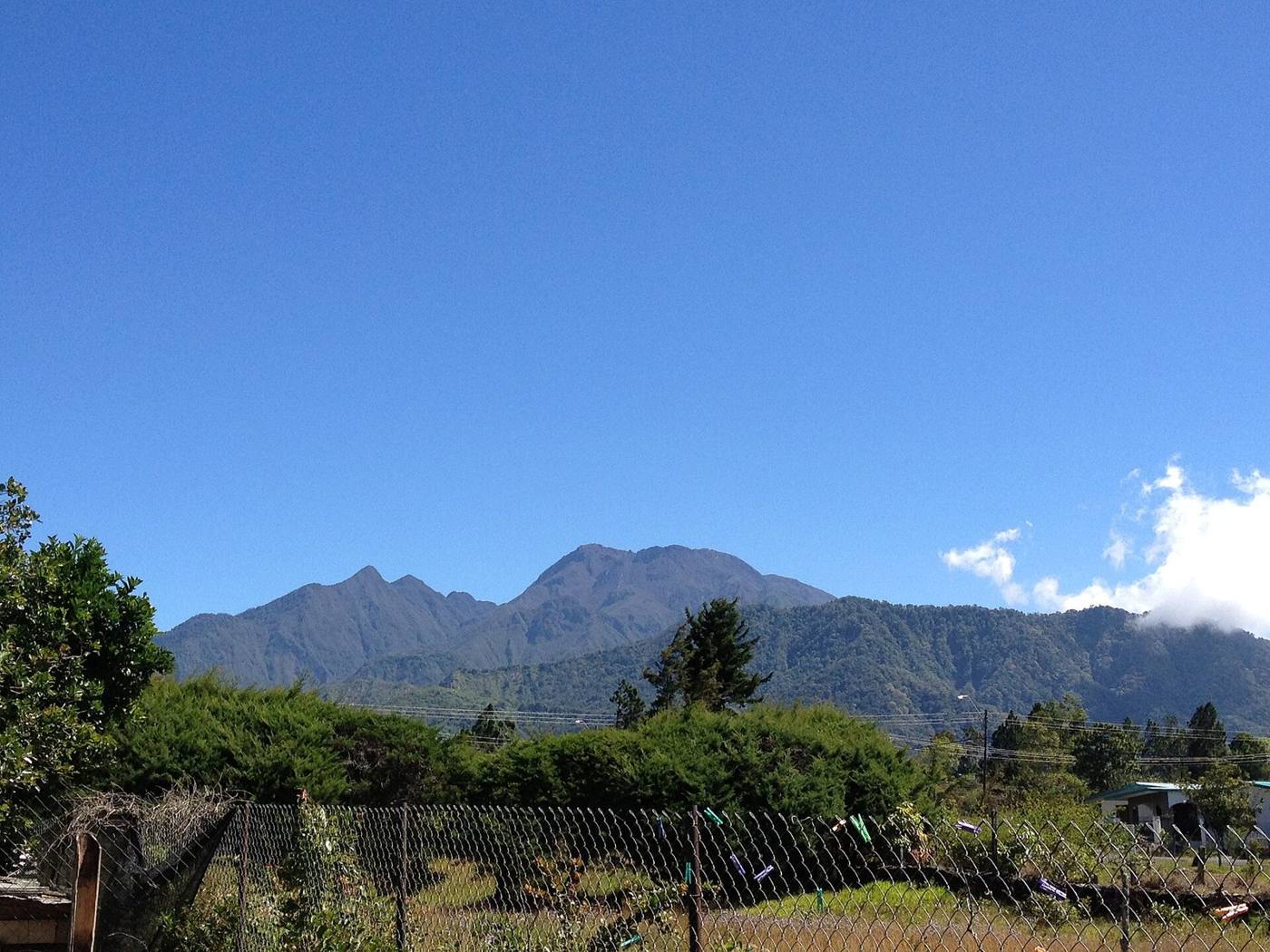 3 daysChallenging
Barú volcano and Cerro Punta
The night climb to Panama's highest summit, 3,474 metres, to see both oceans at dawn, and the farming valley of Cerro Punta with the Quetzal trail.
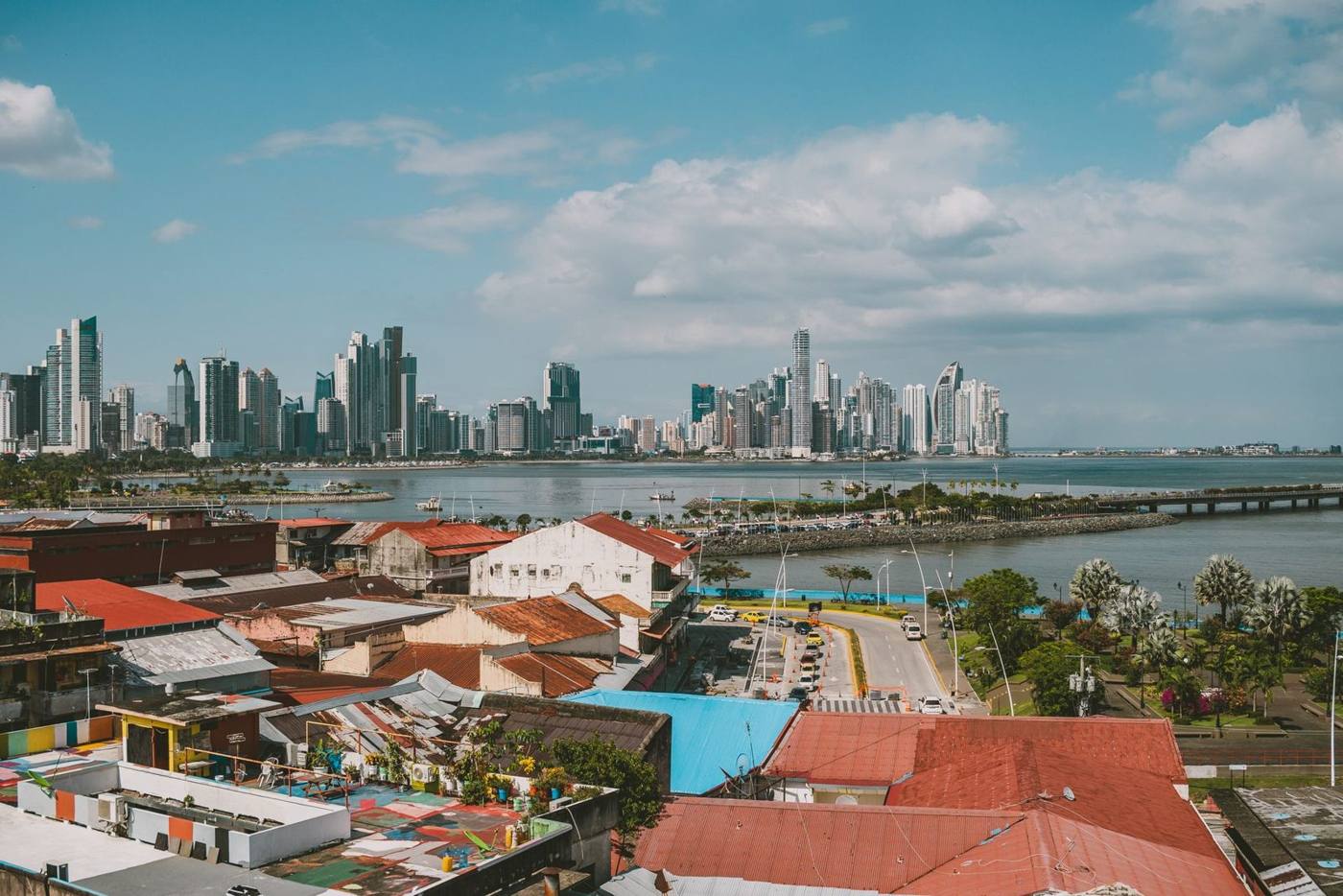 4 daysEasy
Panama City and the Canal
The colonial Casco Viejo, the Miraflores locks with ships in transit, Gehry's Biomuseo and the Soberanía forest along the canal.